English Lavender Wilting
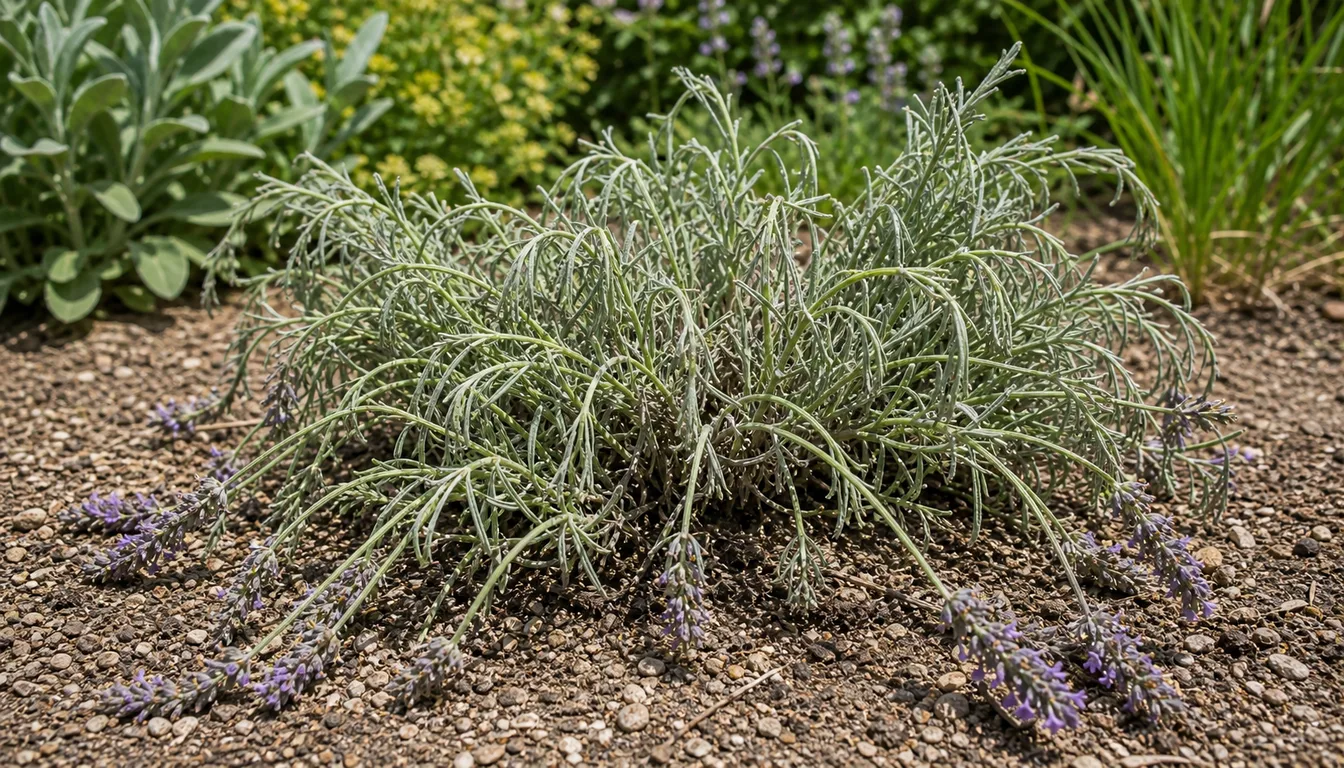
English lavender can wilt because its active roots are dry or because wet, damaged roots can no longer move water.

Plant Diagnosis
Start with the symptom you can see. Compare likely causes before changing water, fertilizer, light, or treatment.
A useful diagnosis starts with location, timing, and the pattern of damage.
Check whether symptoms begin on old leaves, new growth, roots, or one side of the plant.
Note weather, watering, repotting, feeding, pruning, and any new treatment.
Look for insects, residue, soft tissue, dry edges, odor, and soil moisture.
85 matching guides
Search checks problem names, descriptions, and summaries. Plant group uses the category saved on each problem; sorting uses the update date or problem name.
English lavender can wilt because its active roots are dry or because wet, damaged roots can no longer move water.
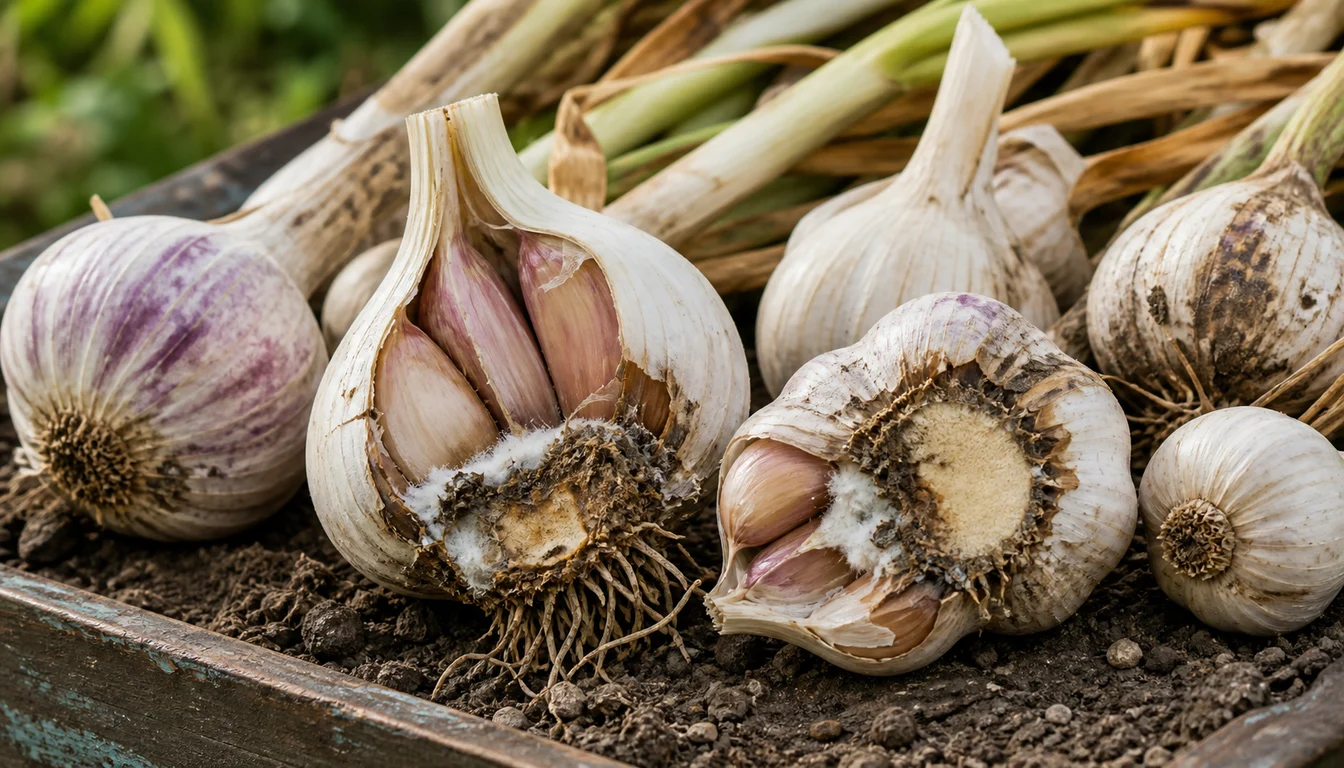
Garlic rot is easiest to identify by finding where the damage began. Dry brown decay moving up from the basal plate suggests Fusarium…
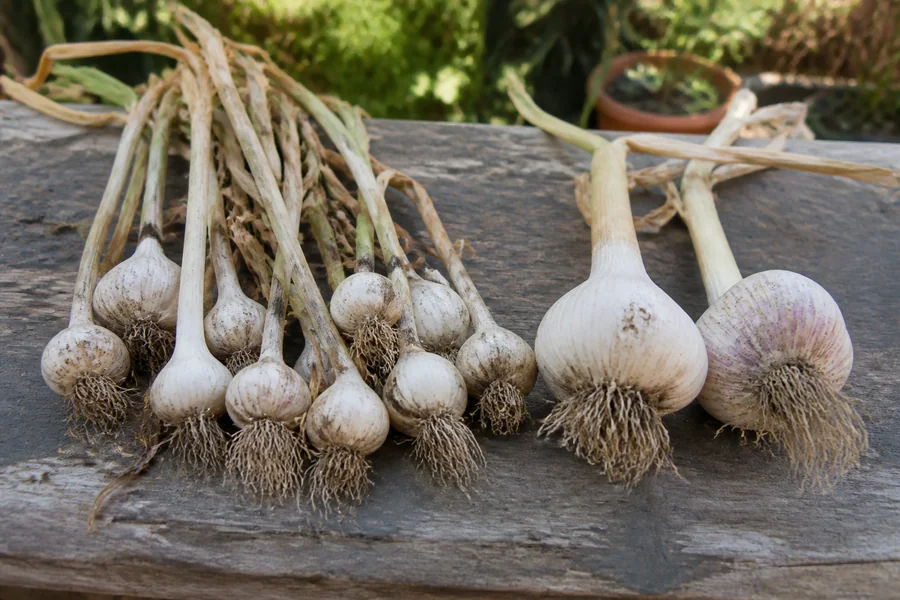
Sort the harvest into uniformly small, patchy, and malformed groups before choosing a fix.
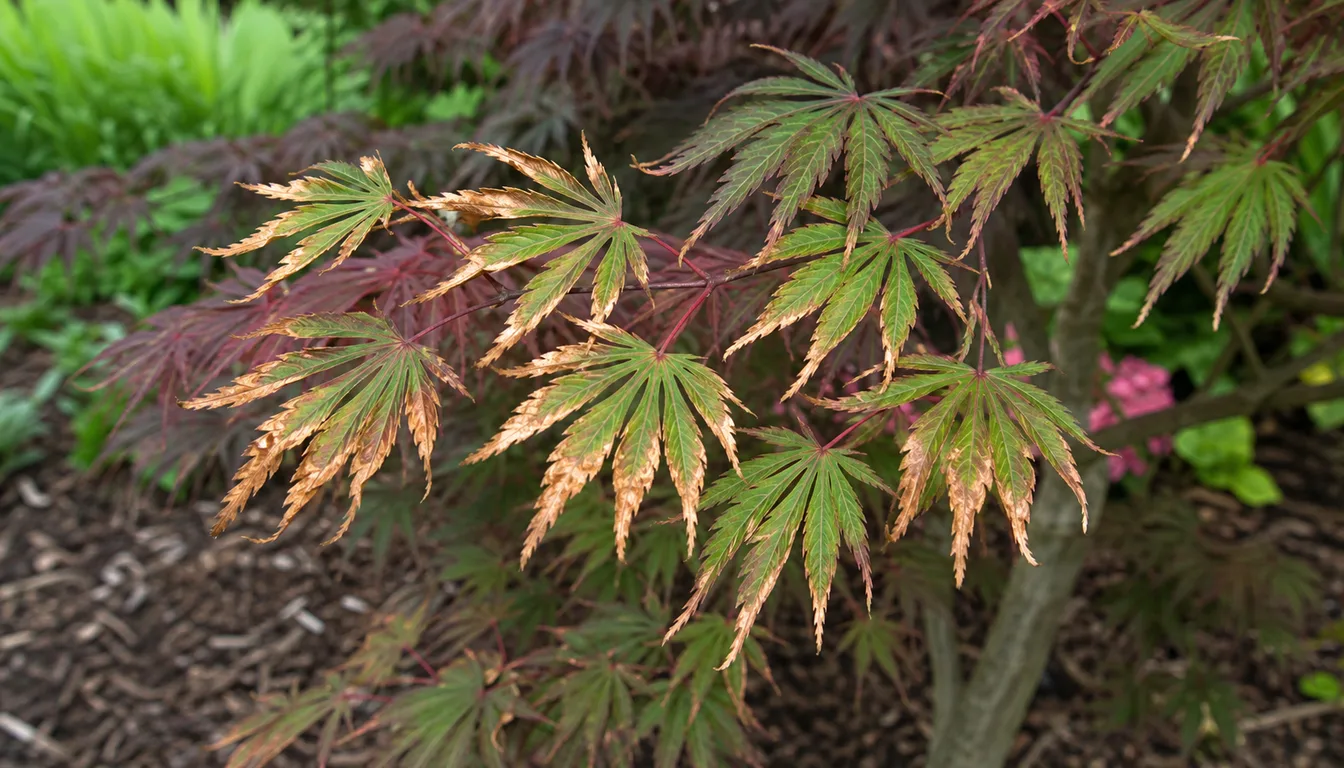
Japanese Maple leaf scorch usually means the leaves lost water faster than the roots could replace it.
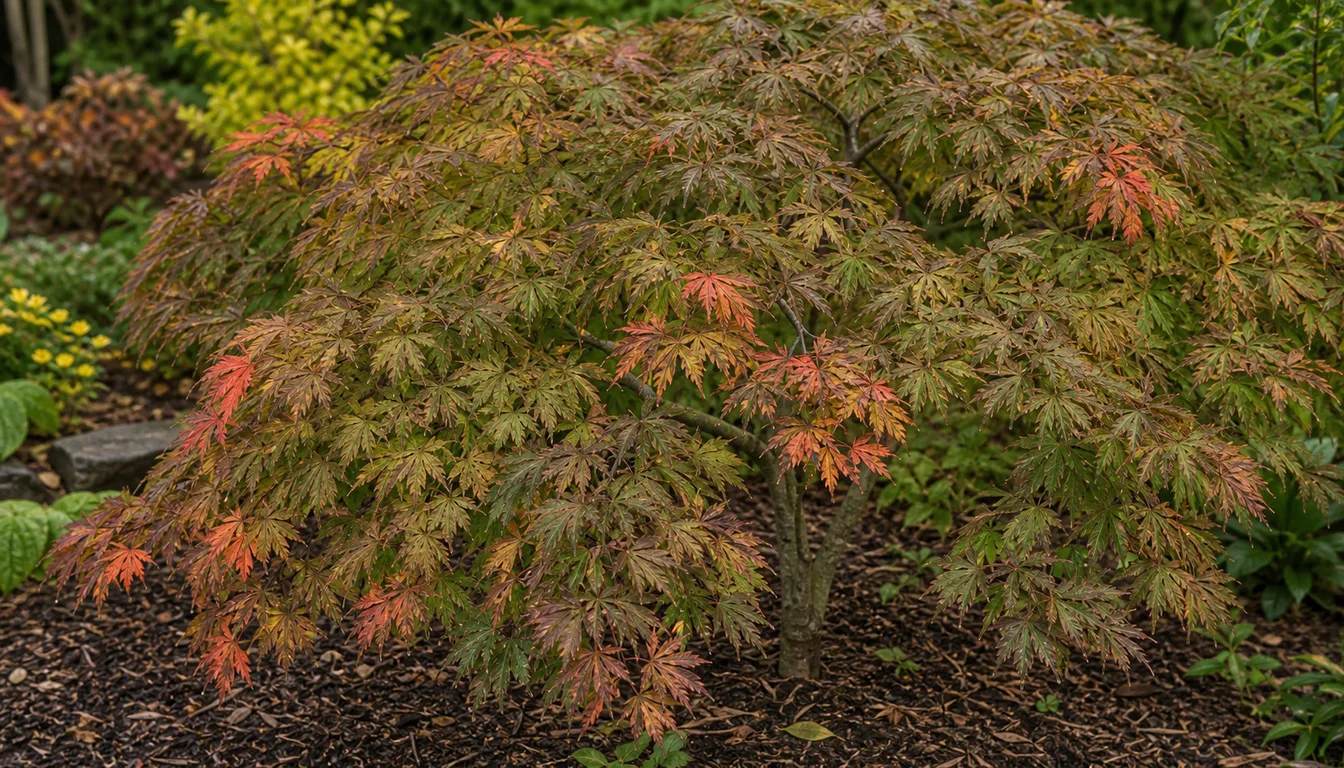
Weak Japanese Maple fall color means different things depending on timing and leaf condition.
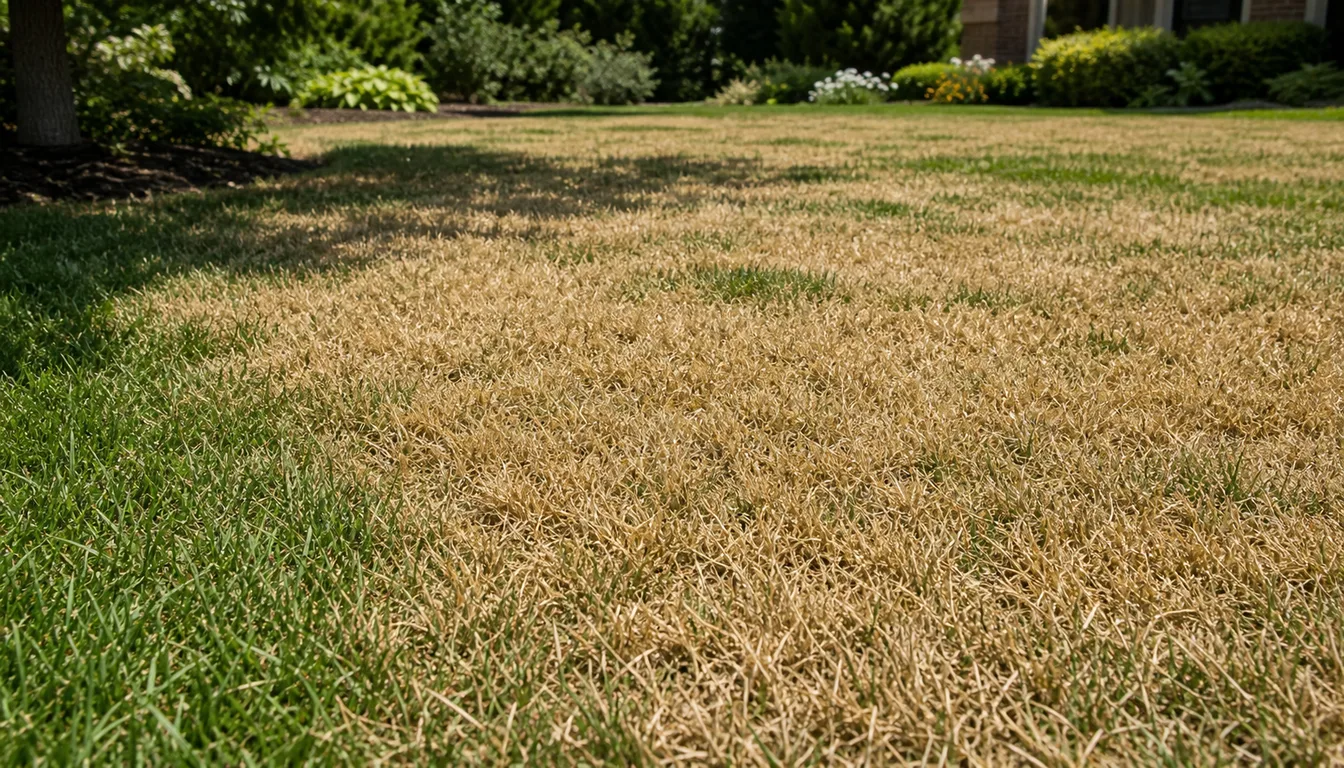
Kentucky Bluegrass often survives hot, dry weather by letting its leaves turn straw-brown while the crowns and roots remain alive.
Use the plant and soil condition to set the next watering.
PestsMatch treatment to a confirmed pest and its life stage.
NutritionRule out root and moisture problems before adding fertilizer.