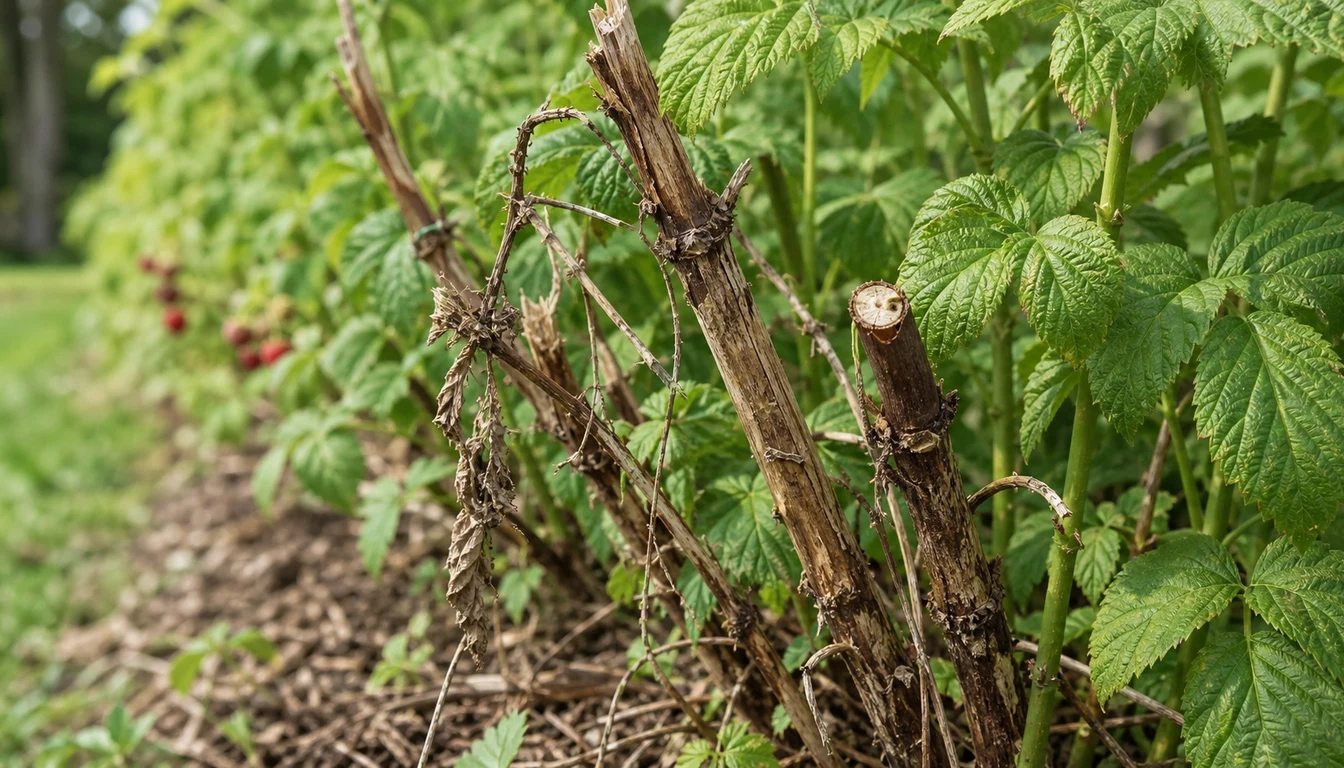
Raspberry Cane Dieback
Raspberry cane dieback can mark a spent fruiting cane, a winter-killed top, a wound infection, a node disease, an insect tunnel, or…

Plant Diagnosis
Start with the symptom you can see. Compare likely causes before changing water, fertilizer, light, or treatment.
A useful diagnosis starts with location, timing, and the pattern of damage.
Check whether symptoms begin on old leaves, new growth, roots, or one side of the plant.
Note weather, watering, repotting, feeding, pruning, and any new treatment.
Look for insects, residue, soft tissue, dry edges, odor, and soil moisture.
85 matching guides
Search checks problem names, descriptions, and summaries. Plant group uses the category saved on each problem; sorting uses the update date or problem name.
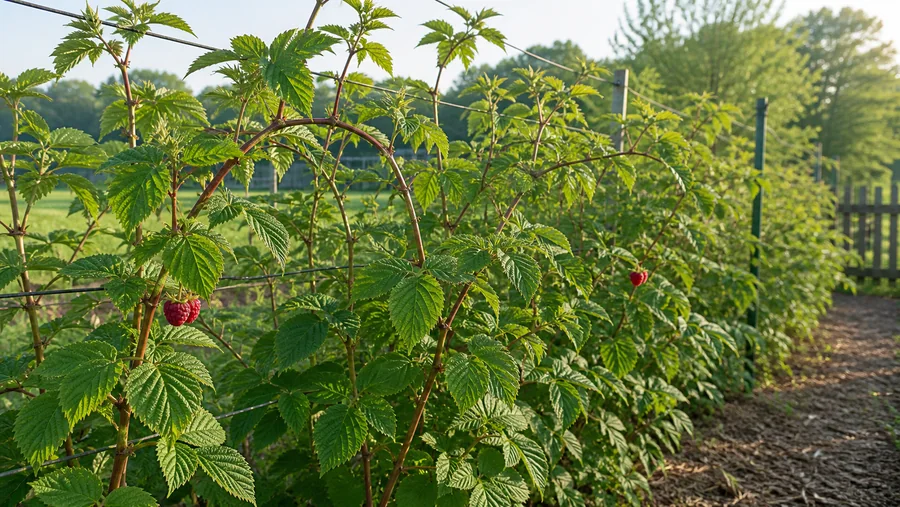
Raspberry cane dieback can mark a spent fruiting cane, a winter-killed top, a wound infection, a node disease, an insect tunnel, or…
A living raspberry patch can miss its crop at three different stages. Find out whether the canes made no flowers, flowers failed to…
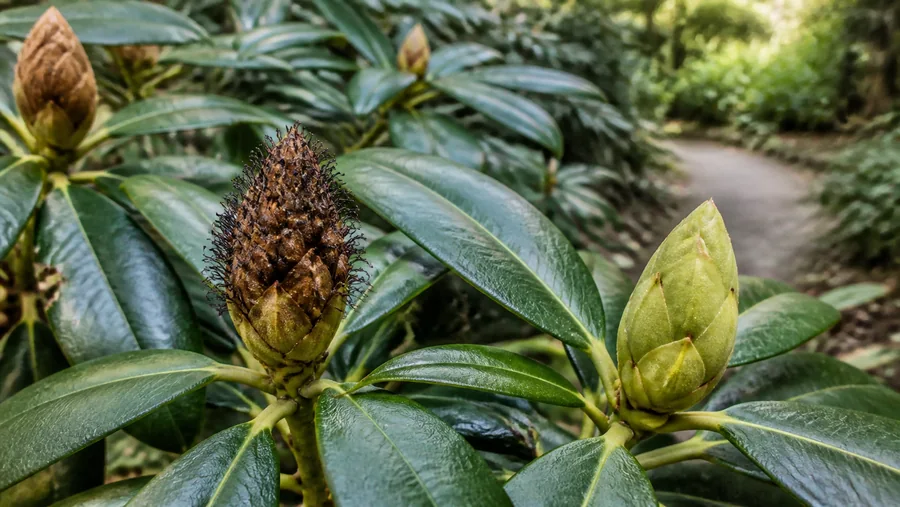
True rhododendron bud blast leaves brown flower buds attached and later covers them with tiny black bristles.
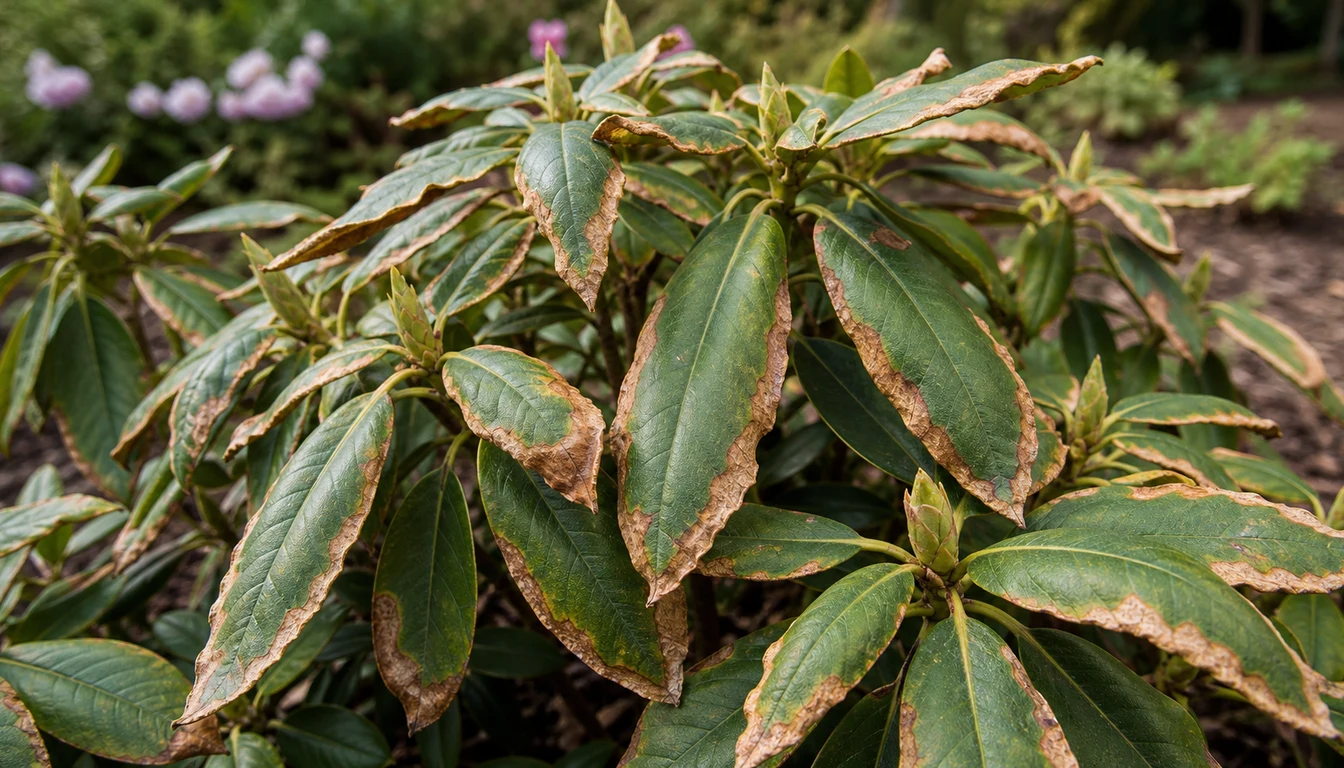
Brown, crisp edges on Rhododendron leaves mean the leaf lost more water than the roots could replace, and eight different situations…
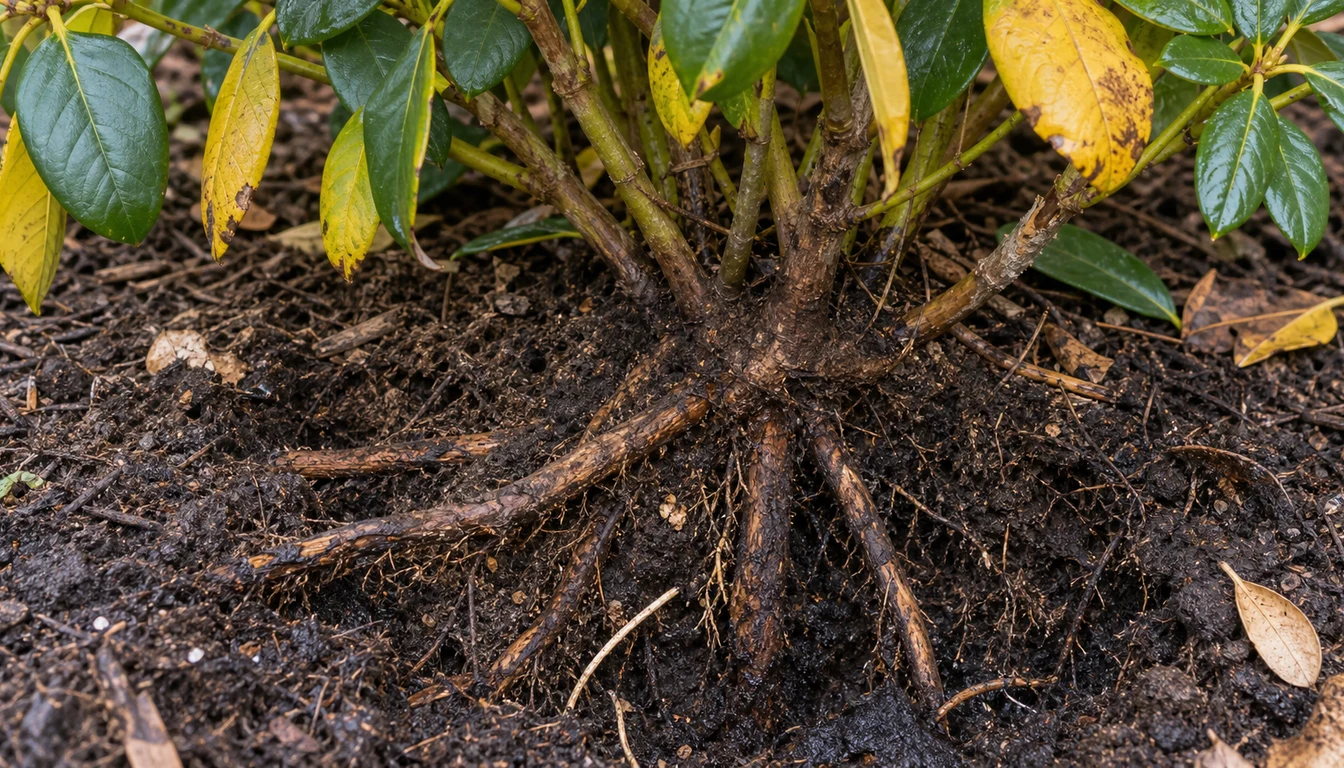
A wilting rhododendron in wet soil may have damaged roots, but symptoms alone do not identify the cause.
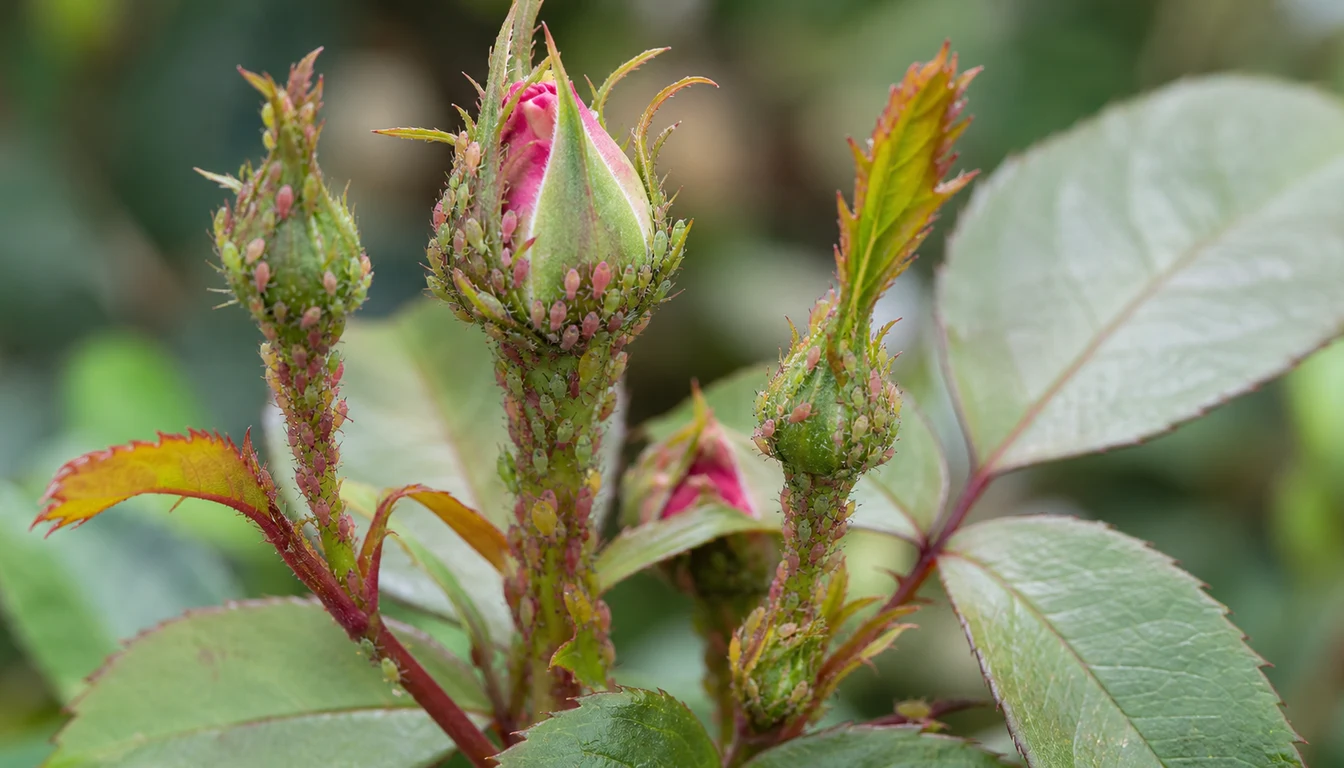
Rose aphids gather on tender shoots and buds, but a small colony may disappear under pressure from predators.
Use the plant and soil condition to set the next watering.
PestsMatch treatment to a confirmed pest and its life stage.
NutritionRule out root and moisture problems before adding fertilizer.