Kentucky Bluegrass Thin Lawn
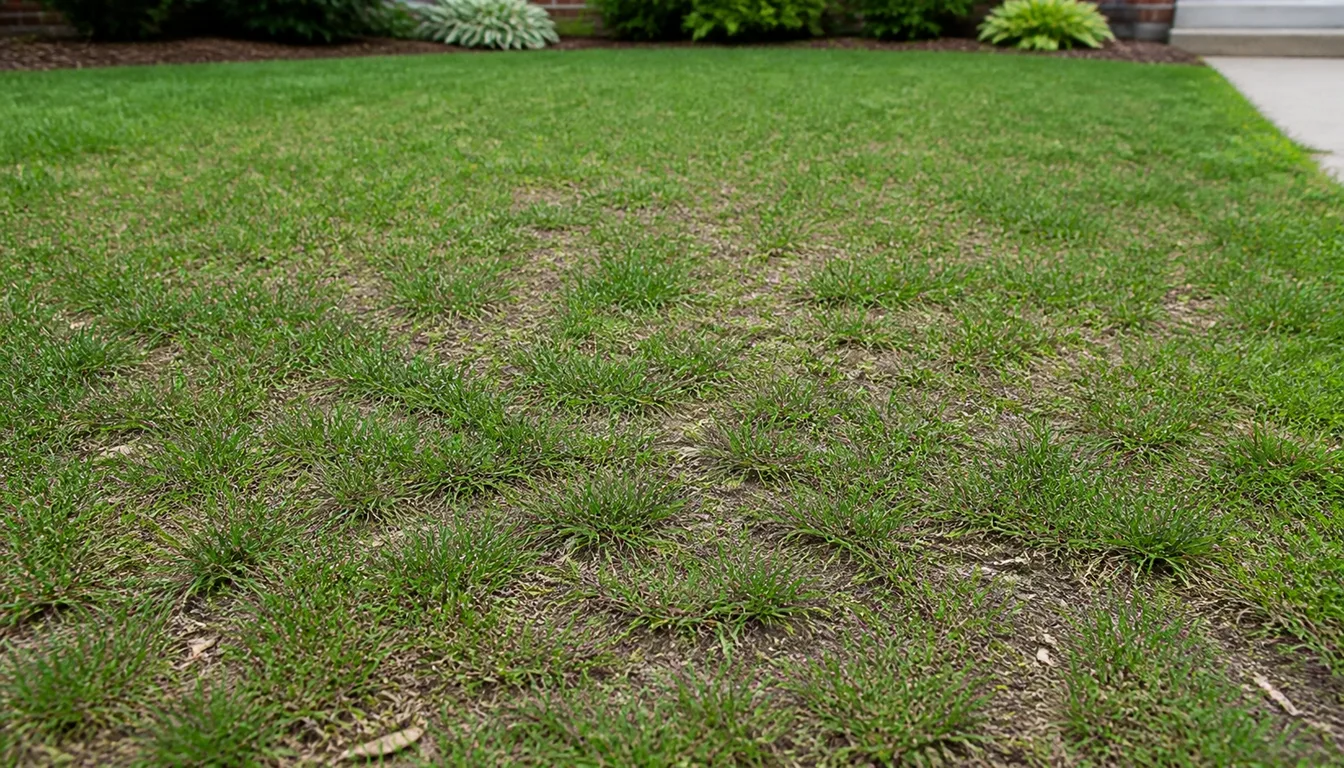
A Kentucky Bluegrass lawn is truly thin when it has fewer living crowns, visible soil, and gaps that remain after favorable growing…

Plant Diagnosis
Start with the symptom you can see. Compare likely causes before changing water, fertilizer, light, or treatment.
A useful diagnosis starts with location, timing, and the pattern of damage.
Check whether symptoms begin on old leaves, new growth, roots, or one side of the plant.
Note weather, watering, repotting, feeding, pruning, and any new treatment.
Look for insects, residue, soft tissue, dry edges, odor, and soil moisture.
85 matching guides
Search checks problem names, descriptions, and summaries. Plant group uses the category saved on each problem; sorting uses the update date or problem name.
A Kentucky Bluegrass lawn is truly thin when it has fewer living crowns, visible soil, and gaps that remain after favorable growing…
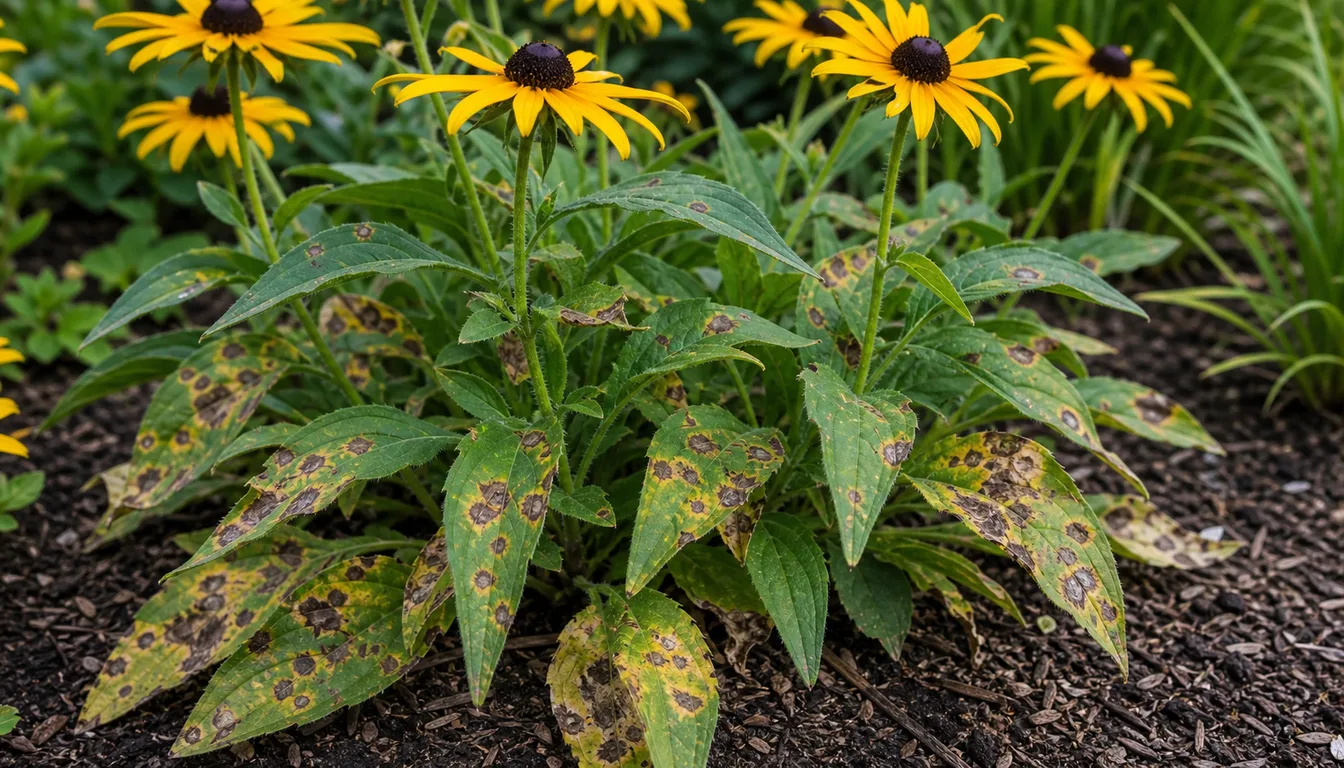
Dark spots on Black-Eyed Susan often come from Septoria leaf spot, but angular bacterial lesions and four-lined plant bug feeding can…
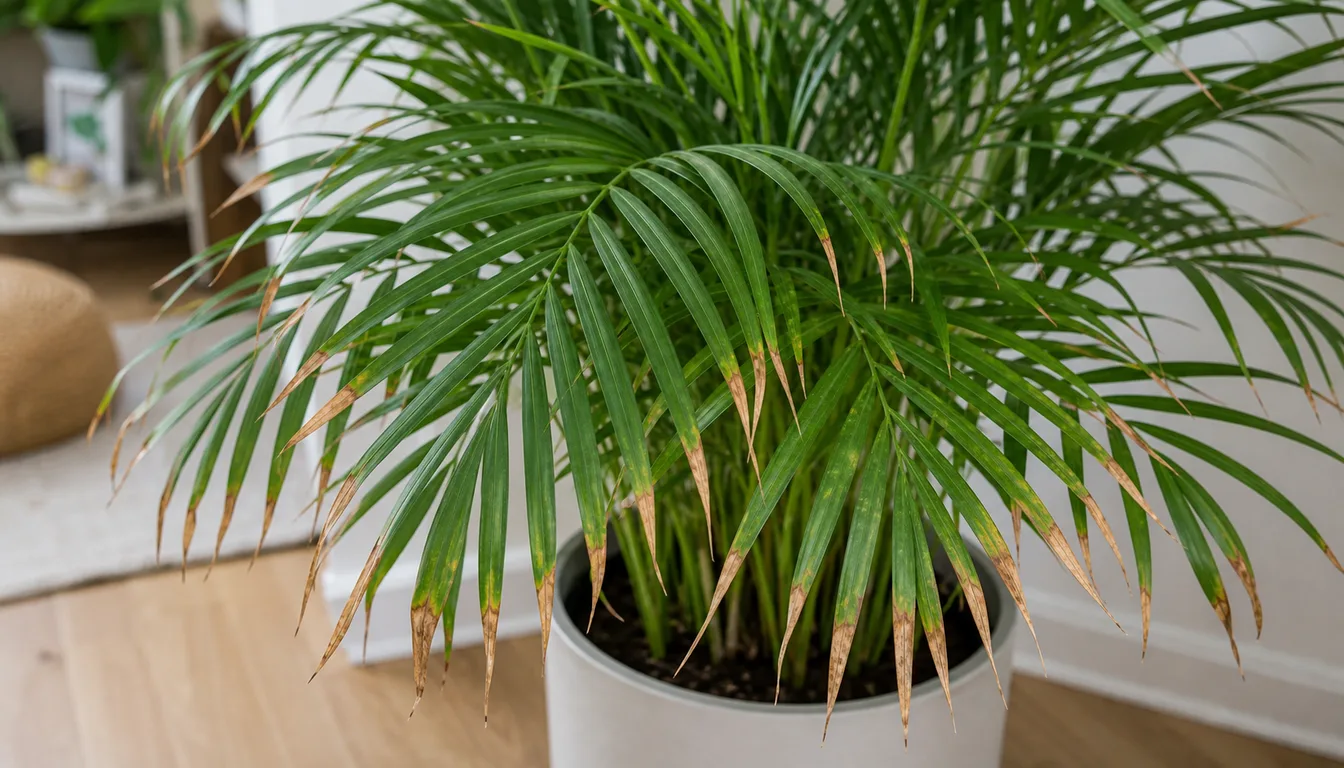
Brown tips on a Majesty Palm usually mean the leaflet ends are losing water faster than the roots can replace it.
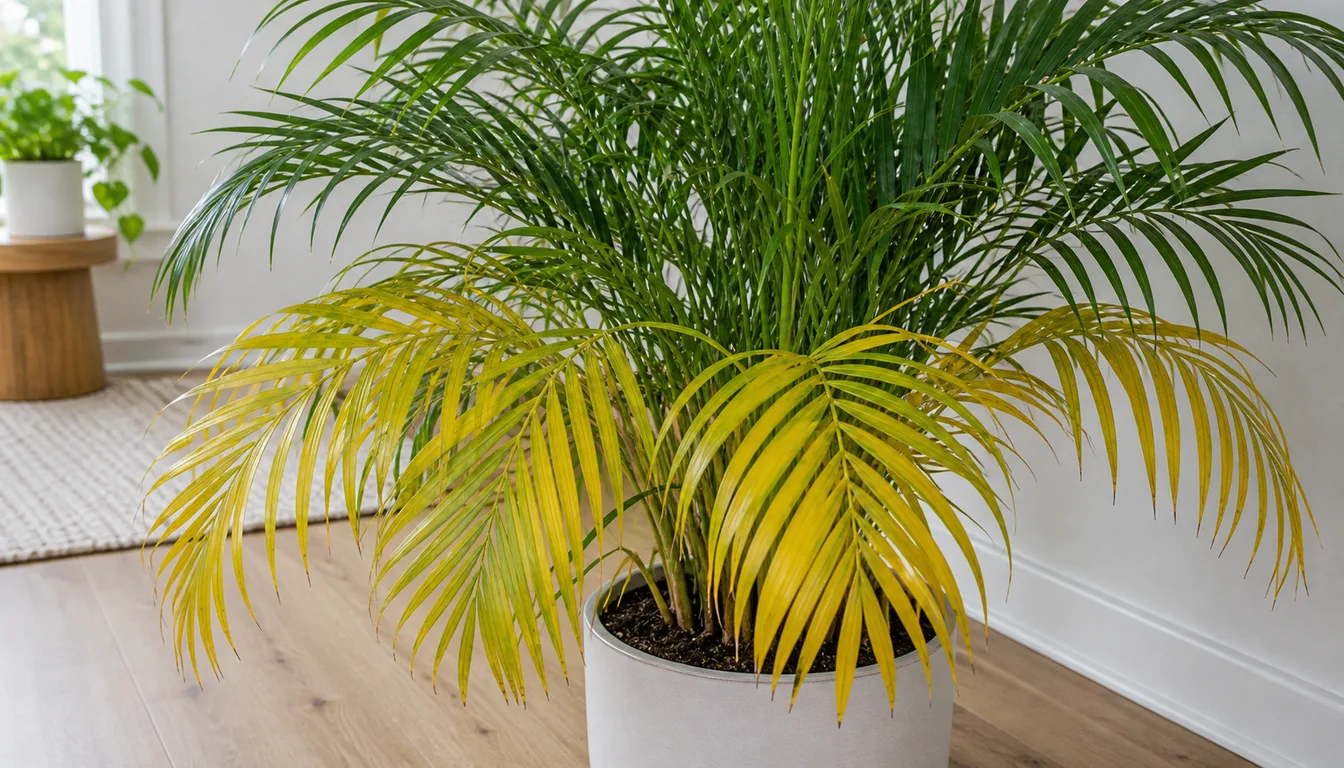
Yellow leaves on a Majesty Palm mean more when you know which frond changed first.
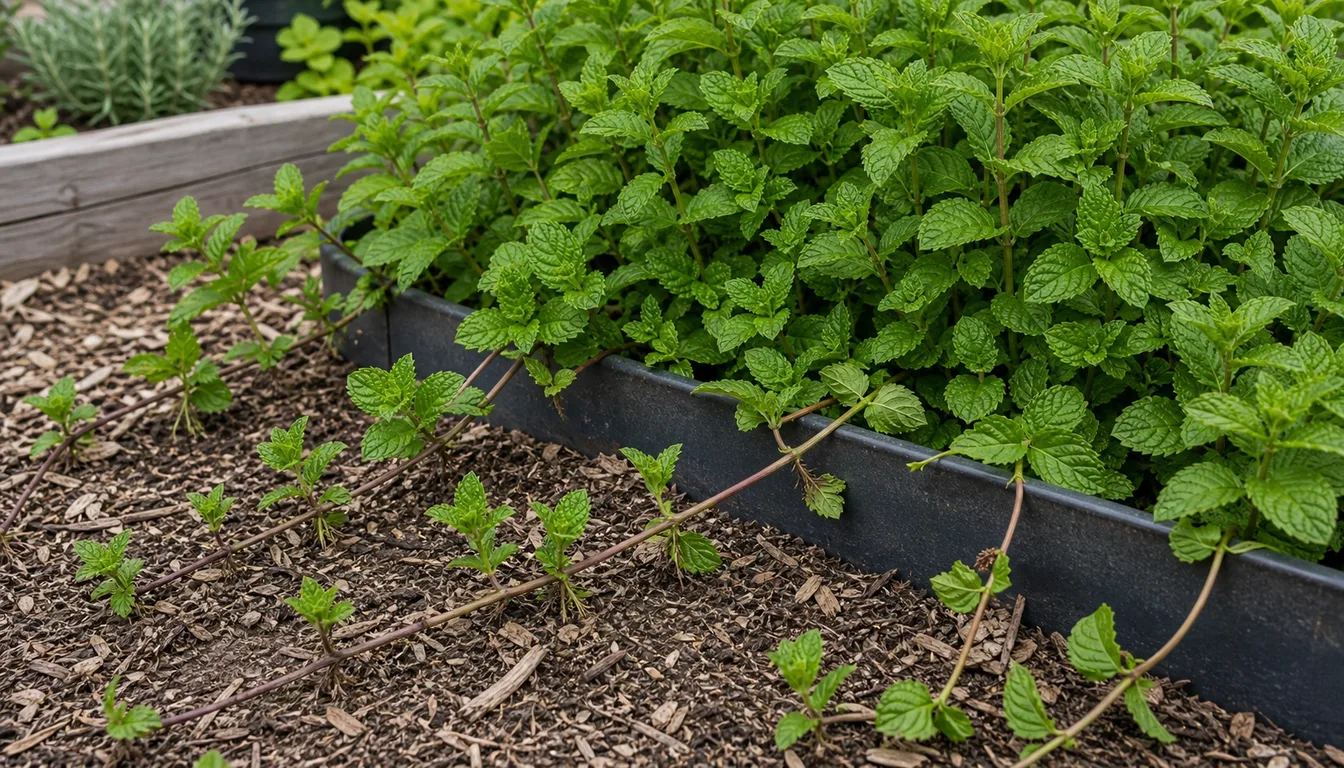
Mint expands through underground rhizomes and surface runners that form new roots and shoots.
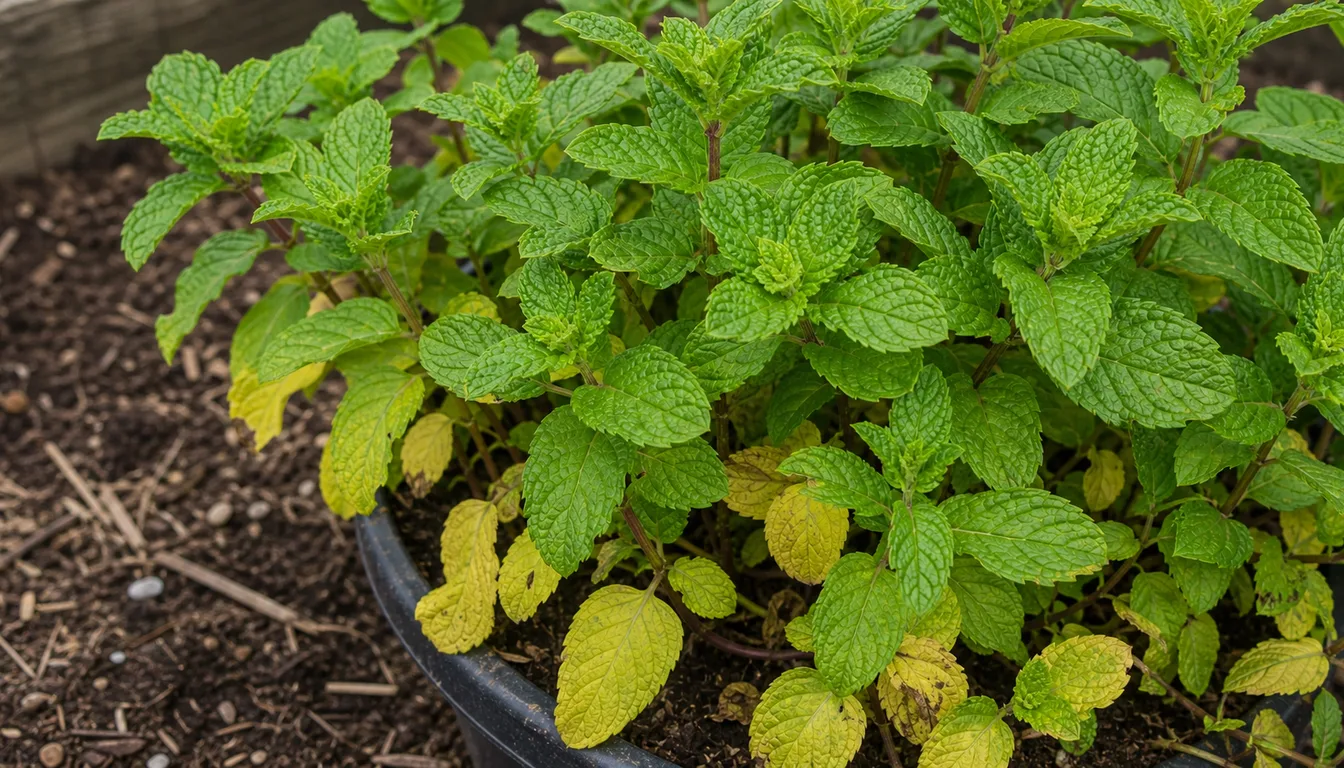
Yellow Mint leaves need three checks before any treatment. Compare old and new leaves, feel whether damaged tissue is soft or crisp…
Use the plant and soil condition to set the next watering.
PestsMatch treatment to a confirmed pest and its life stage.
NutritionRule out root and moisture problems before adding fertilizer.