Cherry Blossom Poor Flowering
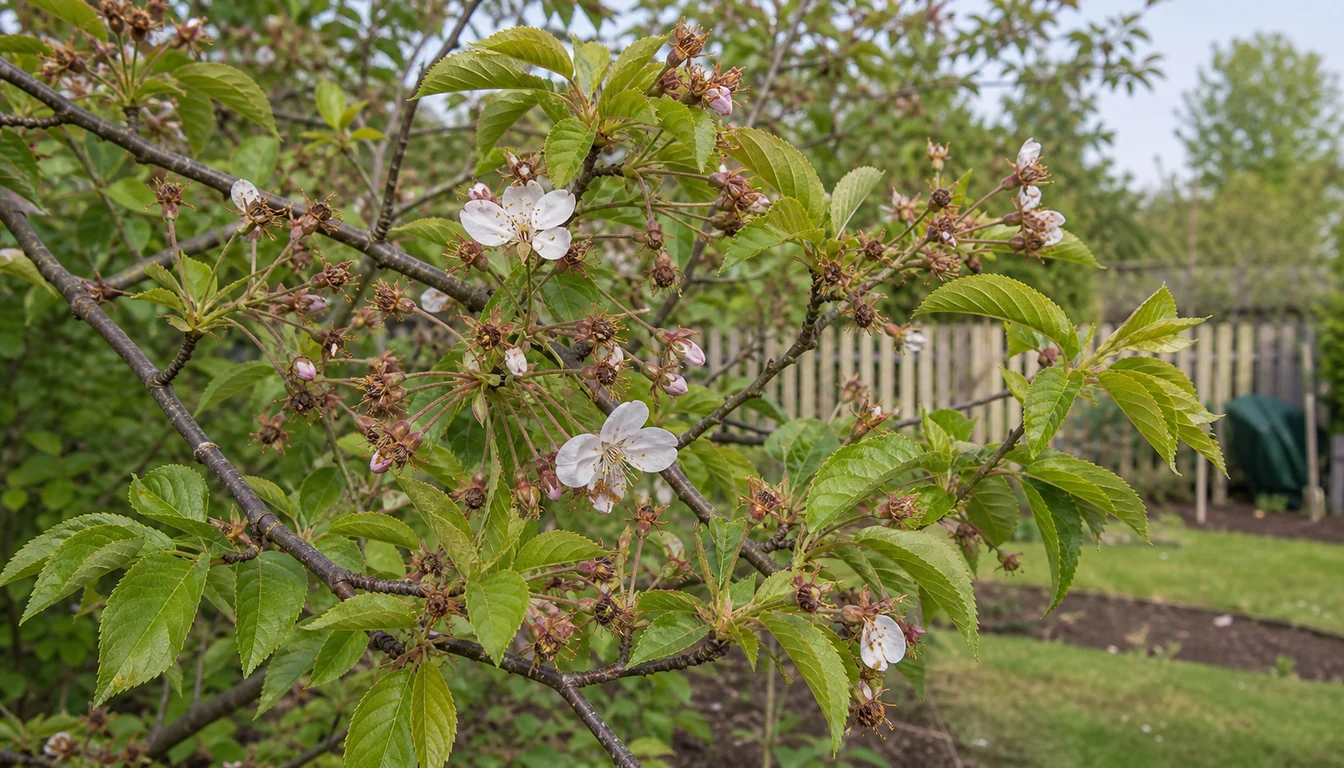
Poor flowering on a Cherry Blossom tree begins at one of two stages. Flower buds were scarce before winter, or buds formed and were…

Plant Diagnosis
Start with the symptom you can see. Compare likely causes before changing water, fertilizer, light, or treatment.
A useful diagnosis starts with location, timing, and the pattern of damage.
Check whether symptoms begin on old leaves, new growth, roots, or one side of the plant.
Note weather, watering, repotting, feeding, pruning, and any new treatment.
Look for insects, residue, soft tissue, dry edges, odor, and soil moisture.
85 matching guides
Search checks problem names, descriptions, and summaries. Plant group uses the category saved on each problem; sorting uses the update date or problem name.
Poor flowering on a Cherry Blossom tree begins at one of two stages. Flower buds were scarce before winter, or buds formed and were…
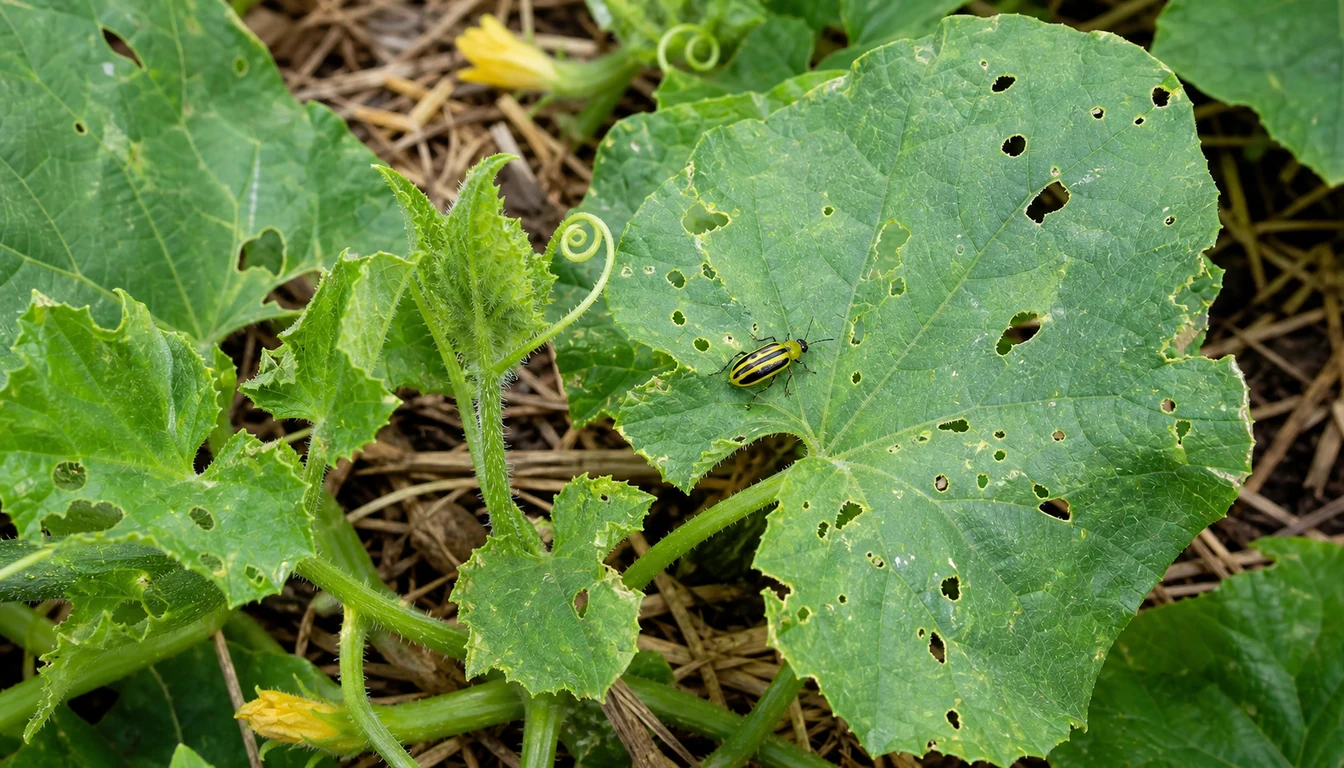
Cucumber beetle damage starts with holes in cotyledons and young leaves, chewed blossoms, or shallow scars on fruit.
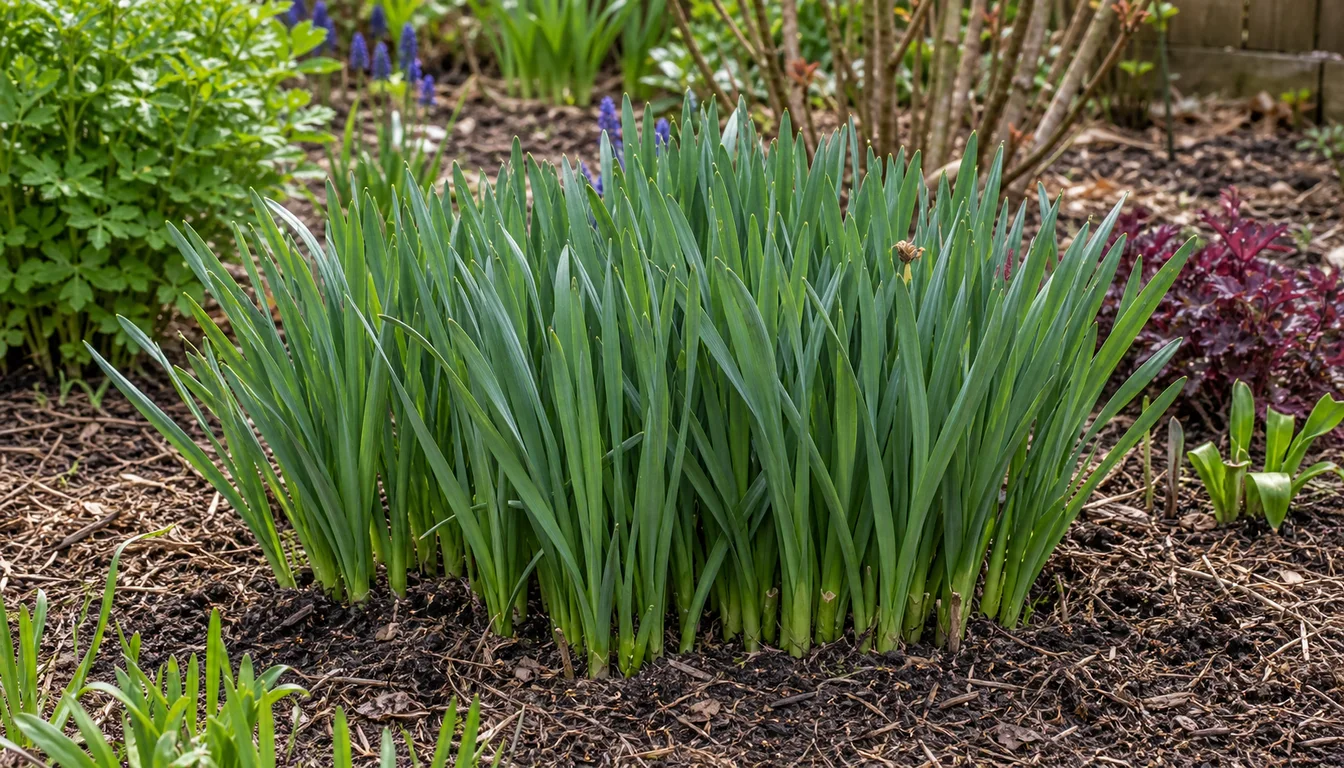
Daffodils that produce leaves but no flowers are often called blind daffodils.
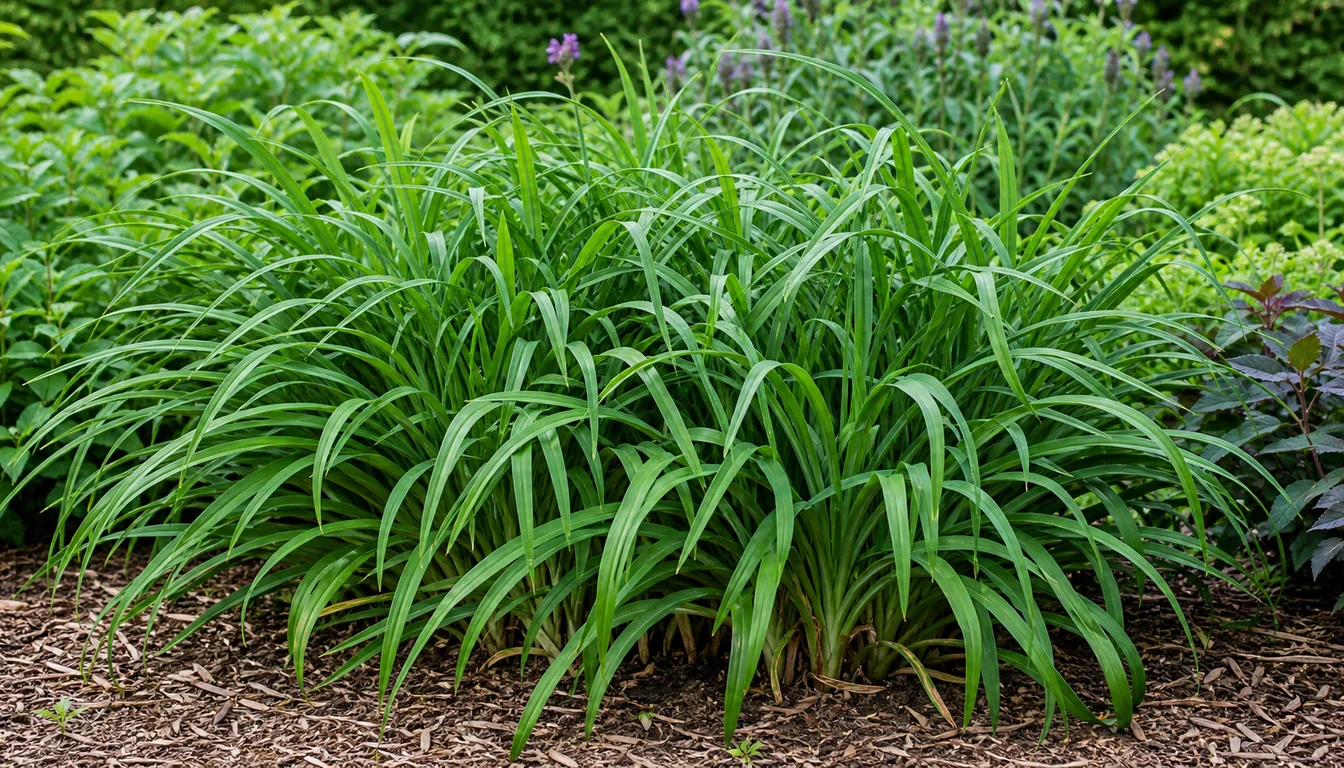
A daylily that grows green fans without flowers usually lacks enough direct sun, has become overcrowded, or is spending a season…
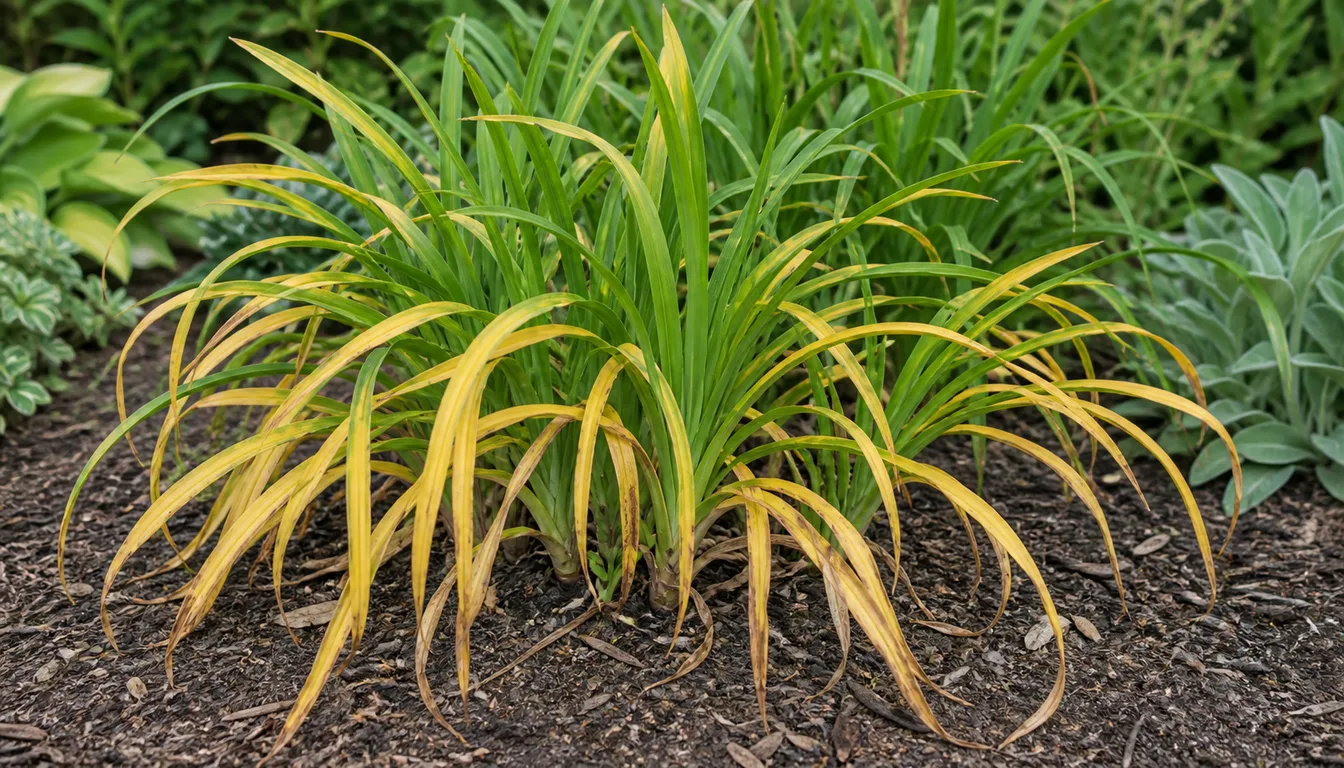
Yellow older leaves around a firm green center often mark normal daylily turnover, while yellow new fans, patterned spots, orange…
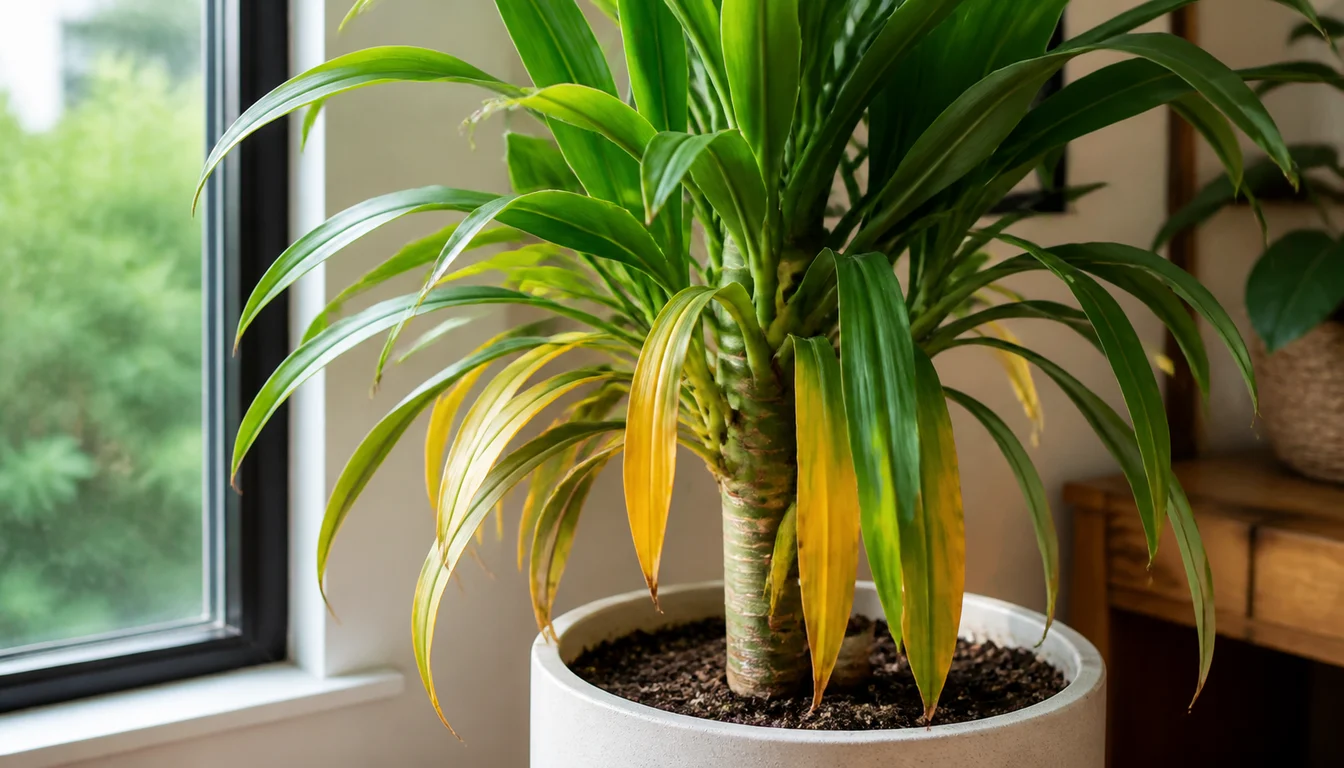
Yellow Dracaena leaves can reflect normal markings or aging, but new yellowing can also accompany water stress, exposure injury…
Use the plant and soil condition to set the next watering.
PestsMatch treatment to a confirmed pest and its life stage.
NutritionRule out root and moisture problems before adding fertilizer.