Bromeliad Center Rot
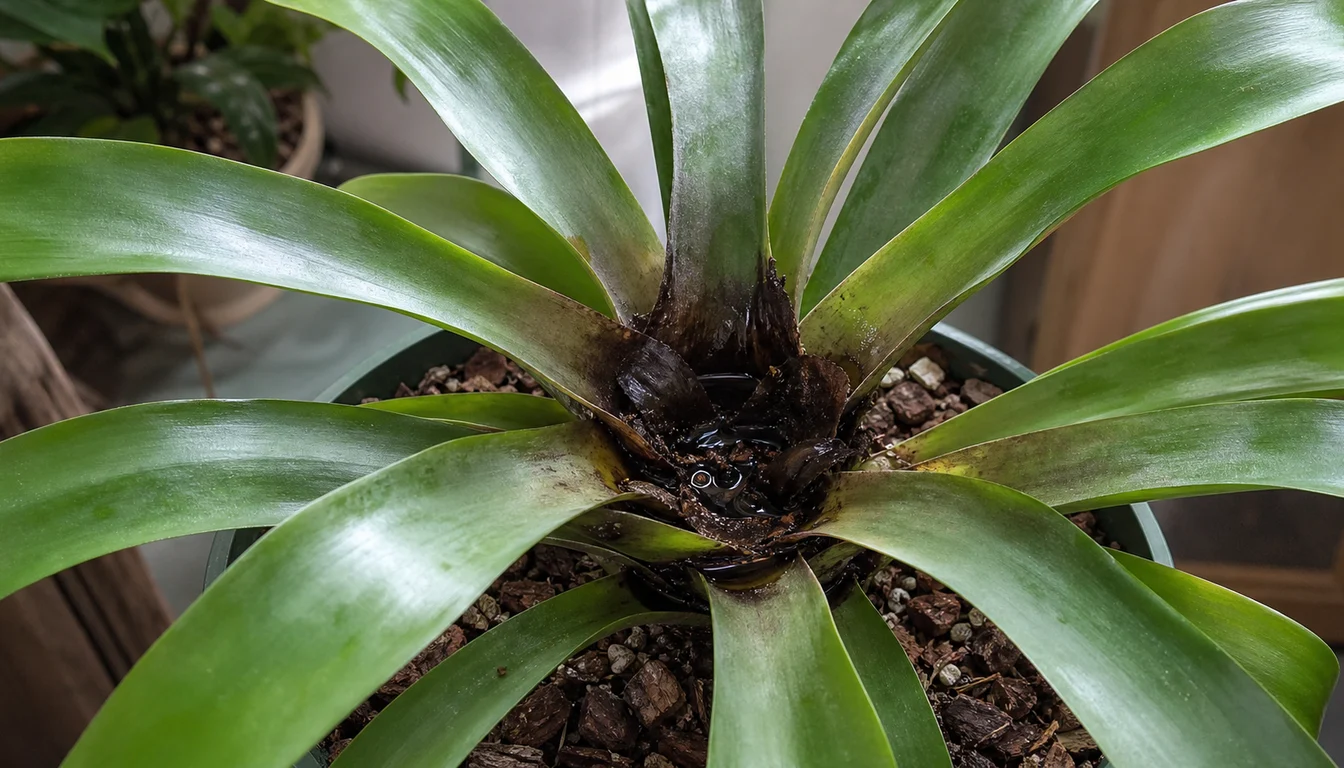
A soft dark center on a bromeliad means the newest leaf bases or growth point may be decaying.

Plant Diagnosis
Start with the symptom you can see. Compare likely causes before changing water, fertilizer, light, or treatment.
A useful diagnosis starts with location, timing, and the pattern of damage.
Check whether symptoms begin on old leaves, new growth, roots, or one side of the plant.
Note weather, watering, repotting, feeding, pruning, and any new treatment.
Look for insects, residue, soft tissue, dry edges, odor, and soil moisture.
85 matching guides
Search checks problem names, descriptions, and summaries. Plant group uses the category saved on each problem; sorting uses the update date or problem name.
A soft dark center on a bromeliad means the newest leaf bases or growth point may be decaying.
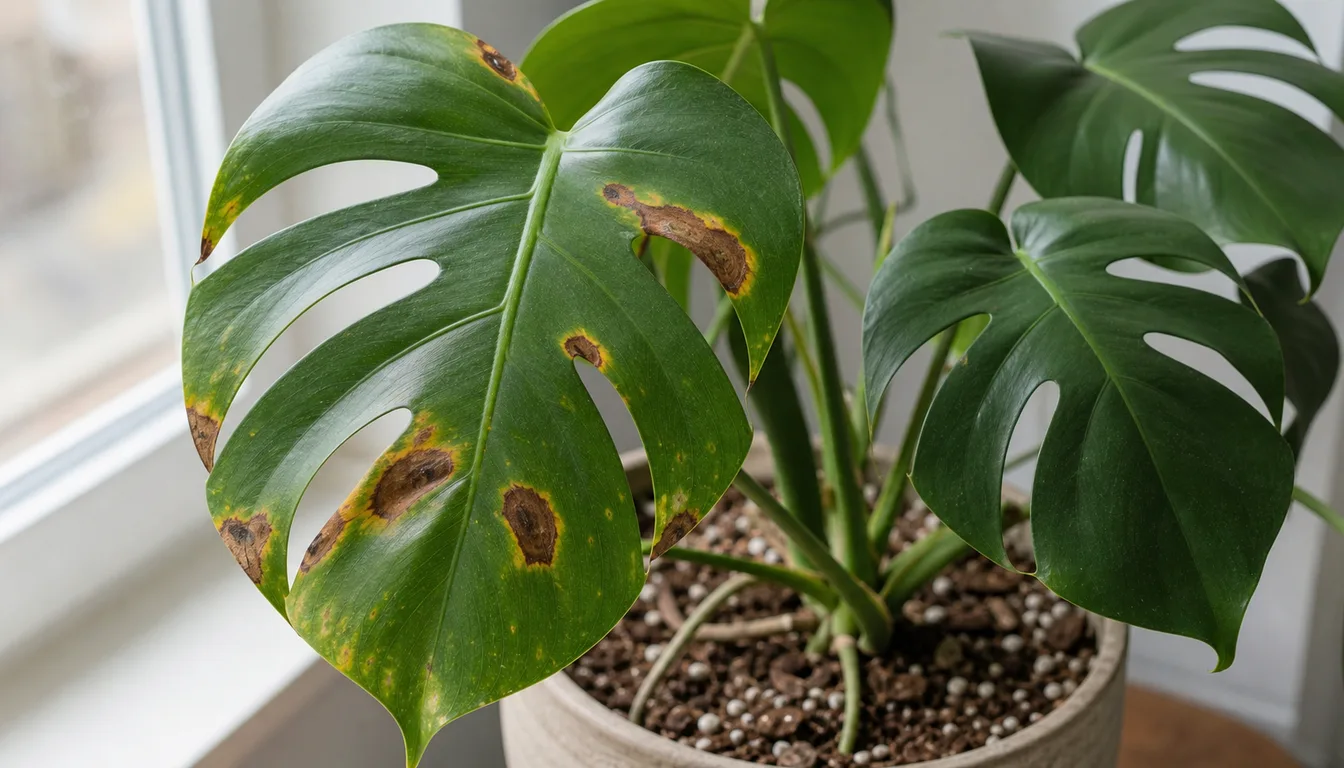
Brown spots on Monstera deliciosa can come from wet roots, leaf disease, direct sun, cold contact, or thrips.
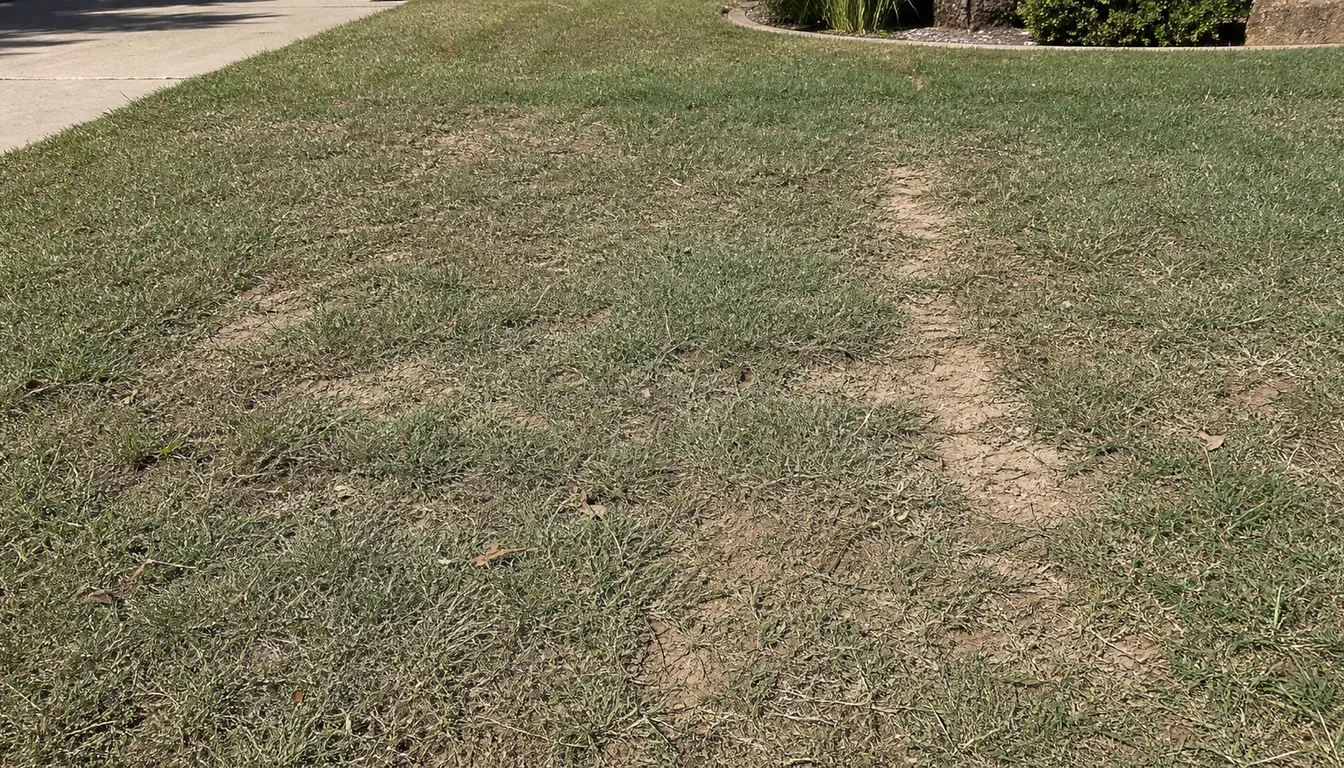
Thin or bare areas in a buffalograss lawn usually follow shade, concentrated wear, uneven moisture, or a repair that never…
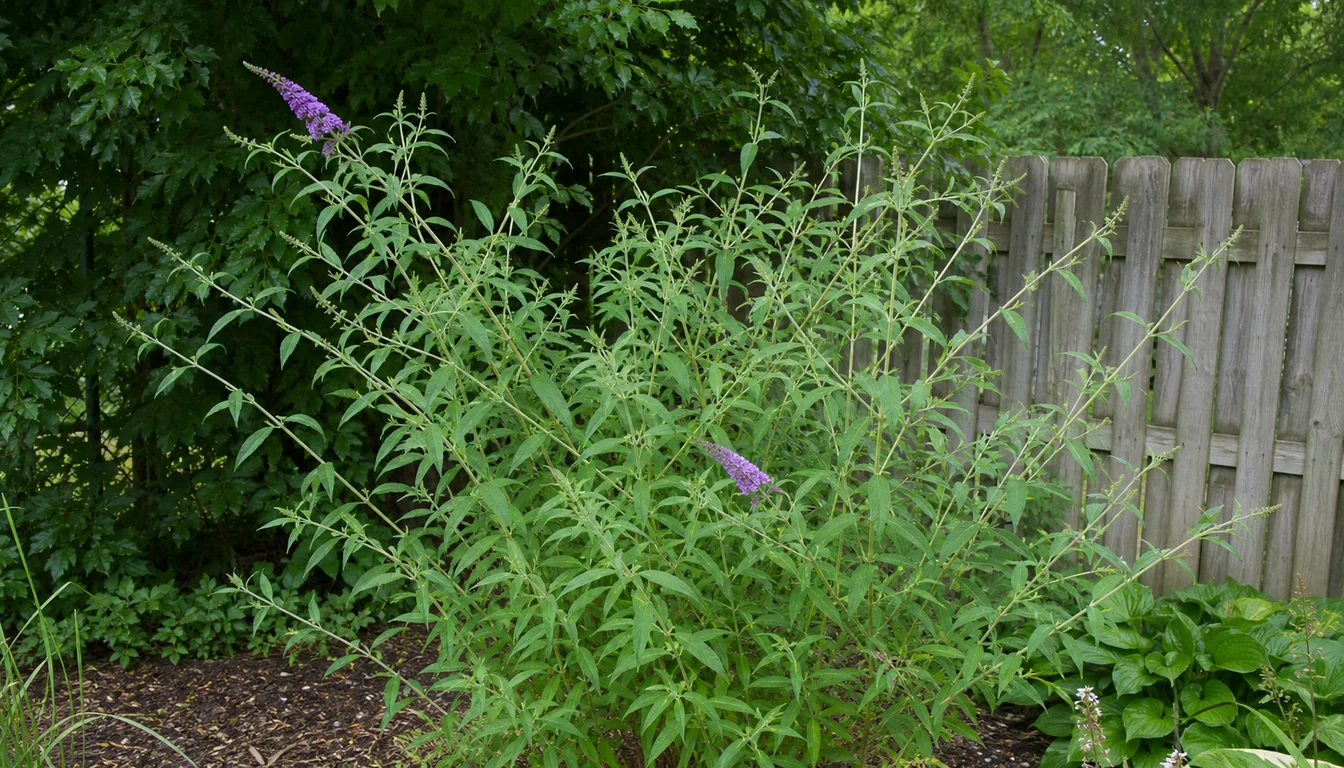
A leafy butterfly bush with few flower panicles usually needs a check of direct sun, shoot stage, pruning date, and root-zone…
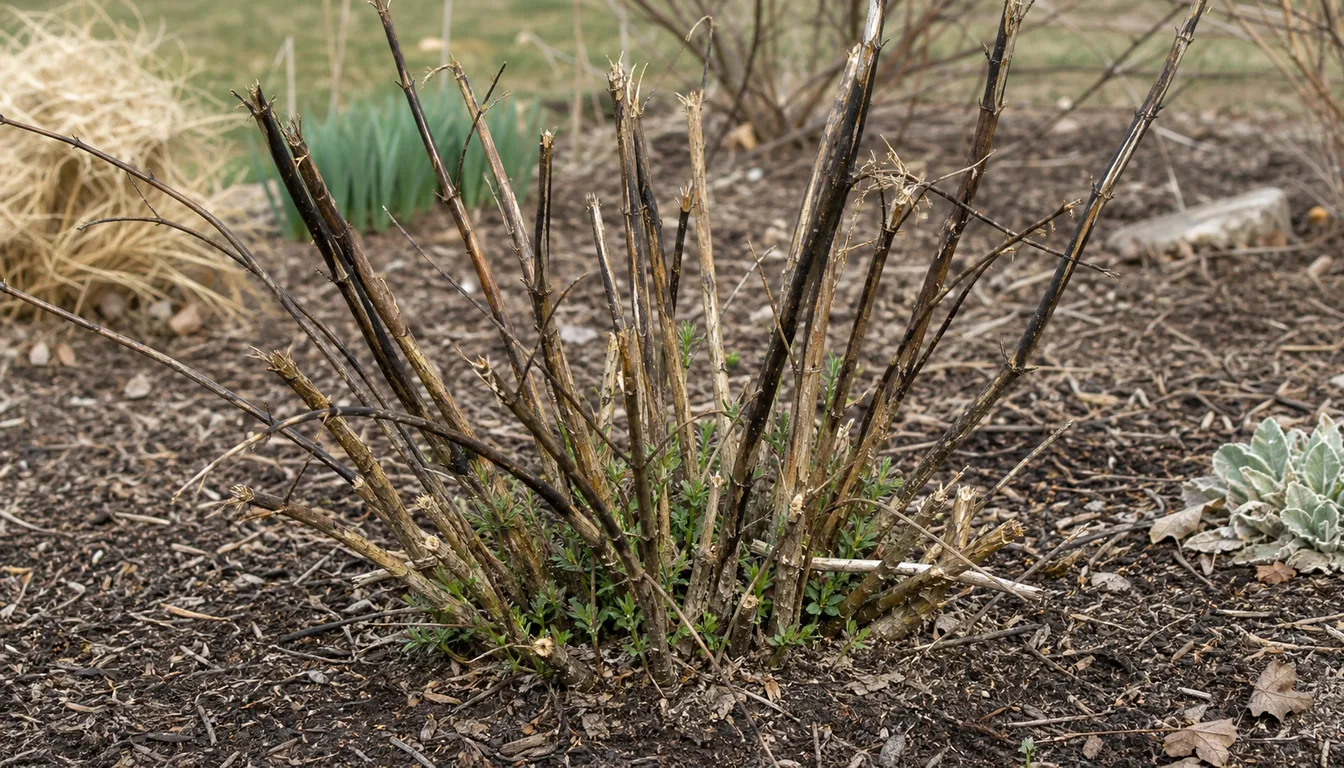
Brittle canes after winter do not prove that a butterfly bush is dead. Test the crown and stems in stages, separate cold injury from…
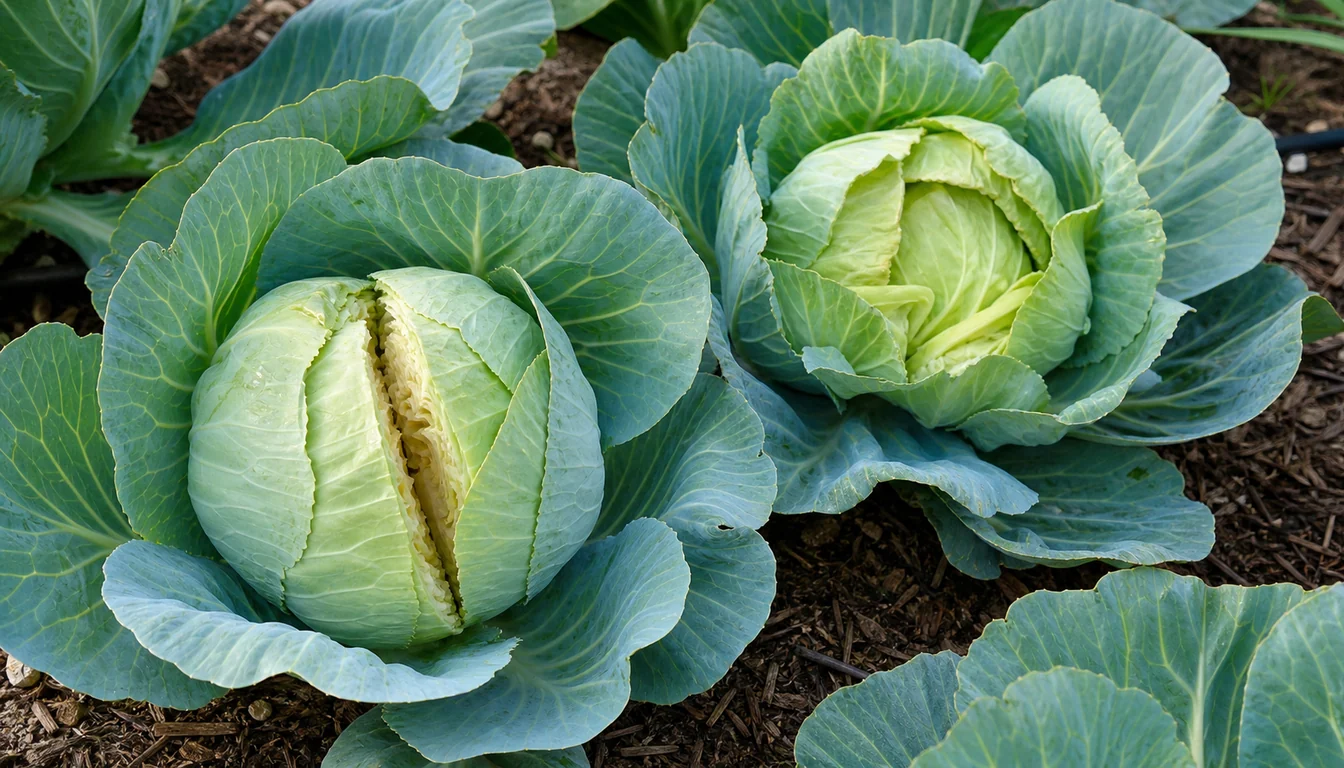
Loose and split cabbage heads come from different stages of growth. Check whether a compact inner head is still forming, whether the…
Use the plant and soil condition to set the next watering.
PestsMatch treatment to a confirmed pest and its life stage.
NutritionRule out root and moisture problems before adding fertilizer.