Boston Fern Brown Tips
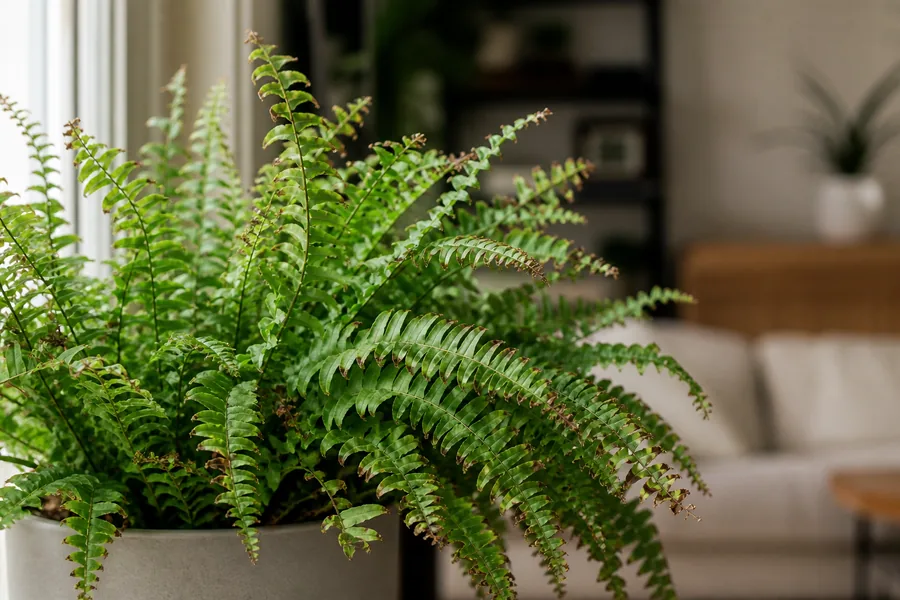
Brown tips on a Boston fern are dead tissue with several possible causes. A dry root ball, persistently wet roots, drying air…

Plant Diagnosis
Start with the symptom you can see. Compare likely causes before changing water, fertilizer, light, or treatment.
A useful diagnosis starts with location, timing, and the pattern of damage.
Check whether symptoms begin on old leaves, new growth, roots, or one side of the plant.
Note weather, watering, repotting, feeding, pruning, and any new treatment.
Look for insects, residue, soft tissue, dry edges, odor, and soil moisture.
85 matching guides
Search checks problem names, descriptions, and summaries. Plant group uses the category saved on each problem; sorting uses the update date or problem name.
Brown tips on a Boston fern are dead tissue with several possible causes. A dry root ball, persistently wet roots, drying air…
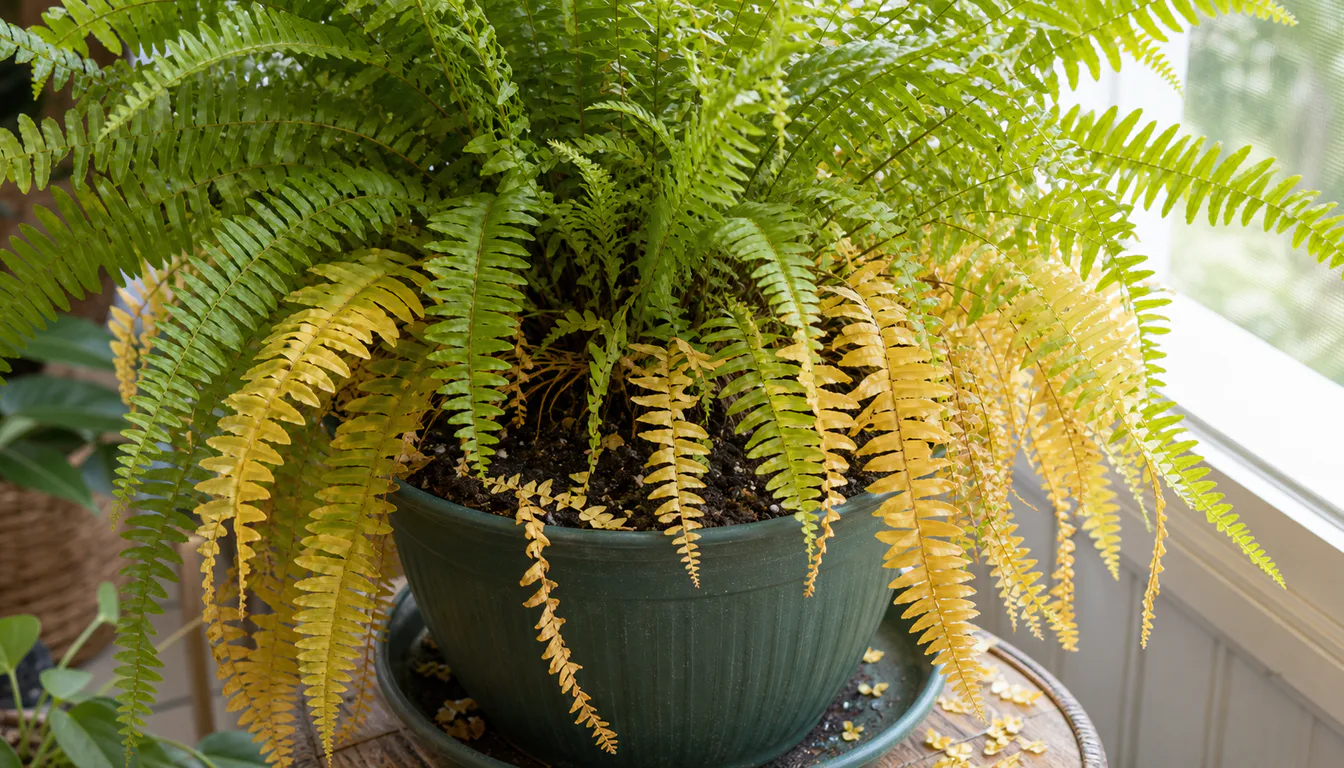
Yellow fronds on a Boston fern can follow root stress, changing conditions, pests, or normal loss of older growth.
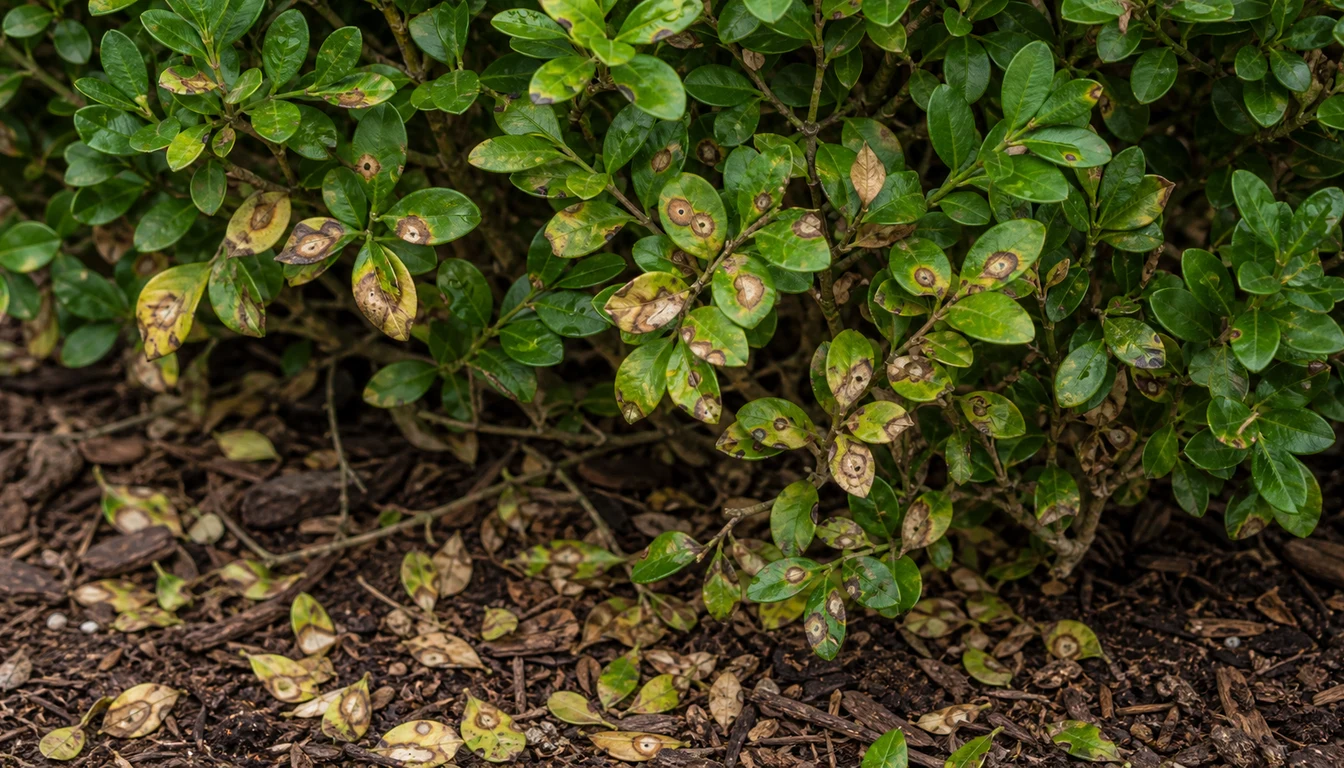
Boxwood blight becomes likely when brown leaf spots are followed by rapid leaf drop and narrow black streaks on young green stems.
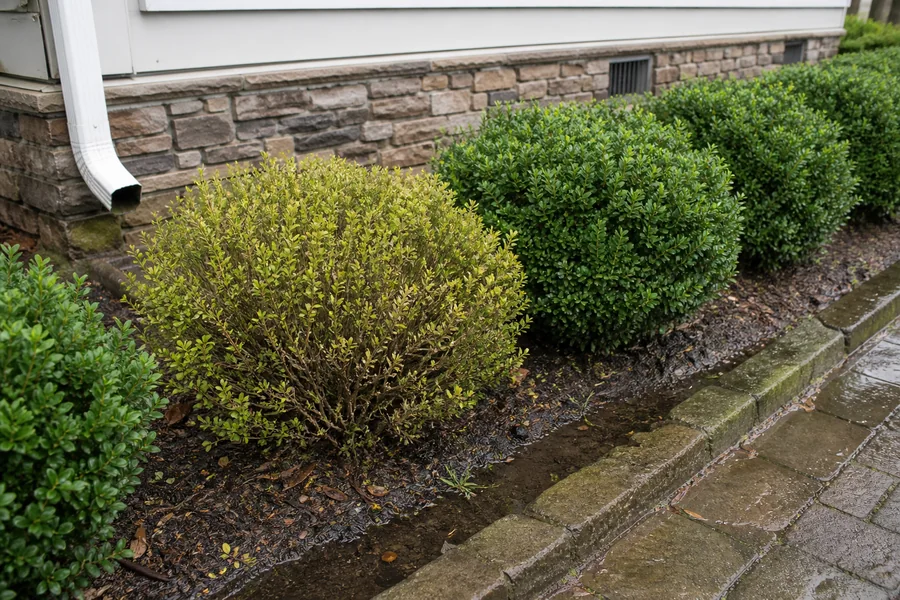
Yellow or thinning boxwood foliage does not confirm root rot. Compare fine roots and crown tissue, map where water collects, and rule…
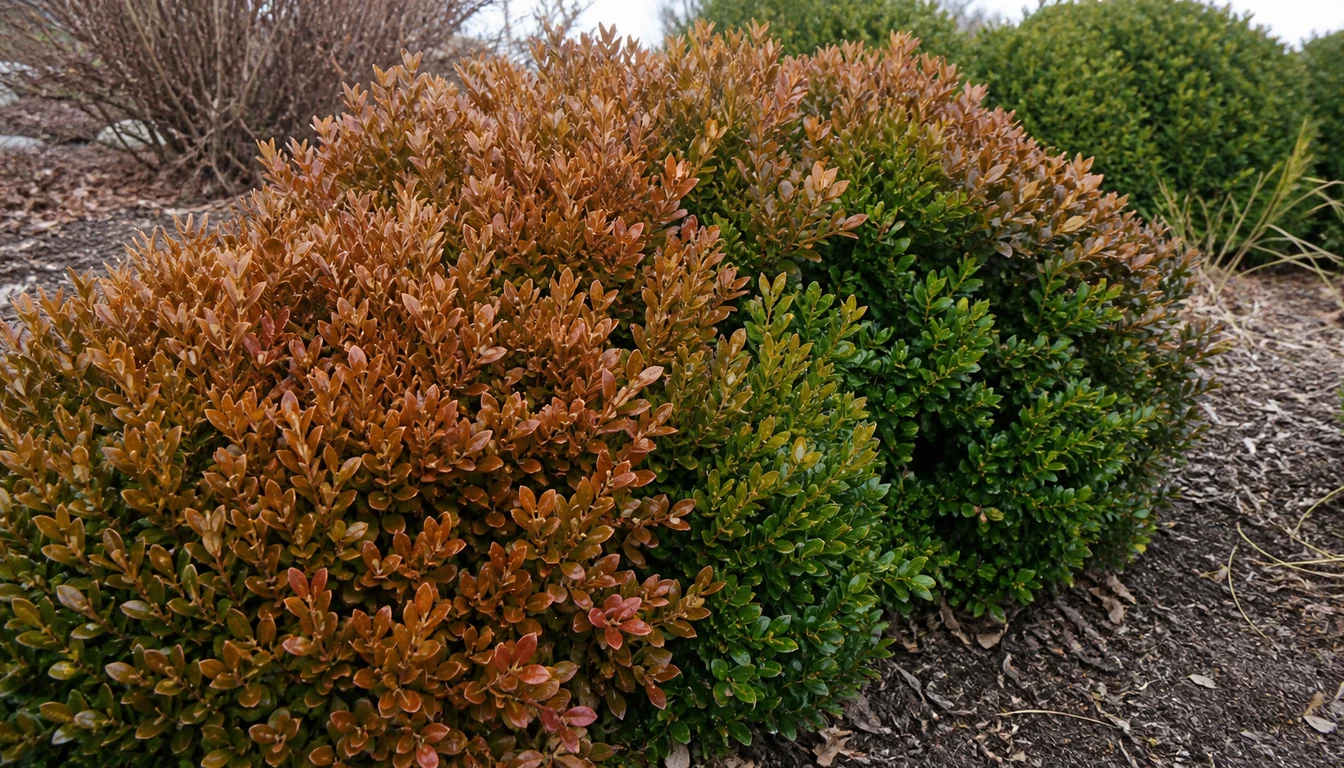
Copper or orange winter color on boxwood can be a temporary response from living foliage or a sign that leaves, buds, and twigs have…
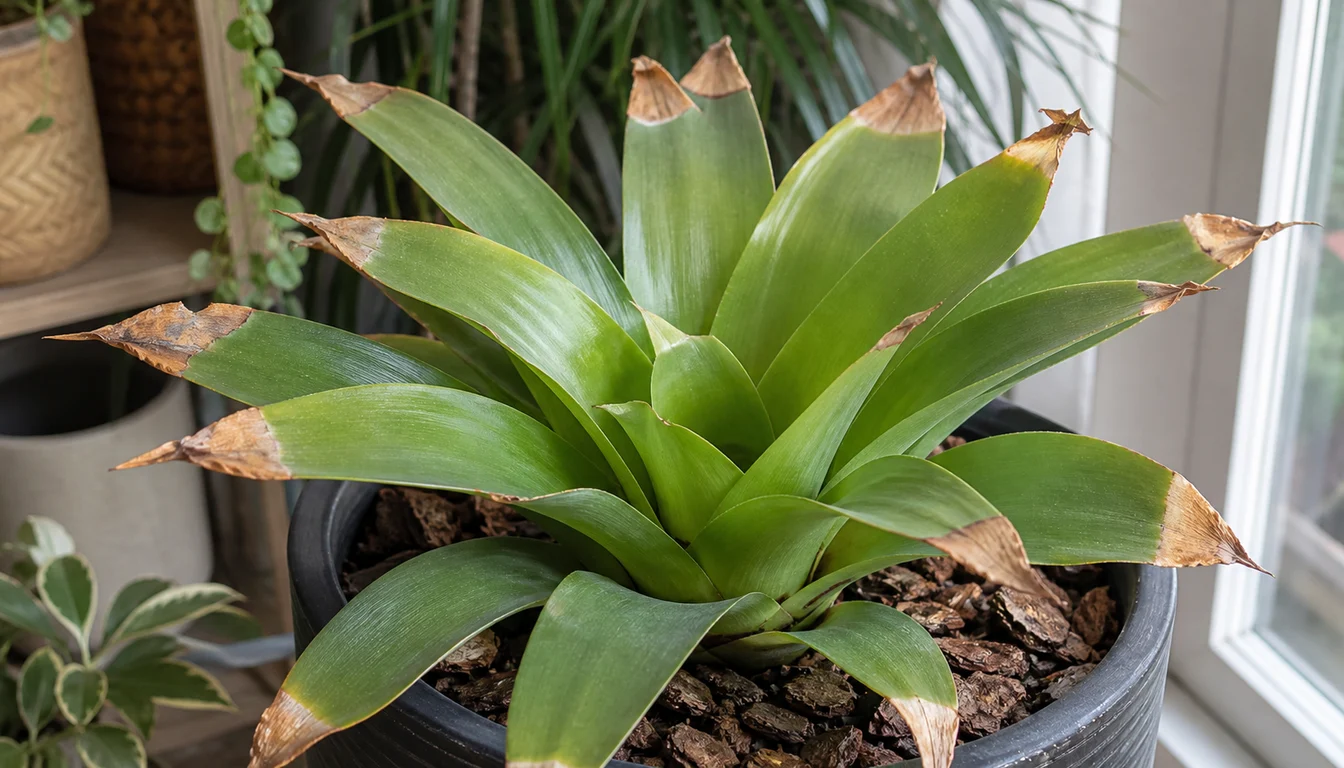
Dry brown tips on a bromeliad usually point to moisture loss, accumulated salts, or an exposure problem while the center of the…
Use the plant and soil condition to set the next watering.
PestsMatch treatment to a confirmed pest and its life stage.
NutritionRule out root and moisture problems before adding fertilizer.