Arborvitae Winter Burn
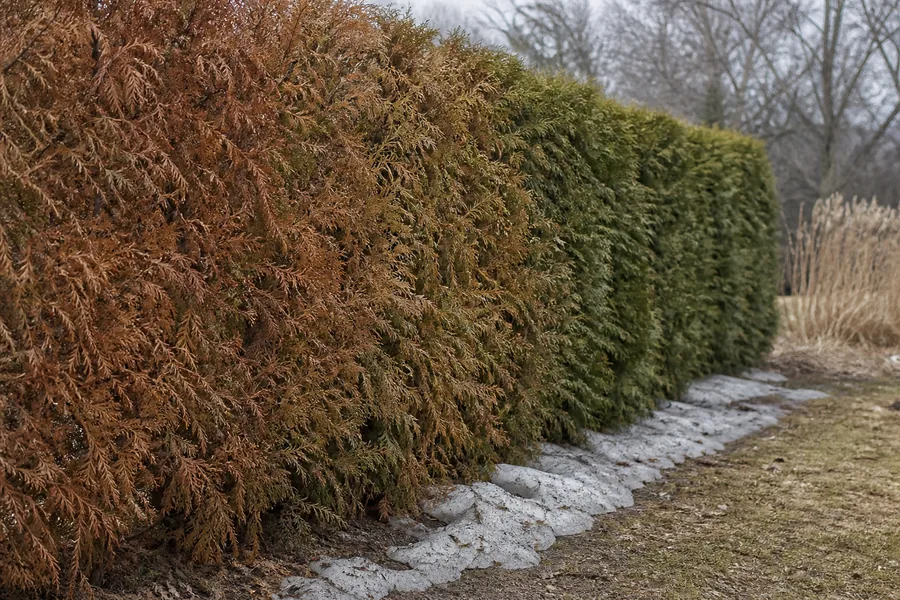
Brown arborvitae foliage after winter can reflect drying wind, sun, salt, or other damage.

Plant Diagnosis
Start with the symptom you can see. Compare likely causes before changing water, fertilizer, light, or treatment.
A useful diagnosis starts with location, timing, and the pattern of damage.
Check whether symptoms begin on old leaves, new growth, roots, or one side of the plant.
Note weather, watering, repotting, feeding, pruning, and any new treatment.
Look for insects, residue, soft tissue, dry edges, odor, and soil moisture.
85 matching guides
Search checks problem names, descriptions, and summaries. Plant group uses the category saved on each problem; sorting uses the update date or problem name.
Brown arborvitae foliage after winter can reflect drying wind, sun, salt, or other damage.
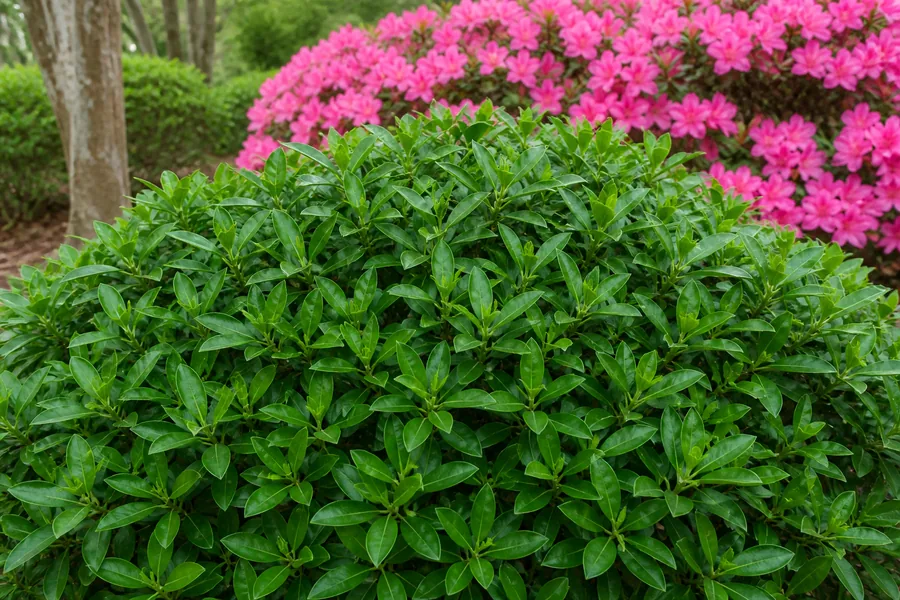
An azalea decides this spring's flowers during last summer, so a bare shrub is almost always reporting something that happened months…
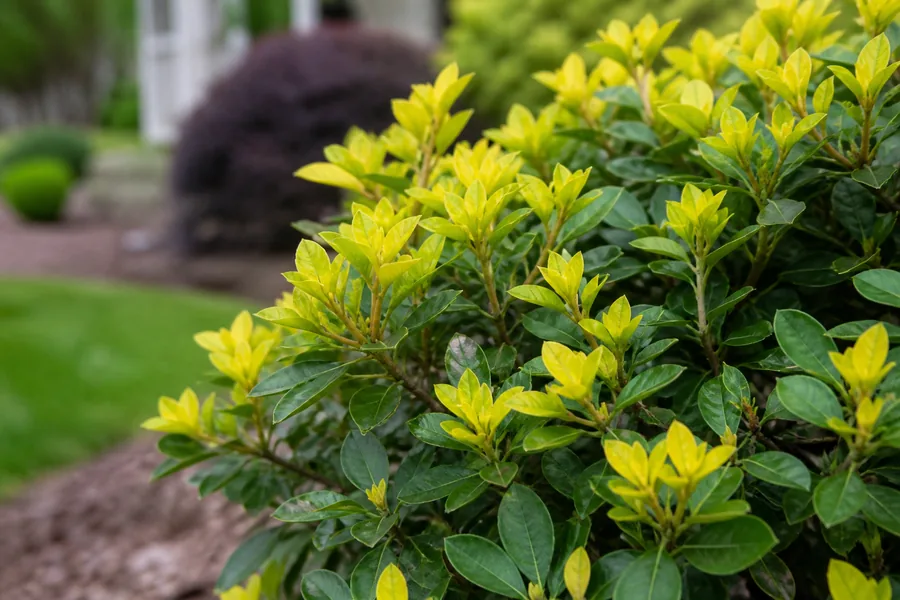
Yellow azalea leaves can reflect seasonal shedding, nutrient availability, root stress, or insect feeding.
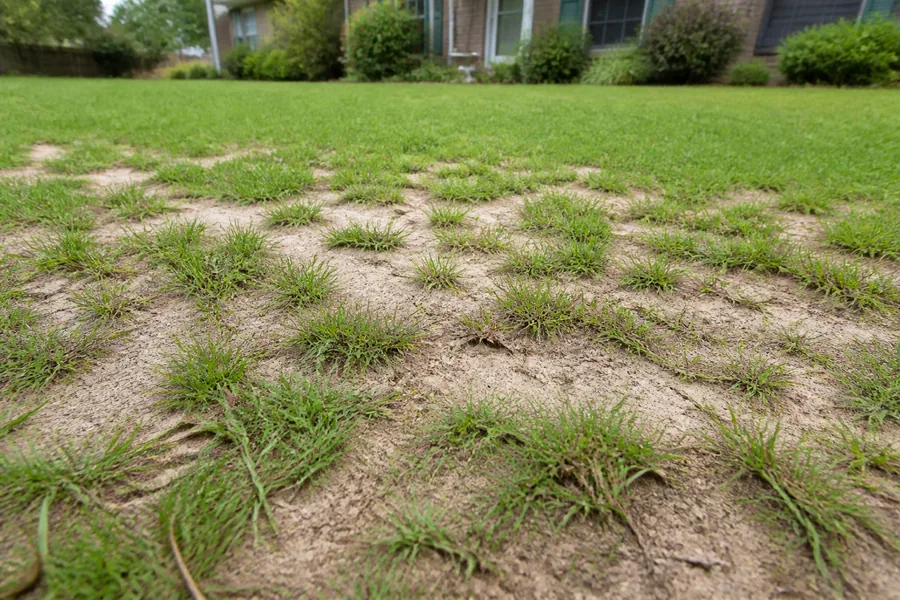
A thin bahiagrass lawn is sometimes a failing lawn and sometimes just bahiagrass, which grows in a coarse open habit by design.
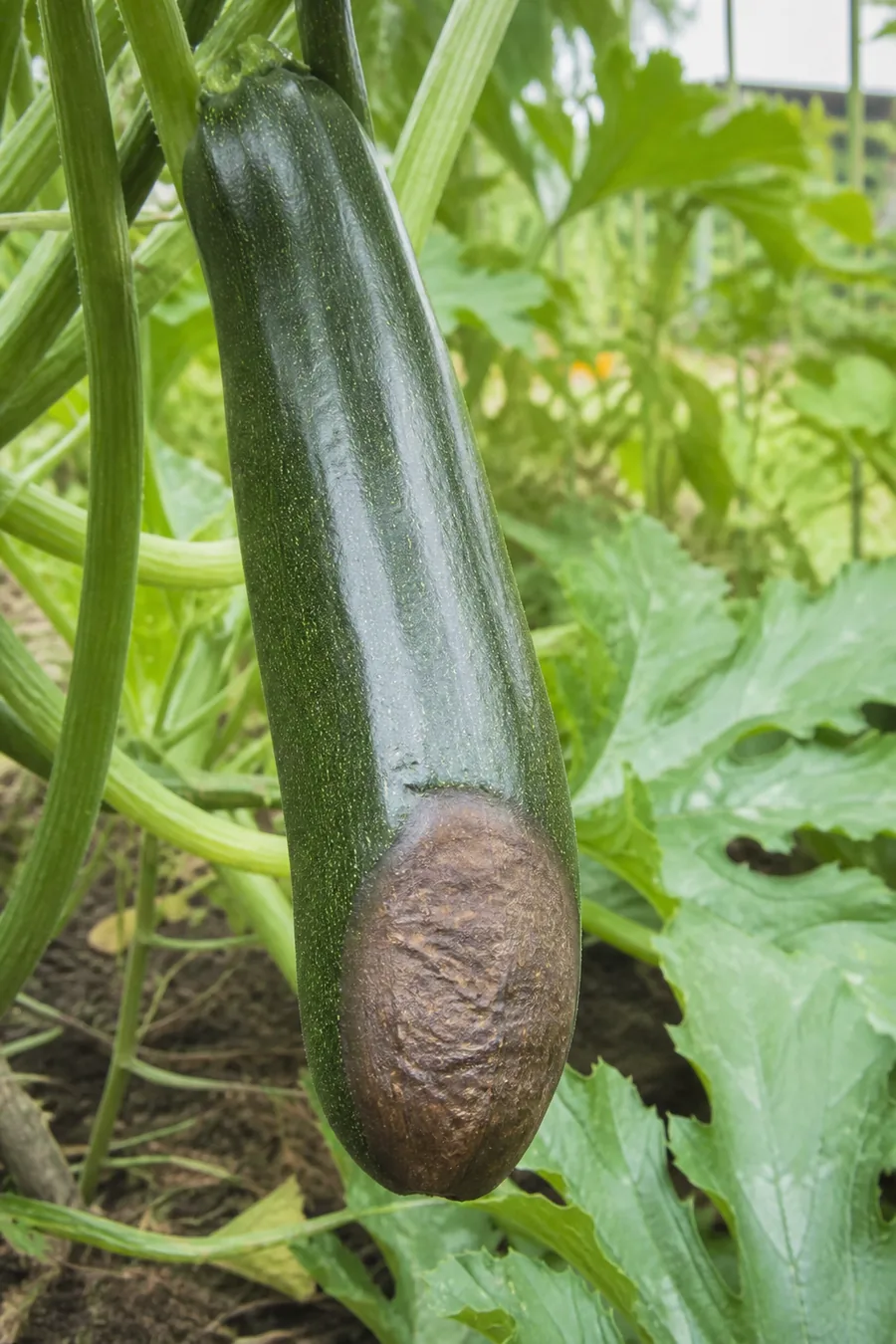
Most zucchini that rot at the tip do not have blossom end rot, and one question sorts it out, which is whether the fruit is still…
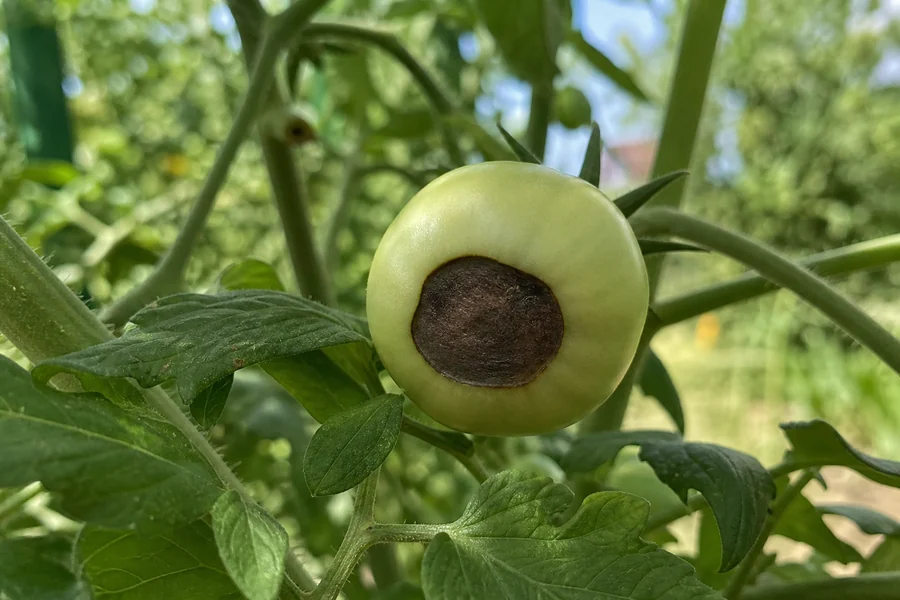
A flat or sunken leathery patch centered opposite the stem on a green tomato fits blossom-end rot.
Use the plant and soil condition to set the next watering.
PestsMatch treatment to a confirmed pest and its life stage.
NutritionRule out root and moisture problems before adding fertilizer.