Rose Black Spot
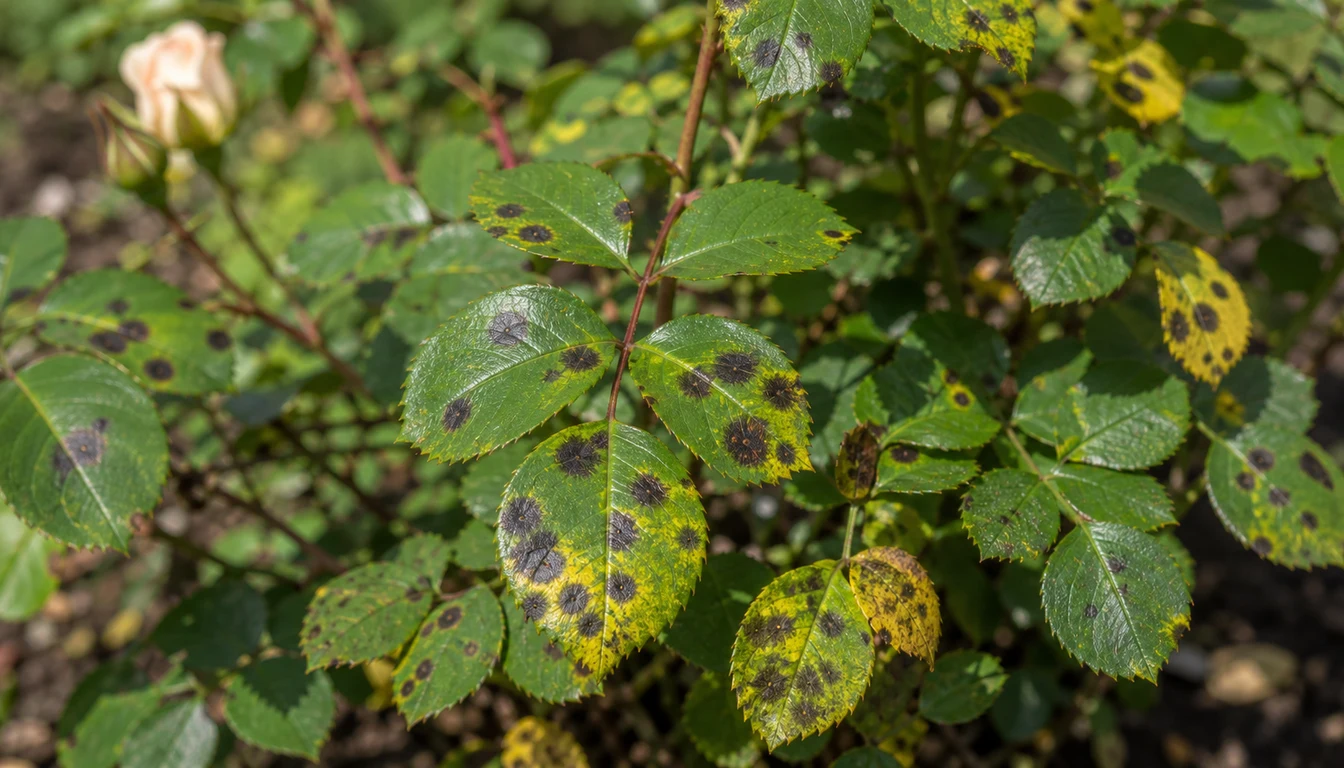
Rose black spot makes dark lesions with feathery edges, yellow tissue, and premature leaf drop.

Plant Diagnosis
Start with the symptom you can see. Compare likely causes before changing water, fertilizer, light, or treatment.
A useful diagnosis starts with location, timing, and the pattern of damage.
Check whether symptoms begin on old leaves, new growth, roots, or one side of the plant.
Note weather, watering, repotting, feeding, pruning, and any new treatment.
Look for insects, residue, soft tissue, dry edges, odor, and soil moisture.
85 matching guides
Search checks problem names, descriptions, and summaries. Plant group uses the category saved on each problem; sorting uses the update date or problem name.
Rose black spot makes dark lesions with feathery edges, yellow tissue, and premature leaf drop.
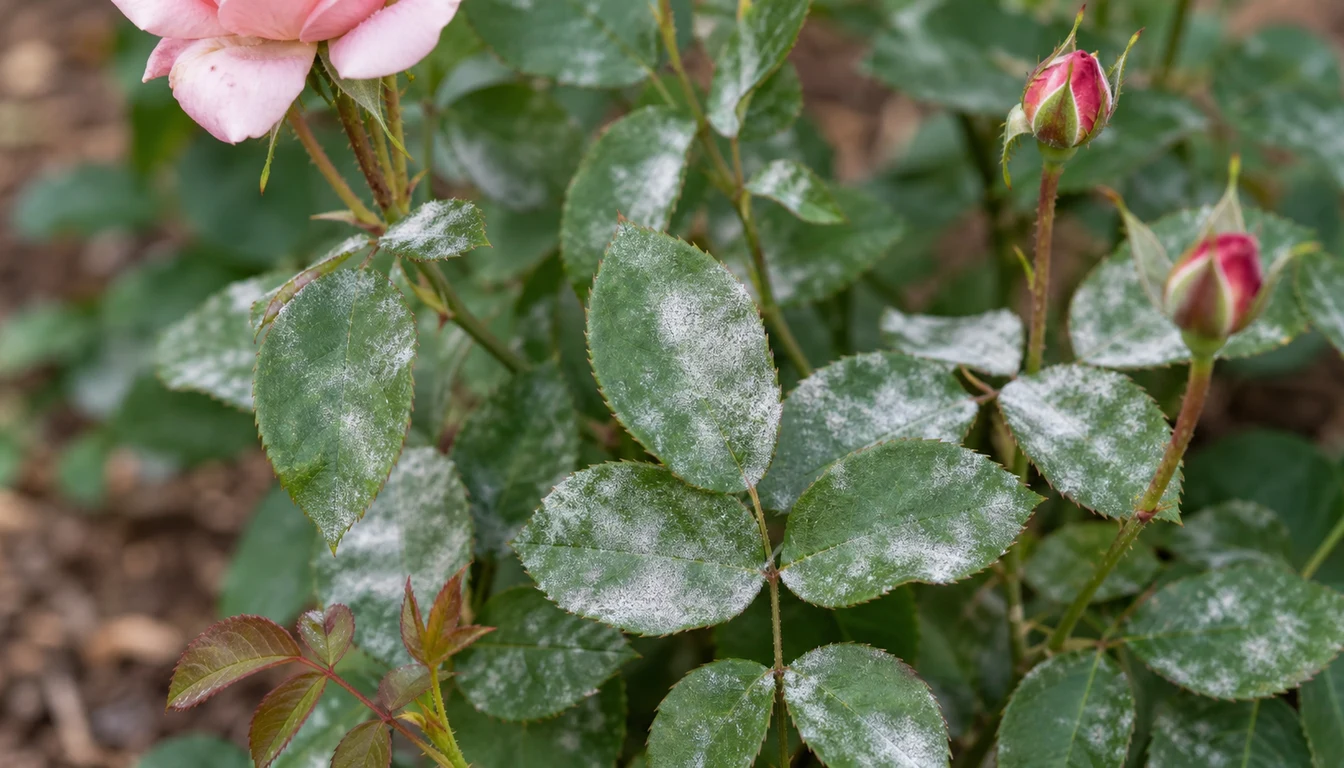
Rose powdery mildew forms white-to-gray surface growth on leaves, young shoots, sepals, and buds.
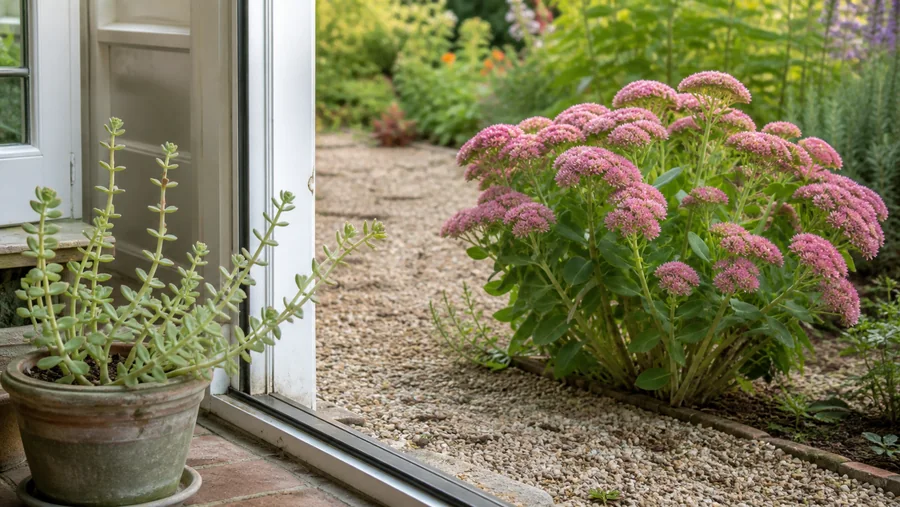
Leggy Sedum needs a closer look before it needs pruning. Pale stems with widening gaps between leaves point to low-light stretch…
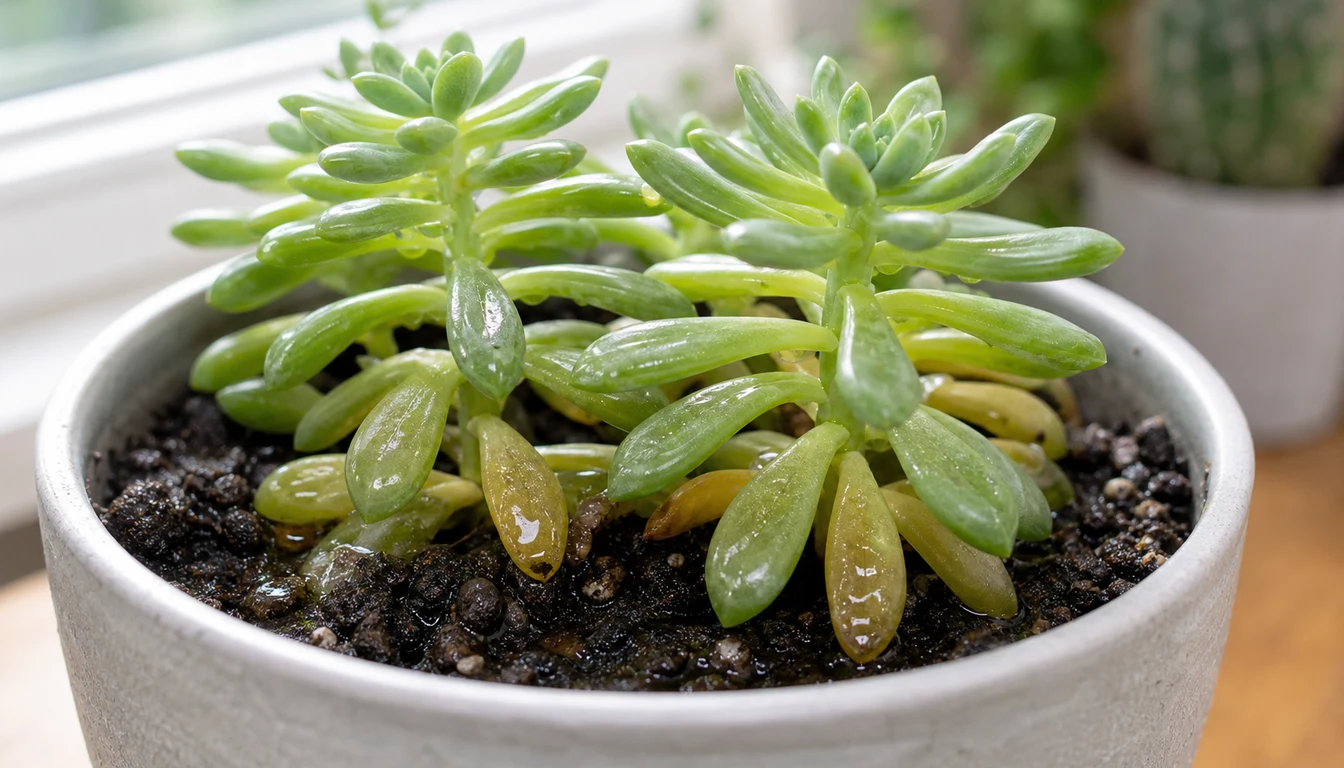
A wet pot does not always mean an overwatered Sedum has rotted. Read the leaf texture, the crown firmness, the roots, and the way…
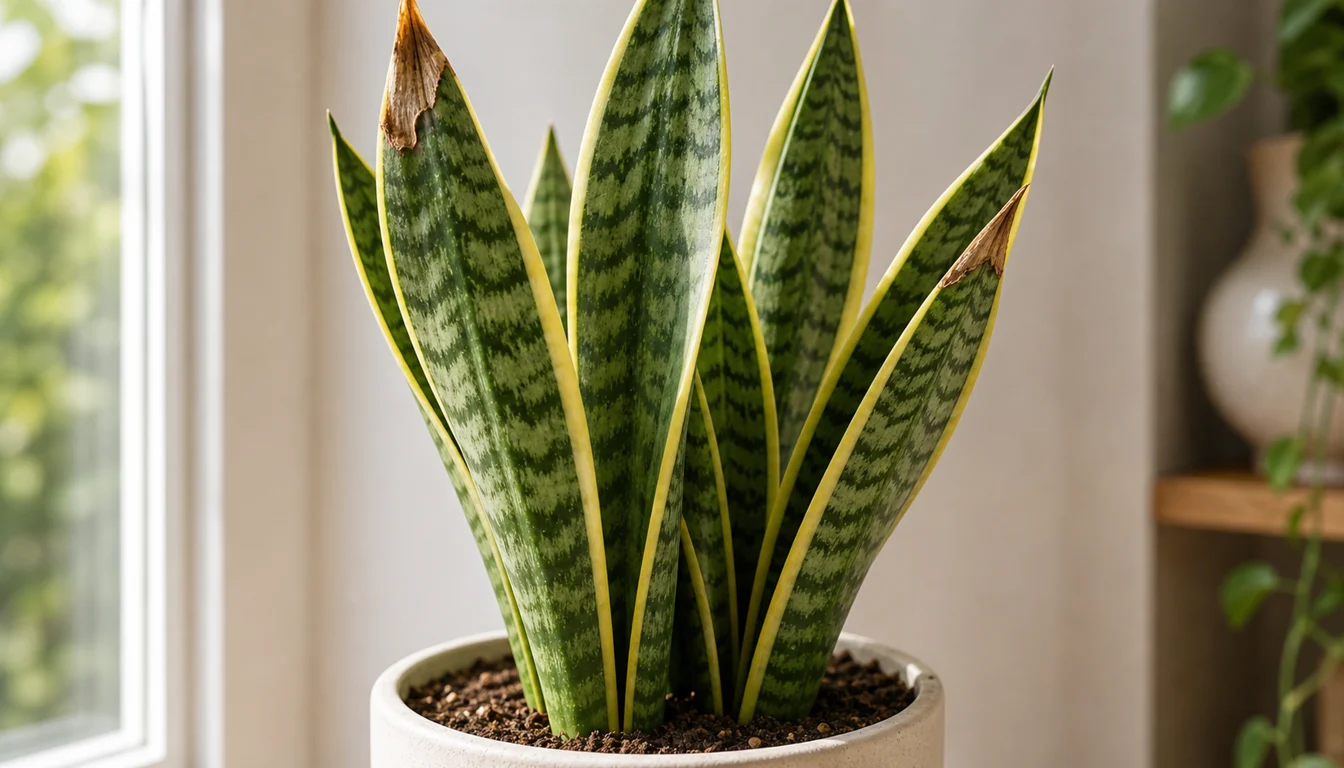
A brown tip on Snake Plant is dead tissue left by an earlier stress, but the shape and texture show whether the cause is still active…
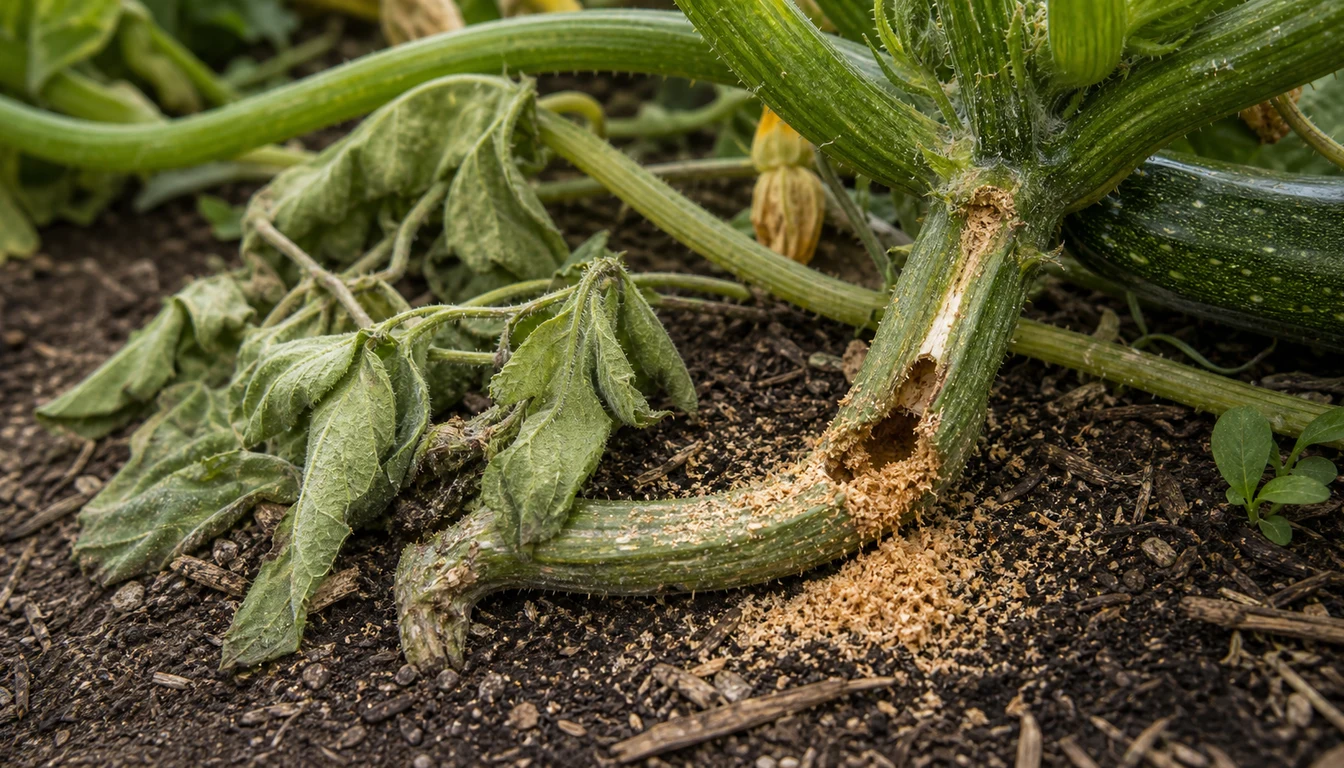
A zucchini vine that wilts in the morning and leaks moist greenish or orange sawdust-like frass from a lower stem may contain squash…
Use the plant and soil condition to set the next watering.
PestsMatch treatment to a confirmed pest and its life stage.
NutritionRule out root and moisture problems before adding fertilizer.