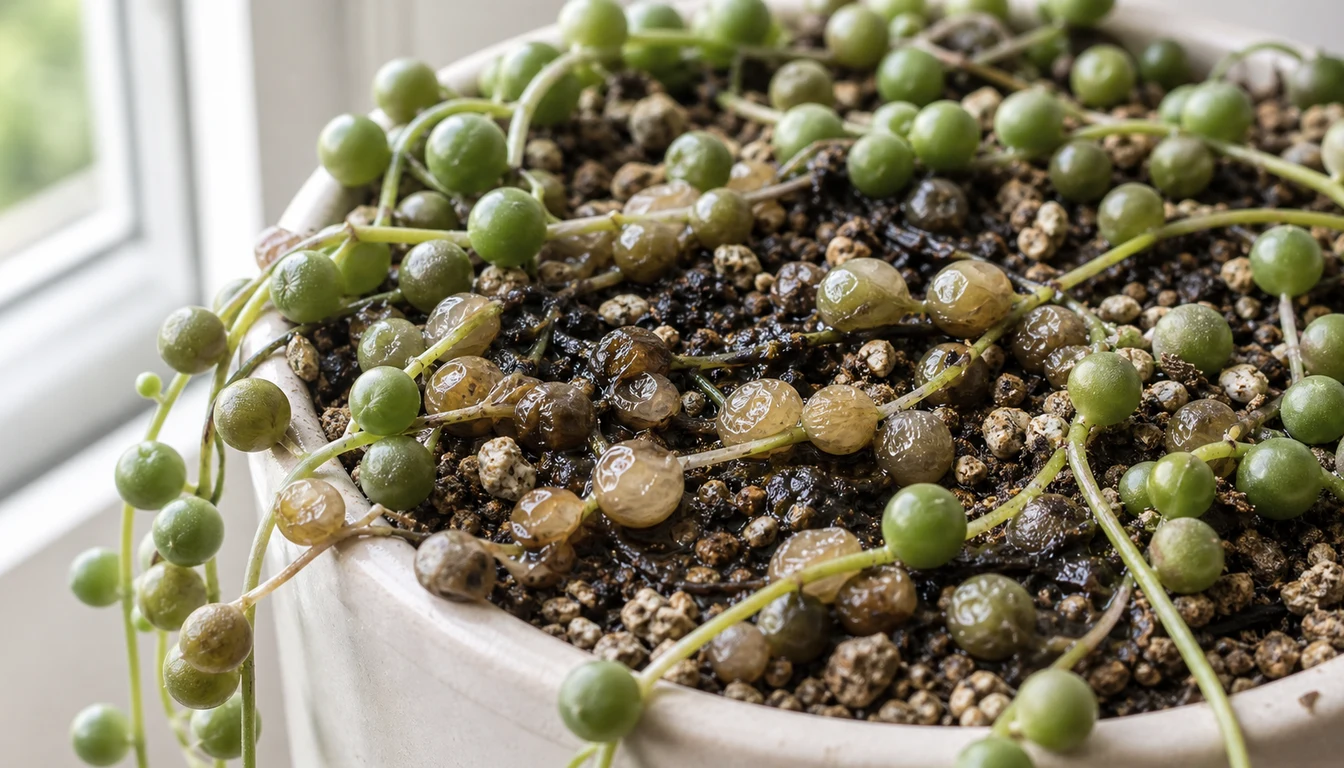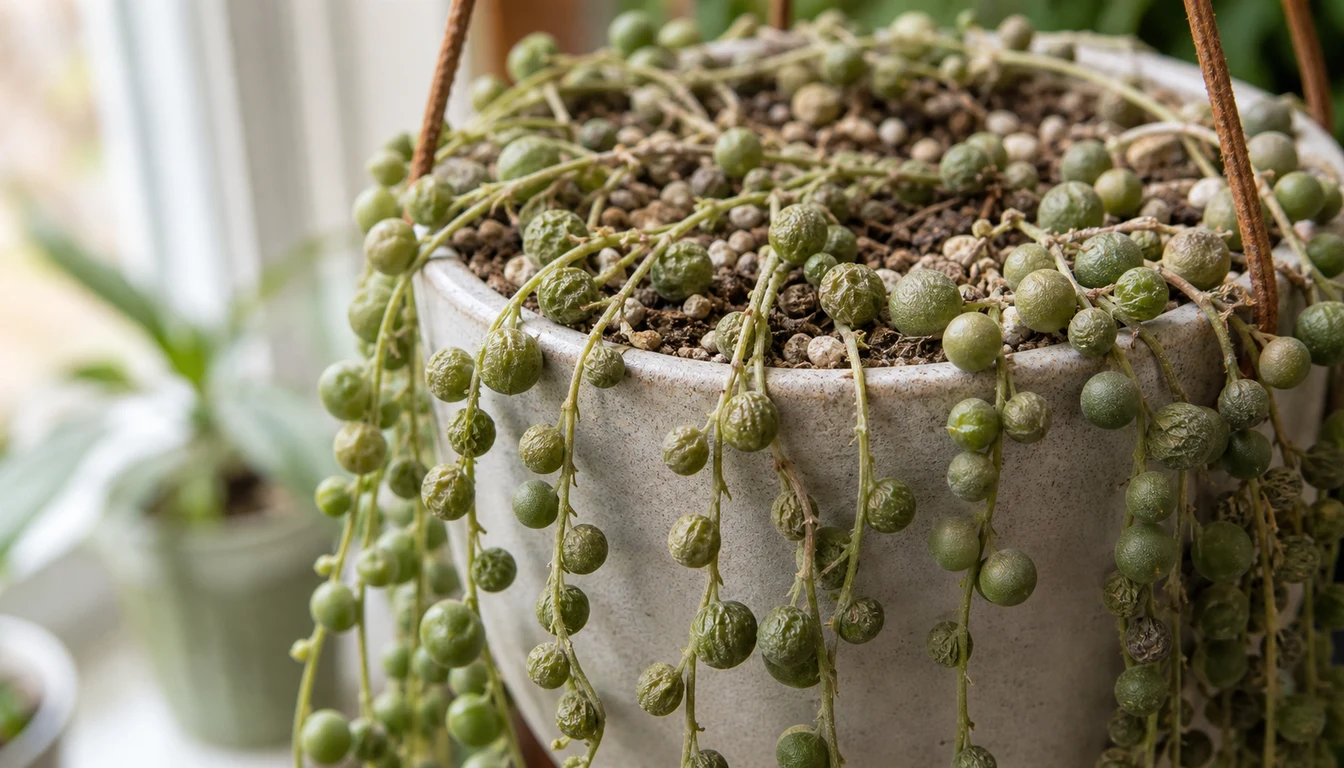
String of Pearls - Shriveled Pearls
Shriveled String of Pearls can reflect dry mix or roots that cannot supply the leaves, including roots damaged while the pot stayed…

Plant Diagnosis
Start with the symptom you can see. Compare likely causes before changing water, fertilizer, light, or treatment.
A useful diagnosis starts with location, timing, and the pattern of damage.
Check whether symptoms begin on old leaves, new growth, roots, or one side of the plant.
Note weather, watering, repotting, feeding, pruning, and any new treatment.
Look for insects, residue, soft tissue, dry edges, odor, and soil moisture.
85 matching guides
Search checks problem names, descriptions, and summaries. Plant group uses the category saved on each problem; sorting uses the update date or problem name.
Shriveled String of Pearls can reflect dry mix or roots that cannot supply the leaves, including roots damaged while the pot stayed…
Mushy String of Pearls stems are damaged tissue, but their appearance alone does not identify the cause.
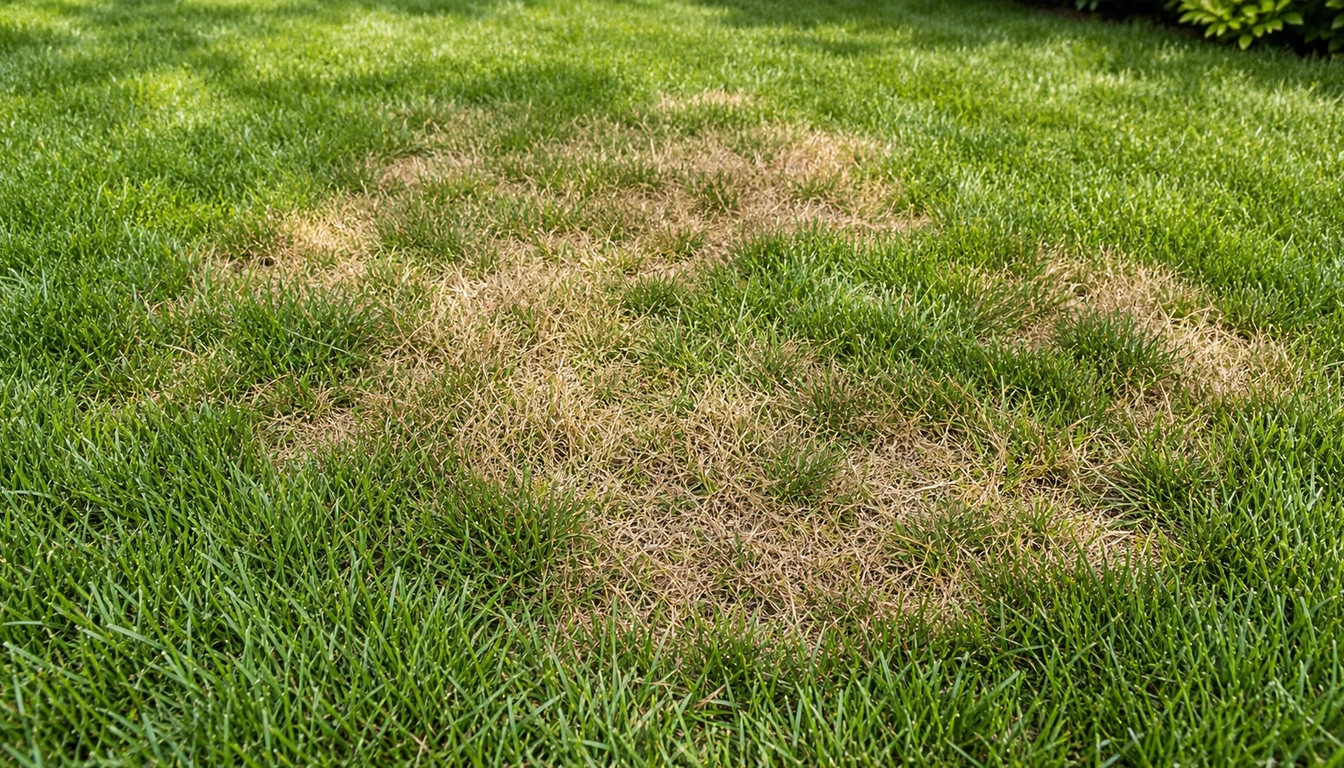
A tan circle in Tall Fescue is not enough to prove brown patch. Inspect upright blades at the changing edge for irregular tan lesions…
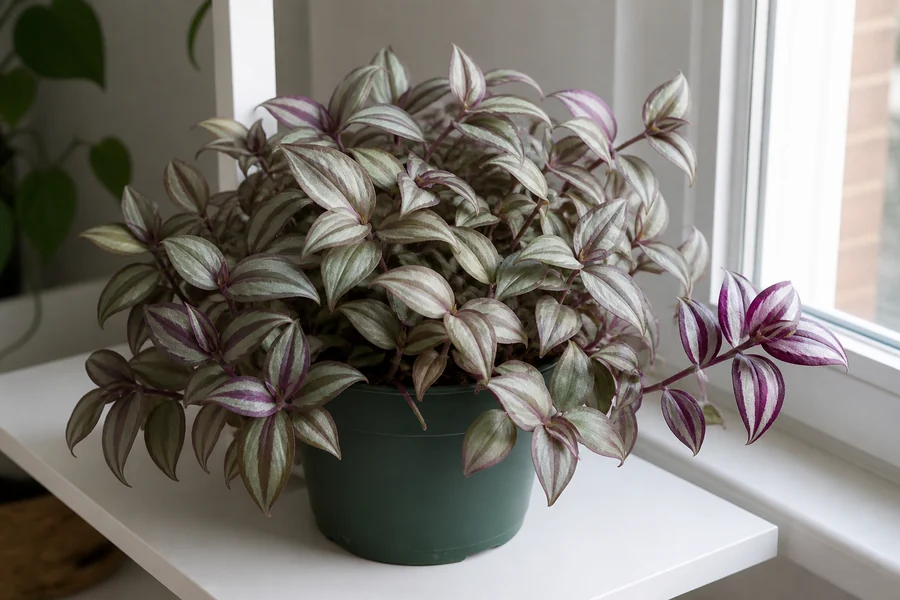
Faded Tradescantia zebrina leaves can reflect changing light, root stress, pests or the plant’s own variation.
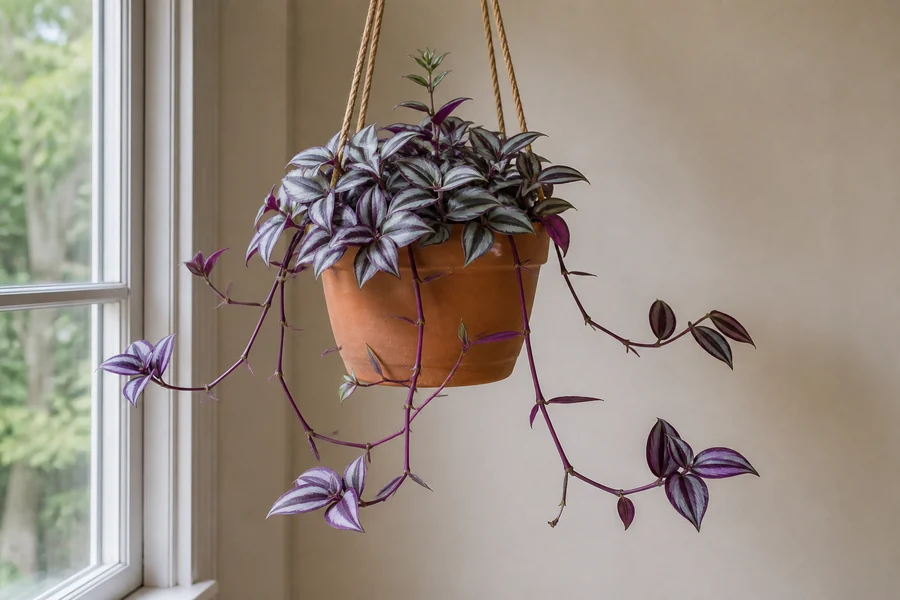
A leggy Tradescantia zebrina may have long new internodes, old bare vines or a thinning crown.
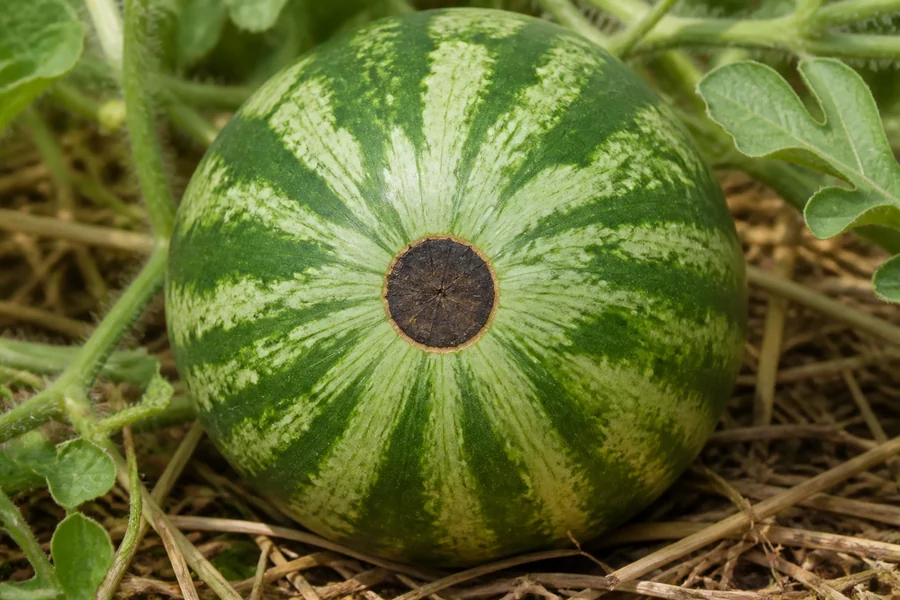
A dry, dark, sunken patch centered on the end opposite the stem fits blossom-end rot on a developing watermelon.
Use the plant and soil condition to set the next watering.
PestsMatch treatment to a confirmed pest and its life stage.
NutritionRule out root and moisture problems before adding fertilizer.