
Ornamental Perennials That Hold a Bed All Season
Choose ornamental perennials for foliage, bloom, and lifespan, including plants that last decades and a plan for the bed's dormant months.
At a glance
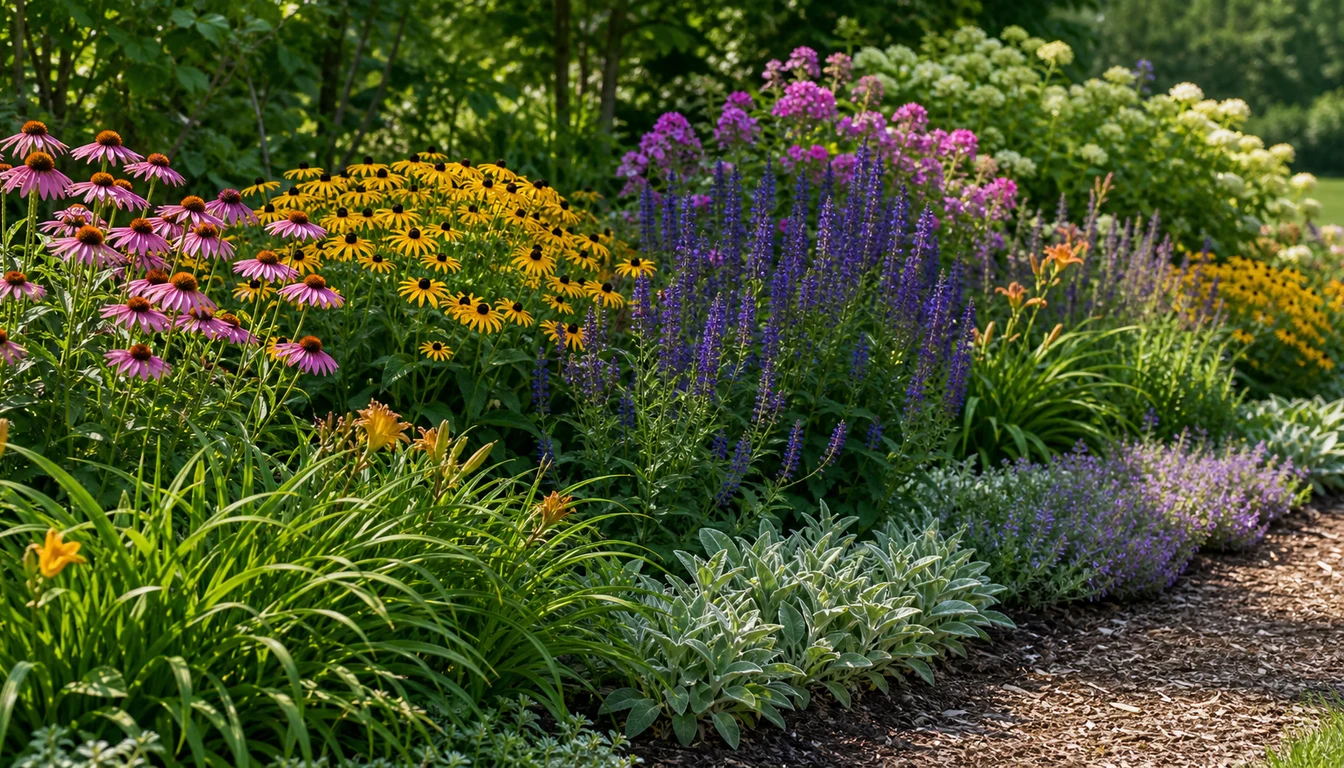
A perennial bed is easy to plan from flower photographs and hard to live with afterwards. Most perennials bloom for two to four weeks, so a bed chosen entirely on bloom spends most of the year showing you something you never looked at before buying.
A few decisions do most of the work in whether a perennial bed holds together. What foliage does between flowering, how long each plant will actually be there, which perennials earn their space, and what the bed looks like across the months it is dormant.
Foliage Carries the Season and Bloom Is the Short Part
Most perennials bloom for two to four weeks. A bed built from six species chosen off flower photographs can therefore spend most of the growing season with nothing in flower at all.
That arithmetic is why so many perennial beds look wrong in August while every plant in them is perfectly healthy.
What the bed shows the rest of the time is leaves. Foliage is on duty from spring emergence until frost, which is several times longer than any flower on the same plant manages.
Leaf form and texture are also what carry across a yard. Flower color stops reading at distance and in low light, while the difference between a broad leaf and a fine one is still obvious from the far end of a lawn.
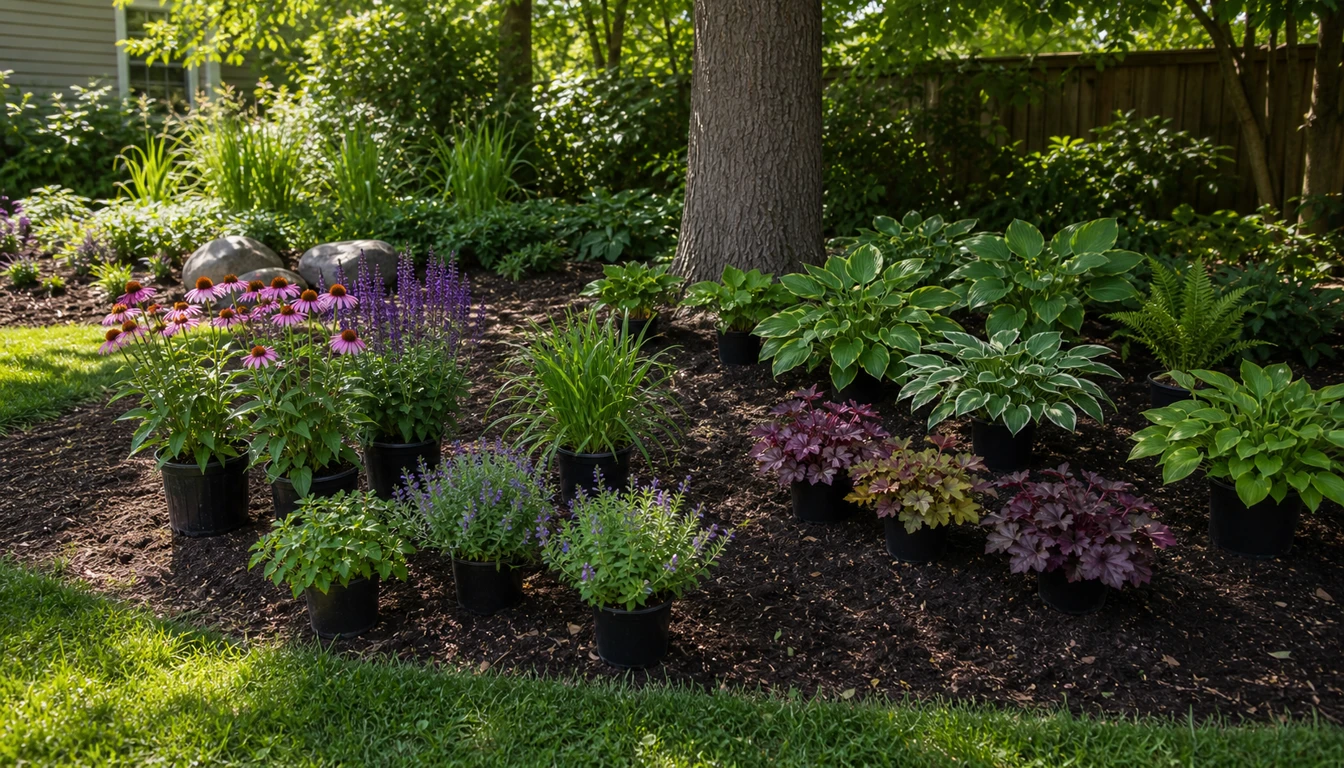
Shop for leaves first and flowers second. If the bed reads well with every bloom removed, the flowers become a bonus rather than the thing holding the design together.
Four shapes give a bed most of its contrast, which are broad, strappy, fine and mounded. Set two of them against each other and the planting looks deliberate before a single flower opens.
Hosta and coral bells are grown for their leaves first, and coral bells holds its foliage into winter in mild zones, so the choice between them is really a choice about shade tolerance and leaf color.
Once foliage covers the bed a two-week flower stops being a risk, because you can buy it for the fortnight it gives you knowing the bed does not depend on it.
Perennial Promises a Return, Not a Lifespan
Perennial means the plant returns after dormancy. It says nothing at all about how many times it will do that.
Delphinium, lupine, columbine, blanket flower and shasta daisy are commonly finished in two to four years. They are still worth planting, as long as you know you are buying a recurring purchase rather than a fixture.
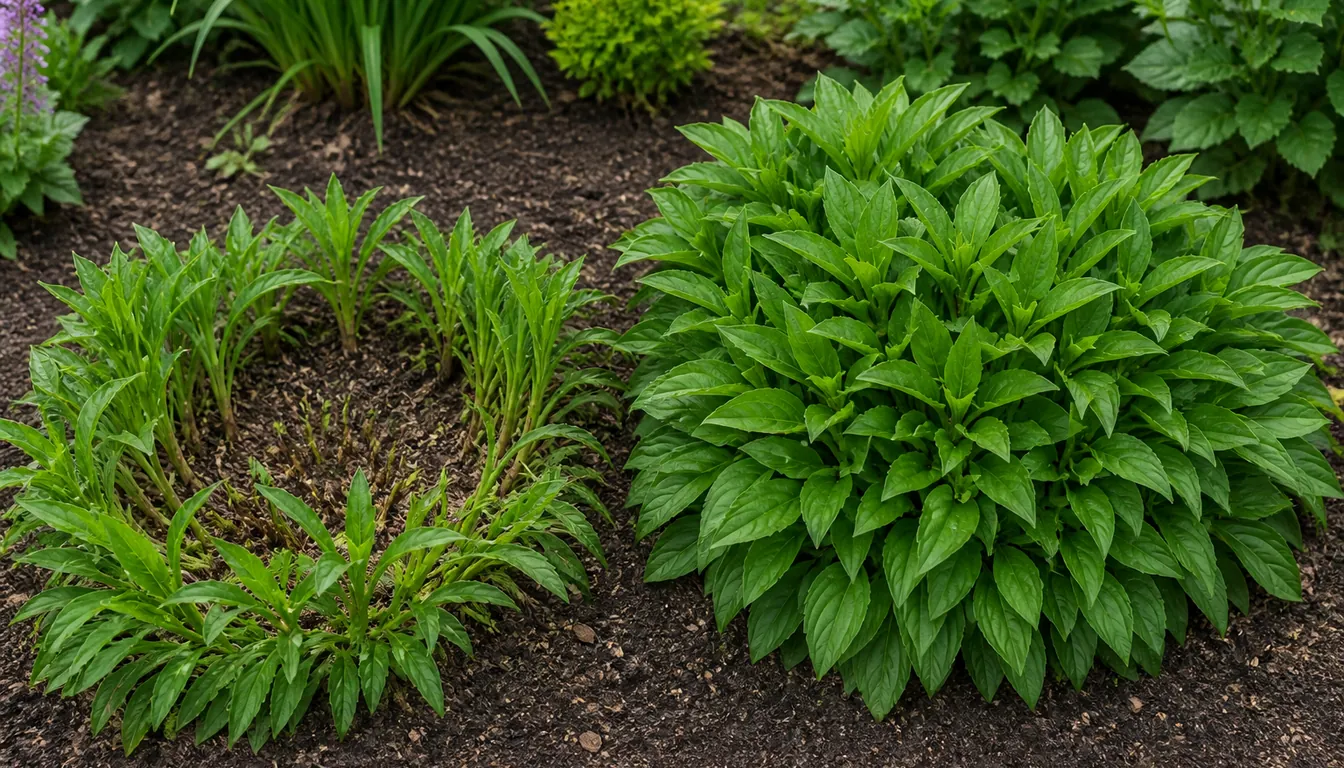
The end looks like neglect, which is exactly why it gets misread. The clump thins and opens at the center with no spots, no pests and no obvious cause, and the gardener concludes they must have done something wrong.
Peony, hosta, daylily, baptisia and amsonia will hold a spot for decades.
A peony can outlive the person who planted it and resents being moved once established. Baptisia and amsonia object to division for the same reason, so site them once and leave them alone.
Mixing the two groups is fine as long as it is deliberate. Put the long-lived plants where you do not want to disturb the soil, and keep the short-lived ones where lifting and replacing a plant is easy.
| Plant | Typical lifespan | What to do about it |
|---|---|---|
| Delphinium, lupine | 2 to 4 years | Plan to replace, or let it self-seed |
| Blanket flower, shasta daisy | 3 to 5 years | Divide early to keep it going |
| Columbine | 3 to 4 years | Leave seedheads and it replaces itself |
| Daylily, hosta | Decades | Divide when the center thins |
| Peony | 50 years or more | Site once, never move it |
| Baptisia, amsonia | Decades | Site once, do not divide |
The Perennials That Actually Hold a Long Season
Height and color are the usual way to sort a plant list, and neither one tells you what the plant does for the bed. Grouping by contribution does.
The foliage anchors hold the bed whether or not anything is blooming. Hosta, coral bells and the ornamental grasses do that work, and a bed with three of them never reads as empty.
The long bloomers genuinely run for months instead of weeks. Daylily, yarrow, catmint and garden phlox are the ones worth paying a premium for, and a wider list of full-sun perennials that keep blooming follows the same logic.
Late season is where most beds quietly fail, because the spring and early summer plants have finished and nothing steps in. Aster and sedum are the standard answer, and the fall-blooming options stretch it further.
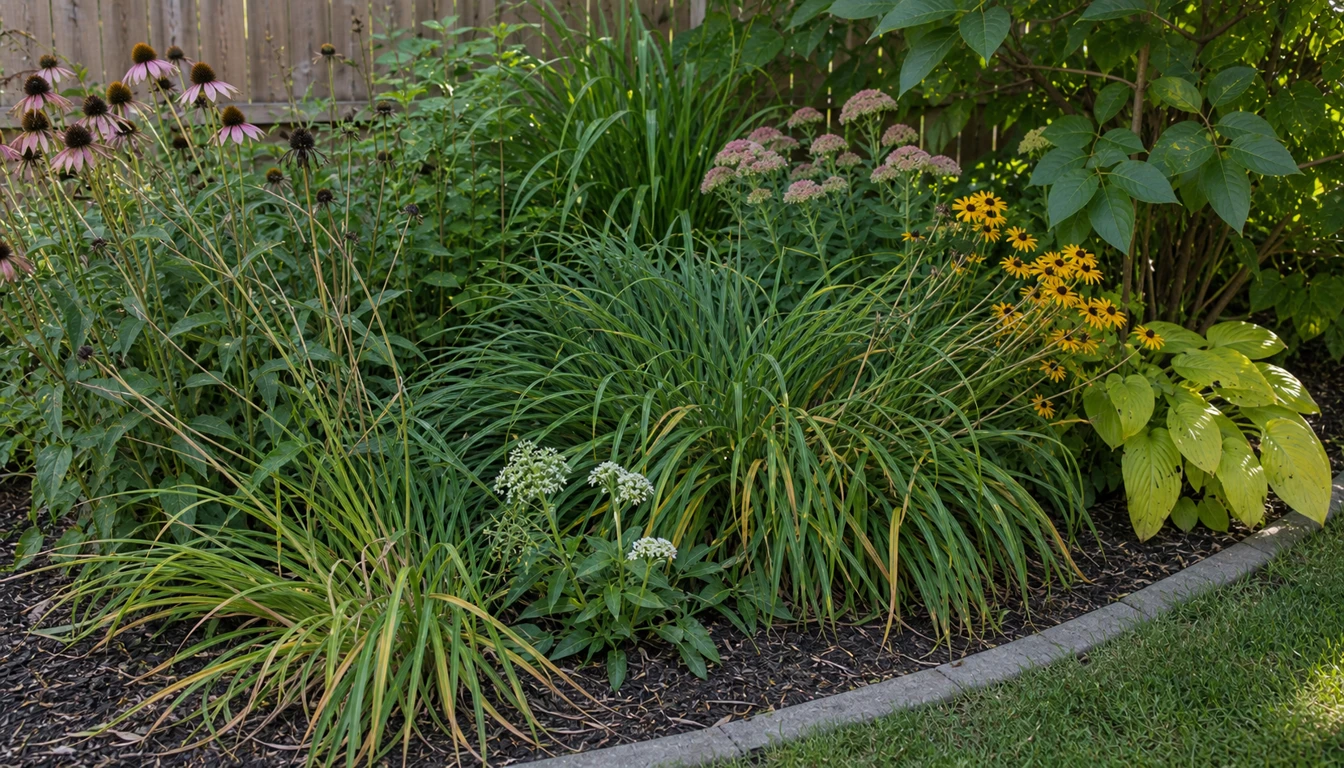
Coneflower and sedum seedheads stand through winter and keep the bed from going completely flat.
Light narrows the list sharply. Hosta and coral bells are the shade choices while yarrow and coneflower want real sun, and a bed under trees needs a different set of perennials rather than the same list planted more hopefully.
If the budget only stretches so far, buy the foliage anchors first. A bed with structure and no flowers still reads as a garden, and a bed of flowers with no structure does not.
| Plant | What it contributes | Light | When it earns its space |
|---|---|---|---|
| Hosta | Broad leaves, shade cover | Shade to part shade | Spring through frost |
| Coral bells | Colored mounded foliage | Sun to part shade | Most of the year in mild zones |
| Ornamental grasses | Height, movement, winter form | Full sun | Midsummer through winter |
| Daylily | Strappy foliage, long bloom | Sun to part shade | Weeks of summer bloom |
| Yarrow | Fine foliage, flat flower heads | Full sun | Early to late summer |
| Garden phlox | Months of scented bloom | Full sun to part shade | Mid to late summer |
| Coneflower | Bloom, then standing seedheads | Full sun | Summer into winter |
| Aster | Late color when others stop | Full sun | Late summer to autumn |
| Sedum | Succulent foliage, winter heads | Full sun | Summer into winter |
For a Third of the Year the Bed Is Not There
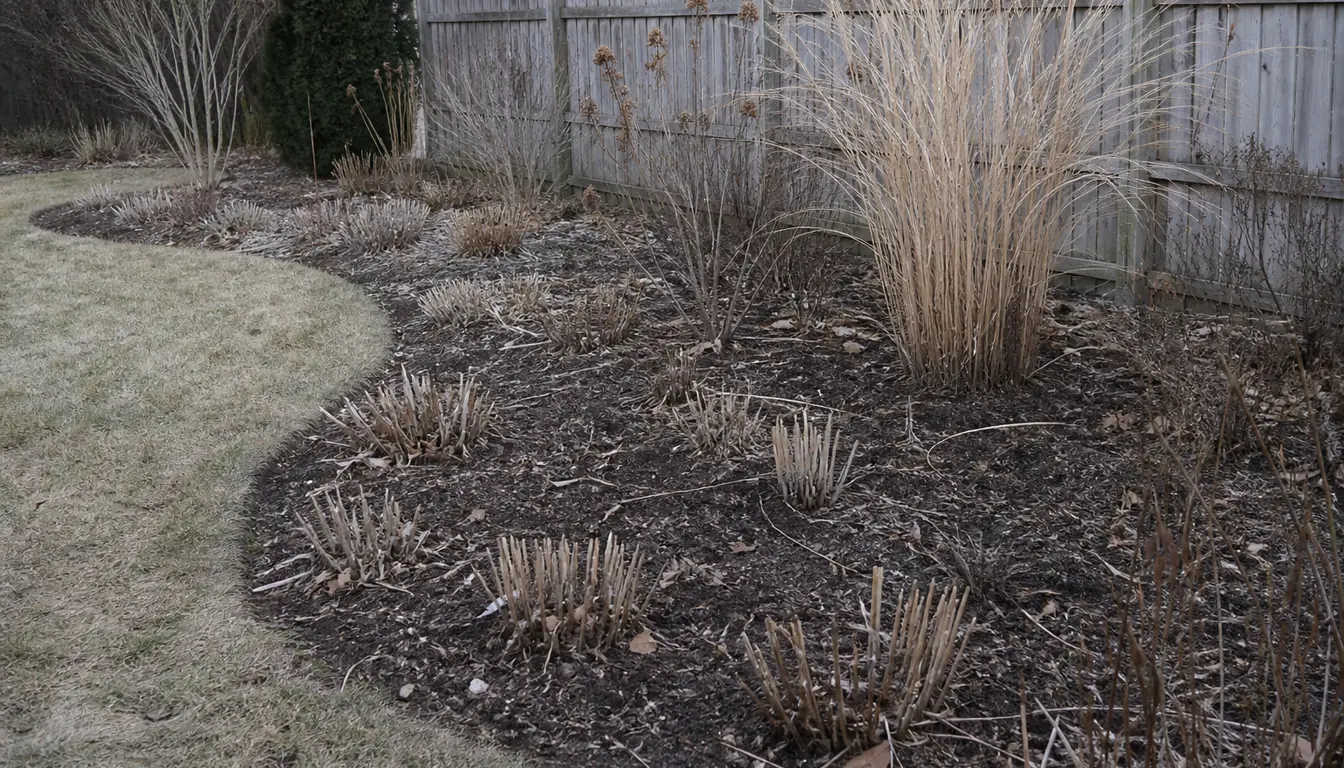
A perennial bed is bare ground for months of the year. In cold zones the planting is simply gone from late autumn until mid spring, which is roughly a third of the year with nothing to look at.
Three things cover that gap. Hellebore, epimedium and bergenia keep their leaves through winter, spring bulbs fill the weeks before the perennials break dormancy and then hide under their foliage, and anything left standing holds some height in the bed.
The practical hazard is that an invisible crown is very easy to cut through with a spade while planting in spring.
Mark the clumps before the bed goes dormant while you can still see where everything is, since a short cane or a written label costs nothing and saves a plant you already paid for.
The Clump Gets Bigger, Then It Gets Worse
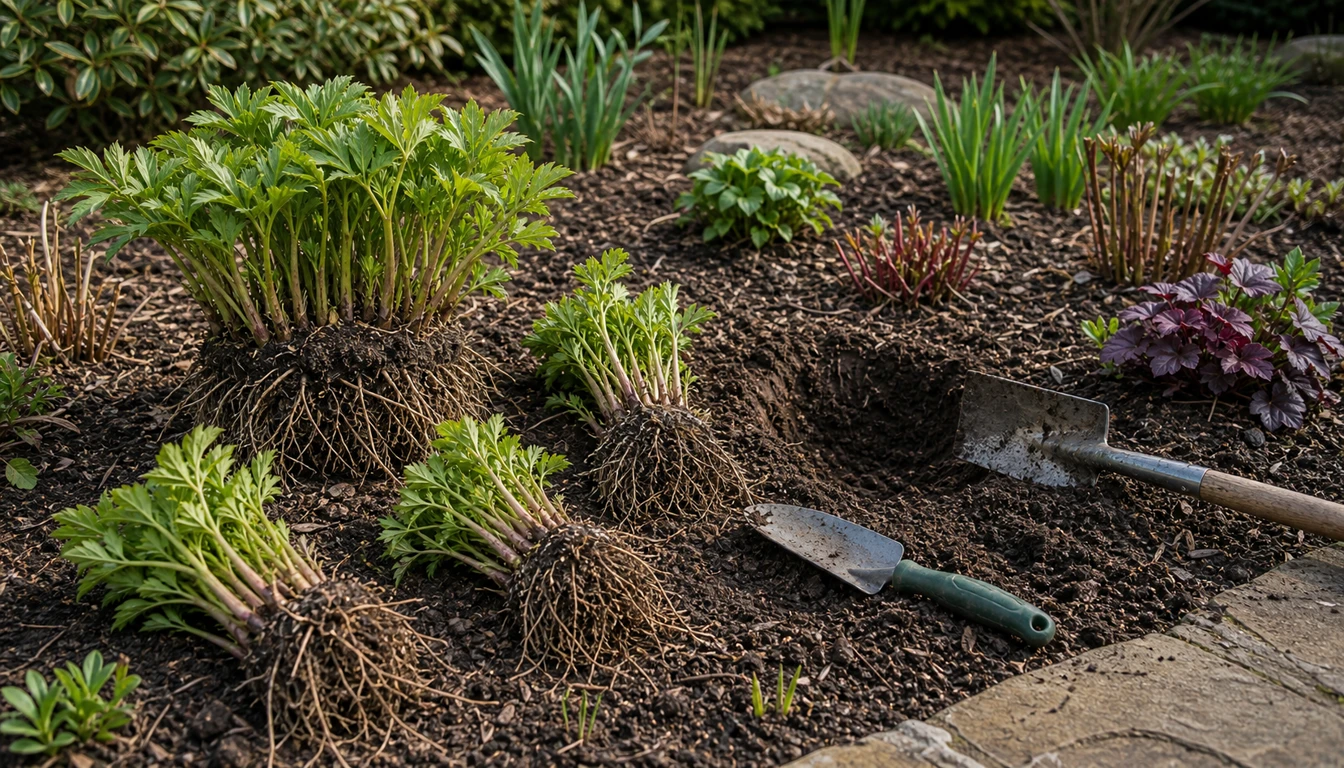
A bed planted to look full on day one will fail within a few years. Clumping perennials set at their final spacing look sparse for a season or two and then fill in correctly, which is the trade worth making.
An overcrowded clump dies out at the center and its outer stems lean away from it, which reads as a staking problem and is not one.
Many clumping perennials want dividing every three to five years, and those divisions are how a bed pays for its own expansion.
- First season at correct spacing
- Looks sparse, and should
- Bed fills in properly
- Season two to three
- Crowding shows as
- Dead center, stems leaning outward
- Divide most clumpers
- Every 3 to 5 years
- Never divide
- Peony, baptisia, amsonia
Repeat What Still Looked Right in October
Walk the bed in October and note what still looks worth looking at. Those are the plants to buy again, and repeating them is what makes a mixed planting read as designed rather than collected.
Quick Tips
- Judge a perennial by its leaves before its flowers, since foliage is visible for months and most blooms last two to four weeks.
- Check the expected lifespan before buying. Delphinium and lupine are a recurring purchase, while a peony is a decision you make once.
- Site peony, baptisia and amsonia where you will never need to move them, because all three resent being lifted.
- Plant at mature spacing and accept a sparse first season rather than crowding for instant fullness.
- Mark your clumps before the bed goes dormant so a spring spade does not cut through a crown you cannot see.
- Buy the foliage anchors first when the budget is tight, and add bloom to a bed that already has structure.
Recommended Plants
7 perennials worth considering.
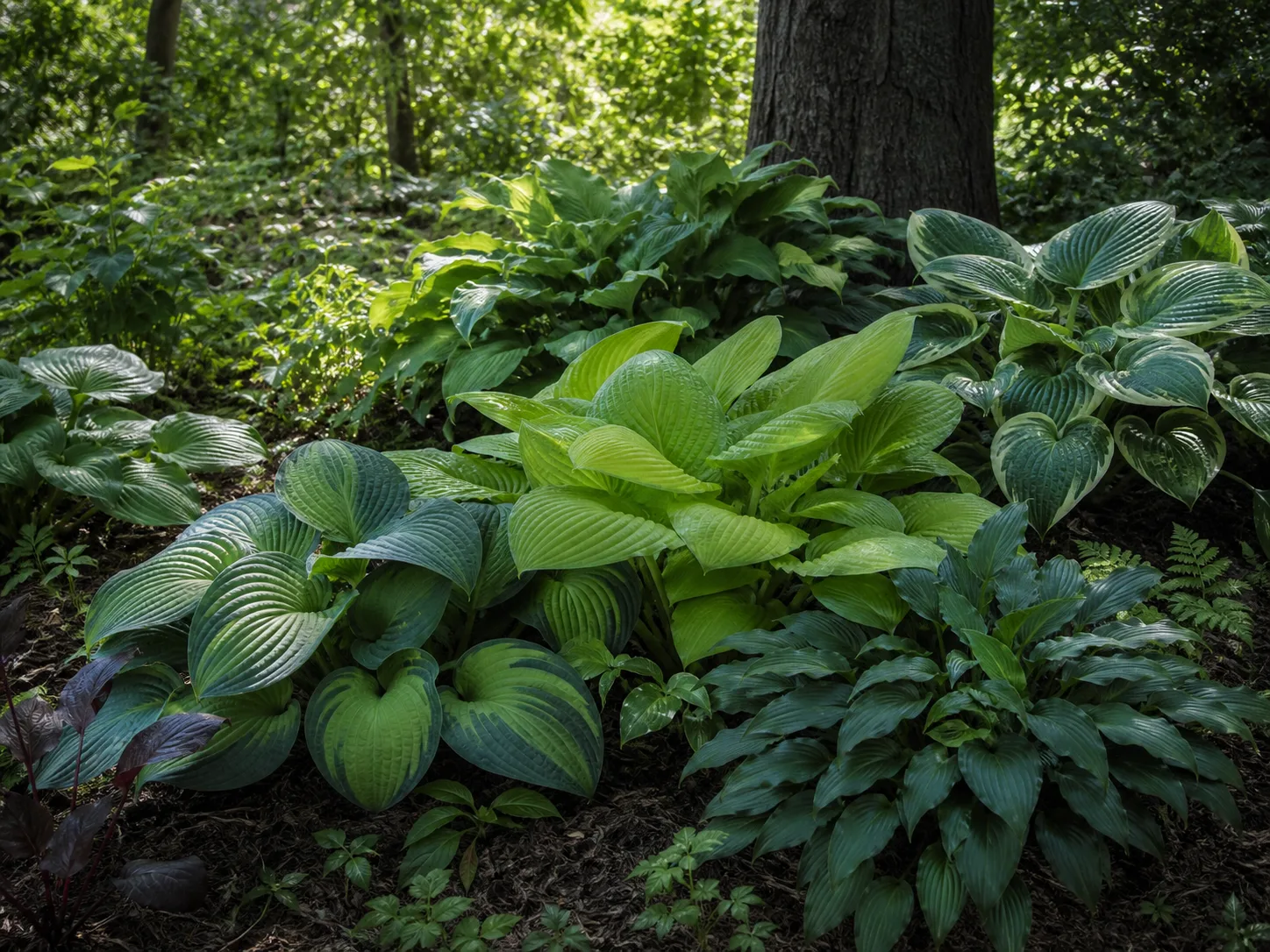
Hosta
Gardeners crave color in shade beds, and Hosta delivers with bold foliage instead of fussy flowers.
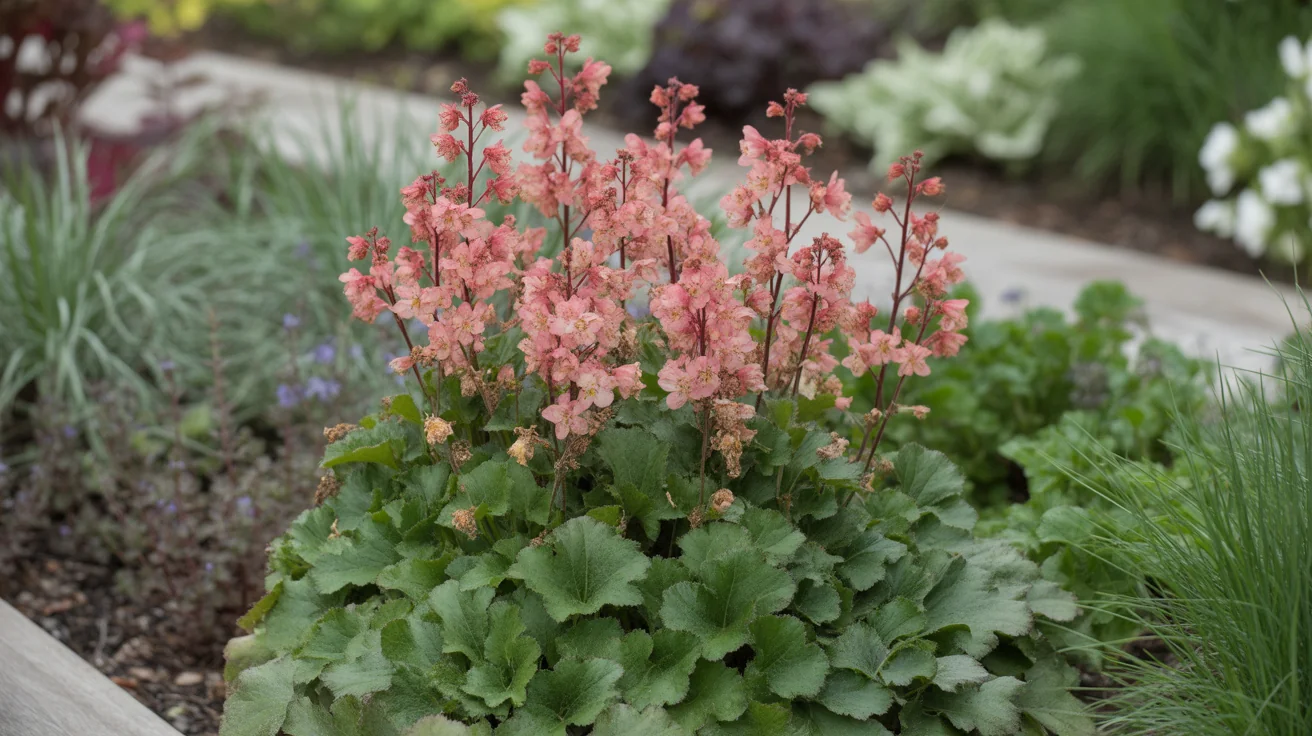
Coral Bells
Coral bells (Heuchera) bring colorful leaves and delicate flowers to borders and pots.
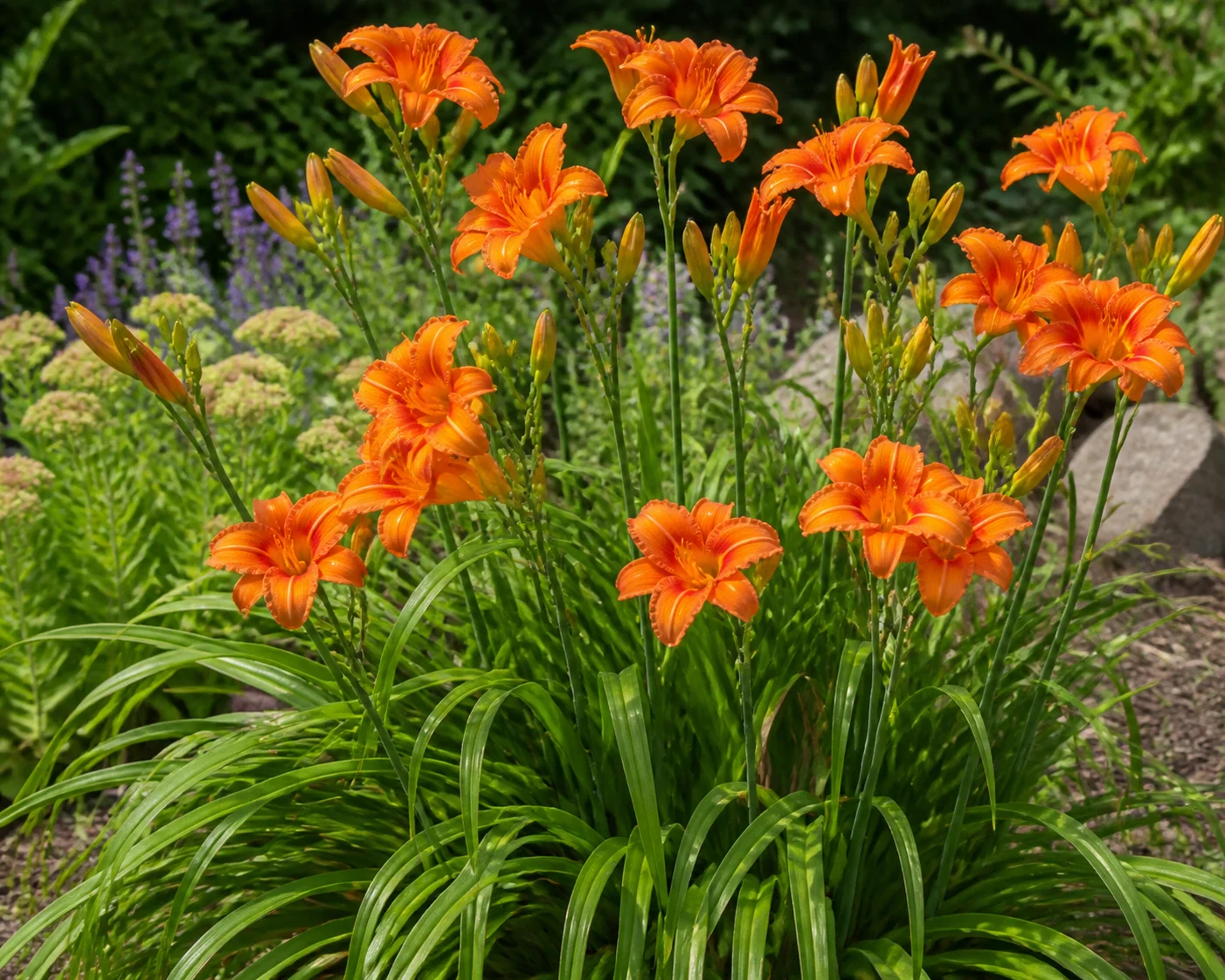
Daylily
Brown, tired flower beds that burn out by July usually come from fussy plants that quit in heat or poor soil.
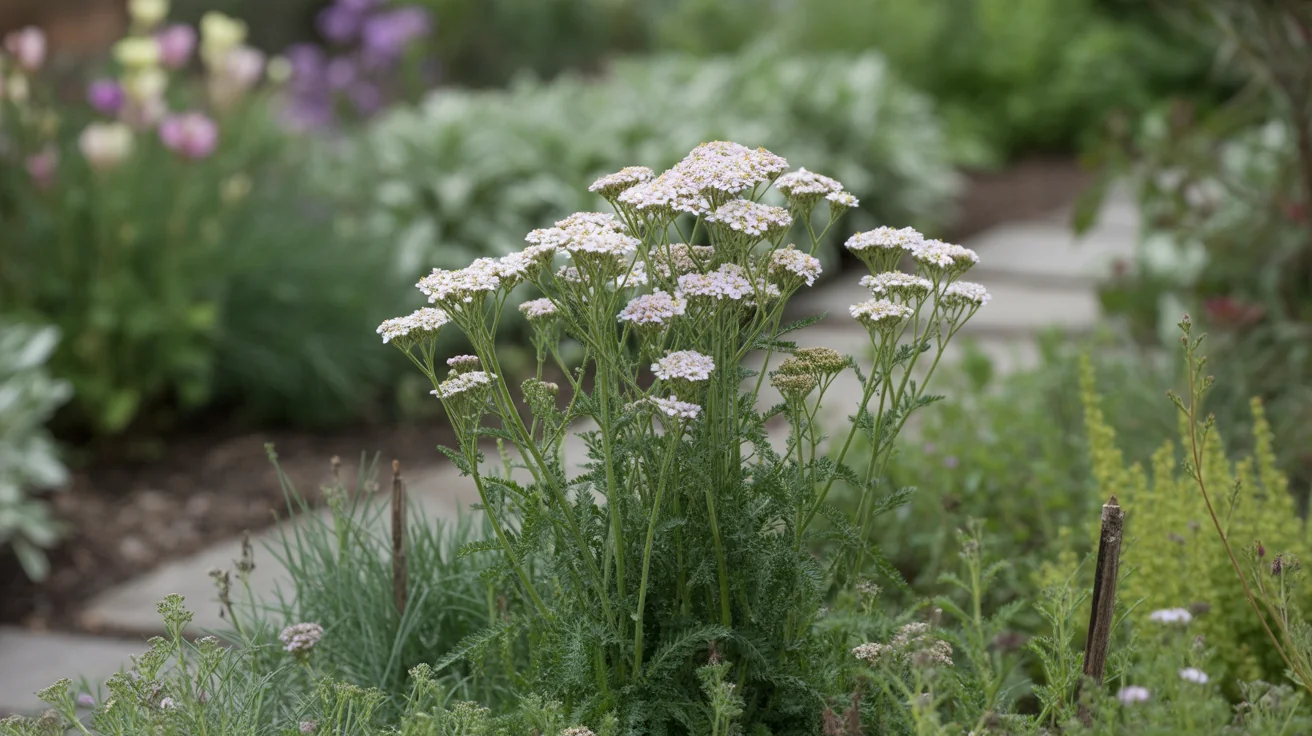
Yarrow
Gardeners often baby perennials, but Yarrow (Achillea millefolium) thrives on a little neglect.
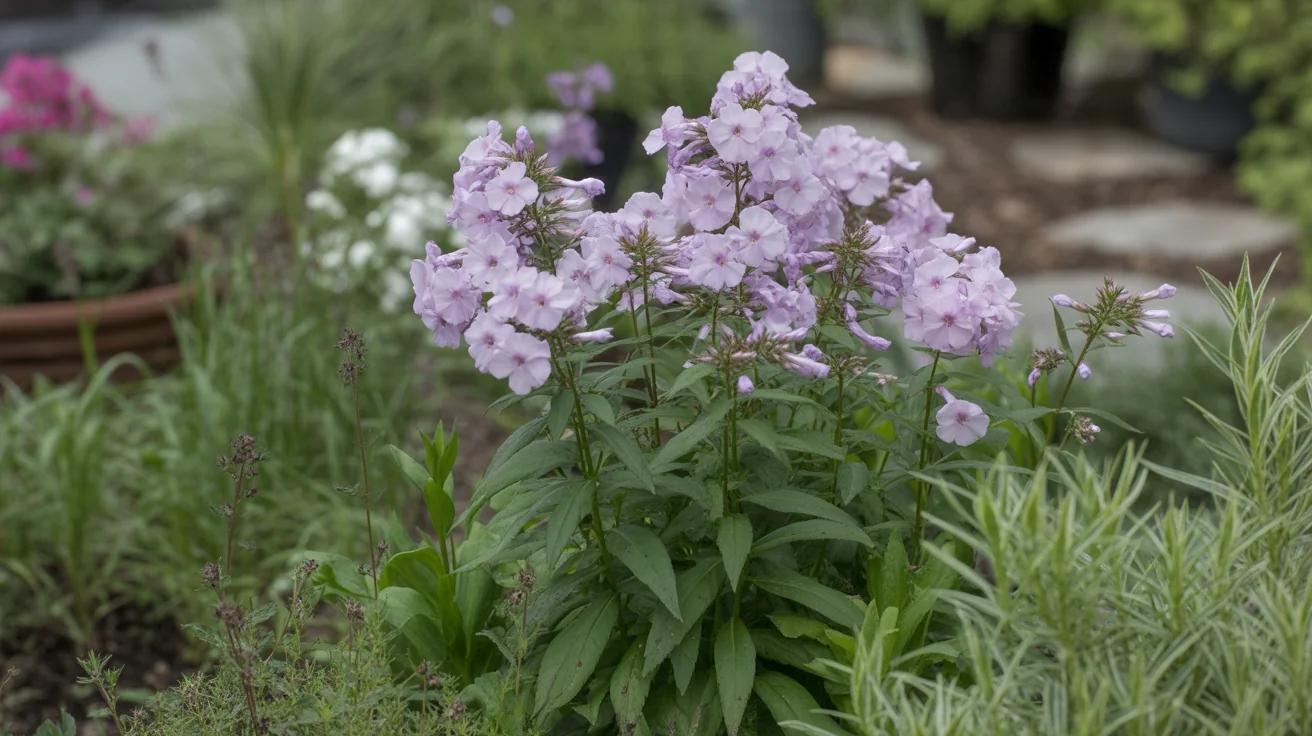
Garden Phlox
Garden phlox is a tall, fragrant perennial that brings mid to late summer color when many spring perennials are fading…
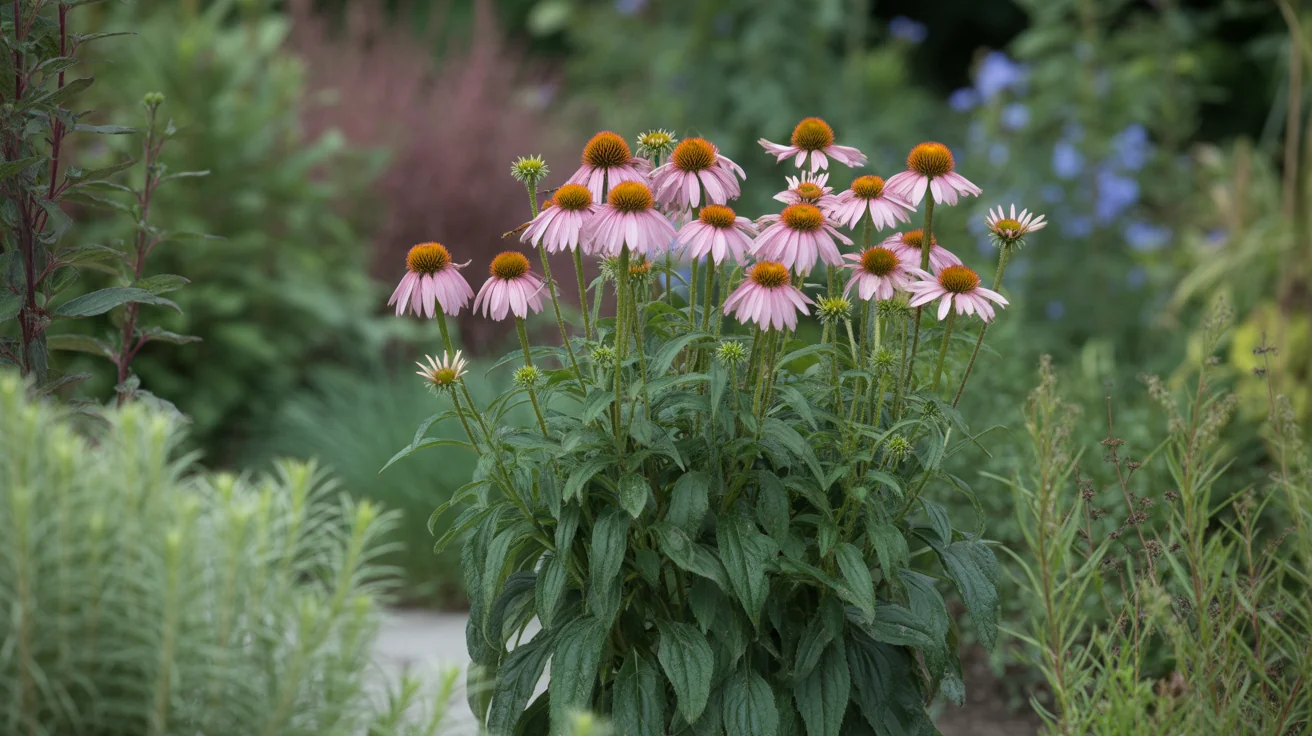
Coneflower
Many gardeners overwater and overpamper Coneflower (Echinacea purpurea), then wonder why it flops or rots.
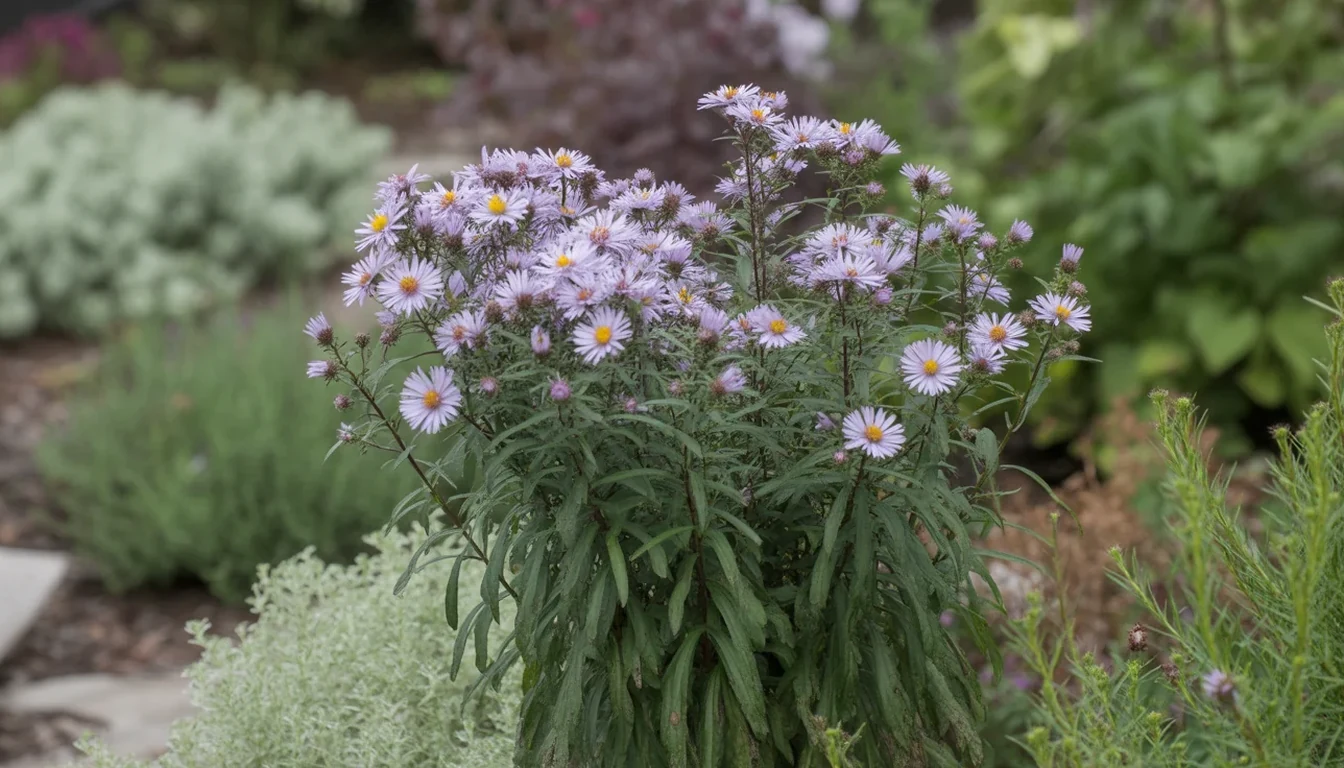
Aster
Gardeners blame the weather when an Aster splits open in September, but the shape was decided in early summer.
Frequently Asked Questions
How long do perennials actually live?
It depends entirely on the plant, and the word perennial only promises a return after dormancy rather than a lifespan. Delphinium, lupine and blanket flower are often finished in two to four years, while peony, hosta, daylily and baptisia hold a spot for decades.
Why is the middle of my perennial clump dying?
A dead or thinning center with healthy growth around the outside is the standard sign of an overcrowded clump that needs dividing, usually after three to five years in place. The same pattern on a short-lived perennial such as blanket flower or shasta daisy often means the plant has simply reached the end of its span.
What gives a perennial bed color for the longest season?
Foliage does, because most perennials bloom for only two to four weeks while leaves are present from spring emergence until frost. Anchoring the bed with hosta, coral bells and ornamental grasses gives it something to look at whether or not anything is flowering.
What does a perennial bed look like in winter?
In cold zones it is mostly bare soil from late autumn until mid spring, since the plants die back to the ground entirely. Evergreen perennials such as hellebore, epimedium and bergenia, plus standing seedheads and grasses, are what keep the bed from disappearing completely.
How far apart should I plant perennials?
At their mature spread, which means the bed will look sparse for its first season or two before it fills in correctly. Planting closer for instant fullness buys one good year and then produces crowded clumps that flop and need dividing much sooner.
Which perennials should I buy first on a limited budget?
The foliage anchors, because a bed with structure and no flowers still reads as a garden while a collection of flowers with no structure does not. Hosta, coral bells and an ornamental grass will carry a new bed through its first season better than the same money spent on bloom.