
How to Grow Daylilies and Keep Their Clumps Flowering
Hemerocallis spp. Asphodelaceae
Brown, tired flower beds that burn out by July usually come from fussy plants that quit in heat or poor soil. Daylilies (Hemerocallis spp.) solve that problem with clumping roots, tough strappy foliage, and waves of blooms from early summer into fall in Zones 3-9.
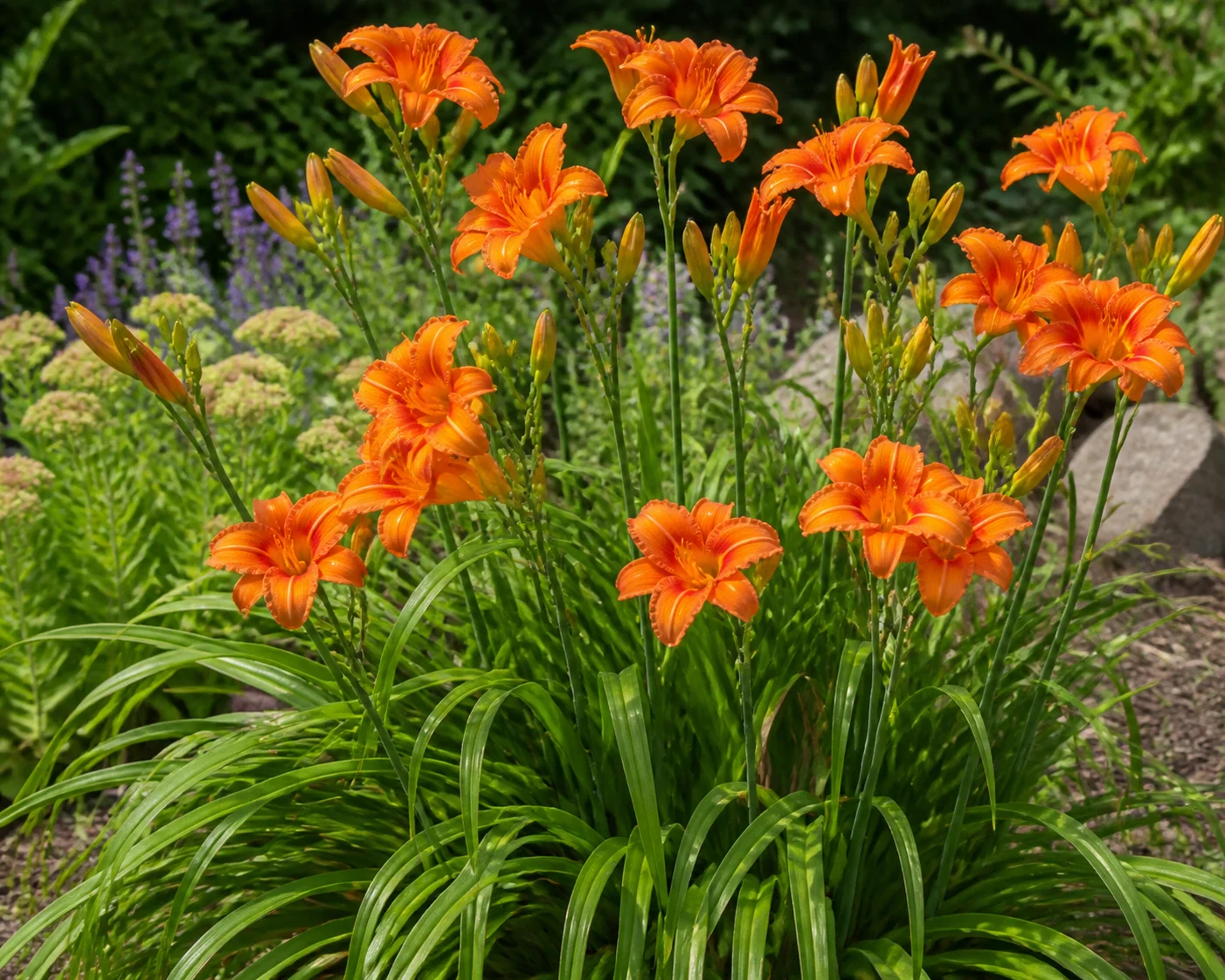
Care snapshot
Why Daylilies Keep Going When Others Quit
Short-lived prima donnas like tulips and daffodils fade fast, then leave gaps. Thick, fibrous rhizomes on daylilies store energy, so fresh flowers replace spent ones day after day across Zones 3-9.
Fussy border plants collapse in heat, but clumps of arching, grasslike foliage stay upright and green while tall scapes push blooms above the leaves. Think of the overall growth rate as similar to a hosta, but with far more flower power.
Threading finicky ornamentals through mixed beds can be a chore, yet Hemerocallis spp. adapt to most garden soils and shrug off pollution along driveways. That makes them an easy anchor if you are building out a bed of hardy flowering perennials.
Unlike true lilies (Lilium), which grow from bulbs and can sulk after transplanting, daylilies form dense fans from crowns at soil level. Each fan sends up scapes packed with buds so a single plant can show color for weeks.
Plant profile
- Botanical name
- Hemerocallis spp.
- Family
- Asphodelaceae
- Plant type
- Herbaceous perennial
- Hardiness
- Zones 3-9 outdoors
- Mature height
- 18-36 in foliage, scapes taller on some cultivars
- Mature spread
- Clumps about 18-30 in wide
- Bloom time
- Early summer through late summer, depending on cultivar
- Flower traits
- Funnel-shaped, trumpet blooms in many colors
Plain, orange roadside types spread aggressively and bloom once, while modern cultivars stay tidier and offer repeat flushes. Picking the right line upfront avoids the floppy, tangled look many older gardens get by midsummer.
Tall, old-school varieties can tower over low edging plants, but newer compact forms sit nicely with Shasta daisy or coneflower. If you already grow bold flowers like large peonies, shorter daylilies keep the focus on those spring stars.
Single blooms are classic, yet double, ruffled, and spider forms add texture that mixes well with simple disks on black-eyed Susan. Airy spikes of Russian sage make the pairing feel looser, and fragrant types also pull their weight near patios or paths.
Older, dormant cultivars lose all foliage in winter, where newer semi-evergreen lines may hold tufts of green in mild climates. In colder Zone 3 and Zone 4 beds, we find fully dormant kinds ride out freezes about as reliably as tough iris clumps.
Kick off color in late spring, pairing well with iris and early salvias.
Carry most of the summer show, good for core backyard borders.
Flush several times, especially with deadheading and light feeding.
Stay under 18 in, better for front-of-border or small spaces.
Narrow, twisted petals for a different look than traditional trumpets.
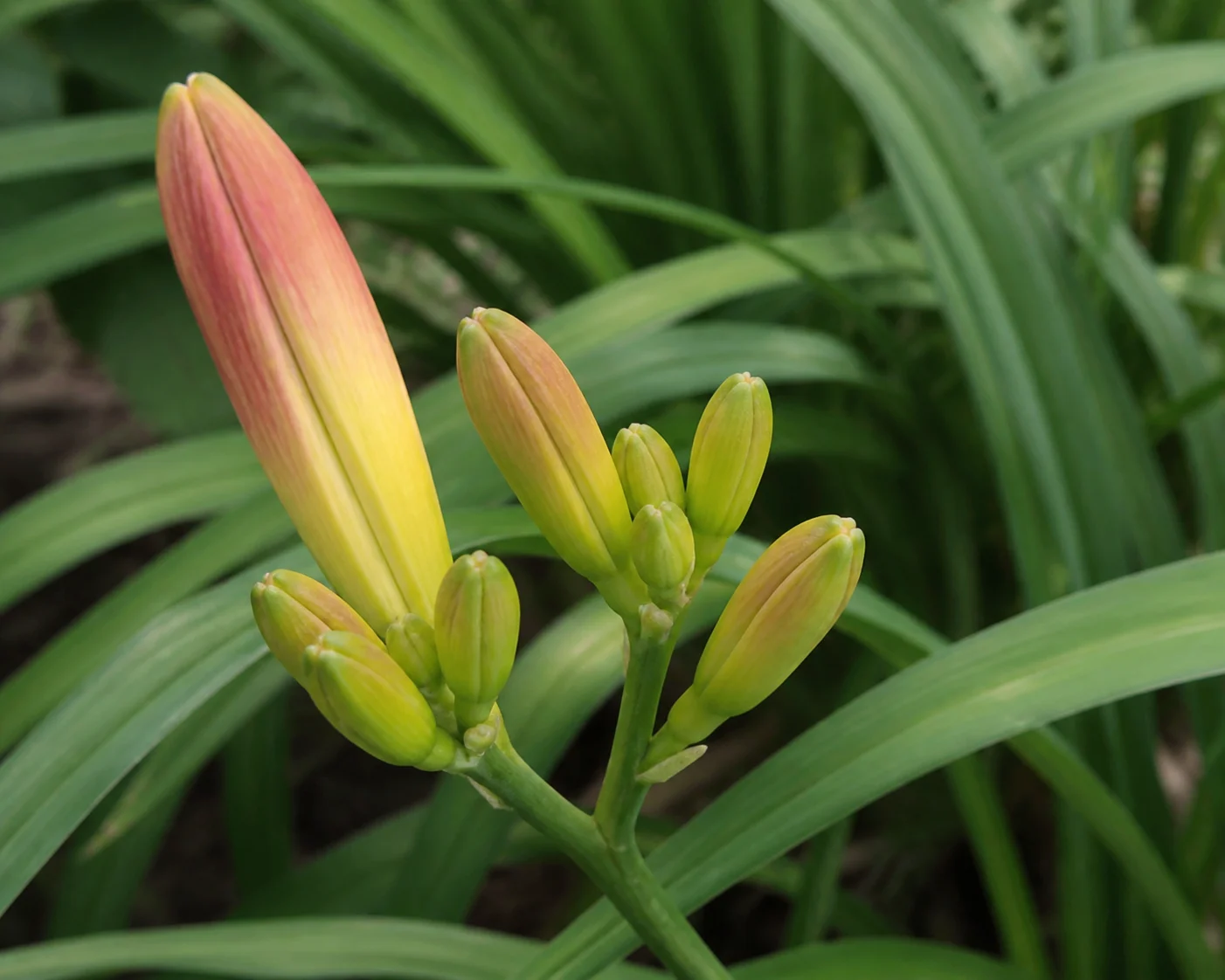
Watering: Tougher Than Many Border Perennials
Thirsty bloomers like hydrangea wilt without constant moisture, but daylilies handle brief dry spells once established. Their thick, fibrous roots reach deeper, so you can focus on deep watering instead of constant light sprinkling.
Shallow, frequent watering keeps the top inch wet and encourages surface roots that dry out fast. A better approach is soaking the root zone to about 6 in deep, similar to guidance in deep watering practices, then letting the soil partly dry.
Spring-planted fans burn out quicker than established clumps if ignored, so plan on 1 inch of water per week from rain or irrigation their first growing season. After that, they behave more like yarrow or catmint, blooming fine with average rainfall in many regions.
Overwatering in tight clay causes more trouble than drought, leading to yellowing foliage and root rot. If you are already managing soggy spots to keep plants like garden roses happy, raise beds or improve drainage before mass-planting daylilies there.
- During establishment, water when the top 2 in of soil are dry.
- In summer, provide roughly 1 inch per week total moisture.
- Mulch 2-3 in deep to even out soil moisture and reduce weeds.
- Cut back watering in fall as foliage starts to yellow and die back.
Soil: Forgiving, But Not Swamp-Friendly
Heavy feeders like tomato demand perfect, rich loam, but daylilies accept most garden soils as long as water drains away. Average, moderately fertile ground keeps foliage healthy without turning plants into floppy, overfed clumps.
Nutrient-hungry annuals in beds often get heavy doses of granular fertilizer that can push soft, leafy growth on perennials. Daylilies instead respond best to a single spring top-dress of compost or a light feed similar to what you might use in a basic vegetable patch.
Sticky clay that holds puddles around the crowns invites rot, while pure sand dries too fast for strong bud set. Aim for a crumbly texture by mixing in 2-3 inches of compost over the top 8-12 inches of planting area before setting fans.
Unlike containers for patio herbs or houseplants, in-ground daylilies do not need precision potting mix. Still, in raised beds, a blend of about 60% garden soil, 30% compost, and 10% coarse material like pine fines keeps roots both fed and well drained.
- Soil texture
- Best in loam or amended clay/sand
- Drainage
- Prefers well-drained soil, hates standing water
- pH range
- Roughly 6.0-7.0 (slightly acidic to neutral)
- Organic matter
- Add 2-3 in compost before planting for best vigor
Light: Color That Holds in Real-World Yards
Shade-loving choices like astilbe and bleeding heart fade in hot, open beds, while daylilies thrive in full sun, needing at least 6 hours of direct light for the heaviest bloom set and sturdy flower scapes.
Deep shade under dense trees produces mostly foliage, not flowers, so they work poorly where hosta succeed. In light shade or morning sun with afternoon shade, expect decent bloom but slightly fewer buds per scape.
Unlike finicky shrubs that scorch in harsh western exposure, daylilies tolerate the same heat level as lilac or spirea hedges when the soil does not dry to dust.
In Zone 8 and Zone 9 heat, a bit of dappled afternoon shade keeps darker colors from fading.
- Aim for 6-8 hours of direct sun for maximum flowers.
- Accept 4-5 hours of sun for acceptable bloom in hotter zones.
- Avoid deep, continuous shade where plants produce mostly leaves.
- Use light afternoon shade in Zones 8-9 to reduce flower bleaching.
Propagating Daylilies at Home
3–5 years in the ground is when most clumps are ready to divide and give you free plants.
In Zone 3-5, plan division in late summer to early fall so roots can reestablish before the deep freeze.
In Zone 6-9, you get a longer window, and you can divide right after peak bloom while foliage is still easy to see and sort by color.
In any zone, avoid dividing during a heat wave and water deeply the week before, similar to prepping peony clumps before you move them. You can compare bloom timing to other summer perennials when planning.
Use that timing as the guardrail before you start digging, since the actual split still needs clean cuts, healthy fans, and quick replanting.
- Choose clumps that have bloomed less or show a dead center.
- Lift with a sharp spade, taking a wide circle around the plant.
- Slice into divisions with 2-4 fans and healthy white roots.
- Trim foliage to 6-8 inches to reduce water loss.
- Replant at original depth, water in, and mulch lightly.
Once divisions are back in the bed, keep the cultivar by cloning the clump, since seed is better for experiments than for predictable border color.
Seasonal Care Through the Year
12-18 inches of top growth is usually on the plant by late spring, which is when seasonal care really starts to matter.
In Zone 3-5, spring shoots break ground later, so resist the urge to dig bare spots until soil has warmed like it does when tulips are fully up.
In Zone 6-9, foliage appears early and can push through light frosts, but you still want to avoid heavy fertilizing until nights stay above 50°F.
In every zone, keep a 2-inch mulch layer, but pull it back from the crowns in spring to prevent rot and give new shoots room.
Clean away old foliage, lightly scratch in compost, and check clump size to see if division is needed this year.
Deadhead spent blooms and remove entire scapes after flowering to keep beds tidy and reduce seed set.
Cut back yellowed foliage, top-dress with compost, and mulch in colder zones for winter protection.
Use the calendar as a light-touch rhythm, since daylilies usually bloom worse when feeding and grooming turn heavy-handed.
Watering follows the same restraint, since steady moisture helps buds without keeping crowns wet.
Pests and Problems on Daylilies
2 main insect pests cause most visible trouble on daylilies, but foliage diseases show up more often than bugs in typical home beds.
In Zone 3-5, cool nights slow pest buildup, so leaf streak and crown rot are usually bigger headaches than insects.
In Zone 6-9, warm, humid summers let aphids and spider mites multiply faster, especially when plants grow near thirsty shrubs like moisture-loving perennials.
In any climate, crowded clumps with poor air flow invite daylily leaf streak and rust, so thinning and dividing doubles as pest prevention.
After that purchase check, separate chewing or sucking insects from foliage diseases, since the two groups leave different clues and need different responses.
Curling buds, sticky residue, and distorted blooms. Wash off with a strong water spray or use insecticidal soap.
Speckled, dull foliage and fine webbing. Rinse foliage and consider treatments similar to controlling mites on indoor plants.
Ragged chew marks on leaves, worst in damp, shaded beds with heavy mulch.
If none of those insect signs match, move down the disease list before reaching for sprays or blaming fertilizer.
Yellow then brown streaks starting at leaf tips. Remove affected leaves, improve spacing, and avoid overhead watering.
Orange powdery spots on leaves. Remove infected foliage and consider resistant varieties if rust is common locally.
Soft, foul-smelling crowns in heavy, wet soil. Improve drainage or move plants to raised beds.
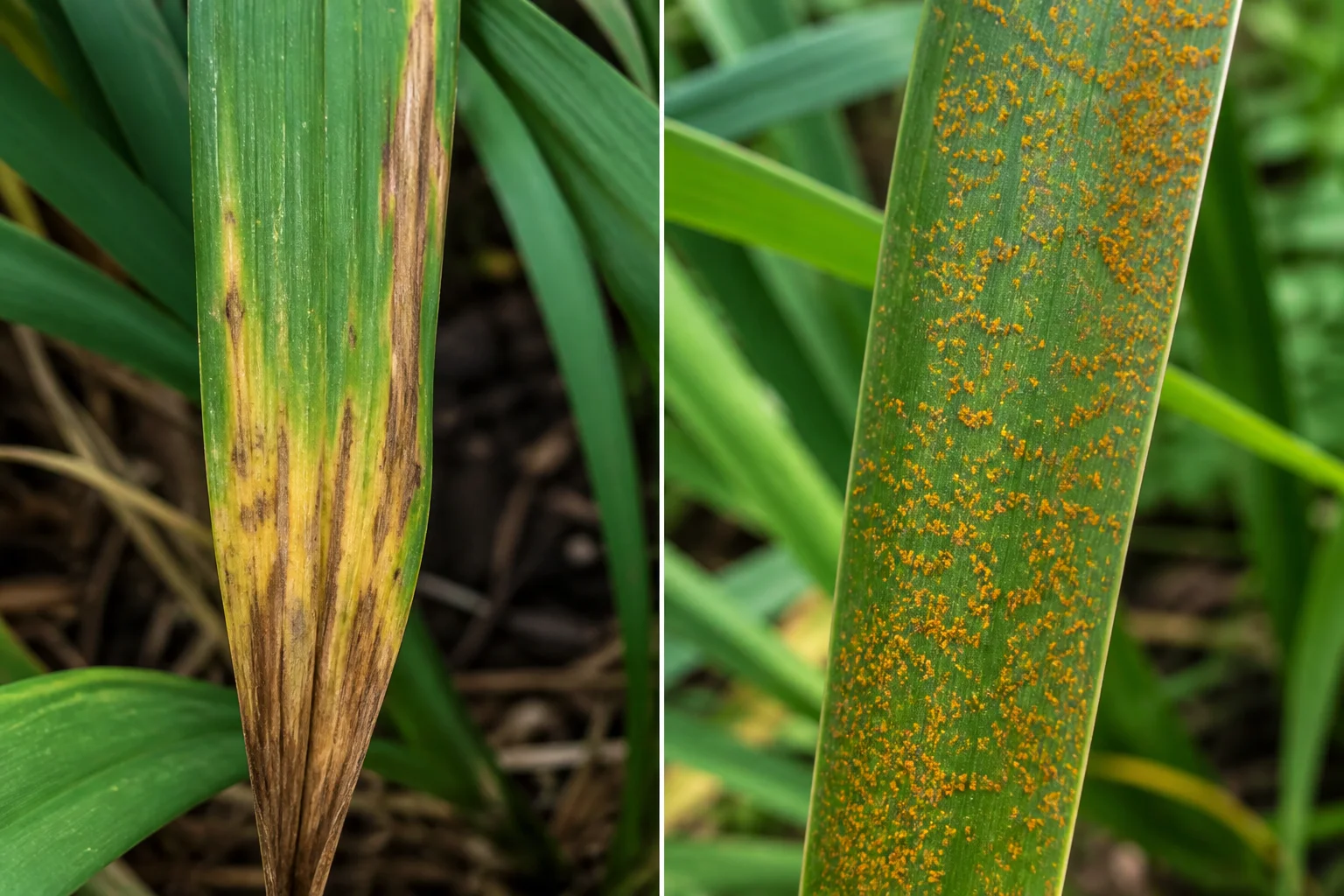
The routine works because it catches both categories early, since a few minutes each week beats cutting back a whole streaked clump later.
Safety, Pets, and Ecology
Housecats and dogs are the main safety concern with daylilies, far more than any risk to people handling the plants.
In any zone, true Lilium lilies and Hemerocallis daylilies are both risky for cats, unlike non-toxic options such as pet-friendlier houseplants you might grow indoors.
In Zone 3-9, outdoor cats may chew foliage or brush pollen onto their fur, and ingestion has been linked to serious kidney damage in felines.
In dog-owning yards across all zones, issues are rarer, but mild stomach upset is possible if a dog eats large amounts of foliage or buds.
For cat-owning yards, placement matters as much as the warning itself, since the safer spots are the ones cats do not patrol or nibble.
Frequently Asked Questions
Do daylilies bloom all summer?
Older daylilies often bloom for only a few weeks, but many modern cultivars are extended bloomers or rebloomers. If you mix early, mid, and late-season varieties and deadhead regularly, you can keep flowers coming for much of summer.
Can daylilies grow in shade?
Daylilies tolerate light shade but bloom best with at least 6 hours of direct sun. In bright shade or morning sun with afternoon shade, they still flower, but you will see fewer buds and slightly weaker color compared to full-sun beds.
How often should I divide daylilies?
Most clumps benefit from division every 4-6 years, or when you notice fewer flowers and a tight, crowded center. Dig and split in early spring or right after bloom, then replant the healthiest fans at the original depth.
Why are my daylily leaves turning yellow and streaky?
Yellow, brown streaks starting at the tips usually point to daylily leaf streak, made worse by crowded clumps and overhead watering. Remove affected leaves, improve spacing, and water at the base to limit spread.
Are daylilies safe around pets and kids?
Daylilies are generally fine around children, but they are toxic to cats and can cause serious kidney problems if eaten, while dogs are less sensitive but may get mild stomach upset. Consider safer plants if cats chew in your garden.
Sources & References
- University of Minnesota Extension – Growing Daylilies
- Clemson Cooperative Extension – Daylilies
- Missouri Botanical Garden – Hemerocallis (Daylily) Plant Finder
- American Hemerocallis Society – Daylily Culture
- Toxic and Non-toxic Plants: Day Lilies (many varieties) | ASPCA
- Cornell University Extension – Daylily Diseases
- Hemerocallis (Day Lilies, Daylily, Day Lily) | North Carolina Extension Gardener Plant Toolbox
Related Plants
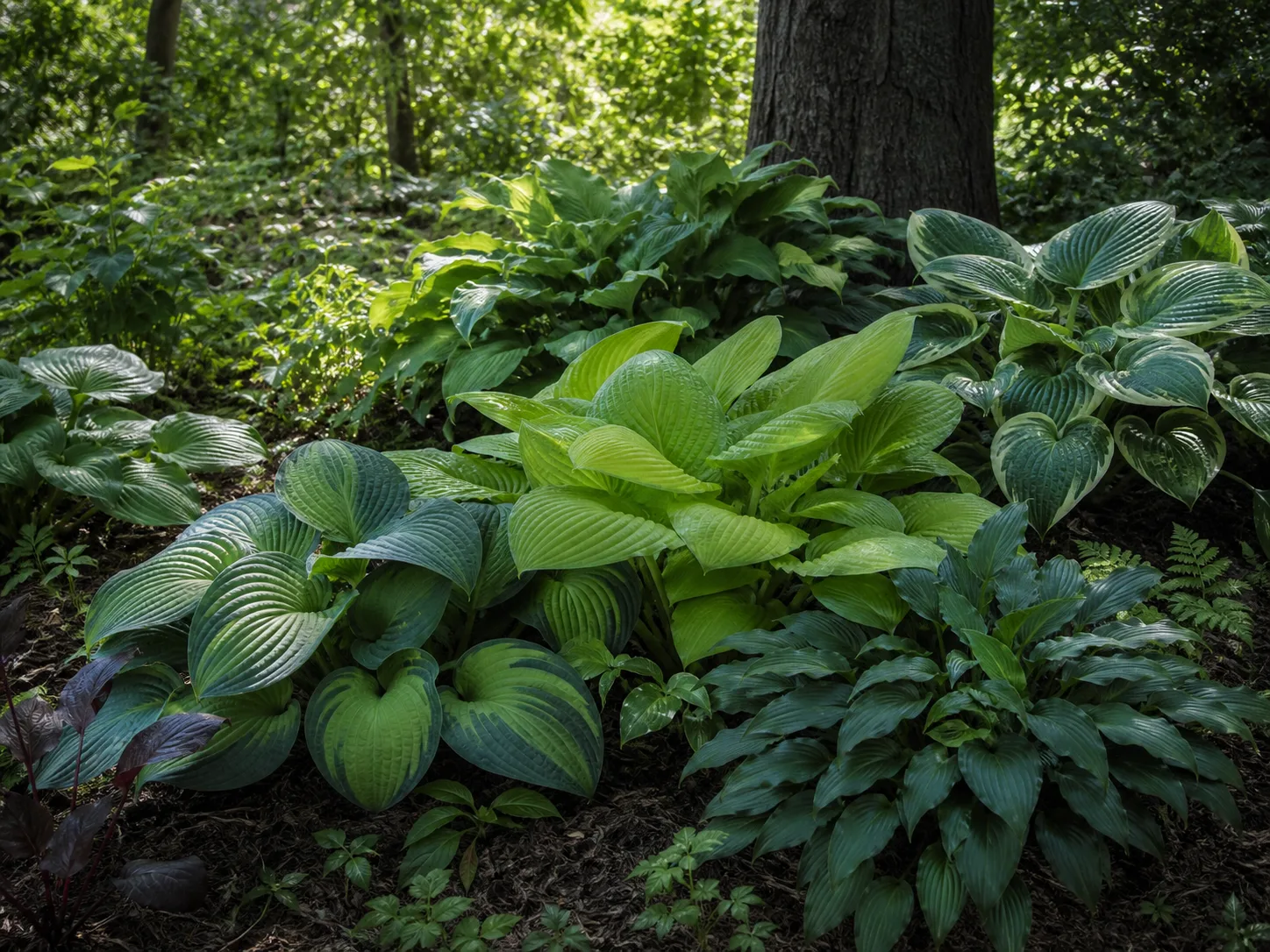
Hosta
Shade-tolerant perennial with bold foliage that pairs well behind or in front of daylilies.
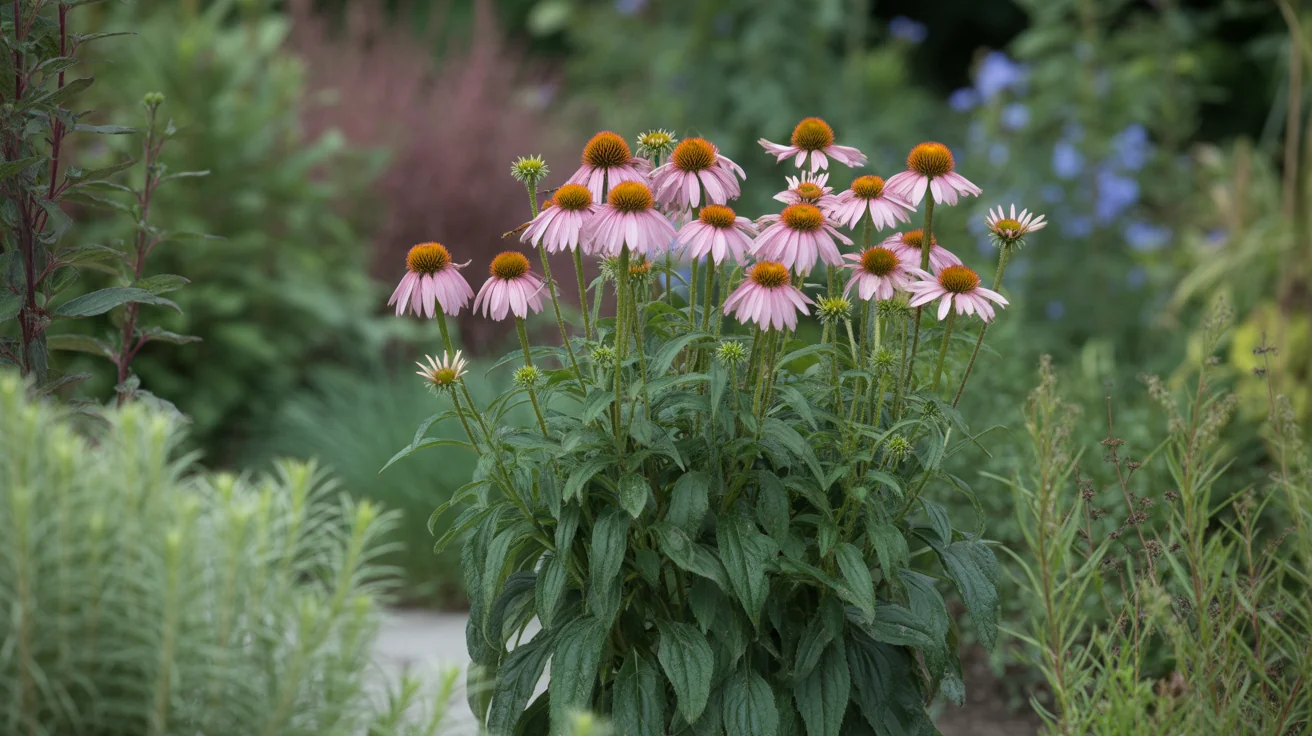
Coneflower
Sun-loving native-style perennial that blooms alongside daylilies in midsummer.
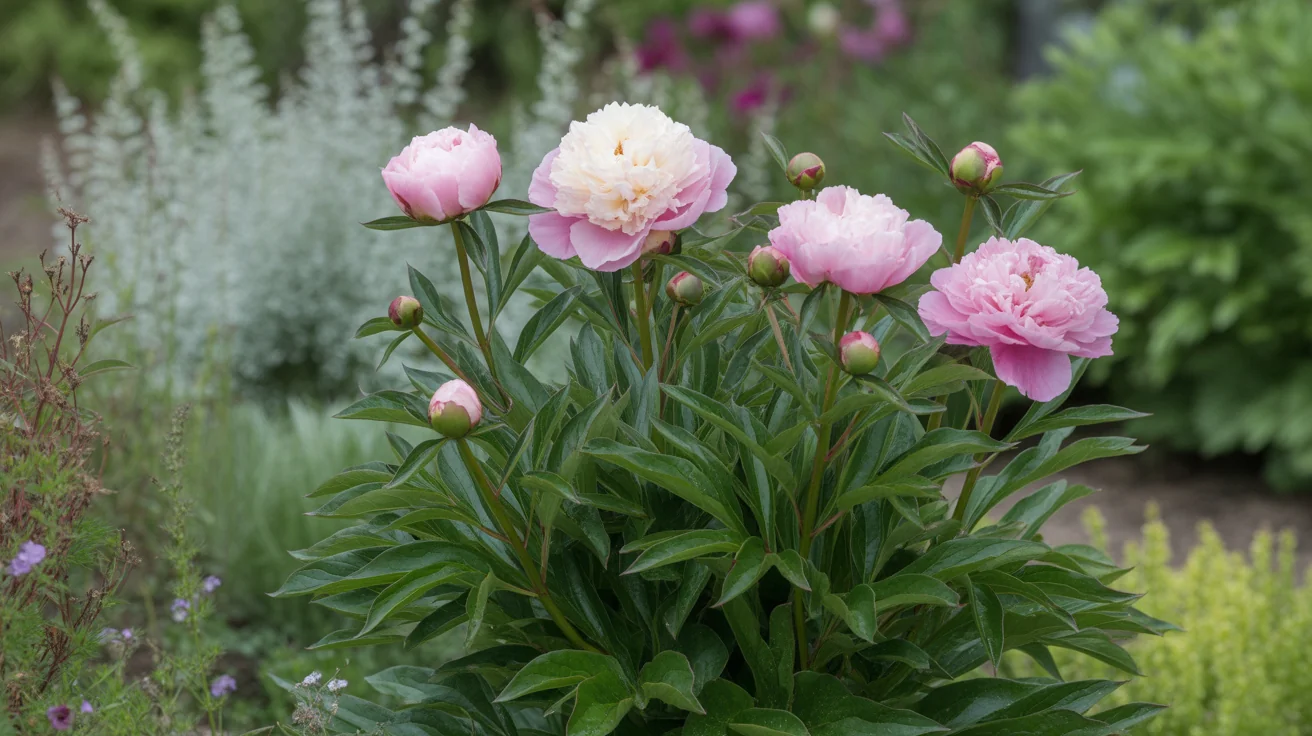
Peony
Spring bloomer that hands the color baton to daylilies as weather warms.
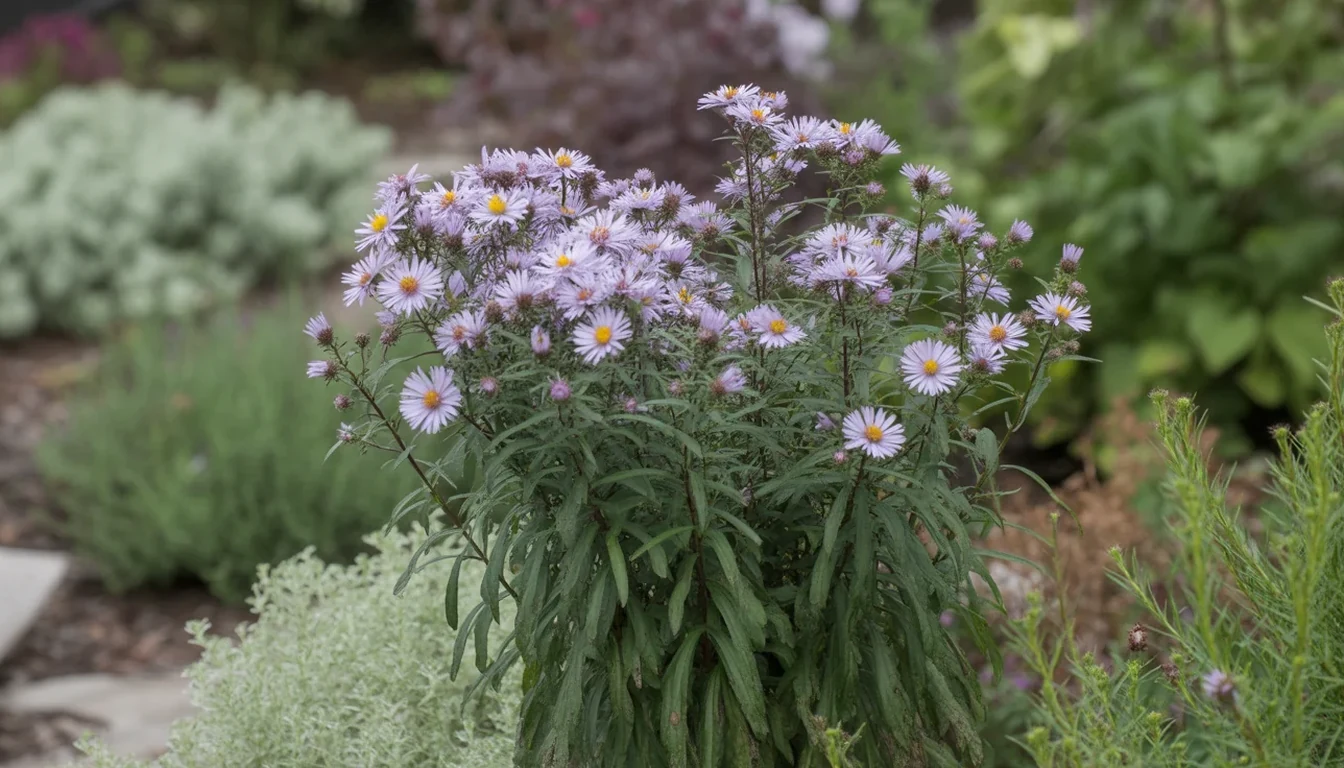
Aster
Gardeners blame the weather when an Aster splits open in September, but the shape was decided in early summer.
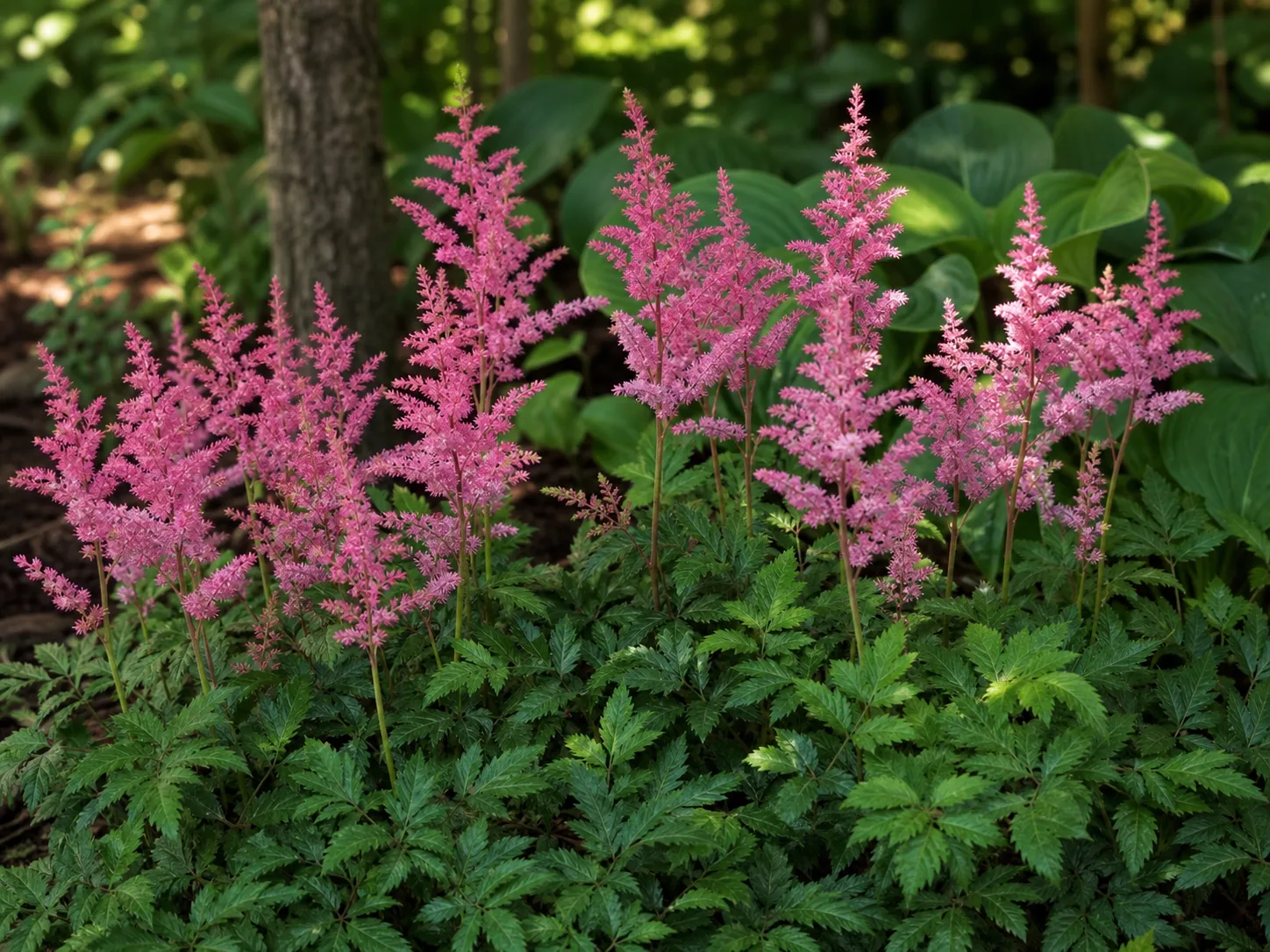
Astilbe
An Astilbe puts real color into a shade bed that would otherwise be green on green, but its shallow roots hold no…
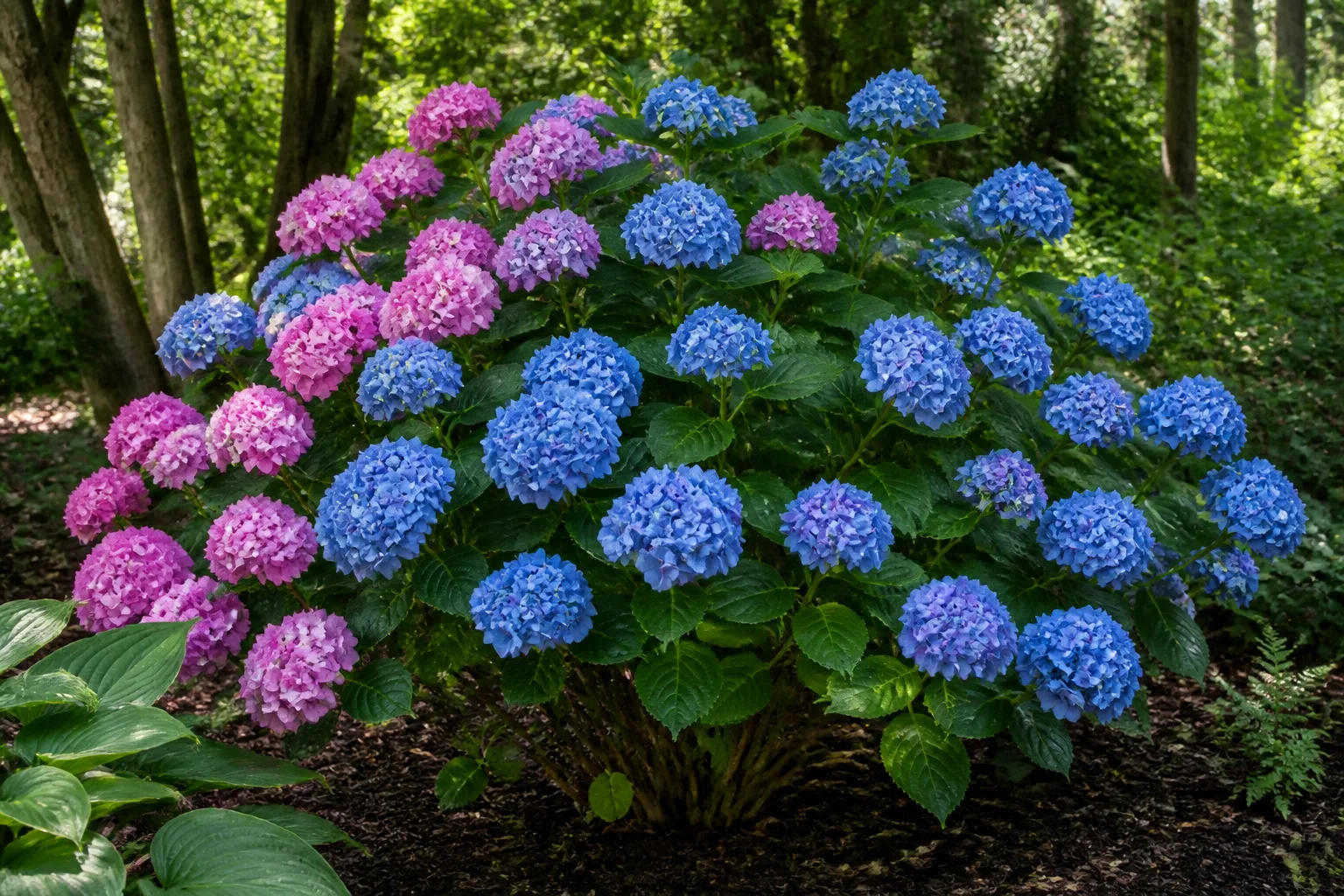
Bigleaf Hydrangea
Bigleaf hydrangea (Hydrangea macrophylla) produces mophead or lacecap flowers, but winter survival and reliable…