
How to Grow Peonies That Establish Well and Flower Again
Paeonia spp. Paeoniaceae
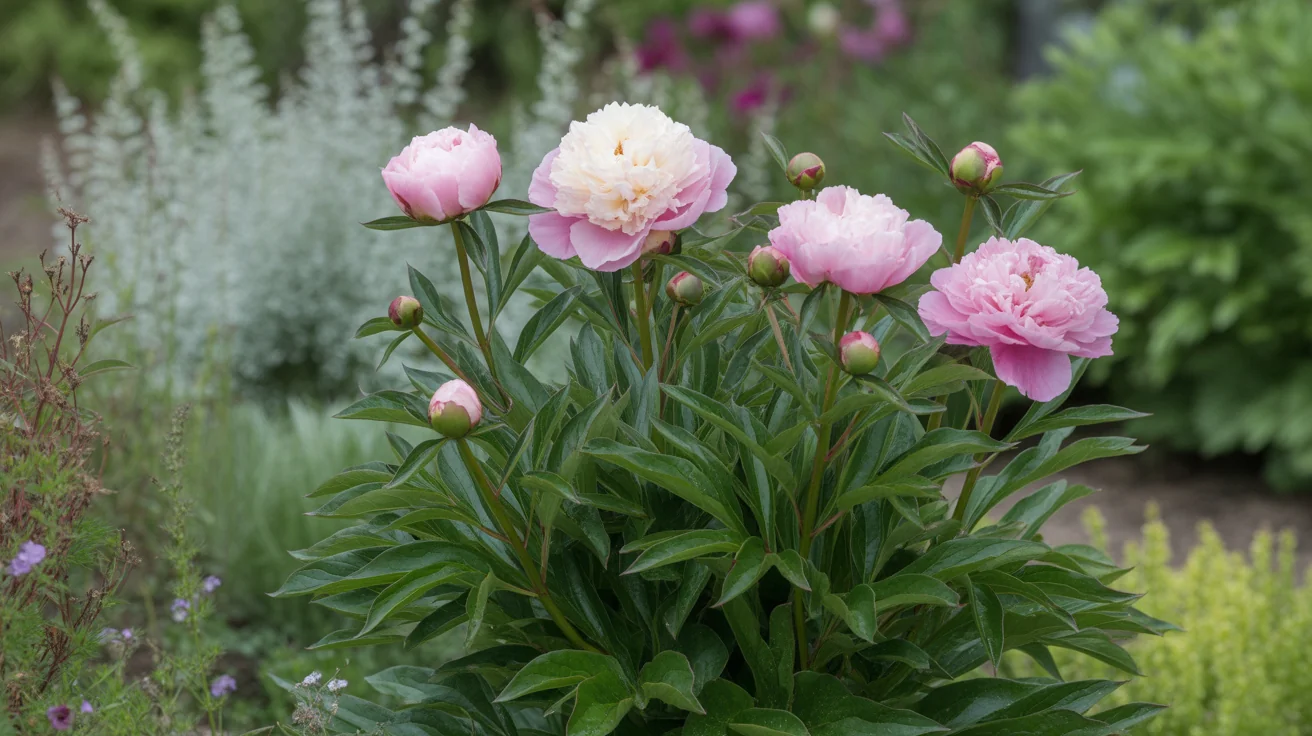
Peonies are long-lived spring perennials grown for huge flowers, fragrance, and dependable clumps that can bloom for decades. They need full sun, winter chill, well-drained soil, shallow planting eyes, and patience after division.
Care snapshot
Why Peonies Reward Patience
Peonies are slow-settling perennials with thick storage roots and visible pink or red buds called eyes. Once planted well, a clump can bloom for decades without regular division.
Extension sources have documented peony clumps still blooming well past 50 years old, making them one of the longest-lived perennials sold at any garden center.
Herbaceous peonies die to the ground each winter. Tree peonies keep woody stems, while Itoh or intersectional types combine traits from both and often carry flowers above stronger foliage.
Their bloom window sits between spring bulbs and summer perennials. A sunny border can move from tulips to peonies before roses, daylilies, and hydrangeas carry the color forward.
That timing is why peonies pair so well with roses in classic sunny borders.
The genus Paeonia includes roughly 30 wild species, and nearly every garden peony sold today is a hybrid bred from just a handful of them.
Peonies are long-lived crown plants, not quick bedding flowers. A good planting can stay productive for decades, but that longevity depends on starting with the eyes at the right depth and leaving the crown undisturbed once it settles.
Choosing Peony Types
Choose peonies by type, bloom time, and flower form. Early, midseason, and late cultivars can stretch the spring show across several weeks.
Flower form runs from single and semi-double through full double, bomb, and Japanese types, a classification system the American Peony Society still uses for registering new cultivars.
Single and semi-double flowers usually stand better after rain and give pollinators easier access. Huge double flowers are dramatic but often need support rings before bloom.
Herbaceous, tree, and intersectional peonies are different investments. Herbaceous types die back fully, tree peonies keep woody stems, and intersectional Itoh types often give stronger stems with large flowers.
Tree peonies also cost noticeably more at nurseries than herbaceous types, since they grow and root more slowly before reaching sellable size.
- Herbaceous peony
- Classic garden type, dies back each winter, usually 2-3 feet
- Tree peony
- Woody stems, larger shrub form, often earlier bloom
- Itoh peony
- Intersectional type with strong stems and many blooms
- Single forms
- Lighter flowers, better rain tolerance, more pollinator access
Light and Winter Chill
Peonies bloom best with 6 or more hours of direct sun, especially in cool climates. Shade gives you healthy leaves but fewer buds.
Most peony cultivars need somewhere between 500 and 1,000 hours of temperatures below about 40F each winter before they set a strong flush of buds.
Cold winters are part of the formula. In warm regions, choose low-chill cultivars and the coolest microclimate you have, because many classic peonies need winter chill to set strong buds.
The aim is open light with some climate judgment. Too much shade gives leaves, while too much heat can shorten the show.
Morning sun with a break from the harshest afternoon rays often stretches individual flowers open a day or two longer in hot regions.
- Best site: open sun with good airflow.
- Hot climates: morning sun plus light afternoon shade.
- Poor-light clue: lush leaves and no flower buds.
- Warm-zone clue: weak bloom even when sun and depth are correct.
Watering Without Rotting the Crown
Established peonies are not thirsty every day, but they do need moisture during spring growth, bud swelling, and the post-bloom recharge period.
Once their storage roots are established, peonies tolerate short dry spells far better than shallow-rooted perennials planted in the same bed.
Water deeply during dry spells, then let the upper soil dry. The same deep watering habit used for shrubs works better than quick overhead sprinkles.
Avoid wetting foliage late in the day. Damp leaves and crowded stems are exactly the conditions that encourage botrytis and powdery mildew.
Watering at the base in the morning instead of overhead gives foliage the whole day to dry, which cuts fungal pressure further.
Peonies need consistent moisture while establishing, but mature plants dislike being fussed over. Deep watering during drought helps far more than frequent shallow watering around the crown.
Soil and the Planting Depth That Decides Bloom
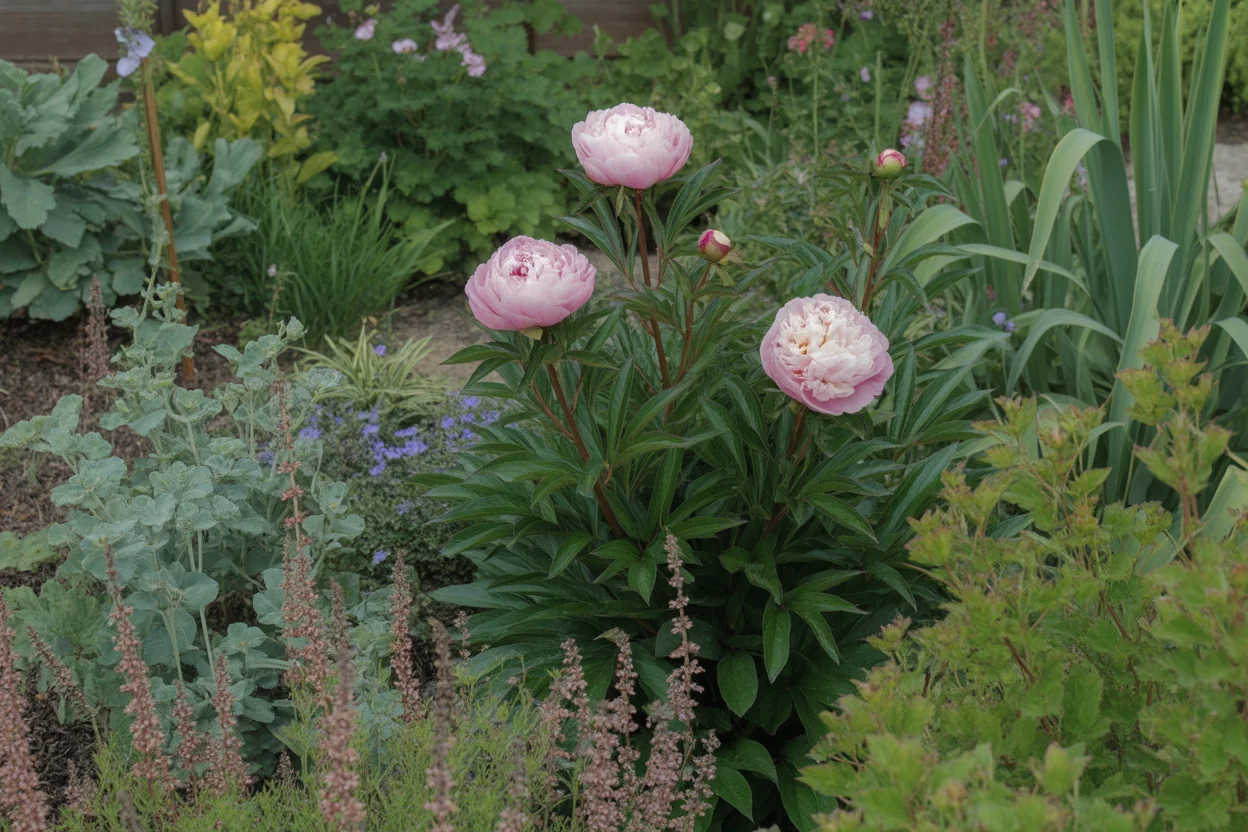
Peonies want deep, fertile, well-drained soil. They dislike low wet pockets, but they also dislike being moved repeatedly, so prepare the site before planting.
A soil pH between about 6.5 and 7.0, slightly acidic to neutral, suits most peony cultivars best.
For herbaceous peonies, set the eyes only 1-2 inches below the soil surface in cold climates, and closer to 1 inch in warmer climates. Planting too deep is one of the most common no-bloom causes.
If an established clump stops blooming after mulch or compost was added, scrape back the surface before moving the plant. Sometimes the fix is simply exposing the eyes to the right shallow depth again.
Peonies also resent being planted close to large tree roots, which compete hard for the same water and nutrients the crown needs to build next year's buds.
The depth issue is different from bearded iris rhizomes, which sit at the surface. Peony eyes belong shallowly covered, not exposed and not buried deep.
Planting depth is the classic peony mistake. In cold climates the eyes usually sit only about 1-2 inches below the surface, and planting them deeper can leave the plant growing healthy leaves for years without giving the flowers people expect.
- Soil
- Deep loam with compost and steady drainage
- Eye depth
- 1-2 inches below soil in cool zones
- Spacing
- Usually 3-4 feet apart for mature airflow
- Mulch
- Light mulch around the plant, not piled over the crown
Division Without Delaying Bloom Forever
Divide peonies only when you need to move them, reduce crowding, or share a mature clump. Young plants often bloom better when left alone.
Growing peonies from seed is rarely worth the wait, since seeds can take two to three years just to germinate and several more years after that to flower.
Early fall is the best time because soil is still warm and top growth is slowing. Each division should have 3-5 eyes and several thick roots.
Keep track of which side faced up on the parent clump, since eyes planted upside down or sideways can stall for a season before correcting themselves.
That slow rebound is the price of moving a long-lived crown. Divide only when the plant, not the calendar, gives you a reason.
- Cut stems back after foliage begins to decline.
- Lift the whole clump with a wide root ball.
- Rinse or shake soil so eyes are visible.
- Cut divisions with 3-5 eyes and healthy roots.
- Replant immediately at the correct shallow depth.
Ants, Botrytis, and Real Problems
Ants on peony buds are normal. They are feeding on nectar and do not need to be sprayed off for the flowers to open.
The sticky nectar ants feed on comes from small glands on the outside of the bud itself, a normal part of how the flower develops.
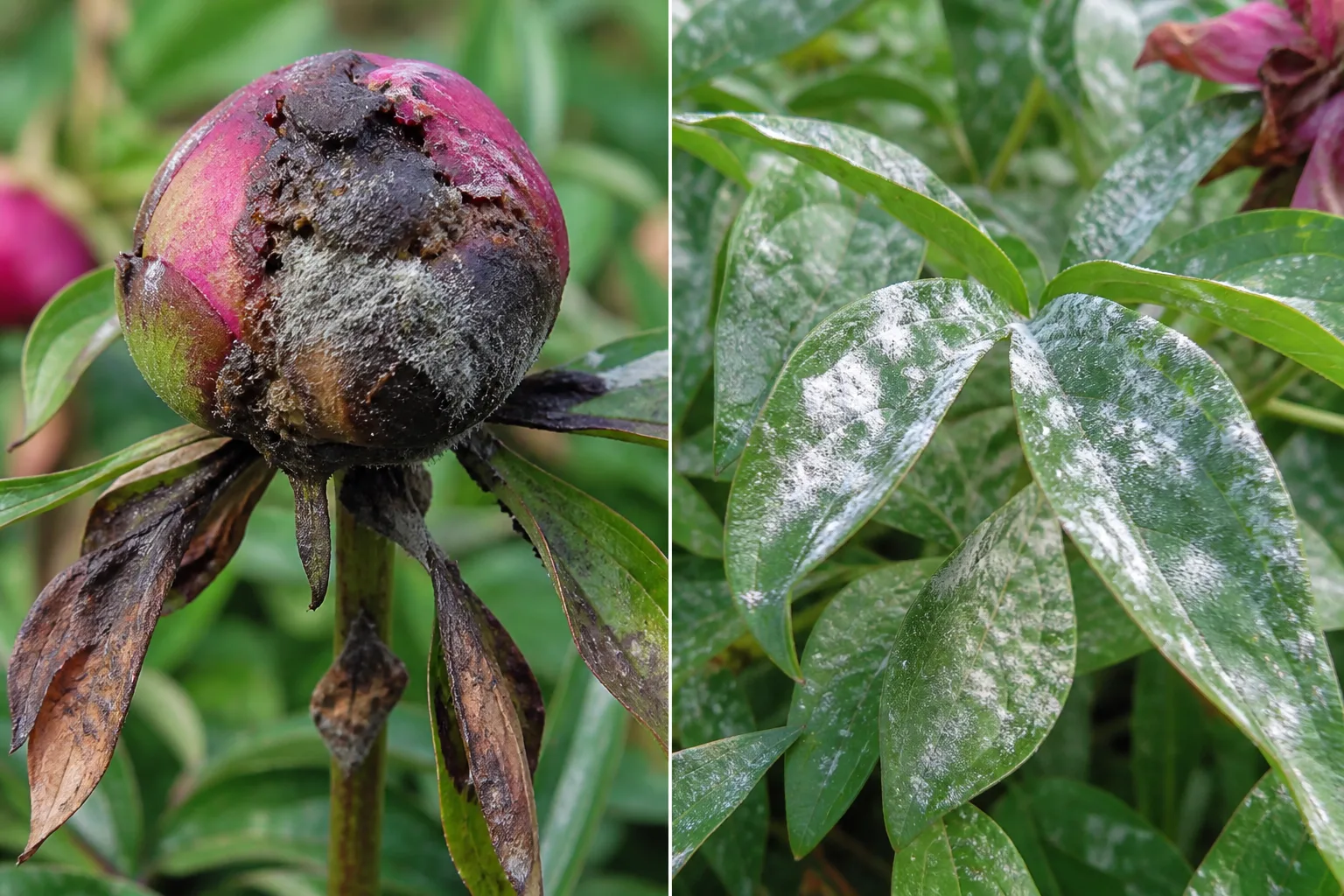
Botrytis is the problem to watch in wet springs. Blackened shoots, rotting buds, gray mold, and collapsing stems point to fungal disease, especially where airflow is poor.
Powdery mildew often appears late in the season. It looks bad, but cleanup, spacing, and base watering usually matter more than panic spraying.
Some newer cultivars are bred for stronger resistance to powdery mildew, which is worth checking for when replacing a spot that struggles with it every year.
Thrips and aphids are the pests actually worth checking for on peonies, since they can distort buds in a way ants never do. A close look at unopened buds will show the difference immediately.
Normal on sticky buds. Not a bloom problem.
Black shoots, rotted buds, and gray mold in wet spring weather.
White coating on leaves, often worse in crowded humid beds.
Usually depth, shade, youth, chill, or late frost rather than insects.
Seasonal Care and Staking
Spring support matters before the flowers get heavy. Put rings or stakes over peonies while shoots are still short, not after rain has already flattened the stems.
After bloom, deadhead spent flowers down to a strong leaf but keep the foliage. Those leaves are the plant's engine for next year.
Resist cutting foliage back before the first hard frost, even once it looks tired, since green leaves are still feeding the crown for next spring's buds.
Fall cleanup is disease prevention. Cut herbaceous peonies to the ground after frost and remove debris instead of composting diseased leaves near the bed.
Fall is also a good time to top-dress the bed with a light layer of compost, since it feeds the crown without piling extra material over the eyes.
Support needs to be in place before the buds get heavy. A ring or low grid set early disappears into the foliage, while late staking after rain usually means tying up stems that have already bent.
Spring bloom timing is the whole point of peonies, so place them with companions that take over afterward. A broader spring-blooming flower plan keeps the bed useful without asking peony foliage to be the only summer structure.
Set supports, water during dry spells, and remove diseased shoots.
Cut flowers early in the day and leave plenty of foliage.
Deadhead, water through drought, and keep foliage healthy.
Cut down herbaceous stems after frost and clean the bed.
Safety, Pets, and Pollinators
For people, pets, and wildlife, Peonies are ornamental plants and can cause stomach upset in pets that chew foliage, stems, or roots. Keep divisions and cut stems away from dogs and cats that sample plants.
Some culinary traditions use peony petals in small amounts as a garnish, but that does not change the ASPCA's toxic listing for the wider plant, so treat the whole plant as pet-unsafe.
Single and semi-double peonies are easier for pollinators to use than very full doubles. If wildlife value matters, mix flower forms instead of planting only packed double blooms.
Bees, not ants, do the actual pollination work on peony flowers, even though the ants on the buds tend to get all the attention.
Once the bloom window passes, structure and placement matter more than constant attention. Give the plant room to lean after rain.
Frequently Asked Questions
Why is my peony not blooming?
A peony usually fails to bloom because it is planted too deep, growing in too much shade, still too young, short on winter chill, or damaged by late frost.
How deep should peony eyes be planted?
For herbaceous peonies, plant the eyes about 1-2 inches below the soil surface in cool climates, and closer to 1 inch in warmer climates.
Do peonies need ants to bloom?
No, peonies do not need ants to open. Ants are attracted to nectar on the buds and are usually harmless.
When should I divide peonies?
Divide peonies in early fall when top growth is slowing. Use mature clumps, and keep each division large enough with 3-5 eyes.
Can peonies grow in warm climates?
Peonies grow best where winters provide chill. In warm zones, choose low-chill varieties, plant shallowly, and use the coolest sunny microclimate available.
Are peonies safe for pets?
Peonies can cause stomach upset if dogs or cats chew enough plant material. Treat them as ornamental and keep roots, stems, and cut flowers away from pets that graze.
Sources & References
Related Plants
Rose
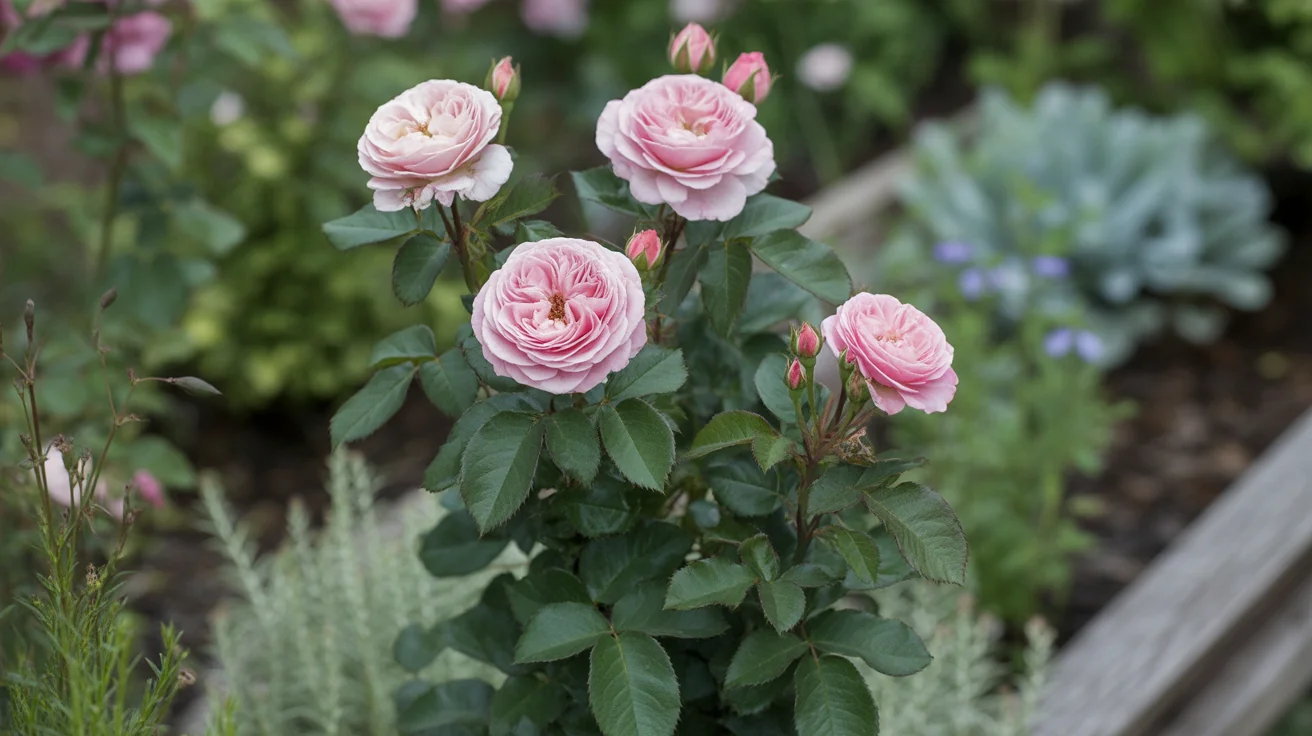
Repeat-blooming shrub that pairs well with peonies after the spring flush.
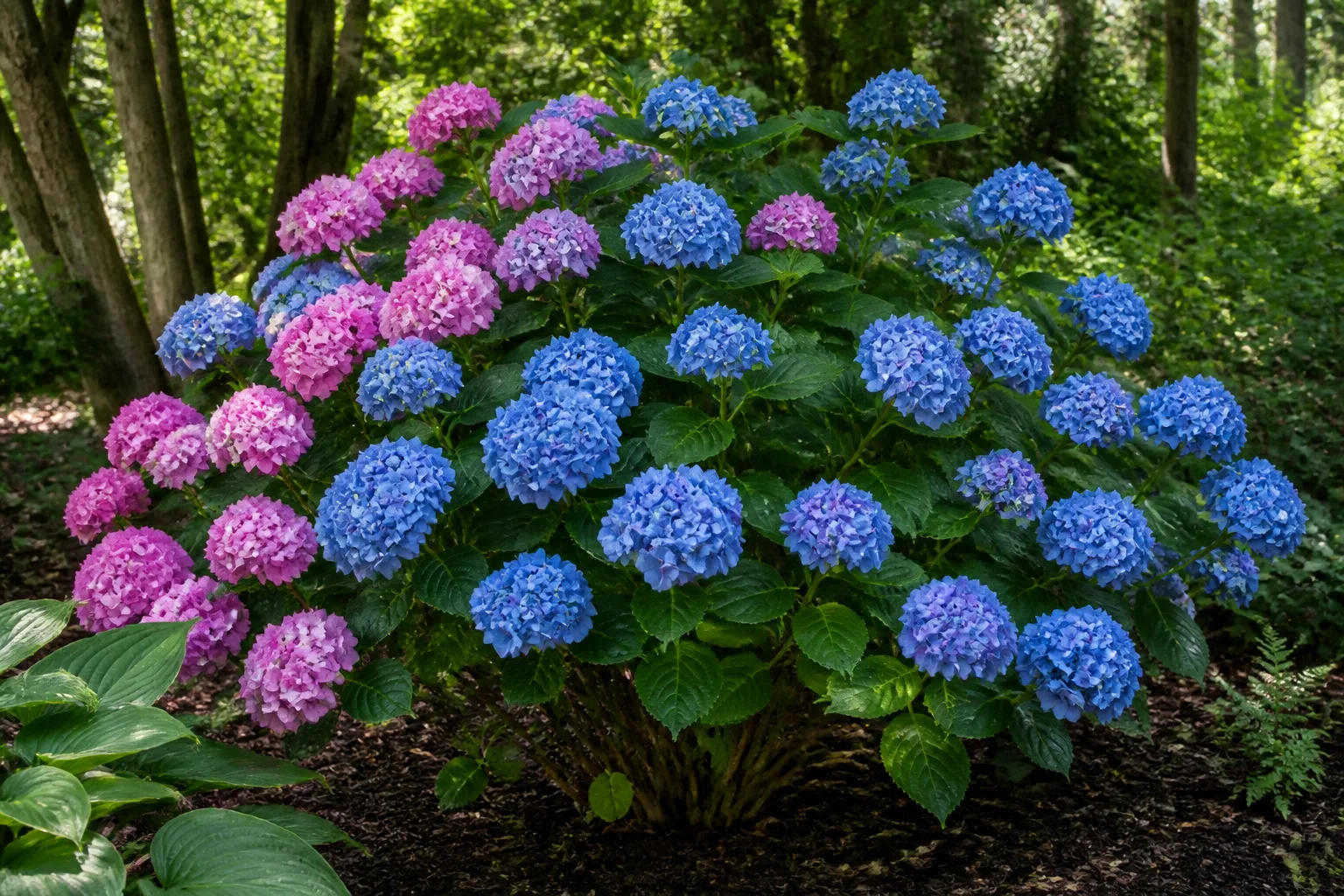
Bigleaf Hydrangea
Summer flowering shrub-like perennial that extends the show after peony season.
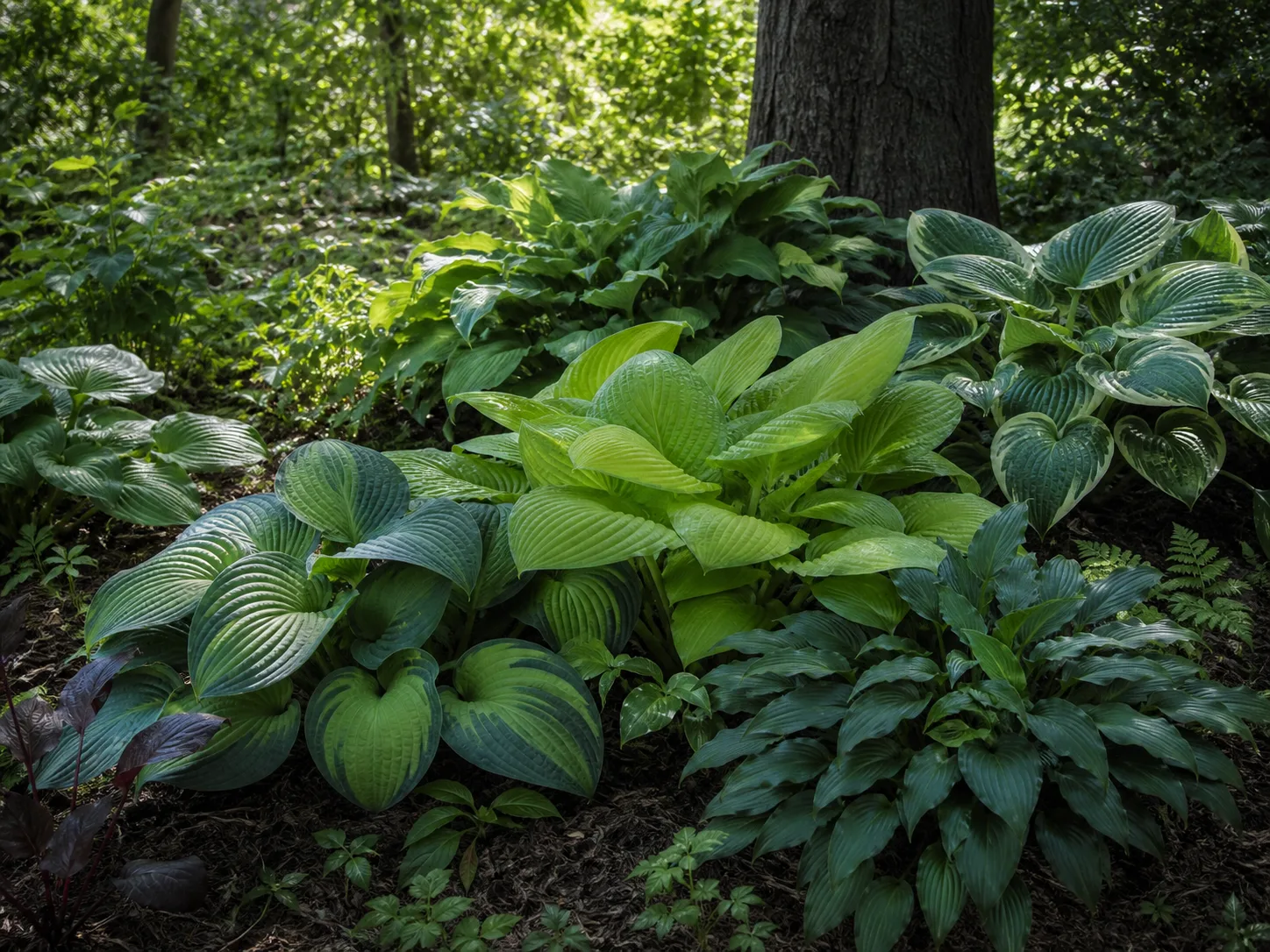
Hosta
Shade foliage plant for nearby beds, not a direct substitute for sunny peony sites.
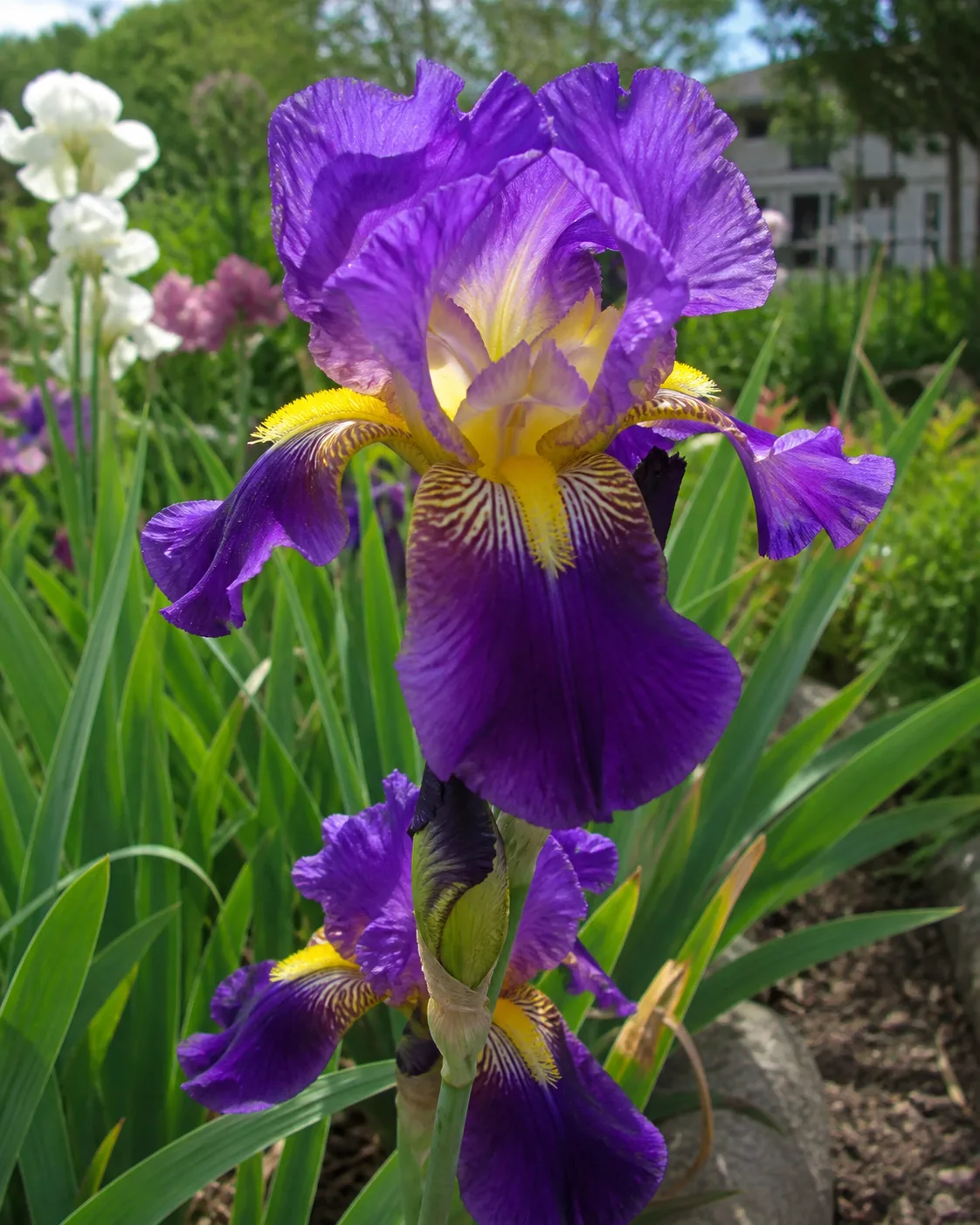
Bearded Iris
Bearded iris are tough, sun-loving perennials grown from shallow rhizomes, not deep bulbs.
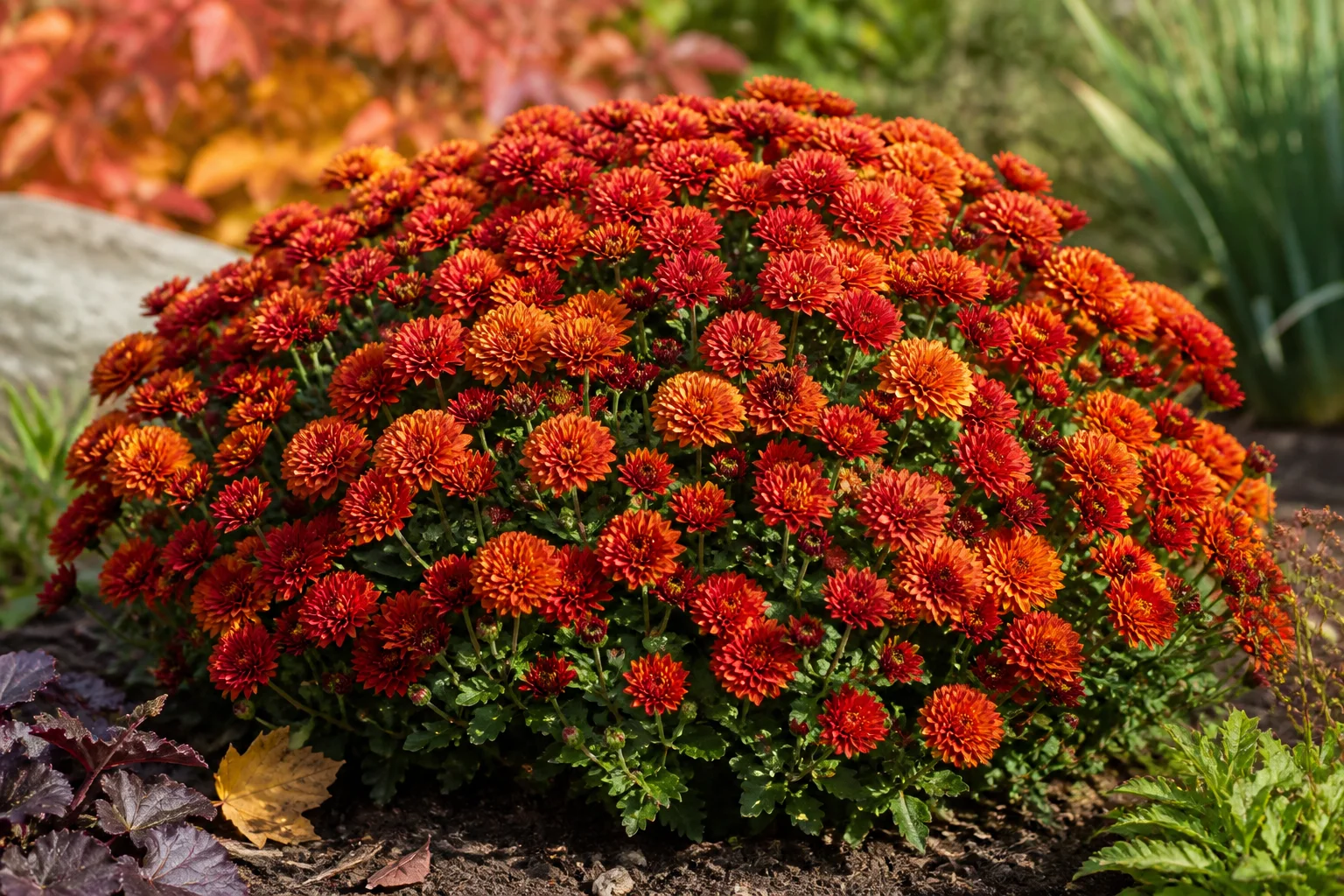
Chrysanthemum
Garden mums are the compact chrysanthemums most people buy for fall color.
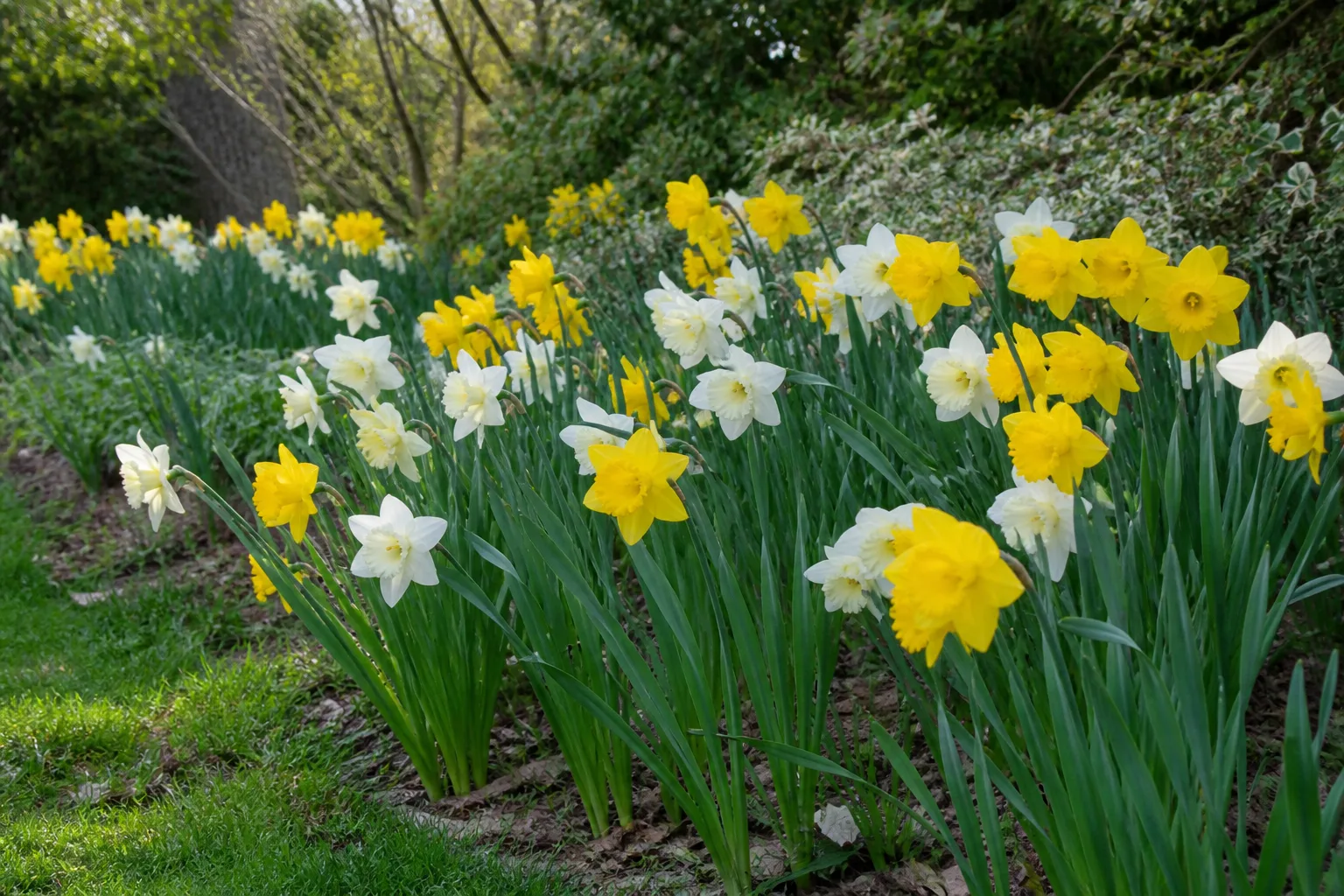
Daffodil
Daffodils are hardy fall-planted bulbs grown for reliable spring flowers, deer resistance, and decades of return bloom…