
Best Shade Perennials for Dry, Moist, and Dappled Beds
Find shade perennials for dry, moist, and dappled beds. Match hostas, ferns, hellebores, sedges, and flowering plants to the site.
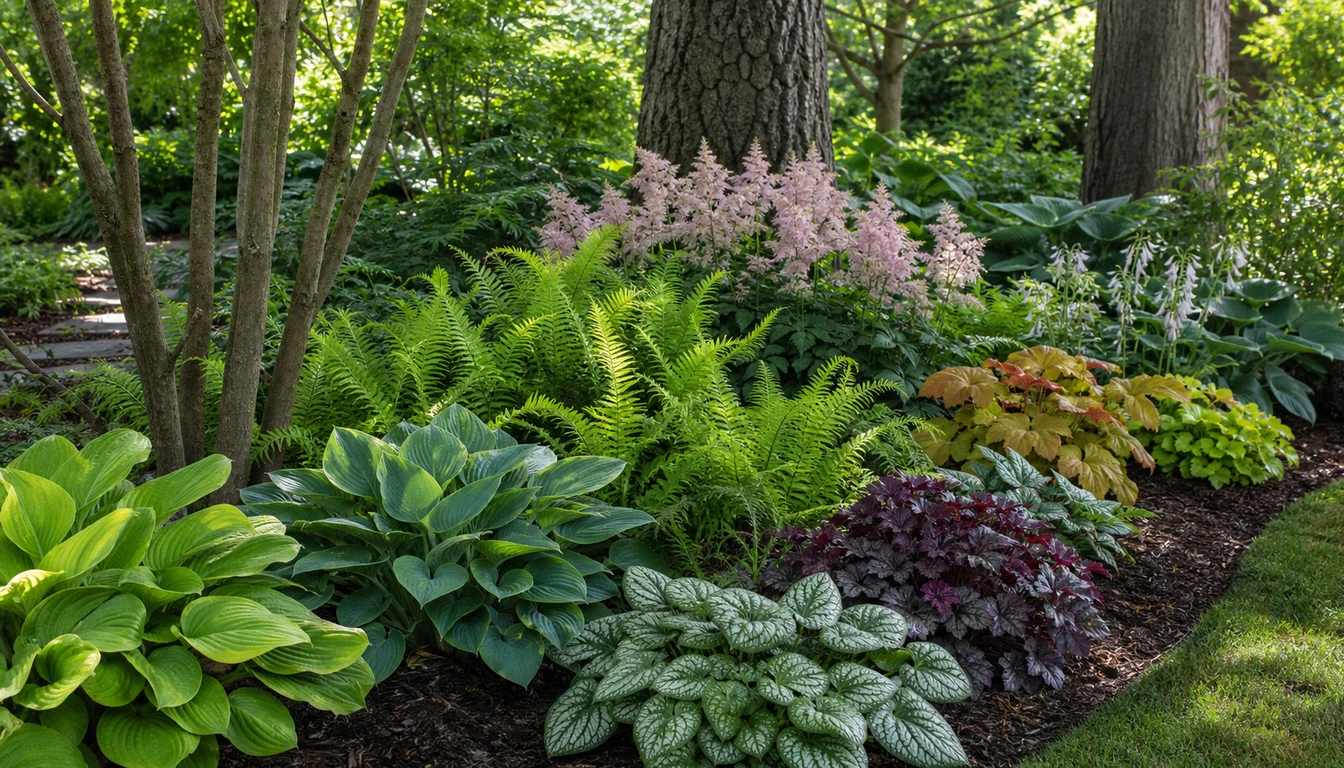
At a glance
A good shade perennial survives on less direct sun, but that label alone does not tell you whether it will thrive beside a thirsty maple, in damp soil near a downspout, or against a cool north wall. Light level, soil moisture, and root competition have to match at the same time.
For an easy starting point, hostas and ferns provide dependable foliage in many regions, astilbes add summer flower plumes where soil stays moist, and hellebores hold structure through winter in suitable climates. Dry ground under mature trees needs a different group, such as epimedium, Christmas fern, wild ginger, and regionally appropriate sedges.
Identify the shade you actually have, choose plants for that condition, and arrange them so the bed remains intentional after spring flowers fade. Check local hardiness and invasive-plant guidance before buying because a perennial that behaves well in one region can escape cultivation in another.
What Kind of Shade Does Your Garden Have?
Nursery labels compress several different environments into the word "shade." Part shade commonly means a few hours of direct sun, while full shade receives little direct sun but may still have bright, open sky or shifting light through leaves.
Deep shade beneath an evergreen canopy or covered porch is darker and supports a smaller range of plants.
The timing of direct sun matters. Three hours of gentle morning sun is easier on broad leaves than three hours of late-afternoon sun reflected from a wall or driveway.
A site that looks dim at breakfast may receive a hot beam after 3 p.m., so observe it at several times on a clear day.
Deciduous trees create another pattern. Spring ephemerals can flower while bare branches admit light, then go dormant as the canopy closes.
Later plants must tolerate the summer shade that follows.
Bleeding heart often uses this early window, while sturdy foliage plants carry the space after it recedes.
Use this field check before choosing anything.
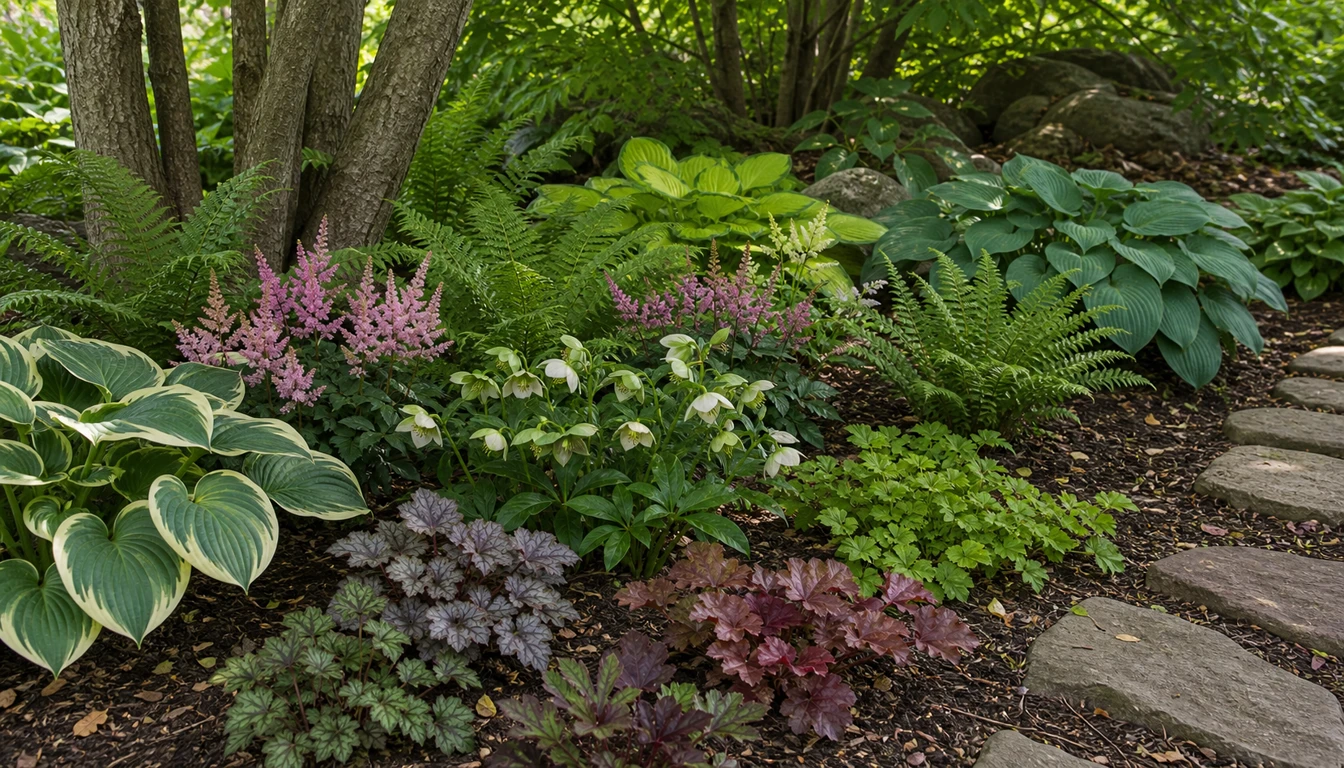
- Bright or open shade: No sustained direct sun, but plenty of sky light. Many foliage perennials perform well.
- Dappled shade: Moving flecks of sun pass through a high canopy. Woodland plants are natural candidates.
- Part shade: Roughly two to four hours of direct sun, preferably in the morning for plants prone to scorch.
- Deep shade: Dense canopy, evergreen branches, or a building blocks most sky light. Expect slower growth and fewer flowers.
Watch the site after trees leaf out, not only in early spring. If you are deciding between two beds, a simple sun map made at 9 a.m., noon, and 3 p.m.
Is more useful than guessing from compass direction.
Match Shade Perennials to Soil Moisture
Moisture usually separates a successful shade planting from one that limps along. Tree shade is often dry because established roots take up water rapidly, while shade beside a downspout, low wall, or poorly drained slope may stay wet long after rain.
Push a trowel four inches into the soil a day after steady rain. Soil that remains glossy, sticky, or waterlogged needs plants tolerant of wet ground or a drainage correction.
Soil that is already dusty beside living tree roots belongs in the dry-shade category.
Repeat the check in midsummer because spring moisture can hide a seasonal drought.
| Site condition | Useful starting plants | Main caution |
|---|---|---|
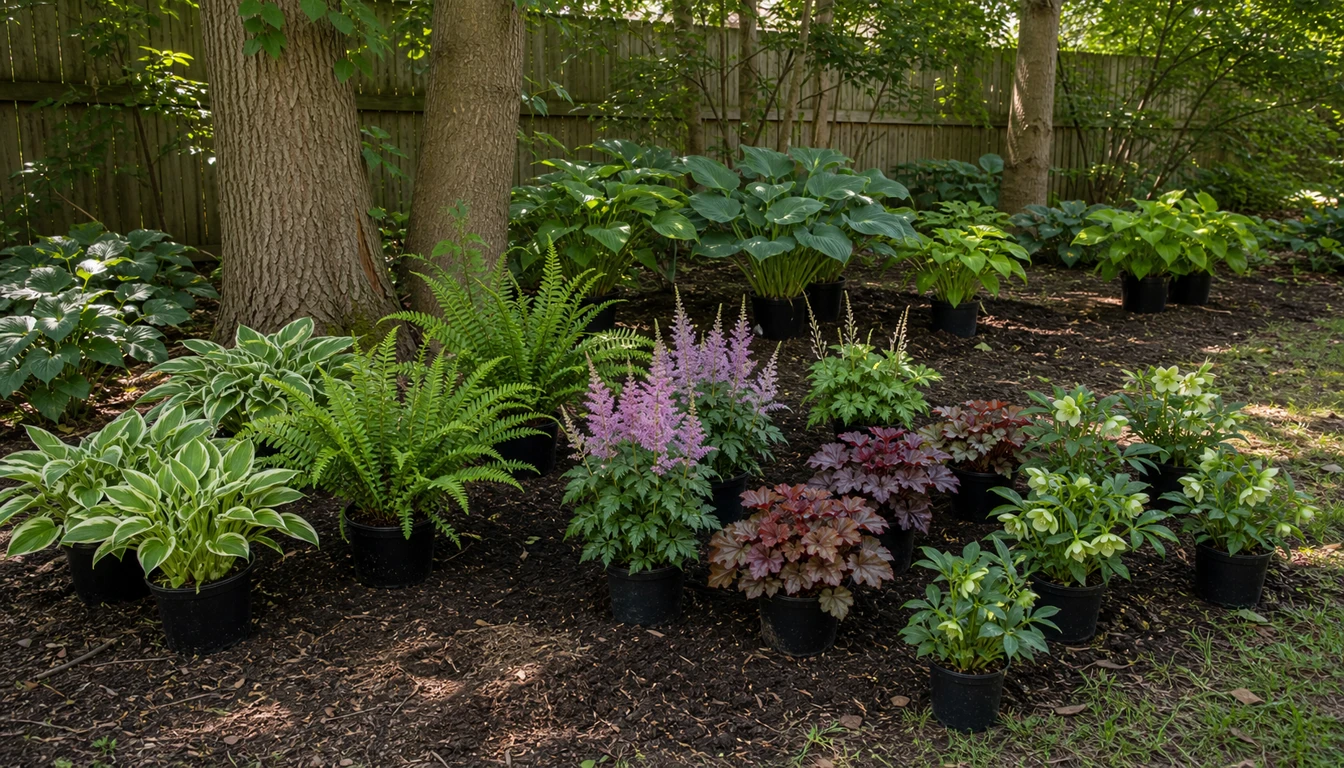
| Dry shade under trees | Epimedium, Christmas fern, wild ginger, Pennsylvania sedge | Water through establishment and avoid damaging tree roots |
| Average, well-drained shade | Coral bells, hellebore, brunnera, Japanese forest grass | Variegated leaves may scorch in strong afternoon sun |
| Consistently moist shade | Astilbe, lady fern, ligularia, foamflower | Moist does not mean standing water or airless soil |
| Seasonally wet ground | Cinnamon fern, sensitive fern, regional sedges | Confirm the plant tolerates both wet periods and summer conditions |
Choose for the worst normal condition rather than the prettiest week. A moisture-loving astilbe can brown at the edges in dry tree shade even when it receives the right amount of light, while a dry-shade plant may rot where water pools.
A two-inch surface layer of shredded leaves or fine bark reduces evaporation, but mulch cannot make an incompatible plant suitable for the site. Keep it away from crowns and tree trunks so buried tissue stays dry and can exchange air.
Which Shade Perennials Are Worth Starting With?
The most useful shortlist groups plants by what they contribute after the first bloom ends. Hardiness, deer pressure, summer heat, and native range still matter, so use the groups below as a decision tool rather than a universal shopping list.
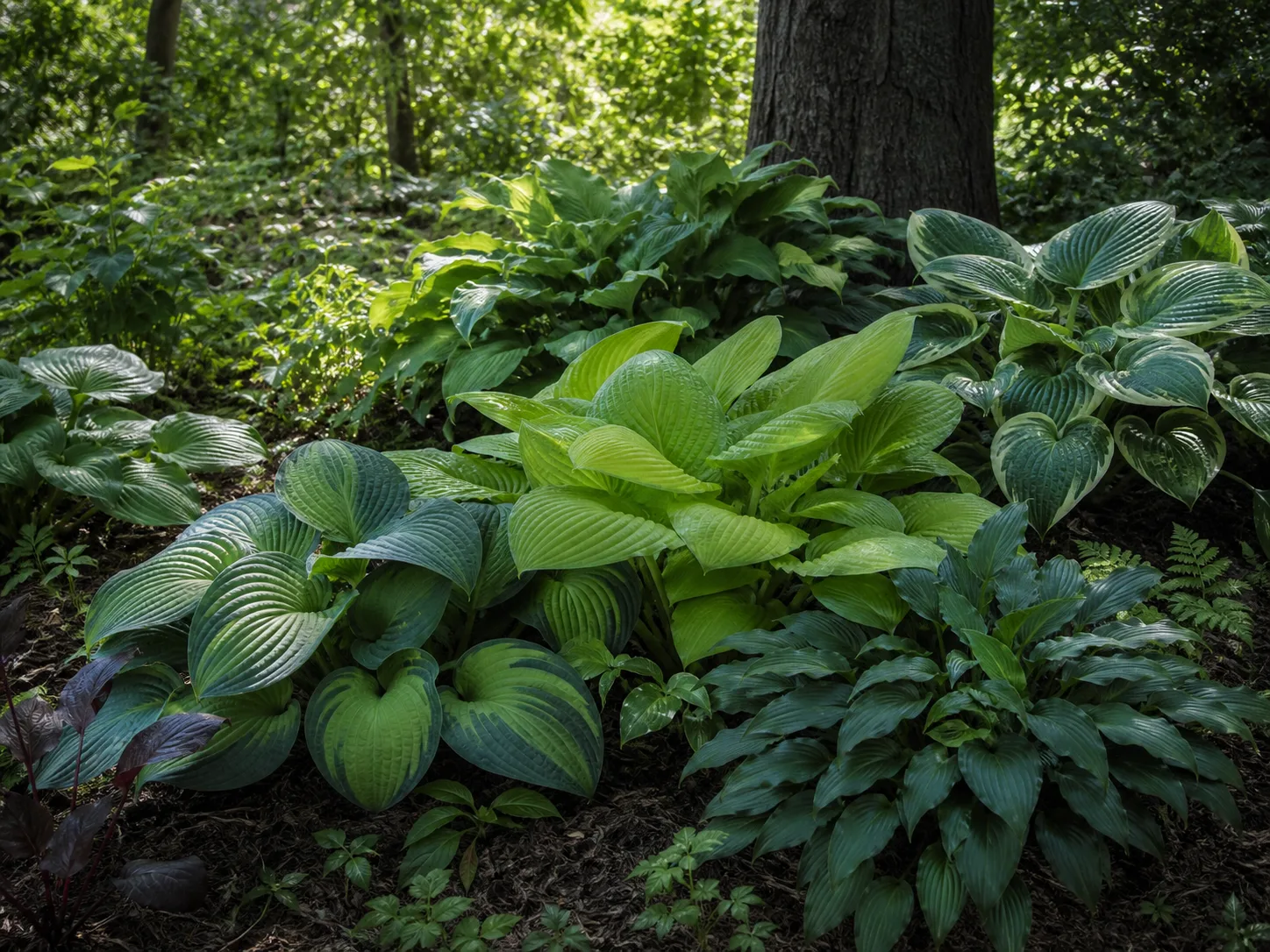
For broad, durable foliage. Hostas cover ground with bold leaves and tolerate a range of shaded sites when moisture is adequate.
Slugs, deer, and hot afternoon sun can damage them, so they are not automatic winners everywhere.
Ferns offer finer texture. match the species carefully because lady fern likes more moisture than Christmas fern.
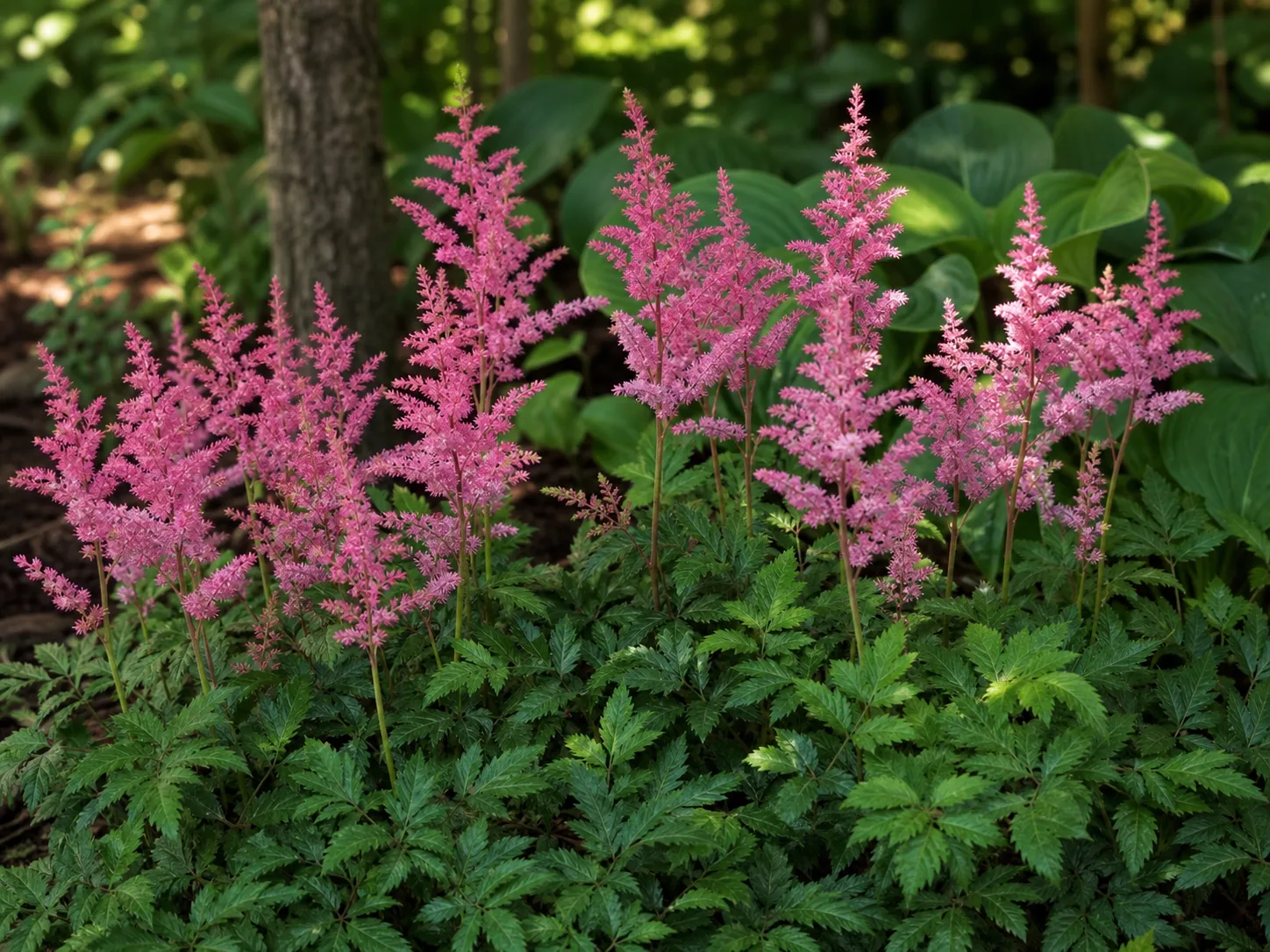
For flowers in average to moist shade. Astilbe produces feathery plumes but shows stress quickly in dry soil.
Columbine flowers in spring and can self-sow, while foamflower and brunnera combine modest bloom with useful foliage.
Columbine species and cultivars vary in regional suitability, so local choices usually perform best.
For winter or early-spring structure. Hellebores have leathery foliage and bloom when much of the bed is quiet.
Some species can spread beyond gardens in parts of North America, so check local recommendations and choose sterile or well-behaved selections where that is a concern.
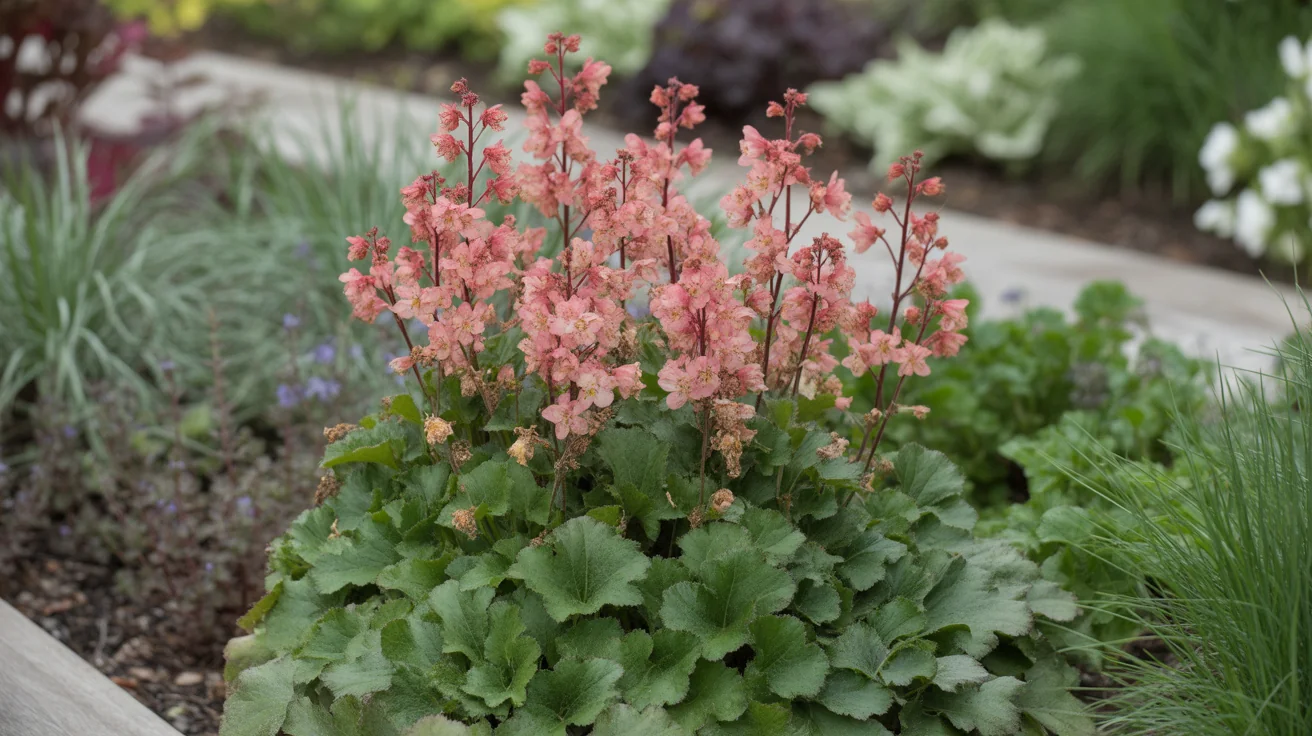
For color without relying on flowers. Coral bells provide burgundy, caramel, silver, or lime foliage, but pale cultivars often need more light to keep their color.
Japanese forest grass adds arching gold or green blades in moist, well-drained shade and moves gently along paths.
For a living ground layer. Wild ginger, epimedium, foamflower, and native sedges can knit around taller perennials.
Confirm spread rate before planting.
A groundcover that fills quickly can also smother small woodland plants or escape into natural areas.
A shade perennial is not automatically native, deer-proof, drought-proof, or safe near woodland. Check all four questions separately before you buy.
How Do You Plant Perennials Under Mature Trees?
Under a mature tree, the tree is the priority. Its fine roots occupy the upper soil where new perennials need to establish, and adding a deep raised bed can bury the root flare and reduce oxygen around roots.
Work with the existing grade instead of covering the problem.
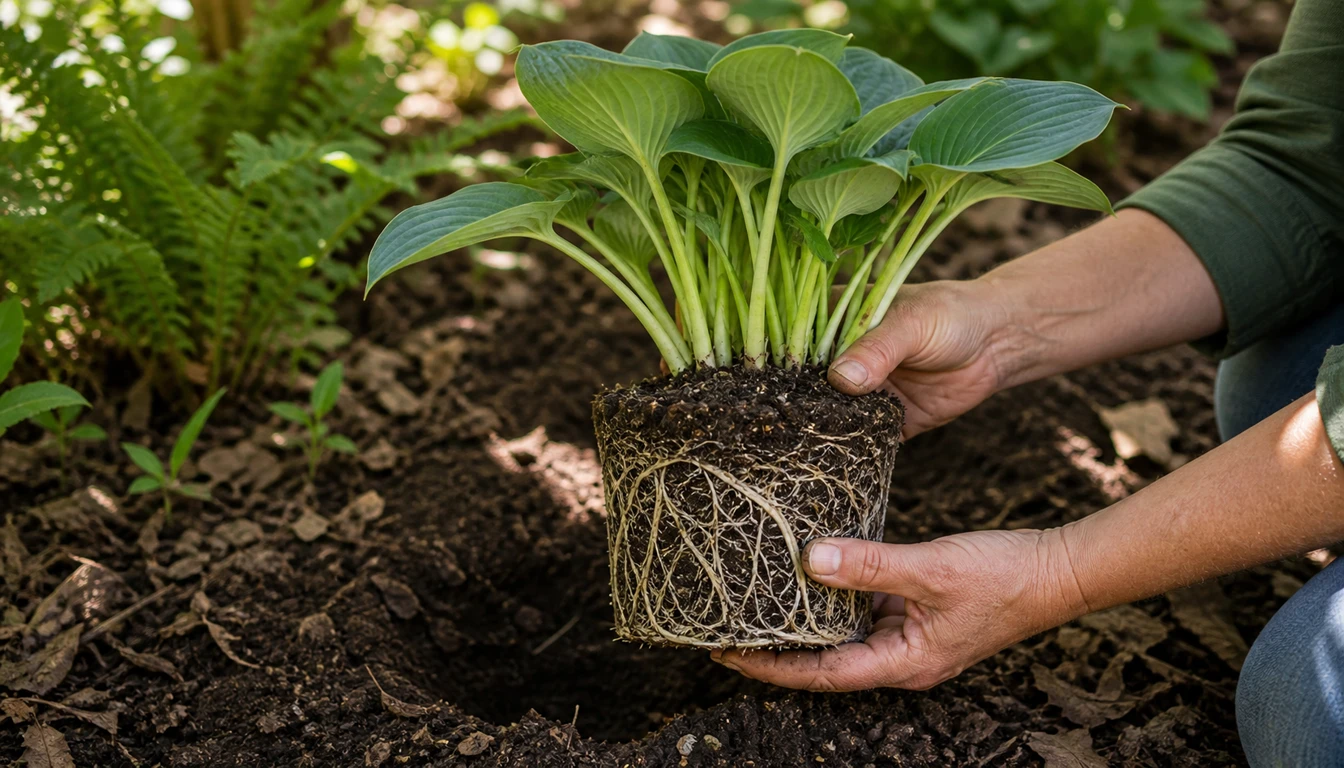
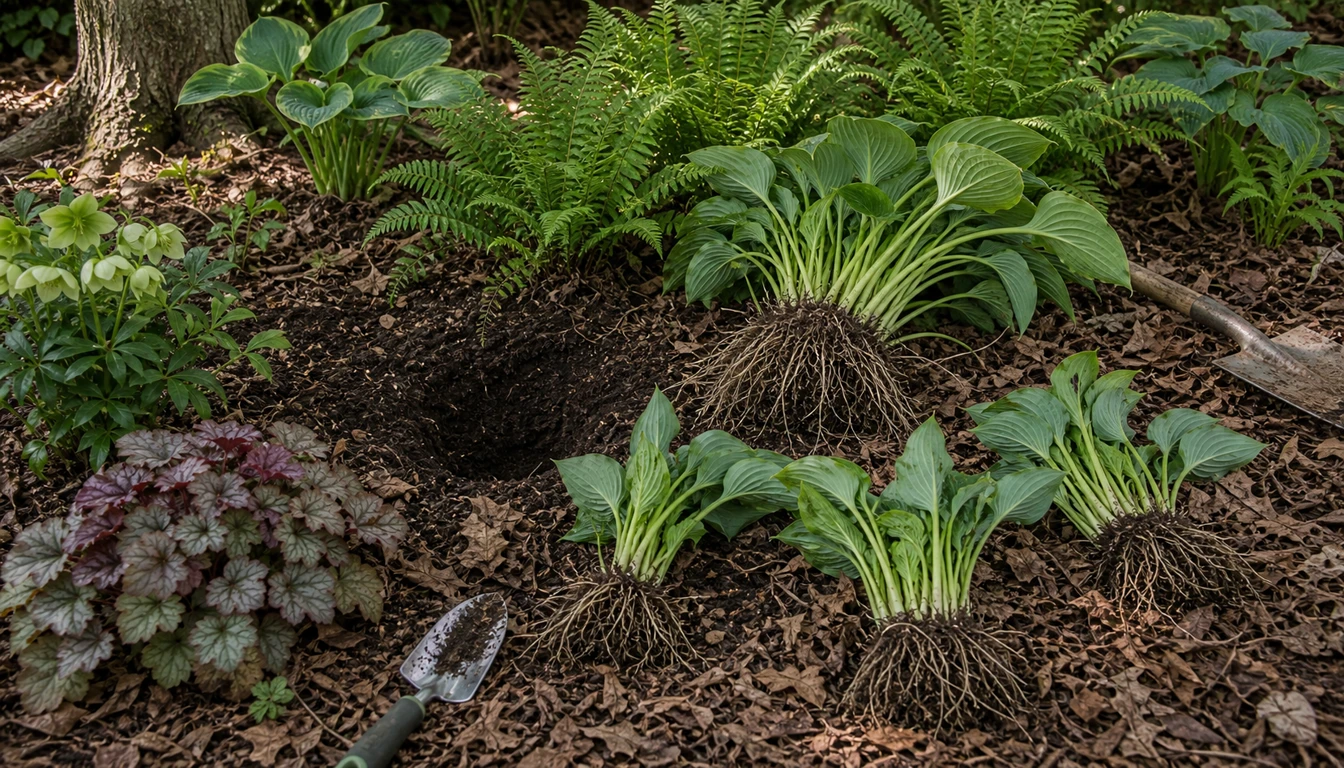
Remove weeds by hand, then locate pockets between roots with a trowel. Small plugs and young divisions need narrower holes than gallon pots.
If you meet a woody root about two inches wide, refill the hole and move rather than cutting it.
Keep planting at least a foot from the trunk and leave the root flare exposed.
Do not rototill beneath the canopy. Tilling slices feeder roots across a wide area, and cutting large roots can harm stability.
Likewise, avoid piling compost against the trunk or adding several inches of new topsoil over the entire root zone.
A careful sequence protects both layers of the planting.
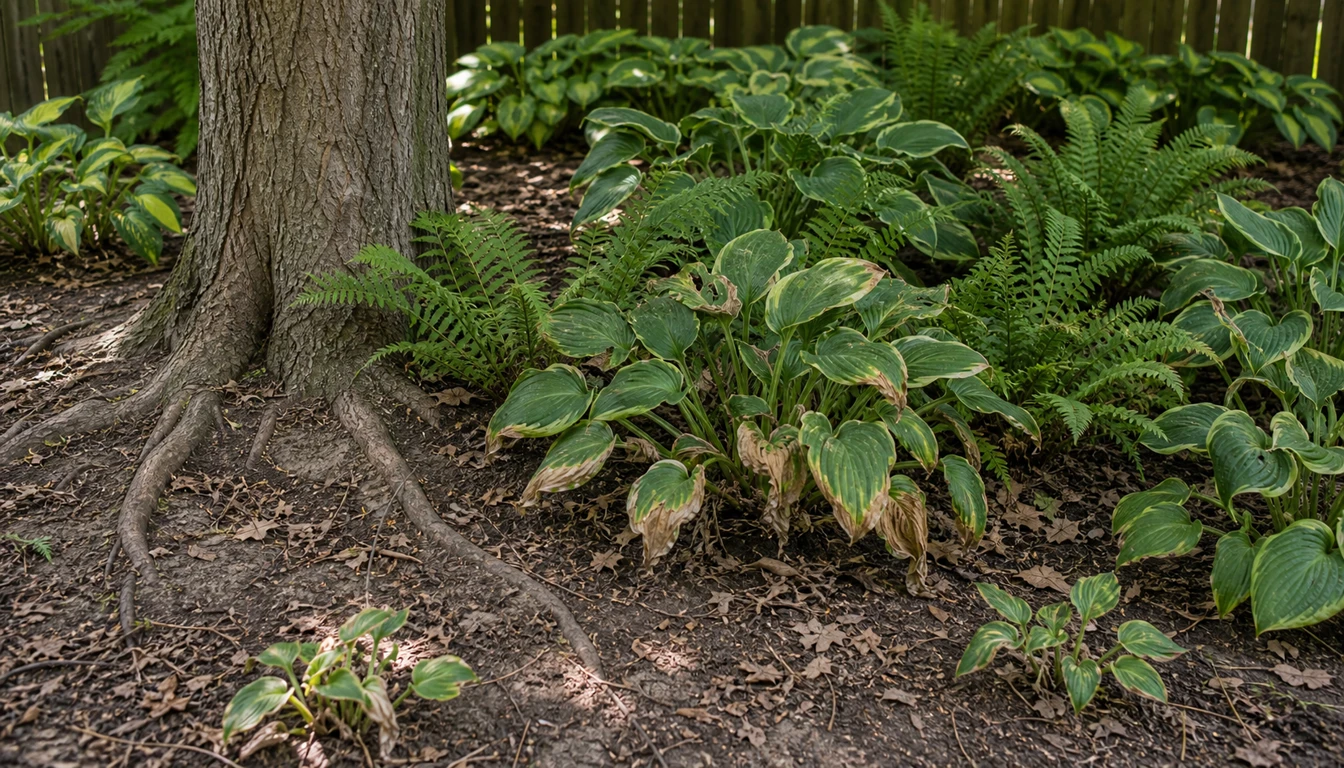
- Remove turf and weeds in small patches with a hand tool.
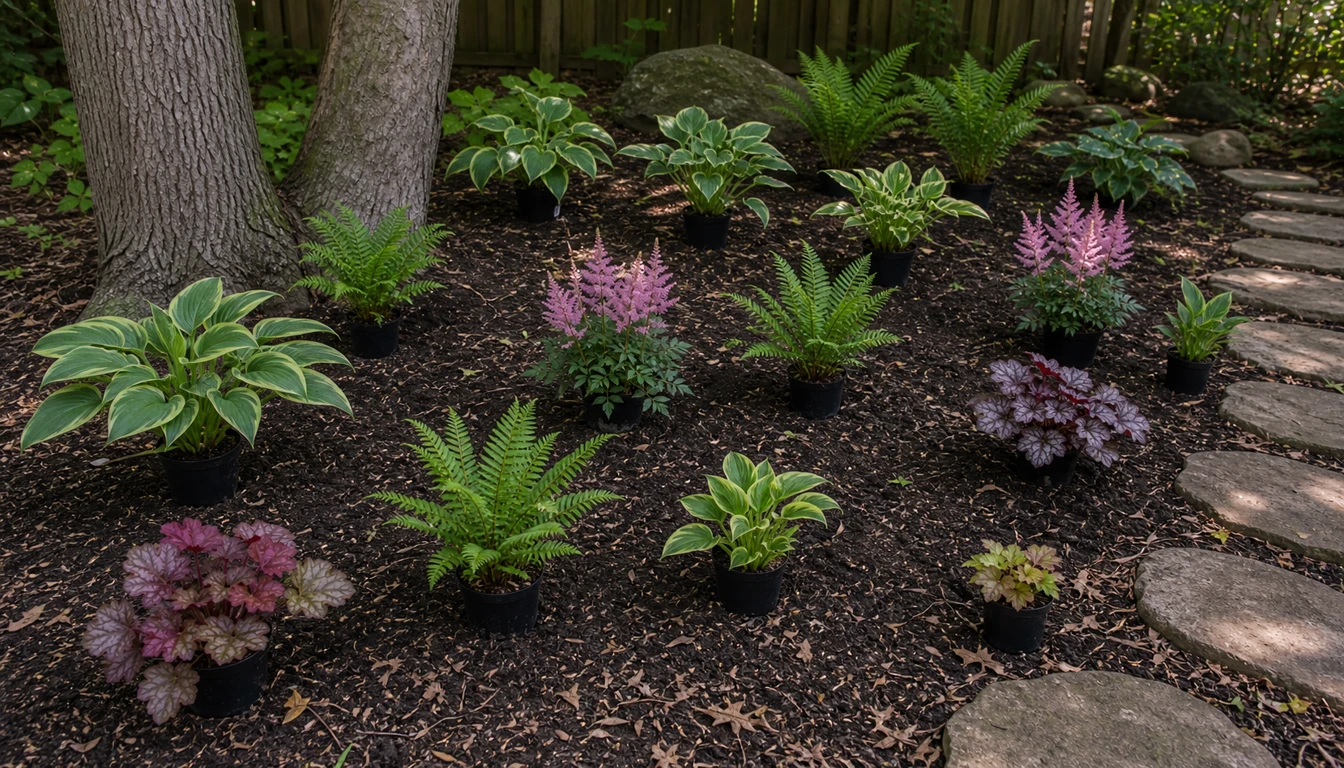
- Set out small plants in repeating groups, leaving visible root corridors alone.
- Dig only the holes each root ball needs and plant at the same depth it grew in the pot.
- Water slowly, then add one to two inches of shredded leaves or fine mulch without covering crowns.
- Check soil moisture weekly during the first growing season and through drought in the second.
Dry-shade plants become tougher after establishment, but they cannot establish without water. Deep, measured watering around the new plants is more useful than a quick daily sprinkle, and a drip or soaker setup can reach the planting without repeatedly wetting foliage.
How Do You Keep a Shade Bed Interesting All Season?
Shade gardens often have fewer weeks of heavy bloom than sunny borders, so their design depends on leaf shape, height, and repetition. Pair a broad leaf with a fine one, then repeat that relationship down the bed instead of planting one of every cultivar.
A practical three-layer arrangement uses a low sedge, wild ginger, or foamflower at the path. medium hostas and coral bells, or hellebores through the middle.
And taller ferns, goatsbeard, or astilbes behind. Keep the mature spread on the label in mind so the bed closes gradually rather than becoming overcrowded in its second year.
Color is easier to read in small echoes. Silver brunnera leaves can repeat a pale hosta margin, while gold Japanese forest grass can lead the eye through a dark corner.
White flowers and variegation remain visible at dusk, but too many pale leaves together can make the planting look spotty.
Plan for the gaps left by spring ephemerals. Let later-emerging hostas, ferns, or sedges expand nearby without placing them directly over dormant crowns.
Mark slow or dormant plants so fall digging does not destroy them.
For a bed viewed from one side, put taller plants toward the back but break the line with occasional medium groups. For an island bed, keep the highest plants near the center and leave a reachable path or stepping space.
Maintenance should not require walking across crowns.
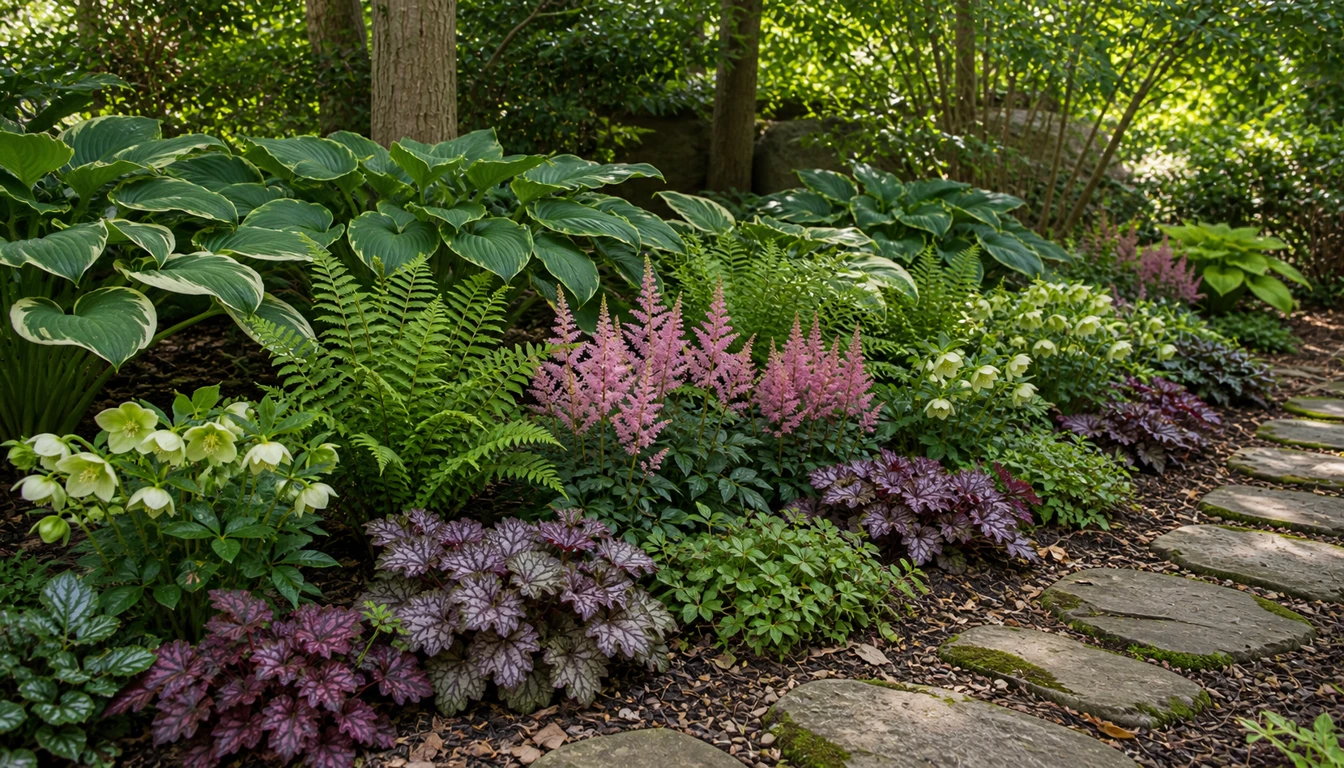
- Repeat dependable plants in groups rather than scattering single specimens.
- Mix coarse, medium, and fine foliage so green does not read as one flat mass.
- Include at least one plant that remains present in winter where climate allows.
- Leave intentional openings for leaf fall, division, and access to irrigation.
If the bed edge receives four or more hours of direct sun, use that brighter strip for plants with higher light needs instead of forcing them into the deepest shade. The broader full-sun perennial guide can help define that boundary.
Planting and First-Year Care
Plant when temperatures are mild enough that roots can grow without extreme heat. Spring works well in cold climates, while early fall can suit regions where plants have several weeks to root before the ground freezes.
Avoid installing thirsty perennials during a heat wave simply because the shade feels cooler to you.
Test the soil before making large pH or nutrient changes. Many woodland perennials prefer organic matter and good structure, but that does not justify dumping fertilizer into every shaded bed.
Excess nitrogen can make growth soft, increase flopping, and encourage a few aggressive plants to overrun their neighbors.
Water the root ball and the surrounding soil at planting. For the next several weeks, check moisture with a finger or trowel rather than following a rigid calendar.
New roots occupy a small volume and may dry even when nearby native soil feels damp.
As roots spread, water less often but more deeply.
Keep mulch thin and crowns visible. Leaves can remain as natural mulch when they form a light layer, but dense mats of large leaves may smother small evergreen plants and should be redistributed.
Do not shred all leaf litter automatically because intact leaves also shelter overwintering insects.
The first-year checklist is short. - Water before wilting, especially under trees and roof overhangs.
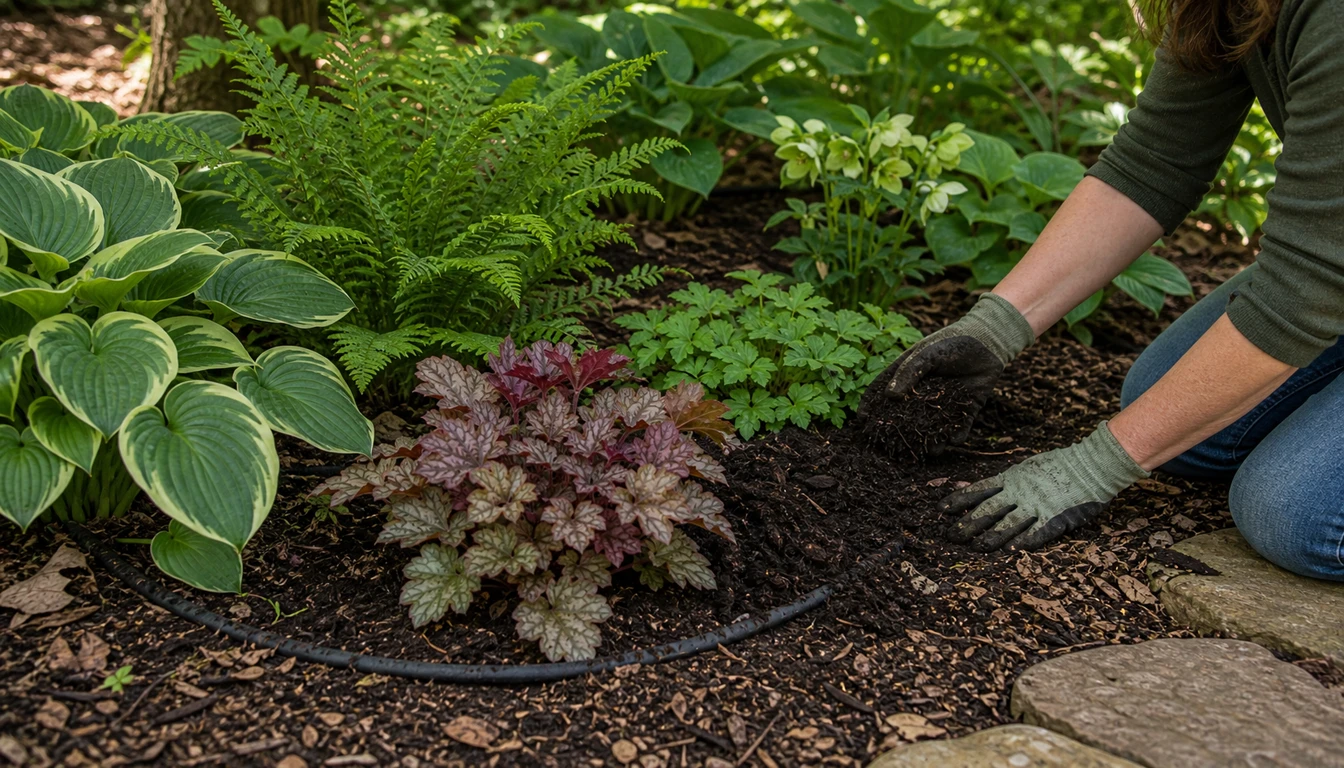
- Pull weeds while roots are small instead of disturbing the bed later. - Remove diseased foliage, but leave healthy leaves to feed roots until they decline naturally.
- Delay division until plants have established and produced a strong clump. - Replace chronic failures with a plant suited to the observed condition rather than repeating the same purchase.
Established perennials may still need water during prolonged drought. Shade slows evaporation, but a mature tree can empty the upper soil rapidly.
Why Are Shade Perennials Struggling?
Thin growth and few flowers do not always mean the bed needs fertilizer. A plant in deep shade may produce larger, thinner leaves and flower less, while one receiving hot afternoon sun may bleach or develop crisp edges.
Move it only after observing the light pattern and checking moisture at root depth.
Brown leaf margins on hostas or astilbes commonly point to dry soil, heat, or inconsistent watering. Yellow leaves can result from saturated roots as well as nutrient problems, so dig beside the root ball and inspect drainage before feeding.
A plant that lifts easily may have root or crown rot rather than simple drought.
Slug and snail feeding leaves irregular holes and ragged edges, especially on hostas. Deer often remove whole leaves or stems and leave torn ends.
Choose resistant plants or use a site-appropriate barrier where browsing is constant. no ornamental is reliably deer-proof when food is scarce.
| Symptom | Check first | Useful response |
|---|---|---|
| Crisp edges or midday wilt | Soil moisture four inches deep. afternoon sun | Water deeply, add thin mulch, or relocate from reflected heat |
| Long stems and sparse flowers | Actual direct-light hours after trees leaf out | Use foliage plants or move flowering plants to brighter shade |
| Yellowing with soft crown | Drainage and planting depth | Improve drainage. remove rotted tissue or replace the plant |
| Ragged holes | Slugs, snails, hail, or chewing insects at night | Identify the culprit before choosing control |
| Plants shrinking each year | Root competition, browsing, or wrong hardiness | Protect, relocate, or select a tougher regional alternative |
When several unrelated species fail in the same patch, suspect the site before the plants. Compaction, construction debris, roof runoff, tree roots, or a buried utility corridor can create a narrow problem that no cultivar list will solve.
Three Starter Plans for Common Shade Sites
These combinations describe roles, not fixed shopping lists. Substitute locally recommended species that share the same moisture, light, height, and spread.
Dry shade beneath a deciduous tree. Use small groups of Christmas fern for upright structure, epimedium or a regional sedge as the ground layer, and spring columbine for seasonal flowers.
Keep all digging shallow, leave the trunk flare open, and water new plants through their first two summers.
Moist north or east-facing border. Pair astilbe plumes with broad hosta leaves and the finer texture of lady fern.
Add coral bells near the brighter front edge where air moves freely.
This group needs steady moisture but should not stand in water.
Dappled path with average soil. Repeat hellebores for winter structure, brunnera for spring flowers and silver foliage, and Japanese forest grass to soften the path.
Add a few regionally appropriate woodland flowers rather than filling every gap at planting time.
Buy enough of two dependable plants to establish a visible pattern, then trial one accent in the exact site for a full growing season. That approach costs less than replacing a whole bed and reveals summer moisture, browsing, and winter survival before you expand.
The best shade garden is not the one with the longest plant list. It is the one where each group fits the light and soil, remains readable after bloom, and can be maintained without harming the trees that create the shade.
Quick Tips
- Observe the bed after deciduous trees leaf out; early-spring light can give a false impression.
- Check moisture four inches down because a shaded surface can look damp while tree roots have dried the soil below.
- Use small plugs under mature trees and move the hole when you meet a large root.
- Keep mulch and added soil away from tree trunks and perennial crowns.
- Repeat two or three reliable foliage plants before adding short-season accents.
- Check state invasive-plant guidance before buying a fast-spreading groundcover.
- Give new dry-shade plantings steady water through establishment even when mature plants are drought tolerant.
Recommended Plants
5 perennials worth considering.
Hosta
Gardeners crave color in shade beds, and Hosta delivers with bold foliage instead of fussy flowers.
Astilbe
An Astilbe puts real color into a shade bed that would otherwise be green on green, but its shallow roots hold no…
Coral Bells
Coral bells (Heuchera) bring colorful leaves and delicate flowers to borders and pots.
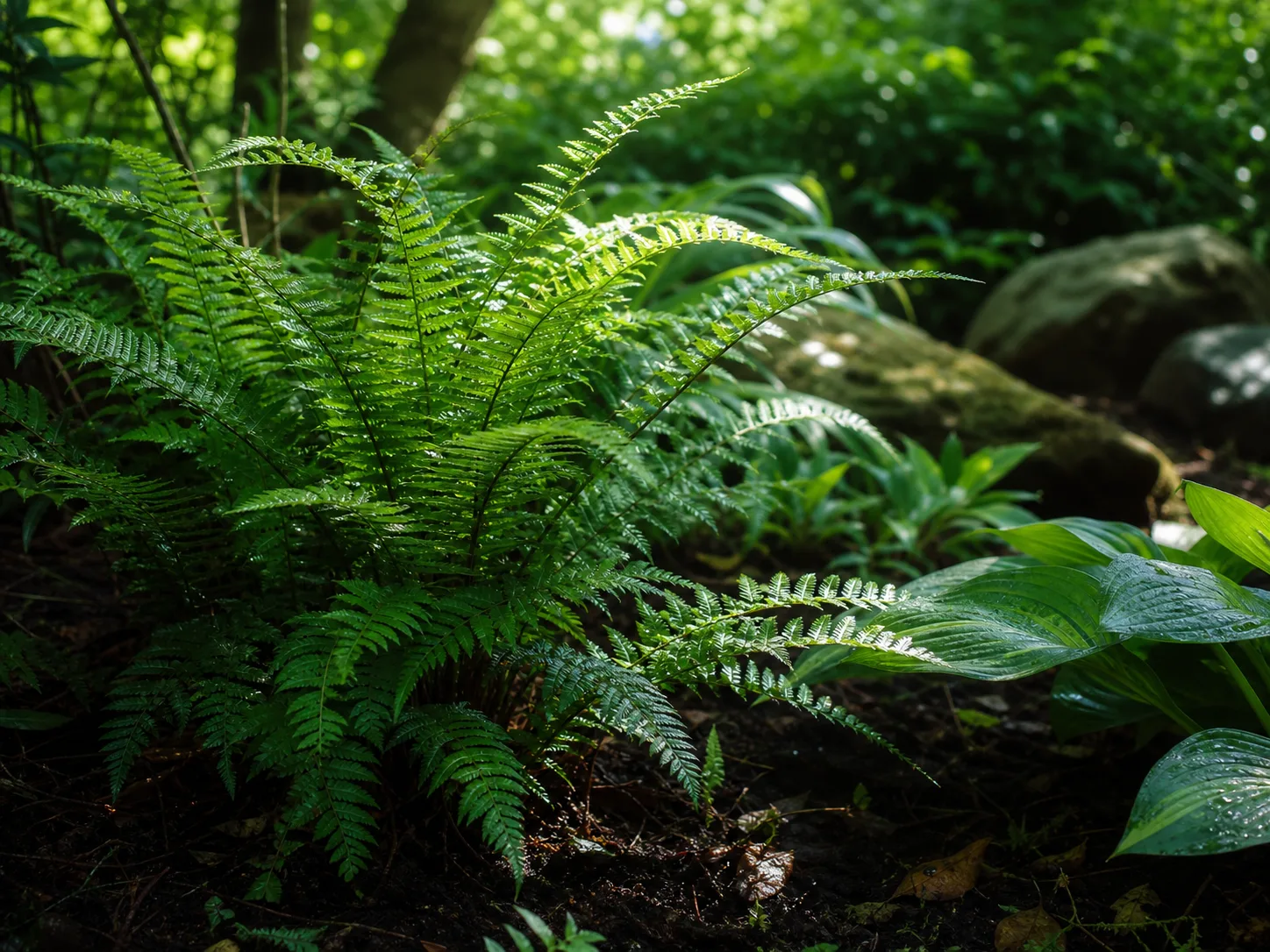
Fern
Ferns earn their place with texture, shade tolerance, and a calm green presence that softens woodland edges, foundation…
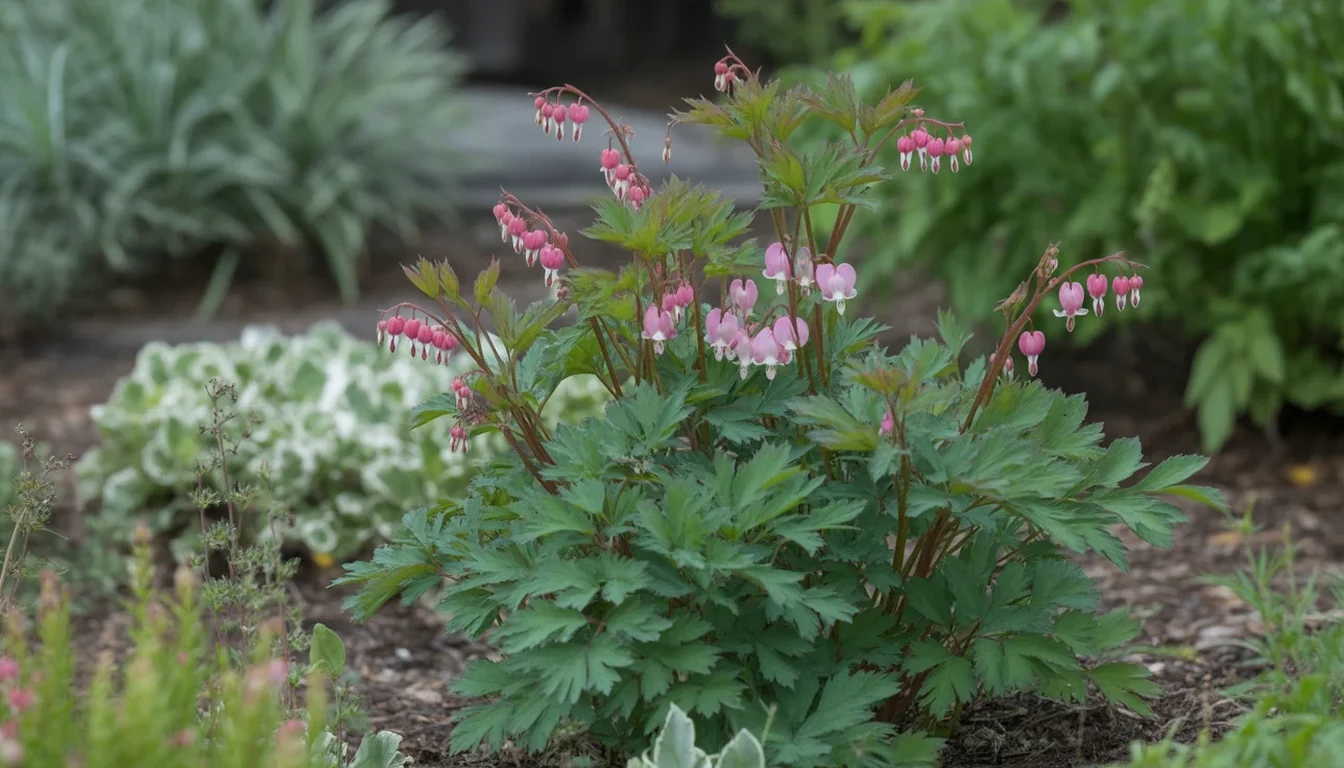
Bleeding Heart
A Bleeding Heart banks a fixed budget in its rhizomes and spends all of it on four to six weeks of spring flower, then…
Frequently Asked Questions
What perennials grow best in full shade?
Hostas, selected ferns, hellebores, wild ginger, epimedium, foamflower, and some sedges tolerate full shade, but the right choice depends on moisture and climate. Deep shade supports fewer flowers than bright or dappled shade, so emphasize foliage and texture.
What can I plant in dry shade under a tree?
Christmas fern, epimedium, wild ginger, and regionally appropriate sedges are useful starting points. Plant small specimens between roots, avoid raised beds and deep digging, and water consistently while roots establish.
Can shade perennials grow without any direct sun?
Some can grow in bright indirect or dappled light, but almost no garden plant thrives in darkness. In deep shade, growth and flowering slow.
If little sky is visible, thinning appropriate branches through a qualified arborist or choosing a non-plant ground surface may be more realistic.
When is the best time to plant shade perennials?
Plant during mild weather when roots have time to establish, often spring in cold climates or early fall where several frost-free weeks remain. Avoid planting during extreme heat, and keep new root balls evenly moist.
Why do my shade plants have brown edges?
Dry soil, inconsistent watering, hot afternoon sun, wind, and root competition are common causes. Check soil moisture below the surface and watch the site through the day before adding fertilizer or treating for disease.