
What's a Hosta? How to Grow Bold Foliage in a Bare Shade Bed
Hosta spp. Asparagaceae
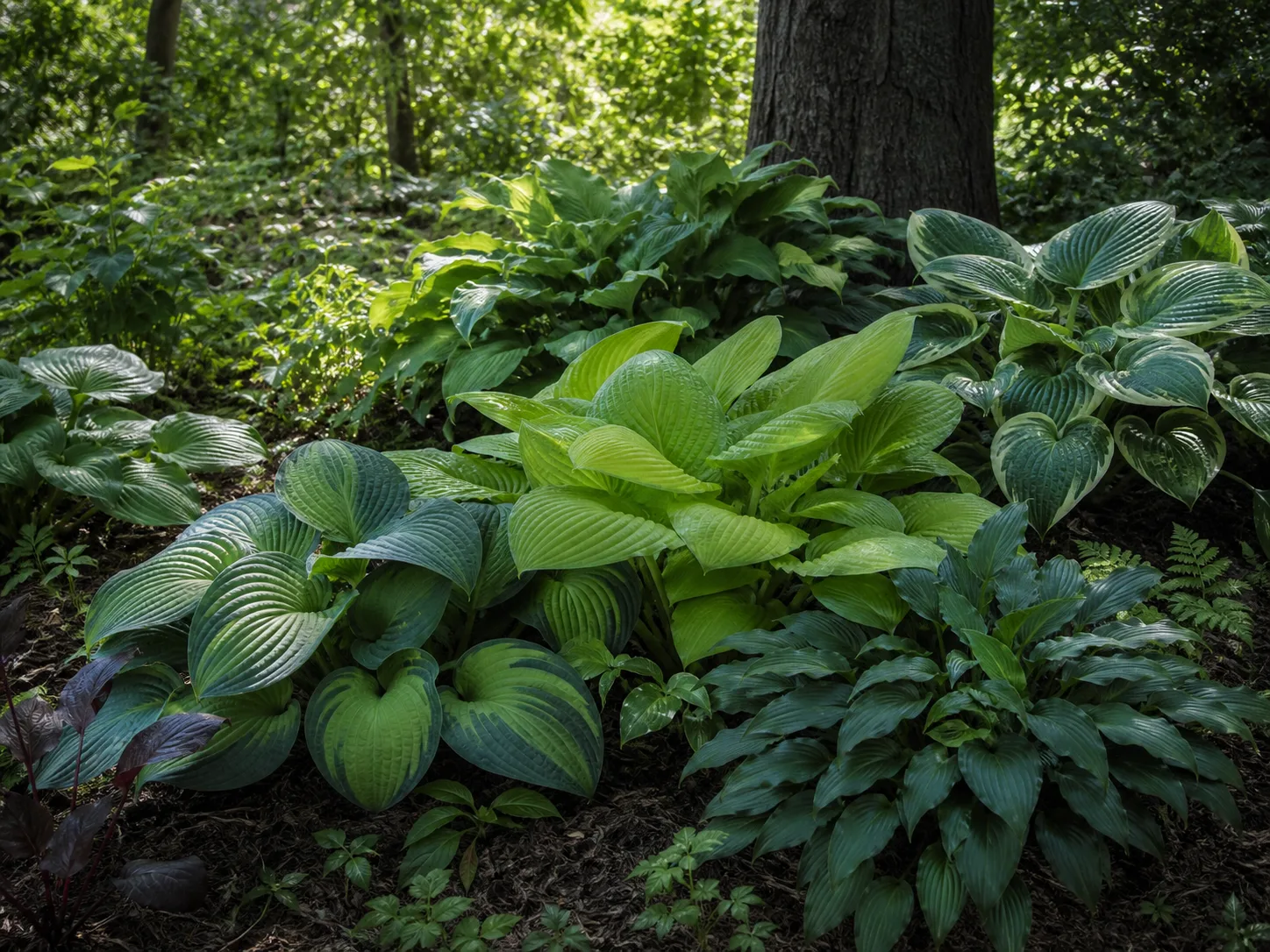
Gardeners crave color in shade beds, and Hosta delivers with bold foliage instead of fussy flowers. This clumping perennial thrives in Zones 3-9, spreads steadily, and handles everything from tight foundation beds to big woodland borders with very little drama.
Care snapshot
Hostas Solve the Bare-Shade-Bed Problem
Shade beds often end up as bare mulch pits, but thick Hosta clumps turn those dead zones into solid foliage. Dense mounds of leaves cover soil, hide fading bulbs like tulips and daffodils, and block most weeds from ever seeing daylight.
The problem in cold climates is finding perennials that come back after bitter winters. These hardy plants shrug off Zone 3 conditions, similar to how peonies return every year in northern yards, then steadily expand outward from a crown of short rhizomes.
Gardeners also struggle with mixing shade plants that play nicely together, and Hosta spp. cooperate with almost everything. They pair well with spring bulbs, woodland ferns you might compare in hosta vs fern choices, and shade shrubs like azalea or hydrangea along the back of borders.
Confusion over hosta size is another headache, since tags often understate maturity. Clumps can range from 6 inches tall minis to 3 feet tall giants, with spreads from 1-5 feet, so plan spacing like you would for broad shrubs such as boxwood or spirea.
Light: Keeping Leaves From Scorching
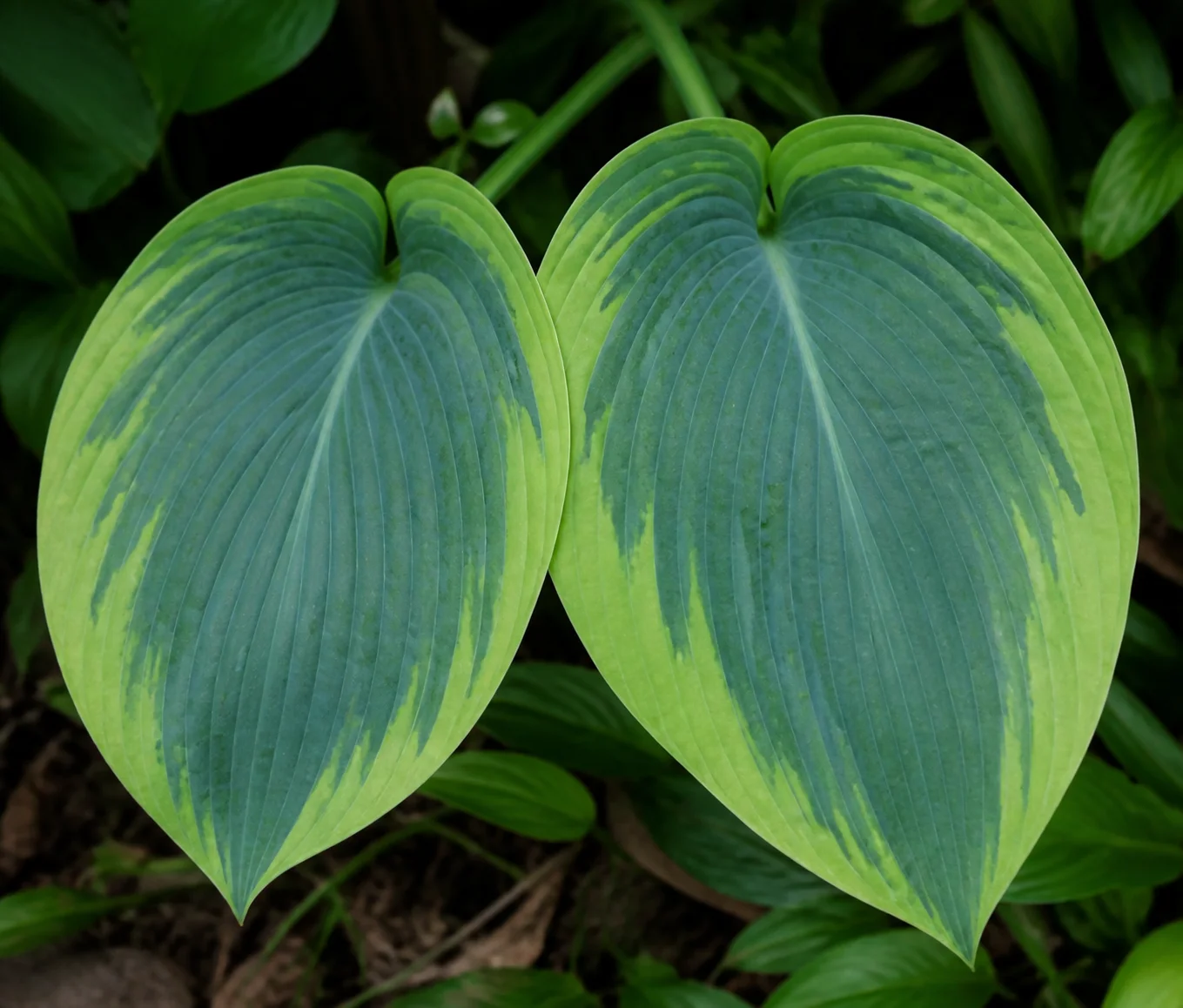
Crisped leaf edges and bleached variegation usually point to too much direct sun, not disease. Hostas are classic shade perennials, happiest in spots with morning sun and afternoon shade or all-day dappled light under high-branched trees.
Choosing the wrong exposure for your zone creates most light problems. In cooler areas like Zone 3-5, many varieties handle several hours of direct morning sun, similar to how hydrangea can tolerate brighter light up north than in the Deep South.
Further south in Zone 8-9, midsummer sun can fry even "sun tolerant" hostas. Plant them on the east or north side of the house, and save hotter west-facing spots for heat-lovers like daylily or black-eyed susan, which you will find in flower-focused guides.
Too little light causes its own headaches, since deep, dense shade under low evergreens stretches hostas tall and floppy while foliage turns dull. Aim for bright, indirect light that would also suit many houseplants shown in low-light plant ideas rather than pitch-black corners.
- Watch for pale, bleached patches or brown edges on the south and west side of clumps.
- Check how many hours of direct sun hit the spot in June and July, not just spring.
- Move pots or divide and shift plants that lean hard toward brighter areas.
- Use taller shrubs or trellised vines to filter strong afternoon sun when relocation is impossible.
Watering Without Causing Rot
Crispy leaf tips often trick gardeners into overwatering, when the real problem is uneven moisture. Hostas like consistently moist, not soggy soil, which is closer to a mulched forest floor than a wet pond edge.
Relying on a calendar schedule is what drowns crowns and rots roots. Instead, check the top 1-2 inches of soil, watering when it feels dry to the touch but still cool underneath, similar to instructions for deep-watering in deep watering comparisons.
Shallow, frequent sprinkling is another common mistake, since roots stay near the surface and suffer in heat spells. A slow soak to 6-8 inches deep once or twice a week in summer encourages deeper roots and keeps foliage from flagging by midafternoon.
Ignoring mulch makes watering harder and encourages weeds. A 2-3 inch layer of shredded bark or compost around clumps holds moisture, protects crowns in Zone 3-4 winters, and reduces how often you drag the hose, much like mulching around fruit trees or shrubs.
- Water early in the day so leaves dry before night to limit slug and disease issues.
- Use soaker hoses or drip lines instead of overhead spray to keep foliage drier.
- Cut watering in half during cool, rainy stretches to avoid crown rot.
- Increase watering for containers, which dry faster than in-ground beds, especially in hot Zone 8-9 summers.
Soil and Planting Bed Prep
Planting hostas straight into heavy clay or pure sand leads to stunted clumps and yellowed leaves. They prefer rich, well-drained, moisture-retentive soil, something between a woodland loam and a well-amended vegetable bed.
Ignoring drainage is the quickest route to crown rot, especially in cold Zone 3-5 springs when soils stay saturated. If water puddles for more than 30 minutes after a rain, raise the bed a few inches or mix in coarse material like pine bark fines.
Skipping organic matter at planting makes you work harder later with fertilizer. Work 2-3 inches of compost into the top 10-12 inches of soil across the whole bed, just like you would before starting a vegetable garden with help from vegetable fertilizing tips.
Planting too deep is another quiet killer. Set the crown so new shoots sit at or just above the soil line, similar to how you would plant irises or daylilies, and avoid burying the growing points under thick mulch or extra soil.
- Soil texture
- Loamy, with good structure that holds moisture but drains within a few hours.
- Organic matter
- Target 20-30% compost or well-rotted leaf mold in the top foot of soil.
- pH range
- Slightly acidic to neutral, roughly 6.0-7.0, similar to many flowers and shrubs.
- Mulch depth
- Maintain 2-3 inches around plants, keeping it an inch away from the crown.
- Container mix
- Use a peat- or coir-based potting mix with added compost, not straight garden soil.
Choosing Hosta Cultivars That Fit
Buying hostas by pretty picture alone is a recipe for crowding and constant dividing. Mature size and leaf color matter more than flower color, and ignoring that is how a "cute" start swallows a 4-foot walkway in five years.
Size confusion is the first trap. Mini types stay under 10 inches tall and fit along paths or in containers, while large varieties rival compact shrubs like coral bells in leaf presence and can reach 3 feet tall with similar spread.
Color expectations create the second big problem.
Blue hostas need more consistent shade and cooler summers, especially in Zone 8 and Zone 9, where strong sun bleaches them to dull green. In hotter zones, chartreuse or gold types hold their color better alongside heat-tough plants like lantana in nearby sunnier beds.
- Mini / Small types
- Under 1 ft tall, great for borders, rock gardens, and tight foundation beds.
- Medium types
- About 1-2 ft tall, standard choice for mixed shade beds and around trees.
- Large / Giant types
- 2-3 ft tall, bold focal points similar in mass to small shrubs.
- Blue foliage
- Best in cool, bright shade; coatings burn or fade in strong afternoon sun.
- Gold / chartreuse foliage
- Tolerates more light, brightens deep shade where flowering plants struggle.
- Variegated foliage
- White or yellow margins add contrast but may scorch in hot sun and wind.
Seasonal Care by Zone
Early spring care focuses more on cleaning up last year’s dead leaves than on feeding, because old foliage can harbor slugs and fungal spores.
Late spring is when new growth takes off, so we feed lightly and water deeply during dry spells instead of rushing in with heavy fertilizer.
Summer in zones 7-9 brings more heat stress than cold risk, so afternoon shade and mulch matter more than extra feeding.
Fall care is about shutting things down for winter, which is different from long-season bloomers like coneflower that stay showy later into the year and often need more deadheading.
Cut back all old foliage before new shoots emerge, clean out slug hiding spots, and apply a slow-release balanced fertilizer after growth starts. Divide crowded clumps when new sprouts are just a few inches tall.
Water deeply during dry stretches, especially in zone 7 and warmer, and keep 2-3 inches of mulch over roots but off the crowns. Inspect weekly for slugs and deer browsing and reapply repellents as needed.
Allow foliage to yellow naturally, then cut it at ground level to remove hiding spots for pests. Add a light top-dressing of compost, similar to how you might refresh a bed of peonies for next year’s blooms.
In cold climates like zone 3 gardens, snow usually insulates the crowns. In milder, wet climates, maintain a thin mulch layer to moderate temperature swings and keep crowns from heaving out of the soil.
That yearly rhythm keeps the bed clean, but it also makes pest checks easier because old foliage and hiding spots are gone.
Propagating Hostas by Division
Spring division right as shoots poke through the soil gives the cleanest splits and the fastest recovery.
Fall division works too, but in colder zones 3-4 plants have less time to re-root before freeze, so we stick to spring there.
Division is far more reliable than starting from seed, which rarely matches the parent and takes years to size up compared to a quick split.
Before you start, look at clump size instead of the calendar and divide once a mound reaches about 18-24 inches across or looks crowded.
- Water the clump deeply the day before so the roots lift with a moist soil ball instead of crumbling apart.
- Slice a wide circle with a sharp spade, then lever up the entire clump instead of hacking out small chunks from above.
- Use a hand saw or heavy knife to cut the clump into sections, each with 2-4 eyes (shoots) and a healthy root mass.
- Trim away any mushy or broken roots, then replant divisions at the same depth, spacing them 18-30 inches apart.
- Water to settle soil and keep evenly moist for 2-3 weeks, then return to your normal deep, occasional watering routine.
After the split, recovery depends more on steady moisture and shade than on fertilizer, so give the roots time to knit before pushing new growth.
Pests That Love Hostas
Summer rain and dense foliage invite more damage from chewing pests than from diseases, so leaves are usually the first place you notice problems.
In damp areas, slug damage on hostas is so common that we treat it like a given and build control into the yearly routine, just like mowing the lawn.
Chemical sprays are often a last resort, since we get better results combining hand-picking, barriers, and spot treatments, similar to how we mix methods in natural garden pest control.
Unlike neat round insect holes, slug feeding leaves irregular, shredded gaps and slime trails on leaves, especially on variegated types. Use iron phosphate baits, beer traps, or rough barriers and keep mulch pulled a few inches back from crowns.
Instead of scattered nibbles, deer often mow foliage down overnight, leaving bare petioles like green straws. Use fencing, motion sprinklers, or rotate repellents, and consider mixing in more deer resistant choices near yard edges.
Compared to deer, rabbits usually chew lower foliage and young shoots, leaving clipped stems at about 2-4 inches high. Short fencing or small wire cages around new plantings protect crowns until clumps are large.
Caterpillars, beetles, and grasshoppers make cleaner, more defined holes than slugs. Hand-pick what you see, shake foliage over a tarp, or spot-treat with a garden-safe product if chewing gets heavy.
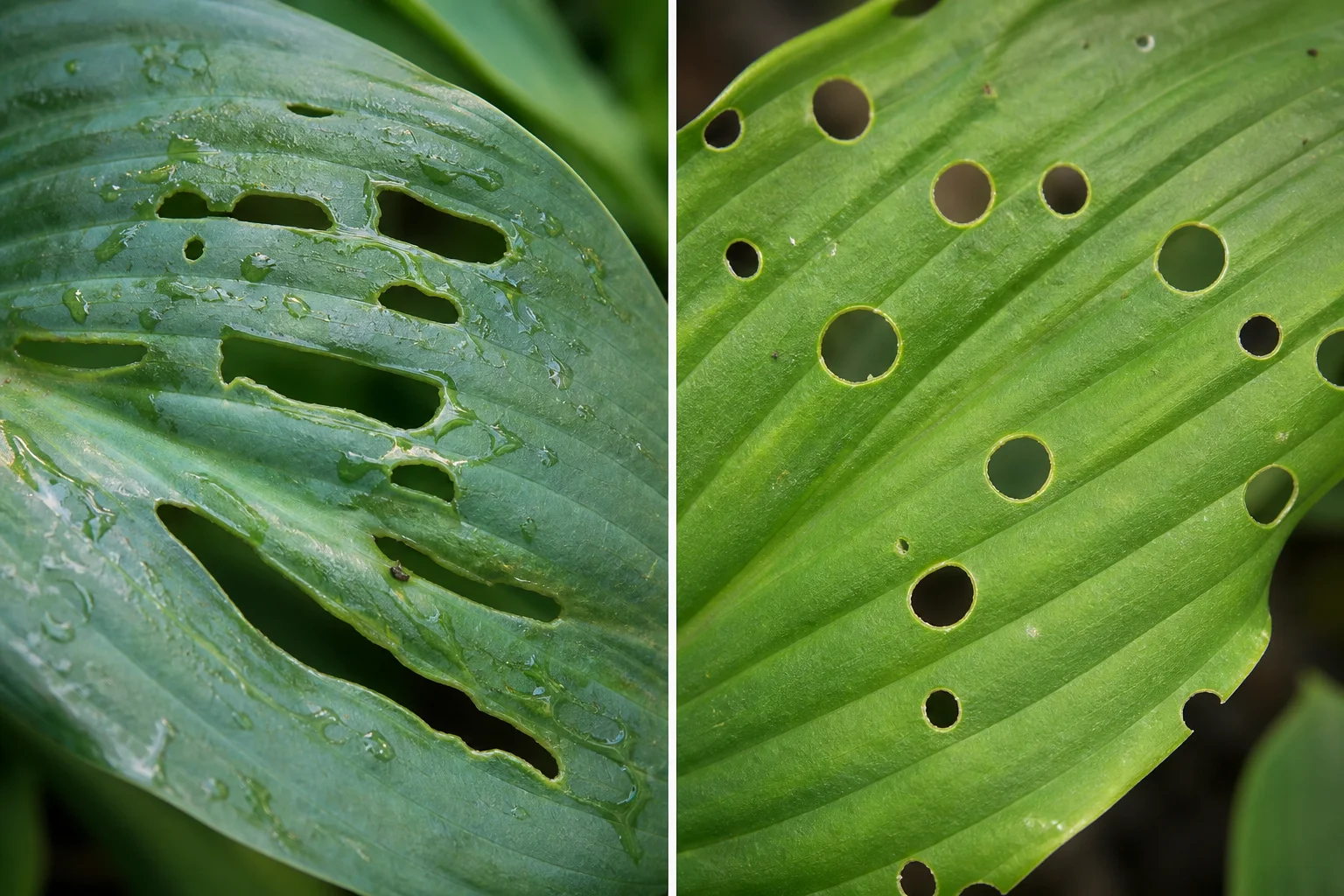
When chewing damage does not match those patterns, look for viral distortion before you move divisions around the garden.
For beds mixed with shrubs like azaleas, keeping foliage dry with good spacing and airflow helps reduce pest pressure on everything, not just hostas, which fits well with deeper and less frequent watering habits.
Safety, Toxicity, and Wildlife
Hostas are toxic to dogs, cats, and horses. NC State lists all plant parts as toxic; a shade-garden label does not make the foliage suitable for animals to eat.
A bed accessible to a grazing pet needs a barrier or a different planting. If an animal eats hosta or becomes unwell, contact a veterinarian or animal poison service promptly.
Deer and rabbits also browse the foliage, which can leave a shade bed badly damaged. Animal feeding in the garden does not establish that a plant is safe for a pet.
Frequently Asked Questions
Do hostas need full shade to grow well?
No, since Hostas grow best in partial shade with bright, indirect light or morning sun and afternoon shade. In cooler Zones 3-5 they handle more sun, while in hotter Zones 8-9 they need stronger protection from afternoon sun to prevent leaf scorch.
How long do hostas live in the garden?
With decent soil and consistent moisture, hostas can live for decades in the same spot. Clumps slowly expand over time, so you may divide them every 5-7 years to control size or create new plants, but they are not short-lived perennials.
Can I grow hostas in containers?
Yes, hostas grow well in pots if you use quality potting mix, a container with drainage holes, and water more often than in-ground plants. In colder zones, either sink the pots into the ground for winter or move them to a protected, unheated space.
Can I grow hostas in containers long term?
Yes, hostas handle containers well in zones 3-9 as long as pots are large, drainage is good, and you water deeply in summer. In cold zones, either protect pots in an unheated garage or choose extra hardy varieties so roots do not freeze solid.
How often should I divide mature hosta clumps?
Most clumps are happiest divided every 4-6 years, or whenever the center starts to thin and leaves get smaller. In rich, irrigated beds they may need it sooner, while in leaner shade gardens they can sit in place longer.
Will hostas grow in full sun?
Some thicker-leafed varieties tolerate morning sun, especially in cooler zones 3-5, but most scorch in hot afternoon sun. If you have a bright yard, pair them with taller shrubs or trees like dogwood to cast dappled shade over the bed.
Sources & References
Related Plants
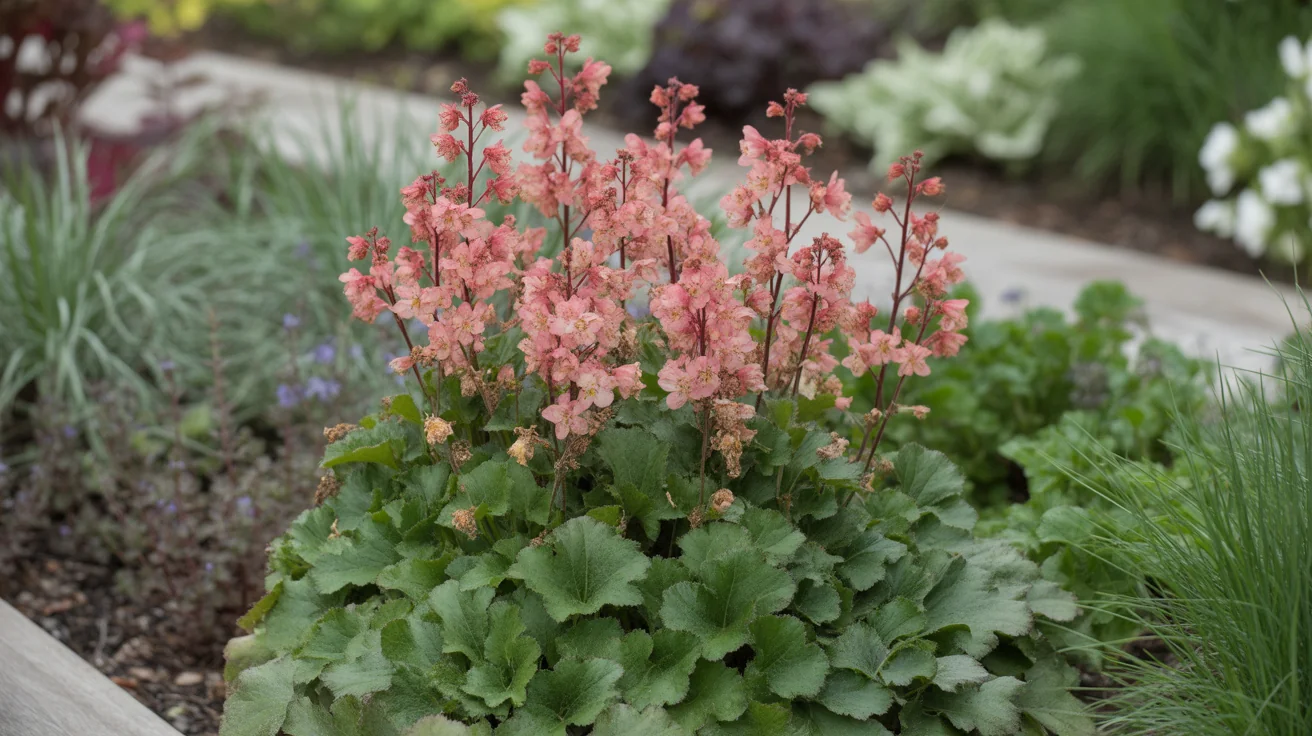
Coral Bells
Colorful foliage perennial that pairs well with hostas in shade borders.
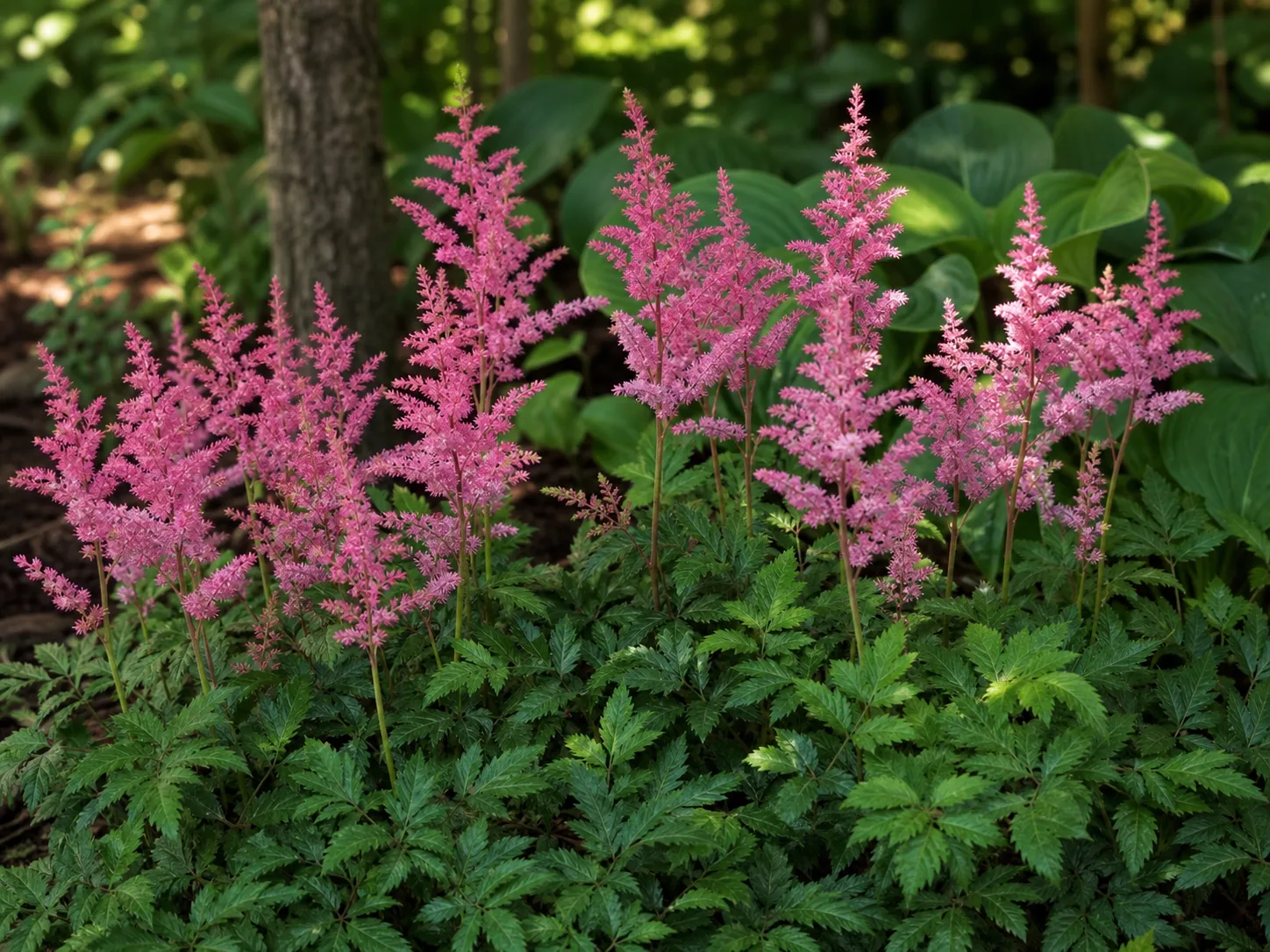
Astilbe
Feathery plumes and ferny foliage for moist, shady spots.
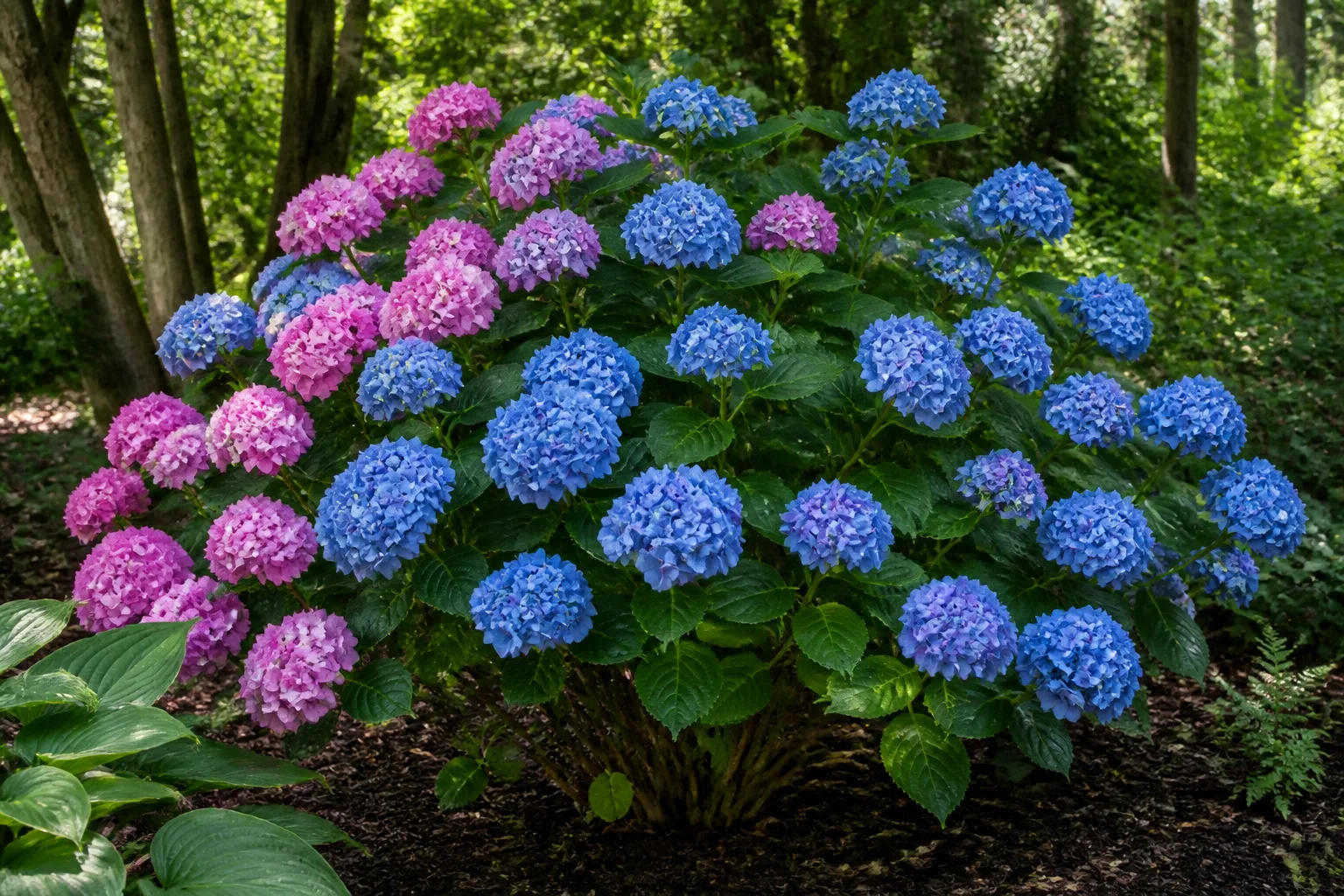
Bigleaf Hydrangea
Flowering shrub option for part-shade beds near hosta plantings.
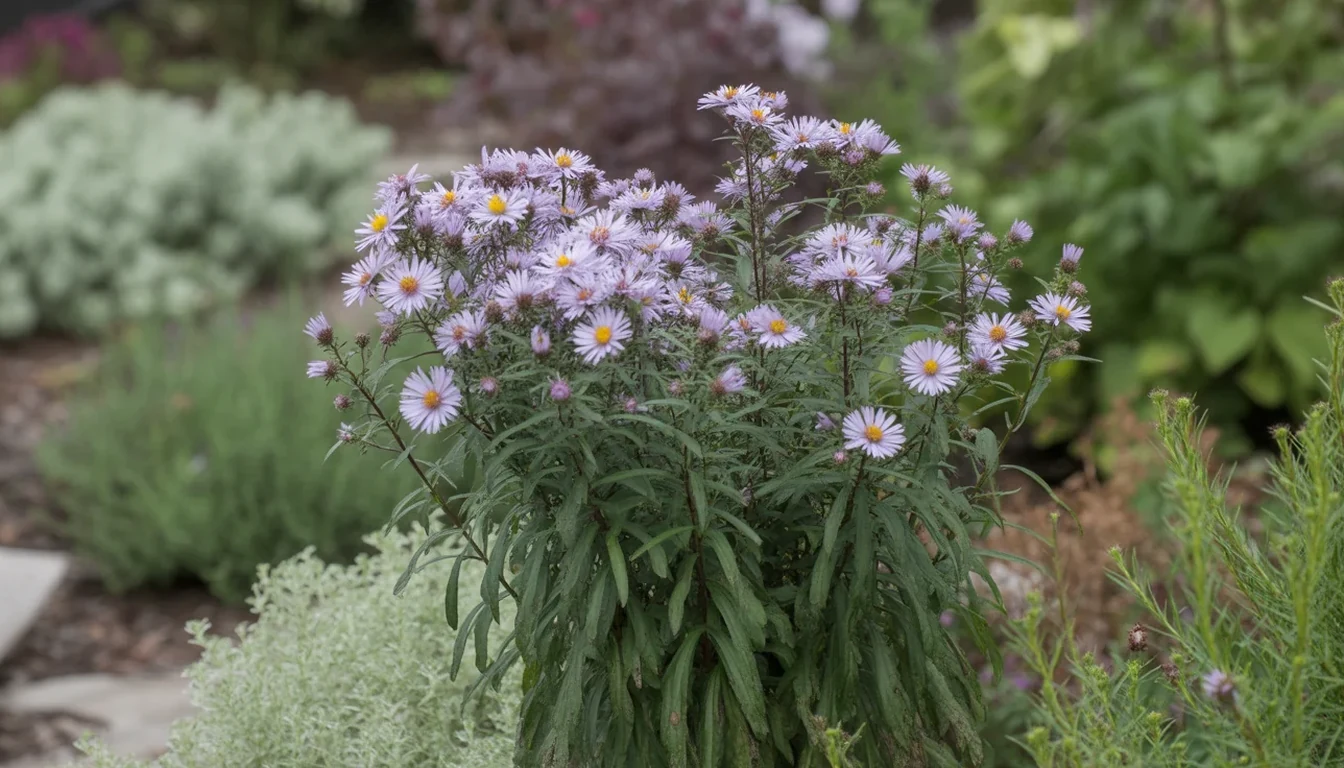
Aster
Gardeners blame the weather when an Aster splits open in September, but the shape was decided in early summer.
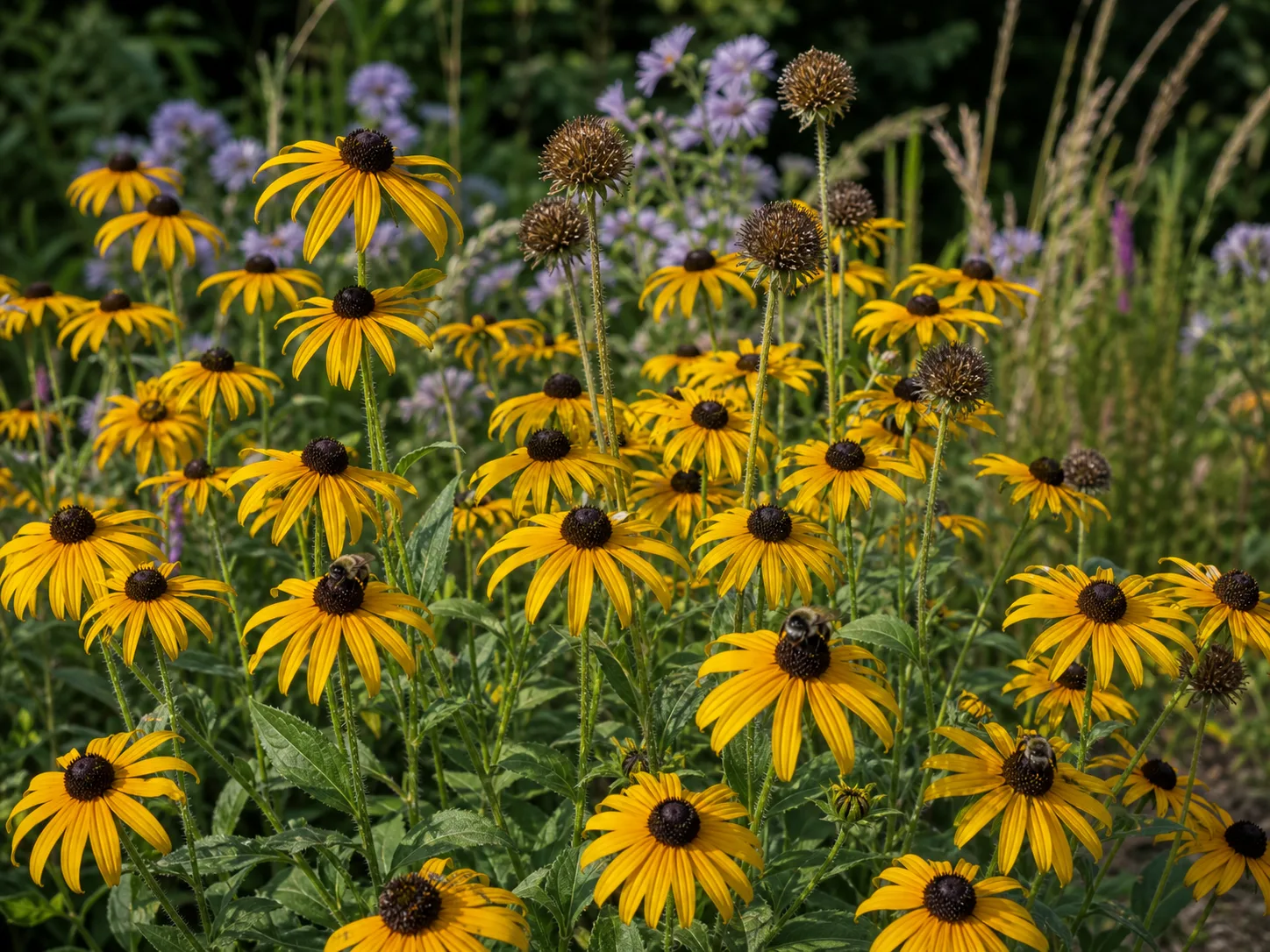
Black-Eyed Susan
A Black-Eyed Susan patch outlives the plants in it. The common garden species lives one to three years and restocks…
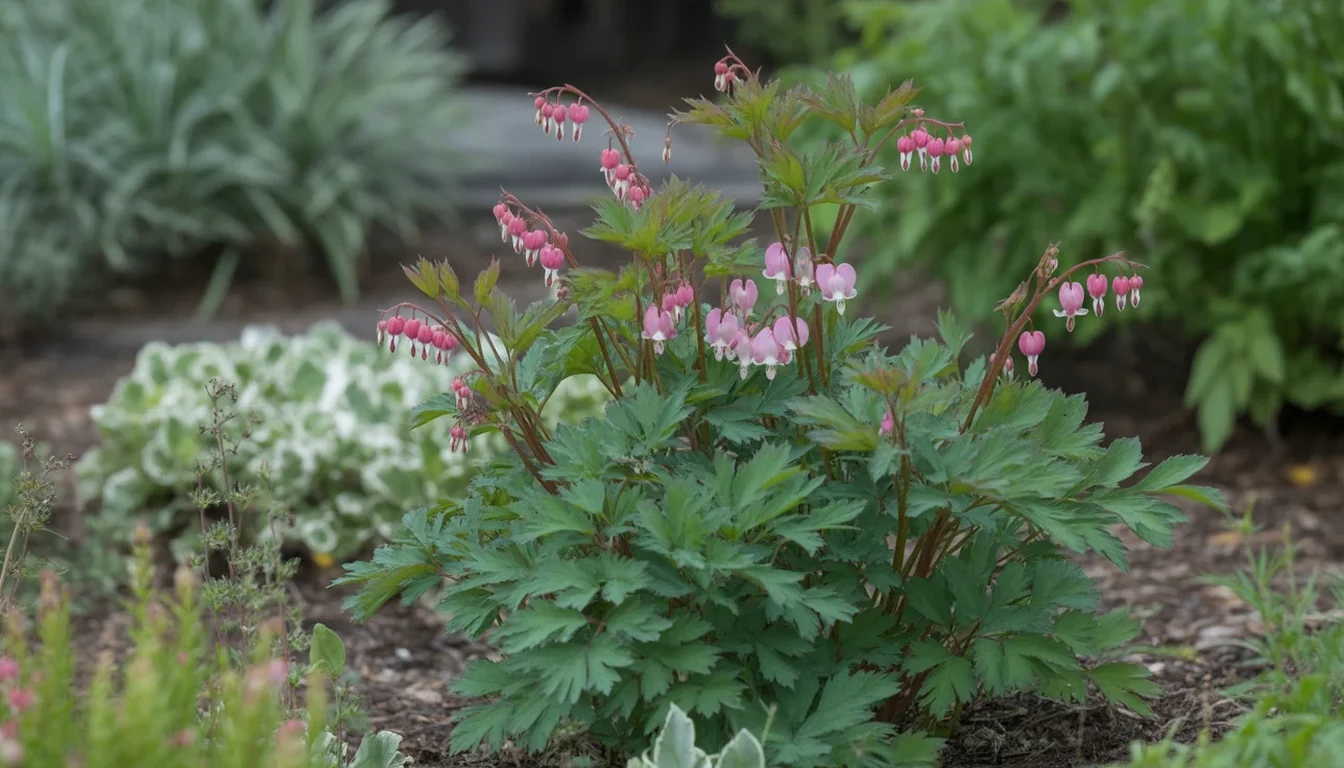
Bleeding Heart
A Bleeding Heart banks a fixed budget in its rhizomes and spends all of it on four to six weeks of spring flower, then…