
What Are Coral Bells? How to Grow Healthy Leaves and Crowns
Heuchera spp. Saxifragaceae
Coral bells (Heuchera) bring colorful leaves and delicate flowers to borders and pots. Healthy growth depends on matching the cultivar to the site, keeping roots supplied with moisture, and leaving the crown clear of wet soil and mulch.
Care snapshot
What Coral Bells Add to a Border
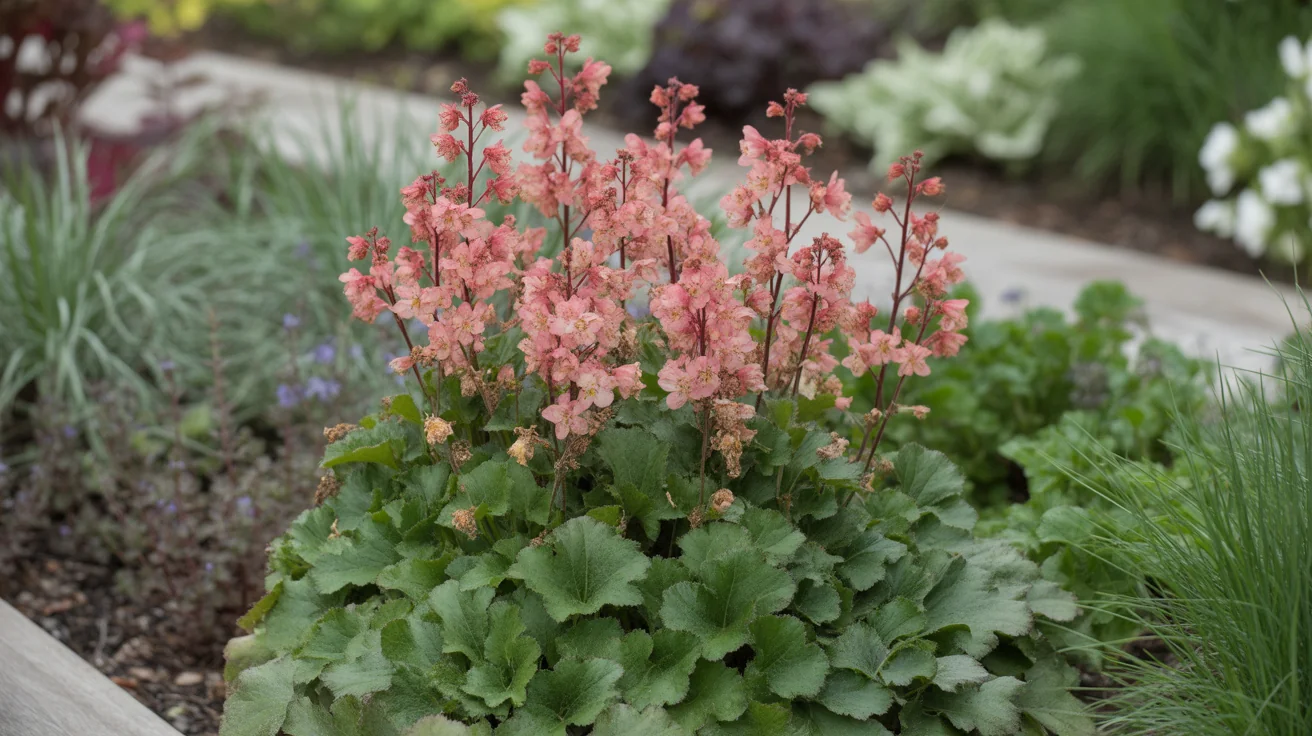
Coral bells form a low mound of rounded or lobed leaves, with slender flower stems rising above it. Heuchera includes species and garden hybrids, so a nursery name describes more than a leaf color. It can also tell you which mature size and growing conditions to expect.
Foliage gives these plants their long display, but the flowers are worth comparing too. Heuchera sanguinea has green leaves and small pink to red bells that provide nectar for bees and hummingbirds. A plant selected mainly for patterned leaves may offer a different flower display.
The foliage mound and flower stems need separate space allowances. A low edging plant can still send stems across a path or into the plant behind it, while several closely spaced young plants can become one crowded patch.
Coral bells can soften the front of a bed alongside hostas. That pairing still depends on the site meeting both plants’ needs. A shared shade-garden label does not make every cultivar equally tolerant of heat or wet soil.
The Cultivar Matters More Than the Color Group
The nursery label is the useful starting point for light, mature size, and winter hardiness. A burgundy leaf is not a guarantee of sun tolerance, and a silver pattern does not establish a plant’s water needs.
NC State describes Heuchera as a varied genus and singles out H. villosa for tolerance of heat and high humidity. That is a reason to investigate parentage or a named cultivar in a hot garden, rather than buying any coral bells with the desired color.
Leaf color can also change through the season. NC State describes ‘Amber Waves’ as brighter in spring and darker later, so a seasonal shift need not mean the plant is failing. New bleaching, dry edges, or declining growth calls for a separate check of exposure and moisture.
For example, NC State lists H. sanguinea for USDA Zones 3a–8b. That species listing does not certify every Heuchera hybrid for the same range. A genus-wide zone range cannot tell you whether a particular cultivar will tolerate your winter.
Morning Light and Afternoon Heat Are Different Exposures
Partial or dappled shade is a practical starting position for many coral bells. A site with morning sun and afternoon shelter exposes the leaves differently from a west-facing bed, even when both receive a similar duration of sunlight.
Some darker cultivars accept more sun, while pale foliage may bleach or scorch. The cultivar’s directions and the way that particular bed heats up are more useful than a universal hourly target.
- New pale patches or crisp exposed edges
- Compare the affected leaves with sheltered leaves and check soil moisture before changing irrigation.
- A plant in a pot
- Moving the pot allows an exposure change without disturbing its roots. Existing damaged areas will not become fresh tissue.
- Leaves changing color without damage
- Compare the change with the cultivar’s normal seasonal color before treating it as a deficiency.
A scorched edge alone does not identify the cause. Light exposure and water supply interact, so increasing water while leaving a poorly drained root zone wet can create another problem.
Water According to Establishment and Root-Zone Moisture
A recently planted clump has less access to surrounding soil than an established one. It needs closer attention while roots grow beyond the original root ball, especially when nearby trees also draw water from the bed.
Soil beneath the surface matters more than a dry-looking mulch layer. Comparing moisture near the root ball with moisture farther out can reveal uneven wetting. A fixed weekly amount cannot account for rainfall, soil texture, root competition, and a small container drying at a different rate.
Water belongs in the root zone, with excess able to drain away. Persistently wet soil and a plant that remains wilted call for investigation rather than another automatic watering.
In containers, open drainage outlets matter as much as the potting mix. The guide to drainage holes in pots explains why an attractive outer pot can still trap water beneath the roots.
Keep Roots Covered and the Crown Clear
The crown is the compact base where leaf stalks emerge and roots begin. It belongs at the soil surface or just above it, with roots covered. Raising it a fixed two inches can expose roots, while burying the center under soil or mulch can keep it wet.
The illustration shows the relationship, not a planting-depth measurement. The root ball remains in soil, and mulch stops short of the point where the leaf stalks meet.
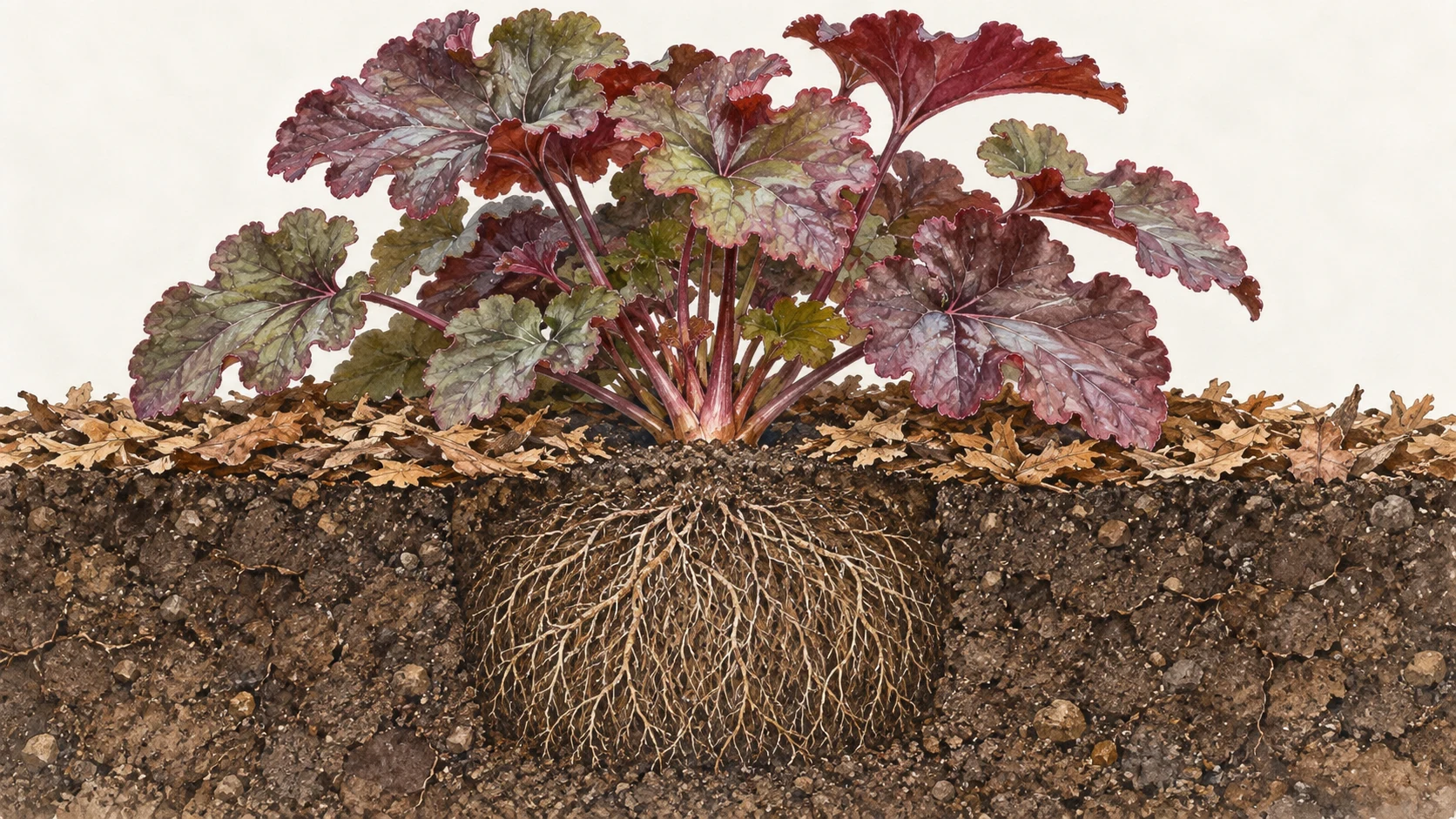
Heuchera needs drainage through the planting area. A specially mixed hole does not establish that water can escape through the surrounding soil. Where a bed stays waterlogged, a suitable container or raised bed is a better option than repeatedly lifting the crown higher.
Organic matter can improve soil structure, but there is no single soil, compost, and grit recipe for every garden. After planting, the useful question is whether water drains away while moisture remains available to the roots.
Renew an Aging Clump With Rooted Divisions
A woody center and fewer fresh shoots can indicate an aging clump. NC State describes regular division, around every three or four years, as a way to renew these relatively short-lived perennials. The condition of the plant matters more than dividing it on an exact anniversary.
Division preserves the selected plant, while seedlings can differ from their parent. An established clump with healthy outer growth is a better starting point than one collapsing from an unexplained root problem.
- Lift the clump carefully when it is growing and conditions are mild.
- Separate vigorous outer pieces that have both healthy shoots and roots. Discard the old woody center.
- Set the divisions with roots covered and crowns clear of the surface mulch.
- Water them in and monitor moisture while new roots establish. A recovering division still needs drainage.
RHS recommends division after growth starts in late spring. Local heat and soil conditions still affect the practical timing. Hot, dry weather puts extra demand on a division before its reduced root system has established.
A collapsing plant needs its root problem investigated before it becomes propagation material. Trimming away soft or discolored tissue does not establish that the remaining roots are healthy.
Separate Leaf Damage From Root and Crown Problems
Leaf notches, holes, spots, and wilting need different follow-up observations. A leaf-edge pattern can suggest where to look, but it does not prove which pest was present or establish that roots are healthy.
Adult vine weevils feed on leaf margins, whereas their larvae feed underground. RHS describes the larvae as pale, C-shaped, legless grubs with brown heads. Adult notching is often mainly cosmetic; root feeding can cause much more serious decline.
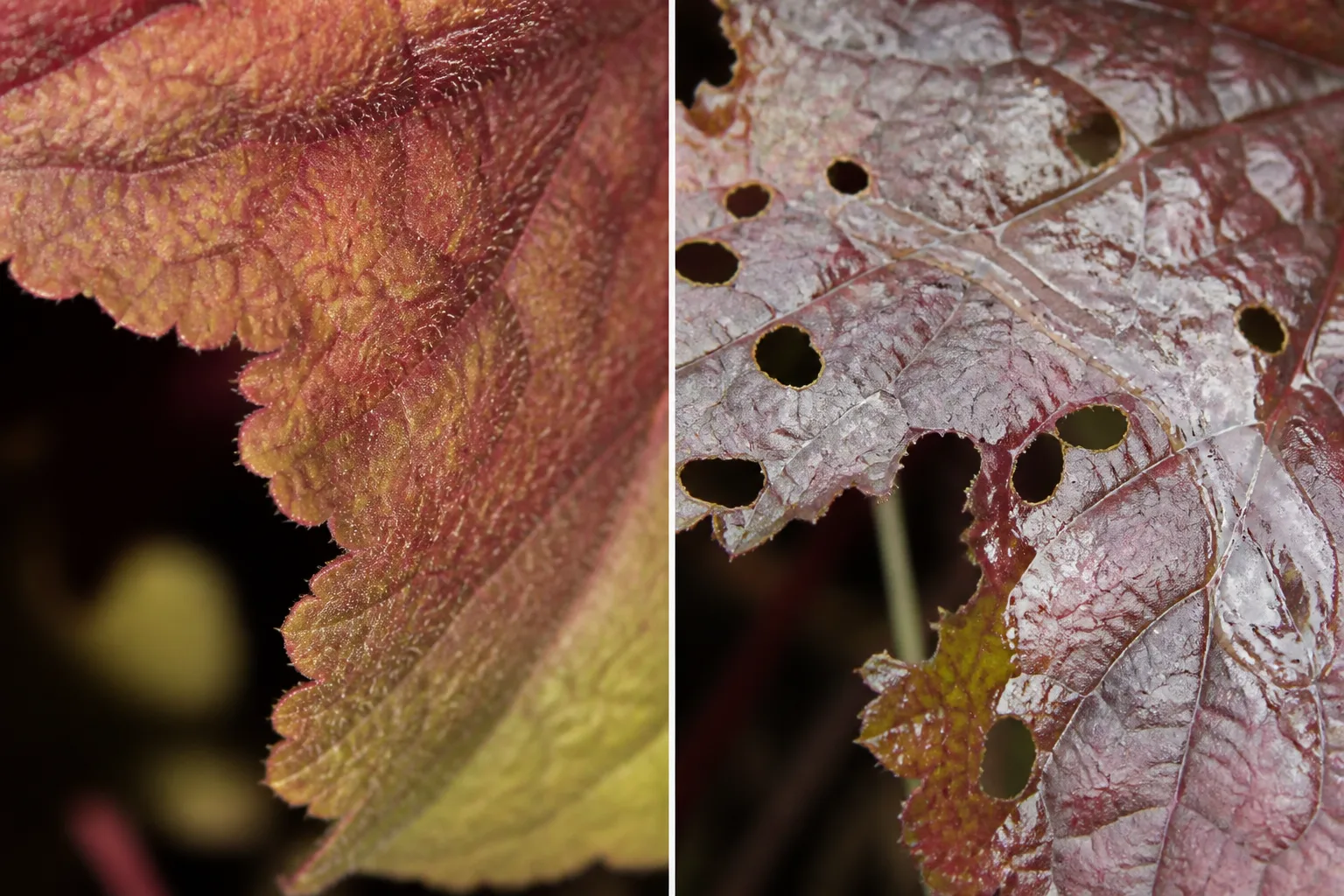
- Notched leaf margins
- Look for adult weevils after dark. Similar notches do not identify the exact species.
- Holes or a slime trail
- Look for the animal before choosing treatment. RHS does not describe slugs and snails as a usual major Heuchera problem.
- Upper-surface spots with raised pustules underneath
- Heuchera rust can produce orange-brown pustules beneath corresponding spots. Old infected tissue may fall out and leave holes.
- Wilting or sudden collapse
- Compare root-zone moisture, crown condition, and evidence of root-feeding larvae. The symptom alone cannot distinguish drought, root damage, and decay.
A light inspection of foliage is less disruptive than repeatedly pulling a clump out of the ground. If decline continues and the cause is unclear, photos of the whole plant, both leaf surfaces, and the growing site can help a local extension service decide what further examination is useful.
For confirmed rust, affected foliage should be removed and disposed of rather than composted. Spacing and watering that let leaves dry reduce favorable conditions for infection. That advice applies to diseased material, not every old leaf in a healthy winter clump.
A pesticide or biological control must fit the identified problem and its application conditions. Product directions, including animal precautions, still apply; a general claim that one type of slug bait is “pet-safe” is not enough.
Winter Leaves, Frost Heaving, and Container Exposure
Heuchera may be evergreen or semi-evergreen depending on the plant and climate. Brown winter leaves are different from a dead crown, and a green leaf is not a guarantee that the roots escaped damage.
Freeze-thaw movement can lift shallow-rooted clumps. In spring, a newly raised plant needs a check for exposed roots and its planting position restored. Adding a heap of mulch over the crown would exchange one problem for another.
Healthy old foliage can provide winter cover. Leaves with confirmed rust need different handling because infected tissue can carry the disease forward. Spring cleanup therefore depends on the condition of the leaves, not just the calendar.
Container plants need separate winter planning. A cultivar’s USDA rating describes regional cold hardiness, not a guaranteed temperature around roots in every pot. Pot size, exposure, and drainage matter, so Zone 6 alone does not promise successful overwintering.
Plants in established borders do not necessarily need routine fertilizer. Container plants can exhaust available nutrients over time. Where feeding is appropriate, the dose follows the product’s directions because formulations and concentrations differ.
Pet Safety Depends on the Plant’s Identity
Coral bells include several Heuchera species and garden hybrids. A safety answer needs the plant’s identity as well as the animal involved.
ASPCA lists Heuchera sanguinea as non-toxic to dogs, cats, and horses. That specific record does not establish the same status for every hybrid sold as coral bells, and non-toxic does not mean suitable as animal food.
The nursery label can help a veterinarian identify a plant after an ingestion. Pesticide treatments and other materials in a bed also need separate consideration.
Sources & References
Related Plants
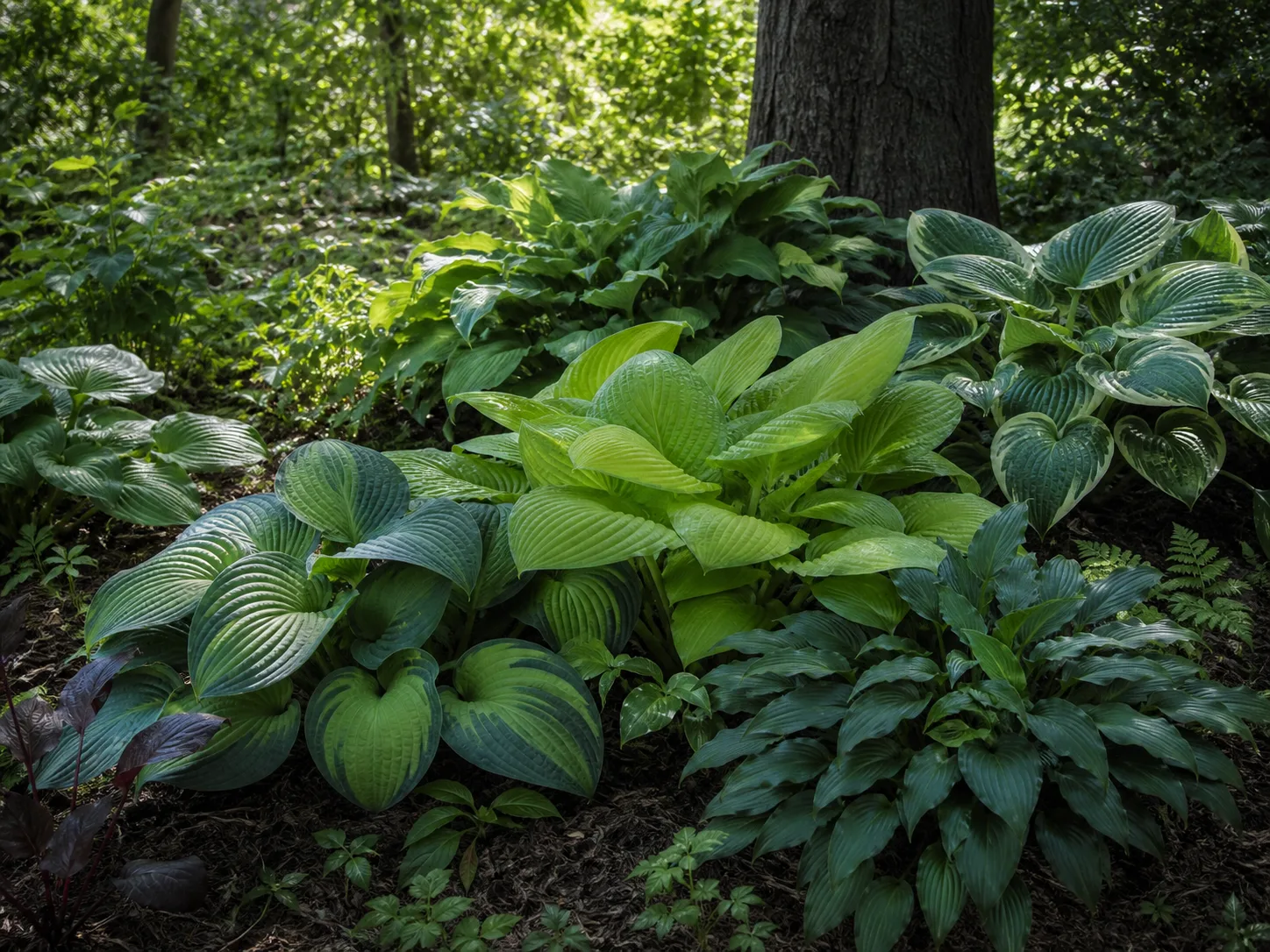
Hosta
Broad-leaved shade perennial that pairs well with coral bells in mixed beds.
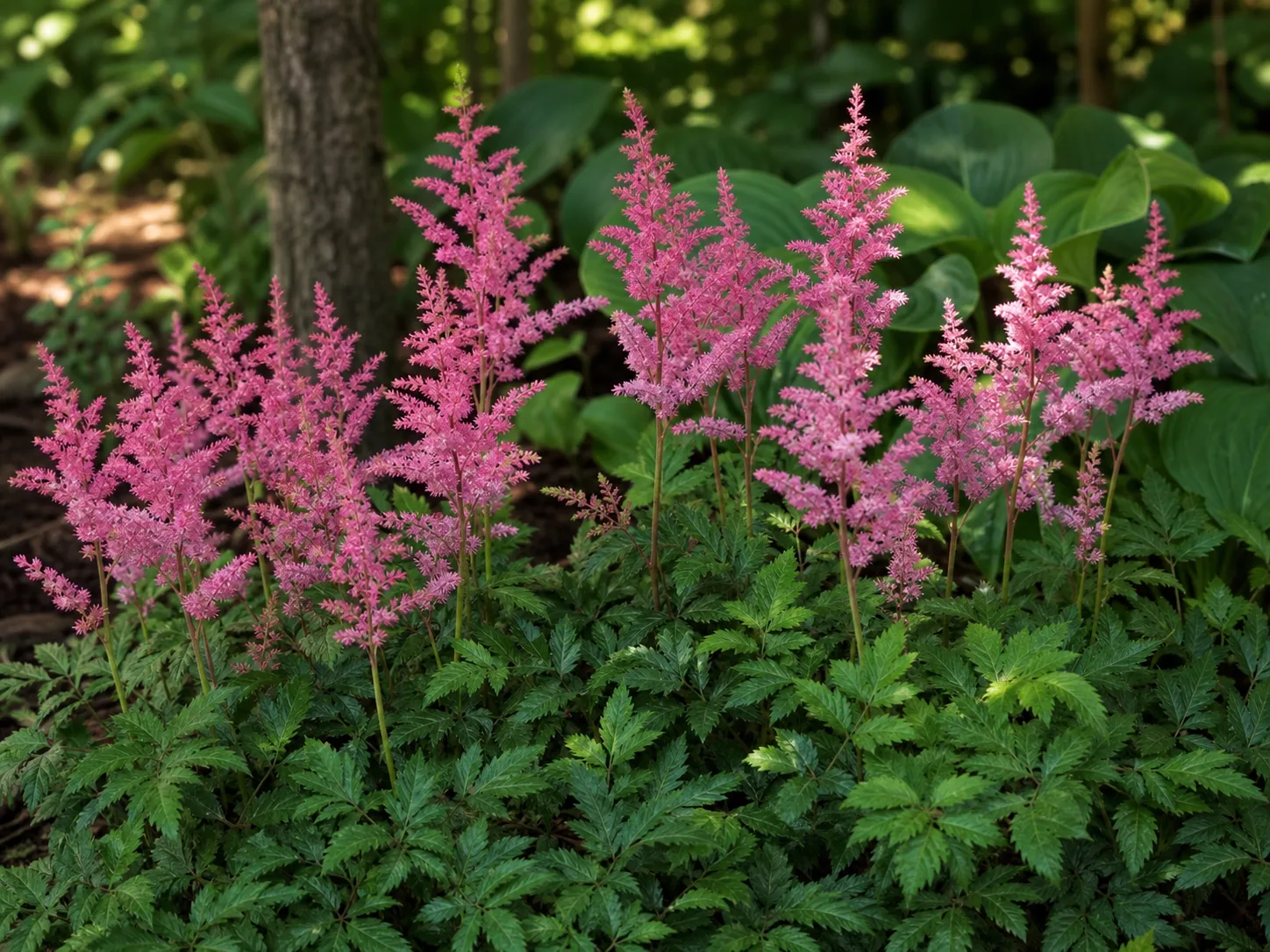
Astilbe
Shade-garden perennial with feathery flowers; compare its moisture needs with the coral bells cultivar.
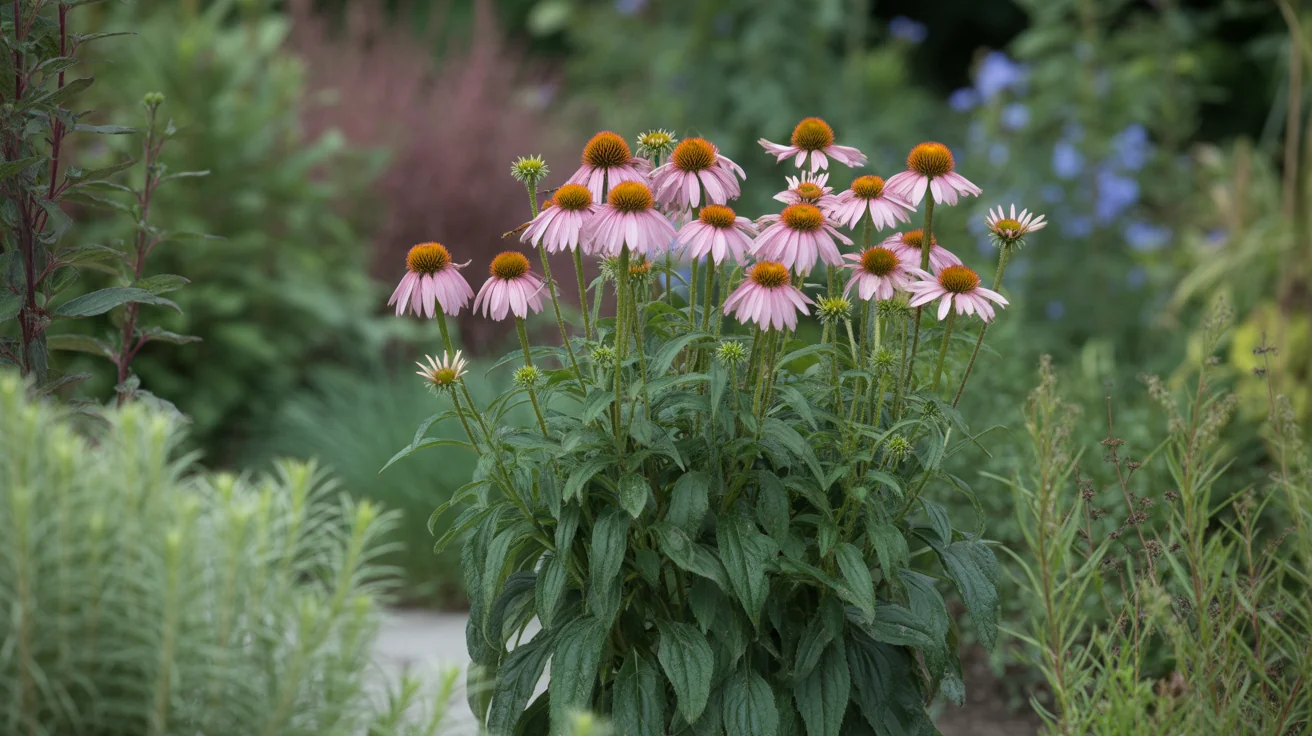
Coneflower
A sun-loving border perennial for a different exposure from many coral bells cultivars.
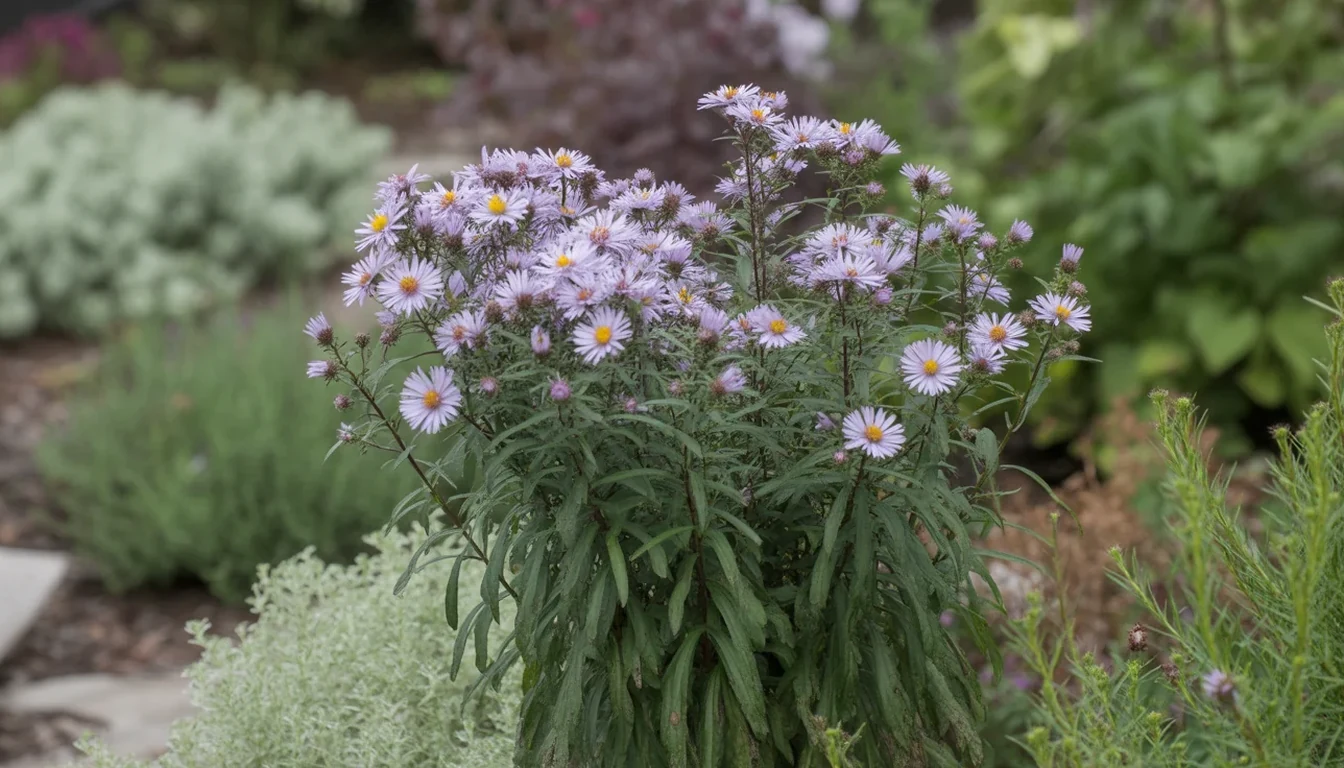
Aster
Gardeners blame the weather when an Aster splits open in September, but the shape was decided in early summer.
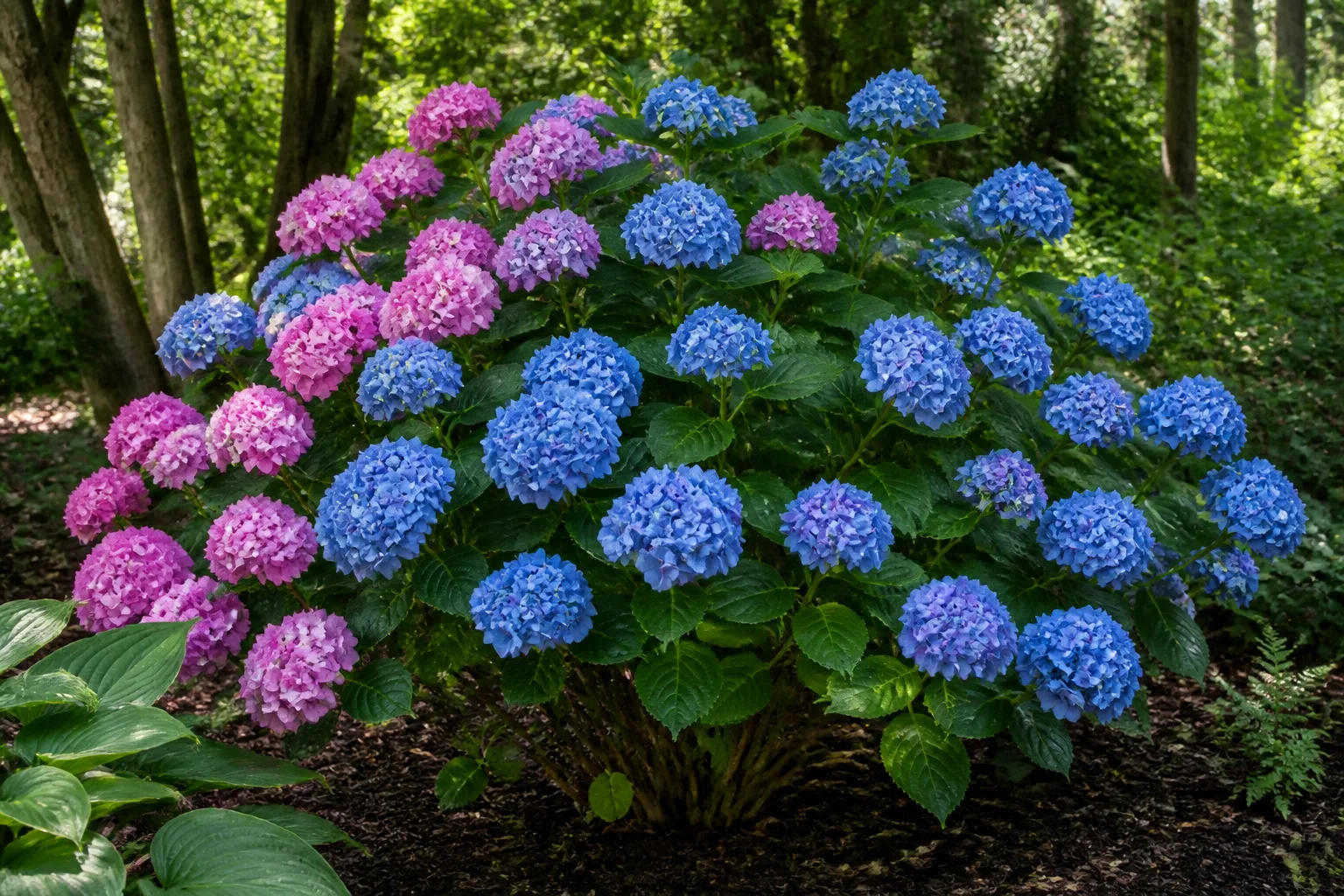
Bigleaf Hydrangea
Bigleaf hydrangea (Hydrangea macrophylla) produces mophead or lacecap flowers, but winter survival and reliable…
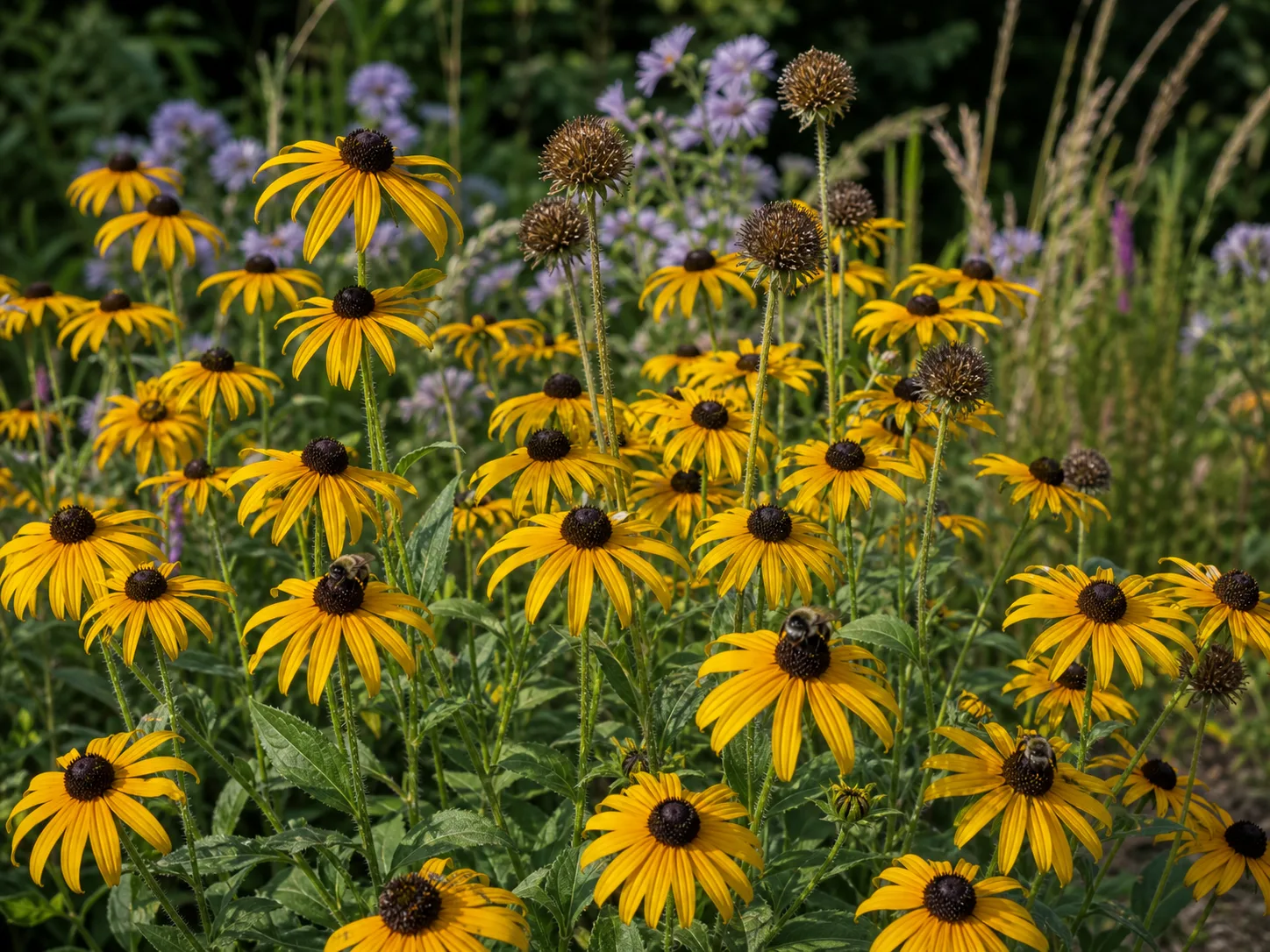
Black-Eyed Susan
A Black-Eyed Susan patch outlives the plants in it. The common garden species lives one to three years and restocks…