Care snapshot
- Light
- Full sun, light afternoon shade in heat
- Water
- Consistent, well-drained
- Height
- 1 to 5 ft by type
- Zone
- Zones 3 to 8 (wild lupine)
- Spread
- 6 in to 1 ft wide (wild lupine)
- Temperature
- Prefers cool summers
What Is a Lupine, and When Does It Bloom?
Lupines (Lupinus) belong to the bean family, and like other members of it, wild lupine fixes nitrogen, which lets it tolerate soil low in nutrients (NC State). The genus name comes from the Latin for wolf, from the mistaken belief that these plants wolfed nutrients out of the soil. The belief was backwards, because as legumes lupines enrich the soil they grow in by fixing nitrogen (SDSU).
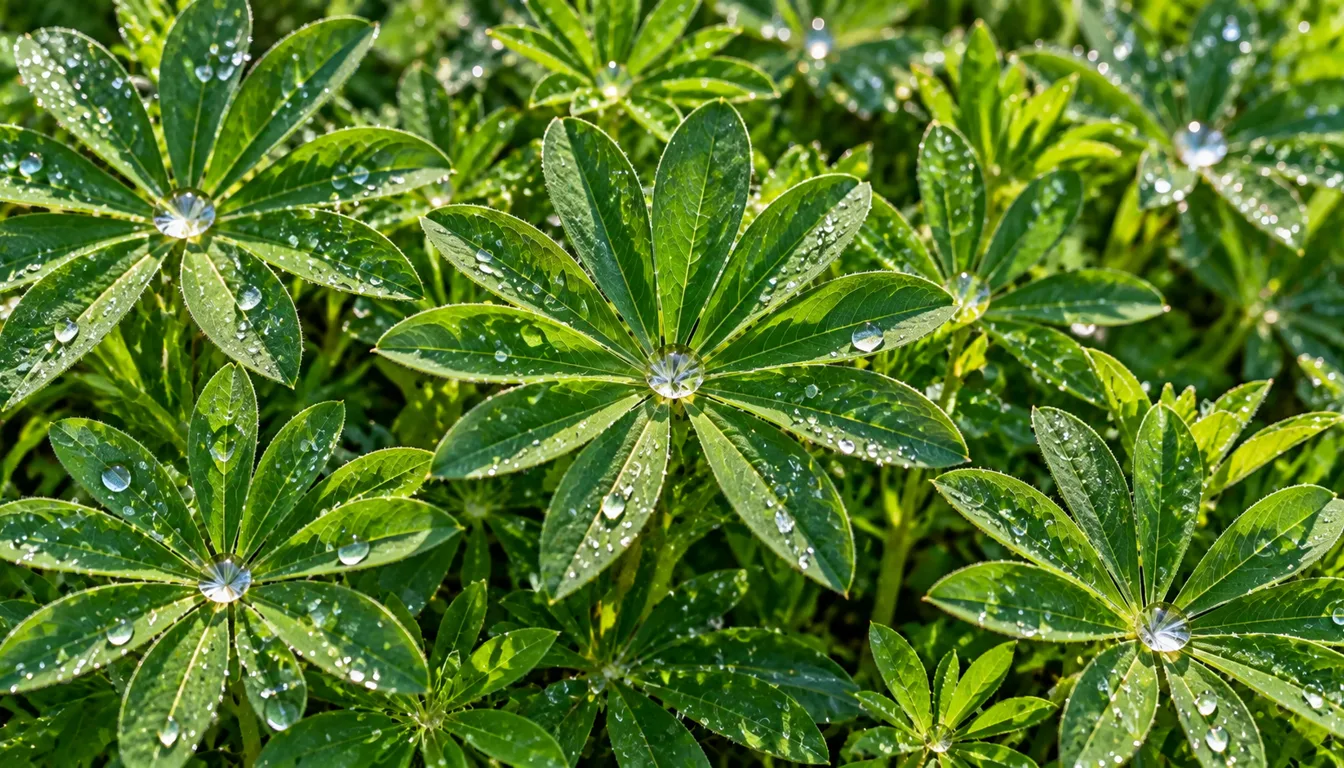
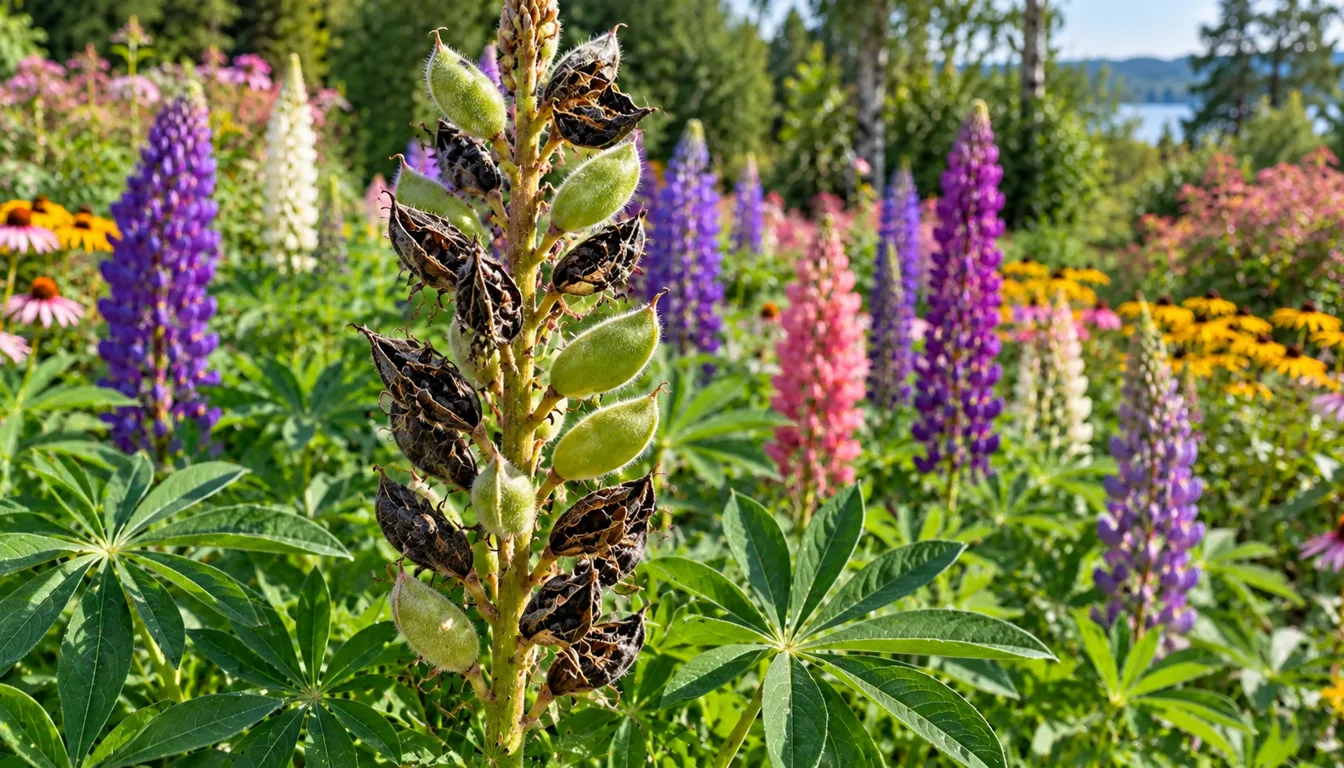
Wild lupine's palmate leaves carry 7 to 11 leaflets that radiate from a central point (NC State), while the garden lupines SDSU describes carry 9 to 16. The pea-shaped flowers sit on upright spikes that bloom from spring into early summer, and wild lupine pods that follow are 2 inches long. As pollinator plants, lupines attract bees and butterflies, according to SDSU.
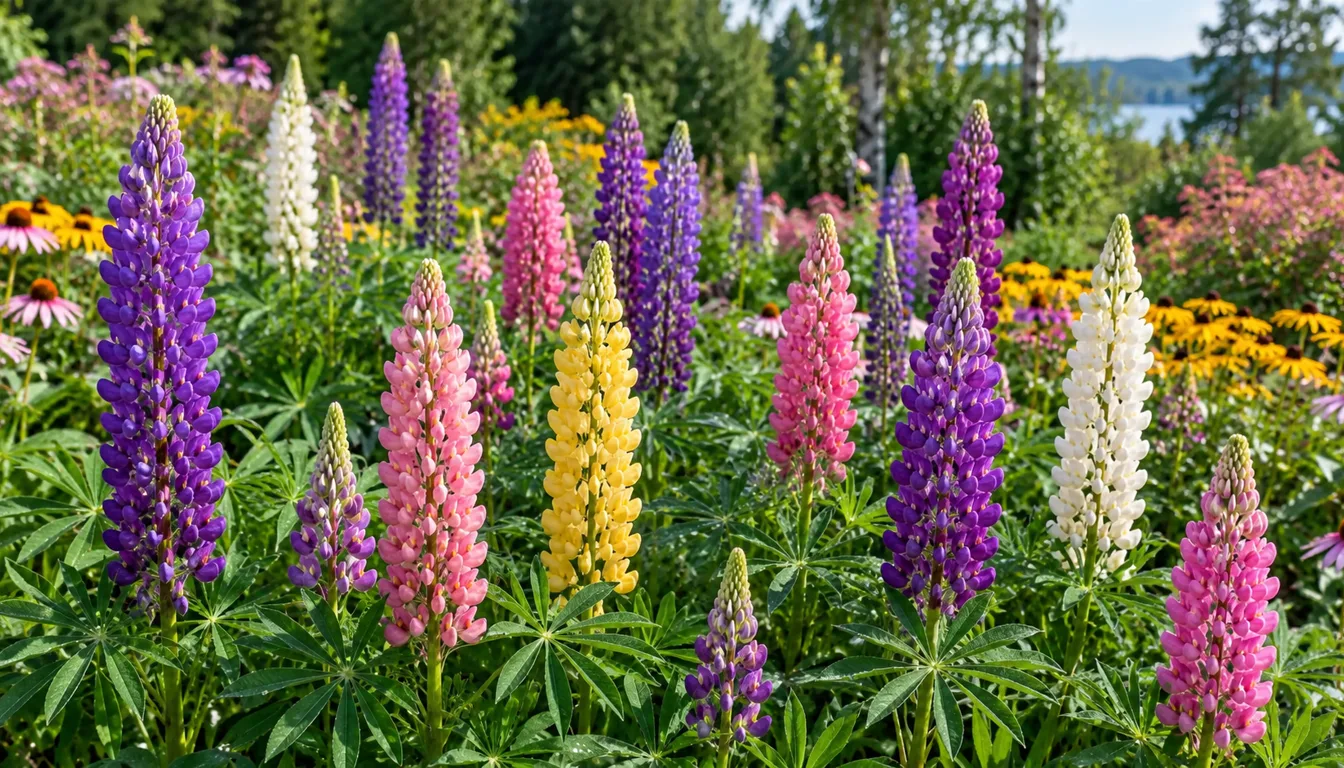
Colorado State lists the garden hybrids as blooming in May and June at 2 to 4 feet, and SDSU says the flower spikes stand 1.5 to 3 feet tall, held above the foliage, and make good cut flowers.
Which Lupine Should You Grow, Hybrid or Native?
The genus holds over 500 species, and most are native to the Western United States and require a cool climate (NC State). A popular group of garden lupines, the Russell hybrids, was developed by George Russell, a home gardener in England (SDSU), and NC State finds them best for cool mountain gardens. Your choice between a hybrid and a native depends on your summers and on whether you want a plant that wildlife depends on.
- Russell hybrids (Lupinus x regalis)
- About 30 in, in a wide variety of colors, best for cool mountain gardens (SDSU, NC State)
- Bigleaf lupine (L. polyphyllus)
- Western US native up to 5 ft, 11 to 17 leaflets, racemes 8 to 16 in, naturalized across New England (UNH)
- Minarett series
- Dwarf, to 20 in (SDSU)
- Tutti Frutti series
- Colors including white, pink, red, burgundy, lavender, blue, purple and yellow (SDSU)
- Wild or sundial lupine (L. perennis)
- Native to many eastern and central states, lavender-blue, about 2 ft, 7 to 11 leaflets, racemes 4 to 8 in (NC State, UNH)
- Texas bluebonnet
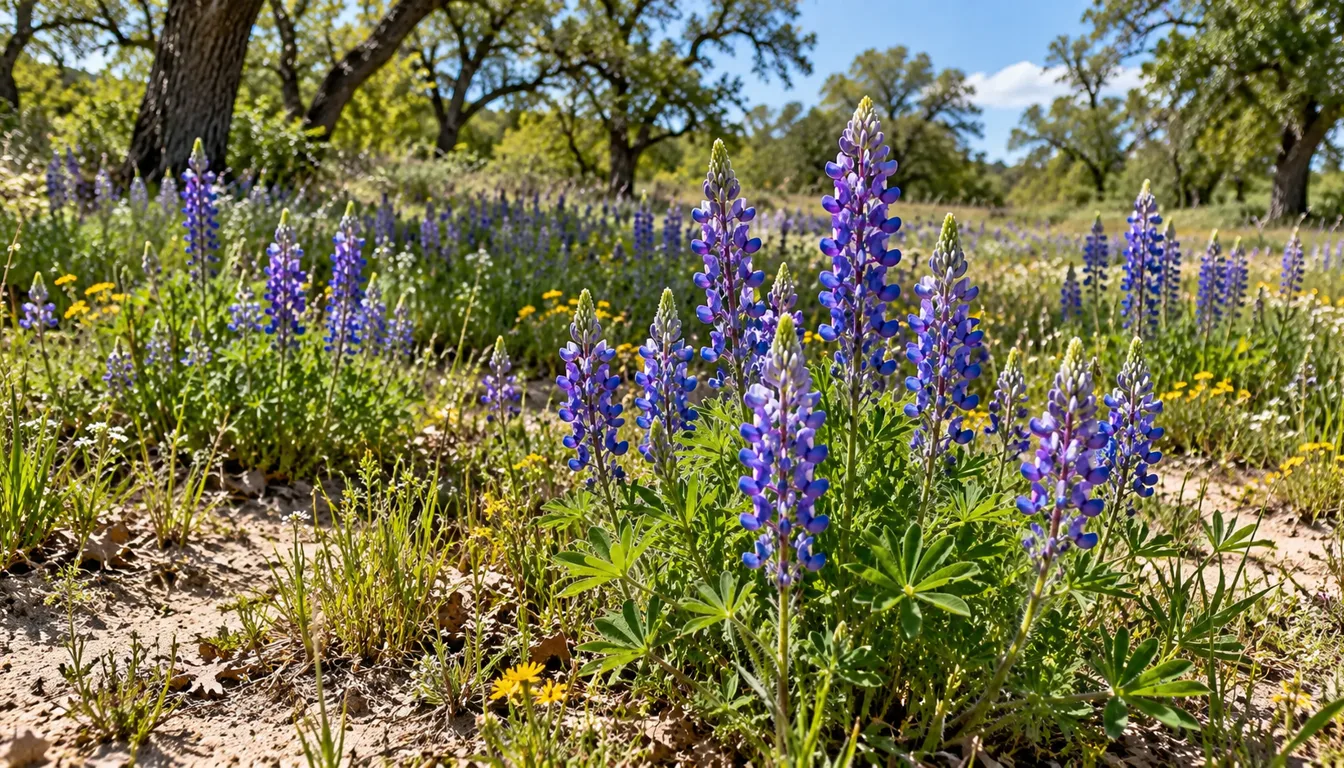
- Texas state flower, not hardy in the Northern Great Plains (SDSU)
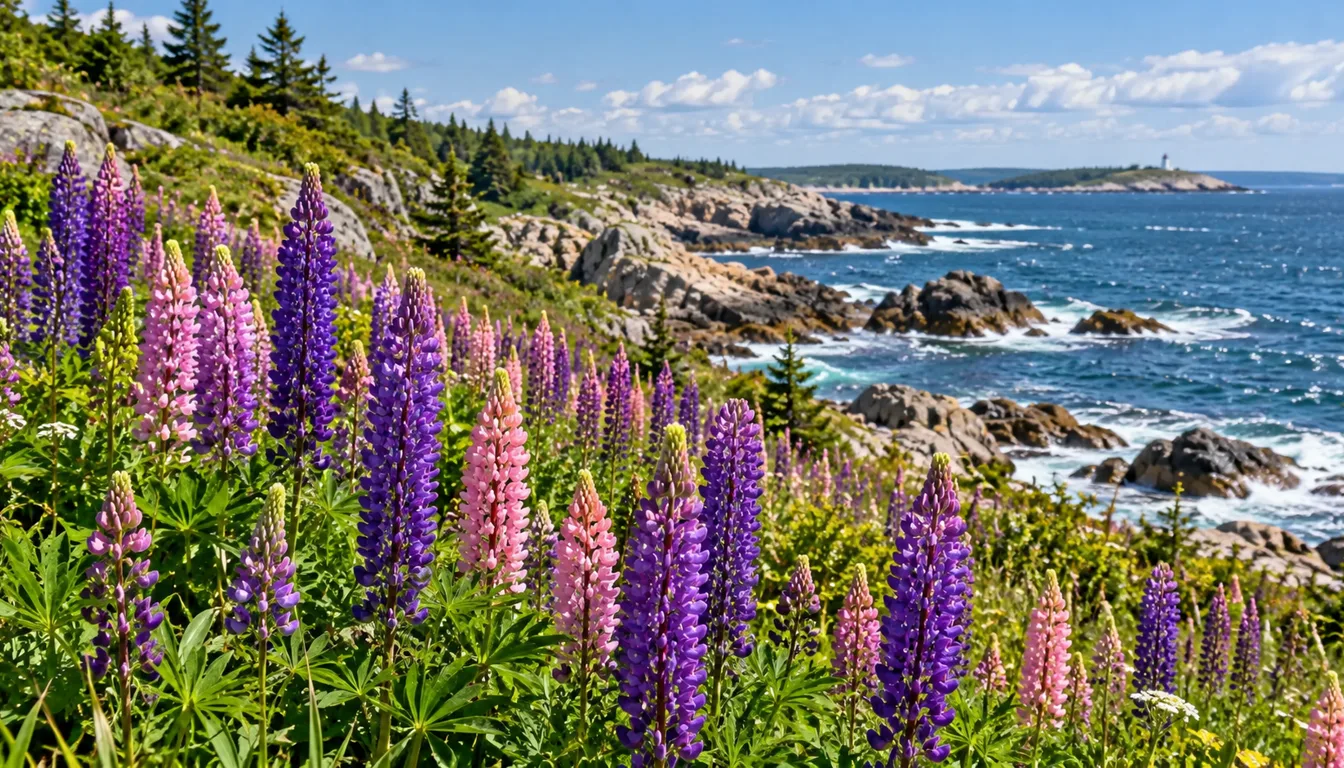
Wild lupine is a native perennial of many eastern and central states, and NC State notes that loss of habitat threatens it in some areas. UNH calls sundial lupine the sole host plant of the endangered Karner blue, New Hampshire's state butterfly.
Bigleaf lupine and the Russell hybrid were introduced to the Northeast in the early to mid-1900s for gardens and roadside stabilization (UNH). Bigleaf lupine then spread rapidly, produces seed in large amounts and has been known to displace native plants, and although it gives pollen to local pollinators, it is not a suitable larval host plant for any butterfly or moth.
What Sun, Soil, and Climate Do Lupines Need?
Lupines tend to do well in full sun, organically rich soil, and consistent watering (NC State). They appreciate some light afternoon shade in hot-summer areas, and they dislike the heat and humidity of the Deep South, where NC State says they are best grown as annuals. In warmer climates (zones 7 and 8), they also tend to be grown as annuals.
Soil advice differs by type, so match it to the lupine you buy.
- Wild lupine prefers moist to dry acidic sandy loam and adapts to other soils if they drain well (NC State).
- Sundial lupine prefers dry, sandy, infertile soil and full sun to partial shade, and it does not tolerate poor drainage (UNH).
- Garden lupines like neutral to slightly alkaline soil, cool temperatures, and moist soil (SDSU).
Mulch around the plants can help keep the roots cool (NC State), and in cold regions SDSU suggests a good winter mulch to help them survive low temperatures. At McCrory Gardens in Brookings, South Dakota, lupines bloom typically in June in a moist site that is drip-irrigated and receives snow cover during winter.
Delphinium also wants cool, moist summers, according to NC State, and in the southernmost zones it needs some protection from afternoon sun. Colorado State lists hybrid lupine blooming in May and June and delphinium in June through August, and it describes the seeds and plant of delphinium as poisonous.
How Do You Start Lupines From Seed?
Lupine has a long taproot and does not do well if moved or divided, so the University of Vermont points to growing it from seed or taking basal cuttings. A plant that resents moving suits sowing in place, and the guide to direct sowing versus transplanting weighs that choice. Wild lupine can also be propagated by root cuttings, and it spreads by short rhizomes and seeds (NC State).
Three points apply when you start lupines from seed.
- Scarify the seed, which helps improve germination of wild lupine (NC State).
- Plant seed in the fall, as NC State advises for lupines in general.
- Expect no bloom until the following season, because SDSU says lupines are easily propagated by seed but do not flower until then.
Should You Deadhead Lupines or Let Them Seed?
Deadhead spent flower spikes to encourage additional bloom (NC State). Lupines tend to be short-lived, at 2 to 5 years even in the best conditions, and wild lupine spreads by short rhizomes and seeds (NC State), so a few spikes left to set seed can give a wild planting young plants to replace the old ones.
Seed is also how bigleaf lupine spreads, since UNH says it spreads easily through prolific seed production. Where it grows near you, deadheading before the pods form keeps your plants from adding seed to that.
What Goes Wrong With Lupines, and Are They Toxic?
Wild lupine is generally problem free, though NC State lists aphids, brown-spot fungus and powdery mildew, and its page for the genus adds slugs and snails. SDSU calls powdery mildew likely the most common disease and aphids a pest, but says neither typically poses a serious threat.
If aphids come back after you treat them, read up on aphids that keep returning. A plant that dies out after a few years is normal for lupines, which tend to be short-lived (NC State).
Frequently Asked Questions
Why do my lupines die after a few years?
Lupines tend to be short-lived, at 2 to 5 years even in the best conditions (NC State). Wild lupine spreads by seeds as well as short rhizomes (NC State), so a few spikes left to set seed can supply young plants.
Should I fertilize lupines?
As legumes, lupines fix nitrogen, which SDSU says can reduce the need for synthetic fertilizer.
Can lupines grow in the South?
Lupines dislike the heat and humidity of the Deep South, where NC State says they are best grown as annuals. In zones 7 and 8, they also tend to be grown as annuals.
How do I grow lupines from seed?
Scarifying the seed improves germination of wild lupine, and NC State advises planting seed in the fall. SDSU says seedlings do not bloom until the following season.
Are lupines poisonous to dogs?
Wild lupine can be. NC State lists it as poisonous to humans and pets and as a problem for dogs, cats, and horses, and USDA ARS says the seeds have a high alkaloid content, although not all lupines are poisonous.
Which lupine is native to the eastern United States?
Wild or sundial lupine, Lupinus perennis, is native to many eastern and central states (NC State). UNH calls it the sole host plant of the endangered Karner blue butterfly.
What is the difference between wild lupine and bigleaf lupine?
According to UNH, bigleaf lupine grows up to 5 feet with 11 to 17 leaflets and 8 to 16 inch racemes, while sundial lupine typically reaches about 2 feet with 7 to 11 leaflets and 4 to 8 inch racemes. Only sundial lupine is a host plant for the Karner blue.
Is bigleaf lupine invasive?
UNH says bigleaf lupine is closely monitored by some as a potentially invasive species, because it spreads easily through prolific seed production, has been known to displace native plants, and tends to hybridize with native sundial lupine.
Sources & References
- Lupinus perennis, North Carolina Extension Gardener Plant Toolbox
- Lupine (Lupinus spp.), USDA Agricultural Research Service
- Lupinus (Lupine), North Carolina Extension Gardener Plant Toolbox
- Lupines for Northern Gardens, SDSU Extension
- Native Wild Lupine and Bigleaf Lupine, UNH Extension
- Dividing Perennials in the Fall, University of Vermont Extension
- Herbaceous Perennials, Colorado State University Extension
- Delphinium elatum, North Carolina Extension Gardener Plant Toolbox