
How to Grow Yarrow in Sunny Beds Without Encouraging Flopping
Achillea millefolium Asteraceae
Gardeners often baby perennials, but Yarrow (Achillea millefolium) thrives on a little neglect.
This hardy, ferny-leaved plant handles poor soil, summer drought, and full sun while still pumping out flat flower clusters that pollinators love. It is a reliable bloomer in Zones 3-9 and a workhorse for low-maintenance beds and borders.
Care snapshot
Flat Flower Plates on a Spreading, Ferny Crown
Perfect flower clusters on stiff stems might look high-maintenance, but Achillea millefolium is built for rough conditions. This perennial survives where fussier blooms like peony or hydrangea sulk, especially in hot, dry beds.
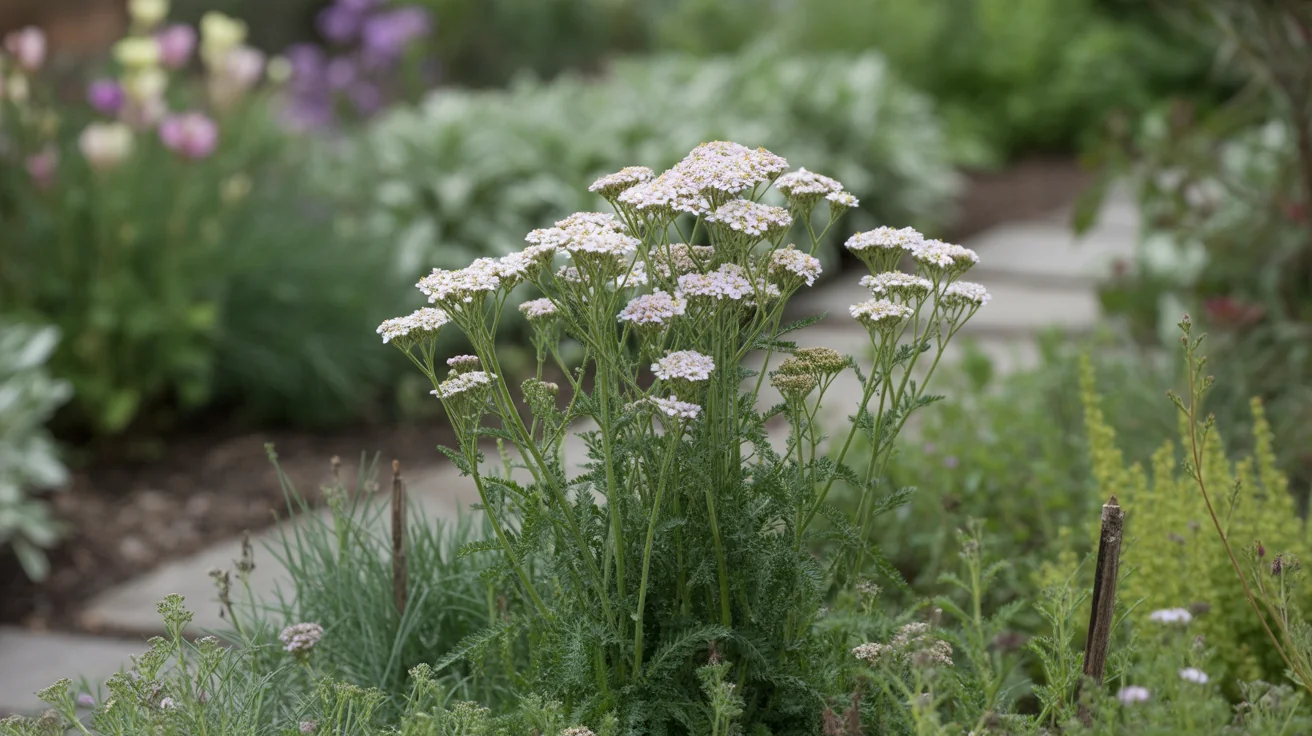
Fine, feathery foliage hugs the ground in a low mound, while flowering stems rise to 1-3 feet depending on the cultivar.
The flat-topped flower heads, called corymbs, are made of many tiny daisies packed tightly together.
Rhizomes creeping under the soil are the reason yarrow fills in bare spots so quickly. Those rhizomes form colonies over time, which is great for a meadow look but can crowd slower neighbors like coral bells if you never divide it.
Long bloom time solves a common problem with short-season perennials.
In Zone 5, expect color from early summer into August, a longer show than many traditional flowers such as iris or daffodil that fade after spring.
Choose Color Without Inviting Flop
Planting the wrong yarrow cultivar is how you end up with floppy, overgrown clumps. Modern named varieties stay shorter and hold their color better than older, tall seed-grown strains that can sprawl like unpruned daylily clumps.
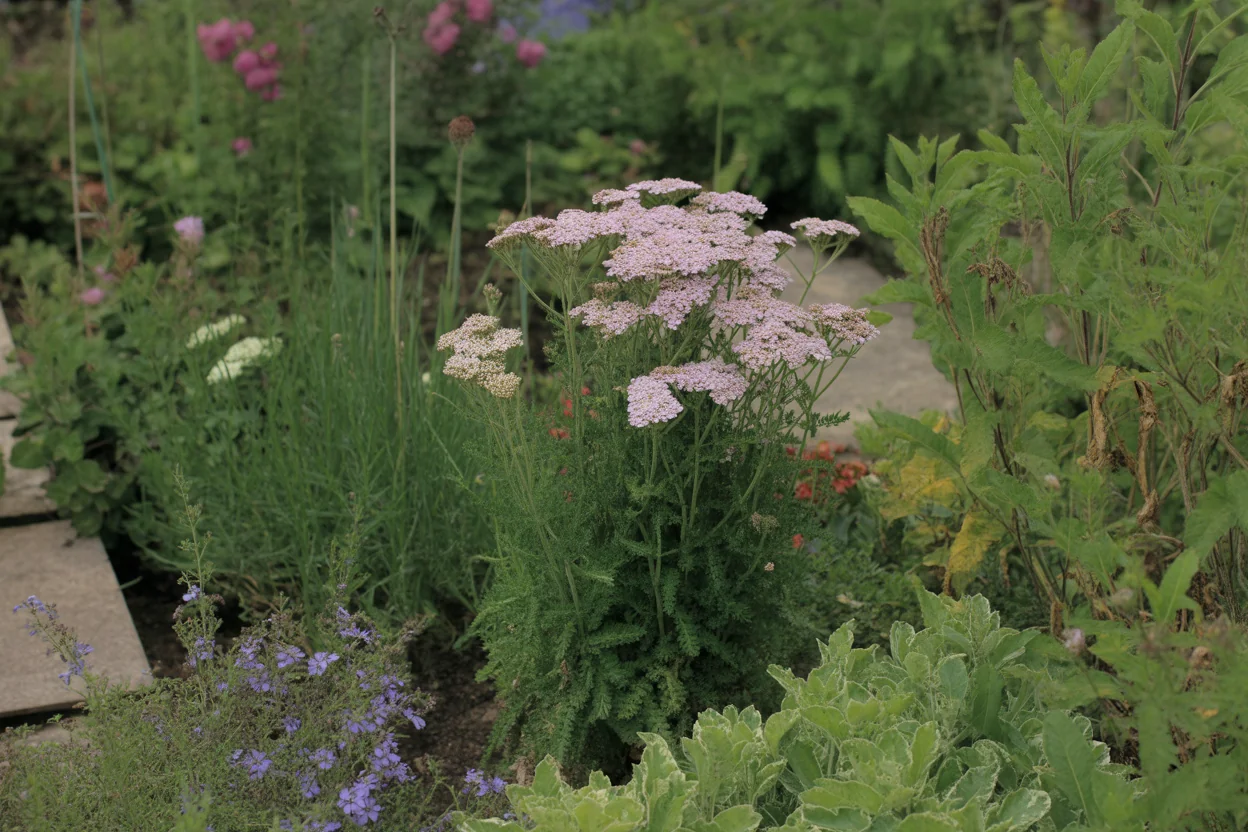
Color choice solves planning headaches in mixed borders. Soft pastels blend with salvia and catmint, while hot reds and oranges stand up next to bold plants like black-eyed-susan or coneflower in full-sun beds.
Choose the flower color after you choose plant height.
Soft pastel strains often age differently in heat, while sturdier yellow or white forms usually hold a cleaner outline in dry borders.
- Traditional white types
- Often close to species, 2-3 ft tall, white to cream flower heads, very hardy and vigorous spreaders.
- Gold and yellow series
- Strong stems, 18-30 in tall, bright golden plates of flowers that hold color well in summer sun.
- Pastel mixes
- Soft apricot, pink, and rose shades, usually 18-24 in tall, great with other cottage-style flowers.
- Compact dwarf forms
- Stay under 18 in tall, better for small urban beds or edging in front of taller perennials.
Fast-spreading, tall cultivars can overwhelm daintier neighbors, similar to how mint runs through herb beds. Stick with compact or clump-forming types near slower growers like astilbe or bleeding-heart.
Buying seed mixes is tempting but unpredictable. If you want a specific height and color, treat named cultivars like you would rose varieties and look for tags that list mature height and spread clearly.
Strong Sun Keeps Stems Short and Firm
Weak, floppy stems are almost always a light problem, not a fertilizer issue. Yarrow needs full sun for sturdy growth, especially in cooler areas like Zone 5 gardens where summers are shorter.
Too much shade pushes stems to stretch toward the light, which leaves you staking plants that should stand on their own. Aim for at least 6 hours of direct sun, with morning and midday sun doing the most good.
Afternoon shade can help in hot Zone 8-9 sites where reflective heat bakes beds, especially near hard surfaces. In those hot spots, yarrow still blooms well with sun from roughly 8 a.m. to 1 p.m.
Crowded plantings can shade the lower foliage just like overgrown shrubs do to underplantings. Give each clump enough space so the leaves see light, or you will get brown, bare stems at the base by midsummer.
If stems are tall, soft, and opening in the middle, the fix is usually more sun or leaner soil, not a tomato cage. Yarrow should stand as a firm clump beside other dry-site plants like Russian Sage.
Water Establishment, Then Let It Work
Overwatering is the fastest way to turn a tough yarrow into a sick, floppy mess. This plant hates constant moisture far more than it dislikes brief dry spells, which is the opposite of thirsty hydrangea or hosta.
In the first season, regular deep watering helps roots reach down. Water when the top 2 inches of soil are dry, then soak the bed so moisture reaches 6-8 inches deep, similar to deep watering guides for shrubs and trees.
Once established, yarrow should behave like other drought tolerant plants. In normal weather, that means little or no irrigation beyond rain in many Zone 5-7 gardens, except during long heat waves.
Frequent, shallow watering mimics the conditions that cause fungal spots and weak growth in other perennials. If you are used to watering like a vegetable bed, scale way back for yarrow and follow deep watering habits instead.
- Check soil with your finger to 2 inches before watering, not on a calendar.
- Water at the base early in the day so foliage dries quickly.
- Skip irrigation if you had 1 inch of rain that week.
- Reduce watering sharply once plants are in their second year.
Lean Ground Keeps Yarrow Civil
Rich, heavily amended soil sounds helpful, but yarrow often responds with floppy stems and aggressive spread. This plant evolved in lean, well-drained ground, not in the same rich mix you might give tomato or basil.
Poor drainage is the real enemy, especially in clay. In heavy soils, roots can rot over wet winters in Zone 3-5, even if plants seemed fine all summer, much like overwatered succulents or sedum.
Aim for a soil mix that is moderately fertile with plenty of mineral content.
In beds, we like roughly 60% native soil, 20% coarse sand, and 20% compost so water drains but the soil still holds structure.
Over-fertilizing yarrow is a common mistake. Treat it opposite to a vegetable garden, where regular feeding is normal, and instead skip high-nitrogen products that push rank foliage at the expense of sturdy flower stems.
A gravelly edge, slope, or unirrigated strip can be a better home than the richest part of the border. In fertile beds, use division and deadheading to keep the patch from spreading faster than you want.
Divide the Patch Before It Becomes a Mat
Crowded clumps, not single stems, give you the best starts for new yarrow plants. Division keeps established patches blooming hard and also stops them from getting weak and floppy in the center.
Random spring digging is how many of us end up with stressed divisions that sulk for a year.
Timing it just as new growth reaches 2-4 inches tall lets roots reestablish before summer heat in Zone 3-9.
Keeping divisions in soggy soil is the other fast way to lose them. A lean, gritty bed works better, the same kind of free-draining ground that suits catmint and Russian sage in the perennial border.
If you want a big patch fast, seed does that job cheaper than buying pots. Just remember that many seed-grown plants do not stay true to color like named varieties of Hydrangea or coneflower forms from a nursery.
- Water the clump well the day before you divide so the root mass is easier to slice cleanly.
- Slice straight down with a spade, lifting wedges with several shoots and a solid chunk of roots.
- Replant divisions at the same depth into loosened soil, spacing them 12-18 inches apart.
- Water to settle soil, then leave the top inch to dry between drinks to prevent rot.
- Cut back top growth by one-third to reduce stress while roots reestablish.
Division is the faster path when you want blooming-size plants, while cuttings are slower but useful when you only need a few extras.
- Take 3-4 inch non-flowering tips, cutting just below a leaf node early in the day.
- Strip lower leaves, then dip the cut end in a light rooting hormone to speed callusing.
- Stick cuttings into a 50/50 mix of perlite and potting soil and firm gently.
- Keep the tray in bright shade with lightly moist mix, not wet, for 2-3 weeks.
- Transplant to the garden once you see new growth and roots hold the plug together.
Whichever method you use, match the timing to your climate so new roots settle before heat or freeze stress arrives.
Tough Plants Still Need Airflow Checks
Tough foliage does not keep every sap-sucker away from Achillea millefolium.
Aphids, spittlebugs, and an occasional outbreak of powdery mildew show up most where airflow is poor or watering is heavy.
Blanket spraying is how many gardens lose their helpful insects along with a few aphids. Targeted treatments, plus planting pollinator magnets like verbena clumps nearby, keep beneficials around to do most of the work.
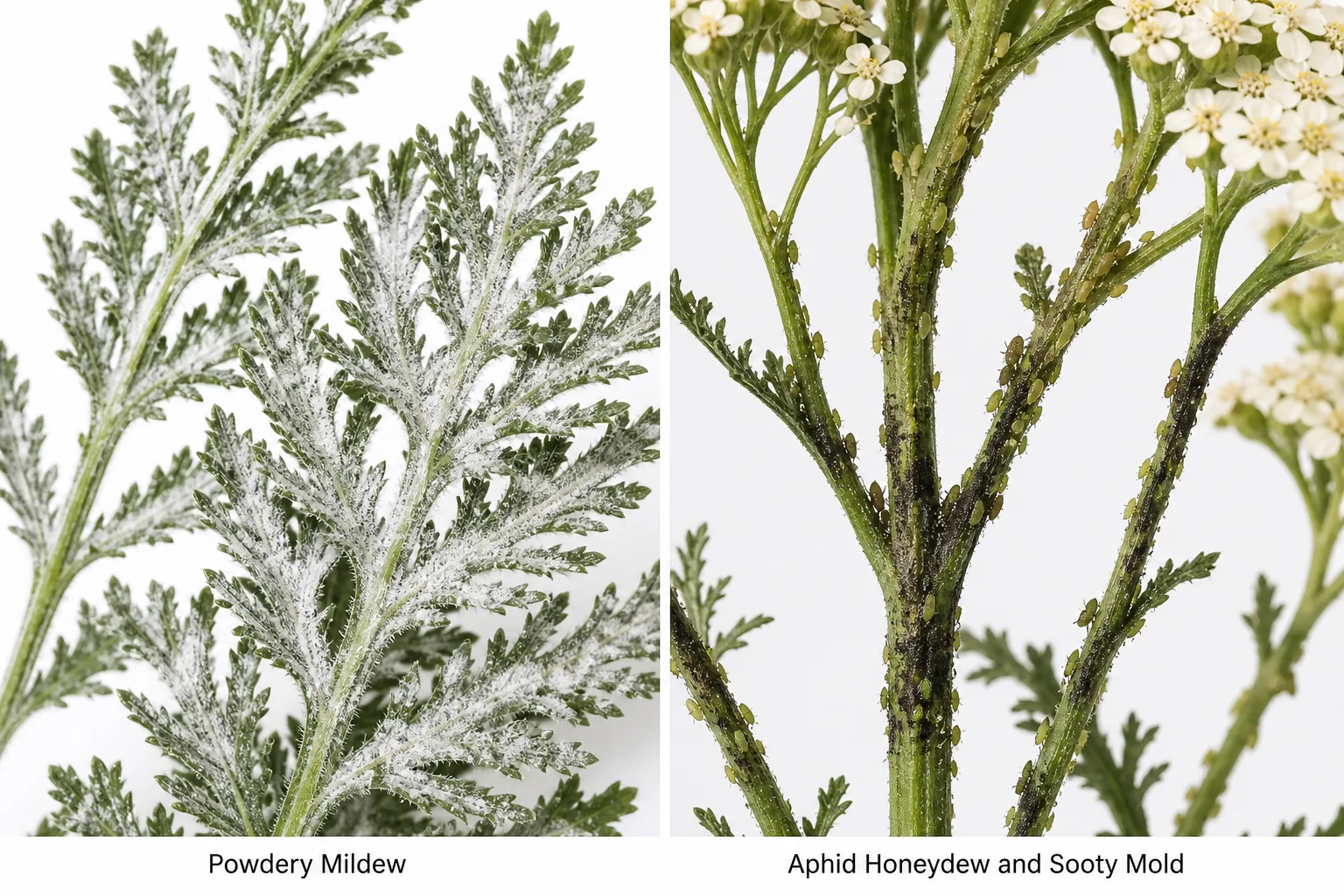
Clusters on new stems cause curling and sticky honeydew. Blast them off with a firm hose spray, then follow with insecticidal soap on repeat outbreaks.
Foamy blobs on stems hide small, soft insects. Wipe off the foam, squash the bugs, and avoid overhead watering that helps them spread.
Chewed flower clusters can appear where beetles are common. Hand-pick into soapy water early in the morning before they fly.
White film on leaves shows up in humid summers. Thin crowded clumps and water at the base so foliage dries quickly.
Drenching yarrow beds from above keeps leaves wet just like on phlox, which invites mildew. A slow soak at soil level works better, the same deep-watering approach we use for deep-rooted perennials.
Reaching for harsh insecticides every time you see damage often backfires. Many yarrow gardens stay healthier if we start with basic sanitation, hand removal, and low-toxicity pest control before stronger products.
Cut, Divide, or Leave Seed Heads by Goal
Spring cleanup, not heavy spring feeding, gets yarrow off to the best start. Old stems left from winter protect crowns, but you want them gone once new shoots appear to keep disease pressure low.
Treating yarrow like heavy-feeding rose bushes often means weak, floppy stems. A lean soil and modest water schedule match how it performs in wild meadows rather than in rich vegetable beds filled with hungry crops.
Cut back last year’s stalks to just above new growth once soil thaws. Scratch in a light layer of compost if soil is extremely poor, but skip high-nitrogen fertilizers.
Deadhead spent flower heads to keep colors coming and prevent self-seeding. In drought, give a deep soak every 10-14 days, especially for first-year plants.
Decide if you want winter interest. Either leave some seed heads for birds and structure or cut stems down to 4-6 inches for a tidier look.
In cold areas like Zone 3-4, a light mulch of 2 inches of leaves helps crown survival. Do not bury crowns deeply, which can trap rot.
Watering all summer at the same rate you use for hosta beds usually keeps soil too wet. Once plants are established, we treat yarrow more like other dry-loving perennials, watering only when the top few inches of soil are dry.
Shearing midseason, instead of only deadheading individual stems, can reset a tired clump. Cutting the whole plant back by about one-half right after the first main flush often brings a second, shorter bloom in late summer.
Spreading Habit, Bitter Foliage, and Pollinators
Aromatic foliage keeps deer and rabbits off yarrow, but it does not make the plant pet food. The bitter compounds that discourage browsing can upset stomachs if dogs or cats chew large amounts.
Treating yarrow as harmless as spider plant is not right. ASPCA lists woody rosemary as non-toxic, but it lists yarrow as toxic to dogs, cats, and horses, with vomiting, diarrhea, drooling, and skin irritation among the signs, so keep nibbling pets away from it, and if one eats it, contact a veterinarian or ASPCA Animal Poison Control.
Ignoring how easily it spreads is how small clumps creep into paths and lawns.
The rhizomes move outward each year, similar to mint, so edging or containment is smart in tight beds.
Ripping out every wildflower to keep things orderly can cost you pollinators. Yarrow's flat flower clusters feed bees and butterflies, playing the same support role as other top pollinator plants in summer.
Leave a few seed heads only where volunteer seedlings are welcome. In a tight designed bed, cutting spent heads keeps the plant useful without turning every open gap into another yarrow patch.
Frequently Asked Questions
Is yarrow invasive in home gardens?
Common yarrow spreads by rhizomes and can become aggressive in rich or irrigated beds, though regular division every 3-4 years keeps it in bounds in average soil. Use edging or plant in contained areas if you are worried about spread.
Will yarrow bloom in partial shade?
Yarrow can survive in light shade but blooms less and flops more. For strong stems and plenty of flowers, give it 6+ hours of direct sun, and in hotter zones, morning sun with light afternoon shade works better than full shade.
Do I need to deadhead yarrow to keep it blooming?
You do not have to, but cutting off spent flower heads encourages more blooms. Shearing back the top one-third of the plant after the first big flush tidies the clump and often triggers another round of flowers later in summer.
Can yarrow grow in partial shade?
Yarrow will survive in partial shade, but flowering drops and stems tend to flop. For the best color and sturdy growth, give it at least 6 hours of direct sun, similar to what coneflower or black-eyed Susan prefer.
How often should I divide yarrow clumps?
Divide every 3-4 years to keep the center from dying out and to control spread. Early spring or early fall works best, depending on your zone, and divisions usually reestablish quickly with minimal extra watering.
Is yarrow good for pollinators and beneficial insects?
Yes, the flat flower clusters are excellent landing pads for bees, butterflies, and tiny predatory wasps. Plant it with other long-blooming perennials to create a strong pollinator patch from early summer into fall.
Sources & References
- Achillea millefolium (Common Yarrow), North Carolina Extension Gardener Plant Toolbox
- Toxic and Non-toxic Plants: Yarrow | ASPCA
- Achillea millefolium, Missouri Botanical Garden Plant Finder
- Yarrow, University of Wisconsin-Madison Horticulture
- Yarrow for the Perennial Garden, Penn State Extension
- Achillea millefolium, Royal Horticultural Society
- Achillea millefolium, USDA NRCS Plant Fact Sheet
Related Plants
Coneflower
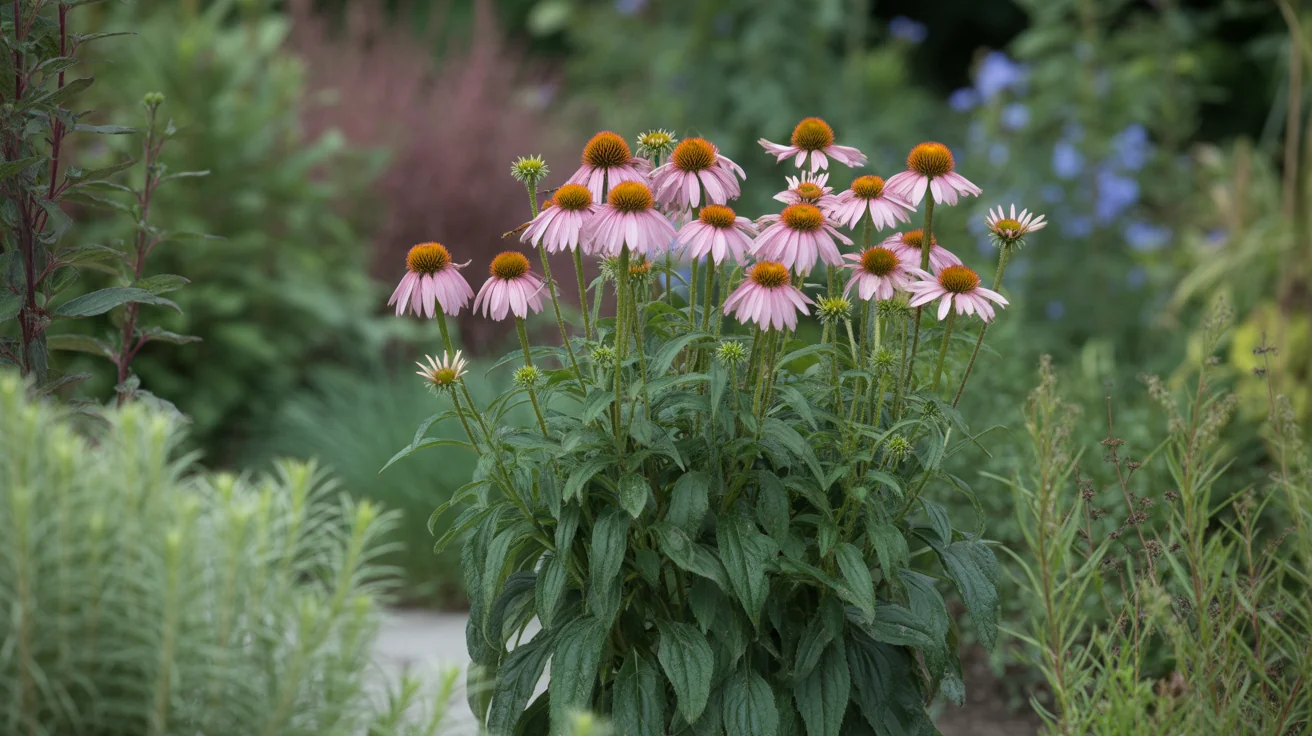
Another drought-tolerant, pollinator-friendly perennial that pairs well with yarrow in sunny beds.
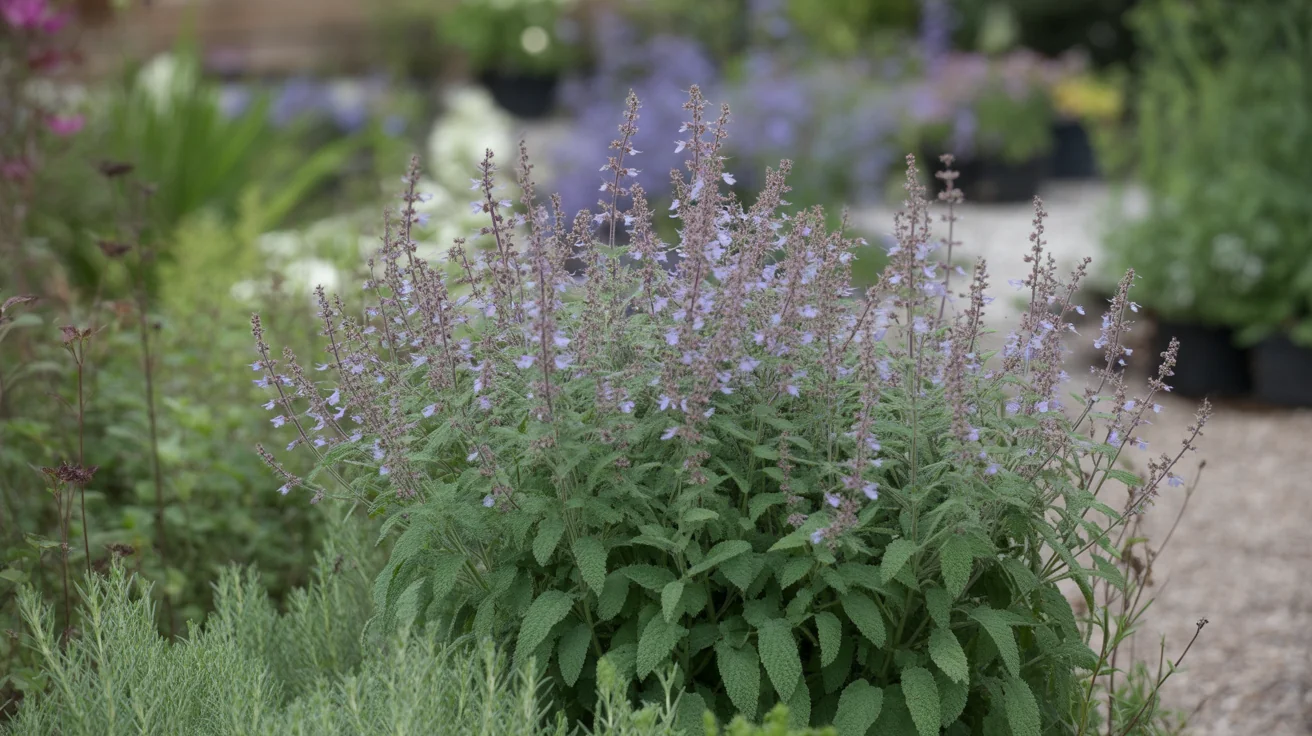
Russian Sage
Tall, airy blue flowers and silver foliage that echo yarrow's toughness in dry soils.

Black-Eyed Susan
Bright yellow daisies that bloom alongside yarrow and give the same prairie-style look.
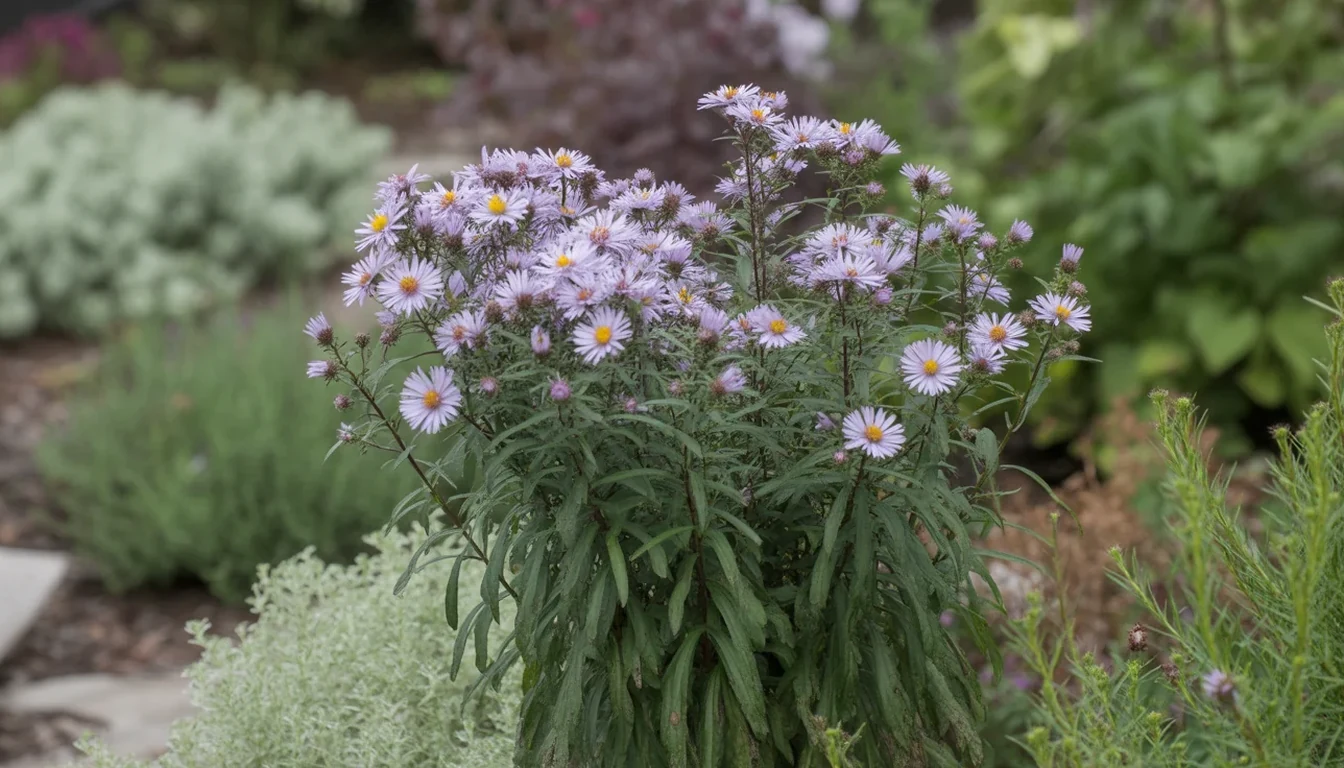
Aster
Gardeners blame the weather when an Aster splits open in September, but the shape was decided in early summer.
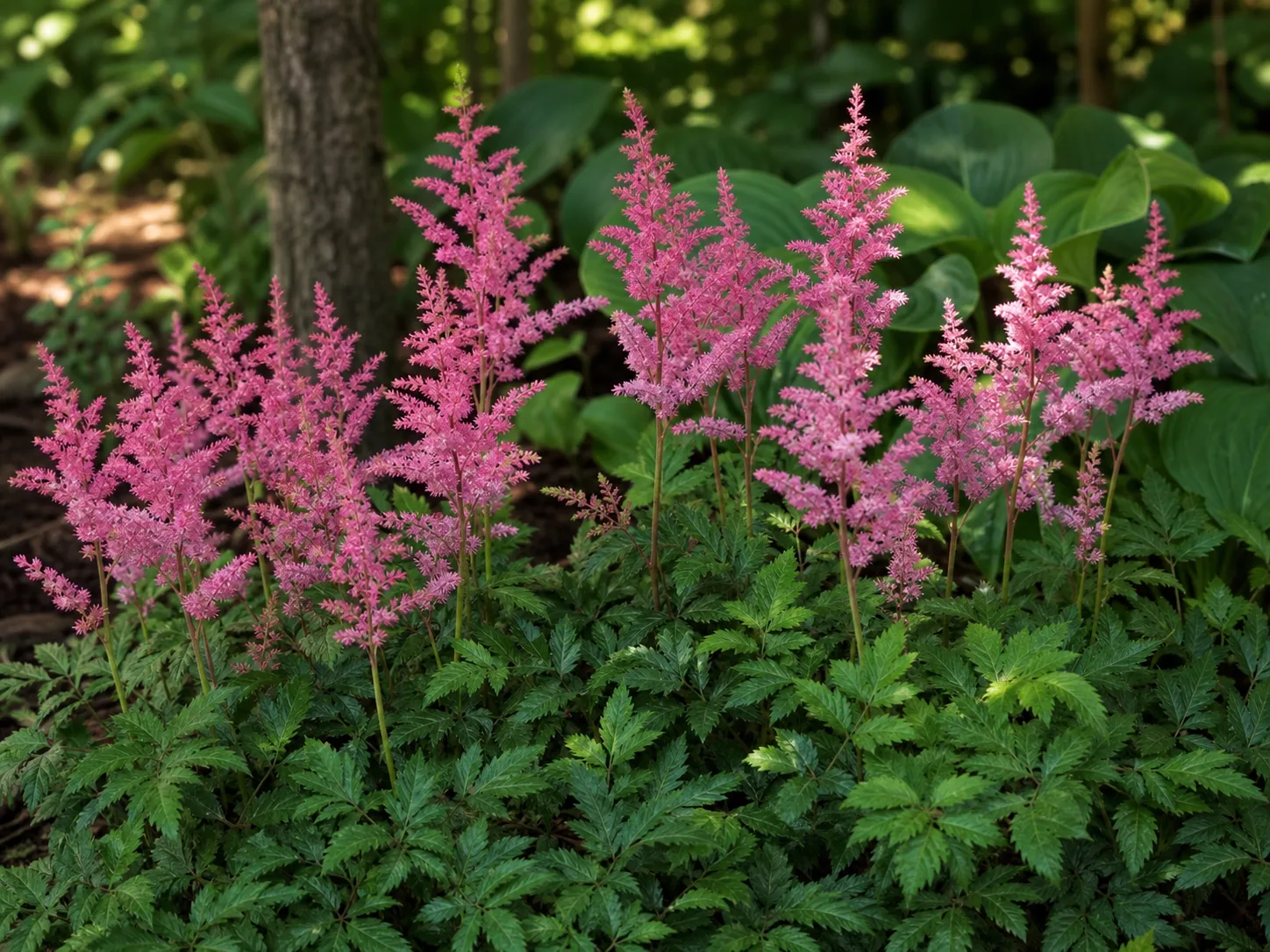
Astilbe
An Astilbe puts real color into a shade bed that would otherwise be green on green, but its shallow roots hold no…
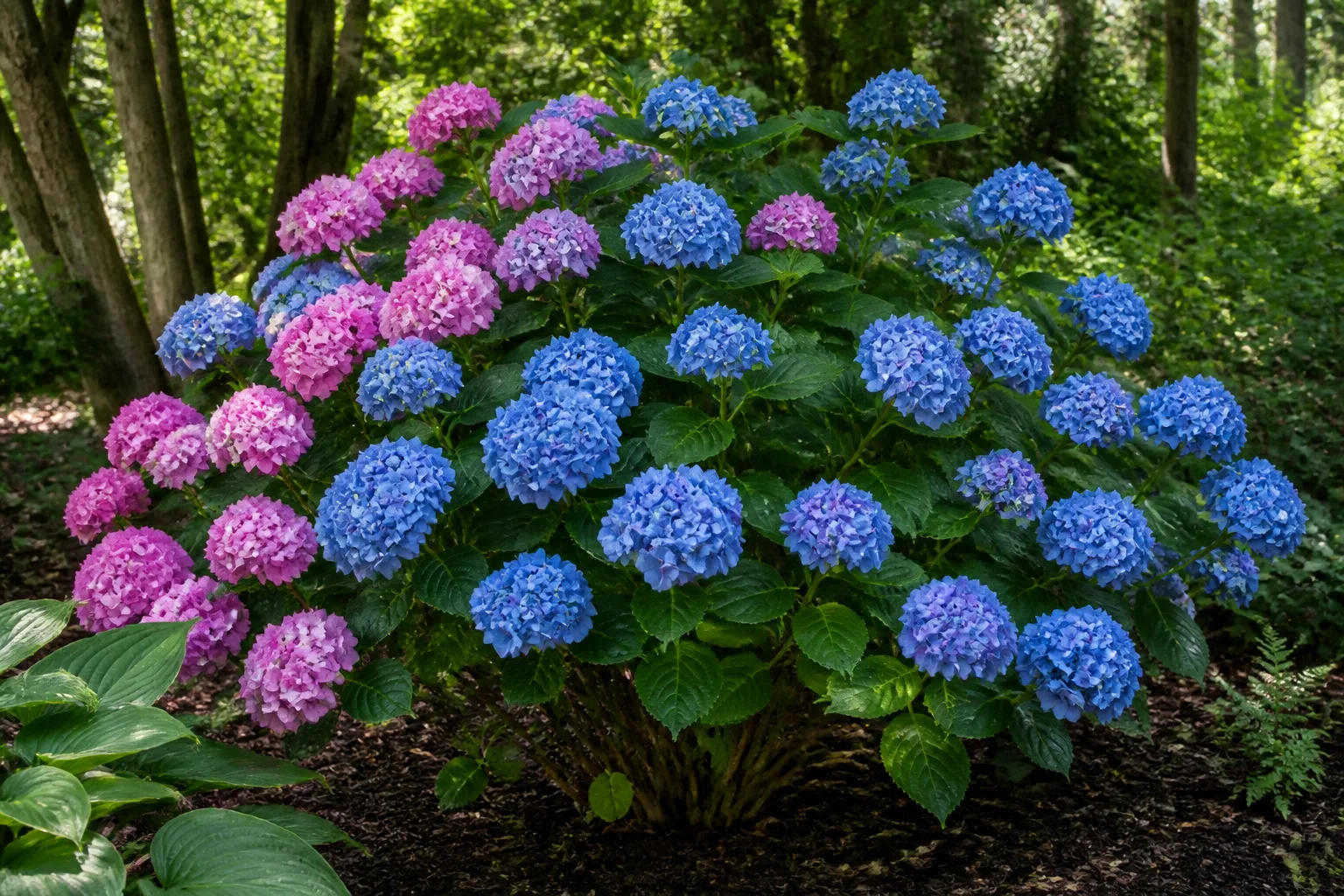
Bigleaf Hydrangea
Bigleaf hydrangea (Hydrangea macrophylla) produces mophead or lacecap flowers, but winter survival and reliable…