Care snapshot
- Light
- Part shade, sun with moisture
- Water
- Evenly moist, well-drained
- Height
- 6 in to 3 ft by type
- Zone
- Zones 3 to 8 (eastern red)
- Spread
- 1 to 1.5 ft wide (eastern red)
- Temperature
- Cool growing conditions
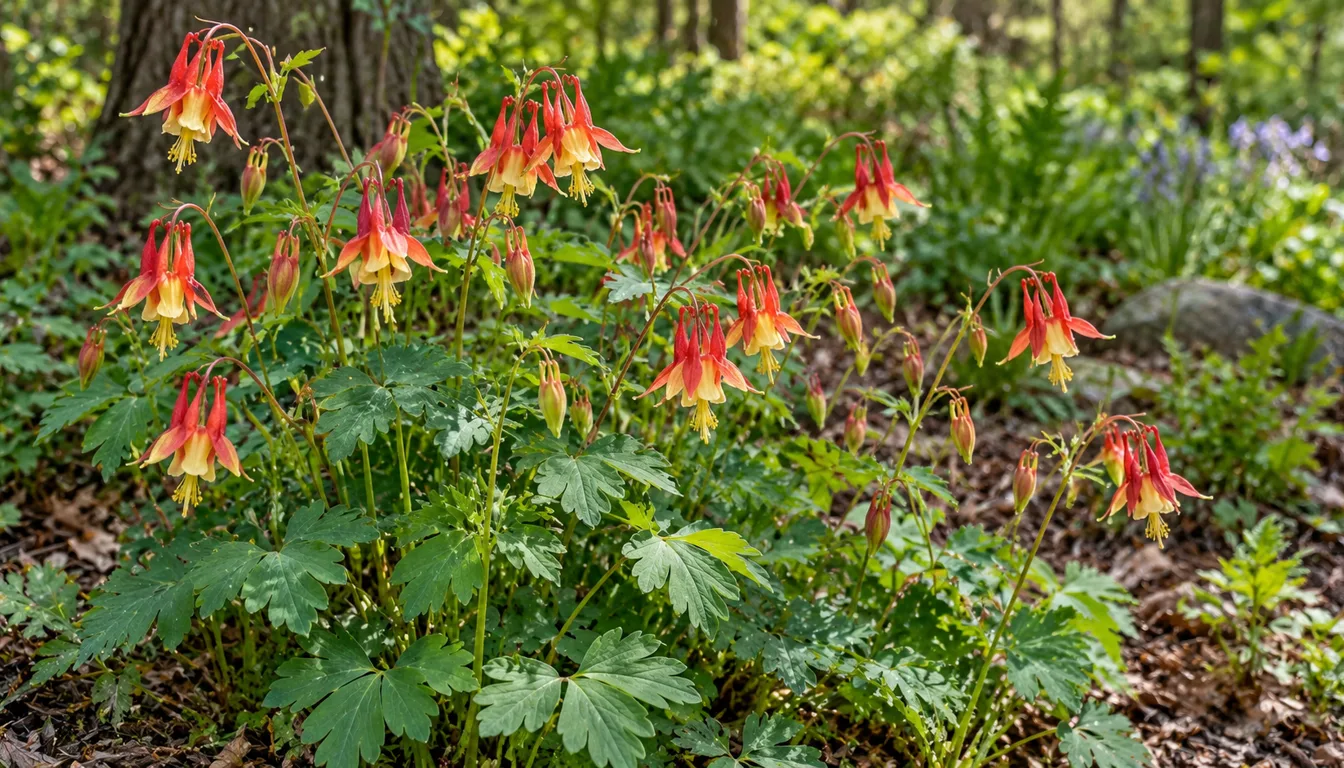
The spurred, nodding or upright flowers sit above lobed blue-green leaves, and eastern red columbine feeds returning hummingbirds.
What Does a Columbine Look Like, and Who Visits It?
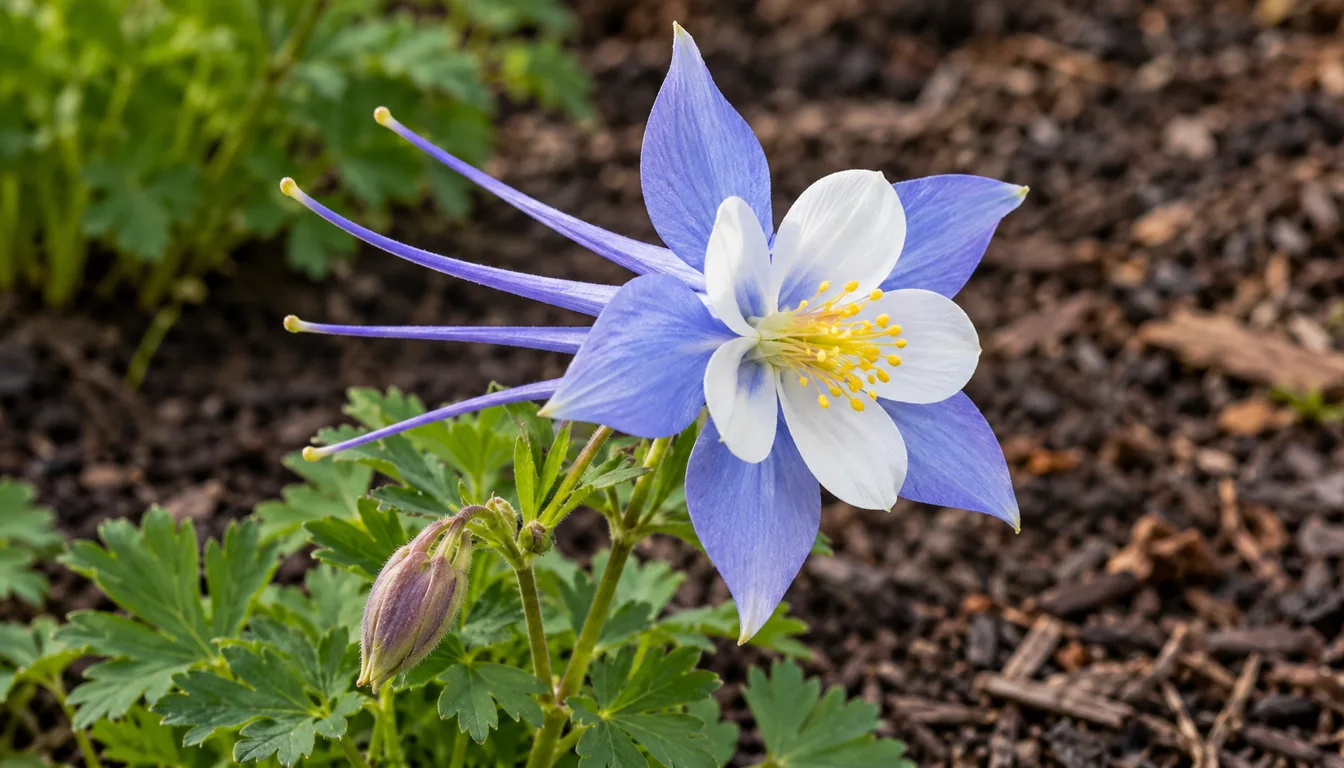
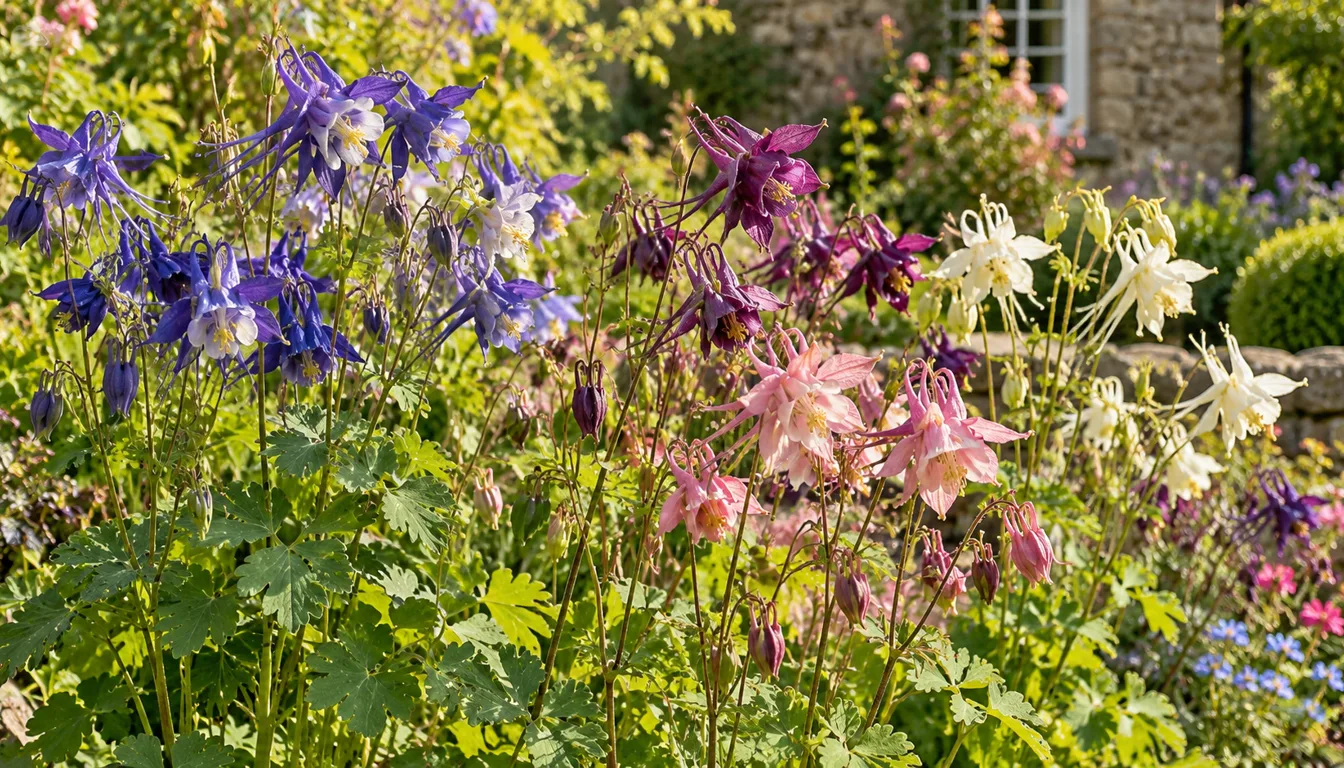
The genus Aquilegia holds around 65 species, and its name comes from the Latin word for eagle, because the long spur on the back of each of the five petals was thought to resemble an eagle's claw. Five sepals surround the petals and can match them in color or contrast with them. The flowers nod or face upward above green to bluish-green leaves that grow in groups of three.
Columbine blooms in the gap between early spring bulbs such as tulips and daffodils and the summer perennials that follow them. The nectar sits deep in the spurs, so the visitors are pollinators with long tongues, among them ruby-throated hummingbirds, bumble bees, and hawk moths. Columbine is often in bloom as hummingbirds migrate north in spring, and Wisconsin Extension calls the flowers of eastern red columbine a critical food source for returning ruby-throated hummingbirds.
The flowers of eastern red columbine last nearly 6 weeks between early spring and early summer. In South Carolina the show begins in early to mid March and continues into late April or early May (Clemson), while in Wisconsin columbines typically bloom for about a month in May and June.
- Bloom
- Spring
- Height
- 6 in to 3 ft by species (Illinois)
- Lifespan
- A handful of years, renewed by seed (Iowa State)
- Deer and rabbits
- May nibble but rarely feed heavily (Illinois)
- Family
- Buttercup family
Which Columbine Should You Plant?
Many garden columbines are hybrids (Aquilegia × hybrida), crosses between long-spurred species such as eastern red, Rocky Mountain, golden, and red columbine. That parentage matters in the bed, because hybrids often live only one to three years (Iowa State), and Wisconsin Extension finds leafminer and columbine sawfly damage especially conspicuous on hybrid types.
Hybrids come in many colors, and columbine flowers make excellent cut flowers for spring arrangements, so hybrids earn a place in a cutting garden even though they often live only one to three years.
- Eastern red columbine (A. canadensis)
- Eastern North America, yellow and red, 2 to 3 ft (Iowa State), zones 3 to 8 (Clemson), less affected by leafminers (Wisconsin)
- Rocky Mountain columbine (A. caerulea)
- Western US, blue and white, 1 to 2 ft (Iowa State)
- Golden columbine (A. chrysantha)
- Western US, yellow, 2 to 4 ft (Iowa State)
- Fan columbine (A. flabellata)
- Japan, white, 1 to 1.5 ft (Iowa State)
- Hybrids (A. x hybrida)
- Various colors, 1.5 to 3 ft, often live one to three years (Iowa State)
Eastern red columbine is the one to choose where leafminers are a problem, since Wisconsin Extension says it is usually less affected by these pests than hybrids and other species.
Eastern red columbine is the only columbine native to eastern North America, and Clemson traces its range south from Nova Scotia through Florida, where it is now considered endangered. About 20 of the roughly 65 Aquilegia species are native to North America, and eastern red columbine is a larval host for the columbine duskywing.
What Light, Soil, and Water Does Columbine Need?
Columbine prefers part shade and cool growing conditions. It also grows in full sun, but only with plenty of moisture, and the flowers there tend to be more muted in color and shorter lived (Iowa State). Eastern red columbine wants light shade and tolerates full sun only if the days are not too hot, and Clemson adds that the cultivar ‘Corbett’ does not tolerate heat as well as other eastern red cultivars and prefers cool night temperatures.
The soil should be organic, rich, moist, and well drained, and both halves of that matter. Plants suffer in heavy, compacted soil yet are also not drought tolerant, so Iowa State recommends amending the bed with compost to get the moisture-rich but well-drained ground columbine thrives in. Eastern red columbine does best in loose, slightly acid soil, ideally sandy loam with organic matter, and Clemson says it tolerates even clay when enough organic matter is present.
- Keep the soil evenly moist, and give supplemental water when conditions are dry (Iowa State), following the advice on deep versus frequent watering
- Spread mulch around the plants to keep the soil cool and moist and to suppress weeds (Iowa State)
- Apply an all-purpose, complete fertilizer in spring as the leaves begin to emerge, and again when the flower buds are forming (Iowa State)
- Cut off spent flowers or seed heads for a tidier look and possibly renewed flowering (Clemson), which also reduces reseeding (Iowa State)
Wisconsin Extension is more lenient on drought than Iowa State, since it says established eastern red columbine tolerates dry soil, although its foliage looks better with regular moisture.
In summer, avoid overwatering eastern red columbine, because its crowns are relatively susceptible to rot in hot weather (Clemson). Crown rot is also possible in poorly drained soil, and Iowa State says to plant in better-draining soil if it develops.
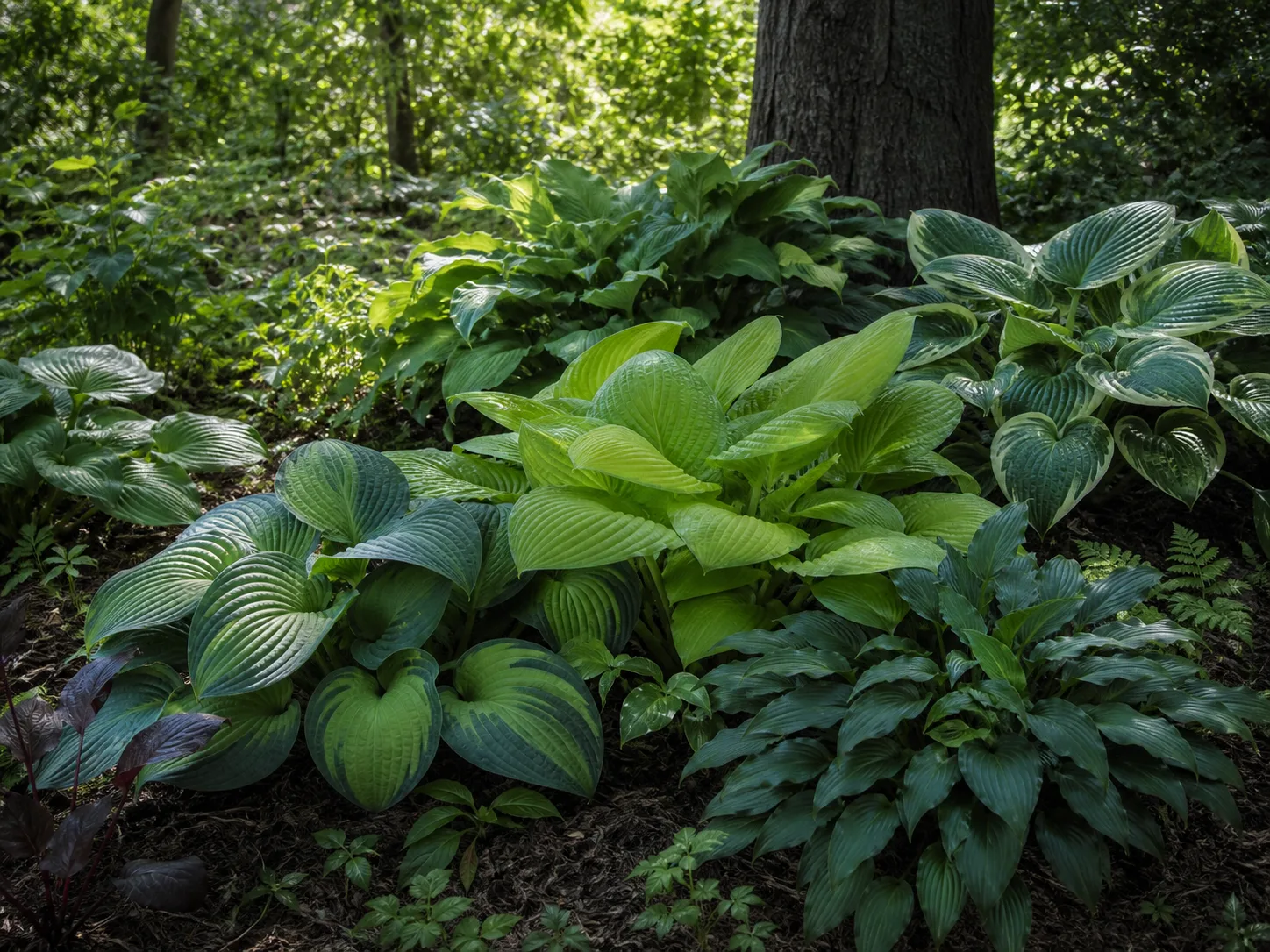
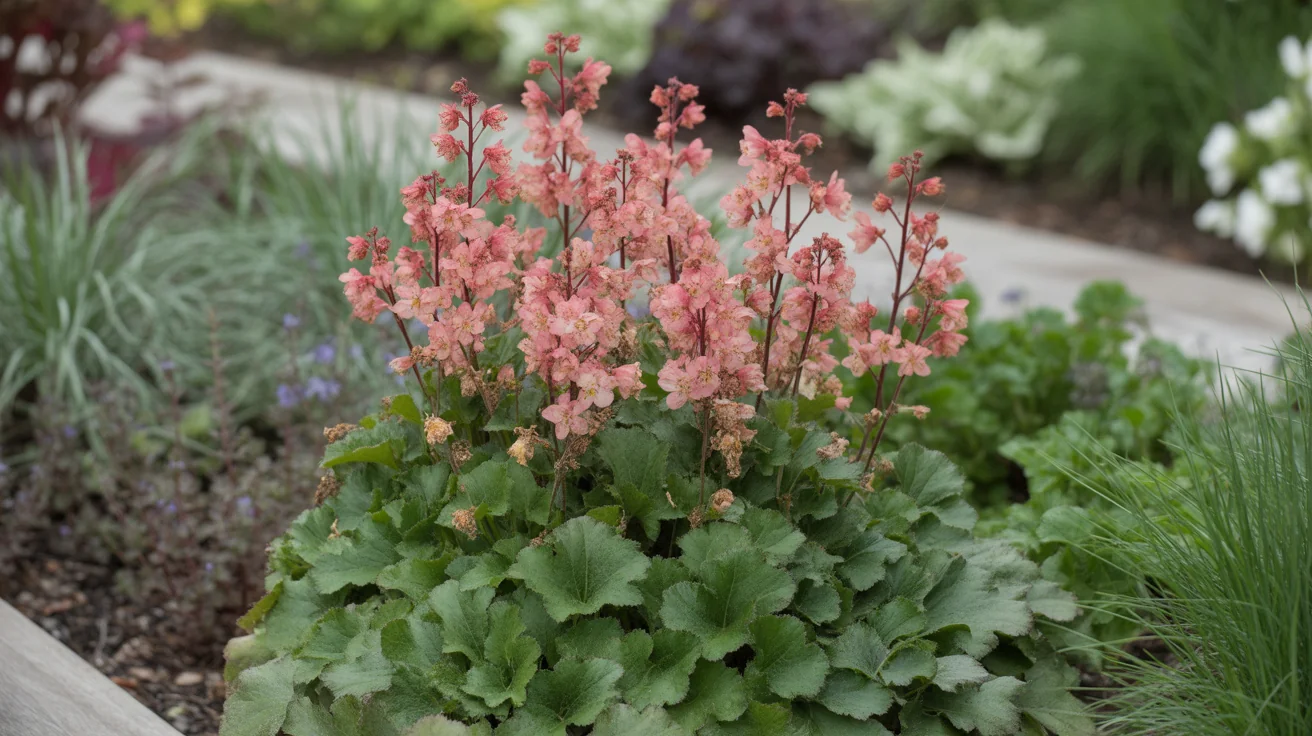
In a shade garden, eastern red columbine combines well with spring bulbs, hostas, and astilbe (Wisconsin). Many columbines are also good in rock gardens when given consistent moisture, and the seed capsules work in dried arrangements (Iowa State).
How Long Does Columbine Live, and How Does It Self-Seed?
A columbine plant tends to last only a handful of years in the garden, and Clemson puts eastern red columbine at 3 to 5 years. Gardens keep their columbines by letting seed form. Flowers are followed by five pod-shaped follicles that hold numerous small, shiny black seeds (Wisconsin), and species types persist for years if the fingerlike seed capsules are allowed to form and spread seed (Iowa State). Seedlings of eastern red columbine bloom in their second year.
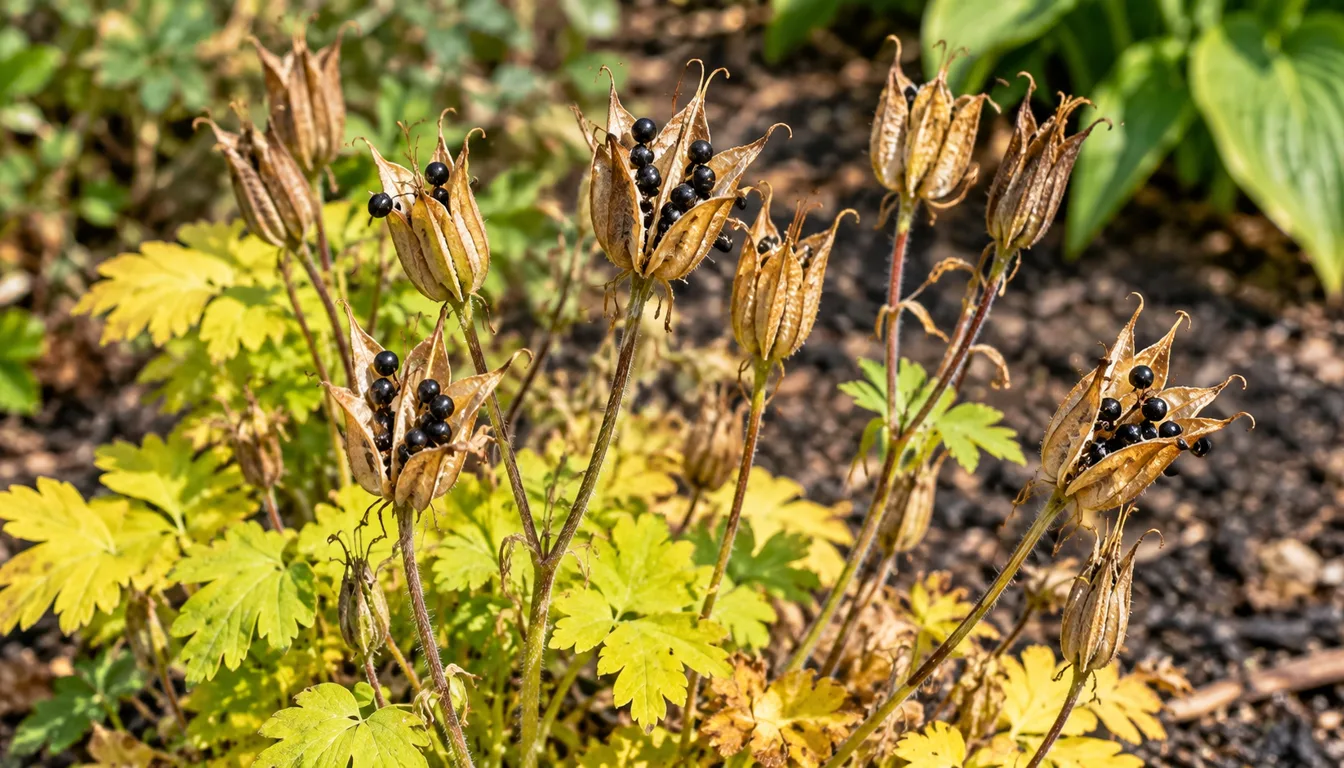
The seed germinates readily, and although plants come up in many spots around the garden, Iowa State says they are rarely considered weedy. Species freely hybridize with each other, though, so a garden with several species or hybrids will give some seedlings that do not resemble the parent, and the seed of hybrids often does not come true to type.
Seed is the best way to propagate species types. For eastern red columbine, seed sown outdoors in fall gets its cold, moist stratification from the winter, while seed started indoors needs 6 to 8 weeks of cold, moist stratification first, and after stratification the seeds germinate in 3 to 4 weeks (Wisconsin). The setup for starting seeds indoors is covered in its own guide.
If you do not want seedlings, deadheading reduces reseeding (Iowa State). Clemson notes that eastern red columbine seedlings rapidly colonize gardens, so it pays to plan where the new growth will land.
Division is possible in late summer but a little difficult, so separate the long coarse roots carefully and replant immediately (Iowa State). Wisconsin Extension says large plants of eastern red columbine can be divided in spring.
What Is Eating or Tunneling Through Columbine Leaves?
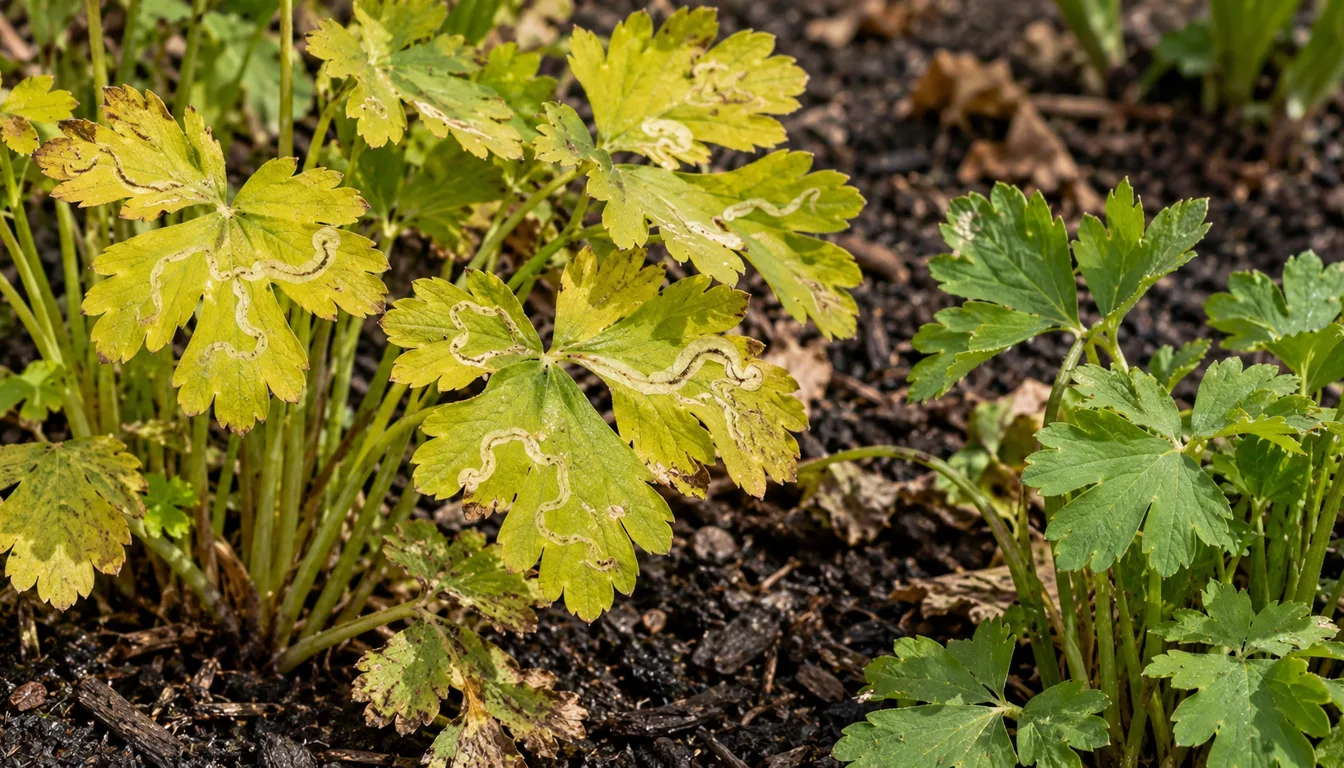
The most visible problem is the columbine leafminer, a small fly whose larvae do the damage. The female lays eggs singly on the leaves in spring, at about the time the plants start to flower, and the larvae tunnel into the leaf and feed on the tissue between the upper and lower surfaces.
Each tunnel grows wider as its larva grows, which shows from outside as a white, snake-like trail. There are several generations a year, up to three according to Wisconsin Extension, so by midsummer a plant may have several tunnels per leaf.
The trails are conspicuous, but the injury has little, if any, effect on plant health (Iowa State), though Illinois Extension notes that heavy infestations may reduce the vigor of plants. Wisconsin names three leafminer species on columbine. Phytomyza aquilegivora, which makes serpentine trails, is the most common in the Midwest, P. aquilegiana makes blotch mines in eastern North America, and P. columbinae makes linear mines in the West.
Because the damage is usually only cosmetic, chemical controls are generally not recommended. By the time you see the trails, the larvae are inside the leaf, where insecticidal sprays cannot reach them. A spray has to go on when the adult flies first appear, which the small feeding punctures they make in the foliage will tell you, and it likely kills beneficial insects too (Wisconsin).
Illinois Extension also reports that a Georgia study found eleven species of parasitoid wasps attacking columbine leafminers, which still leave some damage but help reduce later populations.
- Pick off and destroy mined leaves as early as possible, before the larvae pupate, to lower the next generation (Wisconsin)
- Remove infested plant parts and cultivate around the plants to reduce the pupae that overwinter in the soil (Illinois)
- Grow eastern red or fan columbine, which were less affected than other species and cultivars in the Georgia study (Illinois)
- Ignore the mines unless the infestation is heavy, or trim the foliage to the base after flowering if you really cannot tolerate the damage, and a fresh mound of leaves will appear (Wisconsin and Iowa State)
The Georgia study also named the plants to avoid if leafminers keep returning. A. caerulea ‘Dwarf Fantasy Mix’ was among the less affected, while alpine columbine, A. chrysantha ‘Yellow Star’, A. caerulea ‘McKana’ mix, and A. × hybrida ‘Ruby Port’ were among the most heavily attacked (Illinois).
Columbine sawfly larvae are the other pest that can strip a plant. They are green with dark heads, and from April to June they feed from the leaf edges inward, eating everything but the midvein and growing to about ½ inch long. They match the color of the leaves and often feed on the undersides during the day, so they are easy to miss until defoliation is severe, and Wisconsin Extension advises inspecting plants frequently in spring.
Damage is primarily cosmetic, and even a completely defoliated plant will recover, putting out another flush of leaves within a few weeks unless other factors stress it. Severe infestations can kill a plant, but this is rare. For sawfly larvae, the control options are these.
- Knock the larvae into a container of soapy water.
- Use insecticidal soap on the small larvae and cover them with the spray.
- Skip Bt products that target caterpillars, because a sawfly larva only looks like a caterpillar.
- Keep pesticides with residual activity as a last resort for severe infestations, since birds eat sawflies and feed them to their young.
- If most of the leaves are already gone, Wisconsin suggests cutting the plant down to the ground and destroying the remnants.
Aphids, spider mites, or columbine borers occasionally appear but rarely cause notable problems (Iowa State). For any of them, natural pest control covers low-impact options.
Frequently Asked Questions
Does columbine come back every year?
The plants are perennial but short-lived, often lasting a handful of years. They self-seed freely, so species types persist if the seed capsules are allowed to form.
Should I cut back columbine after it blooms?
You can. Iowa State says the foliage can be trimmed to the base after flowering to remove leafminer damage and a fresh mound of leaves will appear, but only if you cannot tolerate the damage. Wisconsin Extension says ragged eastern red columbine can be cut back to the ground in late summer, though foliage that still looks good can stay for fall interest.
Can columbine grow in full sun?
Yes, with plenty of moisture, though the flowers tend to be more muted in color and shorter lived. Eastern red columbine tolerates full sun if the days are not too hot.
What is the white squiggly pattern on columbine leaves?
Those are tunnels made by columbine leafminer larvae. The injury has little, if any, effect on plant health, although Illinois Extension notes that heavy infestations may reduce plant vigor.
Which columbine is native to the eastern US?
Eastern red columbine, Aquilegia canadensis. It grows naturally from Nova Scotia to Saskatchewan and in most states east of the Rockies, with red and yellow nodding flowers.
Will columbine seedlings look like the parent plant?
Not always. Columbines hybridize freely, so with several species or hybrids in the garden some seedlings do not resemble the parent, and hybrids often do not come true to type.
What is eating my columbine leaves down to the stems?
Likely columbine sawfly larvae. They feed from April to June and can defoliate a plant, which Wisconsin Extension says will recover. Knock them into soapy water or use insecticidal soap on small larvae, since Bt does not affect sawflies.
Sources & References
- All About Columbine, Iowa State University Extension Yard and Garden
- Aquilegia canadensis, North Carolina Extension Gardener Plant Toolbox
- Columbine in the Garden and Leafminers, Illinois Extension
- Eastern Red Columbine, Wisconsin Horticulture Extension
- Rain Garden Plants, Aquilegia canadensis, Clemson Cooperative Extension HGIC
- Common Columbine Pests, Columbine Leafminer and Columbine Sawfly, Wisconsin Horticulture Extension