Care snapshot
- Light
- Full sun, afternoon shade in hot summers
- Water
- Well-drained soil, kept watered and mulched in dry spells
- Height
- 1 to 6 ft by type
- Zone
- Zones 3 to 9 (NC State), a challenge in humid summers south of zone 7
- Bloom
- May through mid-summer, with a smaller second bloom if cut back
- Temperature
- Prefers cool summers
What Is a Delphinium, and How Long Does It Last?
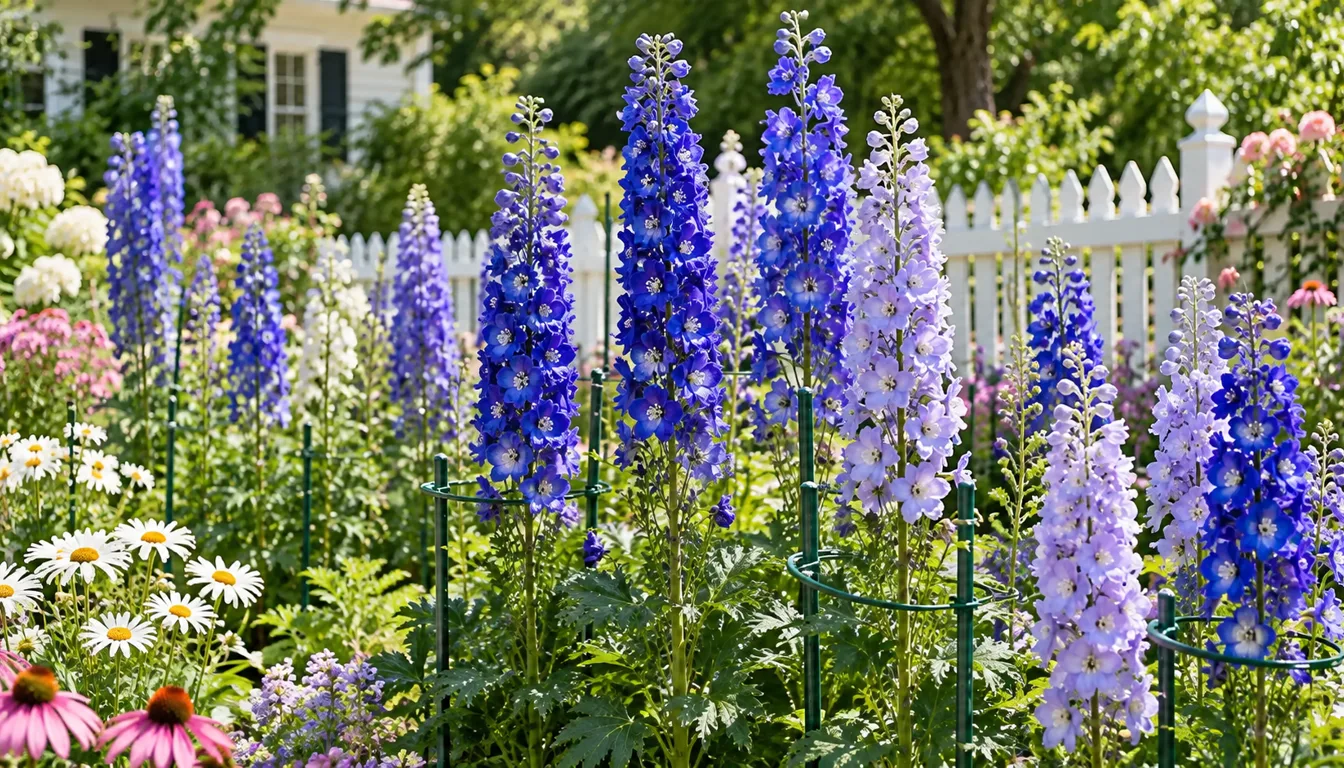
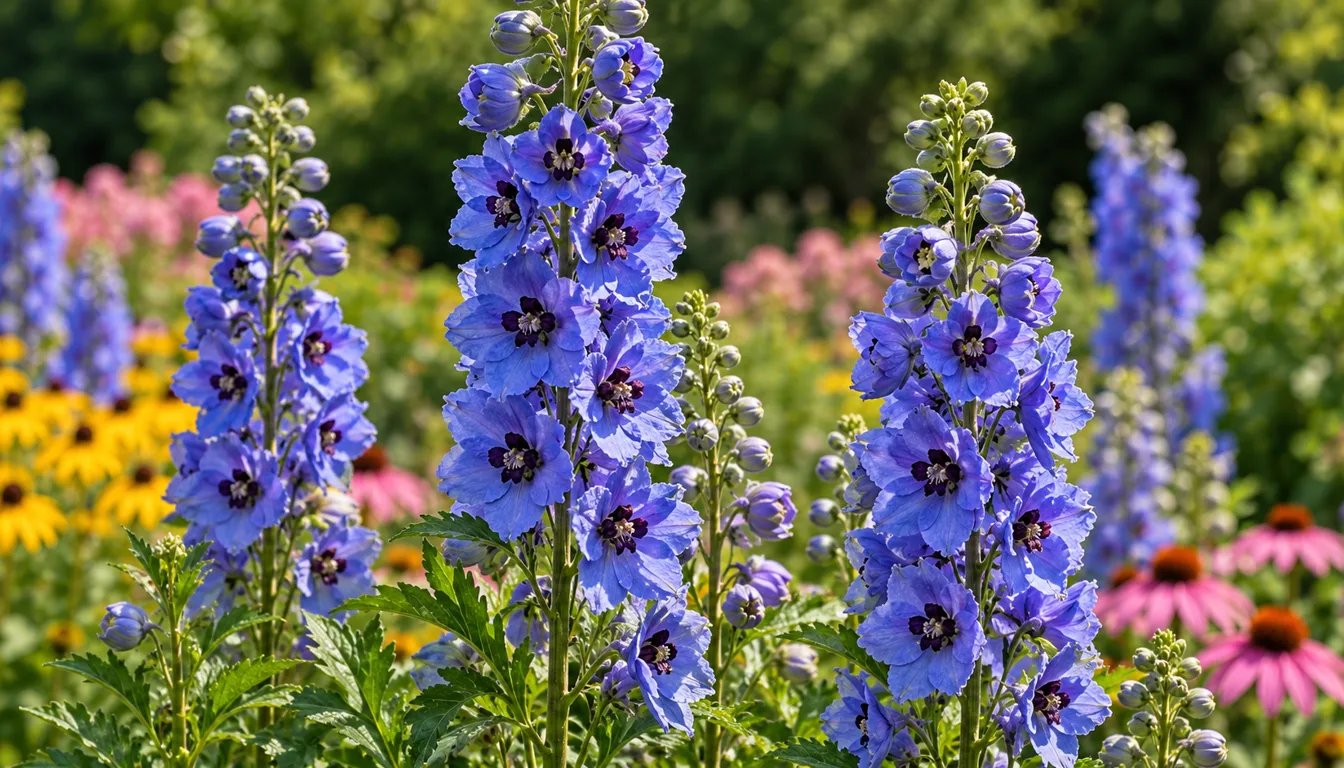
Delphiniums belong to the buttercup family, and most of the plants sold for gardens are complex hybrids of Delphinium x elatum, the bee delphinium. The genus name comes from the Greek word for dolphin, after the dolphin-shaped flower buds, and the flowers are usually blue but also come in white, pink, red, violet, and purple.
These are short-lived perennials, and Nebraska and Iowa State Extension both report that most last only 2 or 3 years in the garden. They also take considerable upkeep, which NC State lists as staking, pruning, deadheading, and disease control.
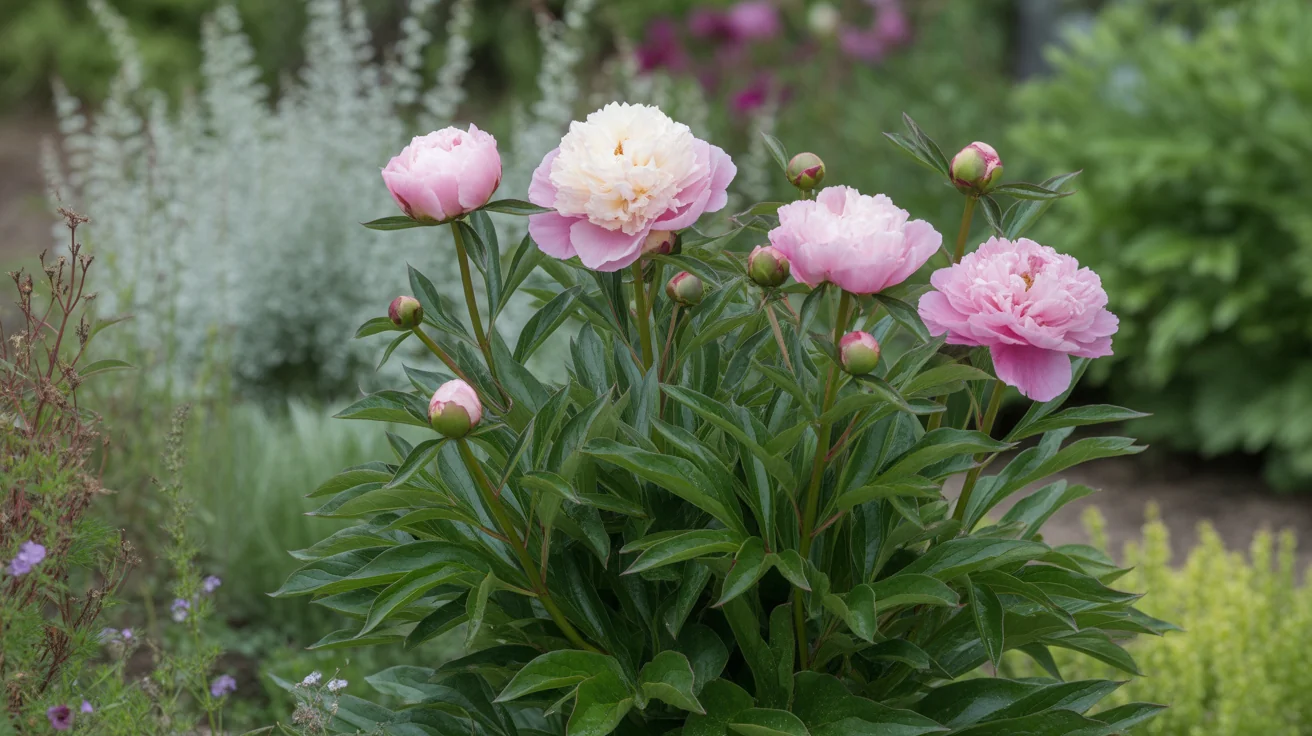
In return, the spikes make excellent cut flowers that last about 6 to 8 days in a vase (Nebraska), and NC State reports that delphinium-specific trials of merit have been in progress since 1916 and that the Royal Horticultural Society gives delphiniums their own Award of Garden Merit category. NC State also notes that delphiniums are often featured in cottage gardens, where peonies can grow in the same planting.
- Hardiness
- Zones 3 to 9 (NC State)
- Bloom
- May through mid-summer, rebloom in late summer or fall
- Height
- Up to 5 to 6 ft for tall types (Nebraska)
- Lifespan
- Most last only 2 or 3 years (Nebraska, Iowa State)
- Light
- Full sun, afternoon shade in hot summers
- Soil
- Fertile, well-drained, tolerates alkaline
- Maintenance
- Considerable (NC State)
Where in the US Do Delphiniums Grow Well?
Delphiniums prefer cool summers and do well in hot-summer climates only when they get afternoon shade (NC State). Humid summers south of USDA zone 7 are a challenge, so cool-summer regions suit them best, and the places below each add a local condition.
- Colorado mountain gardens
- CSU Extension (Gilpin County) lists delphinium among the tall perennials better protected from wind on the east side of a house or wall
- Nebraska and the windy plains
- Strong winds are a problem because the spikes are hollow and brittle, so stake tall hybrids early (Nebraska Extension)
- Iowa and the Midwest
- Most plants last only 2 or 3 years in the garden (Iowa State Extension)
- Humid summers south of zone 7
- A challenge (NC State), so try a heat-tolerant type such as 'Blue Butterfly'
- South Carolina
- Clemson lists delphinium with the hardy and half-hardy annuals, which it plants as transplants in fall, late winter, or early spring
Where summers are hot, the Chinese delphinium (Delphinium grandiflorum) is the one to look at, since NC State says it was bred to be more heat tolerant than other delphiniums. 'Blue Butterfly', a compact cultivar of it, is also more tolerant of heat than other delphiniums.
It is a short-lived perennial that NC State says is typically grown as an annual or biennial, and it can typically live for 3 years. Give it full sun with some shade in the afternoon.
Which Delphinium Series Fits Your Border?
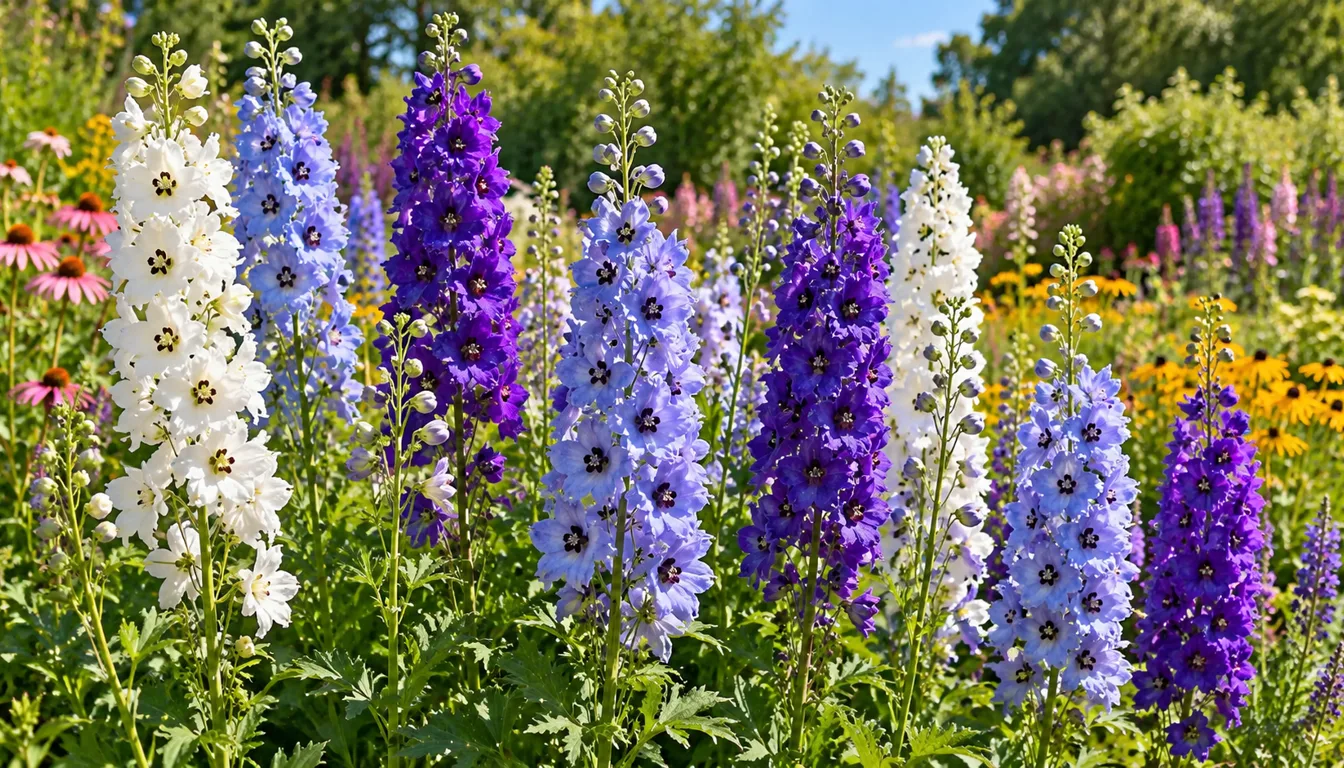
Height is the first choice, because some perennial delphiniums grow up to 5 to 6 feet and suit the back of a border, while medium plants of 2 to 3 feet suit the middle or front (Nebraska). The series below differ in height, stem strength, and heat tolerance.
- Pacific Giant
- 3 to 6 ft, usually grown from seed, so flower color varies (Nebraska)
- New Millennium
- Typically 3 to 4 ft, many colors (Nebraska)
- Mid-Century hybrids
- 4 to 5 ft, stronger stems, more resistant to powdery mildew (Nebraska)
- Million Dollar
- 2.5 to 3 ft, sturdy stems, very heat tolerant (Nebraska)
- Magic Fountain
- 2.5 to 3 ft (Nebraska)
- Connecticut Yankee
- 2 to 2.5 ft, heavily branched (Nebraska)
- Belladonna (D. x belladonna)
- Cross of D. elatum and D. grandiflorum with multiple flower stems, 1 to 4 ft (Nebraska) or 3 to 4 ft (Iowa State)
- Dwarf Pacific hybrids
- About 2 ft (Iowa State)
- Chinese delphinium (D. grandiflorum)
- 2 to 3 ft (Iowa State), blooms throughout the summer if cut back regularly
- 'Blue Butterfly'
- 12 to 18 in (Nebraska) or about 15 in (Iowa State), more tolerant of heat than other delphiniums (NC State)
Two of these series stand out for stem strength. Mid-Century hybrids have stronger stems than other tall delphiniums and resist powdery mildew better, and Million Dollar has sturdy stems and is very heat tolerant.
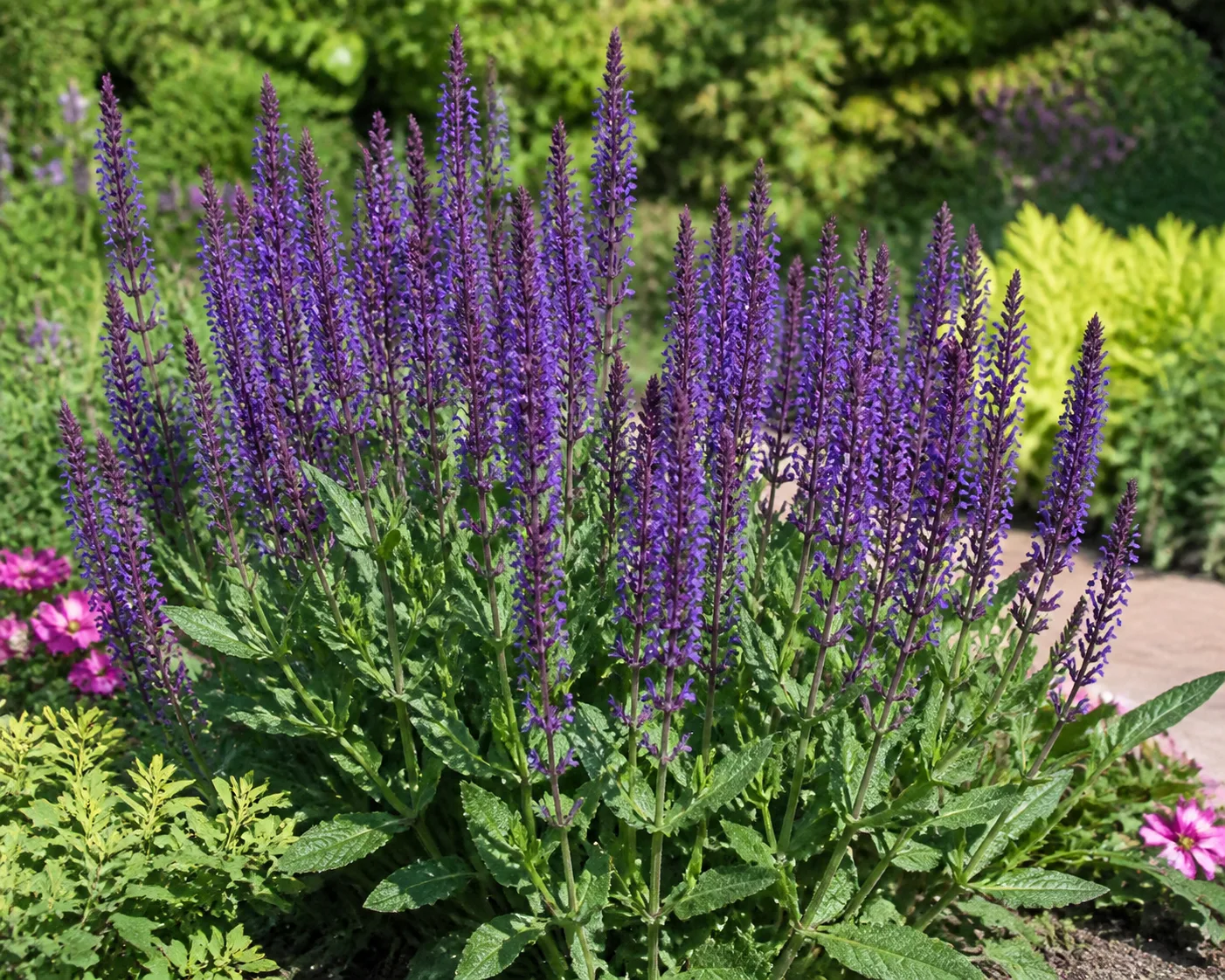
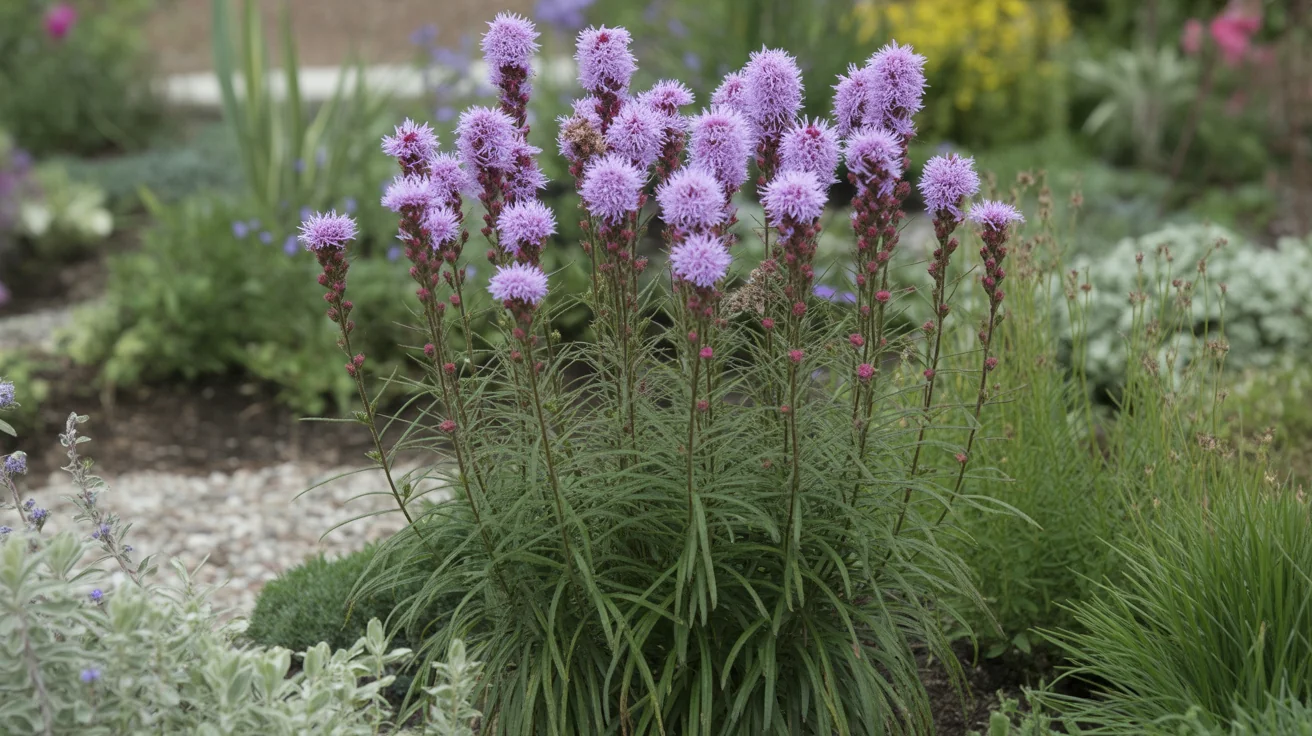
For other blue spikes to compare, look at salvia, and for another spiky flower, liatris.
What Sun, Soil, Feeding, and Water Do Delphiniums Need?
Delphiniums do best in fertile, medium-moisture, well-drained soil in full sun, and they tolerate alkaline soil (NC State). In hot summers they benefit from afternoon shade.
Crown rot will inevitably develop if plants grow in poorly drained soil or sit too deep, according to NC State, so choose a well-drained spot and do not plant too deep.
Delphiniums are heavy feeders, so Nebraska and Iowa State Extension both recommend a feeding schedule in two parts. Stunted growth and yellow foliage are the signs that a plant needs more.
- Fertilize in early spring.
- Fertilize again later in the season.
- Keep plants well watered and mulched during typical summer dry periods (Nebraska), timed with the best time to water flowers.
In containers, the Chinese delphinium makes a good filler in a mixed planting (NC State). Fertilize it often, remove spent flowers for continued or second bloom, and cut it back in late fall to prepare for winter.
How Do You Stake Delphiniums and Get a Second Bloom?
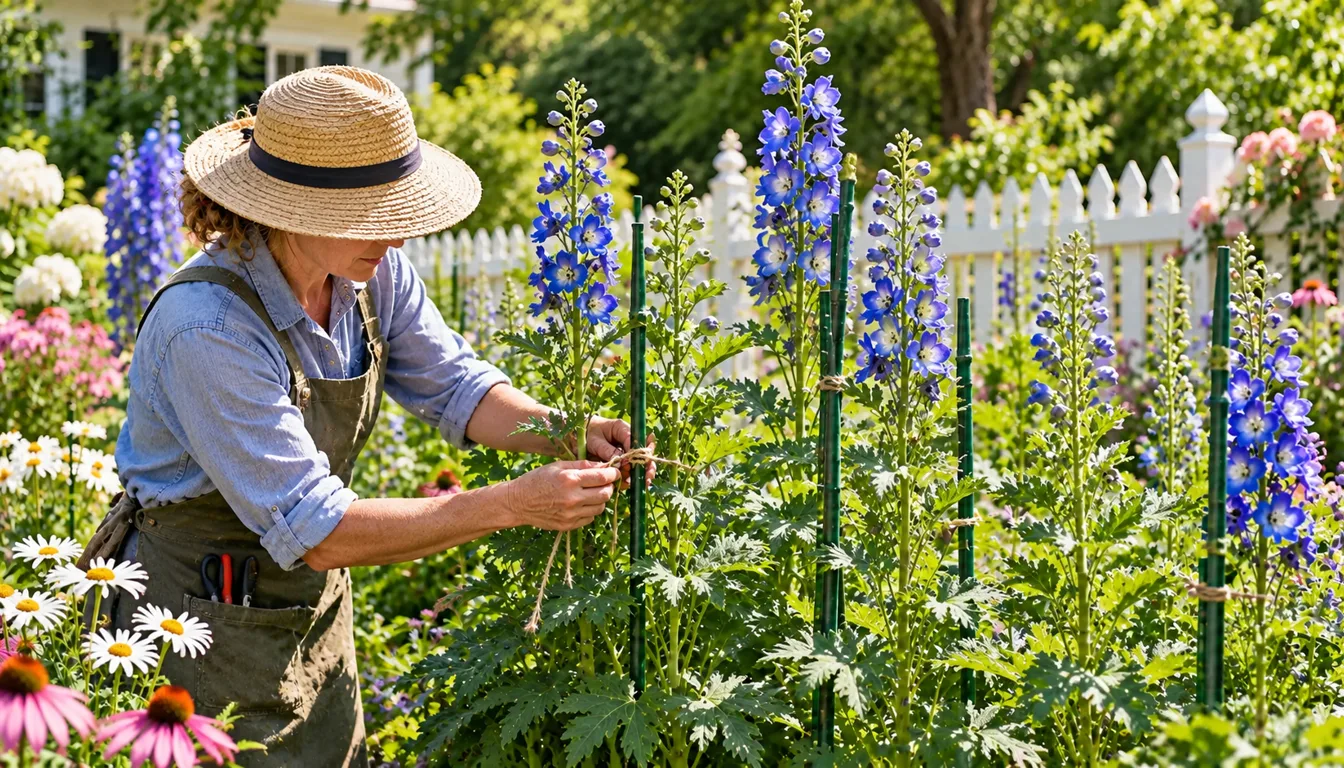
The flower spikes are hollow and brittle, so wind and rain on the heavy, flower-laden spikes of tall hybrids will bend or snap the stems. Install stakes early in the growing season, which prevents damage to the roots and gives support before the spikes get heavy (Nebraska).
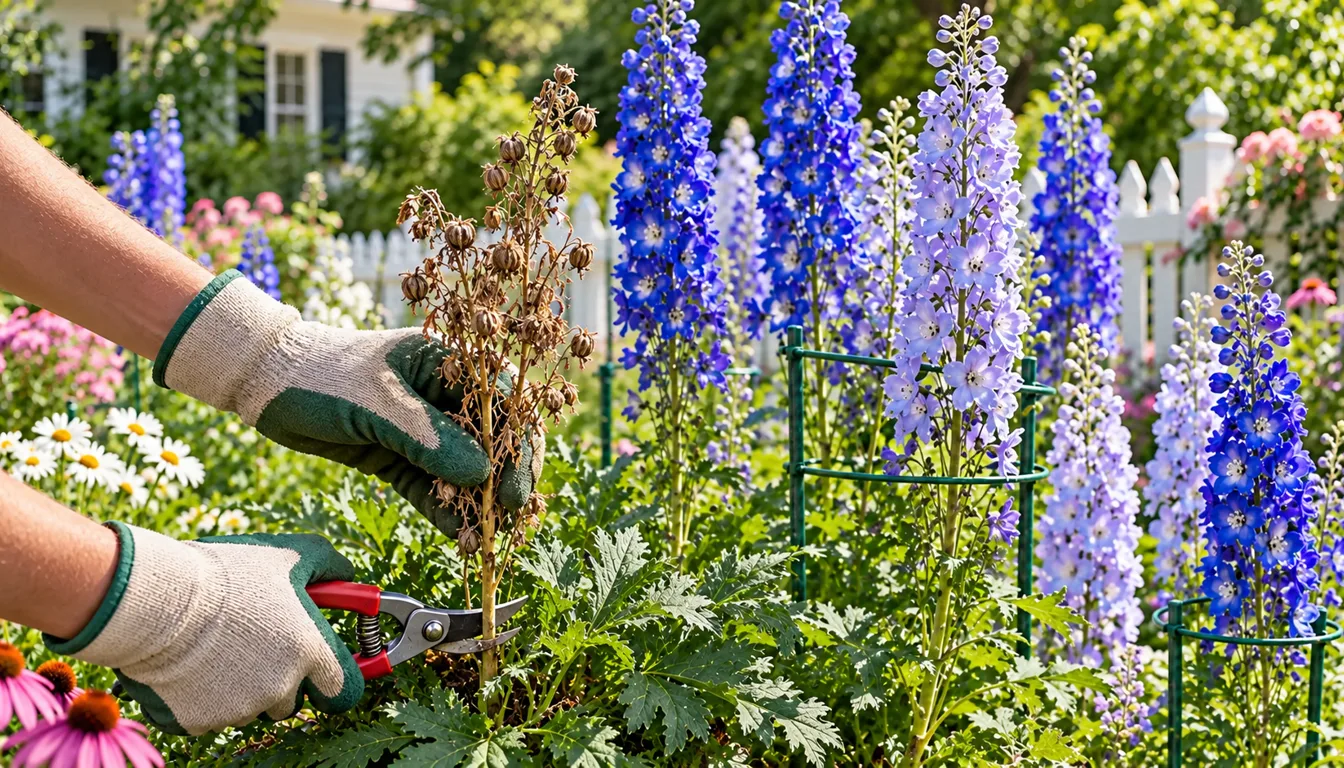
When the first flush fades, cut the old flower stalk off right away, back to the basal foliage, to encourage more flowers in late summer or early fall. The second display will not be as large or as full as the first.
Spikes you want to dry follow a different schedule from spikes cut for a vase.
- Harvest the spikes when about four-fifths of the florets are open.
- Remove the foliage.
- Hang small bunches upside down in a dark, well-ventilated area.
- Stand the bunches upright once the flowers feel papery, to finish drying.
Fresh spikes last about 6 to 8 days in a vase. The cut flower garden guide covers vase care, and the cut flowers list has companions for a vase garden.
Which Problems Hit Delphiniums, and Are They Toxic?
NC State lists powdery mildew, botrytis blight, leaf spots, and crown rot as the diseases delphiniums are susceptible to, and it names aphids, leaf miners, stem borers, and mites as the insects to watch for.
Plants in full sun generally show better resistance (NC State), and Mid-Century hybrids are more resistant (Nebraska).
Follows poorly drained soil or planting too deep (NC State).
They can do significant damage (NC State), and they can destroy the Chinese delphinium, which also gets crown rot, leaf spot, powdery mildew, and blights.
Watch for them through the season (NC State). The natural pest control guide covers low-impact options for slugs, snails, and aphids.
Frequently Asked Questions
Can delphiniums grow in hot climates?
Delphiniums prefer cool summers and do well in hot-summer climates when protected with afternoon shade, but humid summers south of zone 7 are a challenge (NC State). The Million Dollar series is very heat tolerant (Nebraska), and 'Blue Butterfly' is more tolerant of heat than other delphiniums (NC State).
Do delphiniums come back every year?
They are perennials, but most last only 2 or 3 years in the garden, according to Nebraska and Iowa State Extension.
Do delphiniums need to be staked?
Tall hybrids do. The spikes are hollow and brittle, and wind and rain on the heavy, flower-laden spikes will bend or snap the stems, so install stakes early in the growing season.
Will delphiniums bloom twice?
Often, yes. Immediately after flowering, cut off the old flower stalk to encourage more flowers in late summer or early fall, though the second display will not be as large or as full as the first.
Are delphiniums poisonous to dogs?
Yes. ASPCA lists larkspur (Delphinium species) as toxic to dogs, cats, and horses because of diterpene alkaloids. If you suspect your pet has eaten any, call ASPCA Poison Control at (888) 426-4435 or your veterinarian as soon as possible.
What is the most heat-tolerant delphinium?
NC State says the Chinese delphinium, Delphinium grandiflorum, was bred to be more heat tolerant than other delphiniums, and its compact cultivar 'Blue Butterfly' is more tolerant of heat than other delphiniums. Nebraska Extension lists the Million Dollar series as very heat tolerant.
Can delphiniums grow in pots?
The Chinese delphinium (Delphinium grandiflorum) can. NC State says it makes a good filler for a mixed container planting, with frequent fertilizing and removal of spent flowers.
Sources & References
- Delphinium, North Carolina Extension Gardener Plant Toolbox
- Delphiniums, A Beautiful Garden Flower, Nebraska Extension in Lancaster County
- Larkspur (Delphinium spp.), USDA Agricultural Research Service
- Larkspur, ASPCA Toxic and Non-Toxic Plants
- Mountain Microclimates, Colorado State University Extension, Gilpin County
- Growing Delphiniums, Iowa State University Extension Yard and Garden
- Growing Annuals, Clemson Cooperative Extension HGIC
- Delphinium grandiflorum, North Carolina Extension Gardener Plant Toolbox