Care snapshot
- Light
- Full sun
- Water
- Drought tolerant once established
- Height
- 1 to 3 ft
- Zone
- Zones 3 to 11, by type
- Spread
- About 1 to 2 ft wide
- Temperature
- Heat tolerant
What Do Blanket Flowers Look Like, and Who Visits Them?
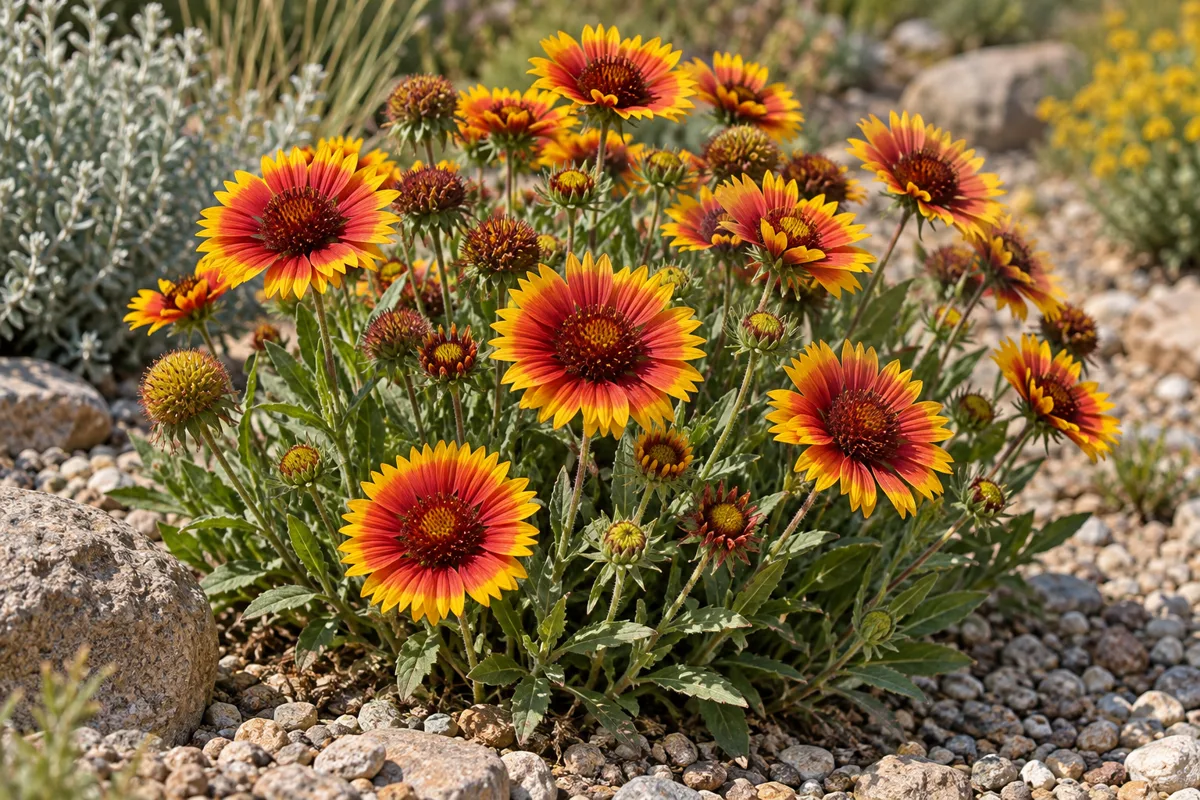
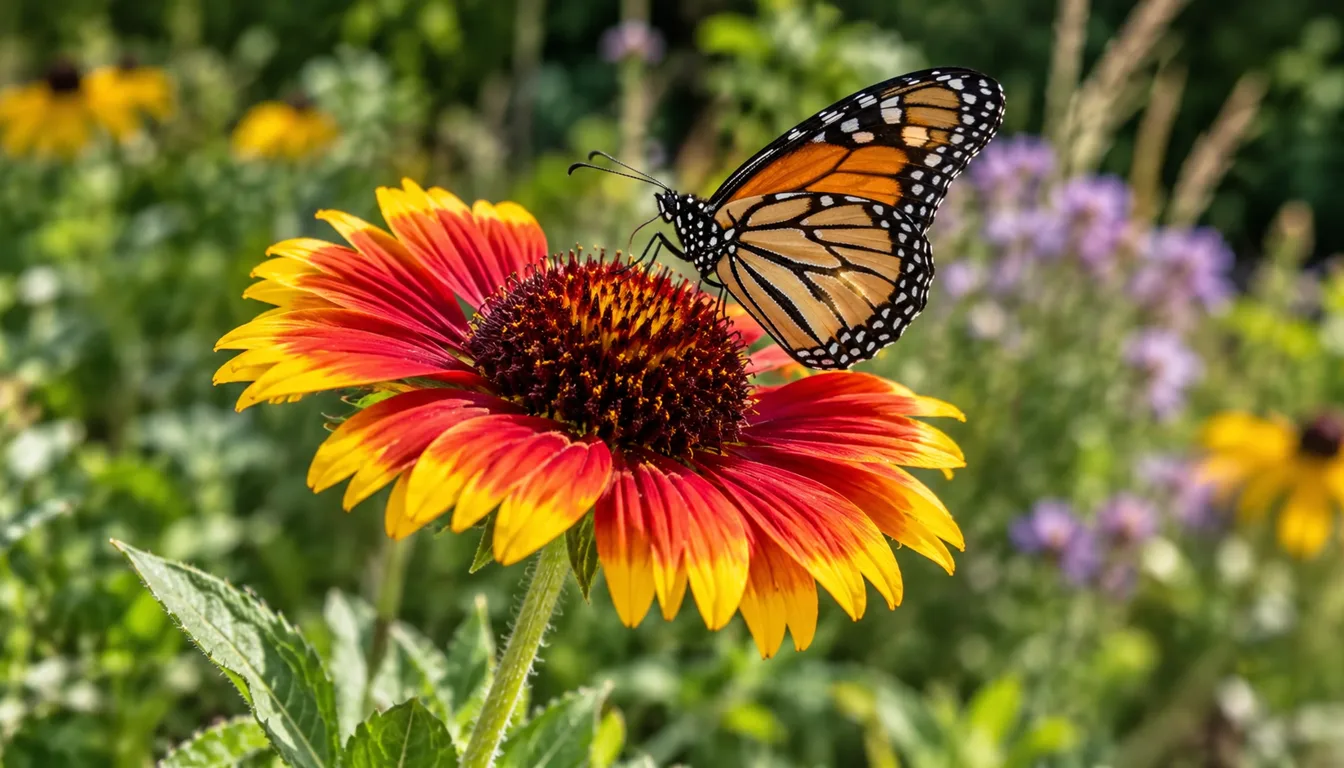
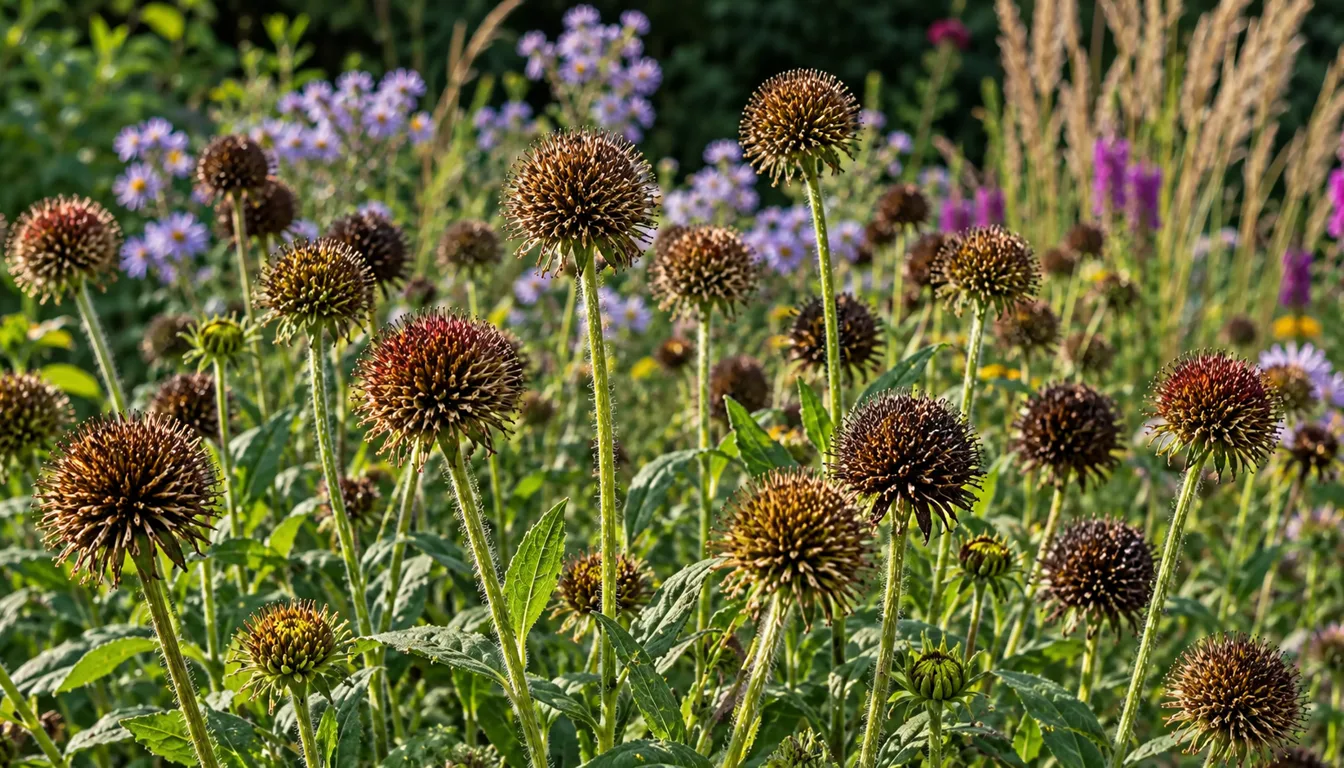
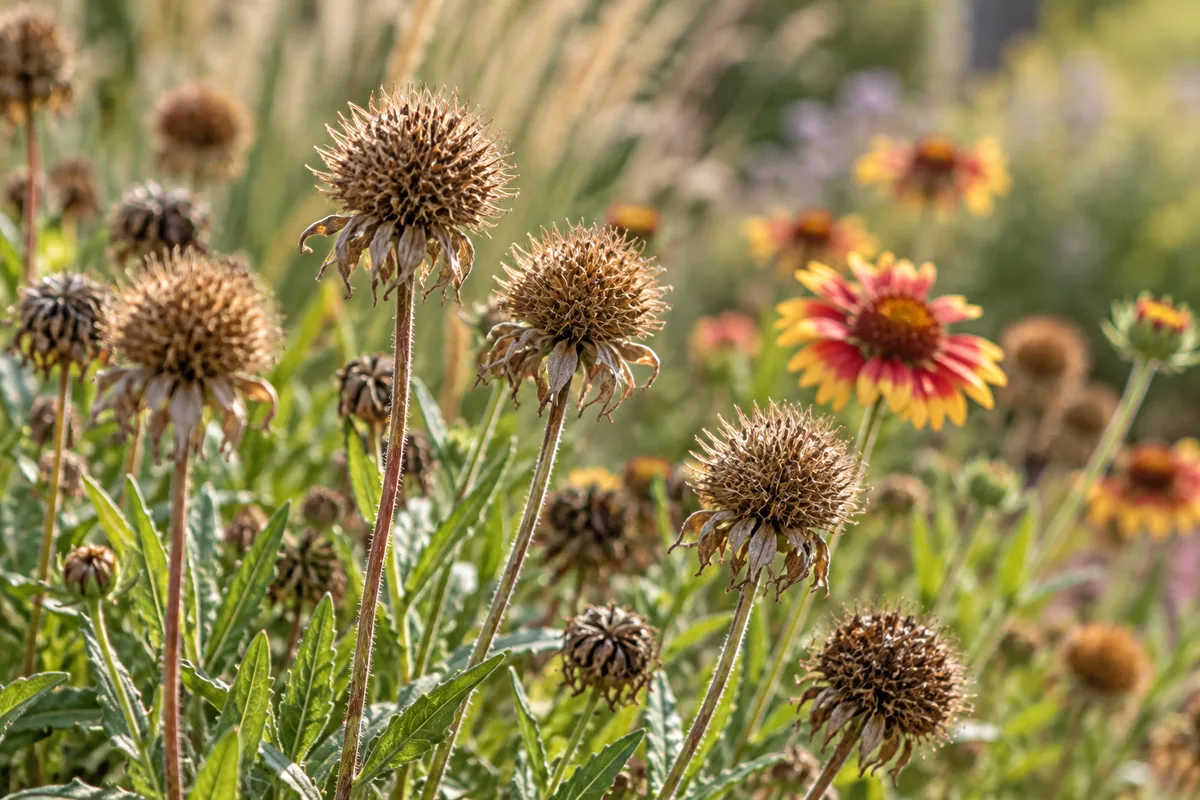
Blanket flower heads are 2 to 4 inches across. The rays are often banded, typically yellow on the outer half and red, orange, or maroon on the rest, and the flowers open through summer and fall. Butterflies and native bees visit them, and once the petals fall each head turns into a fuzzy seed ball that birds, especially goldfinches, eat (Wisconsin).
- Bloom
- Summer and fall
- Lifespan
- Hybrid averages about two years (Wisconsin)
- Heat and drought
- Heat tolerant, drought tolerant once established
- Salt
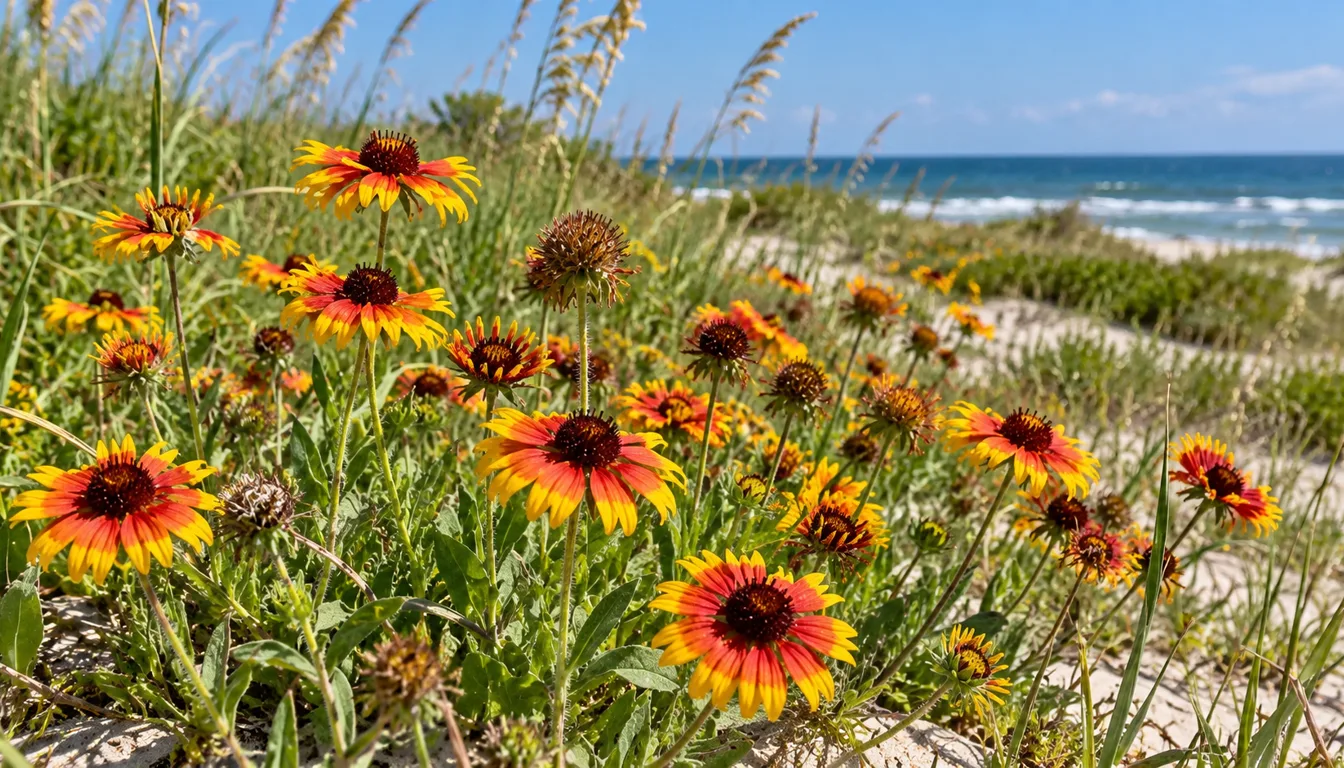
- Tolerant, naturalized on coastal dunes (NC State)
- Deer and rabbits
- Usually avoid it (Wisconsin)
There are about 25 to 30 species of Gaillardia, a genus of annuals, biennials, and perennials in the sunflower family, all native to the Americas. The common name may come from the way the flowers resemble brightly patterned Native American blankets, or from the way wild stands cover the ground in color. Most gardeners grow the hybrid G. x grandiflora, and the care sections below describe it unless they name another type.
Why Do Blanket Flowers Disappear After Two Years?
A hybrid blanket flower has an average lifespan of about two years (Wisconsin), for two reasons. It rarely survives winter in heavy soil, so it needs excellent drainage, and it blooms so prolifically that it burns itself out quickly. Sharp drainage and letting some seed heads drop are what keep a patch going after the first plants fade.
Give every gaillardia full sun, at least 6 hours a day, and well-drained soil with a pH of about 6.0 to 8.0 (NC State). The hybrid will not survive winter in poorly drained clay, while Indian blanket grows in the soft sand of the barrier islands, so in heavier soil grow the hybrid on a berm or in a container.
Where drainage is good, most plants survive to -20 F without crown protection, and mulch or snow cover helps in very cold winters. The hybrid is usually hardy in zone 3a, though hardiness varies by variety (Wisconsin).
To check a bed before you plant, use the test from Colorado State Extension.
- Dig a hole 12 inches deep and fill it with water.
- Watch it for 30 minutes. Water that has not drained by then means the soil has a drainage problem.
- Look again after 24 hours. A hole that still holds water means waterlogged soil may affect plant growth, so plan on a berm or a container.
Once established, blanket flower is drought tolerant and does not need much fertilizer. NC State suggests amending the soil with humus and keeping it evenly moist, though it adds that the plant can survive some drought once established, and overwatering Indian blanket can induce root rot (UF/IFAS).
Blanket flower suits hot, dry, sandy spots, and UF/IFAS describes Indian blanket as enduring heat, sandy soil, and drought extremely well. The hybrid tolerates poor soil too (Wisconsin), which puts it among the full-sun perennials for lean sites.
Space G. pulchella 12 to 18 inches apart, or two to three feet apart in a mass planting, and start new plants from seed or root divisions in early spring (UF/IFAS).
You can grow blanket flower in containers, alone or with other plants that tolerate dry conditions, and compact cultivars look best massed at the front of a border (Wisconsin).
Should You Deadhead, Cut Back, or Let Blanket Flower Self-Seed?
Deadheading can prolong a blanket flower's life and may encourage more blooms, because the plant stops putting energy into seed (Wisconsin). It is not necessary, though, and NC State notes that a hybrid kept deadheaded blooms most of the season. What you do with the spent heads depends on whether you want a longer-lived plant or seedlings to replace it.
Deadhead
- The hybrid blooms most of the season when you keep it deadheaded.
- Deadheading is optional, but it can prolong the plant's life and encourage more blooms.
Cut back
- Cutting plants back to 6 inches in late summer may improve winter survival.
- If yours last, divide them in spring or early fall every 2 to 3 years to keep them vigorous.
Let it seed
- Leave some seed heads to form so they can self-sow.
- The species and some hybrids self-sow readily.
These routes pull against each other on a single plant. A late-summer cutback to 6 inches takes off most of the stems that carry the seed heads, so a plant cut back for winter survival has few heads left for seedlings, or for the goldfinches that eat the seeds if some are left to form (NC State).
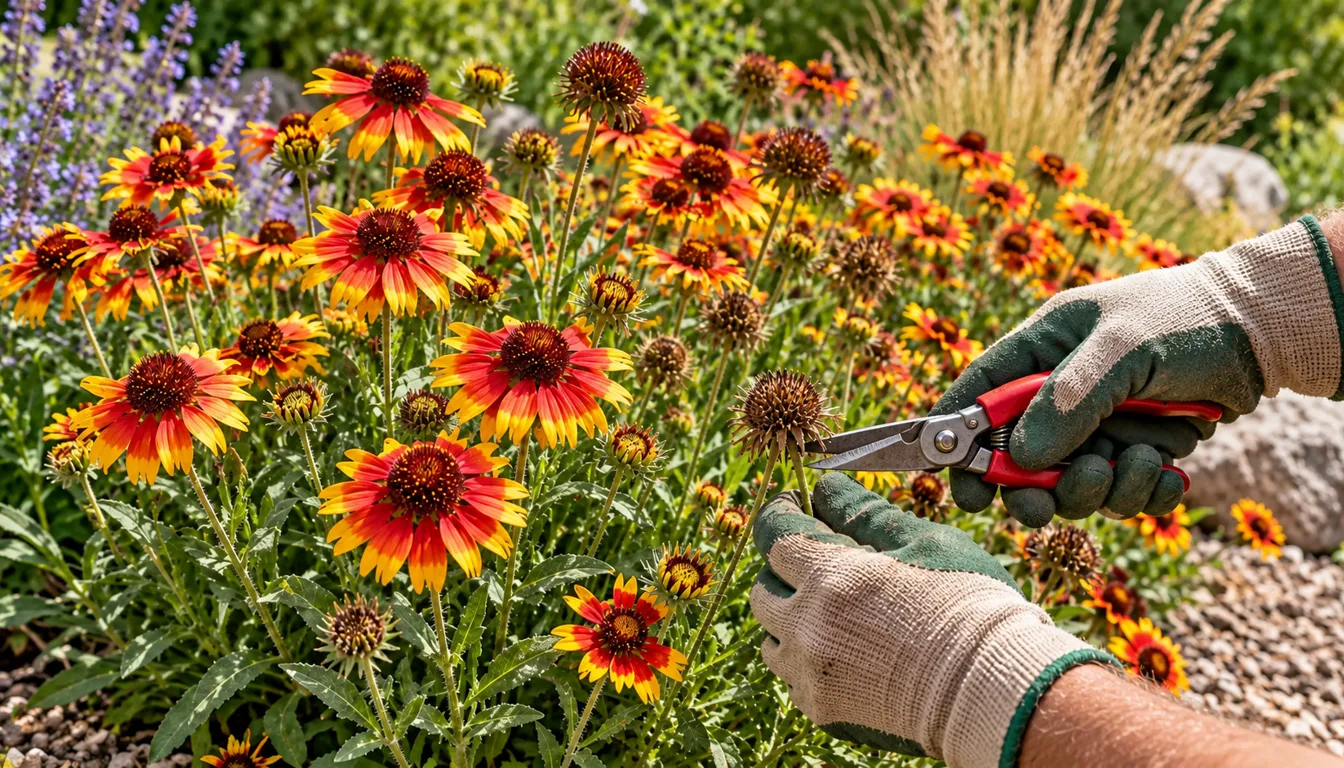
The cut itself is the same one used for related daisies, covered in deadheading daisies.
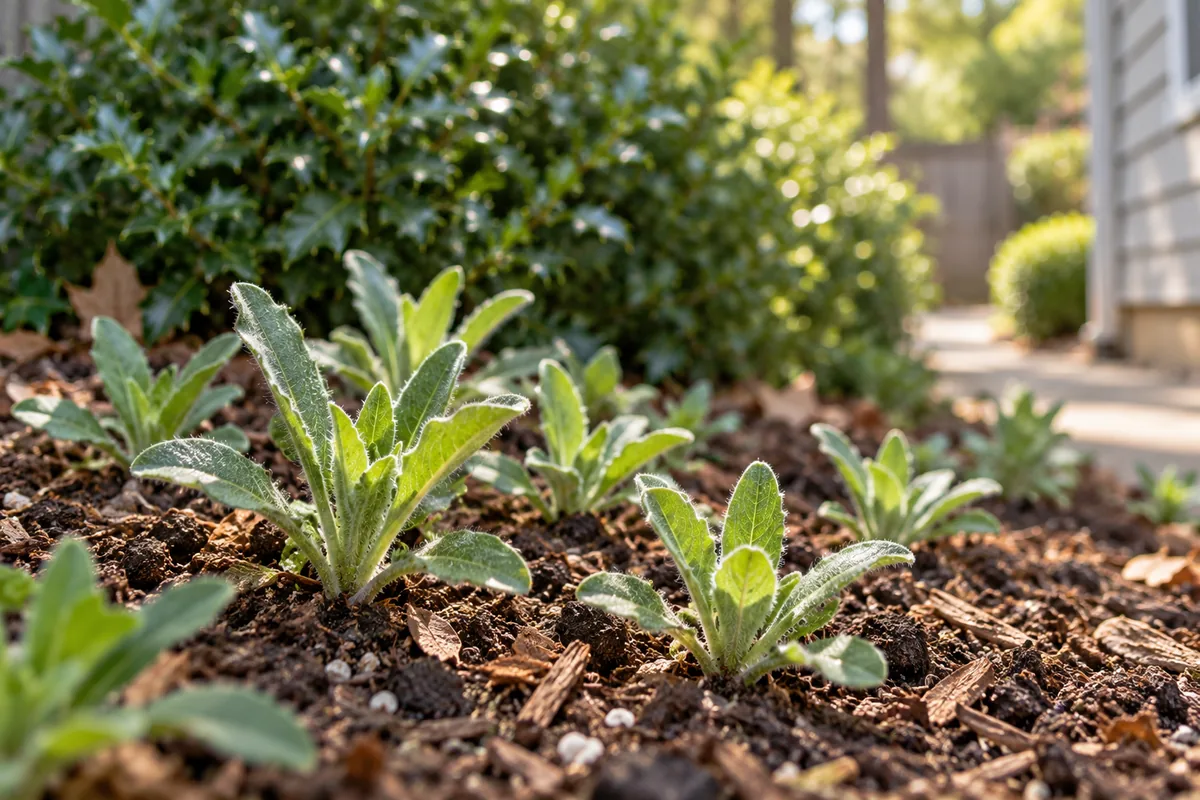
If you start plants from seed, the method depends on the type (Wisconsin).
- Annual types need light to germinate, so scatter the seed on the soil surface, mark the spot because the seedlings look like young dandelions, and start 4 to 6 weeks before your last frost. Transplant them outdoors just after the last spring frost.
- Perennial types take 4 to 5 months from sowing to flowering, so start them indoors 6 to 8 weeks before your last frost and set them out a bit later than the annuals.
- Vegetative varieties grow from basal cuttings or division.
Which Blanket Flower Varieties Fit Small Beds and Big Borders?
The hybrid G. x grandiflora has the best characteristics of both parent species, including large flowers, a perennial habit, good tolerance of heat, drought, and poor soil, and cold hardiness, though it stays a relatively short-lived perennial (Wisconsin). It is the most common garden type, and the two species it came from are still grown on their own.
- Indian blanket (G. pulchella)
- Annual or perennial, 1.5 to 2 ft (NC State), and native from the southeastern US to Colorado and into Mexico (Wisconsin). UF/IFAS maps it to zones 3 through 11, while NC State lists zones 5 through 9.
- Common blanket flower (G. aristata)
- Short-lived perennial of the prairies into the Rocky Mountains, hardy in zone 3a, collected by Lewis and Clark in Montana in 1806 (Wisconsin)
- Hybrid blanket flower (G. x grandiflora)
- Cross of the two made in a Belgian garden in 1857, the most common garden type (Wisconsin)
Several cultivars have won All-America Selections trials. The Arizona series grows about 12 inches tall and 14 inches wide and includes ‘Arizona Sun’ (2005) and ‘Arizona Apricot’ (2011), while the Mesa series, which includes the 2010 winner ‘Mesa Yellow’, flowers the first year from seed (Wisconsin).
For a small bed, start with the shortest entries in the table below. The tall hybrids, which grow up to 3 feet, tend to flop and need support (Wisconsin). Two entries are not hybrids, since ‘Red Plume’ belongs to Indian blanket and the SUNRITA series to G. aristata.
- ‘Arizona Sun’
- 12 in, red rays with bright yellow ends, 2005 All-America Selections Winner (Wisconsin)
- ‘Arizona Apricot’
- Soft orange with yellow tips, 2011 All-America Selections Winner (Wisconsin)
- ‘Burgundy’
- Wine-red rays, 2 to 2.5 ft, self-sows reliably (Wisconsin)
- ‘Goblin’
- Red rays tipped yellow, 12 to 14 in, dwarf (Wisconsin, NC State)
- ‘Golden Goblin’
- All-yellow Goblin, self-seeds freely (Wisconsin)
- GUSTO series
- 5 to 8 in tall, 12 to 14 in wide, continuous bloom (Wisconsin)
- ‘Red Plume’
- G. pulchella, double red flowers, 12 in, 1991 All-America Selections Winner (Wisconsin)
- SUNRITA series
- G. aristata, compact 14 to 18 in with 3 to 4 in flowers (Wisconsin)
Wisconsin Horticulture suggests several plants to grow beside blanket flower in a sunny border.
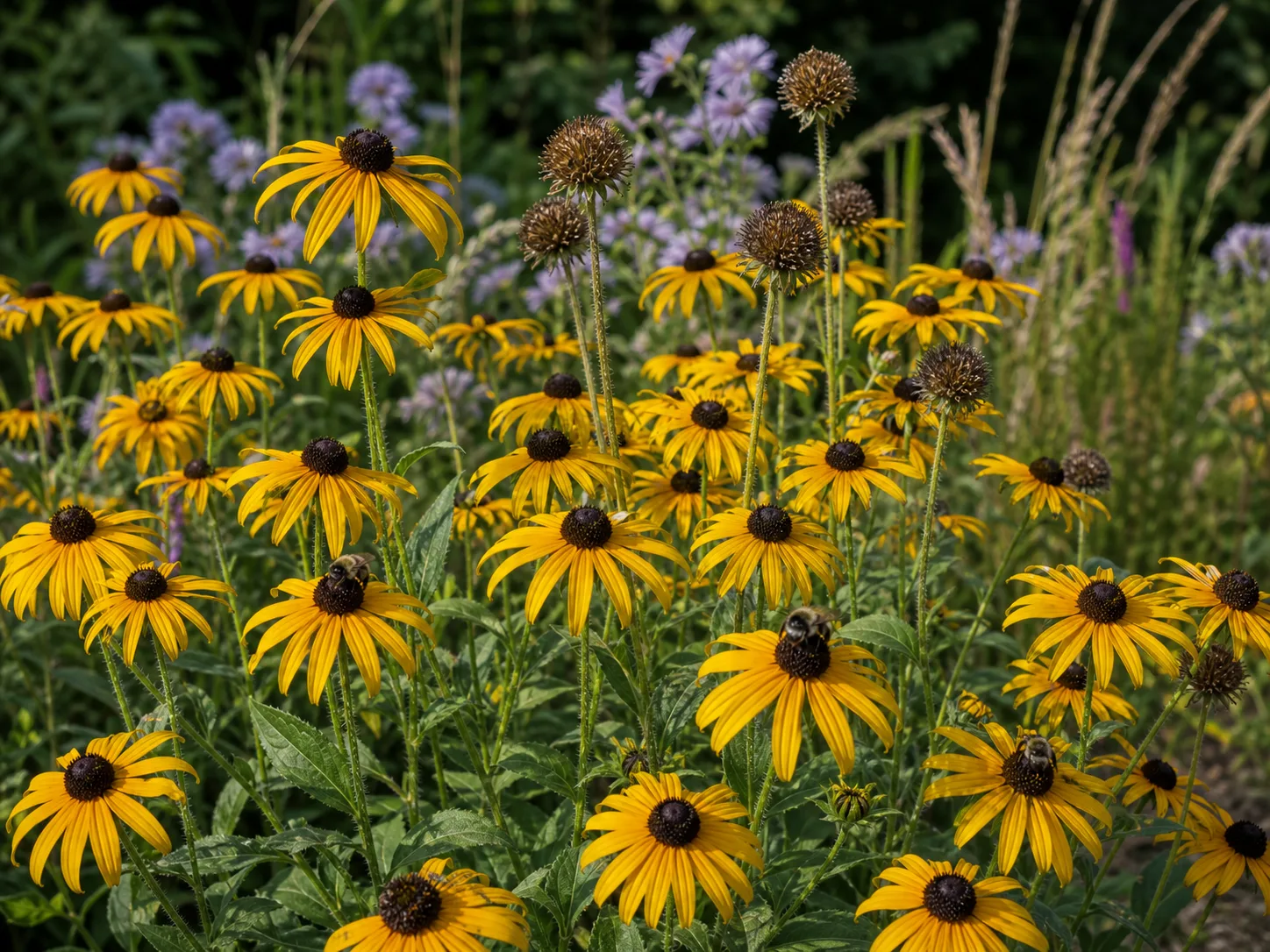
- Black-eyed Susan (Rudbeckia) mixes nicely with blanket flower and other North American natives (Wisconsin).
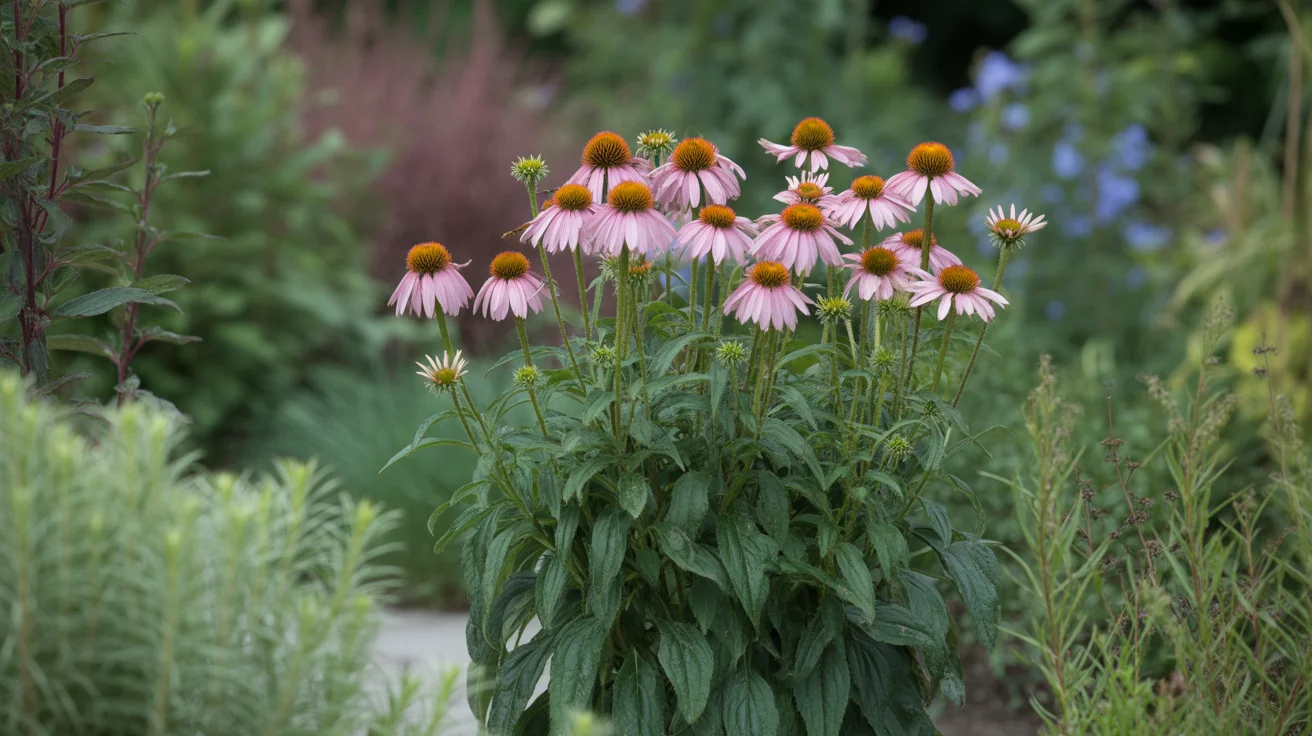
- Coneflower, the purple kind, gives a profusion of daisy-like flowers alongside blanket flower (Wisconsin).
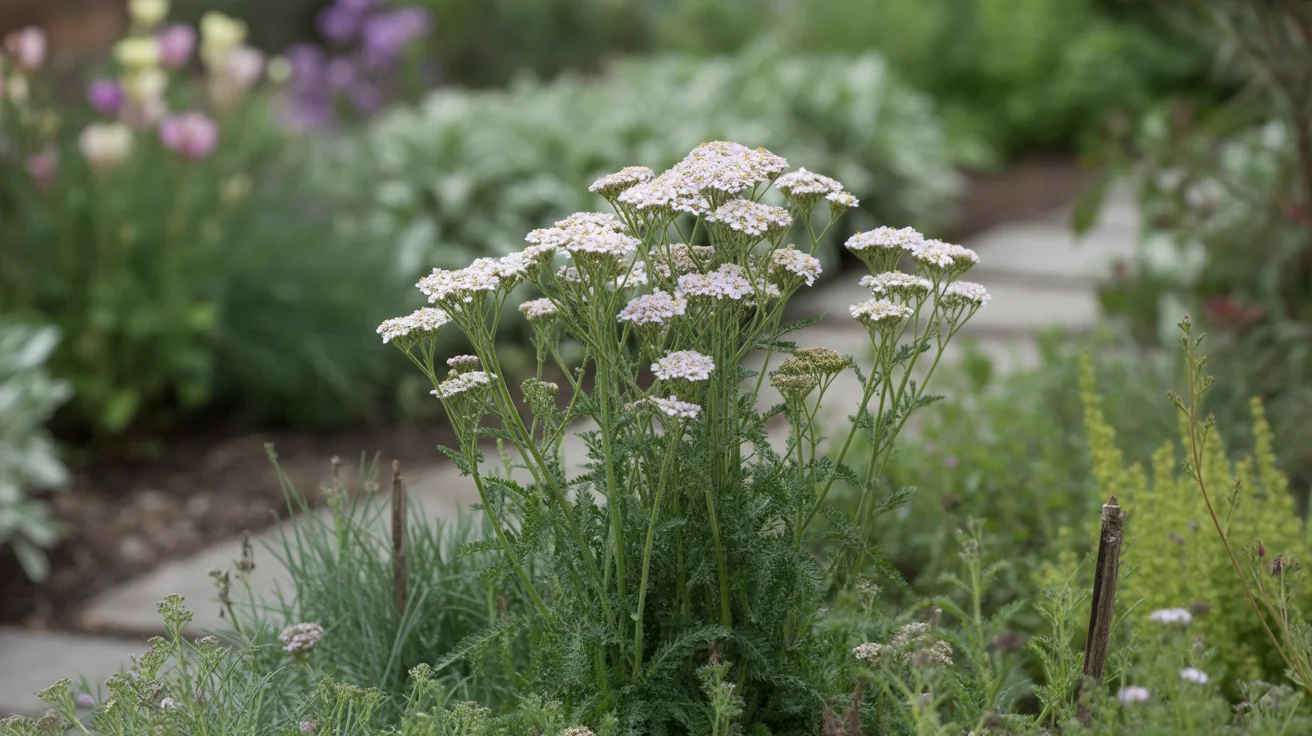
- Yarrow has very fine foliage that contrasts nicely with the texture of blanket flower (Wisconsin).
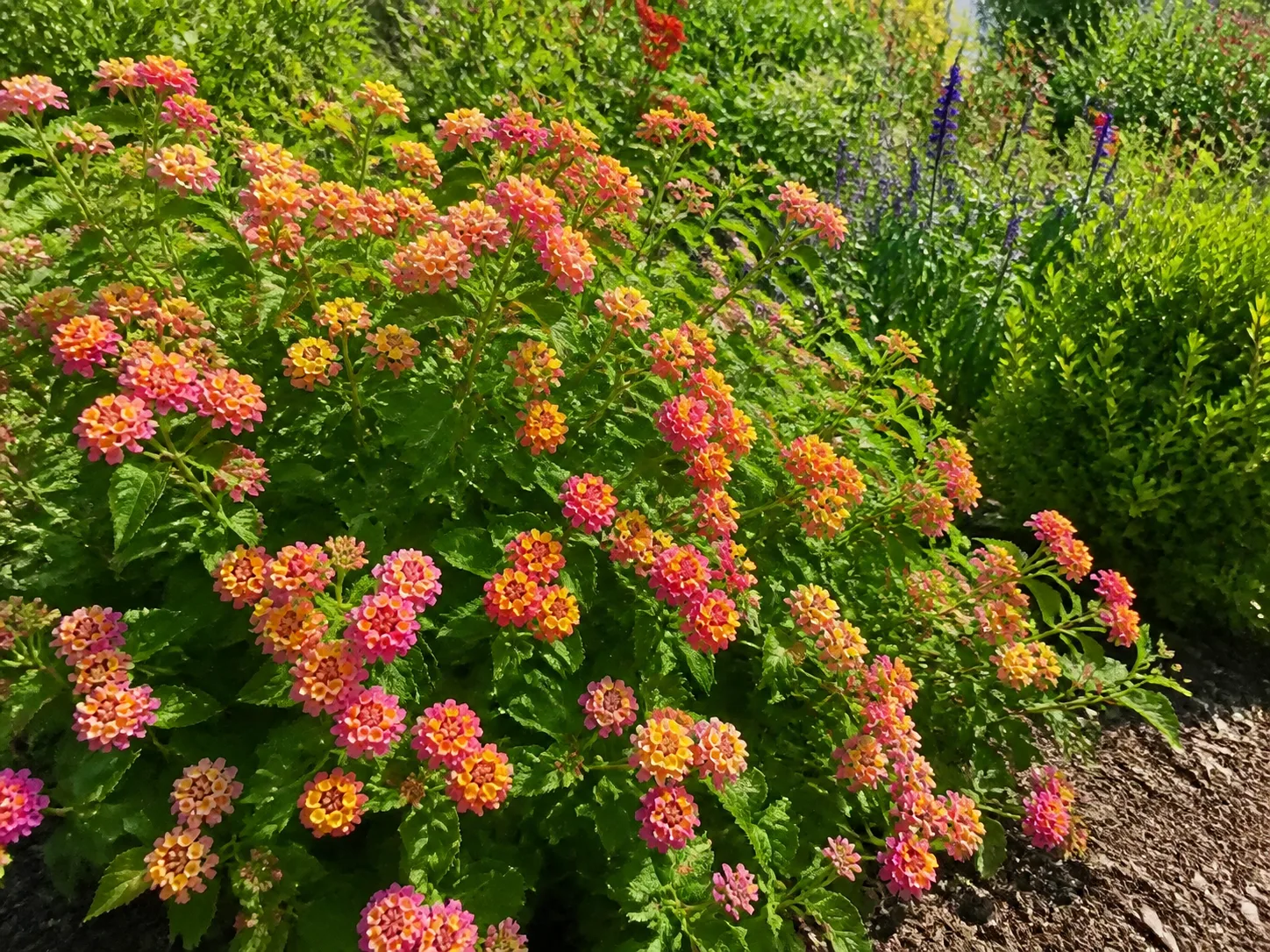
- Lantana also wants full sun (NC State), so it fits the same bed, and coreopsis is a good partner too (Wisconsin).
What Problems Do Blanket Flowers Get, and Are They Safe to Handle?
Blanket flower has few pest problems (Wisconsin), and NC State regards none of the ones below as serious.
- Powdery mildew and leaf spot can affect the hybrid.
- Leafhoppers can affect the hybrid, and the aster leafhopper is the insect that carries aster yellows (University of Minnesota Extension).
- Aphids and thrips show up on Indian blanket, which will not survive in waterlogged soil.
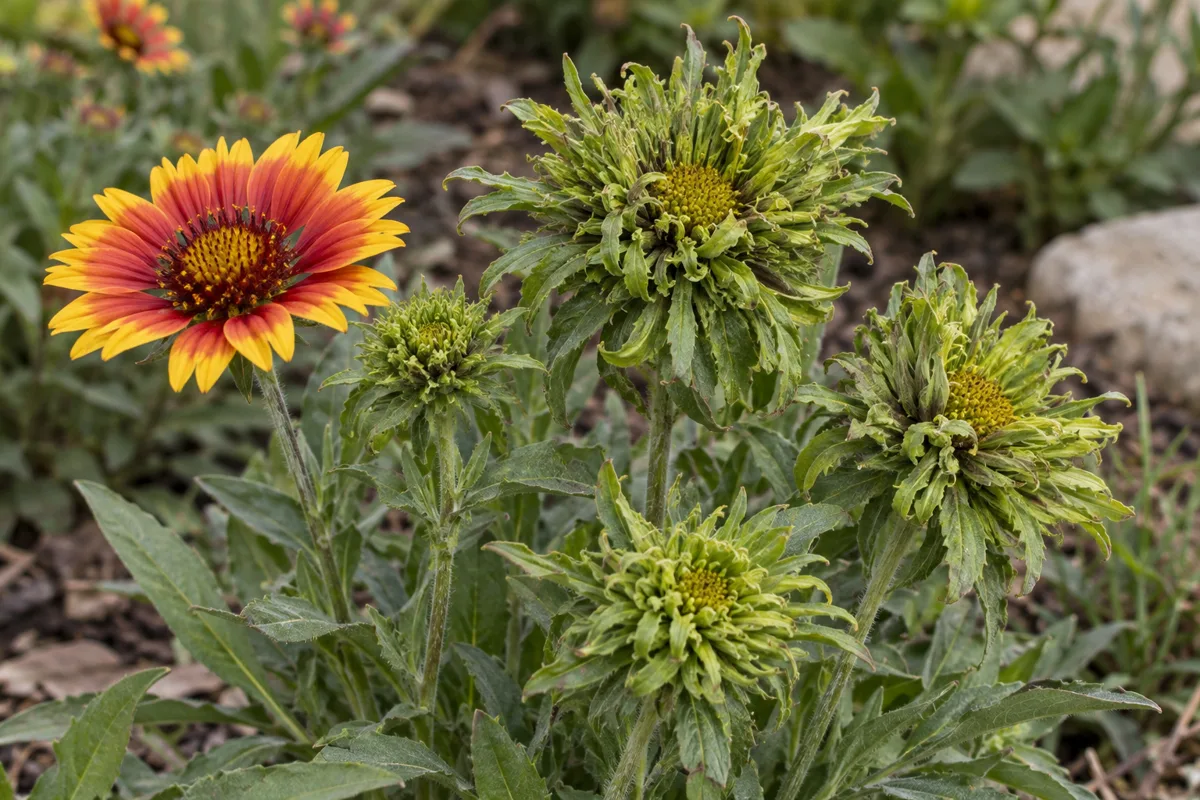
Watch aster yellows most closely. It leaves flowers small, malformed, and often green, and an infected plant cannot be cured. Pull the whole plant and destroy it, because leafhoppers can carry the pathogen from an infected plant to other susceptible ones (University of Minnesota Extension).
Pet safety is unknown. Blanket flower has no ASPCA or NC State rating, and unknown is not the same as safe, so keep your pets from chewing it.
Frequently Asked Questions
Why does my blanket flower die after a year or two?
A short life is normal. The hybrid's average lifespan is two years, because it needs excellent drainage and blooms so prolifically that it burns itself out (Wisconsin). Cutting plants back to 6 inches in late summer may increase the chance of winter survival.
Does blanket flower come back every year?
The hybrid is a short-lived perennial, so a plant may come back for a couple of years (average lifespan two years, Wisconsin). The species and some hybrids self-sow, which is how a patch carries on. The seedlings look like young dandelions, so mark them or you may pull them as weeds. Indian blanket grows as an annual or perennial.
Should I deadhead gaillardia?
Deadheading is optional. It can prolong the plant's life and may encourage more blooms, but leave some heads late in the season if you want goldfinches to eat the seed or seedlings to replace the plant (Wisconsin, NC State).
Is blanket flower native to the US?
Yes. All Gaillardia species are native to the Americas. Indian blanket ranges from the Southeast to Colorado, and common blanket flower from the prairies into the Rockies. The common garden hybrid came from crossing those two in a Belgian garden in 1857 (Wisconsin).
What diseases affect blanket flower?
Mostly minor ones such as powdery mildew, leaf spot, aster yellows, and leafhoppers, though NC State regards none of them as serious. Deer and rabbits usually avoid blanket flower (Wisconsin).
Does gaillardia need fertilizer?
Not much. Established plants are drought tolerant and do not require much fertilization (Wisconsin). NC State suggests amending the soil with humus.
How do I grow blanket flower from seed?
Scatter annual types on the soil surface because they need light to germinate, and start perennial types indoors 6 to 8 weeks before your last frost. The Mesa series reaches 14 to 16 inches and flowers the first year after sowing (Wisconsin), so you get blooms without waiting a season.
Can blanket flower grow in containers?
Yes. NC State lists containers, patios, and walkways as good spots, and Wisconsin says to grow it alone or with other plants that tolerate dry conditions. A dwarf such as ‘Goblin’ (12 to 14 inches) fits a pot.
Sources & References
- Blanket Flower, Gaillardia spp., Wisconsin Horticulture Extension
- Gaillardia x grandiflora, North Carolina Extension Gardener Plant Toolbox
- Gaillardia pulchella, North Carolina Extension Gardener Plant Toolbox
- Growing Perennials, Clemson Cooperative Extension HGIC
- Growing Annuals, Clemson Cooperative Extension HGIC
- Gaillardia pulchella, Blanket Flower, UF/IFAS Extension
- Soil Drainage, Colorado State University Extension
- Aster yellows, University of Minnesota Extension
- Lantana camara, North Carolina Extension Gardener Plant Toolbox