
What's an Aster? How to Stop It Flopping Before Fall
Symphyotrichum spp. Asteraceae
Gardeners blame the weather when an Aster splits open in September, but the shape was decided in early summer. Pick by mature height and mildew record, pinch before July, keep the ground lean, and these North American perennials carry the border until frost.
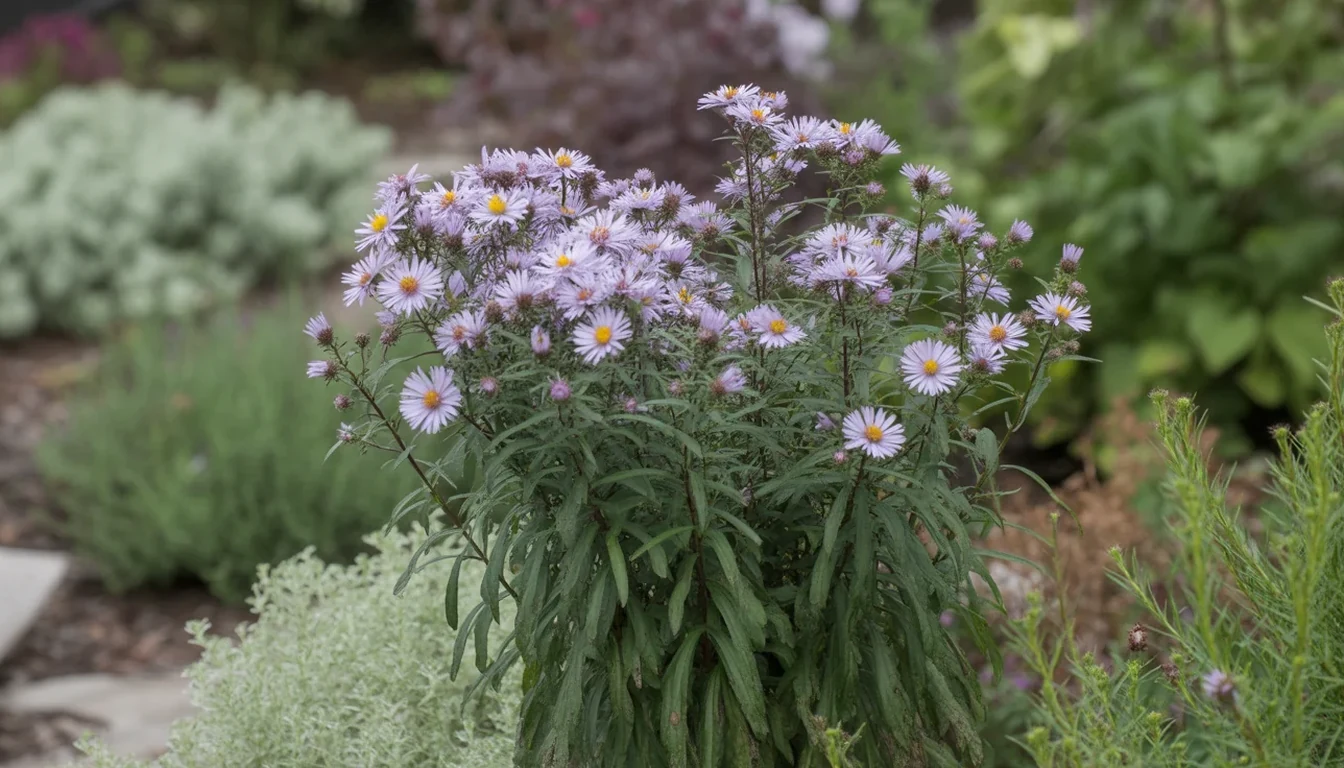
Care snapshot
What Is an Aster, and Why Does It Wait Until Fall to Bloom?
An Aster is a North American perennial in the daisy family that sets its flower buds as the nights lengthen, which is why the plant can spend a whole summer looking like nothing but a green mound.
Most garden types belong to Symphyotrichum, the genus that now carries the New England and New York species still sold under the older Aster name. That short-day trigger is a botanical difference rather than a slow start, so a plant carrying no buds in August is behaving exactly as it should.
Habit matters as much as timing, because the flowers open along the side branches instead of on one terminal head. That scatters hundreds of small daisies through a light, airy mass, and it means the size of the display depends on how many branches the plant built months earlier.
The branching you allow in June therefore decides whether the plant can hold up its own flowers in September.
Which Aster Should You Buy for Your Bed?
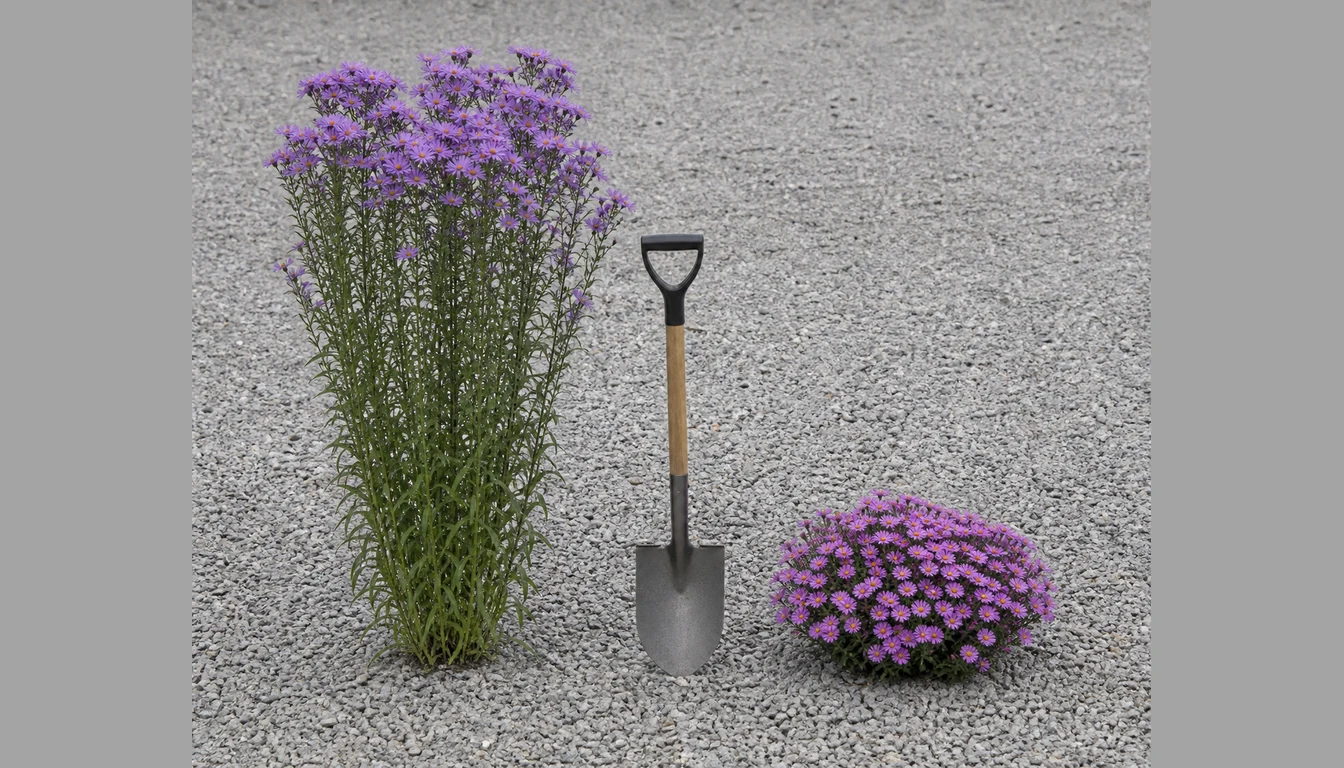
Buy on mature height and mildew record first, then pick the color you came for. Reversing that order is how a 4 to 6 ft New England type ends up planted eighteen inches from a path.
Mildew resistance earns that weight because older selections strip their lower leaves from the ground upward by September, leaving flowers floating above bare stems.
Cultivars bred for clean foliage hold those leaves through a humid season and need less staking as a result. The difference shows up in the same bed, the same soil, and the same watering, which makes it a buying decision rather than a care problem.
Four groups get sold under the single word aster, and they suit opposite positions in a border. Dwarf selections settle near 12 to 18 inches, while Symphyotrichum novae-angliae can more than triple that in good ground.
Choose a native species or a close nativar when late nectar is part of the point, since those are the plants the season's last bees actually work.
- New England Aster
- Tall native at 4 to 6 ft, heavy pollinator traffic, wants pinching or room at the back.
- New York Aster
- Widest cultivar range in blue, pink, and violet, with heights running 1 to 4 ft.
- Dwarf border types
- Compact at 12 to 18 inches for front edges, containers, and paths where flop would block the way.
- Aromatic Aster
- Shorter, drought-tolerant, and the latest to open, which suits lean sunny ground.
How Much Sun Do Asters Need to Stay Upright?
Six hours of direct sun is the floor, and eight is what fills buds all the way down the branches instead of only at the tips.
Below that the stems stretch toward the light and flower mainly at the ends, so the plant carries its weight up high and falls open after the first heavy rain. Light afternoon shade is a fair trade in Zone 8 and Zone 9 heat, but shade thrown by a tree canopy is not.
Spacing is the other half of the same siting decision, because a crowded clump traps damp air in its lower canopy exactly where powdery mildew begins. Leave enough room for air to move through the base and the condition never arrives to be treated.
- Count 6 to 8 hours of direct summer sun on the spot before planting.
- Allow light afternoon shade only where Zone 8 to 9 heat makes it useful.
- Keep the plant out from under dense tree canopy and tall shrubs.
- Space clumps so air moves through the bottom 12 inches of the stems.
Why Do Asters Flop, and When Should You Pinch Them?
A flopping Aster is showing a shape it finished building in early summer rather than damage that arrived with the storm. By September the height is already made, and nothing done that month takes it back.
Pinching is the fix, and the window opens in late spring and closes around the first week of July. Cut the stems back by roughly one third once they reach 6 to 12 inches, and each cut stem answers by branching below the wound.
Stop by early July in most climates, because after that you are removing the buds that were going to carry the entire fall display.
Shorter branched stems also stand closer together at the base, which is why pinching quietly lowers mildew pressure too. The plant finishes wider and lower with more flowers spread across it.
If it is already August and the plant is tall and soft, leave the shears alone and set a support ring instead. Note the date, pinch on time next year, and check whether the ground is richer than the plant wants.
- Wait for heightLet new spring stems reach six to twelve inches before the first cut, so there is stem left to branch from.
- Take a thirdShear or hand-pinch the top third of every stem, cutting just above a leaf pair.
- Repeat if neededA second light pinch two to three weeks later suits a vigorous four to six foot type in rich ground.
- Stop at the deadlineMake the last cut by about the first week of July so the plant still has time to set buds.
- Water it throughKeep the root zone moist for two weeks after cutting while the new side shoots push out.
Do Asters Want Rich Soil or Lean Ground?
Lean ground is the answer, which catches out anyone who has been taught that border perennials want a rich bed.
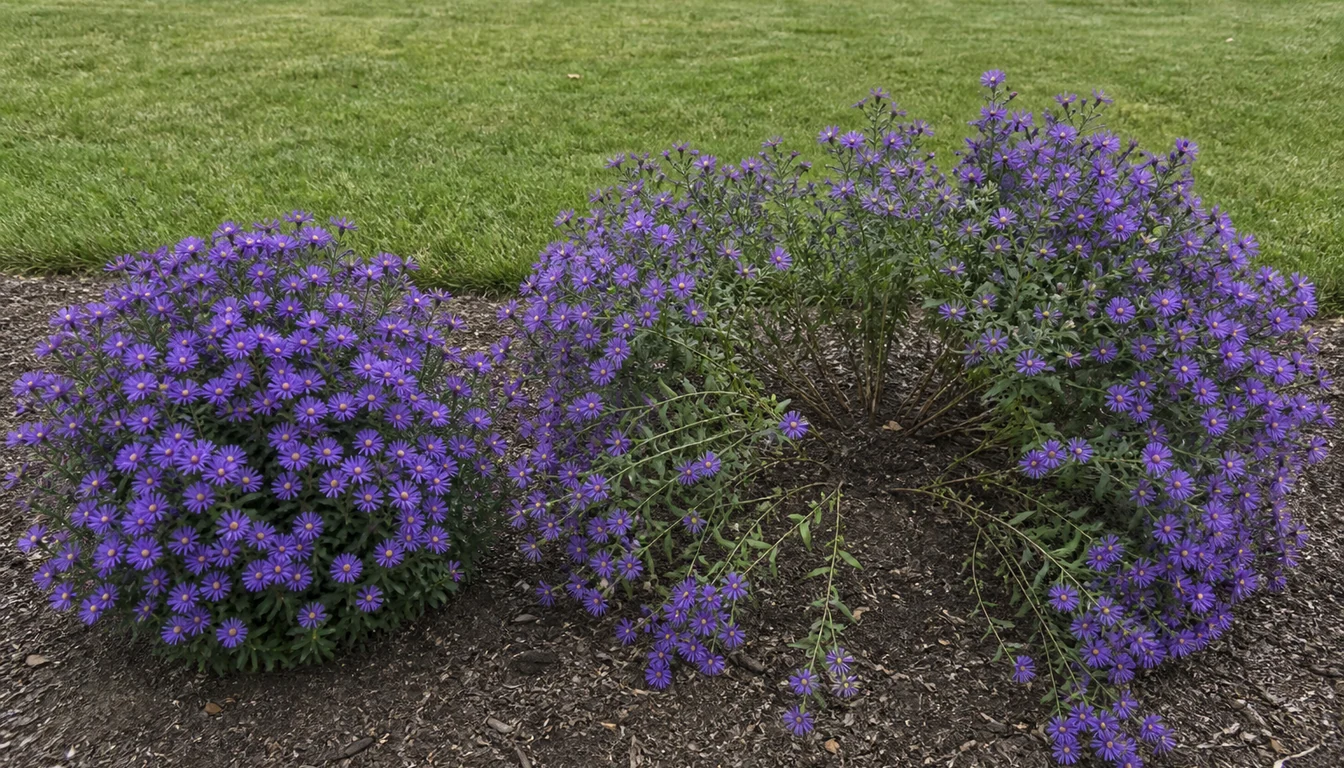
An Aster in fertile, heavily fed soil makes tall soft stems quickly, and those are the stems that lean. It behaves far more like Yarrow or Russian Sage than like a hungry border plant.
Aim for a pH near 6.0 to 7.0 and ground that drains, which in heavy clay means opening the top few inches with compost before planting. The point of that prep is drainage rather than fertility.
Water is a separate question, and the honest answer is deep and infrequent rather than little and often.
Soak a first-year plant to 6 to 8 inches so it builds roots before it has to support a fall bloom, then check 2 to 3 inches down before watering again. An established clump rides out a dry spell, though drought while buds are forming will shrink the display.
- Soil texture
- Loam or sandy loam that drains freely rather than a rich, water-holding bed.
- Organic matter
- 3 to 4 inches of compost worked in before planting, for structure rather than feed.
- Soil pH
- 6.0 to 7.0, slightly acidic through neutral.
- Fertility
- Low to moderate; no high-nitrogen lawn feed at any point in the season.
What Causes the White Dust on Aster Leaves?
That white film is powdery mildew, a fungus, and it nearly always starts on the lowest leaves and works upward. Crowding and wet foliage are what let it in, so the repair belongs to spacing and watering rather than to a bottle.
Mistaking it for spider mite damage is the common error, and at a glance the two are close enough to send people after the wrong treatment.
Mite feeding leaves fine pale speckling with webbing in the leaf angles, while mildew sits on the surface as a flat dusty coat you can smudge with a thumb. Hot dry weather brings the mites and humid still air brings the fungus, so the season usually says which one to expect.
Reach for a broad spray last rather than first, because an Aster in bloom is covered in the bees and butterflies still feeding in October. Thin the crowded stems, water at the base, cut out the worst foliage, and treat only what you have actually identified.
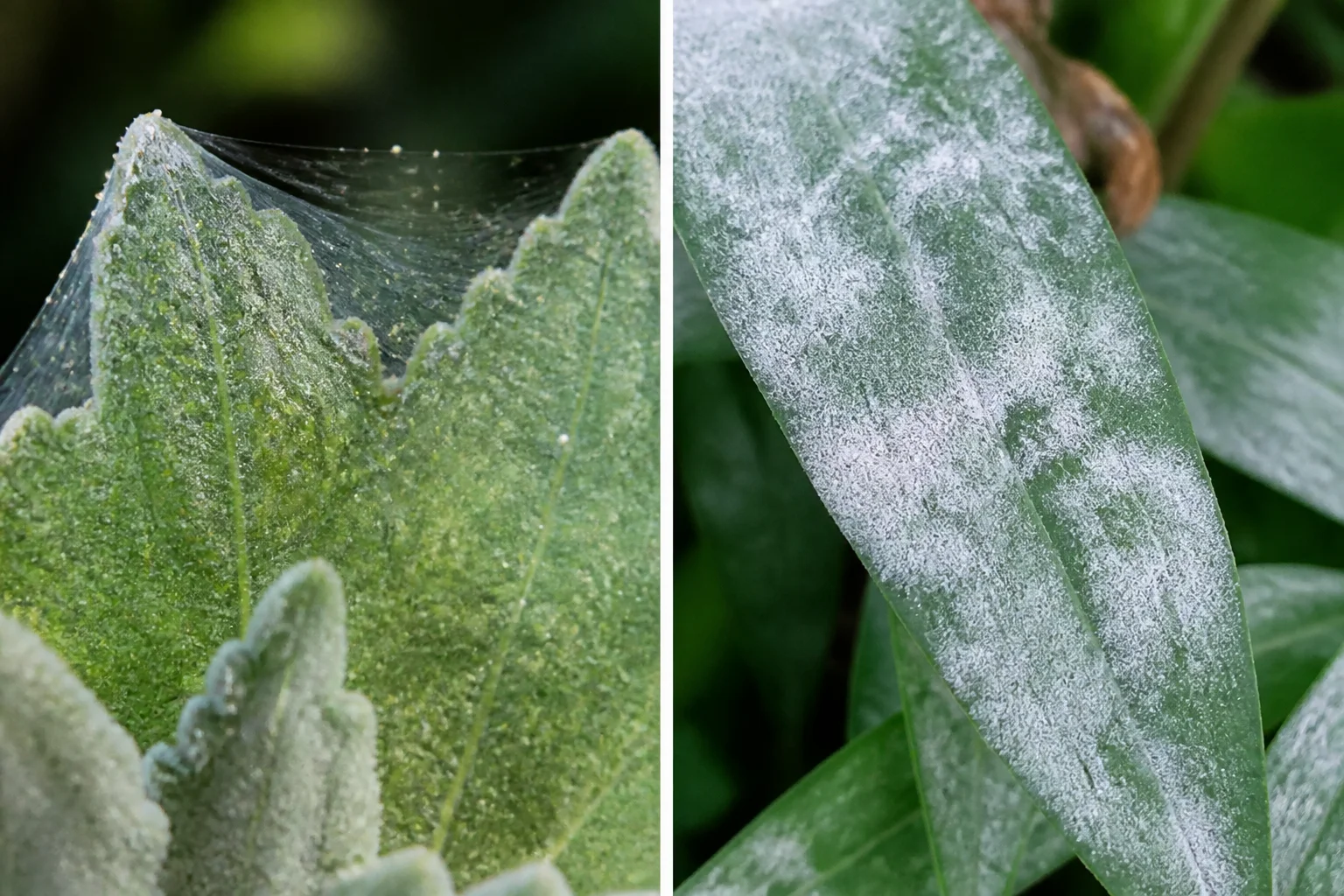
A flat white coat starting on the lowest leaves in humid, still weather. Thin the stems, water at the base, and cut out the worst foliage rather than spraying a plant in bloom.
Pale stippling with fine webbing in the leaf angles during a hot dry spell. Rinse the foliage in the morning and use insecticidal soap only where mites are confirmed.
Sticky stems and curled shoot tips, clustered on the newest growth. A strong water spray every few days usually settles it before soap is needed.
White or tan speckling with small insects that hop when the stem is touched. Clear weedy hosts around the bed and cover young plants rather than spraying open flowers.
When Should You Divide an Aster Clump?
The clump tells you when it is due, usually by going hollow in the middle while the outer ring keeps growing. Bloom count drops at the same time even though the foliage still looks healthy.
That normally lands every 3 to 4 years, which makes annual division a habit rather than a need. Splitting a clump that is still full in the center costs a season of bloom for nothing.
Early spring is the safer window in cold zones because the divisions get a whole season of root growth before the ground freezes, while a fall split in Zone 6 and warmer works if the soil is still warm enough to root into.
- Water firstSoak the clump deeply the day before so the root ball lifts in one piece.
- Cut the top downShorten stems to about four to six inches so you can see the crown and handle the plant.
- Lift the whole thingDig a wide circle and lever the entire root mass out rather than chopping pieces off in the ground.
- Split the ringSlice into sections with a sharp spade, keeping several shoots and good roots on each and discarding the woody dead center.
- Replant and settleSet the divisions at their original depth, water them in, and mulch one to two inches deep while the roots regrow.
What Do Asters Need After Frost, and Are They Safe Around Pets?
Once frost ends the flowers there is a real choice to make, and tidying is not automatically the right one.
Standing stems and seedheads feed goldfinches through the winter and give overwintering insects somewhere to sit out the cold. Cutting everything to the ground in November trades that away for a neater bed.
The exception is foliage that mildewed badly, which should come out and go in the bin rather than back onto the bed as next season's starting inoculum.
No ASPCA or NC State record gives a pet toxicity classification for these asters, so their safety for cats and dogs is unknown. ASPCA's non-toxic China aster entry is a different plant, Callistephus chinensis. If a pet eats a large amount, contact a veterinarian or ASPCA Animal Poison Control. People who react to ragweed sometimes find handling Asteraceae foliage a little itchy, which is a gloves question rather than a planting one.
Frequently Asked Questions
Do asters come back every year?
Yes. Garden asters in the genus Symphyotrichum are true perennials through Zones 3 to 9, dying back to the ground each winter and sending fresh stems up from the crown once the soil warms.
Can I grow an aster in a container?
A dwarf border selection works in a pot of 12 inches or more, but a tall New England type dries out too fast and leans against the rim. Container plants need watering more often than bedded ones, and they benefit from a wider, heavier pot that will not tip once the top growth fills out.
Will an aster bloom the first year I plant it?
A nursery plant set out in spring usually flowers that same autumn, though the display is smaller than it will be in year two. Skip pinching in that first season if the plant is still short, since it needs the leaf area more than it needs the extra branching.
Are asters and chrysanthemums the same thing?
They are different genera that happen to share a season and a shelf at the garden center. An aster is a hardy perennial that returns for years from a widening clump, while many chrysanthemums sold in autumn are treated as short-lived color and often fail to overwinter in cold ground.
Should I deadhead an aster?
Removing spent flowers as they fade can stretch the display by a couple of weeks in a long autumn. Once frost arrives the choice changes, because the same seedheads you would have cut are what feed finches over winter.
Why did my aster bloom well one year and barely at all the next?
A sharp drop in flowers with healthy-looking foliage usually means the clump has gone hollow in the middle and is due for division. Heavy feeding produces the same pattern, since nitrogen pushes leaf and stem growth at the expense of bud set.
Sources & References
Related Plants
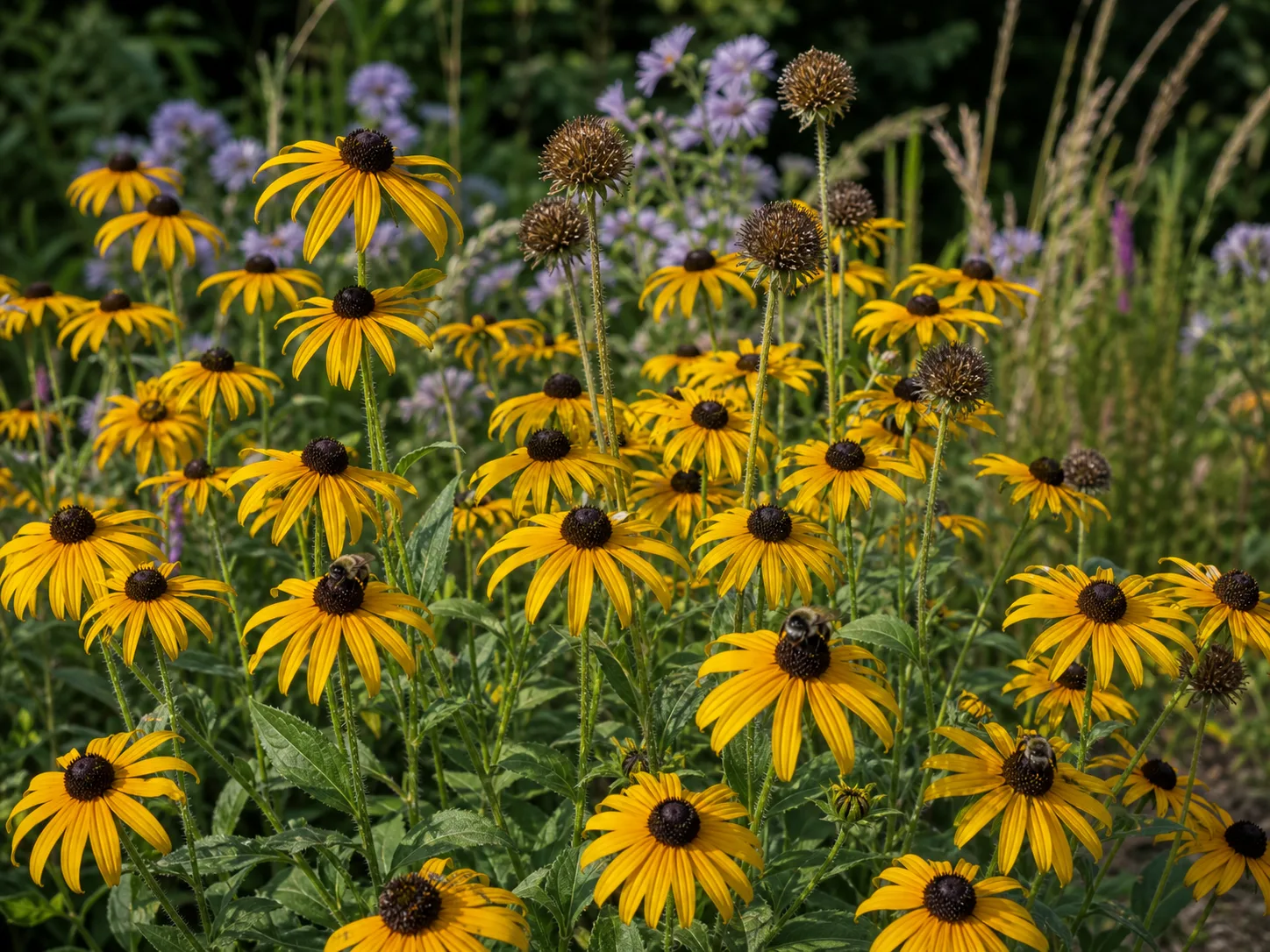
Black-Eyed Susan
Sunny yellow daisy-style perennial that pairs well with asters for late-summer color.
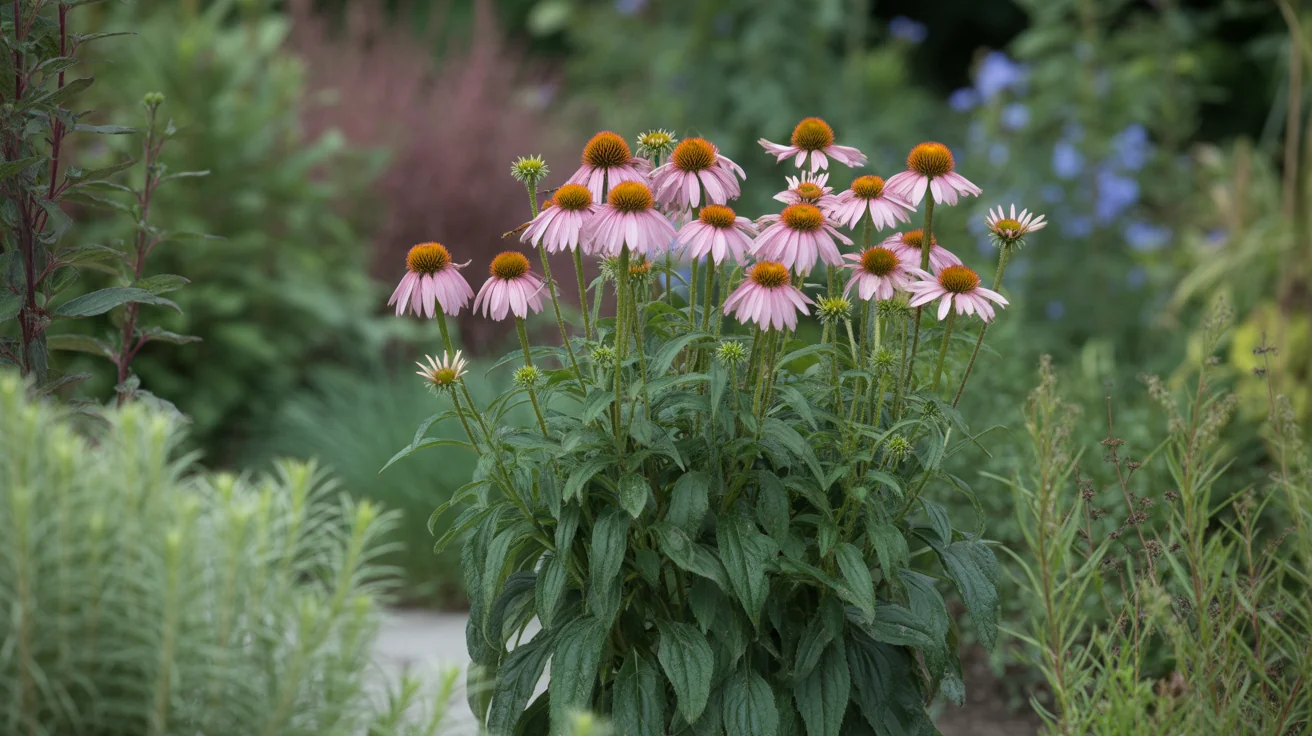
Coneflower
Sturdy summer-blooming perennial that bridges color before asters peak.
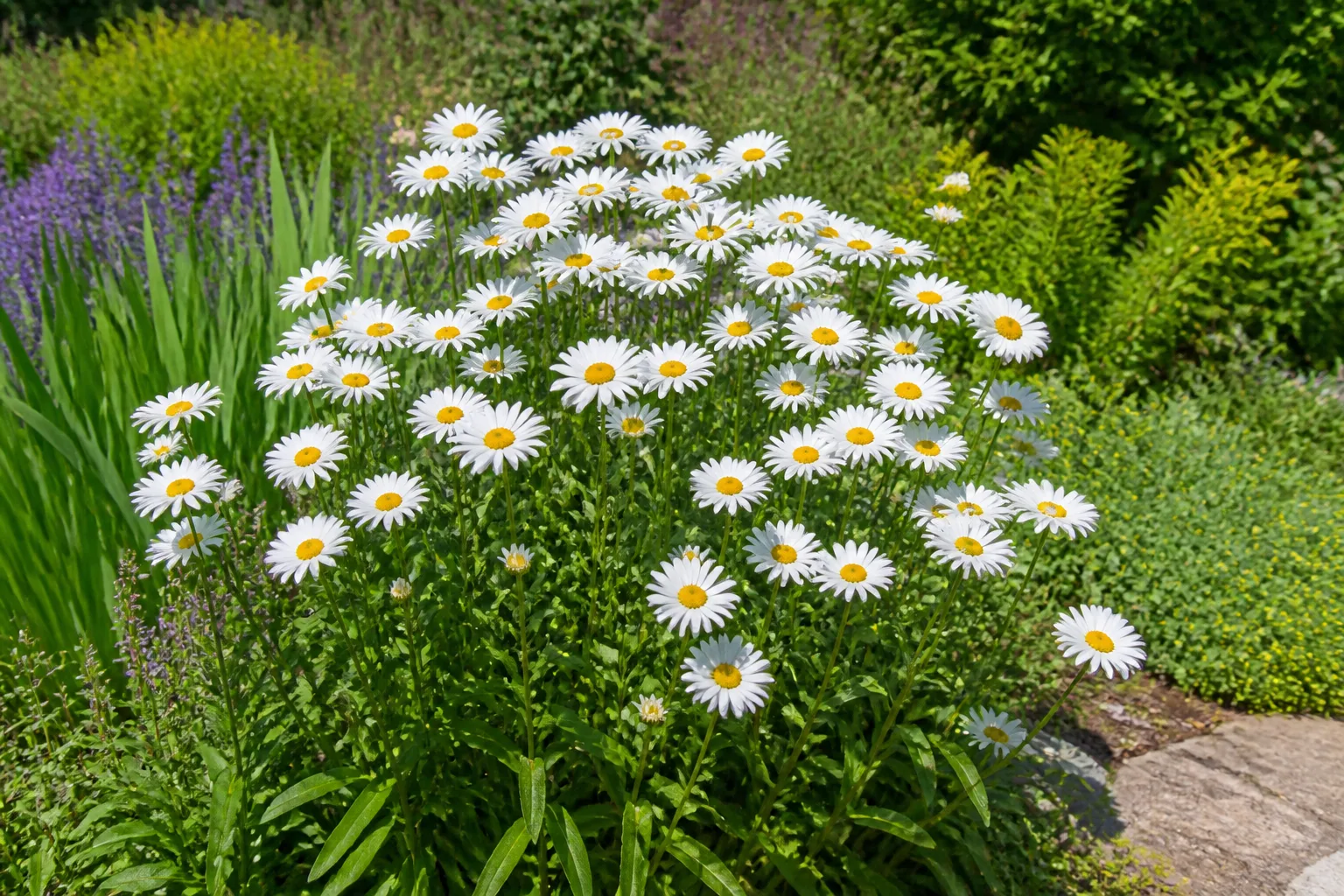
Shasta Daisy
Classic white daisy perennial that flowers earlier in the season.
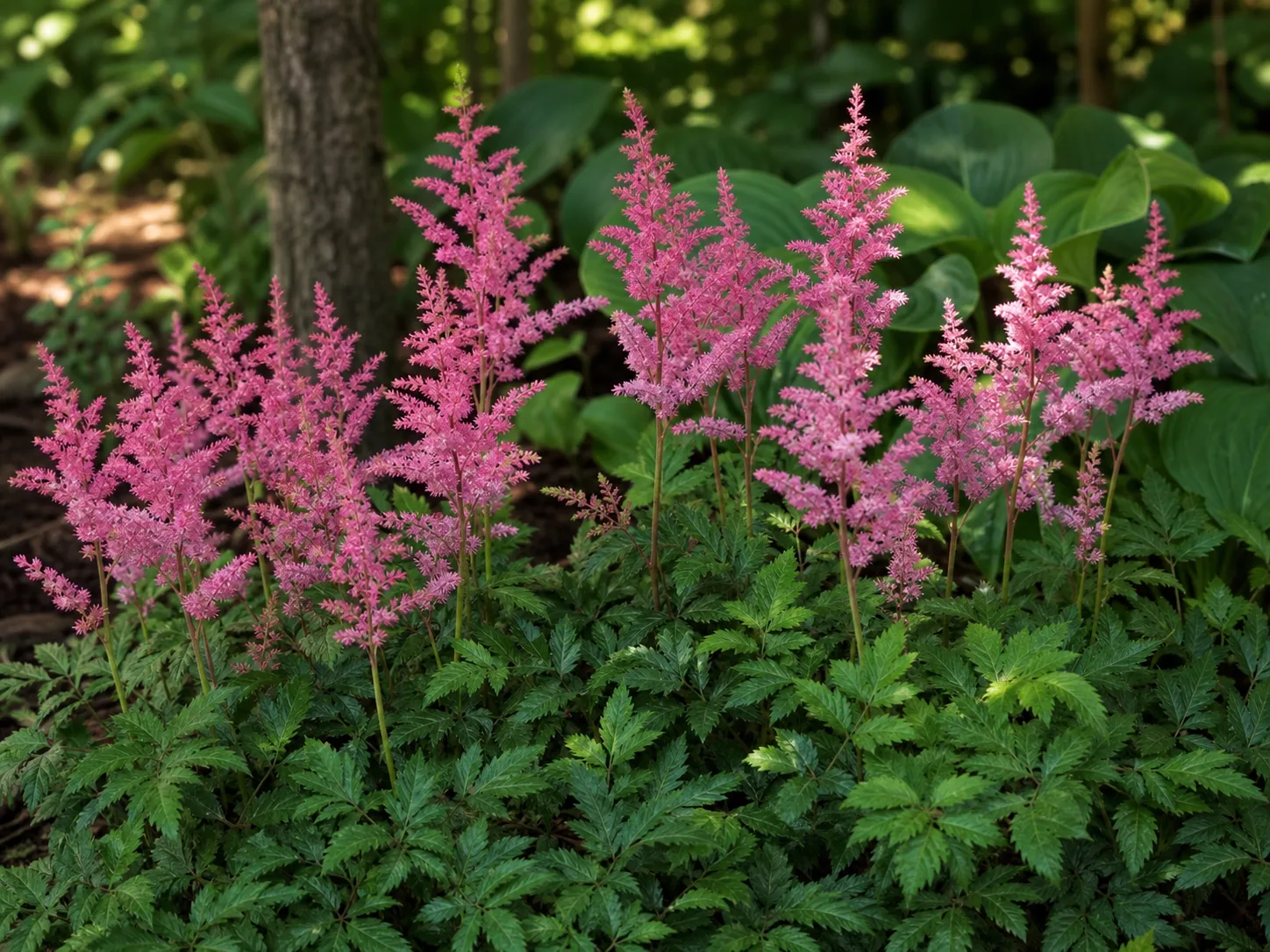
Astilbe
An Astilbe puts real color into a shade bed that would otherwise be green on green, but its shallow roots hold no…
Bigleaf Hydrangea
Bigleaf hydrangea (Hydrangea macrophylla) produces mophead or lacecap flowers, but winter survival and reliable…
Bleeding Heart
A Bleeding Heart banks a fixed budget in its rhizomes and spends all of it on four to six weeks of spring flower, then…