
Best Lawn Grasses for Privacy Screen Edges
Choose lawn grass beside a privacy screen by climate and measured light, then set the hedge and bed edge before shade thins the turf.
At a glance
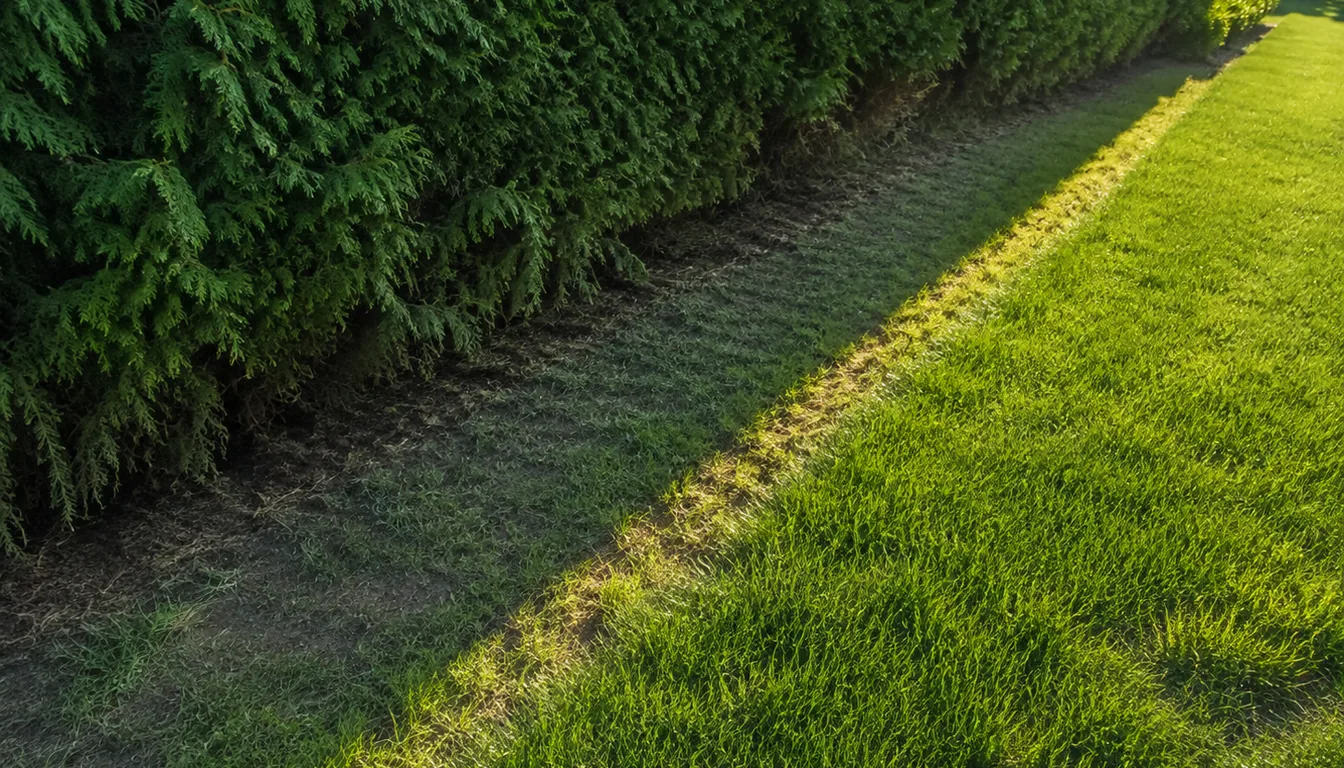
No lawn grass grows tall enough to screen a view. The useful question is which turf can remain beside a hedge, fence, or tree screen after that structure changes light, root competition, traffic, and mower access.
Fine fescues and tall fescue offer the most shade tolerance in many cool-season lawns. St. Augustine grass is usually the strongest warm-season option in moderate shade, while zoysia may work where climate and available cultivars fit.
Even the best choice has a limit. When the mature screen reduces direct sun below the site's turf threshold, move the lawn edge outward and use a mulched or planted bed instead of reseeding the same failing strip.
Can a Lawn Grass Screen a View?
Mown lawn grass does not create a privacy screen. The screening choice belongs to privacy shrubs, privacy trees, or suitable tall perennials.
The lawn decision is the strip beside that planting: enough room for access, enough light for the turf, and a bed edge that can move as the screen matures. Evergreen and deciduous screens differ in their winter coverage, so a plant list alone cannot promise year-round privacy.
Set the Screen Line Before You Plant It
The gap beside a screen has to accommodate plant growth, pruning access, and the mower. A small nursery plant can leave room that its mature branches will occupy.
Half the expected mature width is a starting estimate of the plant’s reach from its center, not a complete setback rule. Access, the intended pruning style, boundaries, and local requirements also matter.
A mower repeatedly turning on a thin shaded strip adds wear where turf already has less capacity to recover. A wider mulched edge can preserve access without forcing the mower against trunks or exposed roots.
Will Pruning Preserve the Privacy You Need?
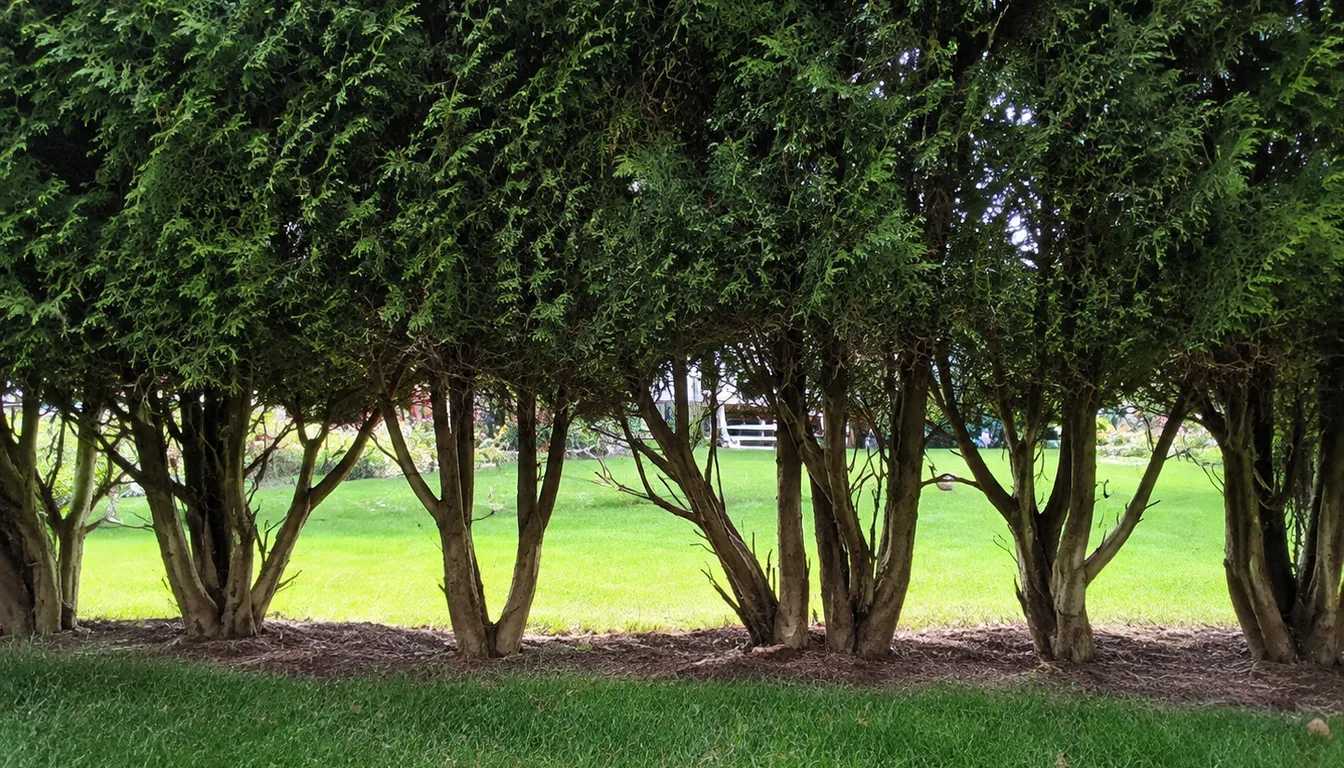
Removing low branches can admit light, but it can also open the sightline a hedge was planted to block. The effect depends on the screen’s height, density, species, and the position from which privacy matters.
Selective pruning may help in some settings; it is not an automatic cure for the lawn. A separate shade tree may allow a different pruning choice from the hedge itself, and severe pruning can damage either plant.
The useful comparison is between the privacy you would lose and the area of turf you could realistically retain. Moving the lawn edge may preserve both the screen and a maintainable yard.
How Far the Shade and the Roots Will Reach
Light and root competition can overlap without forming a sharp boundary. A strip may be brighter at its outer edge but still compete with woody roots for water.
NC State uses less than four hours of sunlight or less than half of open sunlight as a warning that turf will struggle. That is a regional management guide, not a guarantee that every site above the number will succeed or every cultivar below it will immediately die.
Measurements through the growing season are more useful than one midday glance. The hedge’s mature height, changing sun angle, and other nearby obstructions all affect the result.
- Light
- Observe the lawn surface at several times and seasons
- Moisture
- Check the root zone; shade does not always mean wet soil
- Access
- Leave space for mowing and screen maintenance
- Recurring failure
- Investigate light, roots, traffic, drainage, and establishment
How Long a Shadow Will the Screen Cast?
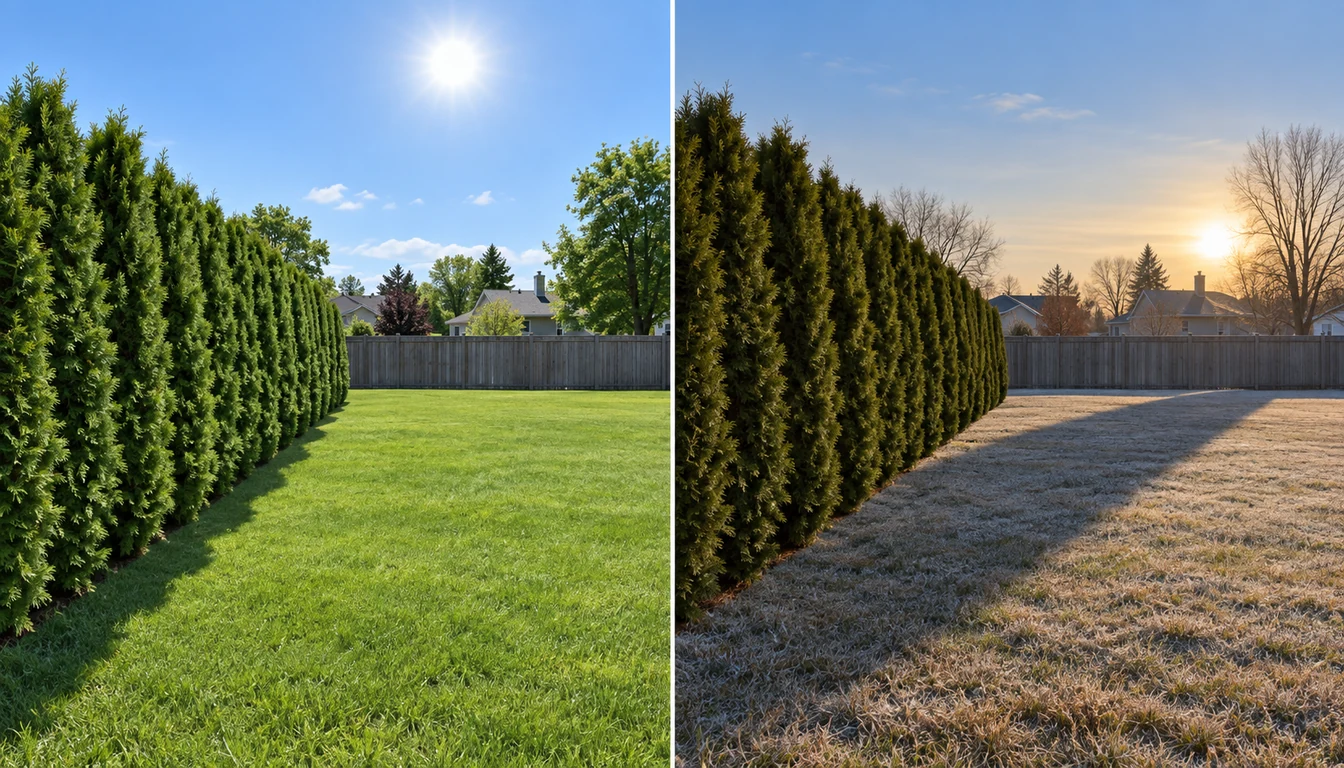
The shadow length is not a mystery. It follows from the height of the screen and how high the sun climbs where you live.
At solar noon the shadow reaches roughly the screen's height multiplied by a factor that changes through the year. Around 40 degrees north latitude, on level ground that factor runs from about 0.3 in midsummer to about 2.0 at the winter solstice.
A 6 foot fence-line hedge therefore throws under two feet of shadow at midsummer noon and about twelve feet in late December.
| Season at 40 degrees north | Sun height at noon | Shadow length | A 6 ft screen casts | A 12 ft screen casts |
|---|---|---|---|---|
| Midsummer | About 73 degrees | 0.3 x height | Under 2 ft | About 4 ft |
| Spring and autumn | About 50 degrees | 0.85 x height | About 5 ft | About 10 ft |
| Midwinter | About 27 degrees | 2.0 x height | About 12 ft | About 24 ft |
Read those as the shortest shadow of each day rather than the whole story.
Morning and evening shadows are far longer, so the ground that loses hours of sun stretches well past the noon figure even in June.
A noon calculation cannot tell you the total hours of useful light the turf receives.
In this Northern Hemisphere example, a screen south of the lawn can shade it around noon; morning and evening directions differ. Slope, gaps in foliage, and neighboring structures change the actual pattern.
Draw the Bed Edge While the Screen Is Still in Pots
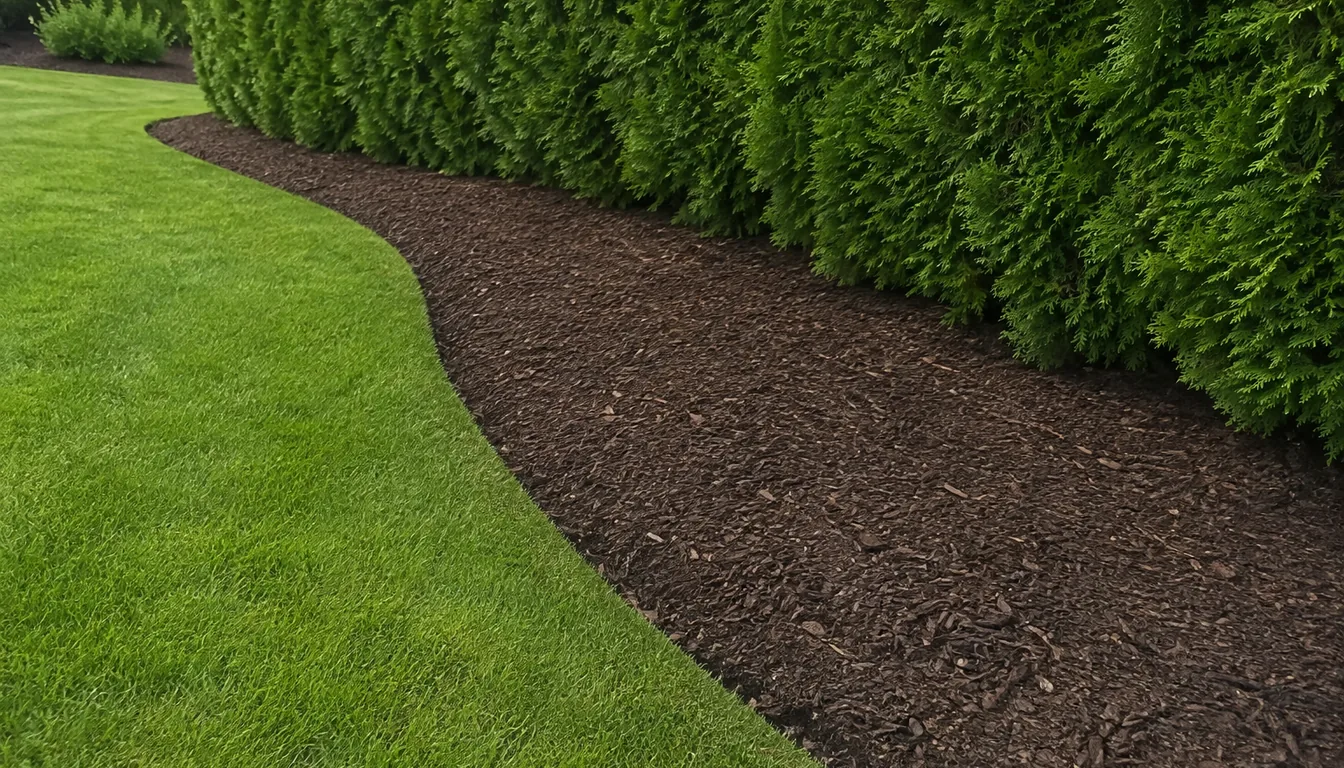
A bed edge can follow the space the mature screen and maintenance access need. Turf need not continue right up to the stems simply because it was there before the screen was planted.
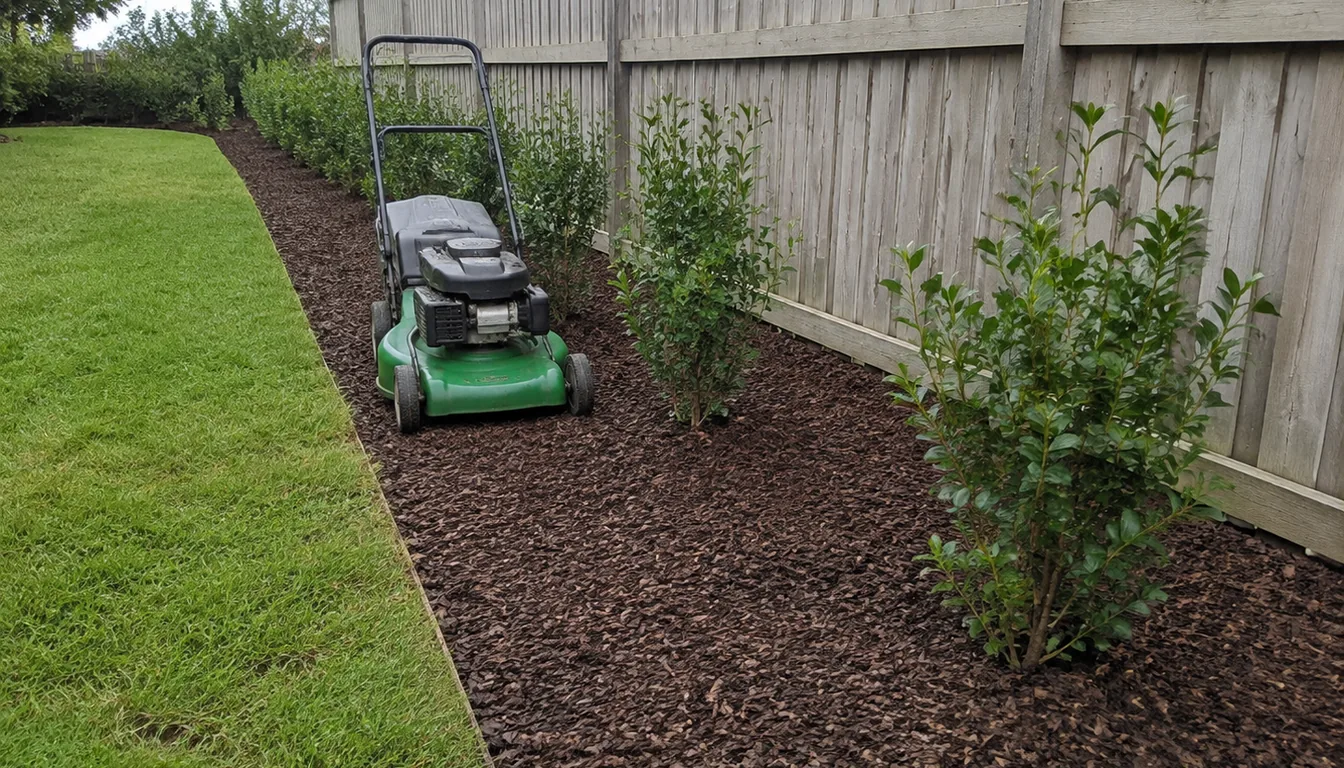
Wood chips or another suitable mulch can cover a non-turf strip without adding another plant competing for water. Mulch does not remove the screen’s roots or correct drainage, and it needs to stay clear of the trunks.
A flush mowing strip can reduce trimming where the mower wheel can safely run beside the bed. It still needs occasional maintenance; no edging material removes every future task.
A planted border is another option if its species fit the light, moisture, and local invasive-plant guidance. The distinction is useful: a mulch strip prioritizes access, while a planted strip adds another growing space to manage.
What Grows in the Strip Once the Lawn Stops
Mulch can cover the strip without adding another plant to compete with the hedge. Where you want a planted edge, light and soil moisture together determine what is likely to establish.
Dense foliage can reduce light while woody roots compete for water. Rainfall, soil drainage, irrigation, and the hedge species decide whether the ground is actually dry; shade alone does not establish that.
Hostas and ferns vary in their moisture needs. A plant selected only for shade tolerance can still struggle beside an established screen, particularly during dry weather.
The outer edge often offers more planting room and light than the space immediately around stems. A groundcover can fill some of that space when its soil needs and local invasive status fit the site, but it still needs establishment care.
Around stems
A mulch surface keeps mowing away from the hedge; leave the trunk flare and bark clear.
Root-filled ground
Avoid forcing a planting hole through large roots. A wider unplanted strip may be the better fit.
The outer edge
Match perennials or groundcovers to the light and moisture actually present, including summer conditions.
New plants
Monitor their own root balls as well as the surrounding soil; an established hedge competes with them for water.
Turning over the whole strip can damage roots that support the screen. Small planting pockets are useful only where they can be made without cutting major roots or raising the soil around trunks.
The aim is a stable lawn edge and a healthy hedge. Replacing thin grass with a plant that needs the same missing light or water merely changes which planting struggles.
If the Screen Is Already In
An established screen brings two questions: what is causing the thin turf, and which site changes preserve the privacy you need? The shade-tolerant lawn guide addresses repair and grass selection for that existing patch.
Fine fescue and tall fescue are cool-season options; St. Augustine grass and zoysia may fit suitable warm climates. Cultivar and site conditions still matter.
If the limiting conditions cannot reasonably change, moving the bed edge may be a better use of the space than repeated seeding.
Quick Tips
- Allow for mature plant width and maintenance access.
- Observe seasonal light at the lawn surface.
- Compare pruning options against the privacy they would remove.
- Check moisture and traffic as well as shade.
Recommended Plants
5 lawn grasses worth considering.
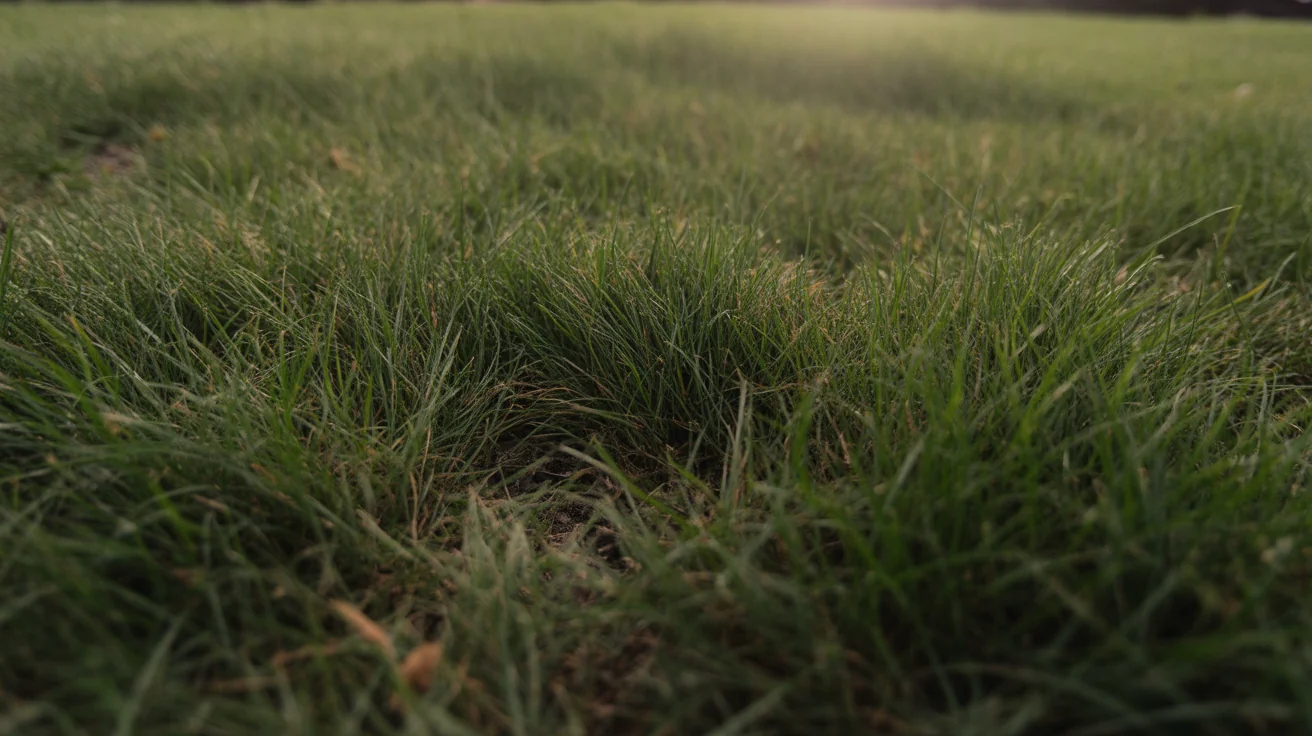
Fine Fescue
Fine fescue is not one grass. Five species and subspecies share the name and the very fine, needle-like leaf, and they…
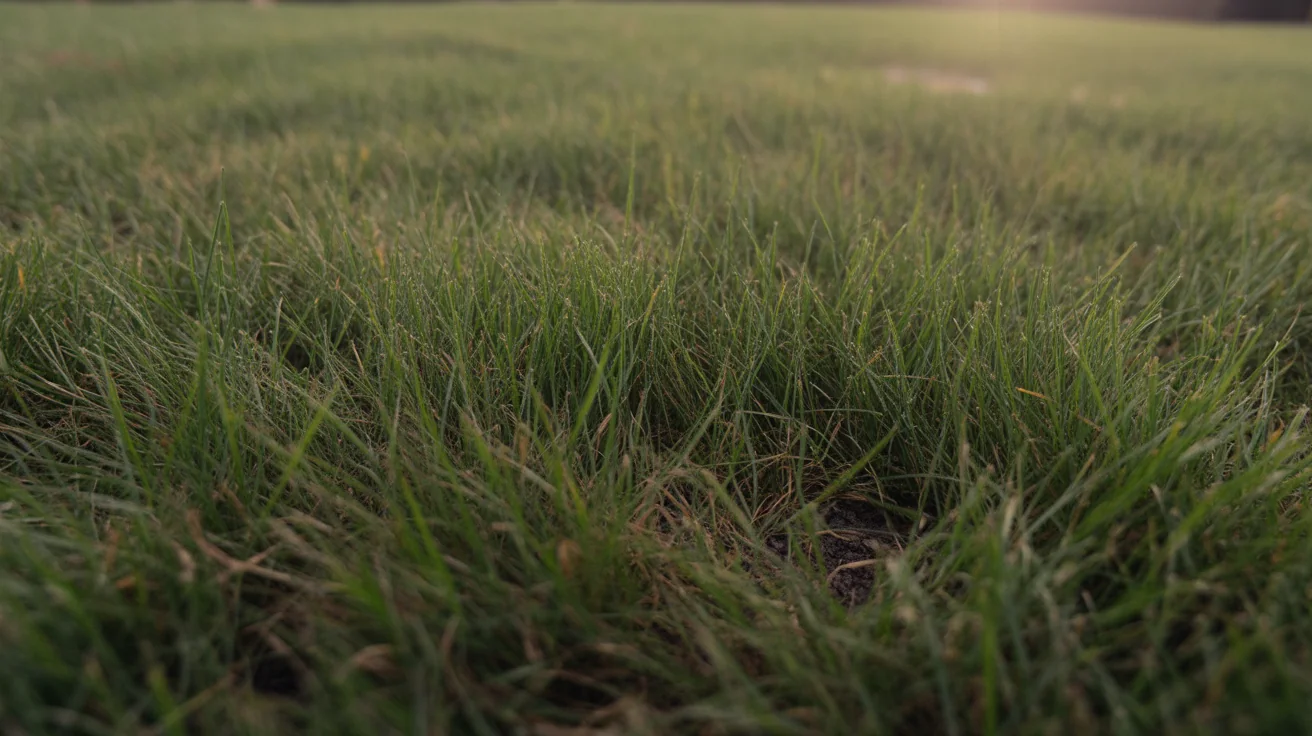
Tall Fescue
Homeowners across Zone 3-10 lean on Tall Fescue for a cool-season lawn that stays green without babying it every…
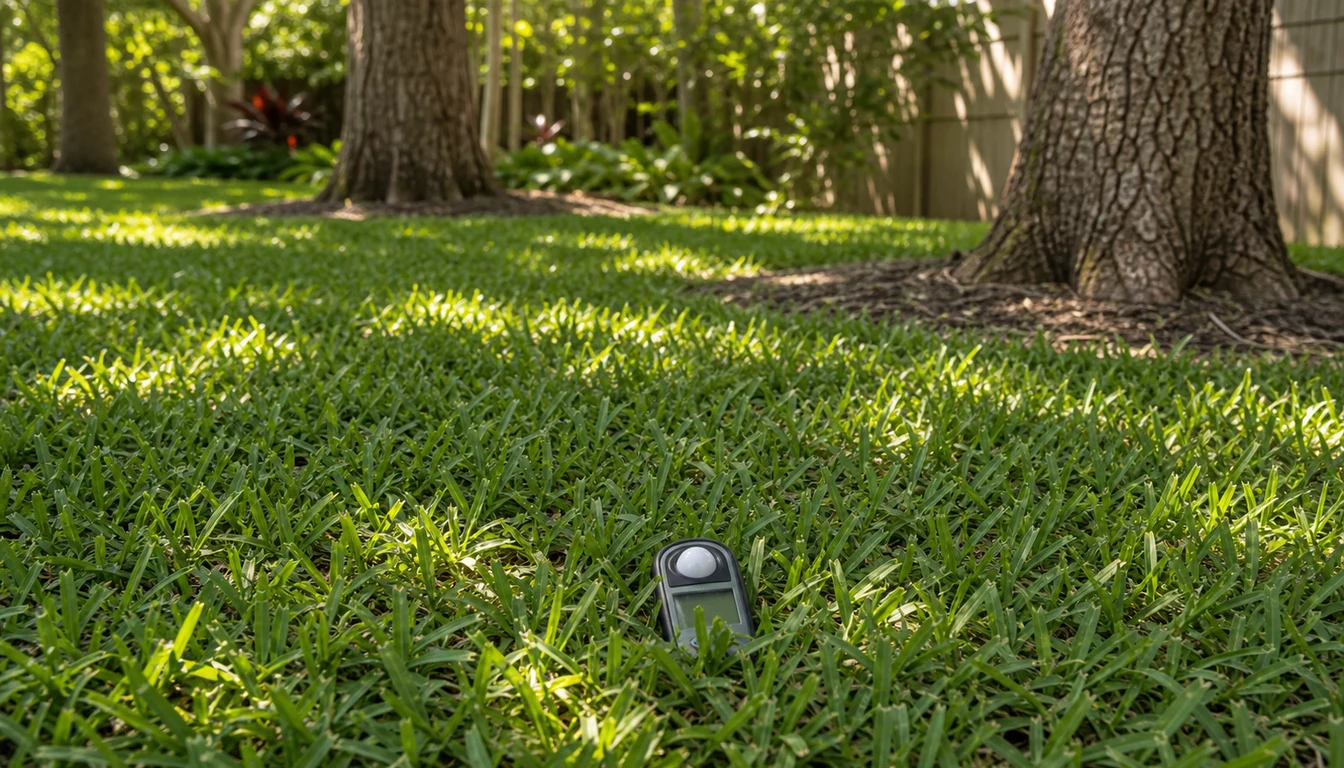
St. Augustine
St. Augustinegrass forms a broad-bladed warm-season lawn from sod, plugs or sprigs.
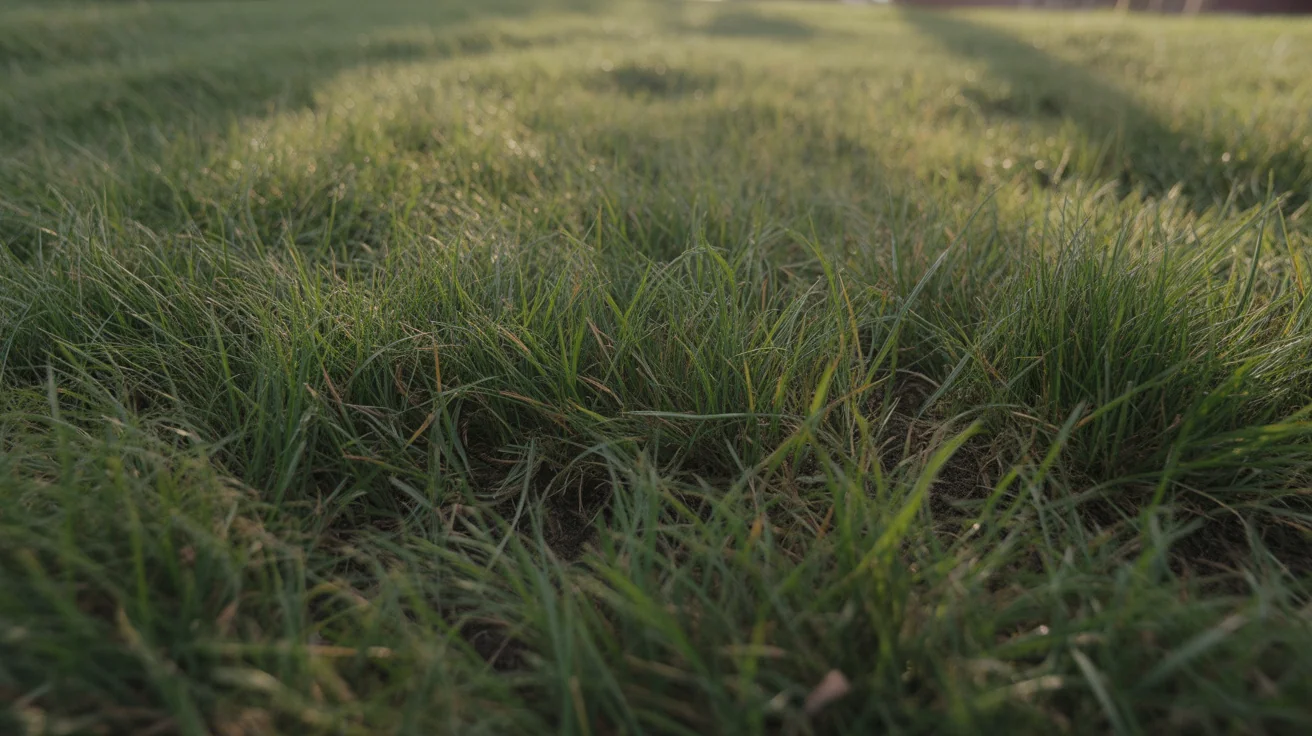
Zoysia Grass
Zoysiagrass forms dense warm-season turf that tolerates wear once established, but fills gaps and recovers from injury…
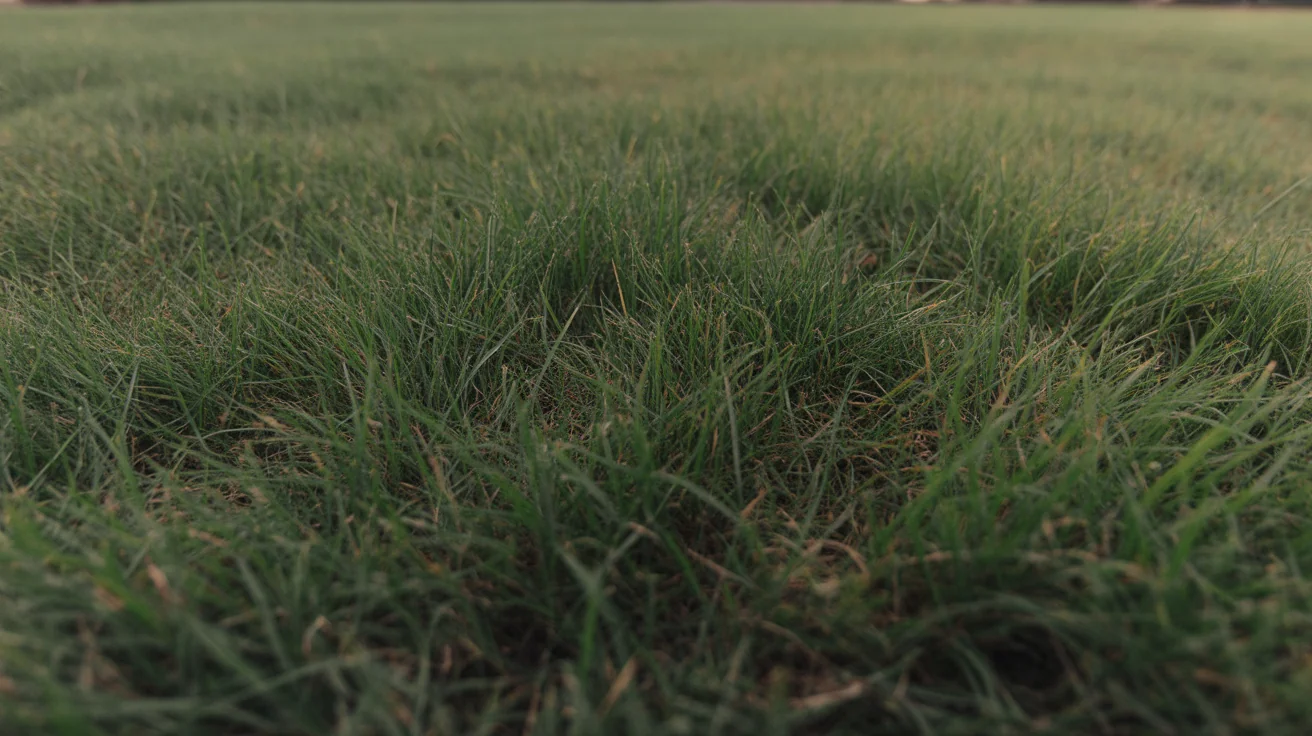
Bermuda Grass
Grow Bermuda grass if you want a dense, sun-loving lawn that shrugs off heat, foot traffic, and summer drought.
Frequently Asked Questions
Would a fence be easier on the lawn than a hedge?
A fence does not add living roots, but its height and opacity can still create substantial shade. Existing tree roots, drainage, and traffic may remain, so replacing a hedge with a fence does not guarantee a narrower failed strip.
Can I plant a screen right on the property line?
A mature screen needs space for branches and maintenance. Boundary restrictions and access need checking before planting; a width calculation alone does not establish where planting is permitted.