
What's a Yew Shrub? How to Avoid Wet Roots and Toxic Risk
Taxus baccata Taxaceae
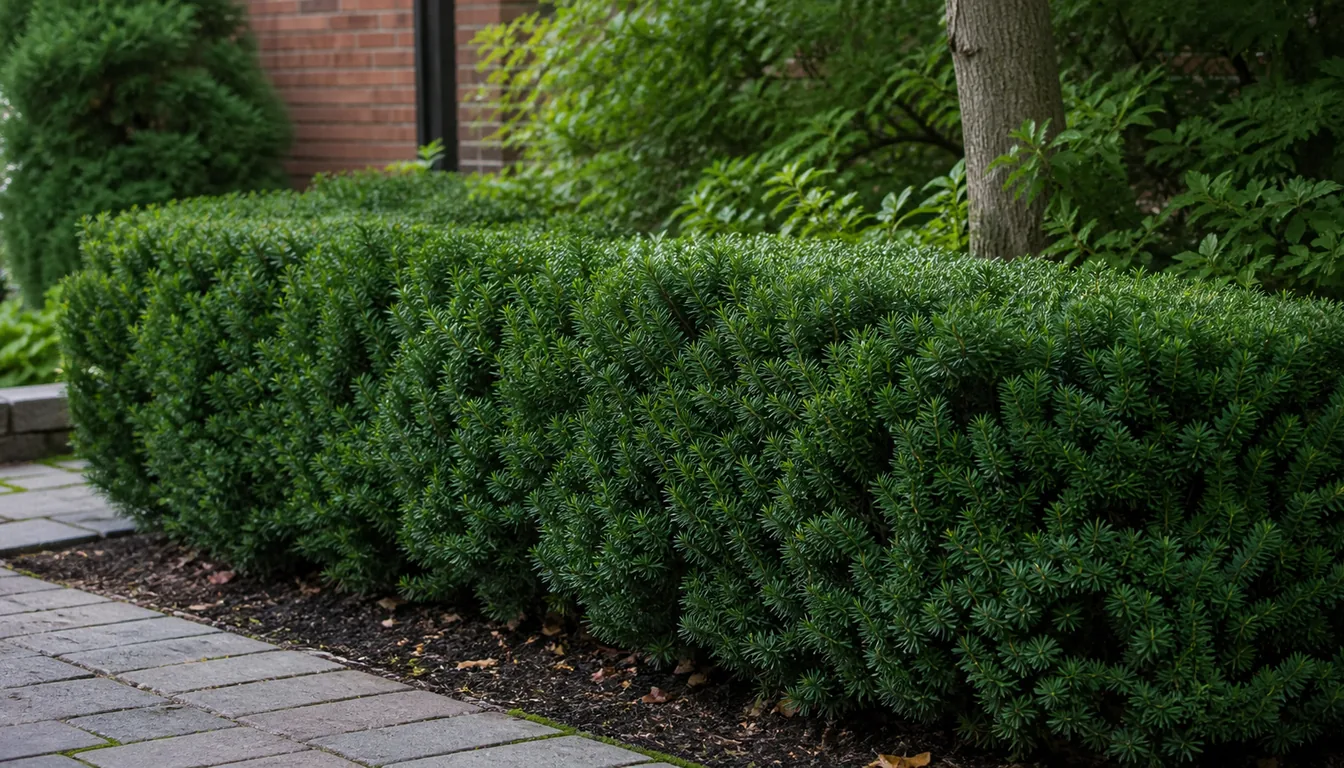
Yew is a long-lived evergreen structure shrub for shade, hedges, and formal planting, but it belongs only where toxic plant parts and wet soil are controlled. Choose the right form, keep drainage clean, prune with evidence, and keep clippings away from animals and children.
Care snapshot
What Is Yew and Where Is It Safe to Plant?
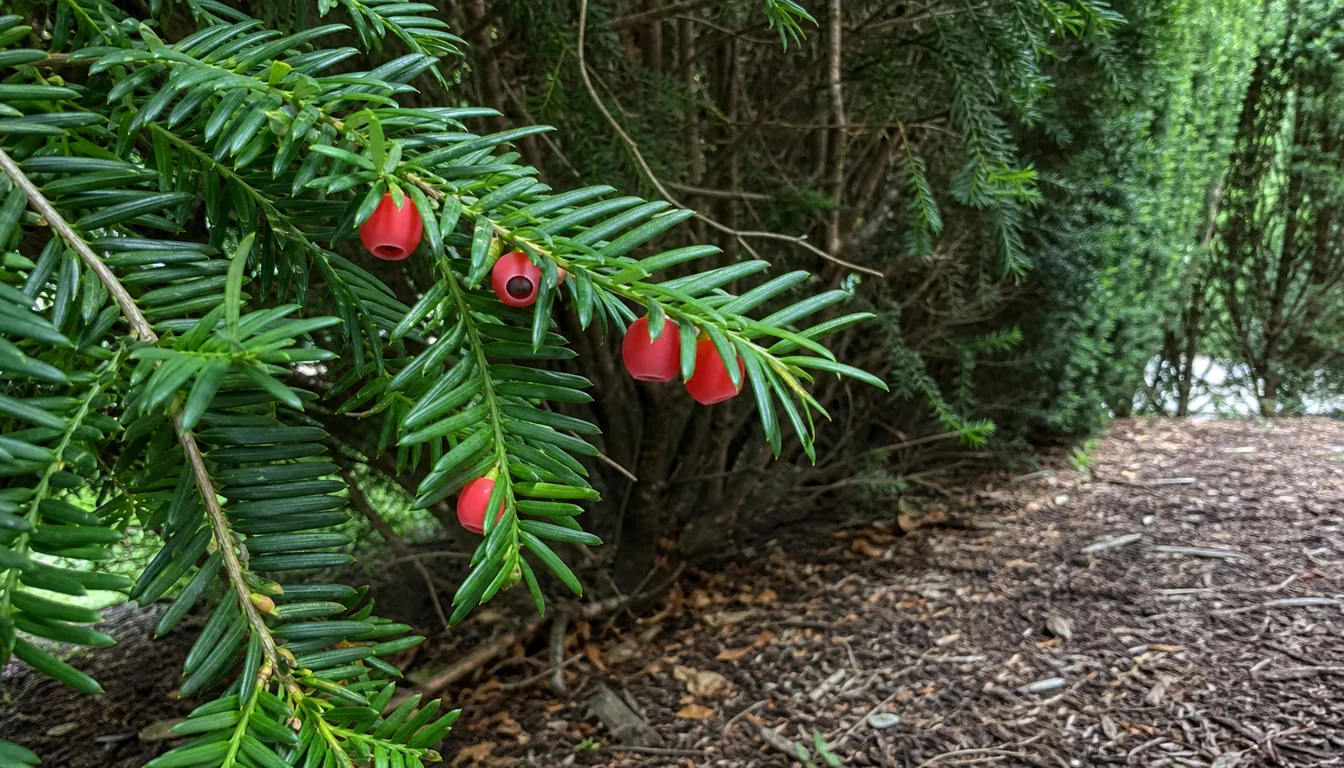
Yew is an evergreen conifer in the genus Taxus, valued for shade tolerance, small dark needles, red arils, and unusual ability to regrow from older wood.
Yew should pass two tests before you think about hedge shape. The site needs controlled access because needles, seeds, and clippings are dangerous if eaten, and the soil needs to drain because stagnant wet roots can decline quietly.
The red arils make the plant especially easy to underestimate.
They look like berries, but the seed inside is part of the hazard, and the evergreen needles should never be treated as harmless yard waste. Fresh and dried clippings both need cleanup where pets, livestock, or children could reach them.
If the safety line fails, choose another evergreen rather than trying to manage risk with reminders. If the drainage line fails, fix water movement before planting because a neat clipped hedge can hide root trouble for a long time.
The design payoff is real when both tests pass.
Yew gives dark, quiet structure in shade and accepts careful pruning better than many conifers. That makes it useful, but only after the site proves it can hold the plant safely.
Think about pruning day before planting day.
A yew that is safe as a standing hedge may become unsafe when a pile of clippings sits beside a gate, compost bin, or pasture fence. If you cannot control disposal, the plant is a poor fit even if the bed looks perfect.
The same early filter applies to drainage. A site that stays wet after rain should be corrected with grading, downspout changes, or another plant before a long-lived evergreen is installed.
- Botanical identity
- Taxus species and cultivars, in the family Taxaceae
- Garden habit
- Slow-growing evergreen conifer in upright, spreading, or tree-like forms
- Main job
- Formal hedge, shaded foundation structure, or clipped evergreen mass
- Light
- Sun to shade, with denser growth in brighter exposure
- Root rule
- Moist but freely draining soil; stagnant water can cause decline
- Safety
- Needles and seeds are highly toxic if eaten, and clippings require controlled cleanup
Which Yew Shape Fits a Hedge or Foundation Bed?
Choose yew by mature form before you buy by size on the nursery bench. Low spreaders, upright forms, broad foundation shrubs, and tree-like selections create very different pruning lives.
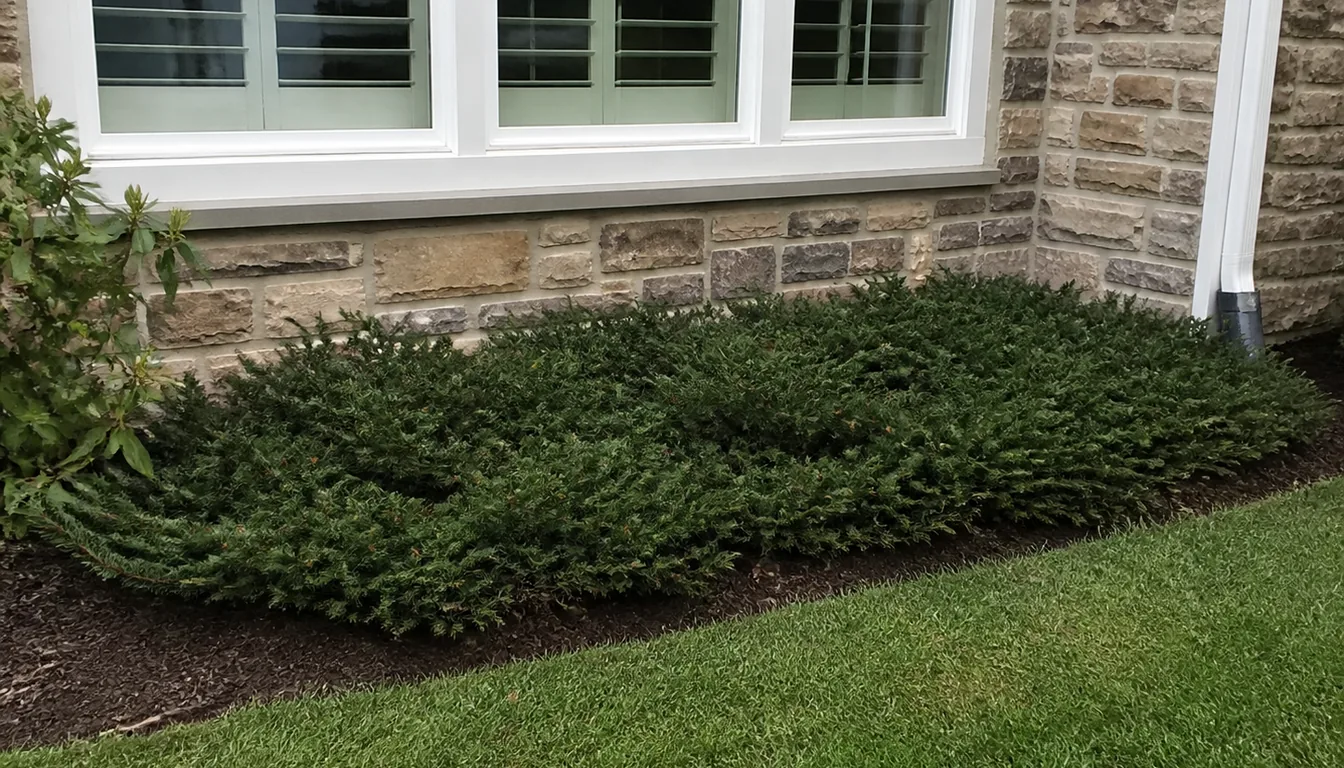
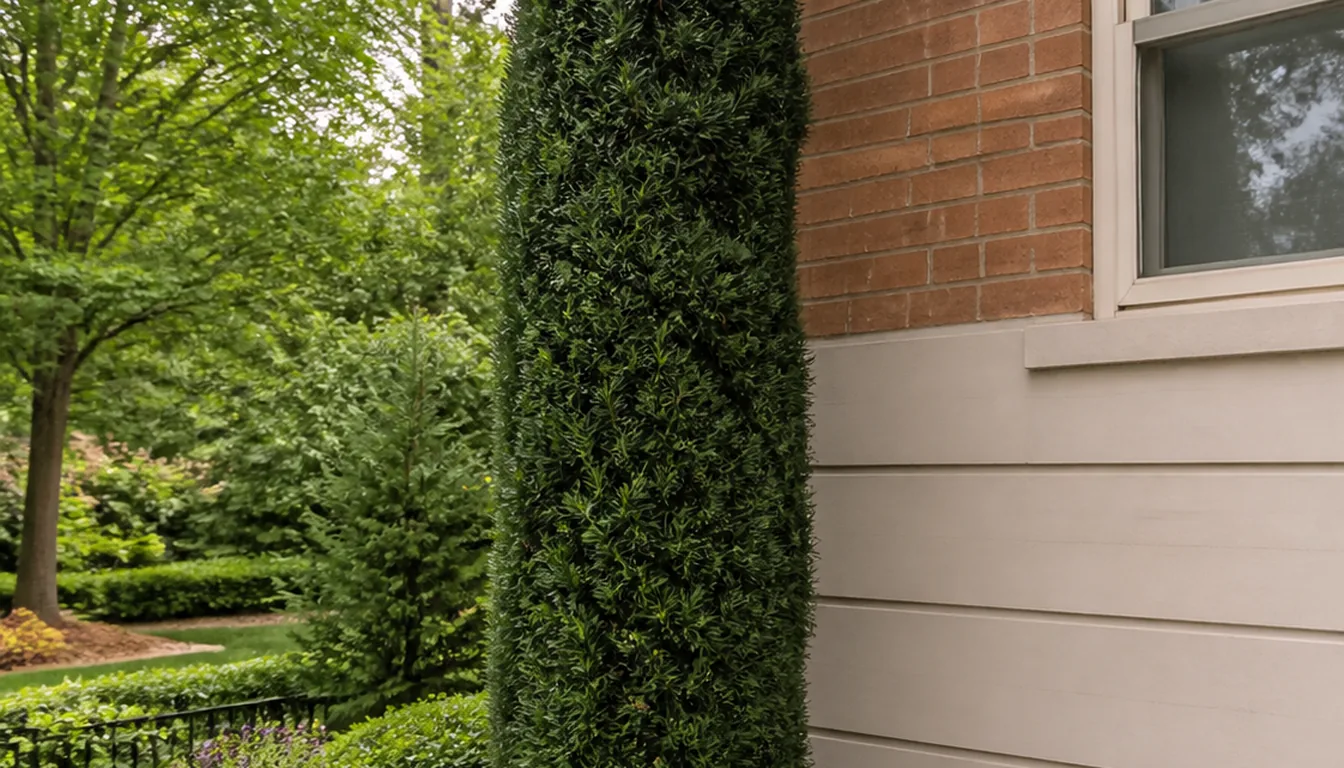
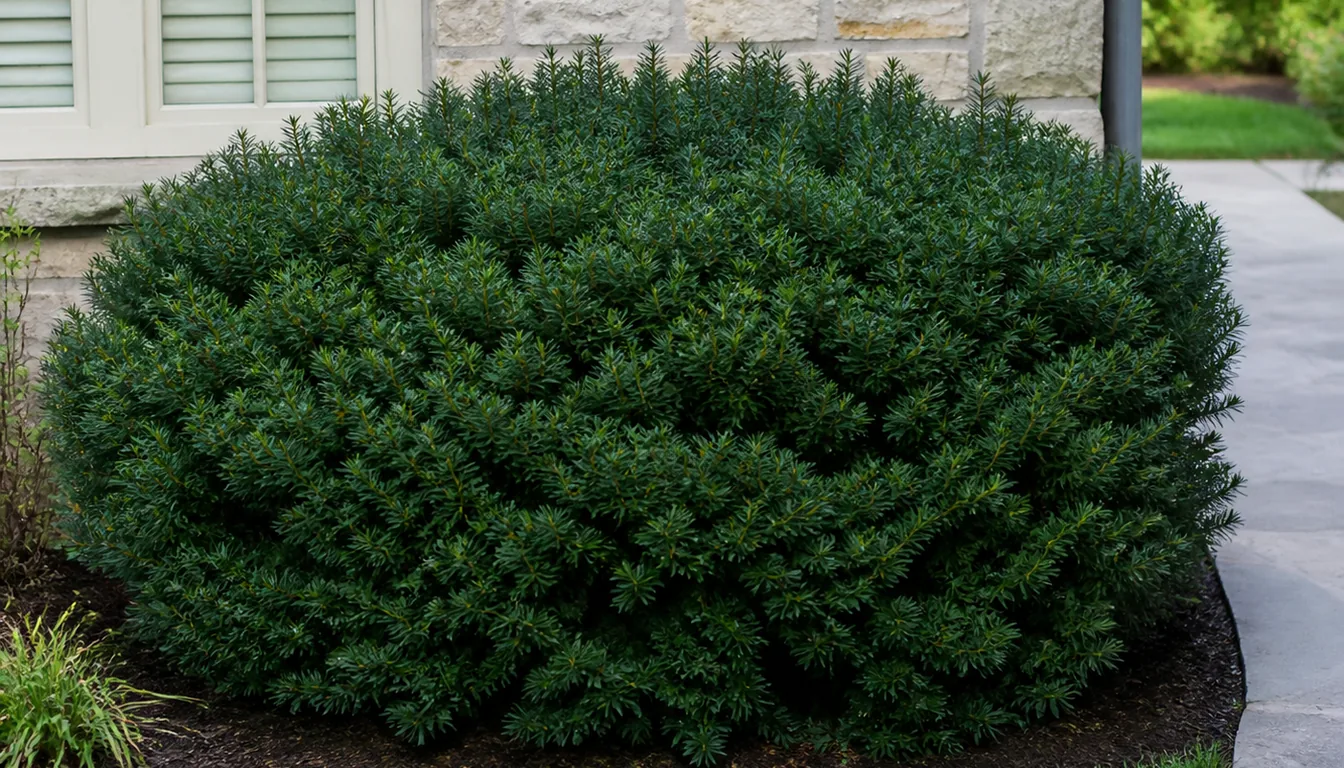
A matched hedge needs plants with the same growth habit and enough access on both faces. A single foundation shrub needs the right mature width more than it needs frequent shearing.
This is where yew differs from arborvitae and boxwood. Arborvitae is usually faster for upright privacy, while boxwood is smaller and finer-textured for tight formal shapes.
Do not assign a yew the wrong job and expect pruning to solve it forever.
A broad plant squeezed under a window becomes a yearly fight, and an upright plant used as a low spreader looks stiff. The correct form saves decades of corrective cutting.
If you need quick tall privacy in sun, yew may feel too slow compared with faster conifers. If you need a dark evergreen wall that can be kept narrow in shade, yew may be worth the patience.
For berry color and sharper texture, holly can be a better design answer, but it does not replace yew in every shaded formal bed. Match the plant to the job, not just the word evergreen.
- Low spreading yew
- Best for slopes, broad foundations, and low evergreen mass.
- Upright yew
- Best for vertical accents, narrow screens, and formal rhythm.
- Large old form
- Best only where long-term height and width are welcome.
- Formal hedge
- Use matched plants and leave room to prune both sides.
How Much Shade Can Yew Tolerate?
Yew tolerates shade better than many evergreen shrubs, but shade tolerance is not the same as dense growth in darkness. Bright shade or morning sun often gives the cleanest balance of needle density and low stress.
Deep shade slows growth and opens the interior. Full sun can work where roots stay cool and moisture is steady, but hot reflected sites can brown needle tips and expose weak watering habits.
Keep the evergreen structure job separate from flowering shade shrubs such as rhododendron. Rhododendron asks different questions about acid soil and spring buds, while yew is mainly a year-round shape plant.
A bright, healthy yew can refill more cleanly after cuts than a plant sitting in deep root and canopy competition. If the plant is already thin from shade, reduce the cause before cutting harder.
Shade changes how often you prune.
A slow shaded yew may need less frequent clipping, but each cut matters more because recovery is slower. A sunny plant may fill faster and need more routine shaping, especially where reflected heat dries the outer needles.
Watch the lower half of the plant. If the top shades the base, trim the hedge face so the lower needles still receive light rather than blaming age alone.
- Open interior means check deep shade and over-shearing before feeding.
- Brown sun edge means check dry roots and reflected heat.
- One-sided growth means nearby plants may be stealing the light.
- Sparse lower branches mean the top or neighboring growth may be shading the base.
How Should You Water Yew Without Rotting the Roots?
Yew roots dislike wet, stagnant soil. That rule matters more than fertilizer, mulch color, or how cleanly the hedge was clipped.
Water new plants deeply while they establish, then let the soil breathe. A slow soak helps only when water can move through the root zone afterward.
Plant slightly high in heavy soil and keep mulch pulled back from the crown. Fix downspout runoff, compacted clay, or low spots before the shrub goes in.
Yew can look stable while roots are already stressed below the soil. If one section of a hedge thins near a downspout or low corner, investigate water before pruning or spraying.
Watering every day around the crown keeps the top layer damp and can train roots to stay shallow. A slower soak spaced by soil drying encourages roots to move outward, provided the bed drains afterward.
The mulch gap is not cosmetic. It lets you see whether soil has settled over the crown, whether water is pooling near the stems, and whether hidden rot conditions are forming under a neat surface.
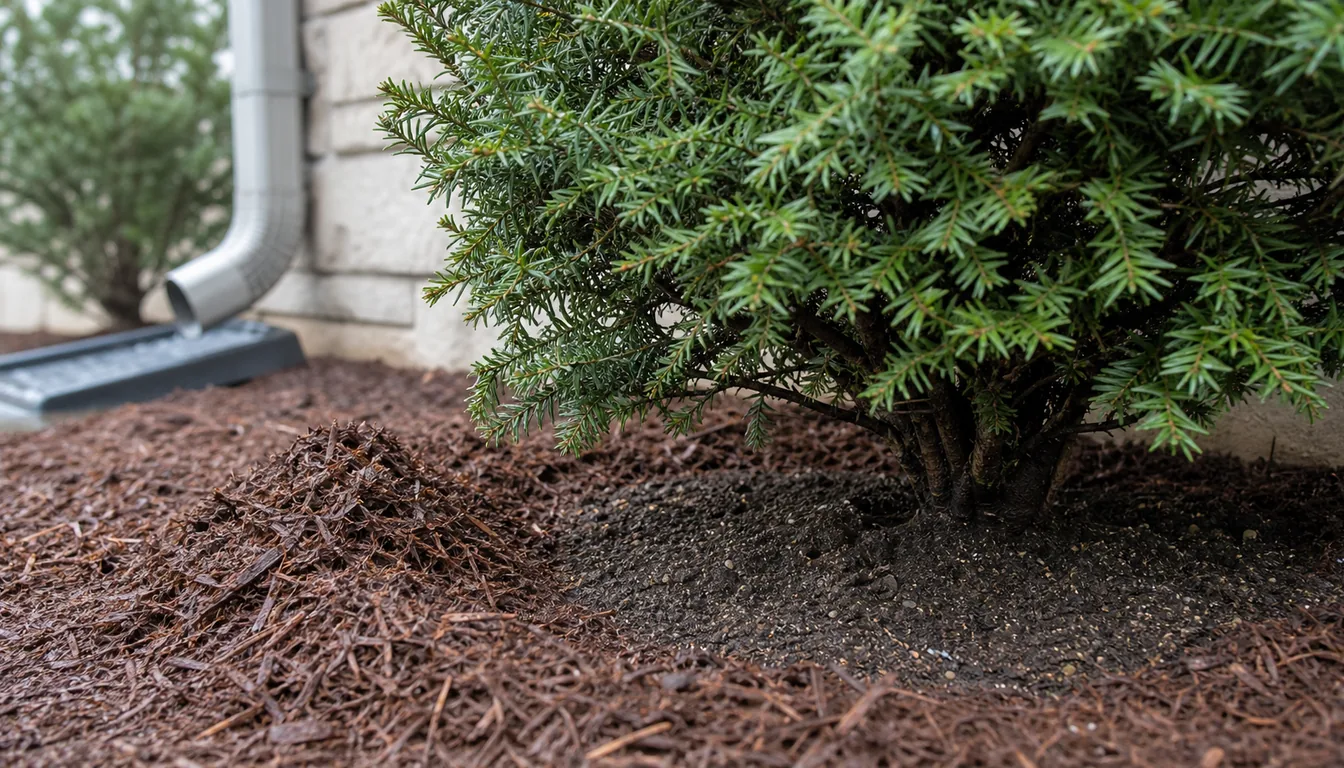
- Choose a site where water drains after rain.
- Keep the crown visible and slightly above settled soil.
- Move downspout discharge away from the root zone.
- Avoid wet mulch piled against the stems.
- Use deep watering only when drainage is working.
When and How Should You Prune Yew?
Yew is more forgiving of pruning than many conifers. That does not mean every plant should be cut hard every year.
For hedges, keep the base slightly wider than the top so light reaches the lower needles.
A narrow base eventually turns into bare legs that no clean top line can hide.
For old overgrown plants, staged renovation is safer than one severe cut unless you accept a rough recovery period. Look for live interior growth before deciding how hard to cut.
This tolerance is why yew can work in formal places where skip laurel would look coarse.
The leaves are smaller and cuts look cleaner, but the safety cleanup is stricter. Every pruning plan should include where the clippings go before the shears come out.
Timing matters less than plant condition, but late winter to early spring is often a clean window for heavier correction.
Avoid severe pruning during drought or when the plant is already browning from root stress. A stressed yew may have theoretical pruning tolerance, but it still needs live interior growth and working roots to recover.
For hedges, frequent light cuts usually beat rare heavy cuts. The plant stays denser, the base keeps light, and clipping cleanup remains small enough to remove safely the same day.
- Formal hedge
- Trim lightly and often enough to keep the base lit.
- Foundation shrub
- Thin and shorten branches before they cover windows.
- Old yew
- Renovate in stages after checking for live interior shoots.
- Wrong-size plant
- Replace instead of cutting hard every year.
Why Is Yew Turning Brown?
Browning on yew is a pattern problem. Whole-plant thinning, one wet corner, winter edge burn, salt exposure, and interior shade do not ask for the same correction.
Root trouble often shows as dull color, thinning, and branch dieback without an obvious insect. Check soil moisture, crown depth, and drainage before spraying.
Scale and mites can appear on stressed plants, especially inside dense hedges where airflow is poor. Inspect needles and stems closely before deciding the plant needs a pesticide.
If the site repeatedly damages one side, a mixed evergreen screen may be stronger than a single-species hedge.
Holly or regional evergreen shrubs may handle some exposures differently, but each alternative brings its own leaf texture, wildlife value, and safety questions.
Before cutting out brown sections, scrape a small stem and look for living green tissue.
Dead branches will not refill, but partially stressed branches may recover if the cause is corrected. That difference changes whether you prune, wait, improve drainage, or replace a plant in one section of a hedge.
Salt and winter wind deserve special attention near roads and walks. If the outer face browns every year, a burlap screen, better snow storage, or a different evergreen mix may help more than cutting the same side again.
- Brown lower branches
- Check shade from the hedge face, snow load, or salt splash.
- One wet section
- Look for runoff, compacted soil, a buried crown, or a low spot.
- Sticky needles
- Inspect for scale before new growth hardens.
- Interior bare wood
- Open the plant and check whether light reaches inside.
- Exposed winter edge
- Compare wind, sun, and salt exposure before cutting.
How Do You Handle Toxic Yew Clippings Safely?
The safety section is not optional for yew. The needles and seeds are dangerous if eaten, and clippings can remain a hazard after pruning.
Do not plant yew along livestock fences, dog runs, school paths, or play areas where attractive red arils or cut branches may be handled. Clean up every pruning pile the same day and do not leave branches where animals can browse them.
If safety conflicts with the site, choose another evergreen. Evergreen shrubs can still give structure, and warm-climate sites may have options such as pittosporum where appropriate.
Used in the right place, yew is one of the best quiet structure shrubs for shade and formal control.
Used in the wrong place, the toxicity and drainage risk outweigh the design value. The best-practice choice is to reject the plant early when the site cannot meet those two limits.
Disposal should be boring and immediate.
Put clippings straight into a bag, cart, or closed pile that animals cannot reach, then clean the work area before letting pets back into the space. Do not leave branches overnight because dried material is still a hazard.
If the yew is already planted in a risky place, do not wait for an incident to decide. Move the access route, remove the shrub, or replace it with a safer evergreen that still gives shade structure.
Do not assume a clipped hedge is safer because it looks controlled.
Clipping creates the highest-risk moment because loose needles and stems are suddenly at ground level. Plan the cleanup path, container, and disposal before starting so the finished hedge does not leave a hidden hazard behind.
When in doubt, choose the safer evergreen and give up the yew texture. Good design should reduce future risk around people, visitors, and animals, not depend on perfect cleanup forever.
Frequently Asked Questions
Is yew poisonous?
Yes. Yew needles and seeds are dangerous if eaten, and clippings should be kept away from pets, livestock, and children.
Can yew grow in full shade?
Yew tolerates shade better than many evergreens, but deep shade can open the plant and slow growth. Bright shade is usually better for density.
Why is my yew turning brown?
Check the pattern before cutting. Wet roots, buried crowns, winter burn, salt, shade, scale, mites, and drought can brown yew in different ways.
Can I cut back an overgrown yew?
Yew can handle renovation better than many conifers, but staged cuts are safer. Check for live interior growth before cutting hard.
Does yew need good drainage?
Yes. Yew roots can decline in wet, stagnant soil, so drainage and crown height are more important than routine fertilizer.
Sources & References
- Taxus baccata (English Yew), North Carolina Extension Gardener Plant Toolbox
- Japanese Yew, ASPCA Toxic and Non-Toxic Plants
- Taxus baccata, Missouri Botanical Garden Plant Finder
- Taxus baccata, Royal Horticultural Society
- Animal Health Diagnostic Center, Cornell University College of Veterinary Medicine
- Toxic and Non-toxic Plants: English Yew | ASPCA
Related Plants
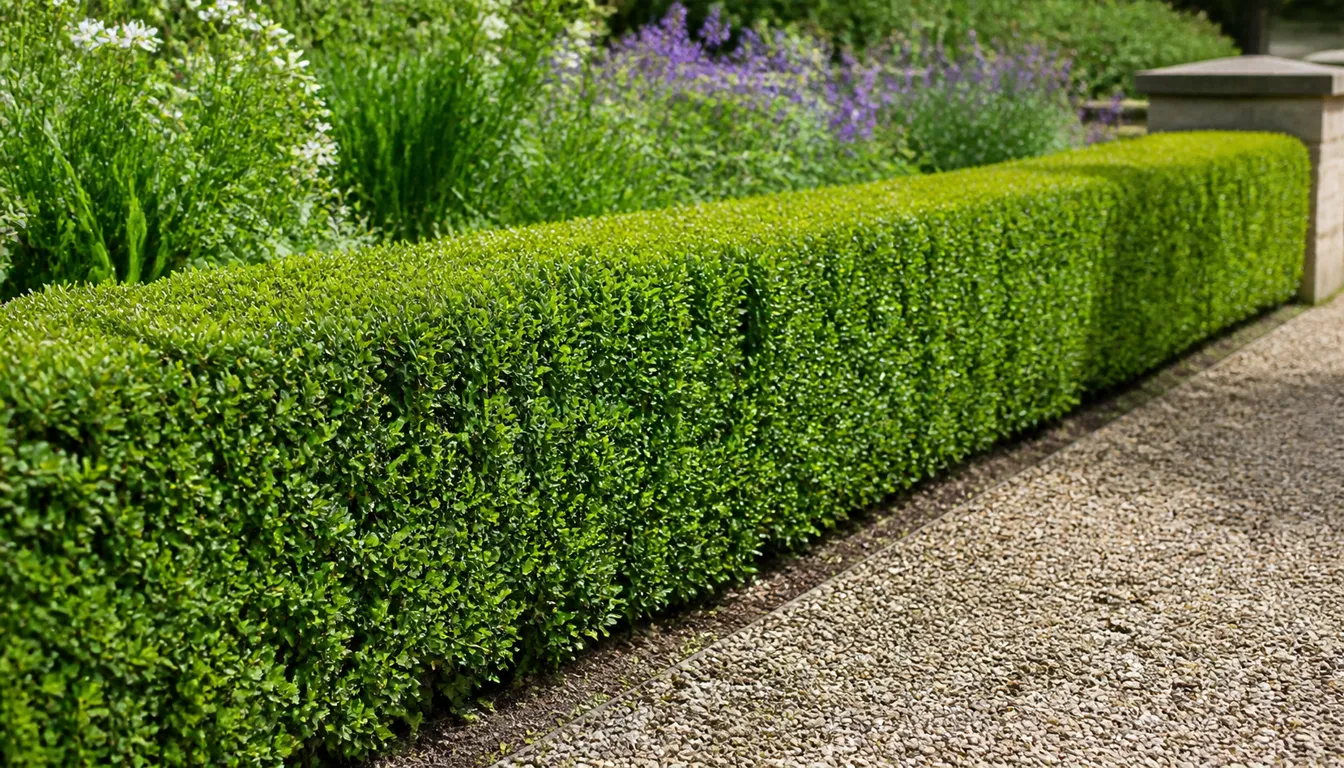
Boxwood
A smaller formal evergreen for tight hedges and clipped foundation shapes.
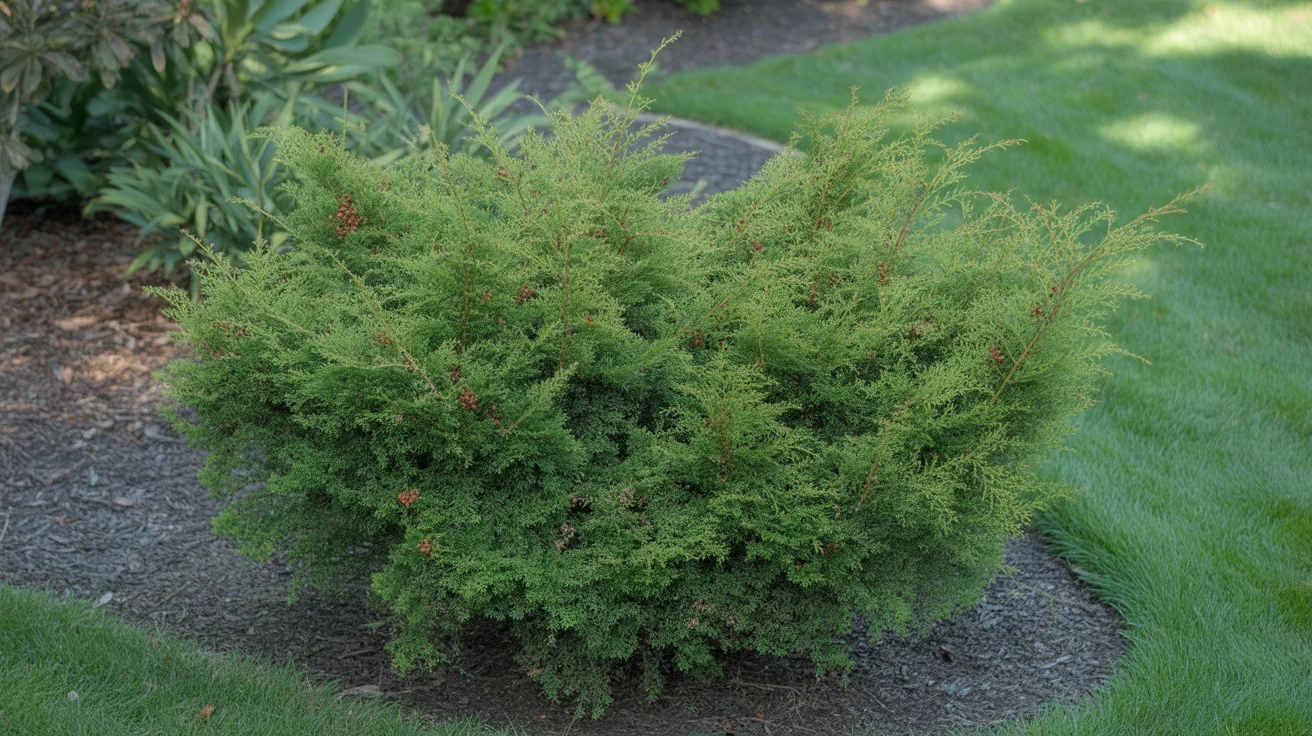
Arborvitae
A faster upright evergreen screen when shade and hard pruning are less important.
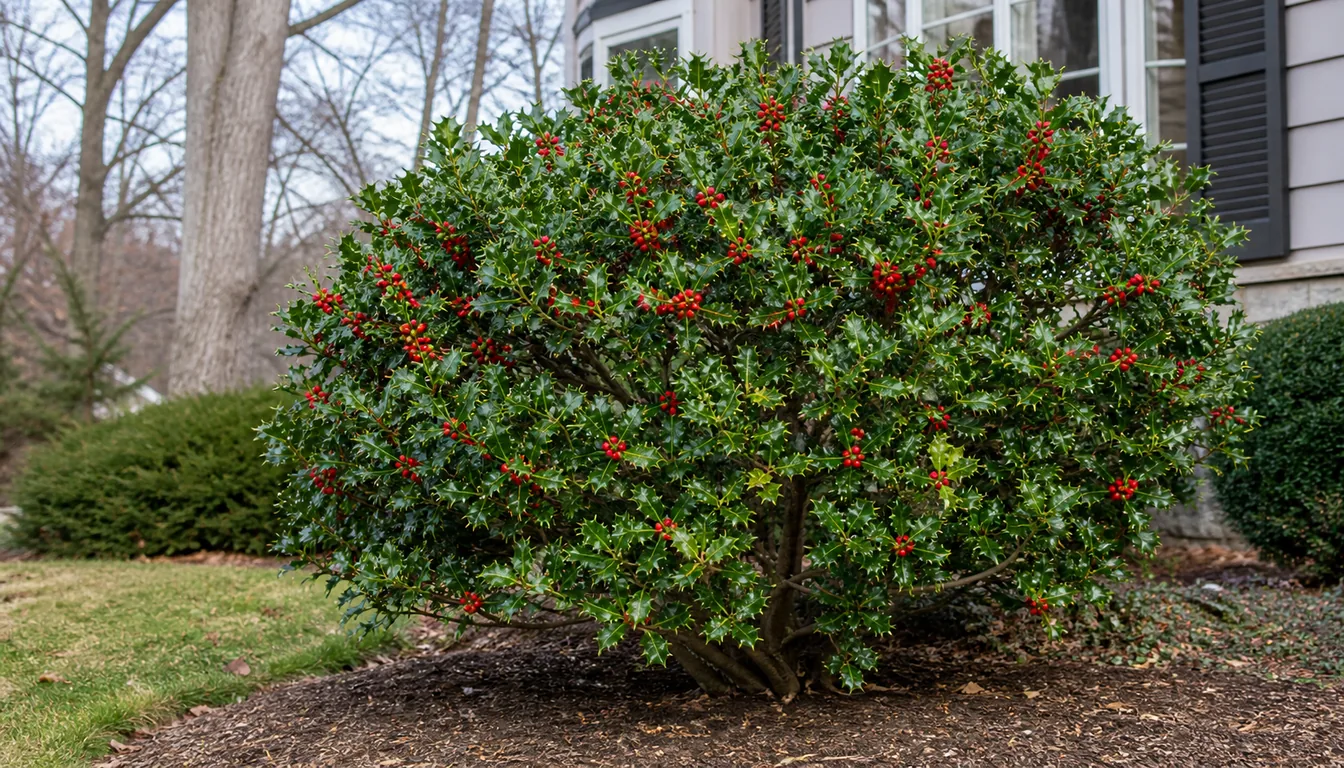
Holly
A broadleaf evergreen alternative with berries and sharper foliage.
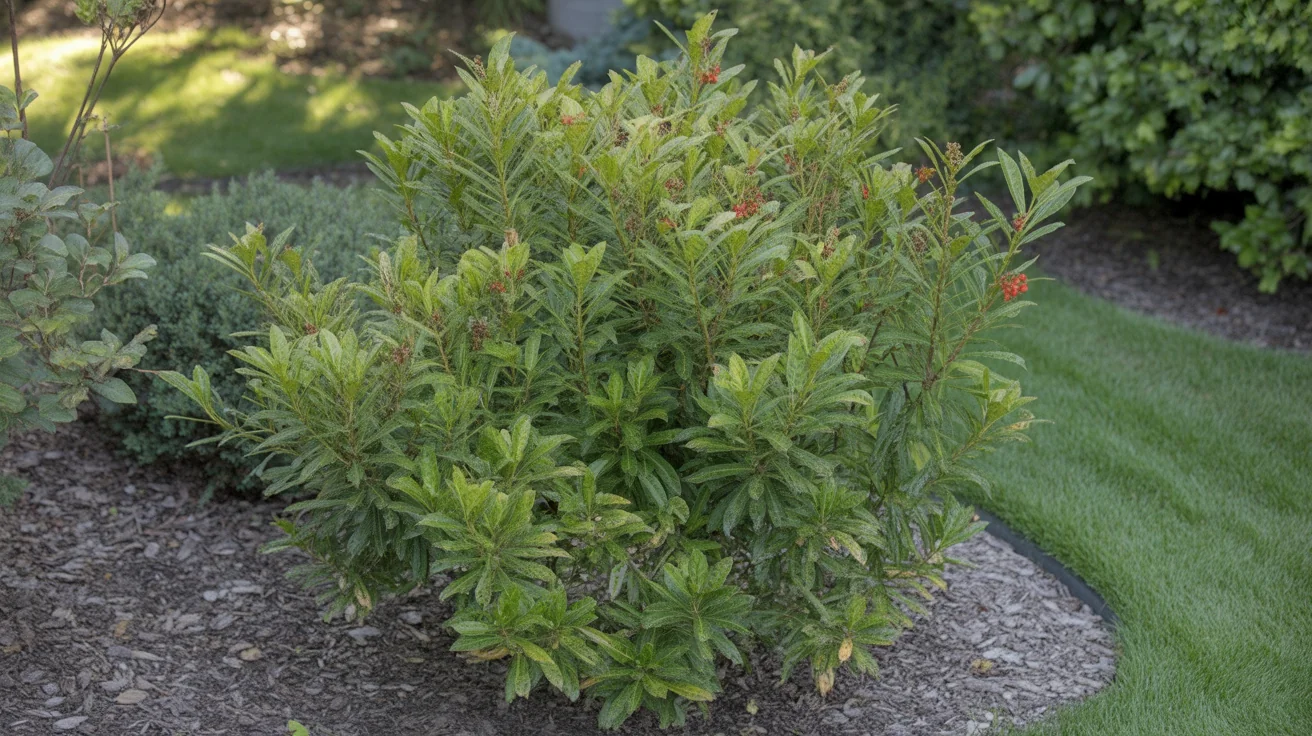
Aucuba
Aucuba is the shrub for bright shade with dry root competition. It keeps evergreen structure near north walls, porches…
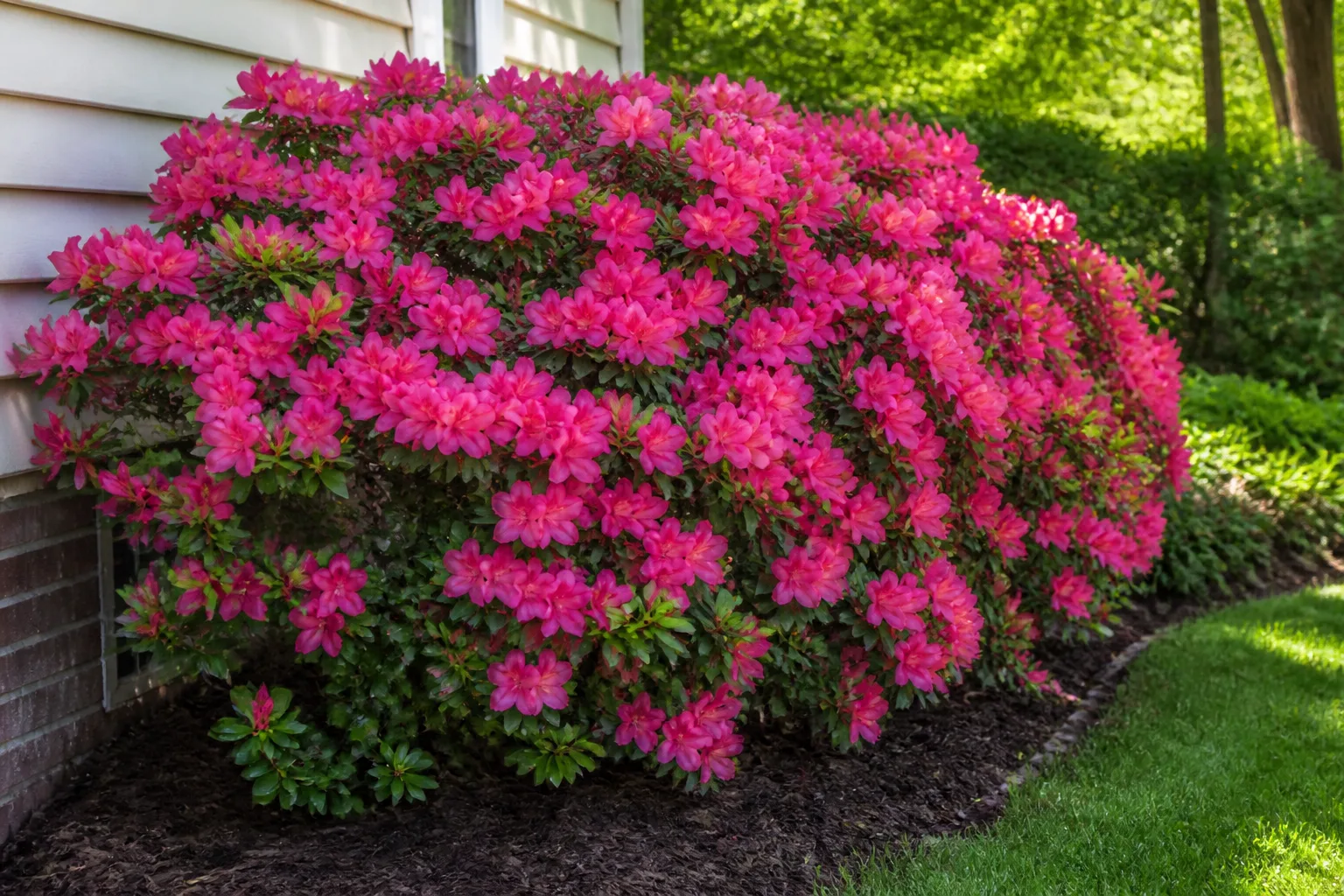
Azalea
Azaleas bring spring flowers, and some cultivars bloom again later in the year.
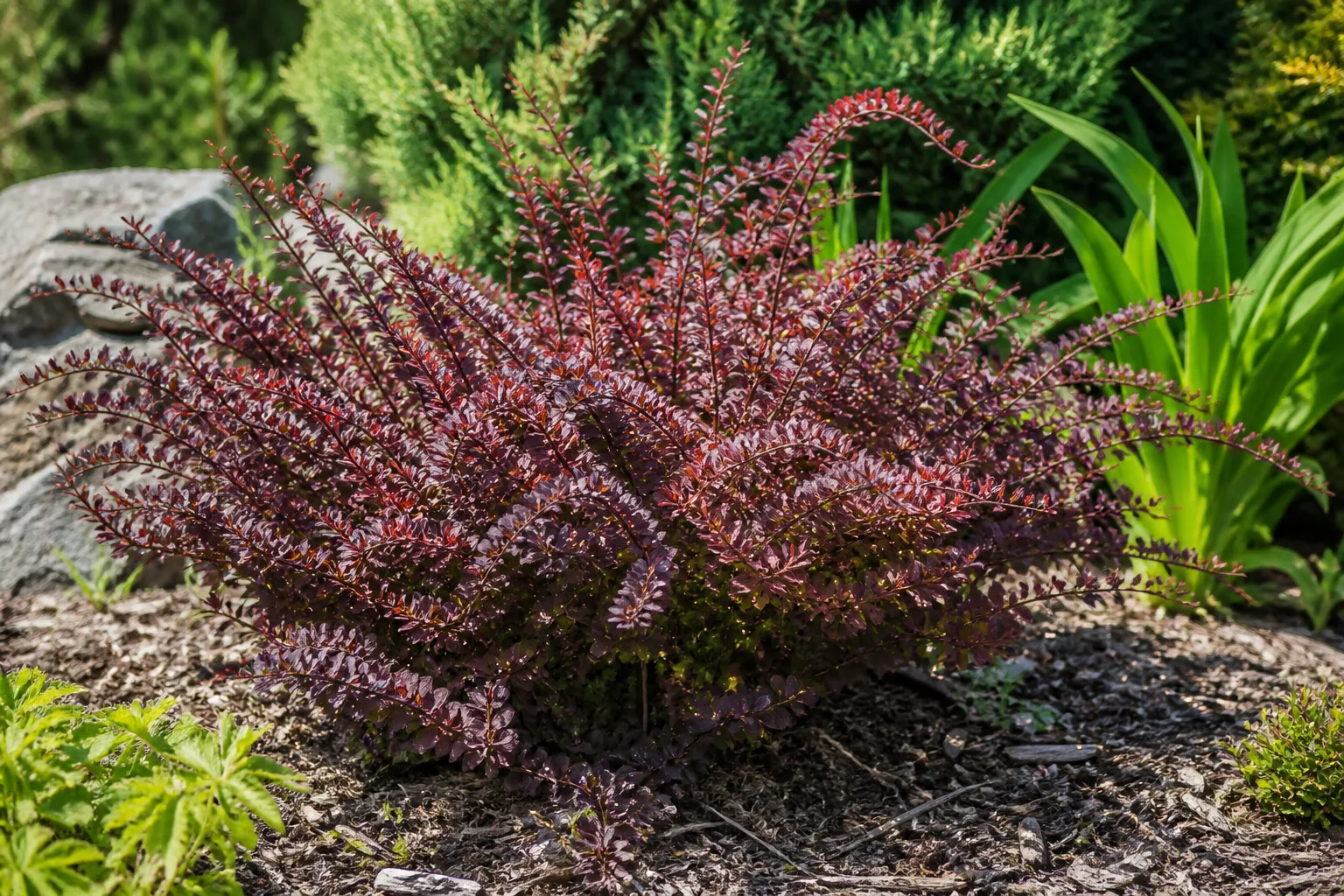
Barberry
Japanese barberry (Berberis thunbergii) is a thorny, deer-resistant shrub whose berries birds carry into woods, so…