
What's a Boxwood? How to Keep a Hedge Dense Without Blight or Root Rot
Buxus sempervirens Buxaceae
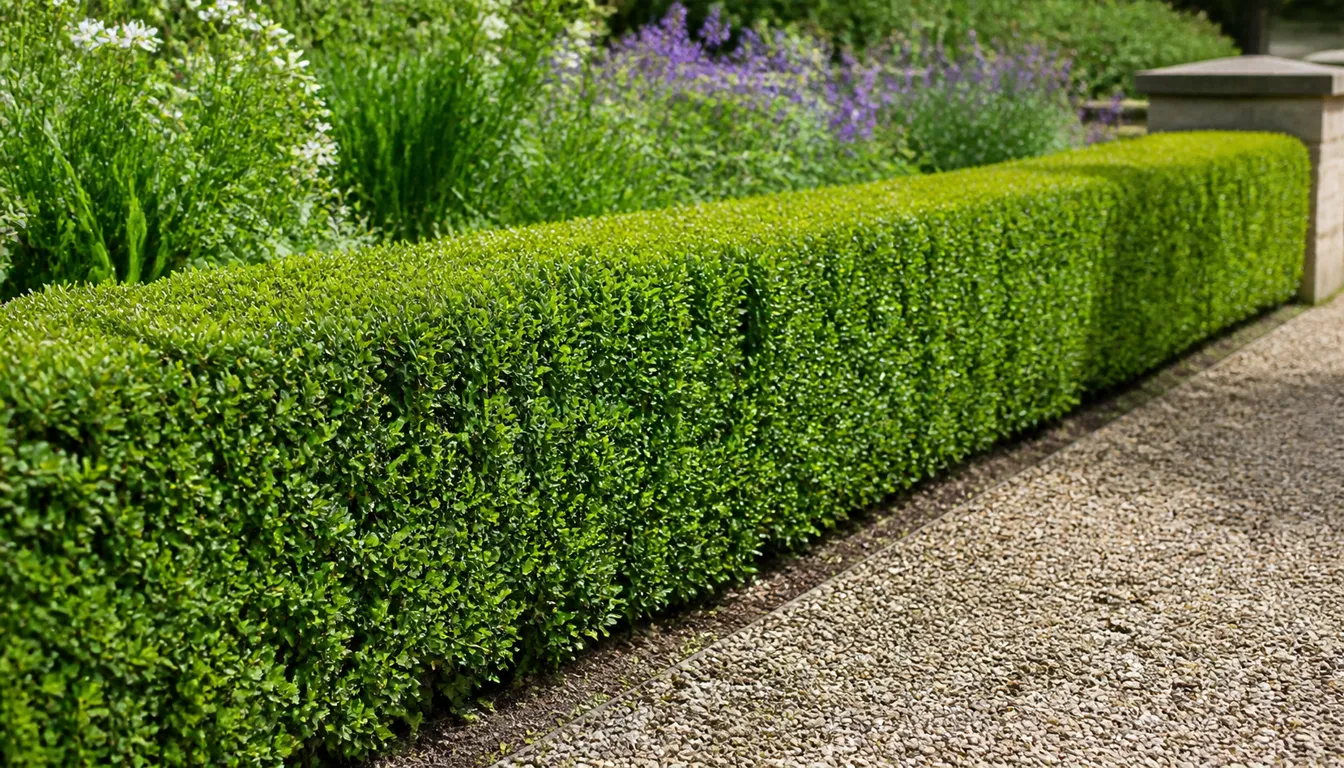
Boxwood works when you need a small evergreen line that stays clipped, dense, and quiet year-round. It fails when the planting is treated like a fast privacy hedge.
Drainage, airflow, clean pruning, and cultivar size matter more than forcing it to grow quickly.
Care snapshot
What Makes Boxwood a Slow, Dense Evergreen?
The first decision about a boxwood is not light or fertilizer. Buxus sempervirens and its close relatives are slow dense evergreens grown for a clipped outline rather than for flowers.
It is whether you need a clipped evergreen edge, a knot-garden shape, or a low foundation line. Boxwood is excellent at holding a small formal outline, but it is a poor choice when the real job is fast privacy screening.
That difference is exactly what separates it from arborvitae privacy rows planted for height and coverage.
Privet gives speed, while boxwood gives fine texture and slow control.
Use this page for clipped lines, parterres, small evergreen structure, and slow foundation shapes. If you only need a loose flowering shrub, spirea or viburnum will give more seasonal change with less disease pressure.
Pick the Cultivar by Mature Size and Disease Pressure
A genuinely tight, dense hedge starts with a cultivar that naturally wants to be that finished size.
Dwarf forms such as Green Velvet or Winter Gem can make low edging that stays under 3 feet with light annual shearing. Taller English or American types can make larger mounds, but they also create more shaded interior wood that thins out over time.
If your area has known Boxwood blight, do not choose by leaf color alone.
Ask local nurseries which cultivars have actually held up nearby, space plants wider than the tag suggests, and leave room to inspect the base after rain without brushing wet foliage. The blight guide is worth reading before you plant a long row, since a mistake here spreads down the whole line, not just one plant.
NewGen Independence and NewGen Freedom were bred specifically for blight and leafminer resistance, tested under real disease pressure rather than marketed on leaf color alone. Both can substitute directly for older Green Velvet or Green Mountain plantings without changing the look you wanted, and both stay hardy well into Zone 5.
- Low edging
- Use compact cultivars; keep the finished height easy to clip without cutting into old wood.
- Foundation mounds
- Choose rounded forms with room behind them for airflow and wall clearance.
- Tall evergreen mass
- Compare with yew before forcing boxwood too tall; holly can serve pricklier evergreen jobs.
- Disease-prone sites
- Prioritize resistant selections, wider spacing, and clean tools over perfect instant density.
Give It Light on the Shell and Shelter in Winter
A clipped boxwood hedge is a green shell around older interior wood. That shell needs morning sun or bright open shade to stay dense, but harsh winter sun and wind can bronze the exposed face.
Sites beside white walls, paved driveways, and south-facing walks can overheat leaves badly on bright, sunny winter days even when the air temperature stays well below freezing.
The roots sit cold in frozen or barely-thawed soil while the foliage keeps losing water it cannot replace. That is why winter bronzing often shows on one side instead of the whole plant, the side that caught the reflected heat and glare.
In deep, consistent shade, the hedge opens from the inside over a few seasons, one thinning stem at a time.
You can trim the outline, but you cannot clip sunlight back into bare stems once the inner wood has gone leafless, so compare boxwood with aucuba for dark entries or dry shade before planting a formal line that will slowly thin out from the inside.
In the coldest, most exposed sites, wrap the hedge in burlap or spray an anti-desiccant coating before the ground freezes for good, since both act the same way on the leaf. The goal is cutting wind and sun exposure, not sealing the plant inside airtight plastic, which traps heat and moisture worse than the exposure it was meant to fix.
- Best light: morning sun or bright open shade.
- Risky light: hot winter sun followed by dry wind.
- Weak light: deep shade that opens the lower shell.
- Best shelter: airflow plus protection from salted roads and hard winter exposure.
Water the Root Zone, Not the Leaf Shell
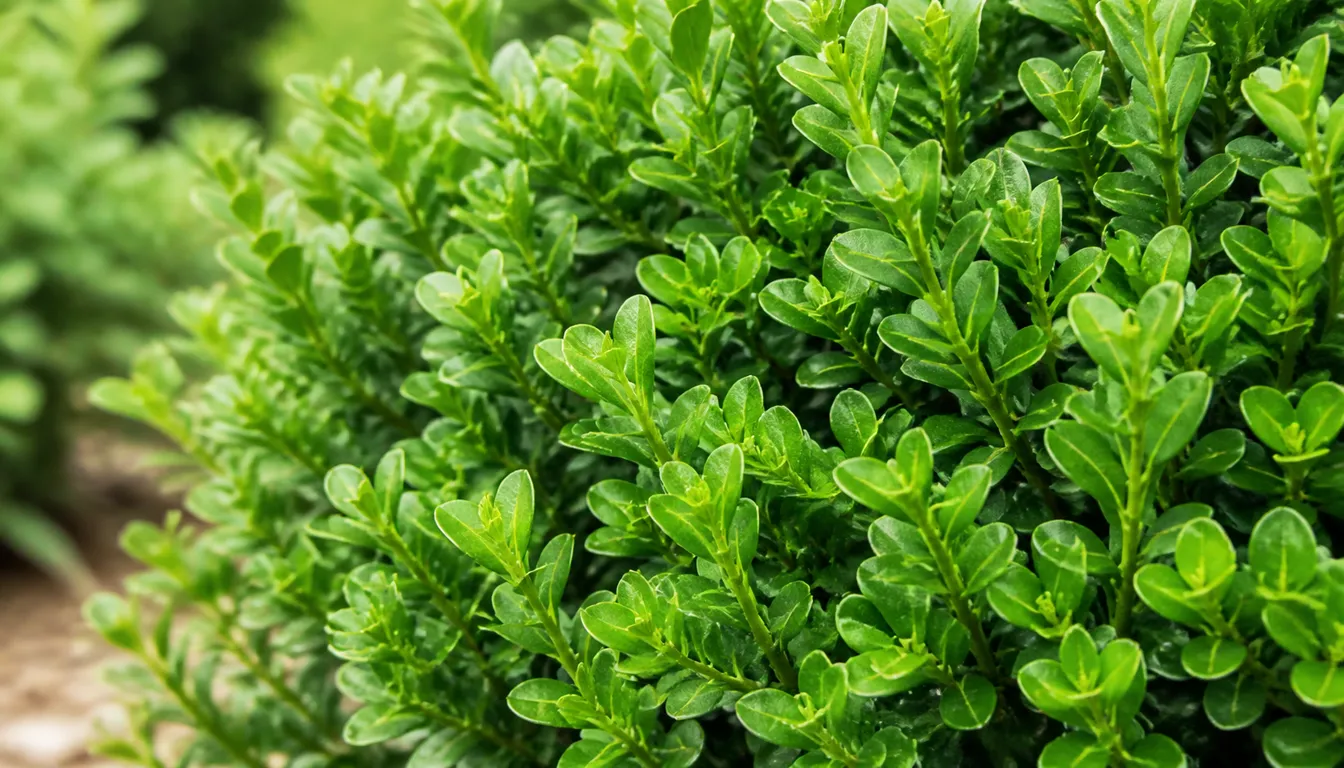
The leaves may look tidy while the root zone is struggling. New boxwood roots sit shallow, so the top few inches need steady moisture during establishment, but wet crowns and saturated clay invite decline.
Use slow water at the soil, not overhead spray into the dense foliage, since wet leaves sitting inside a tight clipped shell dry slowly even in full sun. A soaker hose or open hose set low lets water reach the roots while leaves dry fast, cutting the humid window fungal disease actually needs.
For the basic method behind this, use deep watering rather than daily misting, which wets the surface but never actually reaches the roots that need it most.
If the plant wilts even though the soil is wet, stop watering right away and check drainage instead of assuming it needs more. That symptom often points toward root rot, especially where the root flare was buried or mulch was piled against the stems for years without anyone noticing.
Once established, a deep soak every 10 to 14 days is usually enough outside of an active drought stretch, since boxwood roots recover slowly from both drought stress and constant wetness, and pushing water more often than that just keeps the crown perpetually damp for no benefit.
Build a Raised, Breathable Edge
Boxwood wants soil that holds some moisture but drains before the crown stays wet.
In heavy clay, plant slightly high, an inch or two above grade, and widen the loosened area instead of digging one deep amended pit that just becomes a bathtub for runoff. A buried root flare is a slow failure that takes years to show, not a style choice you can undo later with more mulch.
Mulch should cool the root zone, not bury the stems.
Keep a thin open ring right at the base clear of any mulch, then spread about 2 inches outward from there to the drip line. Thick mulch piled against the crown traps moisture exactly where disease spores and weak bark meet, which is the last place you want it to sit.
Fertilizer is not the fix for a thin, wet, or shaded hedge.
Feed lightly only after you have actually ruled out drainage, root damage, and disease, not as a first guess when the hedge looks tired. The safest timing follows tree and shrub fertilizer timing, usually a light spring feeding rather than repeated doses through the season.
Boxwood prefers neutral to slightly alkaline soil, roughly pH 6.5 to 7.5, and struggles quietly in strongly acidic ground where nutrients lock up even though the fertility numbers look fine. A soil test before planting a long row costs far less than diagnosing a chronic yellowing problem across an entire hedge after it is already in the ground.
Space plants at about half their mature spread for a formal hedge that knits into one solid, seamless line within a few seasons, or at the full mature spread for an informal row where individual shrubs keep their own rounded shape instead of merging.
Keep the hedge at least 3 feet from a foundation wall, since that gap is what actually lets air move around the base instead of trapping the heat and humidity a wall radiates back at the plant all summer, especially on a south or west-facing face.
- Set the root flare at or just slightly above finished grade, never below it.
- Avoid beds where water visibly stands after a normal rain.
- Leave real inspection space between the hedge and a wall or fence.
- Do not mix lawn fertilizer into the Boxwood root zone.
Grow Boxwood as a Container or Topiary Specimen
Boxwood also works well in a container or urn for a formal entryway pair or a shaped topiary, not just as an in-ground hedge.
Choose a fast-draining pot at least as wide and as tall as the plant's current root ball, sized up gradually as it grows rather than dropped straight into an oversized container.
Container roots freeze more easily than roots insulated by open ground, so winter protection matters more here than it does for the same cultivar planted in a bed. In cold climates, mound mulch up over the root ball and wrap the container in burlap before hard freezes set in.
Water container plants more often than an in-ground hedge, since a pot dries out faster, roughly once a week through spring and summer, checked at least monthly through winter so the root ball never goes bone dry even while dormant.
Feed lightly, once or twice a year at most, since Boxwood in a container needs even less fertilizer than the modest amount an in-ground hedge already wants.
- Pot size
- At least as wide and tall as the current root ball, sized up gradually
- Winter protection
- Mulch over the root ball plus a burlap wrap before hard freezes
- Watering
- About weekly in season, checked monthly through winter
- Feeding
- Once or twice a year at most
Clip Lightly So the Hedge Keeps Leaves Inside
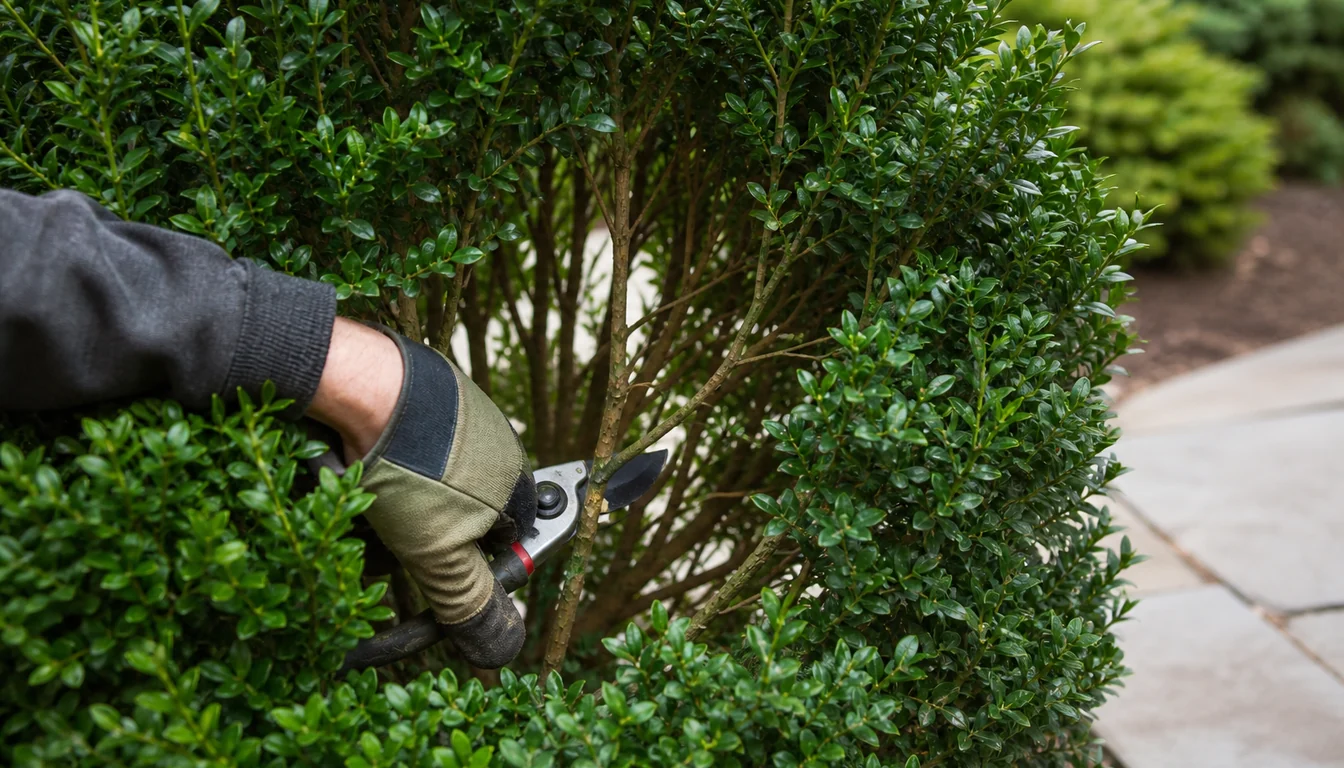
A good boxwood pruning pass removes soft tips and keeps the top slightly narrower than the base.
That taper is what actually lets light reach the lower leaves, not just the top of the shell. A flat-topped, over-wide hedge shades itself from above, hollows out over a few seasons, and never really recovers without a hard renovation cut.
Disinfect tools with rubbing alcohol or a bleach solution between suspect plants, especially if you see leaf spots or stem streaking, so a single contaminated blade does not carry blight down the whole row.
For timing, pair light clipping after spring growth with the broader shrub pruning calendar rather than cutting on a fixed calendar date.
Hand shears cut cleaner than powered hedge trimmers, which tend to tear the small leaves rather than slice them and leave brown, ragged edges that take weeks to fade even on a healthy plant. Save the power trimmer for rough initial shaping on a large run, then finish the visible face by hand for the crisp line a formal hedge actually needs.
Most formal hedges hold their line well with one light shearing right after the spring growth flush and a second touch-up in mid-summer, rather than one hard cut that removes months of growth at once and exposes a wall of bare interior wood.
Separate Blight, Root Rot, Bronzing, and Old-Wood Gaps
Do not treat every brown patch on a boxwood hedge the exact same way.
Blight often drops leaves fast and leaves dark, sunken stem streaks running along recent growth. Root rot starts from the base or one persistently wet zone rather than spreading evenly across the whole hedge.
Winter bronzing sits only on the exposed, weather-facing side of the plant, not scattered randomly through it. A pruning hole shows up as old bare interior wood exposed after a hard cut removed the outer green shell that used to hide it.
Leafminer and psyllid damage look different from all of those, showing up as distorted or blistered leaves and curled, cupped new growth instead of brown or dead tissue.
Blight specifically is the one diagnosis that genuinely changes your whole handling routine.
Bag infected debris and remove it from the property, avoid working the plants while they are wet, and do not compost suspect clippings, since home compost rarely gets hot enough to kill the spores. Read the pattern against the blight guide before you shear the next shrub in the row and risk carrying the problem down the whole line.
Root rot asks for a completely different response than blight does, more drainage, more crown exposure, and less water overall, never a spray aimed at the leaves.
The root rot guide matters far more than spraying leaves once roots have been sitting in saturated, airless soil for weeks.
Bronzing can look genuinely dramatic across a whole exposed face but may still recover with spring growth as long as the stems underneath are alive and pliable. Check winter bronzing before pruning heavily, since cutting too early in a cold snap can remove green buds that were only weeks away from pushing new growth.
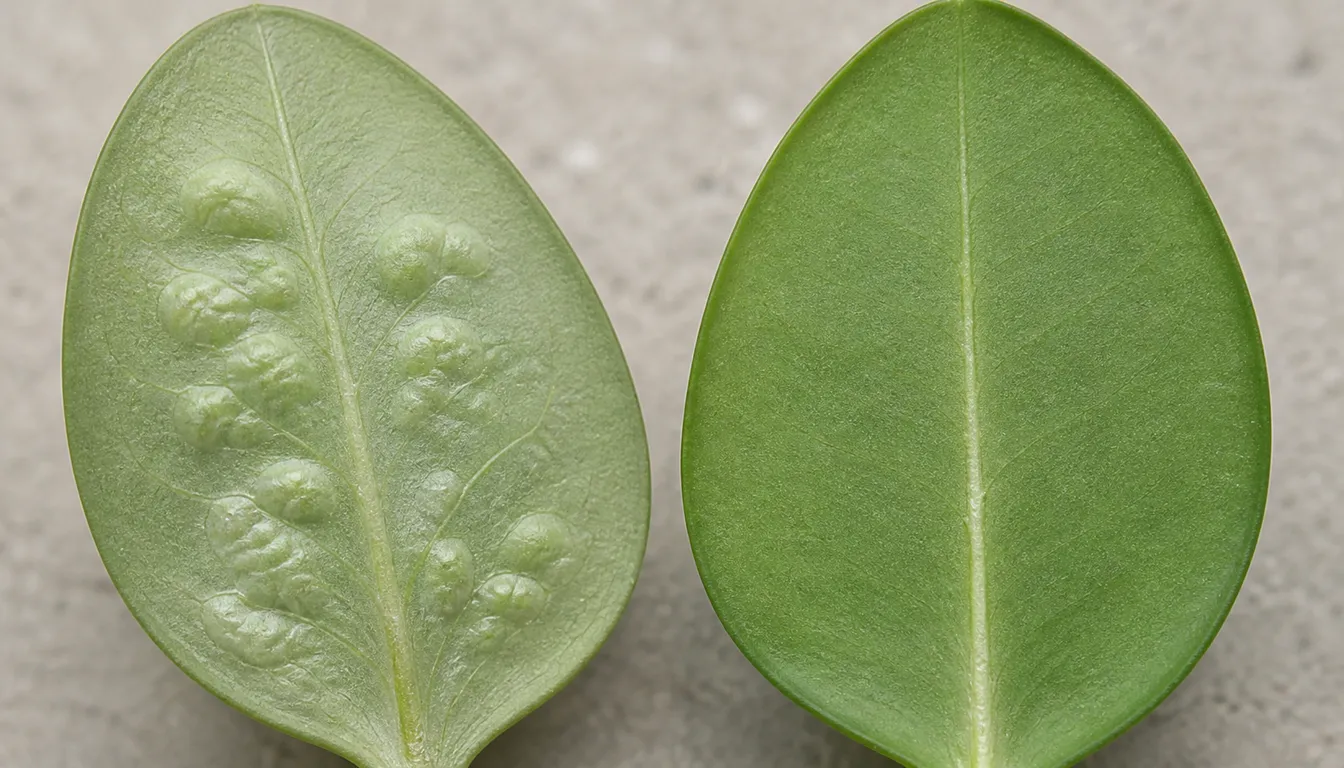
Boxwood leafminer larvae feed inside the leaf tissue itself, invisible from above, leaving the underside looking puffy, blistered, and slightly translucent where they have hollowed it out.
The small orange adult flies emerge and lay their eggs right around when weigela blooms nearby, which makes that bloom a useful, free calendar marker. Time an insecticide spray to that window, or simply prune out and discard the mined foliage before the next round of eggs has a chance to hatch.
Psyllids curl and cup new growth tightly at the shoot tips as they feed, which looks alarming on close inspection but is mostly cosmetic and rarely threatens an otherwise established, healthy hedge. Prune out the cupped tips during a normal shearing pass, or treat with horticultural oil in early May if the damage genuinely bothers you, since a light infestation usually does not call for anything more than that.
Check State Blight Rules Before Buying Mail-Order Plants
Boxwood blight has changed how nursery stock crosses state lines, not just how it gets diagnosed once it is in the ground.
Virginia, North Carolina, Oregon, and other states run cleanliness or compliance programs that inspect participating nurseries and require documentation before Boxwood or Sarcococca stock ships out.
A reputable mail-order or wholesale source can tell you whether it participates in one of these programs and show a current phytosanitary certificate on request. Buying from an uninspected source, or accepting bare-root plants with no paperwork, is exactly how new outbreaks travel between regions.
None of this replaces inspecting the actual plants that arrive, since a certificate covers the shipment's origin, not a guarantee that no spore hitchhiked in on foliage packed too tightly for the trip.
Use Boxwood Where Formal Evergreen Value Beats Wildlife Value
Boxwood is genuinely useful as year-round design structure, not a pollinator workhorse or a wildlife food source.
If the bed also needs flowers, berries, or actual pollinator value, place those specific jobs on nearby shrubs such as beautyberry or viburnum instead of asking one clipped evergreen hedge to do everything at once.
Pets should not chew the leaves, and children should not sample them out of curiosity, but the everyday design issue most owners actually run into is maintenance access. A formal hedge only earns its place in the yard if you can water, inspect, and clip it from the front without crawling through the surrounding planting bed to reach it.
The toxicity here is a real, specific compound, not a generic garden-center warning label copied across every evergreen. Boxwood contains steroidal alkaloids, mainly buxine along with related cyclobuxine compounds, concentrated most heavily in the leaves and seeds year-round.
A dog that eats a meaningful amount of leaves can show vomiting and diarrhea within a few hours, sometimes followed by wobbly, uncoordinated movement if the amount eaten was large enough, so call a vet promptly rather than waiting to see if it passes on its own.
That same bitter toxicity is a large part of why deer usually leave boxwood alone even in a hard winter, which is genuine practical value in a yard where softer, tastier hedge options get browsed down to bare sticks by spring.
Frequently Asked Questions
How often should I water boxwood?
Water new boxwood deeply when the top few inches dry, usually once or twice a week in hot weather during the first season. Established plants need less often, but they still need water during long dry spells.
Why is my boxwood brown on one side?
One-sided browning often points to winter sun, wind, reflected heat, or salt. Brown patches with leaf drop and stem streaks are more concerning for boxwood blight.
Can boxwood grow in shade?
Boxwood can handle bright shade, but deep shade opens the plant and weakens the lower foliage. Morning sun with afternoon shelter is usually better than a dark foundation corner.
Should I fertilize boxwood every year?
No, fertilize lightly only when growth is weak and soil or drainage problems have been ruled out. Too much nitrogen can push soft growth that is easier to damage.
Sources & References
- Boxwood Selection and Use, Clemson Cooperative Extension
- Virginia Cooperative Extension, Boxwood Management
- NC State Extension, Buxus sempervirens Plant Profile
- Buxus sempervirens, Missouri Botanical Garden Plant Finder
- Boxwood Culture and Care, University of Kentucky Extension
- University of Kentucky Extension, Boxwood Blight in the Landscape
- Missouri Botanical Garden, Buxus sempervirens
- Toxic and Non-toxic Plants: Boxwood | ASPCA
Related Plants
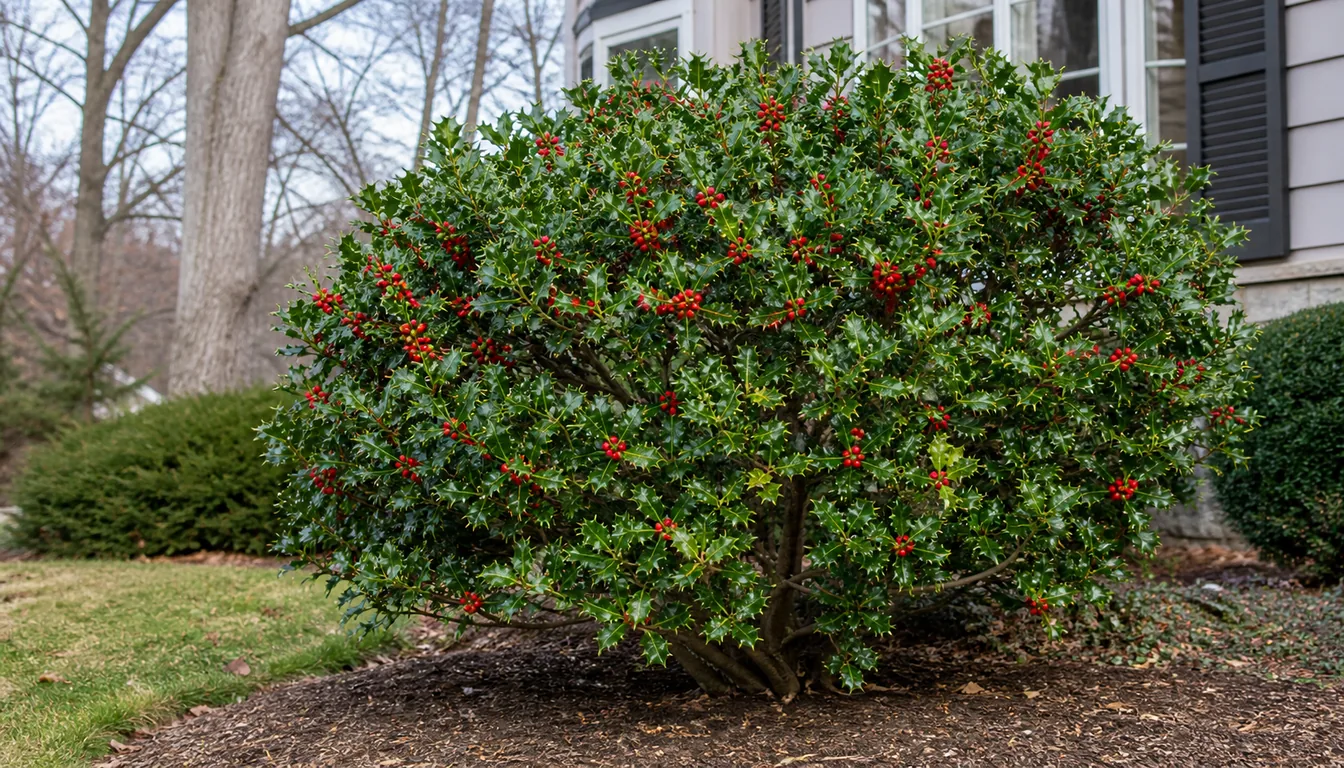
Holly
Evergreen shrub alternative with bolder leaves and berries for winter interest.
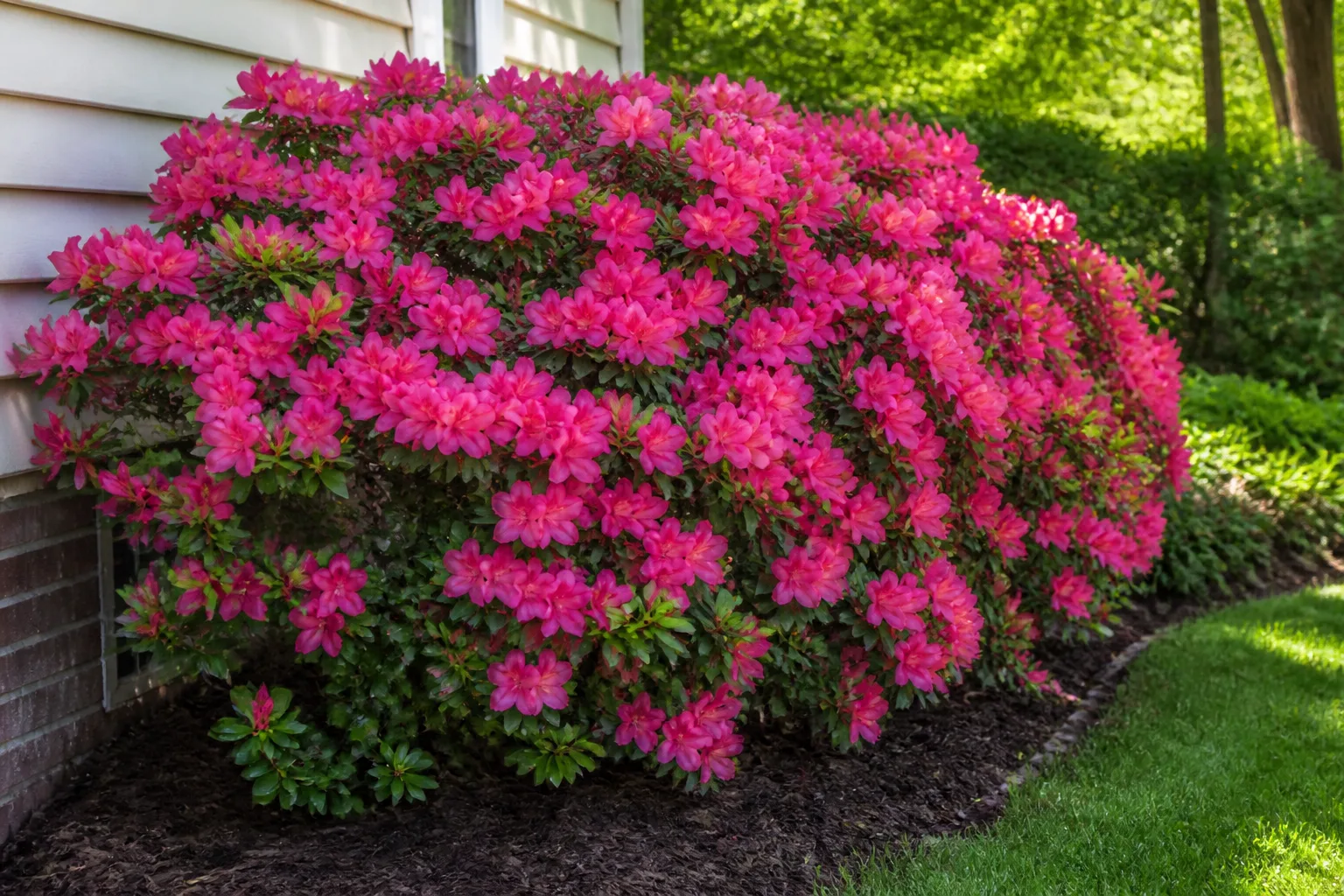
Azalea
Flowering shrub that softens formal hedges with spring blooms and lighter texture.
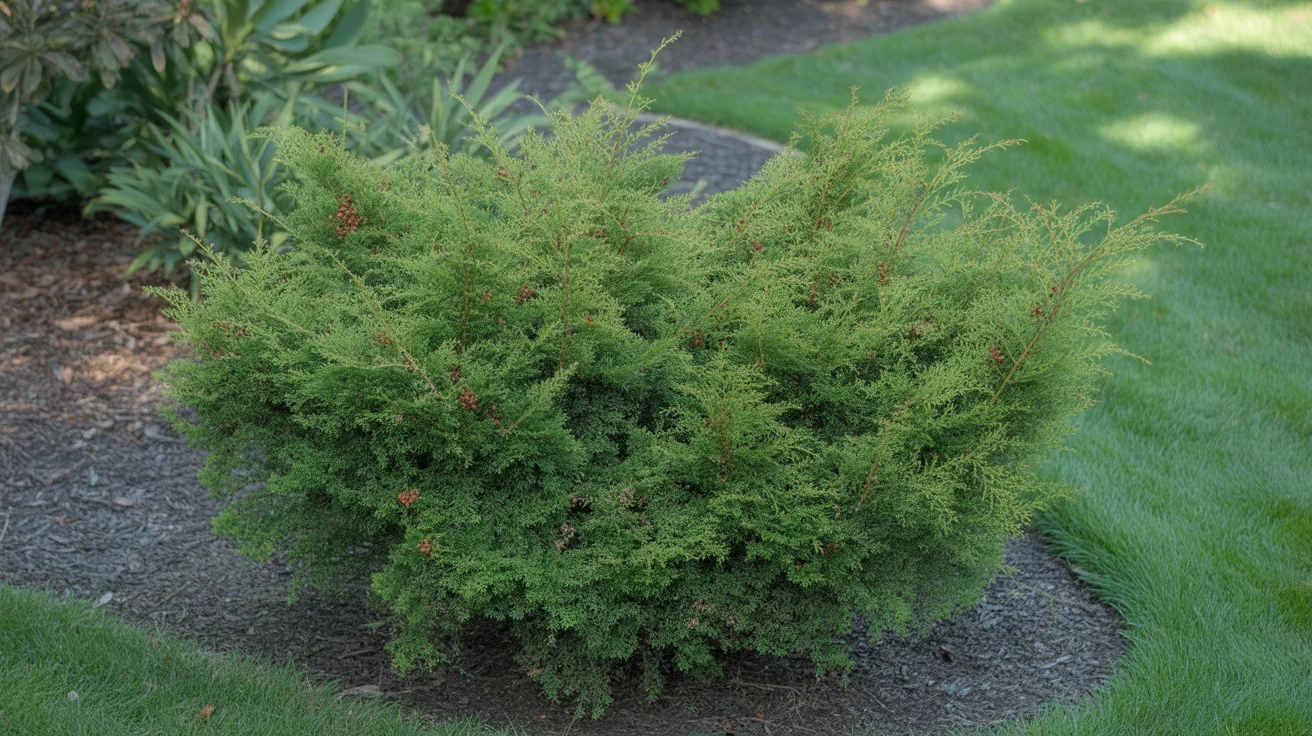
Arborvitae
Tall, upright evergreen choice when you want privacy above eye level.
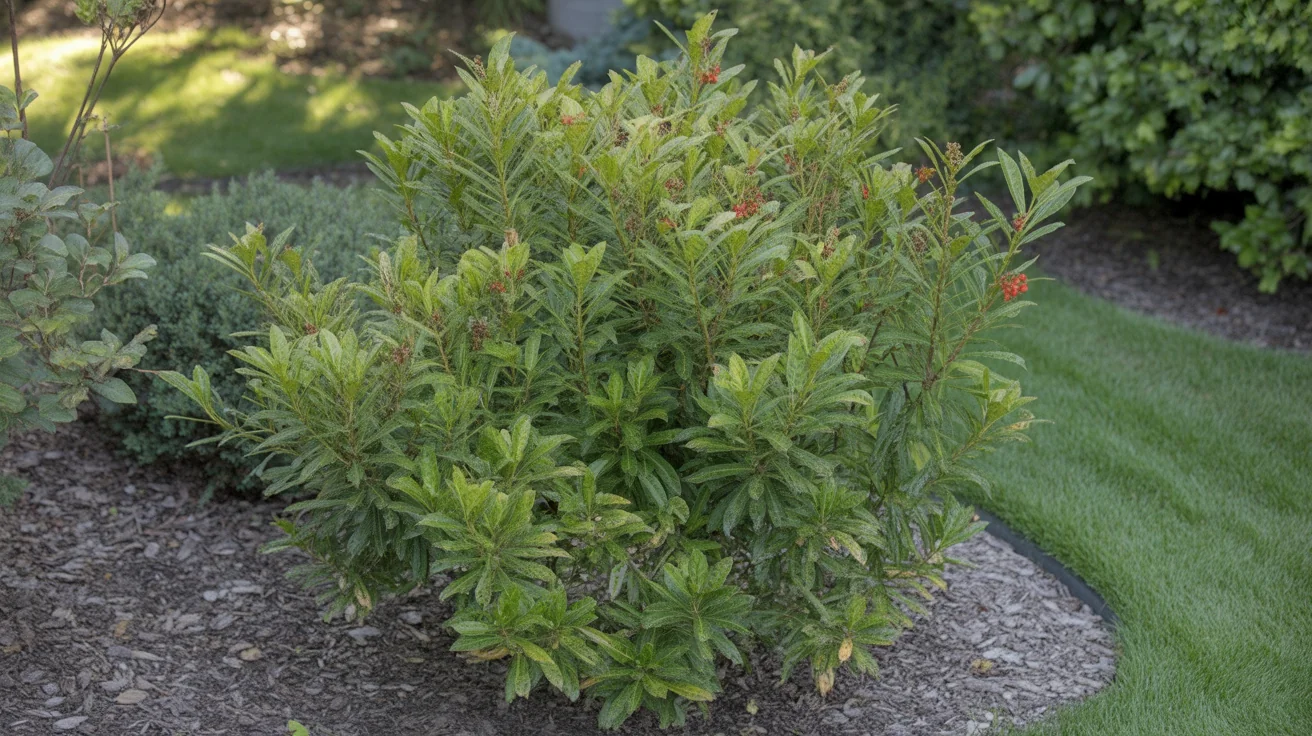
Aucuba
Aucuba is the shrub for bright shade with dry root competition. It keeps evergreen structure near north walls, porches…
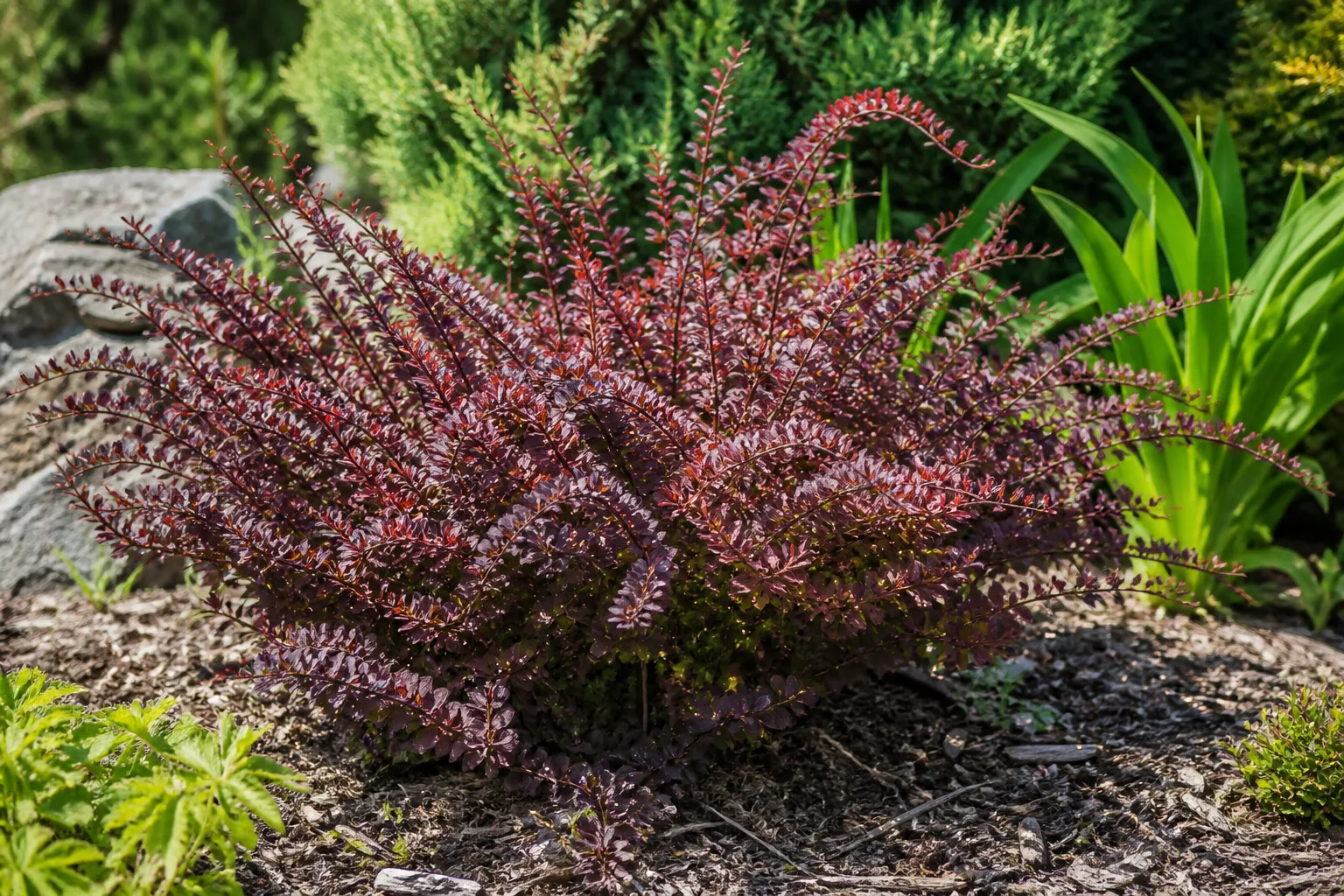
Barberry
Japanese barberry (Berberis thunbergii) is a thorny, deer-resistant shrub whose berries birds carry into woods, so…
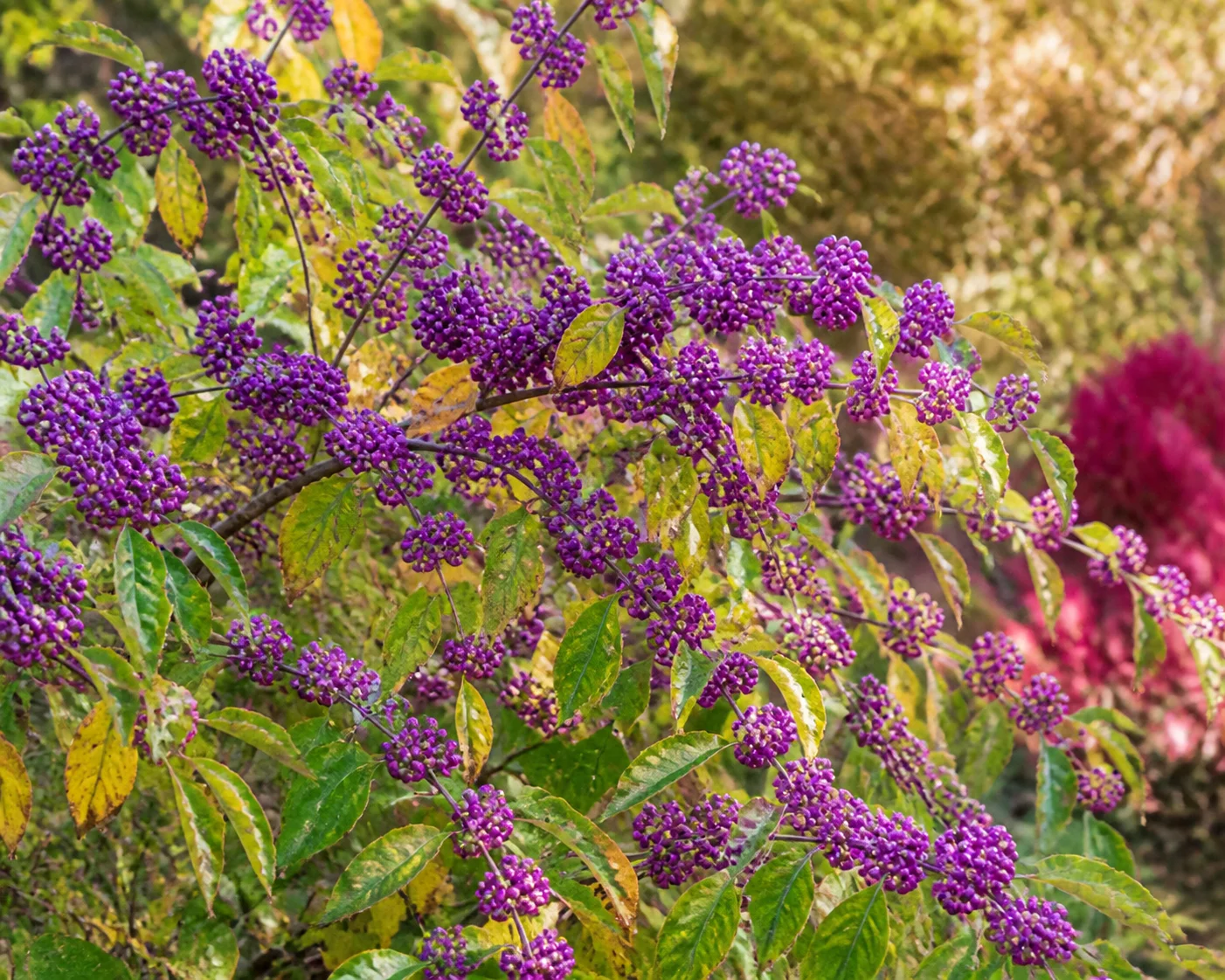
Beautyberry
Beautyberry is a fall-berry shrub, not a formal hedge. Grow Beautyberry where loose arching stems can carry purple…