
Which Garden Ferns Fit Your Shade and How Do You Grow Them?
Various fern genera and species Multiple fern families
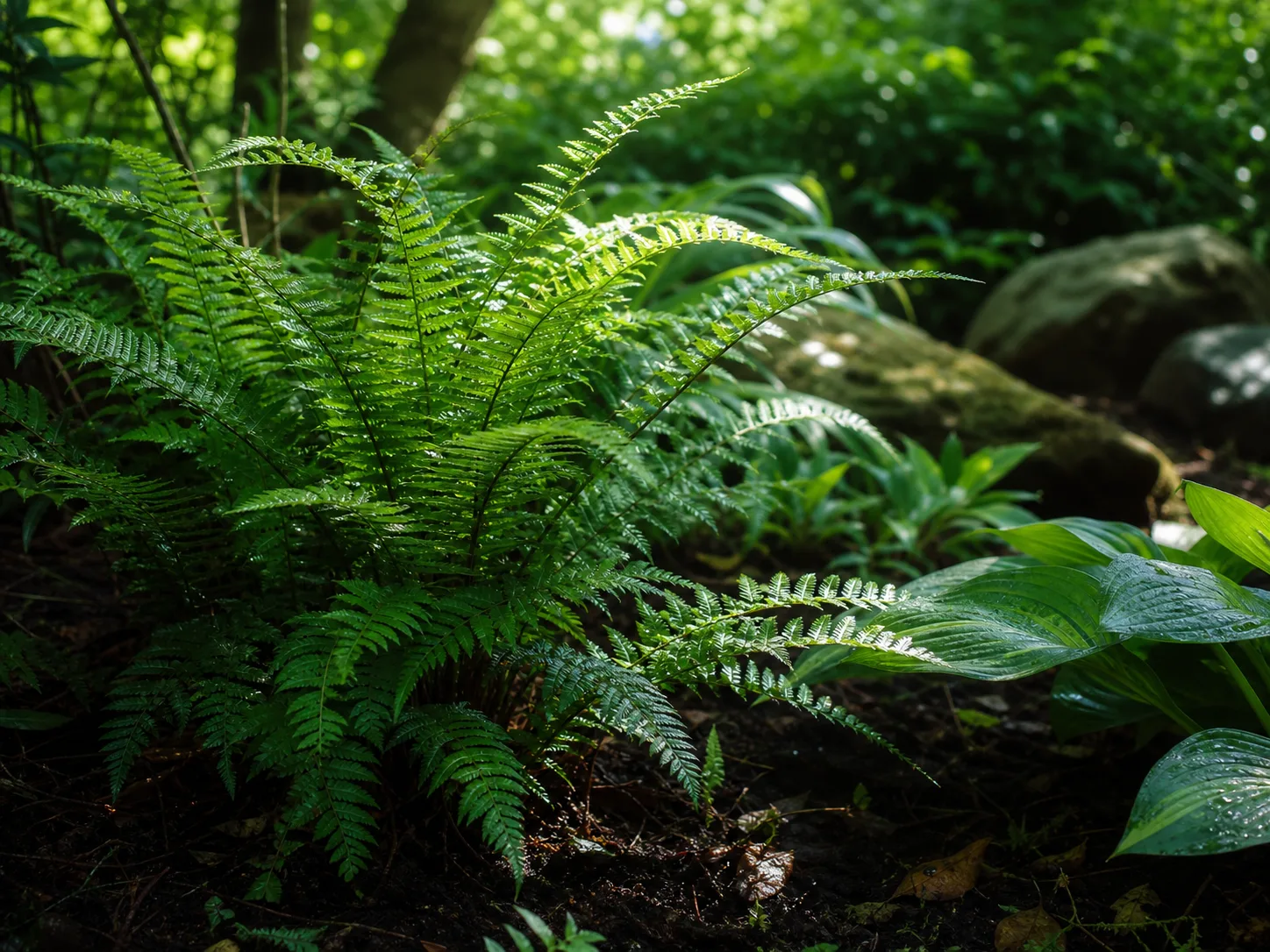
Ferns earn their place with texture, shade tolerance, and a calm green presence that softens woodland edges, foundation beds, and damp corners where flowers can look strained.
Match the species to moisture and winter hardiness, and they become some of the easiest shade perennials to live with.
Care snapshot
Choose Ferns by Texture, Not One Care Recipe
Ferns are not one single plant. They are a broad group of spore-producing perennials that fill shade gardens with fine texture, soft movement, and dependable green structure.
Most garden ferns earn their place in spots where flowers struggle, such as cool north beds, moist woodland edges, and shaded foundations. They pair naturally with Hosta and Astilbe because the foliage shapes contrast so well.
The big split is habit, since some ferns stay in neat clumps while others wander slowly into colonies. That matters more in a layout than the exact Latin name if your goal is clean edging versus a naturalistic drift.
- Best use
- Shade borders, woodland beds, damp edges, under-tree texture
- Main visual strength
- Feathery fronds and layered green texture
- Typical habit
- Clumping or slowly spreading perennial
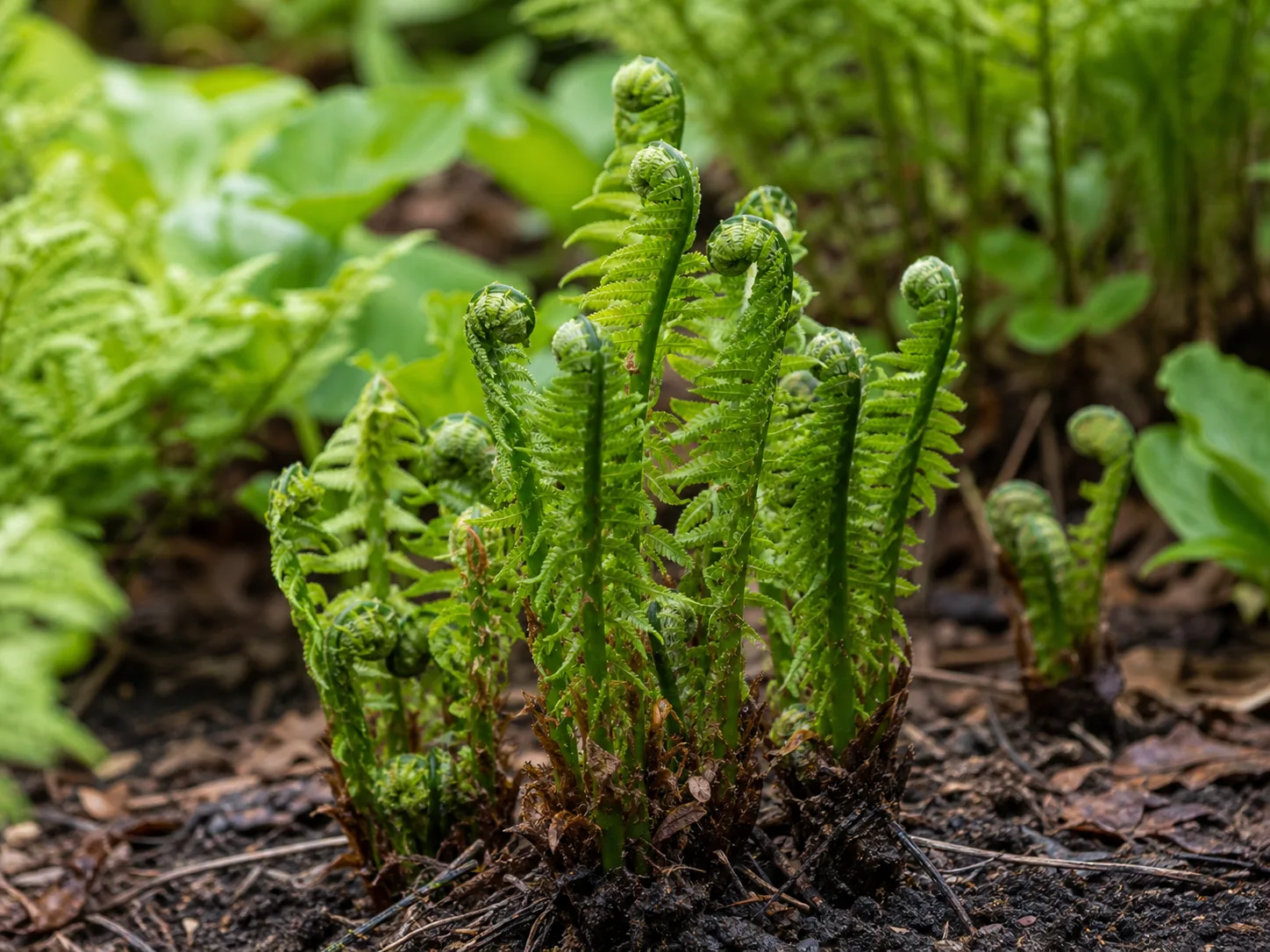
That coiled new growth, called a fiddlehead, uncurls through a mechanism botanists call circinate vernation, where the tightly wound frond slowly relaxes as its outer edge grows faster than its inner edge. It is one of the more visible ways ferns still show their age as a plant group.
Ferns evolved long before flowering plants existed, reproducing by spores instead of seeds for hundreds of millions of years before the first flower ever opened. That older reproductive strategy is also why no fern in a garden bed will ever produce a bloom.
Match Fern Type to Moisture and Scale
Not all ferns behave the same. Some, like ostrich and cinnamon types, make a taller, bolder mass.
Others stay low and work better at path edges or in front of shrubs.
If the bed stays evenly moist, taller ferns can create a lush screen behind Coral Bells or hosta clumps. In drier shade, choose tougher clumpers instead of moisture-hungry showpieces.
The best choice starts with the job of the space. A damp back corner can carry tall ostrich-type texture, while a dry shade path needs tougher, slower clumps that will not collapse between rains.
- Tall woodland types: Better for back-of-bed mass and moist shade.
- Compact edging types: Better for paths, porch beds, and narrow shade strips.
- Indoor-looking tropical types: Save these for pots or use Boston Fern indoors instead.
Ostrich fern, botanically Matteuccia, forms the tall vase-shaped clumps most gardeners picture first, while cinnamon fern, Osmunda, gets its name from the rust-colored fertile fronds that rise separately from the green sterile ones each spring.
Japanese painted fern brings silver and burgundy color instead of plain green, a rare trait in the fern world, while Christmas fern stays evergreen through winter and holds its shape when most other garden ferns have already faded back.
Divide Crowns Instead of Chasing Spores
Most home gardeners propagate ferns by division, not spores. Spores are interesting, but they are slow and fussy compared with lifting a mature clump and replanting healthy crown pieces.
Divide clumping ferns in early spring as new fronds start to unfurl, while spreading types can be cut into rooted rhizome sections where the colony is already moving outward. The timing feels similar to dividing other shade perennials because roots recover best before summer heat.
- Water the bed the day before lifting so roots stay cool and flexible.
- Slice a generous section with roots, crown, and several emerging fronds.
- Replant at the same depth and firm soil gently around the root mass.
- Keep divisions shaded and evenly moist for the first few weeks.
Small divisions look thin at first, so place them where mulch and nearby perennials can cover the gap while roots settle.
A division that never fully perks back up after several weeks is usually one that lost too much root mass in the split. It is fine to try again from a bigger, sturdier piece next season rather than nursing a struggling scrap.
Spores form in small dot or bar-shaped clusters called sori, usually on the underside of mature fronds, and each one releases thousands of dust-fine spores when conditions turn warm and humid. Only a tiny fraction ever land somewhere damp enough to grow, which is the real reason division wins for a garden that wants results this year, not several.
Read Shade by Heat and Leaf Color
Most ferns want shade, but shade still has levels. Partial to full shade is the safe default, with the best growth often coming from morning light and afternoon protection.
Deep dry shade under thirsty trees is harder than bright woodland shade. A fern that looks easy beside Japanese Maple may burn or stall under a root-heavy maple canopy if the soil dries too quickly.
Fern fronds evolved thin, broad blades to catch scattered light filtering through a forest canopy rather than direct sun. That same thinness is what scorches so fast when a fern ends up in a spot brighter than the woodland floor it is built for.
Crispy tips and pale fronds usually mean too much sun, too much dryness, or both. If you are balancing a mixed shade design, the logic in shade plant selection helps place ferns where they can actually look full.
A new planting needs a season to prove its spot. Watch how the fronds hold up through the first hot stretch of summer before deciding whether the light there is truly workable or just tolerable.
Build a Leaf-Mold Root Zone
Loose, organic soil is the easiest path to good fern growth. Leaf mold, compost, and old woodland humus all help far more than heavy feeding does.
Skip heavy synthetic fertilizer here. A fern's shallow, fibrous root system reads a strong feeding the way it reads salty runoff, with leaf-tip burn showing up long before any growth benefit does.
Good placement also means airflow. Ferns like moisture, but stagnant crowded corners can invite mildew or slug pressure.
Give them room to show their shape, especially near larger partners like Hydrangea or dense shrub masses.
Leaf-mold soil is not just physically loose, it also carries the fungal partners many ferns rely on to pull nutrients and moisture from a thin, humus-rich root zone.
Sterile bagged potting mix skips that fungal community entirely, which is part of why a fresh leaf-mold bed often outperforms a bagged one.
Keep Moisture Even Without Making a Bog
Garden ferns usually want steady moisture, not swampy soil and not long dusty gaps. The exact level depends on species, but most fail from drying out faster than the gardener expected.
New transplants need the closest attention, since a young division has not yet built the deeper root network that lets an established clump coast through a missed watering. Treat the first full season as establishment, not maintenance.
Moist organic soil gives the best results. Where tree roots steal water, mulch matters, since a 2-3 inch layer helps the root zone stay cooler and slows evaporation between soakings.
If your layout also includes mixed watering needs, check the bed before you assume every corner is drying at the same pace.
If the bed keeps baking, switch to a tougher shade plant or improve irrigation. Do not assume every fern behaves like Boston Fern, which is much thirstier and more humidity-dependent than many outdoor woodland forms.
Feel the soil under the mulch, not the top of the mulch. Fern beds can look damp on the surface while roots are dry, especially under thirsty trees where Hosta and Astilbe may show stress at the same time.
Solve Damp-Shade Problems Early
Ferns usually have fewer pest issues than tender annuals, but damp shade can still invite slugs, snails, and occasional scale on crowded fronds.
Most brown or crispy fronds come from dry soil, hot sun, or wind exposure before insects are involved. Check moisture first, then inspect the underside of fronds with the same patience you would use in natural garden pest checks.
- Slugs and snails: Ragged edges and slime trails show up in damp mulch. Thin heavy mulch right around crowns and use iron phosphate bait where damage is active.
- Scale insects: Small bumps on stems or frond undersides can weaken indoor or sheltered ferns. Prune badly infested fronds and wipe light infestations with horticultural oil.
- Fungal spotting: Crowded, stagnant beds can develop speckling. Improve airflow, remove badly damaged fronds, and avoid wetting foliage late in the day.
If a whole planting declines at once, look at drainage and tree-root competition before treating for pests.
Isolated damage on one clump usually points to something local, a nearby leak, a heat-reflecting wall, or a spot pets keep walking through, rather than a pest working through the whole bed.
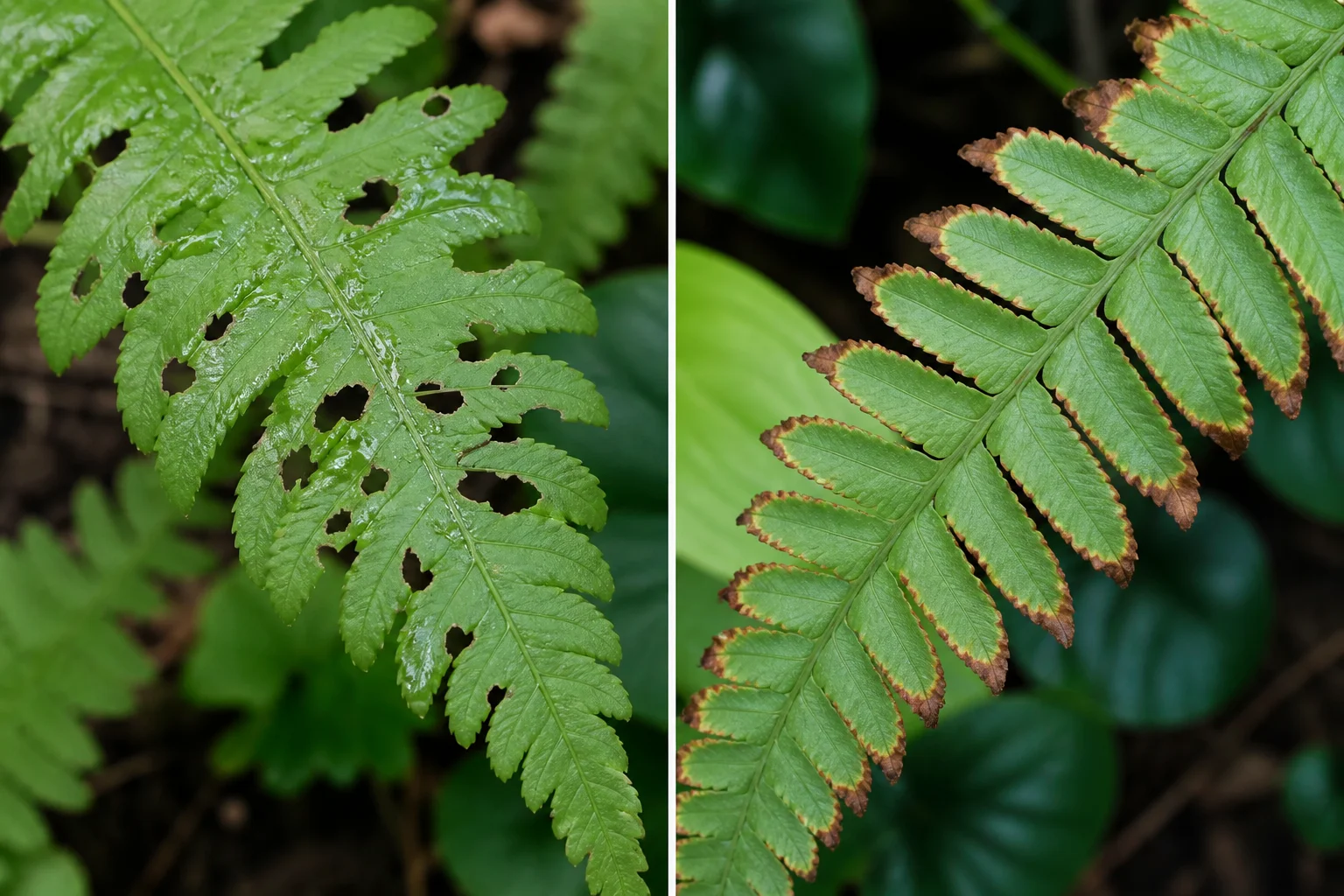
Slug damage and dry-edge damage often get confused at first glance. Ragged, irregular holes with slime trails point to slugs, while crisp, uniform browning along the frond edge points back to moisture or sun stress instead.
Most garden ferns also see very little deer or rabbit damage, since fern foliage carries chemical compounds many herbivores avoid. That natural resistance is one more reason a fern-heavy bed often looks untouched next to a nearby planting that keeps getting browsed.
Clean Fronds Around the Fiddlehead Clock
Spring is mostly cleanup. Cut old tattered fronds before new growth unfurls so the bed looks clean and the fresh texture can show clearly.
Summer care is about water, mulch, and watching for scorch. In fall, many hardy ferns simply fade back while evergreen types keep a smaller winter presence.
A layer of fallen leaves left in place over winter acts as free mulch and slowly rebuilds the leaf-mold layer roots depend on. Wait until new fiddleheads start pushing up in spring before clearing that layer away.
When fern foliage browns early, start with moisture and sun exposure before assuming disease. In mixed beds, the same watering mistakes that stress Hosta leaves often show up faster on fern fronds.
Do not rake through the bed after fiddleheads begin to rise. New fronds bruise easily, and one rough cleanup can damage the season's clean texture before it has a chance to unfurl.
- Cut away winter-damaged fronds in early spring.
- Refresh mulch before hot weather.
- Water deeply during dry spells instead of shallow daily sprinkles.
- Move indoor or patio fern types to Boston Fern care if humidity becomes the main issue.
Not every fern follows the same fall script. Evergreen types like Christmas fern hold green fronds through winter and need little more than light cleanup, while deciduous types like ostrich fern die back completely and are best cut once their fronds collapse rather than left standing.
Frequently Asked Questions
Do ferns need full shade?
Most do best in partial to full shade, but bright morning light often improves growth as long as the root zone stays cool and moist.
Why do fern fronds turn brown?
Brown fronds usually point to too much sun, dry soil, or hot reflected heat. Start by checking moisture and afternoon exposure.
Can ferns grow under trees?
Yes, but tree-root competition matters. Ferns under maples or oaks usually need better mulch and more consistent water than those in open woodland beds.
Sources & References
Related Plants
Boston Fern
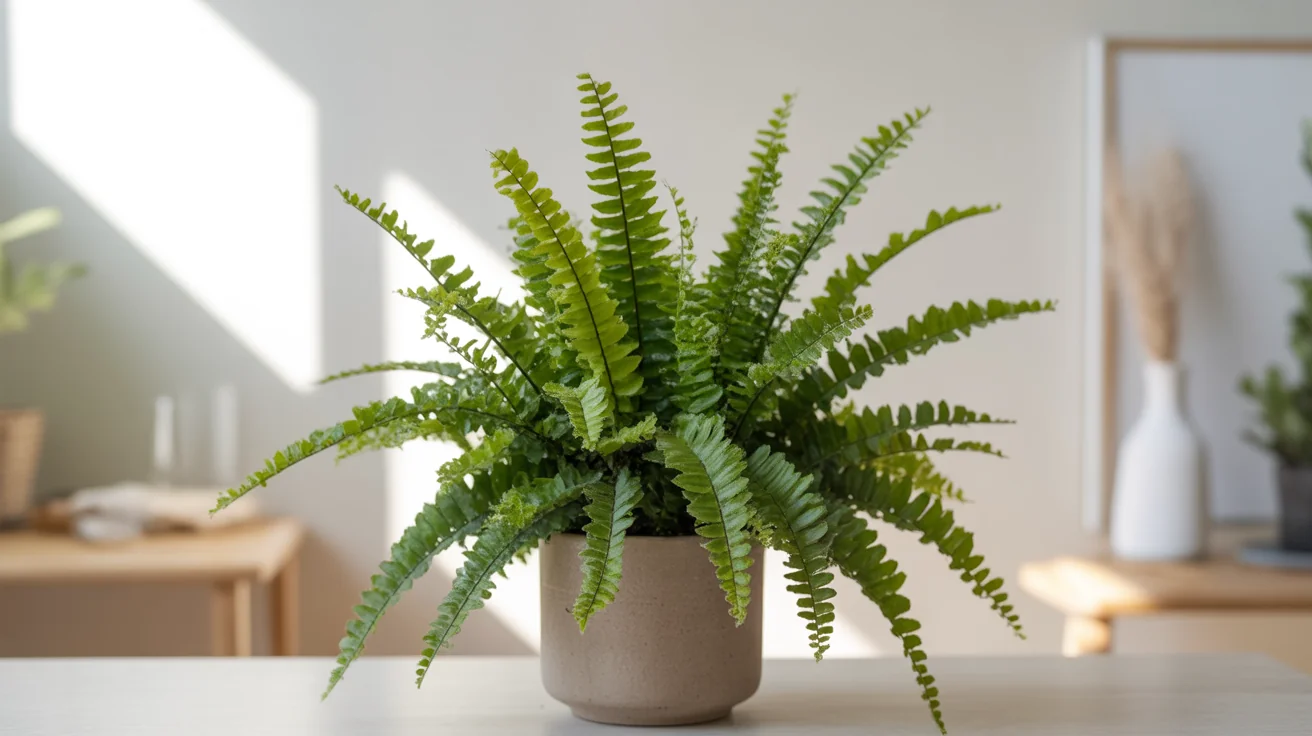
Indoor and patio fern with higher humidity needs than most outdoor woodland types.
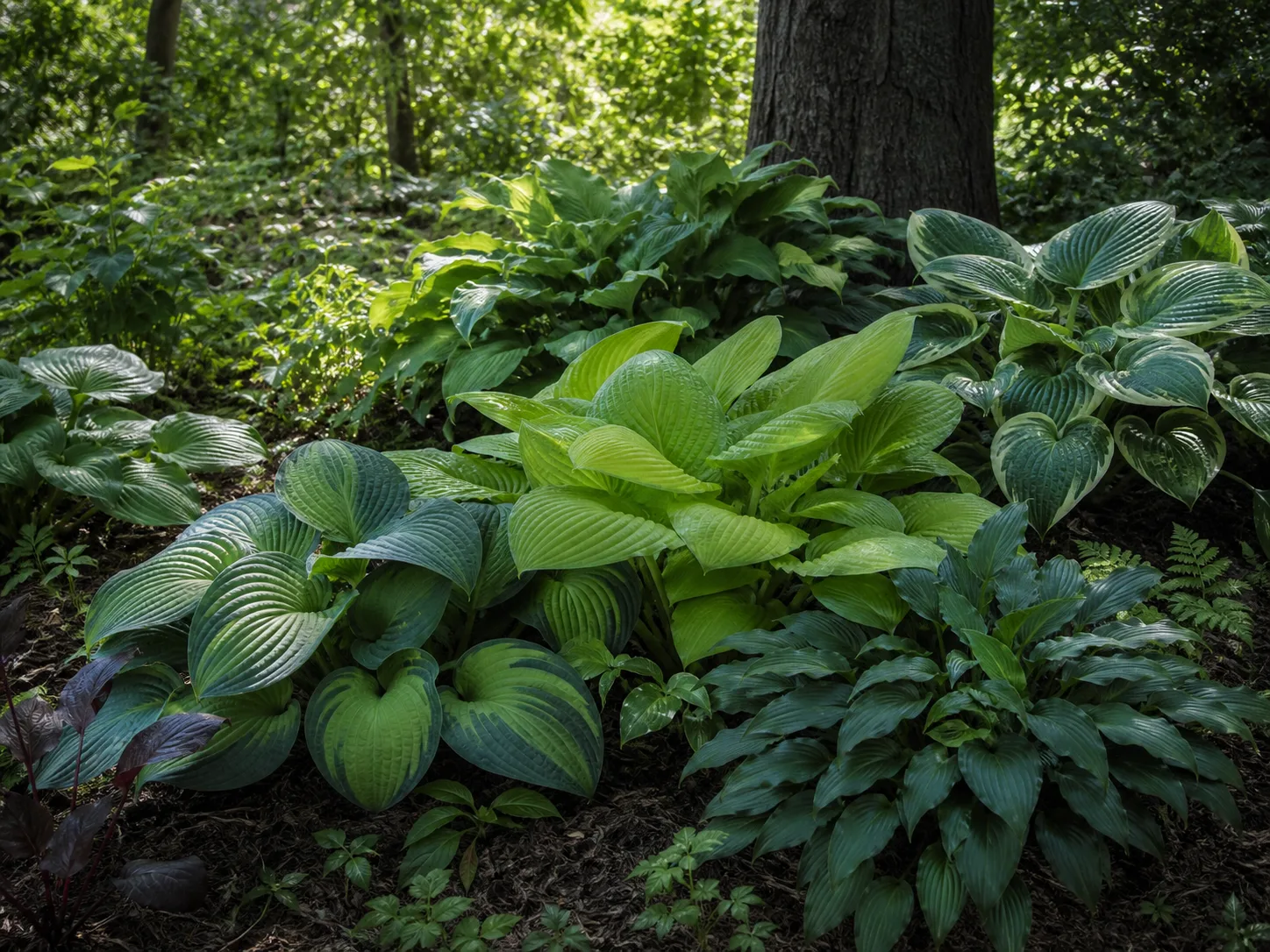
Hosta
Broad-leaved shade perennial that pairs well with fern texture in mixed borders.
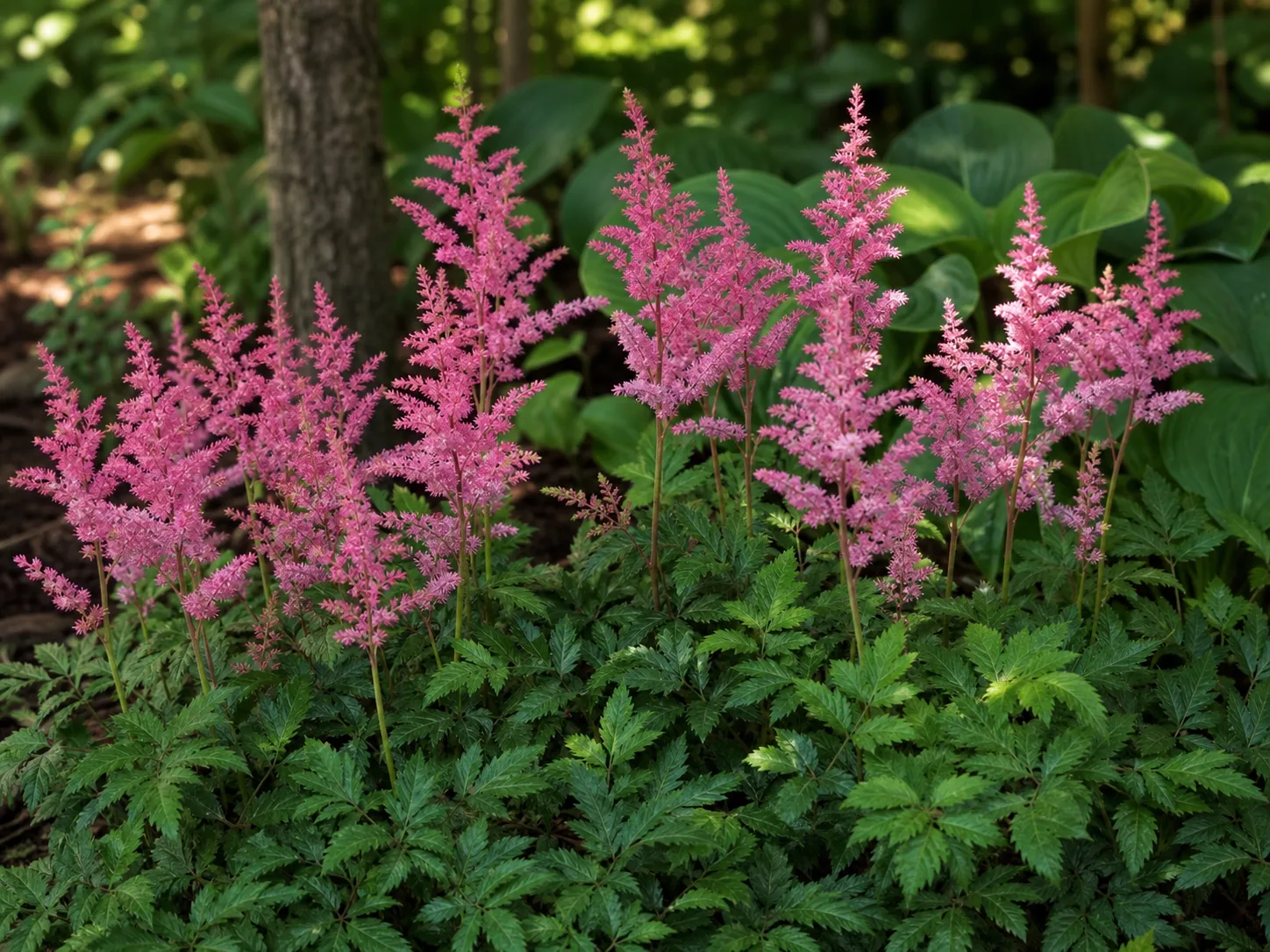
Astilbe
Adds bloom color where fern beds need a brighter summer accent.
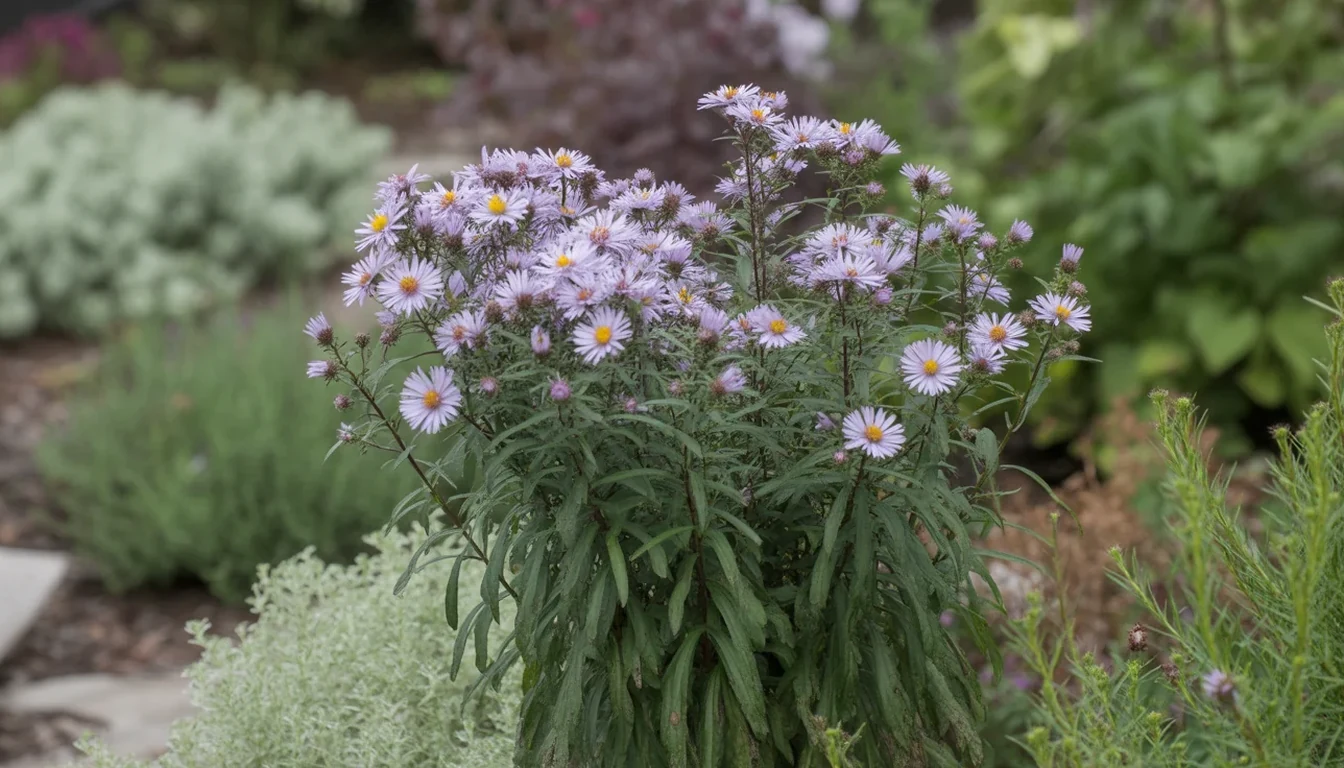
Aster
Gardeners blame the weather when an Aster splits open in September, but the shape was decided in early summer.
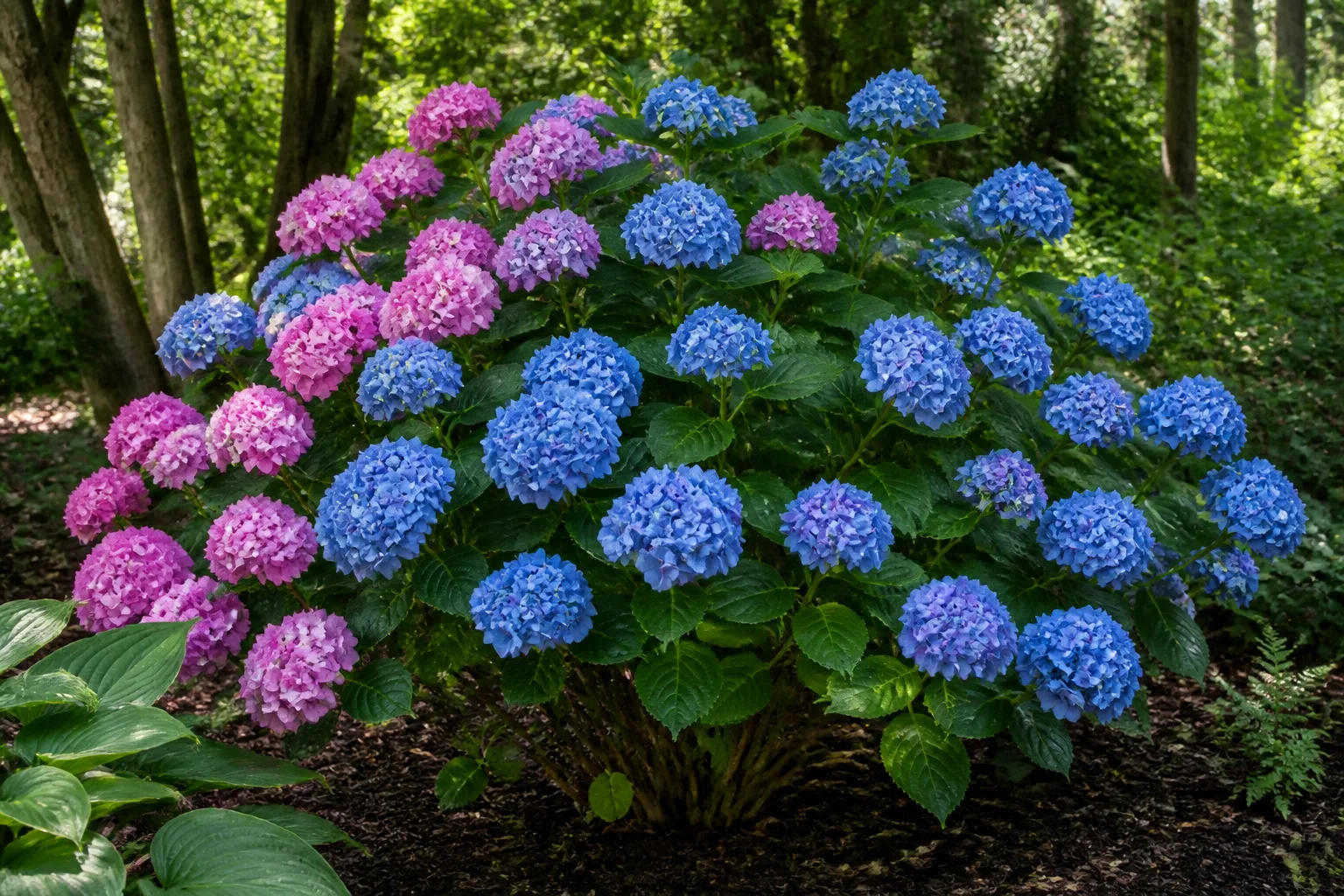
Bigleaf Hydrangea
Bigleaf hydrangea (Hydrangea macrophylla) produces mophead or lacecap flowers, but winter survival and reliable…
Black-Eyed Susan
A Black-Eyed Susan patch outlives the plants in it. The common garden species lives one to three years and restocks…