
What's Tall Fescue? How to Keep a Bunch Grass Thick
Festuca arundinacea (Schedonorus arundinaceus) Poaceae
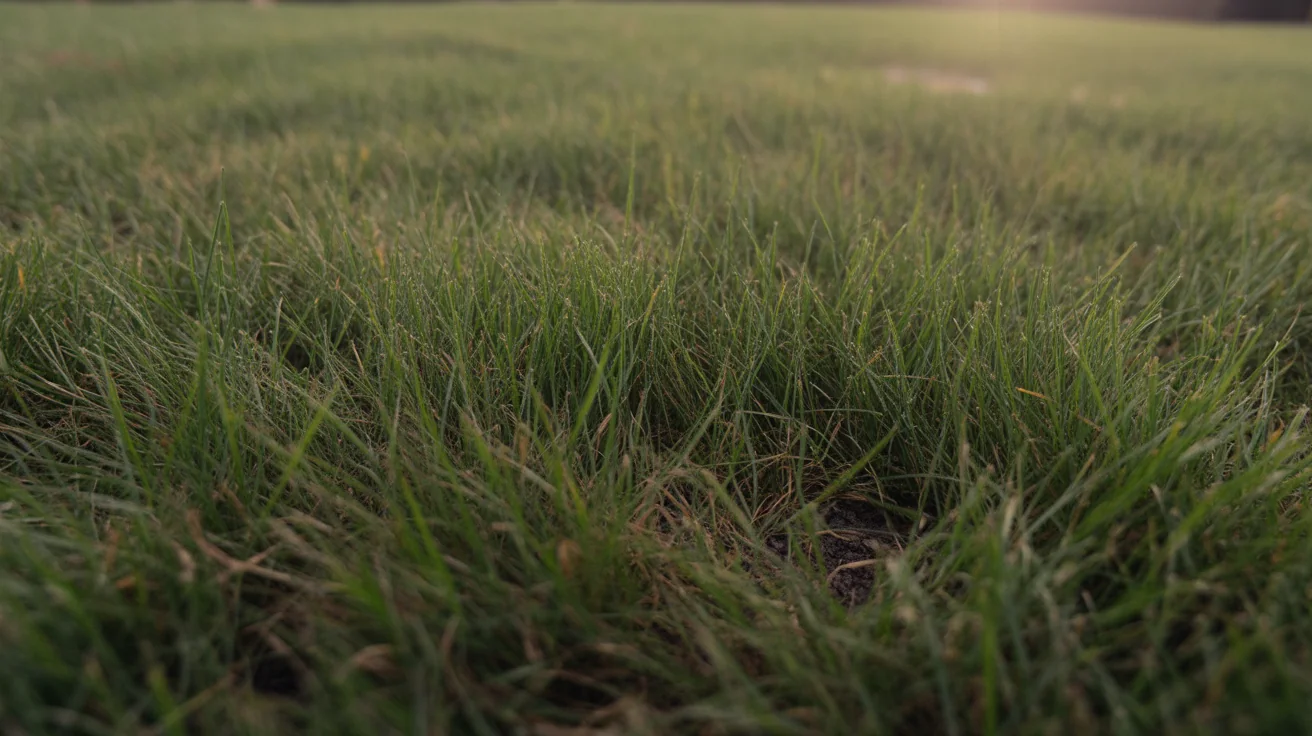
Homeowners across Zone 3-10 lean on Tall Fescue for a cool-season lawn that stays green without babying it every weekend. This bunch-forming grass handles heat better than bluegrass, shrugs off most foot traffic, and works for both overseeding and full renovations.
Care snapshot
Why Doesn't Tall Fescue Fill In Bare Spots?
Tall fescue is Festuca arundinacea, which NC State now lists under the accepted name Lolium arundinaceum and you will also see as Schedonorus arundinaceus. It is a cool-season grass in the family Poaceae.
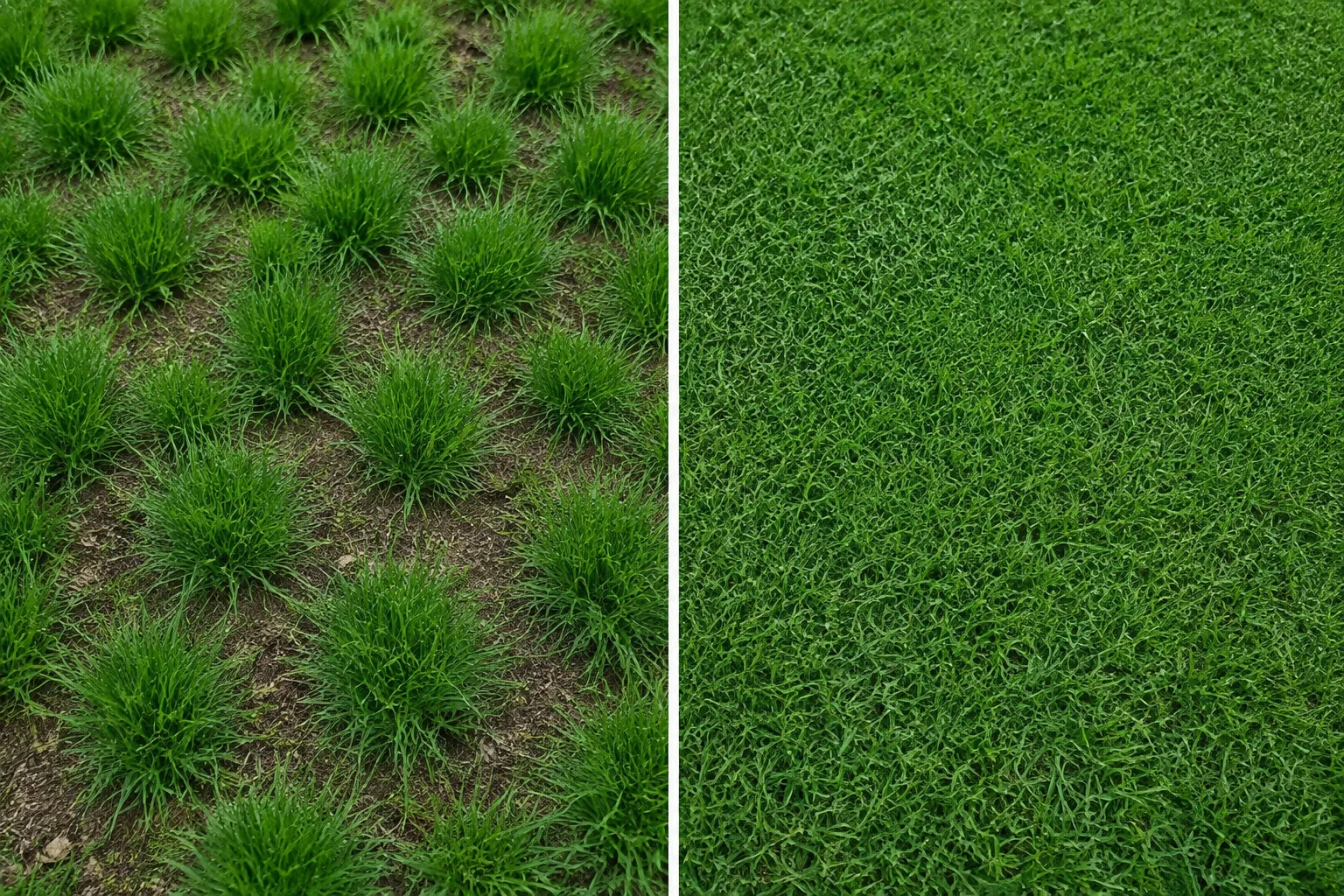
The trait that drives every care decision here is the growth habit. NC State describes it as bunch-type with occasional short rhizomes and no stolons, which means it thickens by pushing up new tillers from the crown rather than by running sideways across open soil.
That one trait decides most of what follows on this page.
A grass that creeps closes its own gaps. This one does not, so a worn path stays a worn path until seed goes down.
Left unmowed it reaches 2 to 3 feet with upright, medium-coarse blades. Kept at 3 to 4 inches it shades its own crown, holds more leaf for photosynthesis, and takes regular foot traffic better than the fine fescues do.
- Type
- Cool-season, bunch-forming, thickening by tillers
- Zones
- 3 to 10, and best in transition climates
- Mowing height
- 3 to 4 inches
- Unmowed height
- 2 to 3 feet
- Texture
- Medium-coarse, with deeply ridged blades
- How it repairs
- By overseeding, because it does not spread to fill
The habit is not only a cost. NC State notes it may need re-seeding each year where summer stress thins it, and the same lack of runners is why it rarely invades beds the way bermuda grass does in a hot climate.
The trade is worth naming before you buy seed.
You accept a yearly seeding job.
In exchange you get a lawn that stays inside its edges rather than one you spend the summer edging out of the beds.
Anyone weighing this against a creeping grass should read bermuda against fescue first, because the repair question is the row that decides it. Against the other cool-season grasses, fescue against kentucky bluegrass is the one to read, since bluegrass does creep and does close its own gaps.
What Should the Tall Fescue Seed Bag Say?
The seed tag matters more on this grass than on most, because two different products are sold under the same two words.
Turf-type tall fescue has finer blades, denser tillering and darker color. Older pasture-type seed grows coarse and clumpy, and it is where this grass gets its unfair reputation as a rough lawn.
- Pasture-type
- Coarse blades bred for forage. Avoid it for a home lawn
- Turf-type
- Finer blades, darker color, dense turf, the residential default
- Dwarf turf-type
- Shorter habit and slower vertical growth, which cuts mowing slightly
- Fescue and bluegrass mixes
- Adds self-repair, though the bluegrass thins in hot summers
A good bag names three or more cultivars rather than one anonymous seed lot. That spreads the risk across brown patch tolerance, summer color and traffic recovery, so one bad year for one cultivar does not take the whole lawn with it.
Two numbers on the tag are worth finding. Look for high germination, low inert matter, and weed seed at 0.01 percent or lower, because cheap seed pays you back in broadleaf weeds two seasons later.
A small share of perennial ryegrass speeds up visible cover after seeding, and kentucky bluegrass adds some self-repair in the cooler parts of a yard. Keep tall fescue as the main ingredient wherever the site gets summer heat or steady traffic.
For most home lawns the best-practice pick is a turf-type blend with three or more cultivars. It gives a more even lawn than any single variety and avoids the pasture look entirely.
How Much Shade Will Tall Fescue Take?
The working range is 4 to 8 hours of direct or filtered sun. Below that the stand thins no matter what else is done for it.
This is the cool-season answer for a yard that shifts from open sun to tree-filtered light. It holds under big maples and along the shaded side of a house where a warm-season grass gives up.
- 6 or more hours gives the thickest turf and the best color.
- 4 to 5 hours is workable in cooler zones where the morning is bright.
- Dense evergreen shade thins it, and neither fertilizer nor extra water changes that.
- Trim low branches where you can, since dappled light counts toward the total.
Map the yard by morning, midday and late-afternoon light before you buy seed.
Tall fescue can carry the bright middle of a mixed lot. The genuinely dim corners want shade perennials rather than another bag of seed, and no amount of reseeding changes that, because the limit is light rather than establishment.
The rest of the grass lineup sorts out which species suits the parts of the yard this one cannot hold.
How Often Should You Water Tall Fescue?
An active lawn wants about 1 to 1.25 inches of water per week, including rain. What matters as much as the total is that each watering runs long enough to wet 4 to 6 inches of soil, then stops while the top layer dries.
That is how roots are trained downward.
Frequent light sprinkling does the opposite and keeps them near the surface, which is the reason a shallow-watered lawn is always the first to fail in July, even when it had been the greenest lawn on the street in May.
Water in the early morning. Blades dry before nightfall, and the alternative is the well-documented recipe for brown patch, which is evening irrigation paired with quick-release nitrogen.
A screwdriver settles the question better than a timer does.
Push one in after watering and it should slide several inches with steady pressure.
If it stops near the surface the lawn got a rinse rather than a soak.
- Measure output with a tuna can or rain gauge until you know what an inch looks like.
- Water when the top 2 to 3 inches are dry and blades stay folded at midday.
- Split it into two sessions a week on heavy soil so the water soaks rather than runs off.
- Skip watering through steady cool rain, which waterlogs and feeds disease.
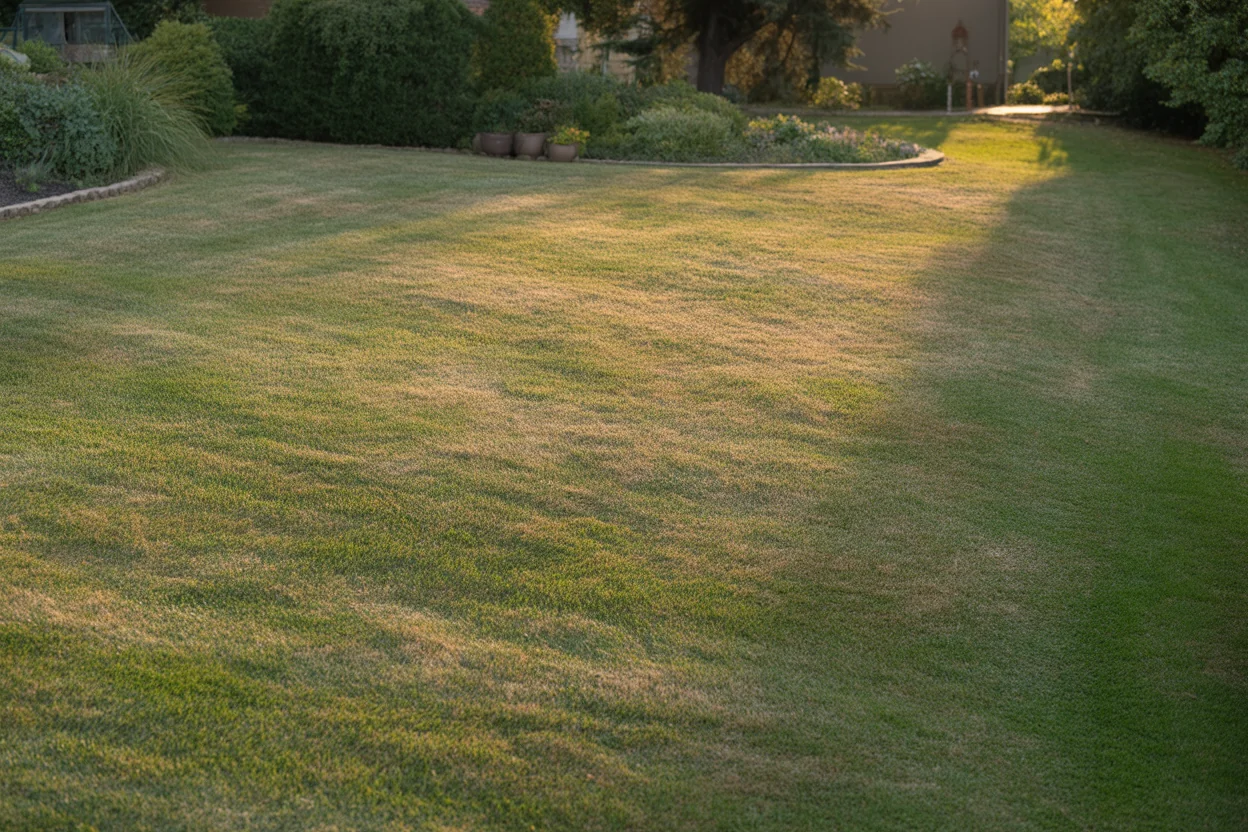
A brief tan cast during a heat wave is drought defense rather than failure, and it behaves much like the drought-tolerant plantings elsewhere in a yard. The grass is protecting its crown and it comes back.
What Soil and Mowing Height Does It Need?
Start with a soil test and bring pH toward 6.0 to 7.0 before any major seeding.
Root oxygen matters as much as nutrients here. That is why compacted clay defeats a seeding plan that looks correct on paper.
Loosen the top 3 to 4 inches and blend in 1 to 2 inches of compost wherever the ground is tight or crusted. Building a profile beats scattering seed over a hard surface, and the contrast between sandy and clay soil explains why a layer of sand over clay makes it worse rather than better.
Mowing height is soil care rather than cosmetics, and holding the grass at 3 to 4 inches shades the crown, slows evaporation from the surface, and leaves enough blade to rebuild roots after traffic.
- 4 to 6 inches of loosened topsoil before seeding or sodding.
- 1 to 2 inches of compost worked into that layer for structure.
- No thick sand over clay. Blend a profile instead of stacking one soil on another.
- Core aerate every 1 to 3 years where traffic has compacted the ground.
Feed to the soil test and to cool-season timing rather than to the calendar, which the lawn care calendar sets out by month. One heavy nitrogen push buys two good weeks and then collapses in humid heat.
When and How Heavily Do You Seed It?
Seeding is the repair tool on this grass, not a last resort. A bunch grass has no runners to send into a bare spot, so the gap closes when you close it.
Late summer into fall is the safer window across most of the range. Seedlings get cool nights, warm soil and steadier rain, and then months of root growth before the following July tests them.
Spring seeding works in genuinely cold regions.
Weeds and early heat shorten the runway considerably.
In a transition climate it is the harder road to the same lawn.
Preparation starts 1 to 2 weeks before the seed goes down. Mow to 2 to 2.5 inches, bag the clippings, rake out loose thatch, and open soil between the clumps so seed lands on ground rather than on old blades.
- Broadcast in two directions so coverage is even rather than striped.
- Rake lightly so seed settles 1/8 inch deep and is not buried.
- Topdress thin areas with 1/4 inch of compost for contact.
- Keep the top inch moist with light, frequent watering until germination.
- Switch to deeper, less frequent watering after the third mowing.
That last change is the one people miss. Light frequent water keeps seedlings alive, and then the same routine keeps their roots shallow, so the watering has to change once the lawn is standing.
Overseed every 2 to 3 years as a habit rather than a rescue.
Thin areas are where broadleaf weeds get in.
A stand kept dense is the cheapest weed control there is.
What Goes Wrong With a Tall Fescue Lawn?
Most trouble on this lawn starts as a stress pattern and only later looks like a pest pattern. A sunny slope, a compacted path or an overwatered low spot usually explains more than the name of the disease does.
Brown patch is the signature disease, and it arrives in humid heat when nights stay warm and leaves stay wet. It shows as large circular tan areas with a darker ring at the edge.
Dollar spot looks different and wants the opposite response.
The patches are small, about the size of a silver dollar, and they merge into larger tan areas. It is usually tied to low nitrogen rather than to excess.
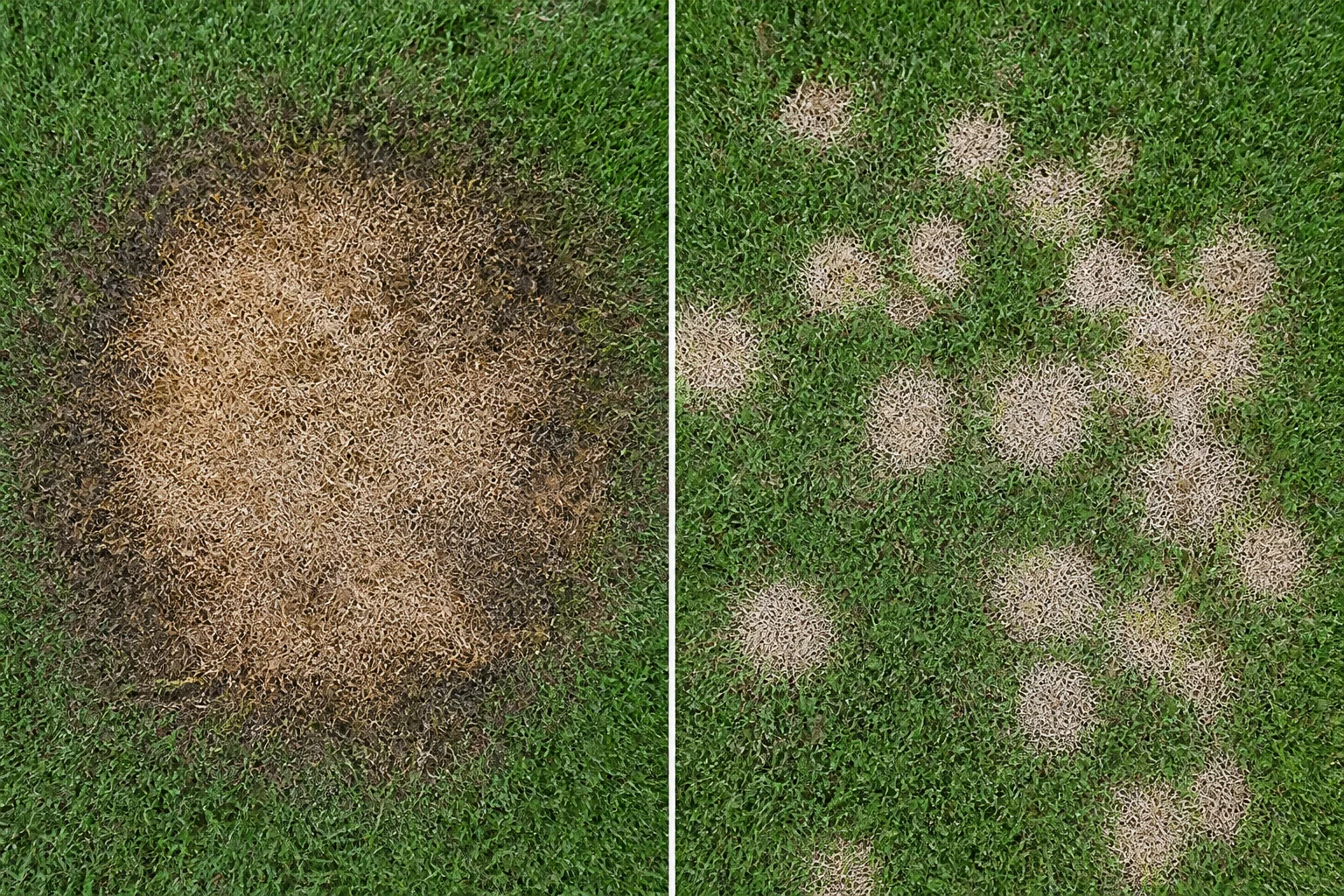
Circular tan areas with darker edges after warm wet nights. Cut evening watering, improve airflow, and hold back late-spring nitrogen before considering a fungicide.
Small silver-dollar patches merging into tan areas, often from low nitrogen. A modest feeding and deeper, less frequent watering usually turn it around.
The lawn feels spongy and rolls back like carpet, because they feed below the surface. Treat at the right time for your region and overseed the dead patches.
Small moths fluttering at dusk and ragged blades close to the soil. Spot-treat only if the damage keeps spreading.
NC State adds wireworms, green June beetles and gray snow mold to the list for this species, none of which is the usual explanation for a brown lawn in July.
The two diseases pull in opposite directions on feeding, which is why naming the patch matters before acting. Feeding a brown patch lawn makes it worse and feeding a dollar spot lawn helps.
Is the Tall Fescue Endophyte a Problem in a Yard?
Many turf-type tall fescue cultivars carry an endophyte, a fungus that lives inside the plant rather than on it. On a lawn that is a feature, because it makes surface-feeding insects noticeably less interested in the blades.
The same fungus is why this grass has a reputation for toxicity.
Penn State records that the traditional endophyte produces alkaloids that are toxic to animals, and names the effects as poor conception rates, low birth weights and low daily gains. Those are grazing measurements, taken on livestock eating the grass as feed.
The size of the effect is on record too. Penn State reports half a pound more average daily gain per animal per day on novel and endophyte-free varieties, which is why those are the ones recommended where the grass is grown for feed.
What NC State's plant toolbox says is just as relevant, and it is what it does not say. The entry for this species carries no toxicity listing at all, for cats, dogs, horses or anyone else.
This site therefore shows no pet-safety badge on this page. The honest position is that there is a documented grazing effect and no household listing, and inventing a badge in either direction would be worse than leaving it off.
Frequently Asked Questions
Is tall fescue good for high-traffic yards with kids and dogs?
Yes, tall fescue handles moderate to heavy foot traffic well when mowed at 3-4 inches and watered deeply. It does not spread much, so you overseed worn paths each fall to keep it thick.
Will tall fescue stay green all year in my climate?
In Zone 3-7, tall fescue goes tan in deep winter but greens up early in spring. In Zone 8-10, it can stay green most of the year, but may slow or lightly brown during extreme summer heat or drought.
How often should I reseed a tall fescue lawn?
Most tall fescue lawns benefit from overseeding every 2-3 years, especially in high-traffic spots. Overseeding each fall in cooler zones or late fall to winter in warmer areas helps maintain density and color.
How often should I overseed a tall fescue lawn?
Plan to overseed tall fescue every 2-3 years in most climates, and every year if you fight summer heat, traffic, or pet damage. Fall overseeding usually gives the thickest, most even results.
Is tall fescue good for shady yards?
Yes, tall fescue tolerates light to moderate shade better than many warm-season grasses. It still needs 3-4 hours of filtered sun to stay full, but it outperforms options like bermuda on north-facing or tree-lined lots.
Can I mix tall fescue with Kentucky bluegrass?
You can, and many bagged mixes already do. Kentucky bluegrass spreads to fill gaps and tall fescue brings deeper roots and heat tolerance, so mow and fertilize on a cool-season schedule instead of treating it like a warm-season lawn.
Sources & References
Related Plants
Fescue
Blends of tall and fine fescues for shade and drought tolerance.
Kentucky Bluegrass
Fine-textured cool-season grass often mixed with tall fescue for self-repair.
Bermuda Grass
Warm-season alternative for hot, sunny lawns in the southern states.
Bahia Grass
Bahia grass is a warm-season utility lawn built for sandy, hungry ground where fussier grasses give up.
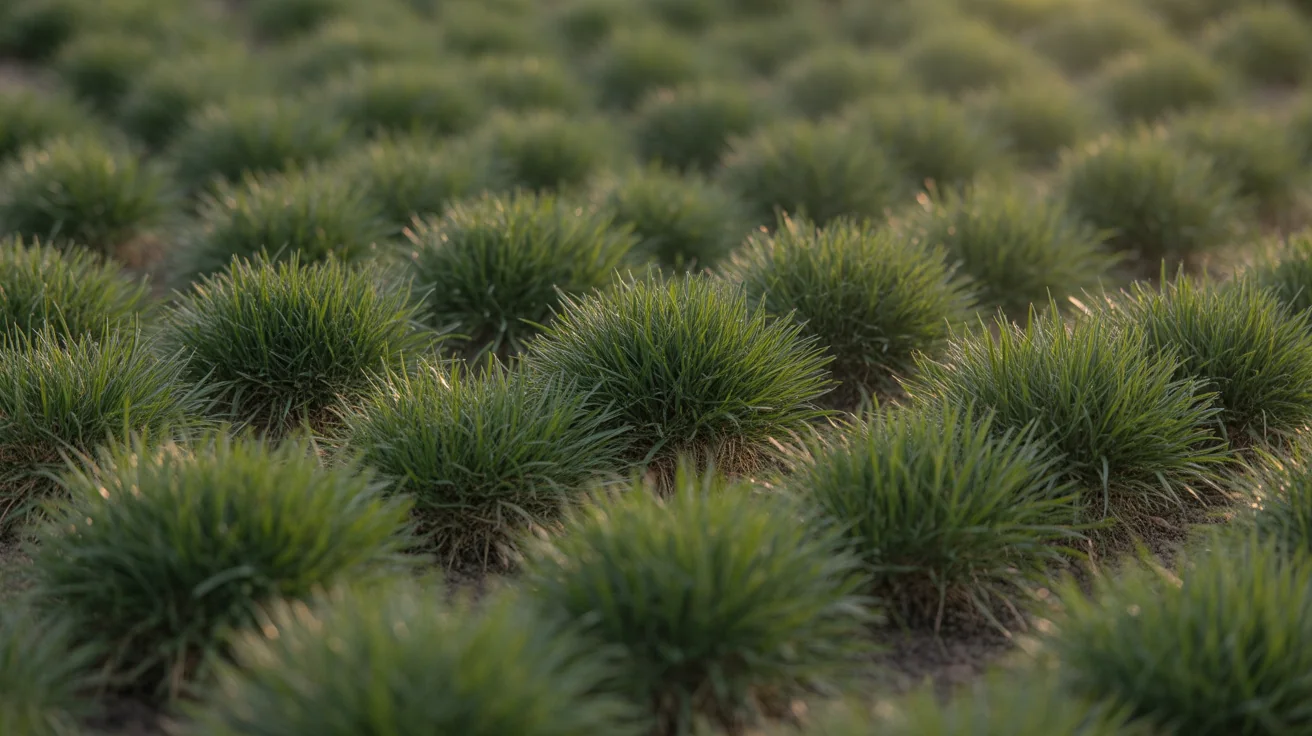
Buffalo Grass
Many people treat buffalo grass like a regular high-input lawn, then wonder why it looks thin and weedy.
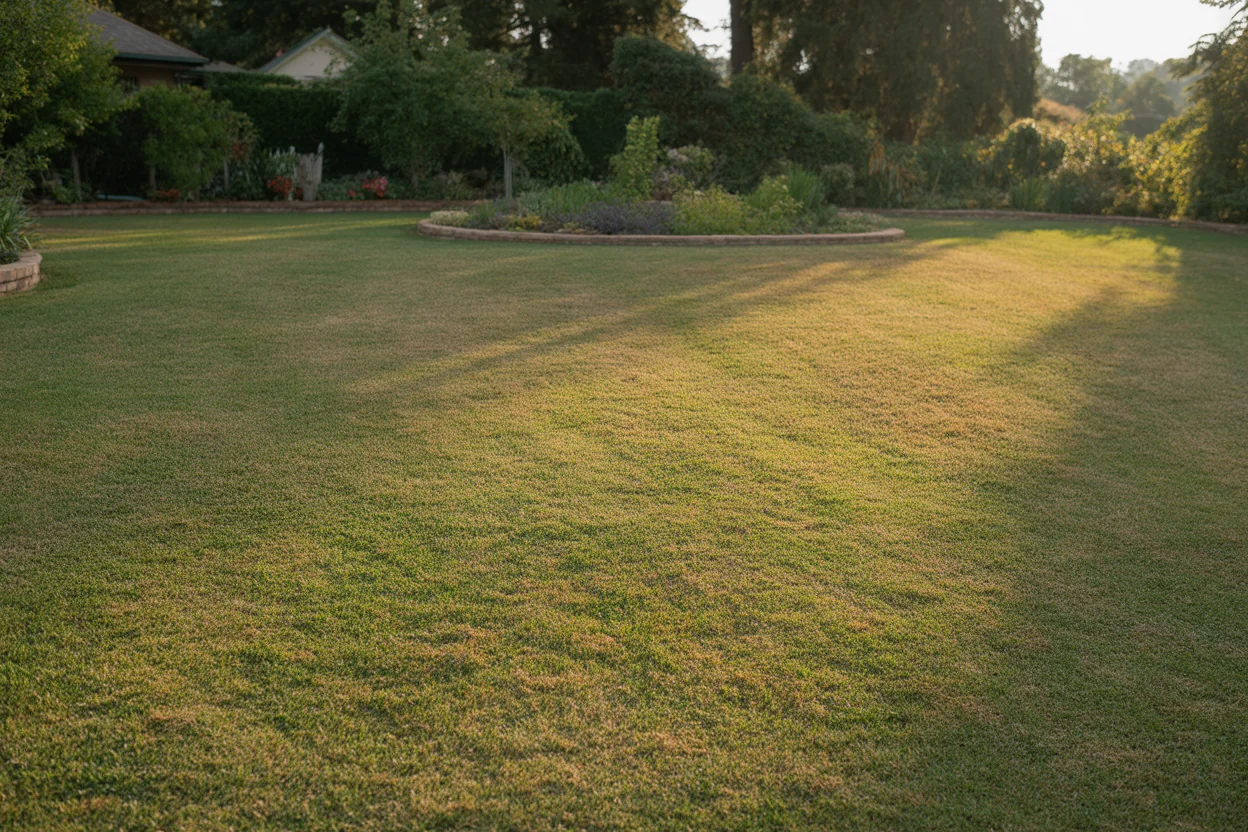
Centipede Grass
Centipedegrass is a slow-growing, light-green lawn grass for suitable warm-climate sites.