
What's Bermuda Grass? How to Keep It Out of the Beds
Cynodon dactylon Poaceae
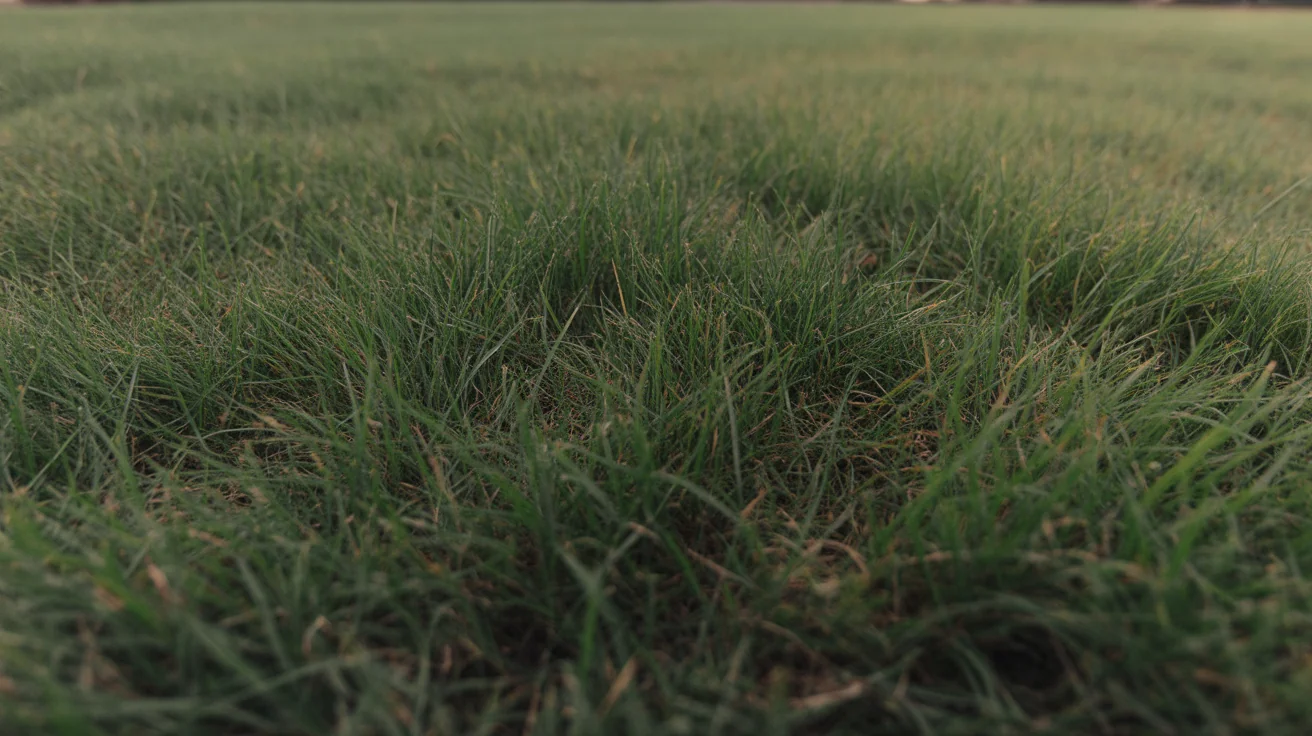
Grow Bermuda grass if you want a dense, sun-loving lawn that shrugs off heat, foot traffic, and summer drought. It spreads fast by stolons and rhizomes, greens up strongly in warm weather, and stays happiest where summers are long and hot.
Care snapshot
How Aggressively Does Bermuda Grass Spread?
Bermuda grass is Cynodon dactylon, a warm-season grass in the family Poaceae.
It moves in two directions at once. Stolons run across the surface where you can see them, and rhizomes travel underground where you cannot.
That pair is the whole character of the plant. It is why a worn path closes on its own in a few warm weeks, and it is why the same lawn turns up in a flower bed six feet away.
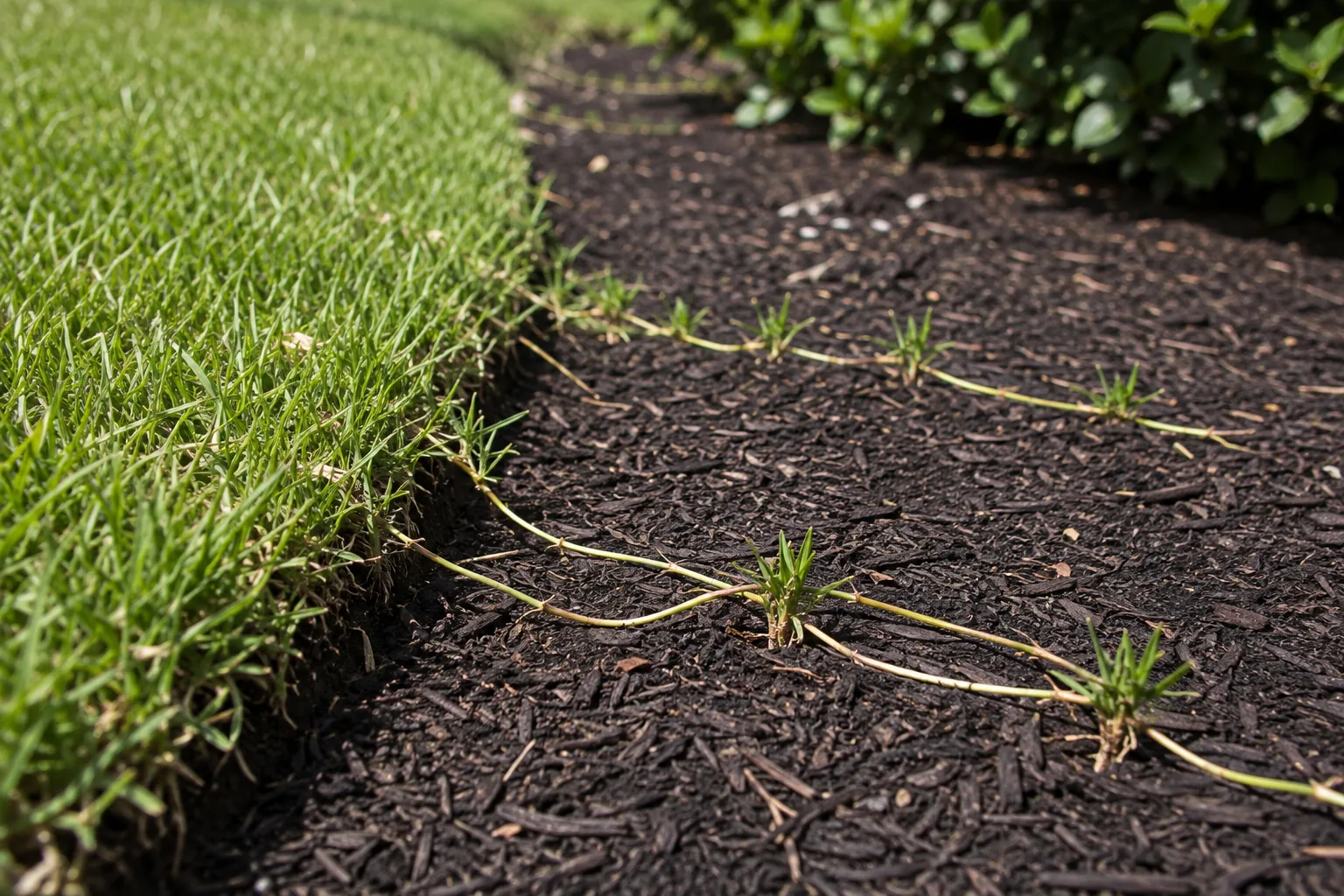
The blades are fine to medium, 1 to 3 mm wide, which is what gives an established lawn its tight knit. That density is why bermuda takes sports, dogs and frequent mowing better than most grasses do.
- Type
- Warm-season, spreading by stolons and rhizomes
- Zones
- 7 to 10, with cold-hardy cultivars persisting further north
- Light
- Full sun, 6 to 8 or more hours
- Mowing height
- 1 to 2.5 inches
- Blade width
- 1 to 3 mm, fine to medium
- Winter
- Fully dormant and straw-brown
What the habit buys is repair without effort.
A gap that would need seed on a clump-forming grass closes here on its own, provided the weather is warm, which is why this grass ends up on sports fields and in yards with dogs. That is the row that decides bermuda against fescue, since a clump-forming lawn hands the same job back to you every autumn.
What it costs is a boundary you have to build.
A physical edge reaching 6 inches deep, or a spaded edge kept clean, is what holds it out of the beds.
Neither installs itself after the runners have crossed.
One more thing is worth checking before planting, since Cynodon dactylon appears on some regional invasive lists and a few municipalities limit new plantings near wetlands.
Why Does Bermuda Turn Straw-Brown in Winter?
The lawn is finished for the year rather than dead.
Bermuda goes fully dormant and straw-brown through winter. That is normal behavior for the species.
It comes back on a temperature rather than a date, surging once nights consistently stay above 60°F, and spring green-up follows soil temperature a few inches down instead of the air on the forecast, which is why a warm week in March can pass with almost no color change at all.
The reason sits in the chemistry. Bermuda uses C4 photosynthesis, the same pathway as corn and sugarcane, which is what keeps it growing hard in heat that stalls cool-season grasses like tall fescue and perennial ryegrass.
The trade is a straw-colored lawn for part of every year, and there is exactly one way to hold winter color, which is an optional cool-season overseed. That is a yearly job, and anyone unwilling to do it is really choosing between this and a cool-season lawn from the rest of the lineup.
Will Bermuda Grow in Any Shade at All?
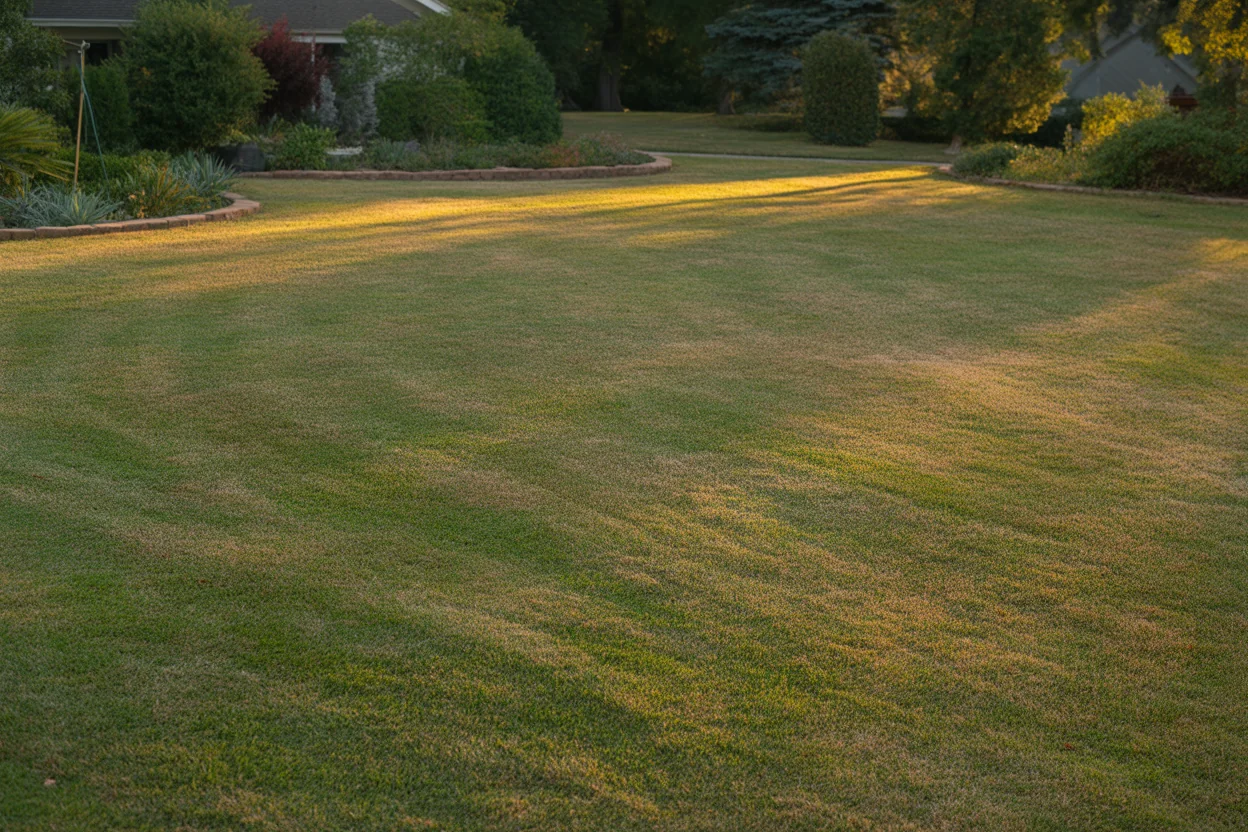
Not really, and it is better to hear that before buying seed. Shade tolerance is poor, and thin light is the single most common reason a bermuda lawn turns from tight turf into runners and weeds.
The working requirement is 6 to 8 or more hours of direct sun, and given that it makes the dense carpet it is bought for. In a marginal spot the floor drops to 4 to 5 hours of uninterrupted midday or early afternoon sun, and uninterrupted is the word carrying that sentence, because dappled morning light followed by dense evening shade leaves the lawn leggy and open.
- 6 to 8 or more hours of direct sun gives the tight turf this grass is chosen for.
- 4 to 5 hours of uninterrupted midday sun is the floor, not a target.
- Dappled light all day produces thin runners and an opening for weeds.
- Under spreading trees or tall screens, plant a shade border rather than fighting for turf.
There is a reason the answer is this blunt. The C4 pathway is built to cash in on intense light rather than to run efficiently in low light, so shade costs this grass more than it costs a cool-season lawn.
Watch the yard across a full day before renovating. Where the hours are not there, a partial-shade border is a better answer than another bag of seed.
How Short Should Bermuda Be Cut?
Bermuda is mowed at 1 to 2.5 inches, which is short by the standards of most home lawns and exactly what this grass wants.
Mowing height does more for the look of a bermuda lawn than any bag of fertilizer. Low and frequent cutting through warm weather is what keeps the runners knitting rather than stretching.
Spring has a sequence worth following.
Clear debris, check for winter kill, then take the first cut slightly lower so sunlight reaches and warms the soil faster.
Once solid green growth returns, raise the mower a notch and hold it there, and leave any overseeding or plugging until late spring when the soil is properly warm.
The lawn care calendar sets out where each of those jobs falls by month.
Light lowering of the first cut, a soil test, and a pre-emergent weed control if the lawn needs one.
The main feeding window, irrigation dialed in, and any plugging or sprigging done while soil is warm.
Lighter feeding, and a closer watch for insects and drought stress as heat accumulates.
Leaf cleanup, traffic kept off dormant turf, and an optional cool-season overseed for color.
The mistake worth naming is scalping hard in early spring to force green-up. Cutting deep before the roots have restarted stresses the crowns instead, and one moderate lowering does the job a severe one does not.
How Much Water Does Bermuda Actually Need?
About 1 inch per week in summer, including rainfall, once the lawn is established. In extreme heat across Zones 8 to 10 that goes toward 1.25 to 1.5 inches, and the signal to raise it is blades folding or footprints staying visible.
Where the water goes matters more than the total. Water deeply and spaced so roots chase moisture 6 to 8 inches down, because that depth is the actual source of this grass's drought tolerance.
It is worth being precise about that, because the toughness people describe is not anything in the leaves. It is root depth.
A lawn watered lightly every day never builds any.
Check with a screwdriver or a soil probe after irrigation. It should slide easily through the top 4 to 6 inches, and if it stops after an inch the lawn got a rinse, which is what deep against frequent watering sets out in full.
Bermuda gives an early warning most people miss. Drought stress shows first as a slight blue-gray cast across the blades, before any browning appears at all.
- 1 inch per week in summer, including rain.
- 1.25 to 1.5 inches during extreme heat in Zones 8 to 10.
- Water in the early morning so blades dry quickly and disease pressure stays low.
- Check with a probe rather than a timer, aiming for easy travel through 4 to 6 inches.
Seed, Sod or Sprigs, and What Goes In First?
Fix compaction before anything else goes down. Bermuda roots run 6 or more inches deep in loosened soil, and in hardpan clay the turf rides the surface and loses the drought advantage it was bought for.
Compacted ground hides this for years.
The lawn looks fine until one hot dry summer exposes the shallow root system all at once, which is why the work belongs before planting rather than after the first failure.
Aim for a slightly acidic to neutral pH 6.0 to 7.0 after a soil test, since bermuda tolerates a wider range than many turfgrasses while nutrient uptake still peaks inside that window.
Mix 2 to 3 inches of compost or well-rotted organic matter through the top 4 to 6 inches. In heavy soil, keep any added coarse sand to no more than 25 to 30 percent by volume, because a sand layer over clay creates a perched water table rather than drainage.
Only then does the installation route matter, and it is decided by deadline more than by preference. One detail rules out a whole route for some cultivars, since many hybrids are sterile triploids that set no viable seed at all.
- Seed is cheapest and suits a wide area, and it works fastest where soil is genuinely warm. Rake the top half inch loose, broadcast, then drag or roll for contact.
- Sod gives usable turf immediately and is the route when the lawn has a date to meet, provided you can water heavily through rooting.
- Sprigs or plugs split the difference and are the only way to get sterile hybrid genetics without paying for full sod.
Plan aeration every year or two on a lawn that takes traffic. Plug aeration keeps roots diving and lets water soak in rather than run off compacted ground.
Anyone weighing the cost of hybrid sod against a finer-textured alternative should read bermuda against zoysia, where the trade is speed of cover against how long the lawn takes to fill in.
How Much Thatch Does a Bermuda Lawn Build?
More than most, because the same aggressive stolons and rhizomes that let this grass close a bare patch in weeks are stems, and stems break down more slowly than leaves do.
Thatch is the easier of the two. Keep it under half an inch with routine dethatching or core aeration, which also means insects have fewer places to hide and any treatment actually reaches the soil.
A lawn that feels soft and springy underfoot is usually telling you the layer has got away from you. Fed and watered hard, bermuda builds thatch faster than it can rot it down, so the cure is partly to ease off rather than only to rake.
Spongy Turf, Grubs or Just Drought?
Grubs are settled by counting rather than guessing. Lift a 1 square foot section and count what is in the top 2 inches of soil, where finding more than 5 to 8 usually justifies treatment.
The reason to count is that drought produces the same brown from a distance.
Grub damage lifts loose like carpet, because the roots underneath it are gone.
A thirsty lawn stays anchored. That difference is worth thirty seconds of pulling at the turf before any product is bought.
Feed on roots, make turf spongy, and draw skunks and raccoons that dig for them. Count in the top 2 inches before treating.
Chew leaf blades fast, leaving ragged tan patches that can cross a yard in days.
Hide in silken tunnels in the thatch and leave small irregular bare spots.
Causes a tufted witches-broom growth in the crown, which looks like nothing else on this list.
One more cause hides in sandy soil. Nematodes thin roots slowly and produce a patchy decline that reads as poor fertility, and a lab soil sample is often the only way to confirm them.
Is Bermuda Safe Where Children and Pets Play?
For pets and children, the sources give no rating either way. Neither the ASPCA nor NC State has a toxicity listing for Bermuda grass, so its safety for pets is not established.
A dog that grazes heavily may get ordinary stomach upset, which is true of grass generally rather than of this species.
The answer people do not expect concerns the humans instead.
Bermuda pollen is a well-documented seasonal allergen, a separate question from pet safety, and the one worth asking first in a household with hay fever.
The practical risk is still the spread.
Runners cross into beds, gravel and a neighbor's turf, which is why the 6 inch edge from the first section is the piece of work that keeps this lawn from becoming an argument.
In a colder or drier region the low-input answer is a different species entirely, which buffalo against bermuda sets out.
Before planting, check locally. Some municipalities limit new plantings of Cynodon dactylon near wetlands or natural areas, and that is quicker to look up than to undo.
Frequently Asked Questions
How short should I mow Bermuda grass?
Keep Bermuda grass between 1 and 2.5 inches tall for most home lawns. Mow often enough that you never remove more than one-third of the blade at a time, which might mean twice-weekly cutting in peak summer growth.
Why does my Bermuda grass turn brown in winter?
Bermuda is a warm-season grass, so it goes dormant and turns straw-brown once soil and air temperatures drop in fall, and that is normal, not death. Color returns in spring as temperatures consistently rise above 60°F.
Is Bermuda grass good for a shady yard?
No, Bermuda grass performs poorly in heavy shade and needs at least 6 hours of direct sun. For tree-covered yards or narrow side lots, choose more shade-tolerant options like tall fescue or groundcovers rather than forcing Bermuda to limp along.
How fast does Bermuda grass spread to fill bare spots?
In warm weather, Bermuda grass can spread 1-3 inches per week by stolons and rhizomes. With good moisture and fertilizer, small plugs spaced 6-12 inches apart usually knit together in one growing season.
Can I grow Bermuda grass in partial shade?
Bermuda grass stays happiest in full sun and thins out quickly under trees. A few hours of light shade is fine, but for heavier shade consider switching to a more shade-tolerant grass like fine fescue or a ground cover planting.
Should I overseed Bermuda grass with rye for winter color?
Overseeding with rye is optional, since it gives green winter color but needs extra watering and mowing. If you prefer lower maintenance, skip overseeding and let the Bermuda go dormant and tan until soil warms again in spring.
Sources & References
- Bermudagrass in Home Lawns (Clemson Cooperative Extension)
- Bermudagrass Lawn Management (University of Georgia Extension)
- Bermudagrass Yearly Maintenance Program (Oklahoma State University Extension)
- Bermudagrass Lawns, University of Georgia Extension
- Bermudagrass Home Lawn Management, Texas A&M AgriLife Extension
- Cynodon dactylon, Bermuda Grass, Turf Management
- Managing Insects in the Home Lawn, University of Kentucky Extension
Related Plants
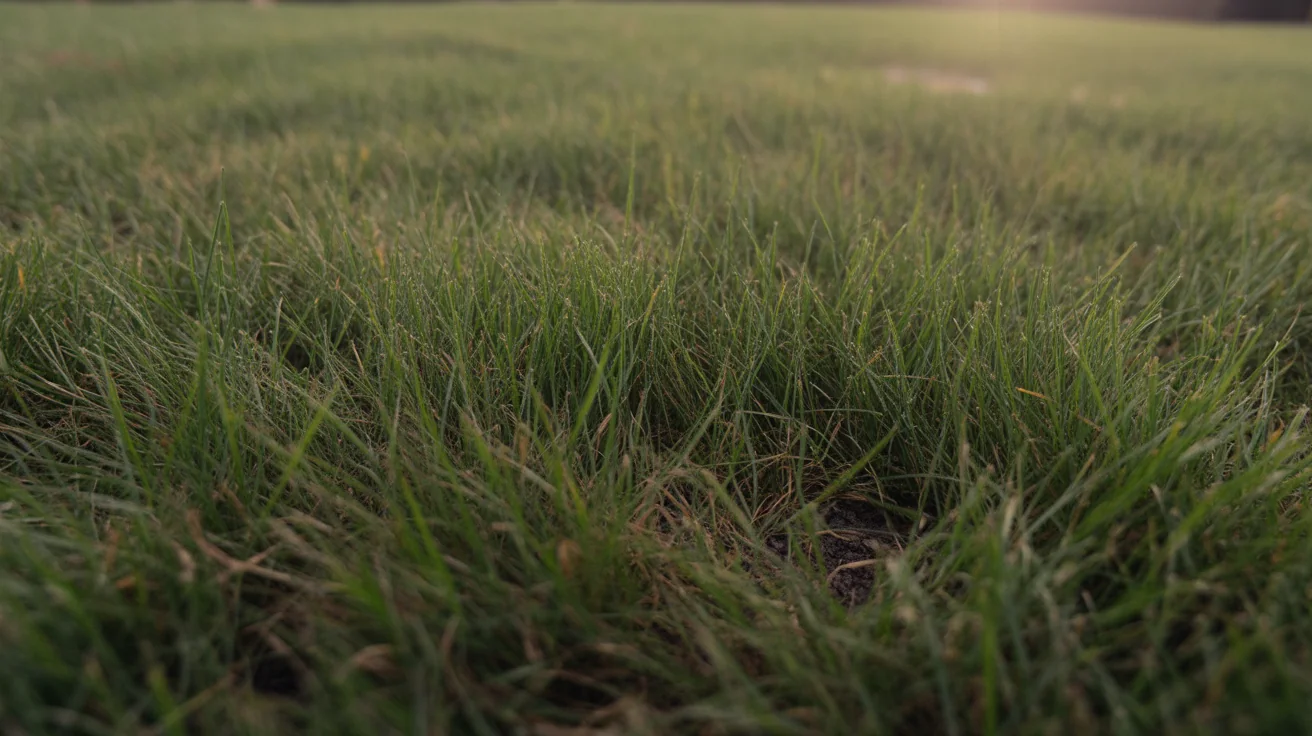
Zoysia Grass
Dense, slower-growing warm-season grass that handles some shade better than Bermuda.
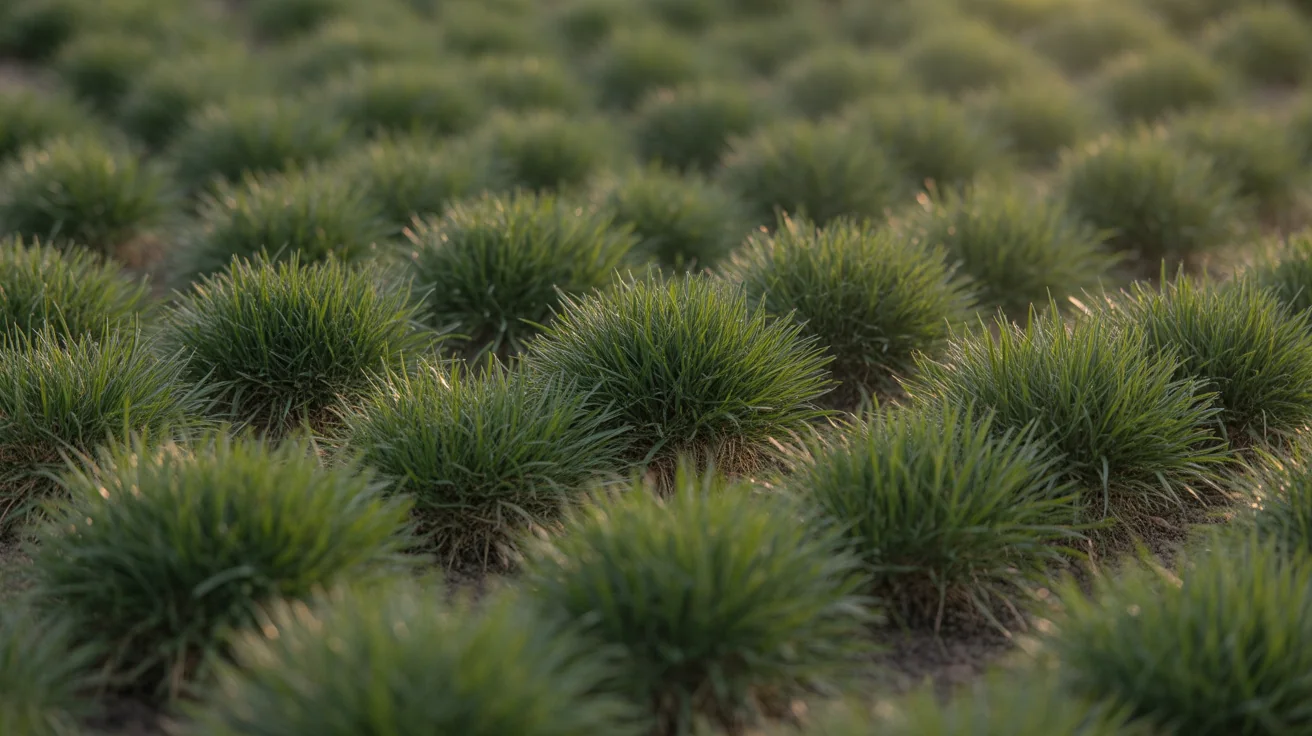
Tall Fescue
Cool-season clumping grass for shadier lawns where Bermuda struggles.
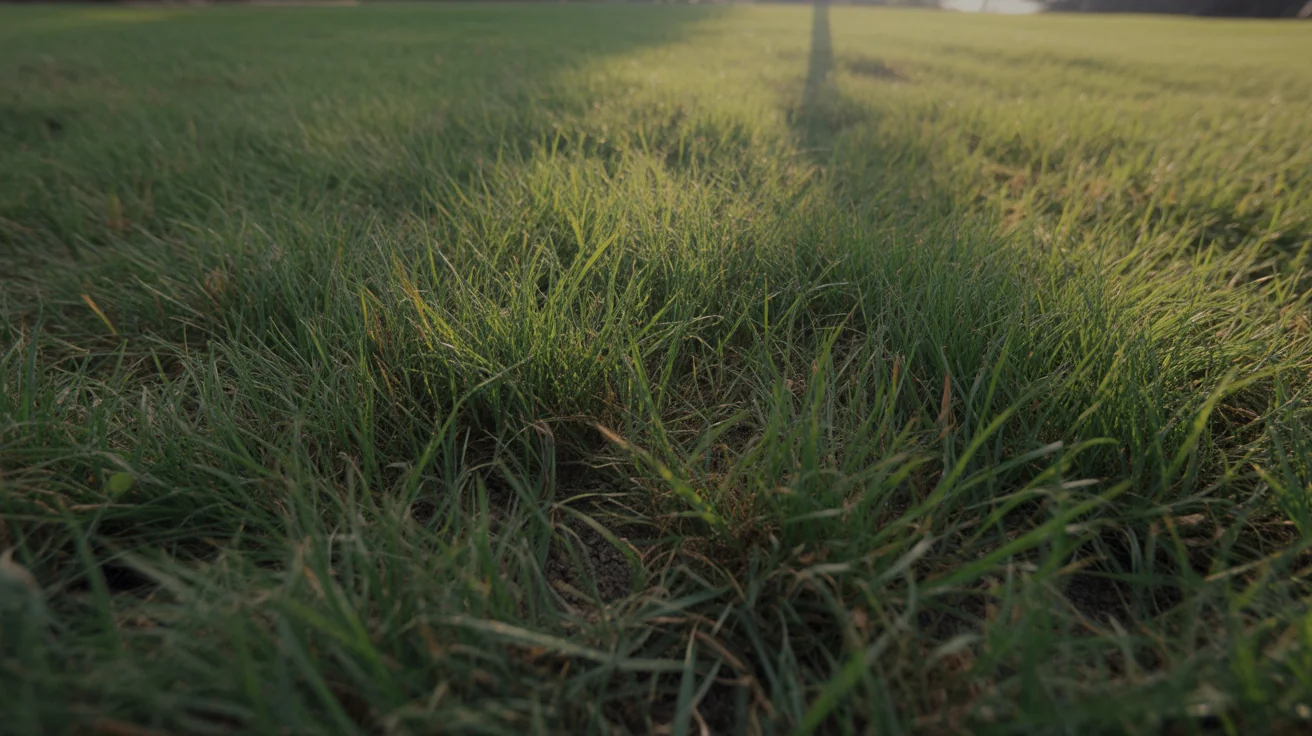
Buffalo Grass
Low-water prairie grass for sparse, naturalistic lawns in hot, dry regions.
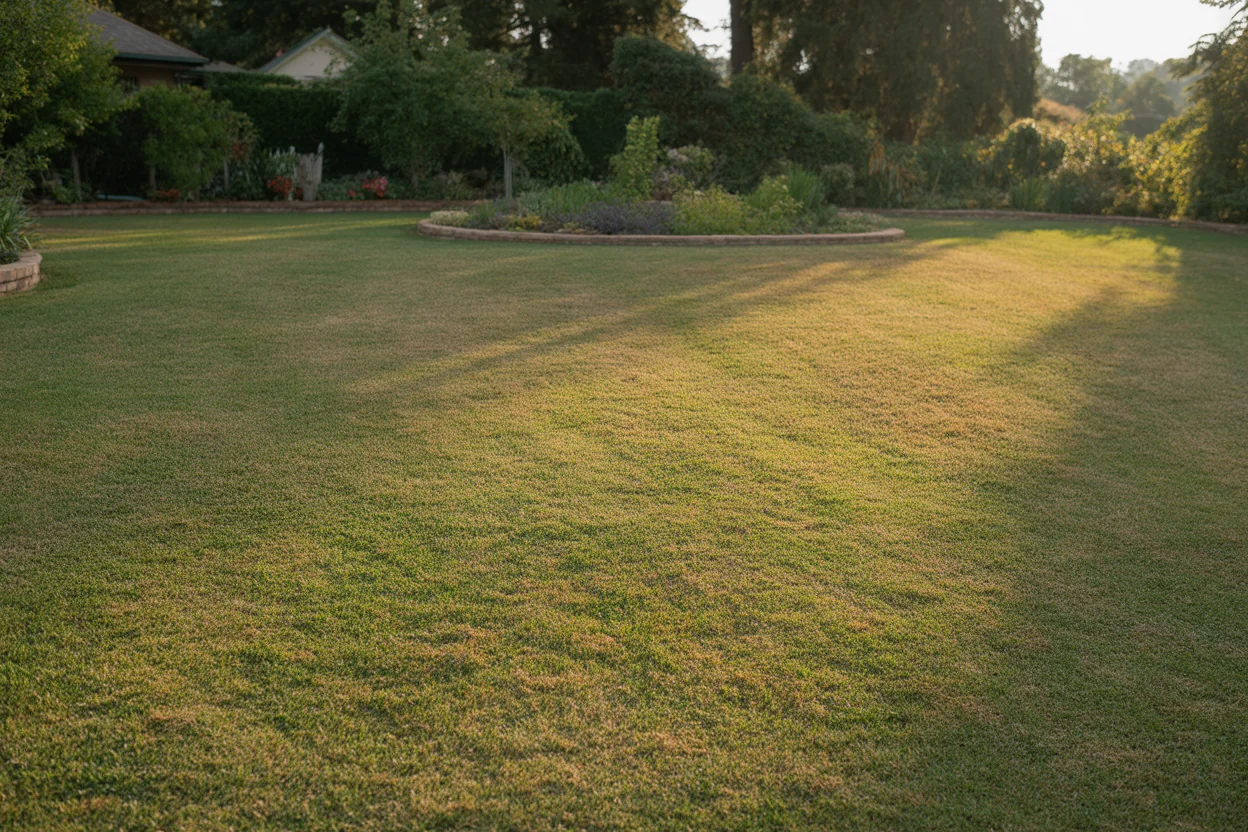
Bahia Grass
Bahia grass is a warm-season utility lawn built for sandy, hungry ground where fussier grasses give up.
Centipede Grass
Centipedegrass is a slow-growing, light-green lawn grass for suitable warm-climate sites.
Fescue
Fescue is not a grass, it is a genus. More than 450 species carry the name and about ten make turf, split into a coarse…