
What's a Gardenia? How to Prevent Bud Drop and Yellow Leaves
Gardenia jasminoides Rubiaceae
Gardenia earns its space with fragrance, but it is not a forgiving background shrub. Plant it only where acidic soil, steady moisture, warm roots, and morning light can hold together.
Most yellow leaves and bud drop come from breaking that comfort zone.
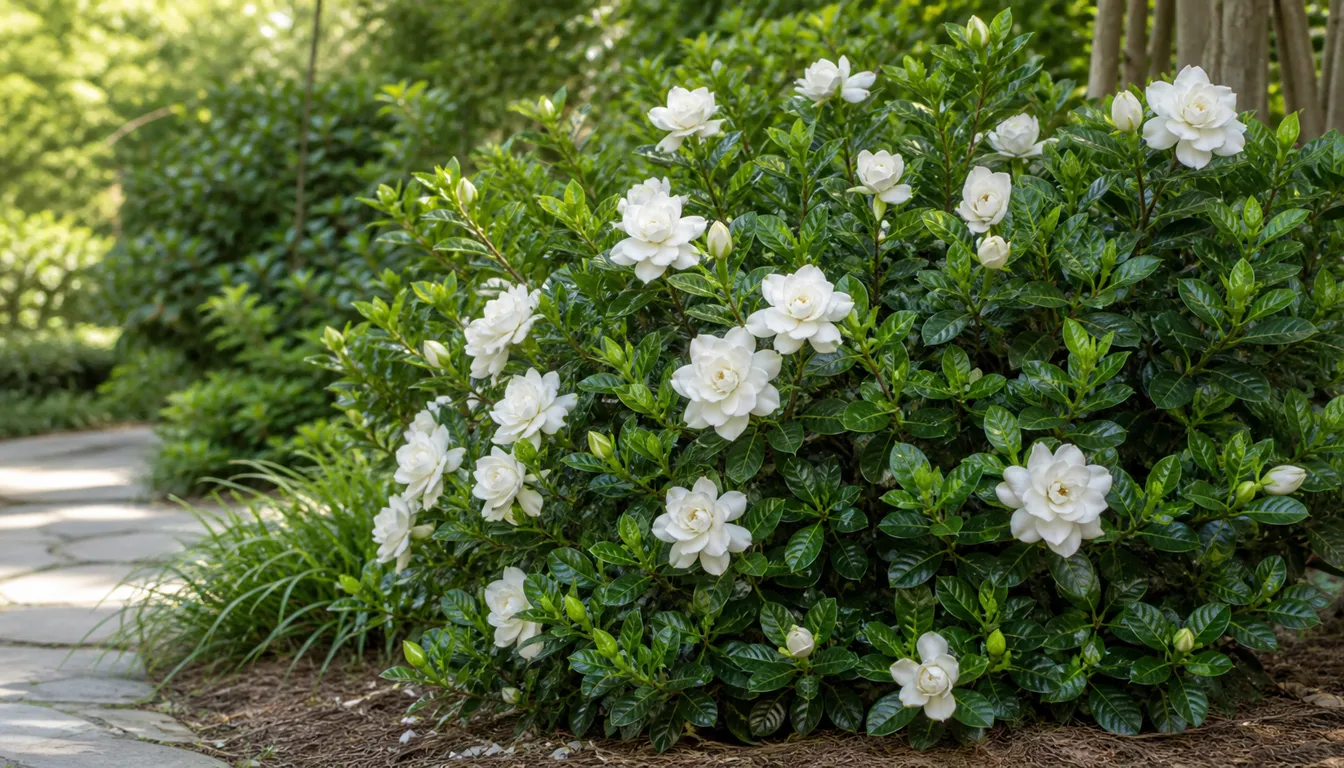
Care snapshot
Why Does Gardenia Need Such a Narrow Comfort Zone?
The first Gardenia answer is a site test. It wants acidic soil, steady moisture, warm weather, and bright shelter.
If those pieces do not line up, the shrub answers with yellow leaves, bud drop, and scale.
None of these requirements are exotic on their own, but Gardenia is unusually strict about needing all of them at once.
That makes it different from camellia, which owns cool-season bloom. Aucuba can tolerate drier shade, while Gardenia is the fragrance shrub with firm limits.
If the site is dry shade instead of humid bright shelter, Aucuba is the more honest shrub for that corner.
Use it near a path, door, or patio where the scent matters. Do not hide it in a far bed where you still have to manage soil, water, and pests but never smell the flowers.
A newly planted Gardenia takes a full growing season to settle into a new site, so judge it against blooming next year rather than this one.
Hydrangea shares similar moisture needs and can anchor the same bed, though it lacks the fragrance that makes Gardenia worth the extra care. Watching how nearby acid-loving plants like azalea or camellia perform in the same bed over a season is a practical, low-cost way to test whether the site fits before committing to a gardenia.
Water a newly planted Gardenia two to three times a week through its first summer, tapering off as roots establish into the surrounding soil.
Pick a Cultivar for Cold Tolerance and Mature Size
Some Gardenia cultivars stay compact and suit containers. Others become larger evergreen shrubs in warm zones.
Cold-hardy selections like Kleim's Hardy, hardy to about 10 F, help at the edge of the range, but they still need shelter from drying winter wind.
Flower form is the last choice. Double flowers look full and formal, while single flowers can look cleaner after rain.
The real decision is whether the plant can survive your winter and fit the bed without hard pruning.
Mystery and Aimee Yoshioka are classic large double-flowered selections for warm gardens with room to grow. Frostproof and Jubilation repeat bloom through the season rather than flowering once, extending the fragrance window.
August Beauty is another long-blooming standard often sold at general nurseries, a safe default when a named cultivar is not available.
Fragrance intensity itself varies by cultivar, with some newer compact selections bred more for foliage and form than the strongest possible scent. Compared to other fragrant shrubs, gardenia's scent carries less far on the breeze but rewards close range more intensely, which is part of why placement near a path matters so much.
Radicans is a low, spreading groundcover-type gardenia, useful where a low fragrant edge matters more than a full shrub.
Veitchii is another older double-flowered cultivar still found in specialty nurseries for gardeners who want a heritage selection.
- Cold edge
- Choose hardy selections and protect from winter wind.
- Containers
- Use compact forms where soil pH and drainage are easier to control.
- Foundation beds
- Leave airflow; do not trap the shrub against hot walls.
- Fragrance spots
- Place near doors, patios, and evening paths.
Give Morning Sun, Then Stop the Afternoon Heat
Gardenia usually performs best with morning sun and afternoon shade. Morning light supports buds and dries leaves.
Hot late sun can burn foliage and dry the root zone.
Deep shade gives glossy leaves but weak bloom. If the plant looks green and healthy but never flowers, count light hours before adding fertilizer.
Reflected heat from brick, pavement, and gravel can make a technically sunny site too harsh. A sheltered east exposure is often better than a blazing south wall.
In climates too cold for outdoor winter survival, a bright sunroom or greenhouse extends the growing zone by moving the whole comfort-zone question indoors for winter.
Four to six hours of direct morning sun is the practical target in most climates, adjusted down in the hottest regions and up in cooler, cloudier ones. Light quality shifts through the year too, so a spot with gentle morning sun in spring can face harsher afternoon exposure by midsummer as the sun angle changes.
A deciduous tree overhead can work as afternoon shade too, since its own leaf-out timing often matches the season Gardenia needs relief most.
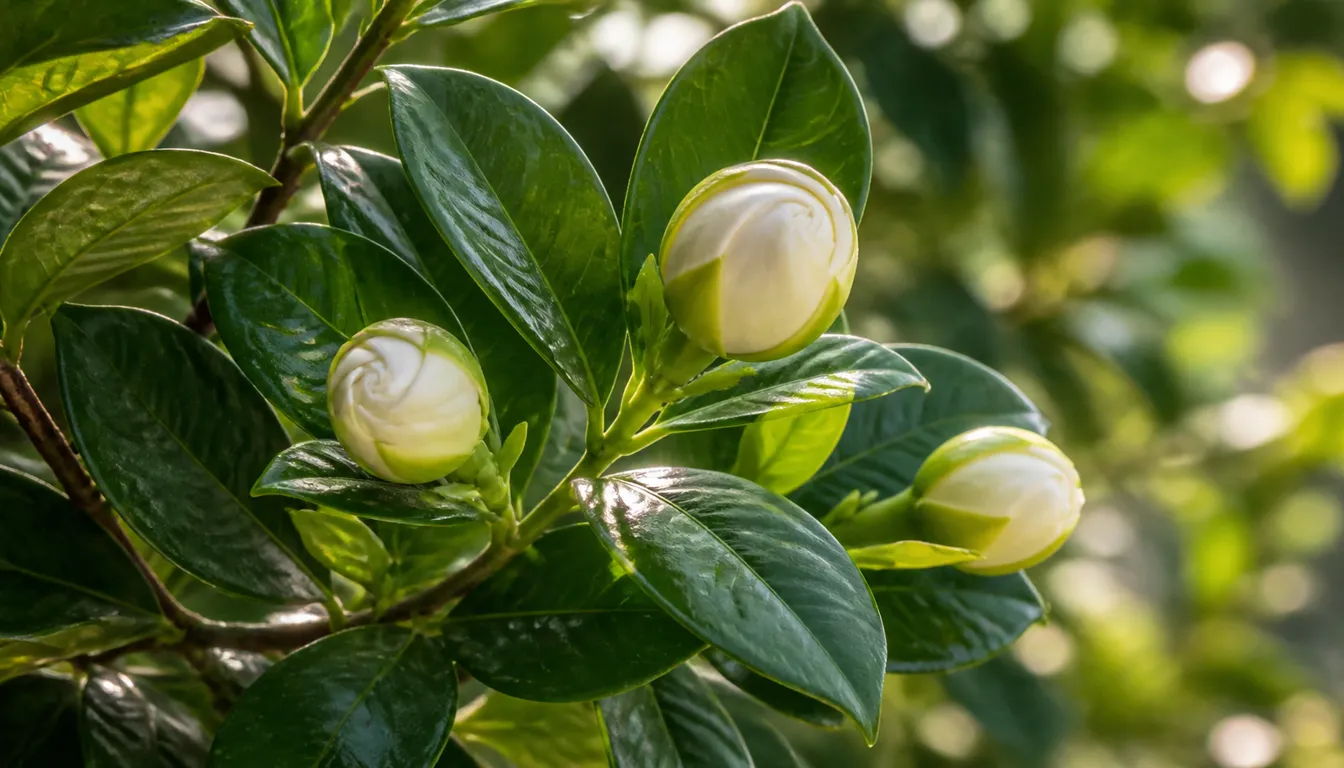
Keep Acidic Soil Evenly Moist, Not Wet
Gardenia roots need moisture that stays even. Dry swings can drop buds, while soggy soil turns roots weak and leaves yellow.
The target is a damp, breathable root zone.
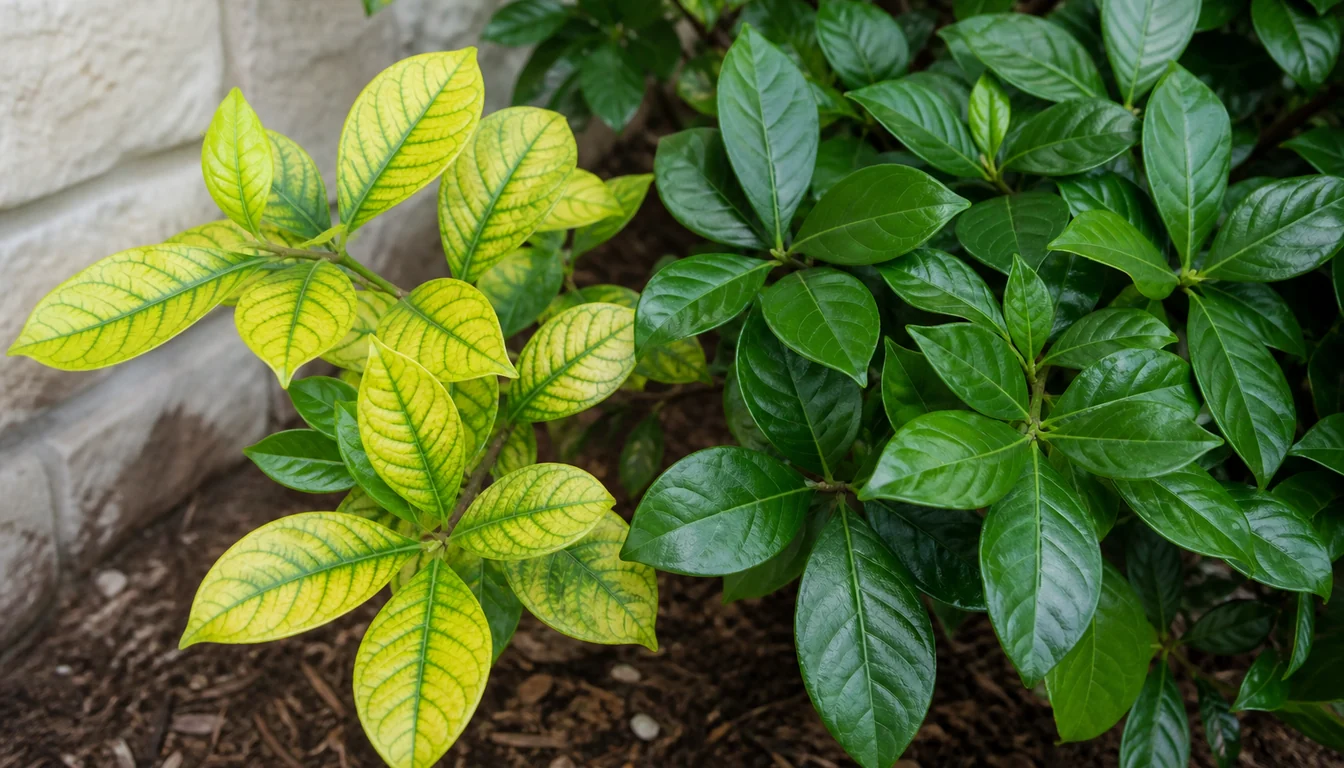
Soil pH matters because high pH blocks iron uptake. Yellow leaves with greener veins often point to pH or root stress, not simple hunger.
Use loamy soil as a texture goal, then keep it acidic with pine bark, leaf mold, or acid-forming inputs when needed.
Water slowly at the drip line. Avoid frequent light sprays that wet leaves and barely reach roots.
The same deep watering principle works here, but the dry-down window is narrower than for tougher shrubs.
Hard, alkaline tap water used season after season can slowly push soil pH upward, undoing acidic soil amendments over several years. Collected rainwater avoids that slow pH creep and is a common fix where municipal water runs alkaline.
An acid-forming fertilizer formulated for gardenias or azaleas, applied lightly in spring and again after the first bloom flush, supports steady growth without pushing tender growth into fall.
Iron chelate applied to the soil or as a foliar spray can green up yellow leaves faster than adjusting pH alone, though pH correction is still the longer-term fix. A simple drainage test, digging a small hole and timing how fast it empties after filling with water, catches a bad site before the plant ever goes in the ground.
In active summer growth, that often means watering two to three times a week in typical garden soil, more often in sandy soil or a container.
- Mulch 2 inches deep, pulled back from stems.
- Use containers if native soil is very alkaline.
- Water before heat stress curls leaves.
- Skip heavy fertilizer until pH and drainage are known.
Read Bud Drop as a Stress Report
A Gardenia bud that falls before opening is usually reporting a change. Dry soil, soggy roots, cold nights, low humidity, or a move from greenhouse to yard can all trigger the drop.
Do not chase every fallen bud with fertilizer.
First check whether the root zone stayed evenly moist during bud swell and whether temperatures swung hard.
Container plants need extra attention because small pots heat, dry, and chill faster than garden soil. Move them gradually when seasons change.
When several buds yellow at once, ask what changed in the last two weeks.
A heat wave, missed watering, cold snap, or move from porch to indoors often explains the timing. Low humidity is a bigger bud-drop trigger indoors or in a dry climate than most gardeners expect, since Gardenia evolved in humid subtropical regions.
A pebble tray or nearby humidifier can offset dry indoor air during the heating season.
Nighttime temperatures that drop below about 60 F while buds are swelling are enough to trigger drop in many cultivars, even without any other stress. A Gardenia that drops a round of buds from one stress event usually recovers and sets new buds once conditions steady, so one bad week rarely means a lost season.
A healthy, well-sited Gardenia can carry dozens of buds through a single flush, so losing a few is normal background attrition, not a crisis.
Greenhouse-grown nursery stock is especially prone to bud drop after transplanting outdoors, since the jump in light and temperature swings is often abrupt.
Prune After Bloom and Keep the Fragrance Wood
Prune Gardenia after the main bloom flush, removing dead wood, crossing stems, and awkward tips. Heavy pruning late in the season can reduce the next flower cycle.
If the shrub is leggy, fix light and root stress before cutting hard. A stressed plant does not become compact just because the top was shortened.
Use shrub pruning timing for the calendar, then stay conservative because Gardenia is slower to recover than forsythia.
A light touch matters because flower buds and branch tips are part of the same display. Remove what blocks airflow, then stop.
Deadheading spent blooms during the flowering season encourages a repeat-bloomer cultivar to keep producing instead of diverting energy into seed.
Late summer is the cutoff for any pruning, since a cut made after that removes wood that is already setting next year's buds. Clean, sharp pruners reduce the chance of spreading disease between cuts, a small habit that matters more on a slower-recovering shrub like this one.
Gardenia holds a naturally rounded form without much shaping, so most pruning should correct a specific problem rather than impose an artificial shape.
A container Gardenia that outgrows its pot benefits from light root pruning at repotting time, trimming the outer roots to encourage new fine root growth in fresh soil.
Inspect for Whiteflies, Scale, and Sooty Mold Early
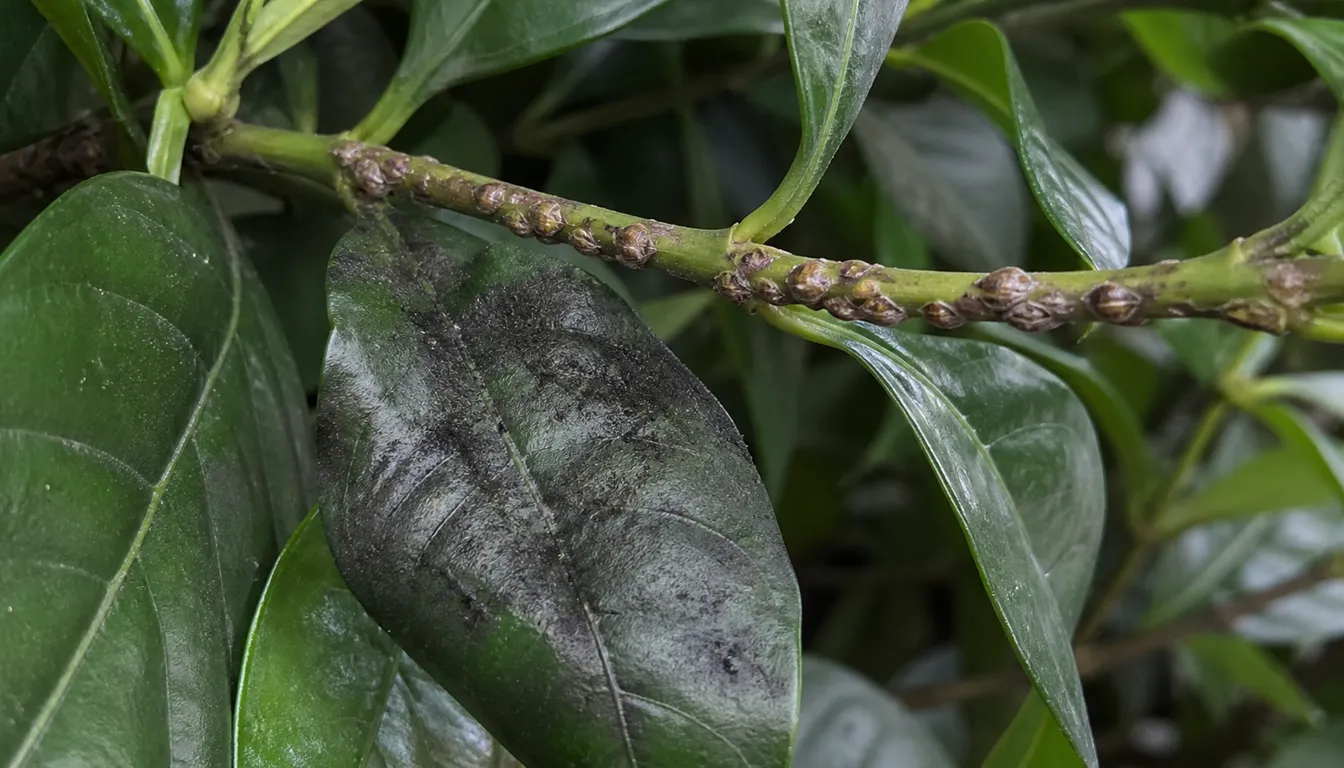
Sticky leaves and black sooty mold usually mean sap-feeding insects are active. Gardenia can host whiteflies, scale, aphids, and mealybugs, especially when airflow is poor.
Look under leaves and along stems before spraying the top surface.
Treat early with targeted rinsing, pruning, horticultural oil, or insecticidal soap when appropriate.
Sooty mold, the black coating that follows sticky leaves, is a side effect of the honeydew sap-feeding insects leave behind rather than a disease of its own. It clears once the insects are controlled.
Mealybugs hide in leaf joints and new growth tips, showing as small white cottony clusters that are easy to miss until the colony has already grown large.
Wax scale and soft scale are the types most often found on Gardenia, appearing as raised bumps along stems rather than only on leaf undersides. Root-knot nematodes are a less visible but serious problem in warm, sandy soils, causing stunted growth and gradual decline that looks like nutrient deficiency at first.
A soil test that includes nematode counts can confirm the diagnosis before assuming a watering or fertility problem.
Use natural pest control carefully, since the goal is contact with the pest, not a blanket spray that misses leaf undersides.
- Sticky leaves
- Check for whiteflies, scale, aphids, or mealybugs.
- Yellow leaves
- Check pH, wet roots, drought stress, and pests.
- Bud drop
- Check moisture swings, temperature shifts, and recent moves.
Use Containers When the Ground Soil Fights You
A container Gardenia can be easier than an in-ground plant where soil is alkaline or winters are marginal. You control the mix, drainage, and winter shelter.
The tradeoff is watering. Pots dry faster and can swing from wet to dry in one hot day.
Use a large pot with open drainage and check moisture by feel, not by calendar.
Repot a container Gardenia every two to three years into fresh acidic mix, since potting soil breaks down and loses structure over time. Move a container gradually over one to two weeks when shifting it between very different light or temperature conditions, rather than all at once.
A Gardenia brought indoors for winter usually needs the brightest window in the house plus a supplemental grow light, since even a south-facing window rarely matches outdoor sun intensity.
Bring a container Gardenia indoors before nighttime temperatures drop into the 40s F, well ahead of any hard freeze.
Put the Fragrance Where People Actually Pass
The value of Gardenia is close-range fragrance. Plant it where people walk, sit, or open a window.
If the bed is far away, a tougher shrub such as holly may be better structure.
Where a quiet evergreen backbone matters more than scent, Yew can do the structure job with fewer bloom demands.
Keep pets from chewing leaves or flowers. The everyday design risk is simpler than that, since it usually comes from planting a fussy fragrant shrub where you cannot easily water, inspect, or enjoy it.
Heavy evening fragrance also draws night-flying moths, giving Gardenia a real pollinator role beyond its ornamental value.
A Gardenia planted beside a bedroom window can carry its scent indoors on warm evenings when the window is open, extending its reach past the garden itself. In parts of Asia, the fruit of Gardenia jasminoides is used as a natural yellow dye and food coloring, though the ornamental plant sold at nurseries is grown for flowers, not fruit.
Cut Gardenia blooms are popular in bouquets and corsages, though the flowers bruise easily and turn brown fast once picked, so they are usually floated in water rather than arranged upright.
Frequently Asked Questions
Why are my Gardenia leaves turning yellow?
Gardenia yellow leaves often come from high pH, wet roots, drought swings, or sap-feeding insects. Check soil moisture and pH before adding fertilizer.
Why do Gardenia buds fall off?
Bud drop usually follows stress, whether that is dry soil, soggy soil, cold nights, low humidity, or moving the plant too fast between conditions.
Does Gardenia need full sun?
Gardenia usually wants morning sun and afternoon shade. Deep shade reduces bloom, while hot afternoon sun can scorch leaves and dry roots.
Can Gardenia grow in pots?
Yes. Pots help control acidic soil and drainage, but they need steady moisture and winter protection in colder areas.
Sources & References
Related Plants
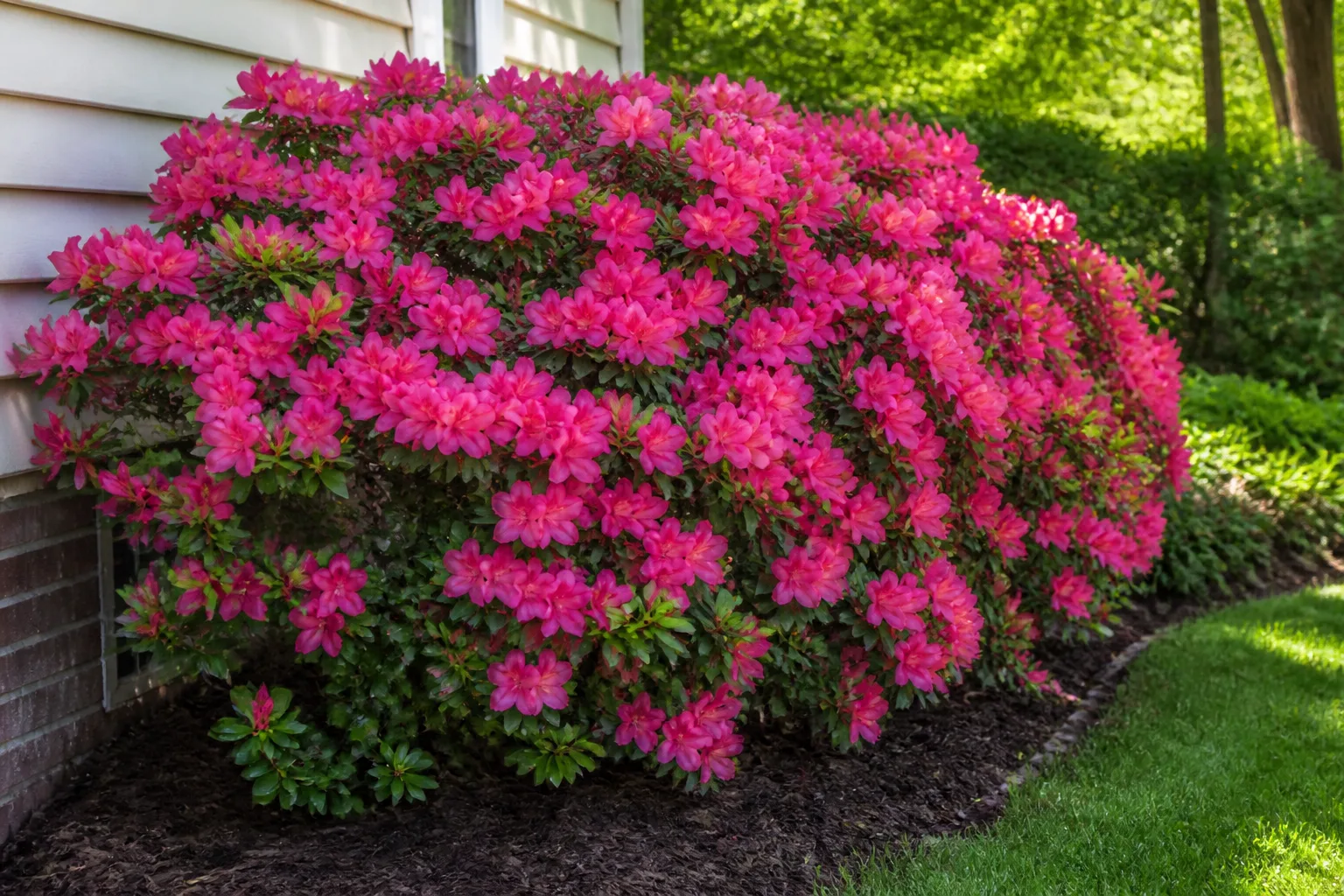
Azalea
Another acid-loving shrub with spring color that pairs well with gardenias in beds.
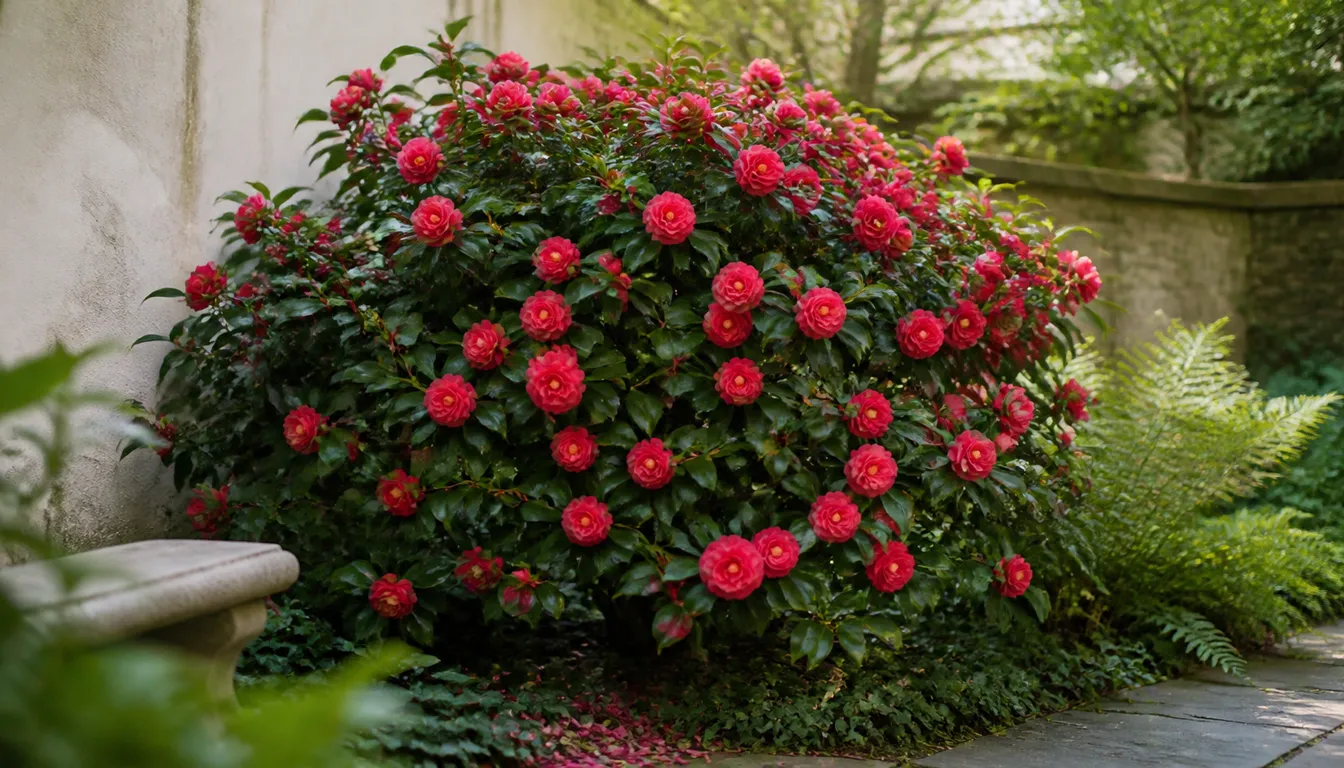
Camellia
Evergreen shrub with cool-season blooms that extend interest when gardenias are quiet.
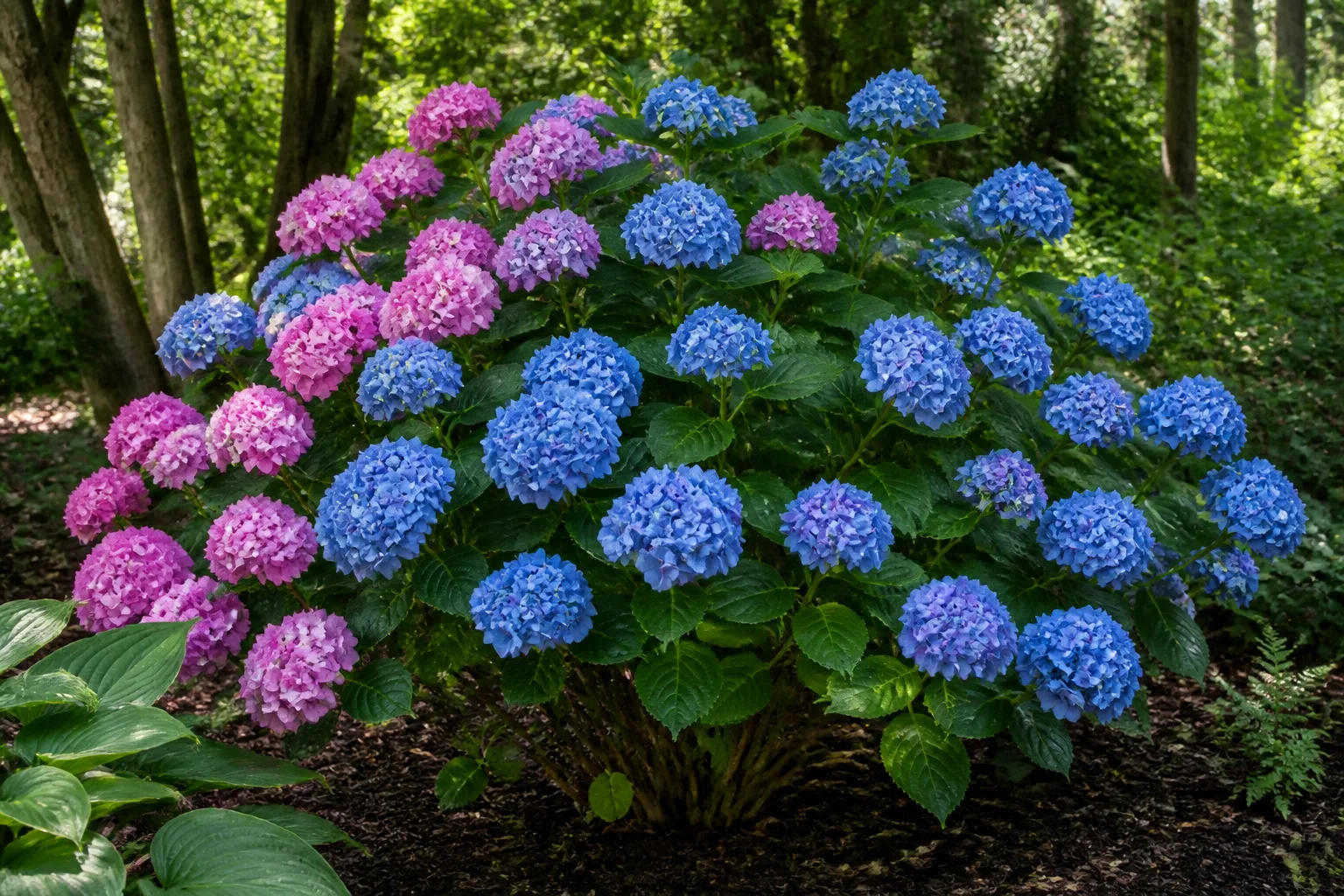
Bigleaf Hydrangea
Larger flowering shrub that likes similar moisture and partial shade.
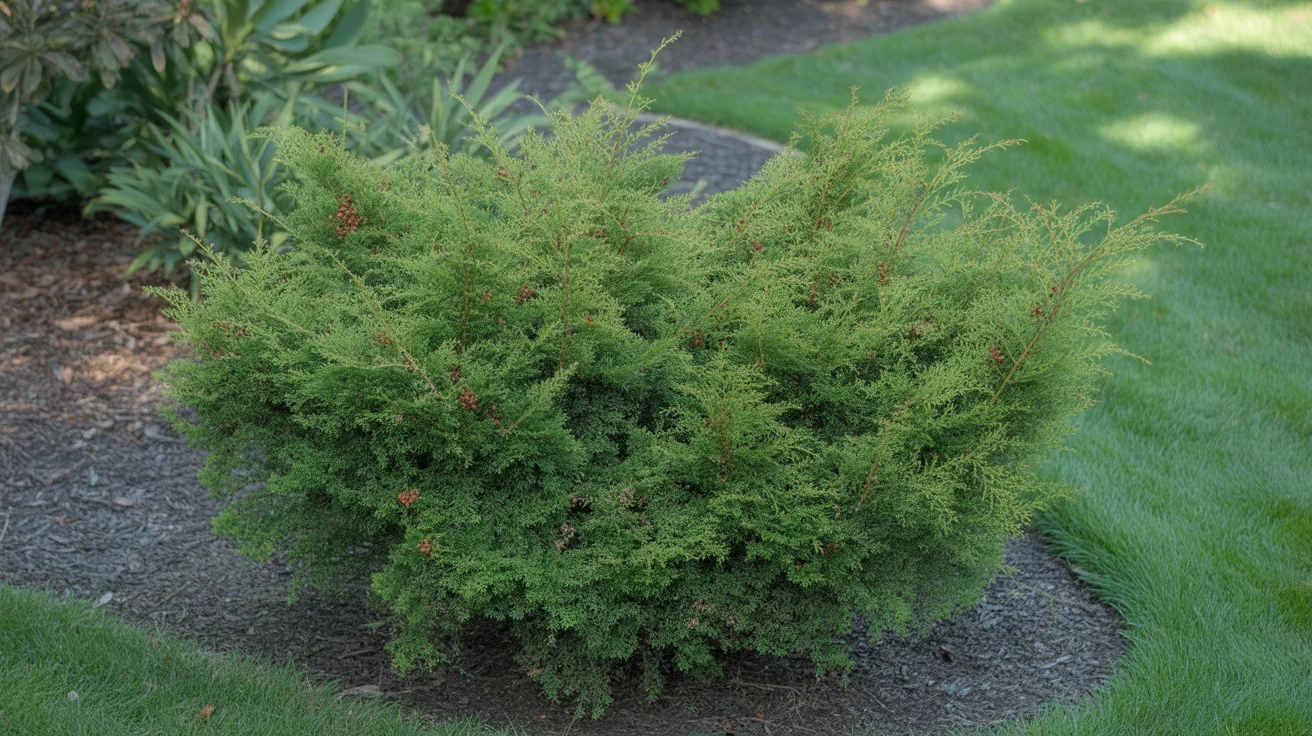
Arborvitae
Arborvitae can form a dense living screen where its mature width, exposure, and water needs fit the site.
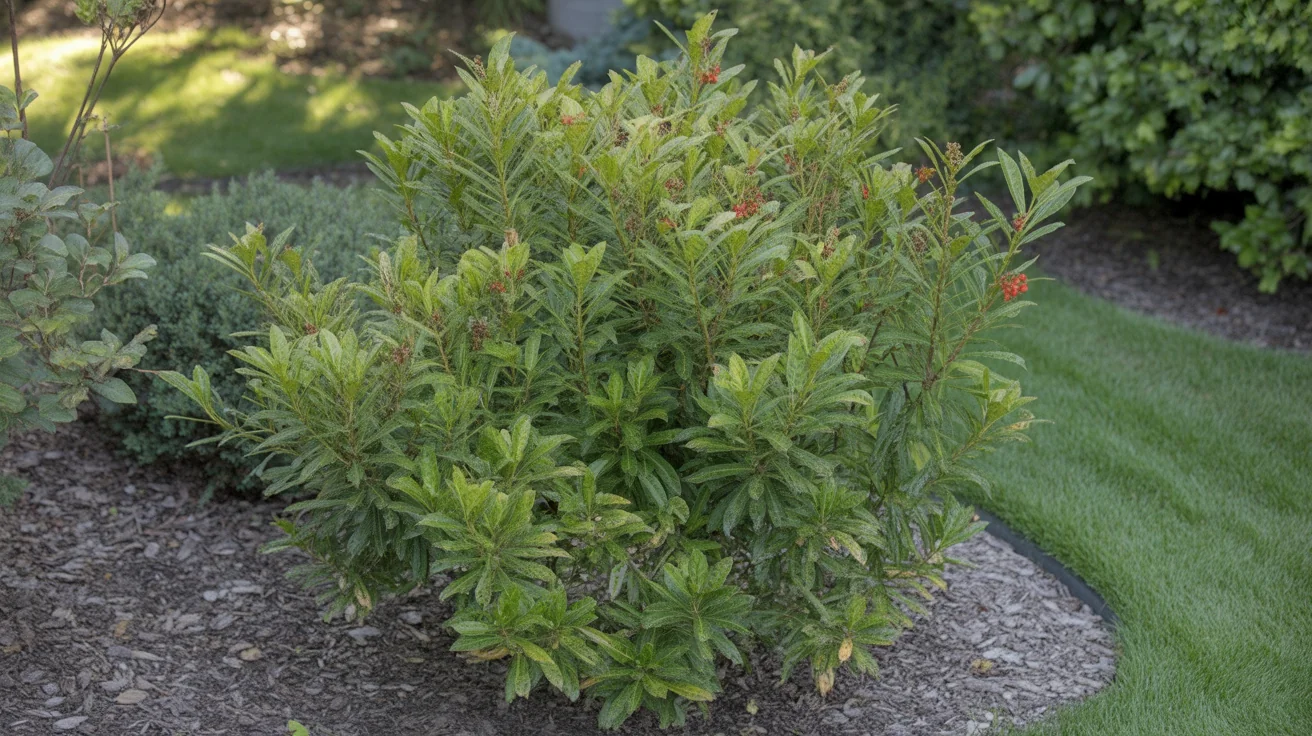
Aucuba
Aucuba is the shrub for bright shade with dry root competition. It keeps evergreen structure near north walls, porches…
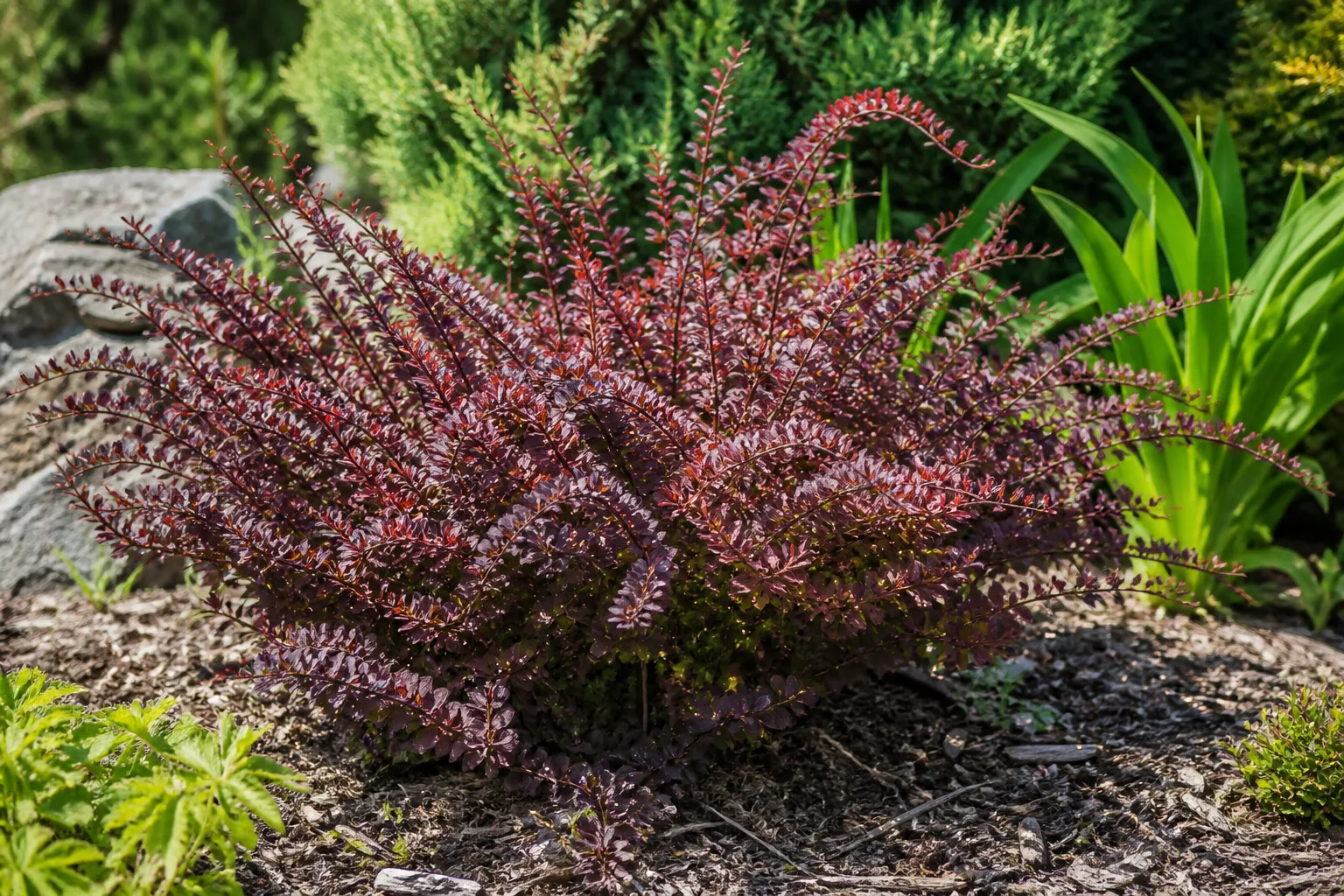
Barberry
Japanese barberry (Berberis thunbergii) is a thorny, deer-resistant shrub whose berries birds carry into woods, so…