
What's Viburnum? How to Choose Flowers, Berries, and Size
Viburnum spp. Adoxaceae
Viburnum is not one shrub habit. The right species decides whether you get fragrance, berries, fall color, a screen, or a beetle-prone maintenance problem.
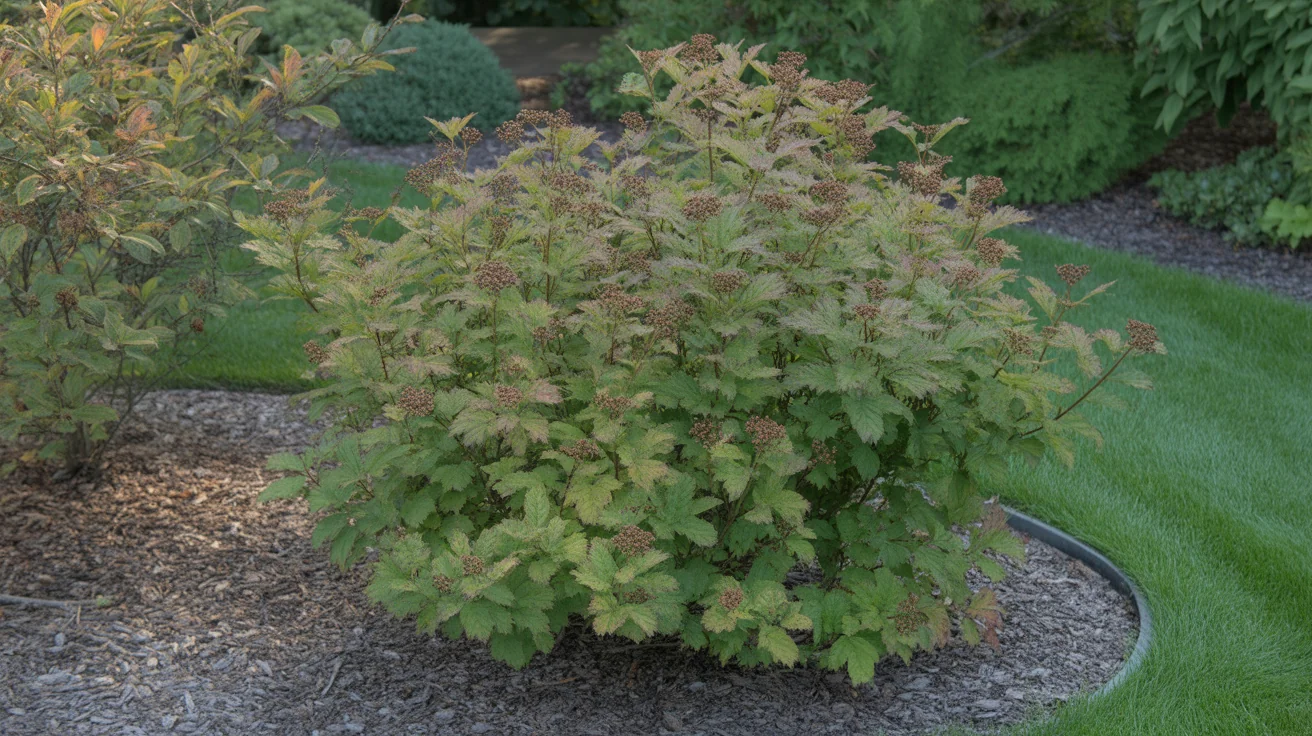
Care snapshot
What Is Viburnum and Which Type Fits Your Yard?
Viburnum is a diverse genus of deciduous and evergreen shrubs grown for spring flowers, fragrance, colorful drupes, fall foliage, or dense screening, depending on the species.
Start with the job the shrub must do in your yard. Viburnum can be a fragrant doorway plant, a berry shrub for birds, a loose screen, or a fall-color anchor, and those jobs do not ask for the same species.
The Viburnum genus includes more than 150 species worldwide, and only a fraction of those are commonly sold in nurseries, so a generic tag name does not guarantee species-level accuracy.
A compact Korean spice Viburnum and a large Arrowwood Viburnum will not behave like the same plant. Mature width, pollination, and pest pressure change with the species.
Viburnum was once classified in the honeysuckle family before genetic studies moved it into Adoxaceae, a reminder that a plant's family label can shift even though the shrub itself has not changed.
Unlike Spirea, Viburnum often asks for more space and *species-specific planning*. It differs from Skip Laurel because seasonal flowers and berries matter more than one evergreen wall.
If you do not know the species, treat the plant tag as unfinished information. Look up final size and beetle susceptibility before planting near a walkway or window.
A plant tagged simply Viburnum at a big-box store often lacks the cultivar name a serious buyer needs, since mature size and beetle resistance can differ sharply between two shrubs sold under the same generic label.
That species split also controls how much article depth belongs to each care topic. A fragrance shrub needs close placement, while a berry shrub needs pollination and beetle checks.
Fragrance near people
- Choose a scented species and place it near a path, porch, or window.
- Do not hide a fragrant shrub at the back of a wide bed.
Berries and birds
- Check whether a compatible partner improves fruit set.
- Leave enough room for birds to work the shrub without crowding walks.
Screening
- Buy by mature width, not the neat nursery pot shape.
- Use natural branching instead of forcing a boxy hedge.
Beetle-risk areas
- Check species susceptibility before planting.
- Choose resistant options if leaf beetle pressure is already local.
- Botanical identity
- Viburnum species and hybrids, in the family Viburnaceae
- Garden habit
- Deciduous or evergreen shrub, from compact mound to small tree
- Main display
- Flat, domed, or snowball-like flower clusters, often followed by drupes
- Pollination
- Many selections set more fruit with a compatible, genetically different partner
- Light
- Sun usually improves flowering and fruiting; afternoon shade can reduce heat stress
- Selection rule
- Species identity controls mature size, climate fit, and pest risk
Can One Viburnum Produce Berries by Itself?
Many Viburnum shrubs bloom well with one plant, but heavy berry set often improves with a compatible partner nearby. A lone shrub may still be pretty and still produce few fruits.
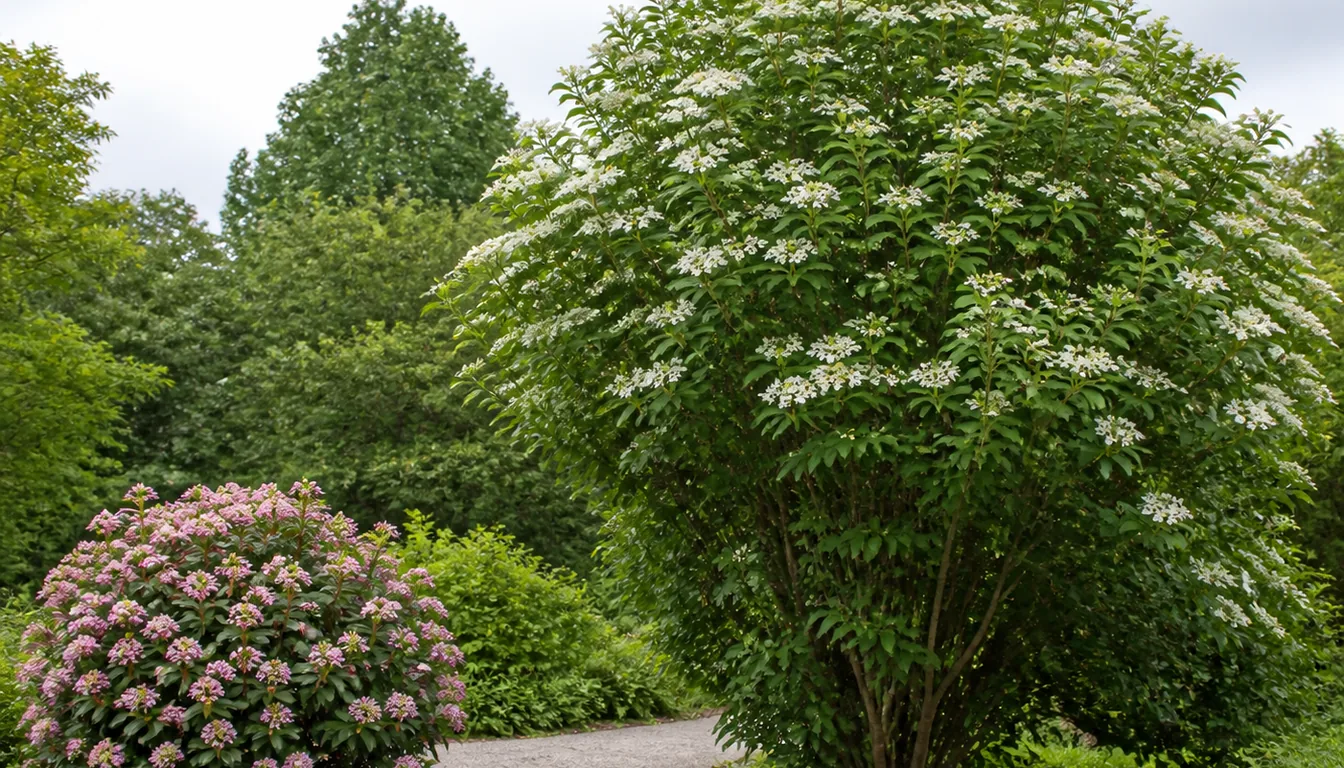
Viburnum flower clusters come in two main shapes, flat lacecap-style clusters and rounded snowball-style clusters, and that shape alone is often a fast visual clue to which species group you are looking at.
Fragrant types earn close placement near entries and patios. Berry-focused native types need room for birds, fruit visibility, and a second plant where pollination requires it.
If your goal is a simple spring flower mound, Weigela may be easier. If your goal is fruit, fall color, and wildlife value, Viburnum earns the extra planning.
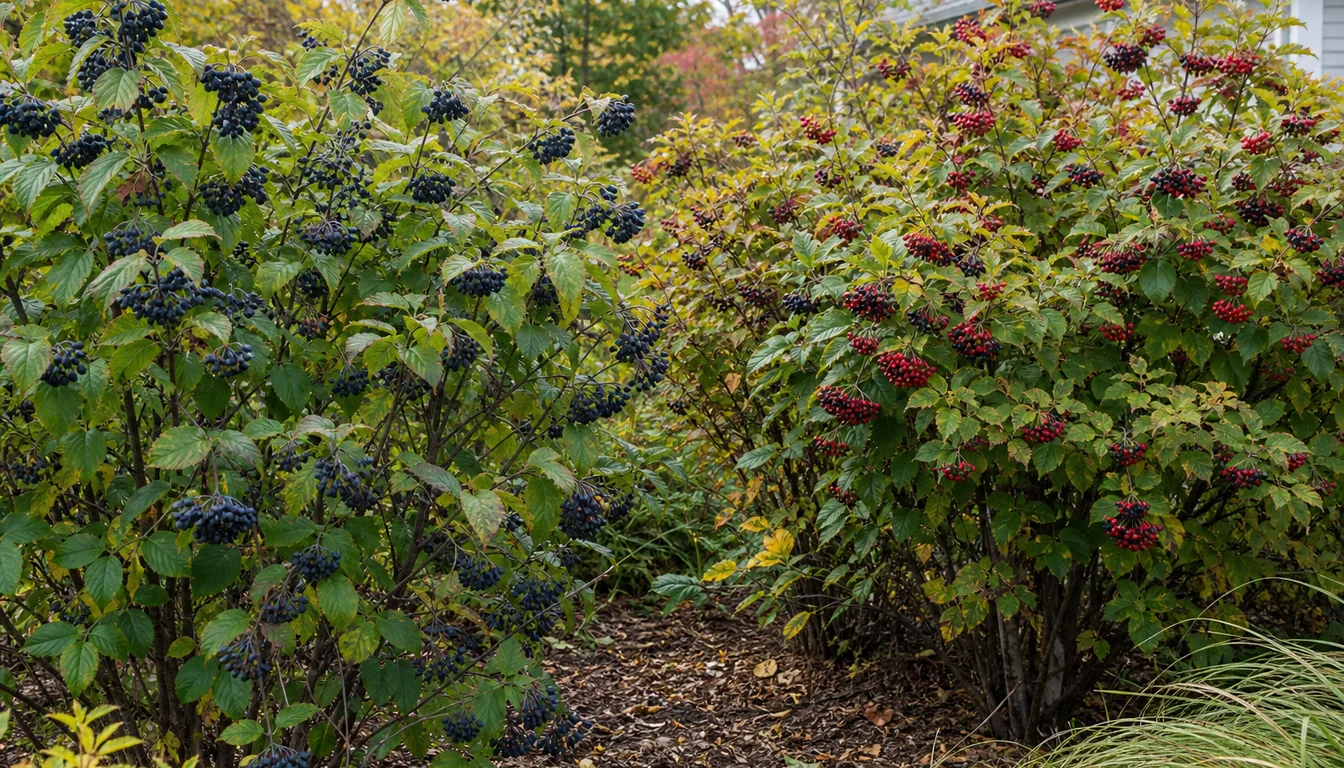
Birds eat Viburnum berries readily, but most species' fruit is unpalatable or mildly irritating to people, so the fruit display is really a wildlife feature rather than a home-kitchen one.
Two Viburnum shrubs do not automatically make a berry plan. Bloom time and genetic compatibility matter, so a second plant helps only when it flowers with the first one and belongs to a compatible group.
- Fragrance
- Place near a path or window so the scent is actually noticed.
- Berries
- Check whether a compatible second plant improves fruit set.
- Fall color
- Give enough sun for stronger color without drying young roots.
- Screening
- Buy for mature width, not just fast nursery height.
How Much Sun and Space Does Viburnum Need?
Most Viburnum shrubs flower best with good light. Full sun to part shade is the practical range, but the best point depends on heat, soil moisture, and species.
Too much shade reduces bloom and berry set. Too much hot sun in dry soil can scorch leaves and stress new plantings.
Woodland-edge species like Mapleleaf Viburnum tolerate more shade than Viburnum types bred from open-field ancestors, so shade tolerance genuinely varies by species rather than being a fixed genus trait.
Large species need enough room for light to reach the whole plant. A shrub squeezed between a wall and a path often becomes one-sided and hard to prune.
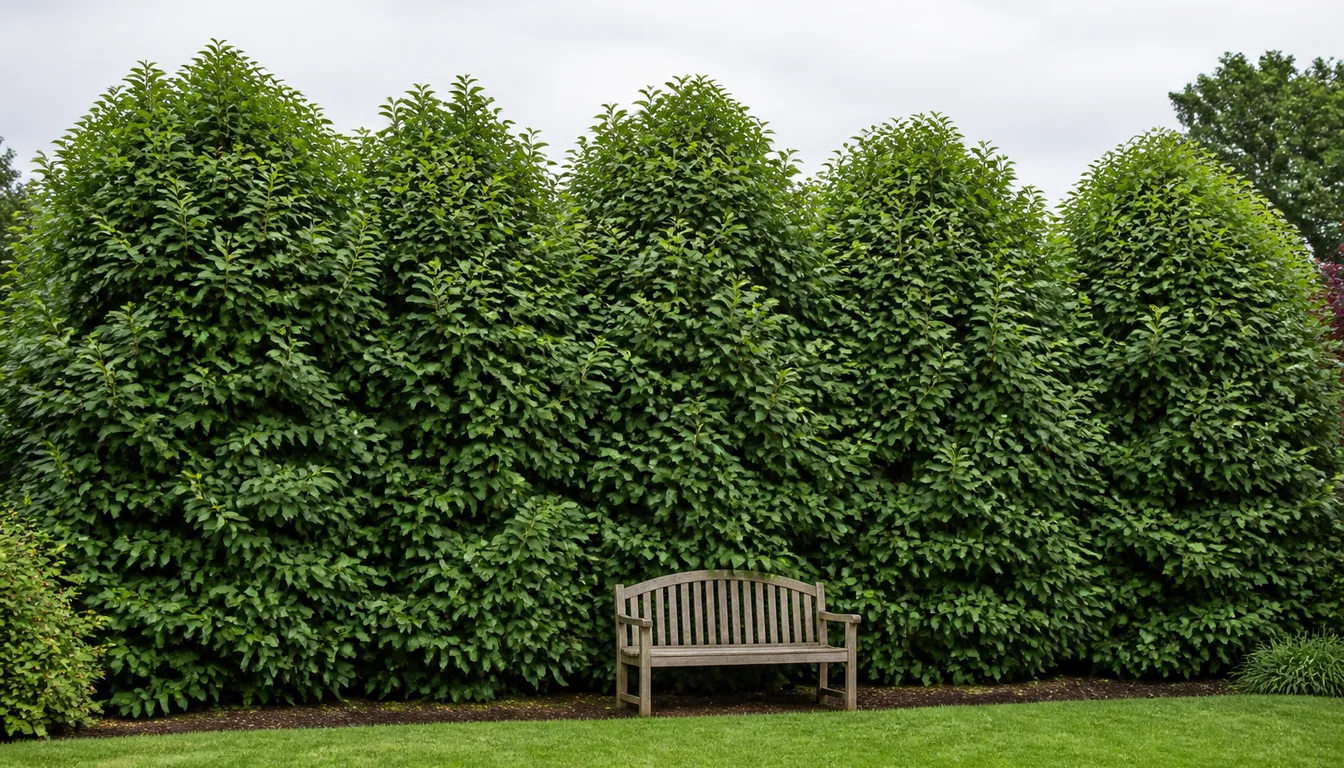
For a formal evergreen shade hedge, compare Yew. Viburnum usually looks better when it can keep a natural outline.
- Morning sun, afternoon shade
- Good default for hot yards where leaves scorch before roots establish.
- Full sun with steady soil
- Best bloom and berry set when the root zone does not dry hard.
- Deep shade
- Usually gives weaker flowers and a thinner outline.
- Wall or walkway squeeze
- Creates one-sided growth and yearly pruning fights.
How Should You Water a Newly Planted Viburnum?
New Viburnum shrubs need steady water while roots spread. That is especially true for larger balled-and-burlapped plants, which can dry inside the root ball.
After establishment, water needs vary. Some native types handle average soil well, while others look cleaner with consistent moisture during heat and berry development.
Drainage still matters. A shrub that likes moisture does not want stagnant soil around the crown.
Many Viburnum species tolerate brief flooding better than they tolerate prolonged drought, which is the reverse of what many other flowering shrubs prefer.
Use smart watering timing during hot weather so leaves dry and roots get the benefit. Morning soil-level watering is cleaner than night leaf wetting.
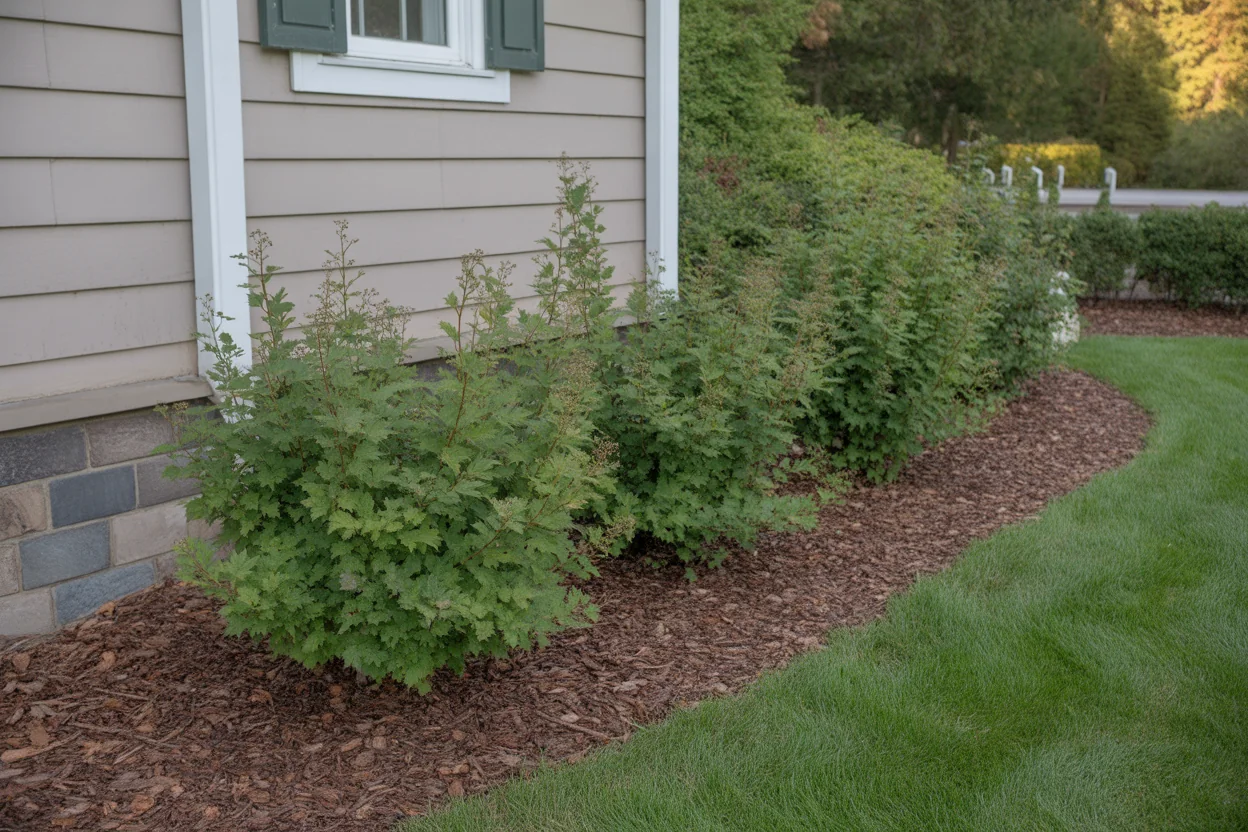
A thick layer of mulch over the root zone helps new Viburnum plantings hold moisture evenly between waterings, which matters most through the first two growing seasons.
If a young shrub wilts even when the surrounding bed looks damp, check the original root ball before watering the whole area again. Container and burlapped plants can stay dry in the center while nearby soil feels fine.
- First year
- Water by root-ball checks, not by leaf shine.
- Flowering period
- Avoid drought stress while buds and new leaves expand.
- Berry period
- Do not let young shrubs dry hard while fruit is sizing.
When Should You Prune Viburnum?
Most flowering Viburnum pruning belongs right after bloom. That timing protects the next cycle better than random summer or fall cutting.
Many Viburnum species set flower buds on the previous year's wood, which is the exact reason pruning right after bloom protects next year's flowers instead of accidentally cutting them away.
Thin crowded stems, remove dead wood, and shorten awkward branches. Avoid flattening the plant into a cube unless you are willing to lose the layered flower and fruit display.
Large old shrubs can be renewed gradually by removing some oldest stems near the base. One severe cut may work on some species and ruin the shape on others.
Renewal pruning that removes no more than about a third of the oldest stems in a single year keeps the shrub blooming while it works through a multi-year rejuvenation instead of skipping a season entirely.
If the shrub is always too wide, the species choice was wrong. A smaller cultivar solves more than yearly battle pruning, especially when compared with Hydrangea pruning questions that follow a different bloom system.
If you prune for size every year, the shrub is telling you the site or cultivar is wrong. A one-time correction can fix a stray branch, but repeated hard cutting usually removes the layered habit that made Viburnum worth planting.
Confirm whether flowers have finished and whether fruit matters this year.
Thin crowded stems instead of flattening the whole shrub.
Replace with a smaller species if every year needs the same hard cut.
Is Viburnum Leaf Beetle Skeletonizing the Leaves?
Viburnum leaf beetle changes the care conversation in regions where it is active. Some species are more vulnerable, and repeated defoliation can weaken shrubs badly.
Viburnum leaf beetle is an invasive species originally from Europe, first found in North America in the 1990s, and it has since spread across much of the northeastern United States and Canada.
Look for egg-laying scars on twigs before larvae feed heavily. Early pruning of infested twigs can reduce pressure before the leaves are skeletonized.
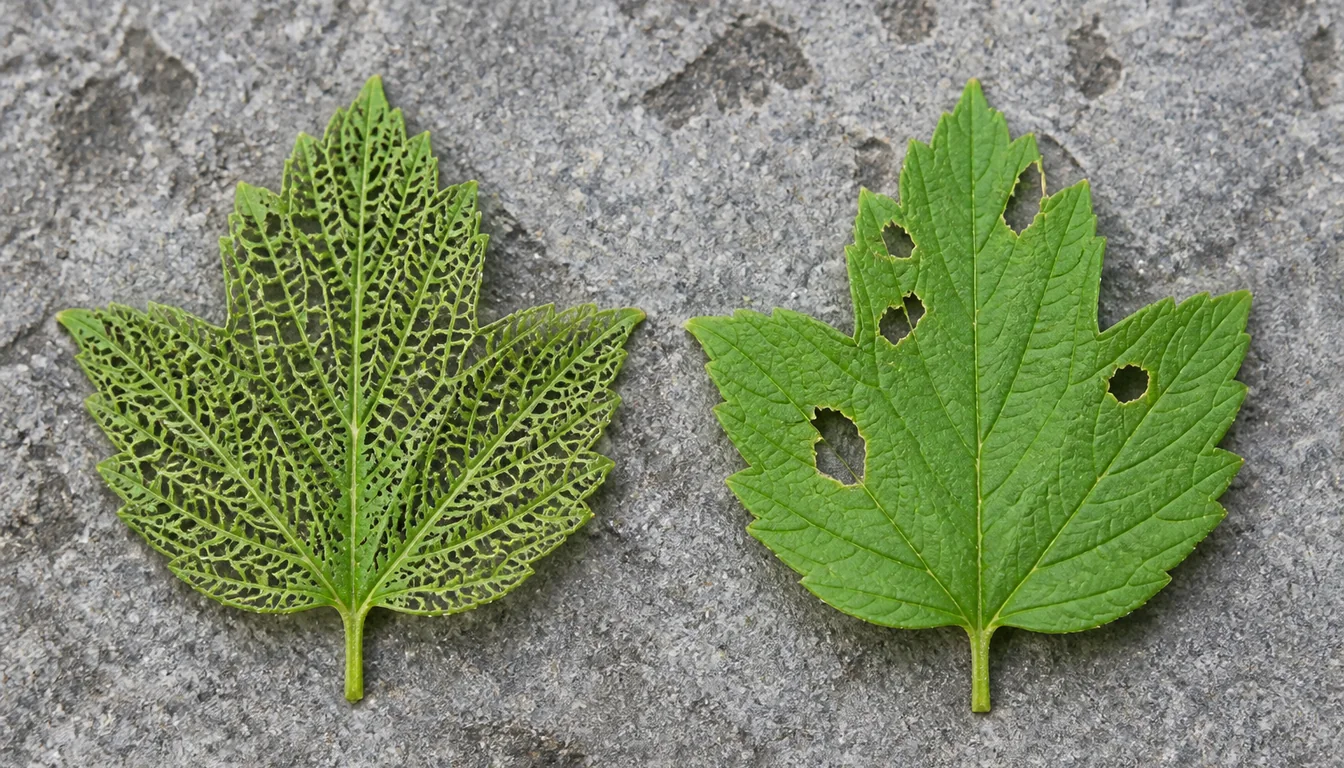
Do not confuse beetle damage with ordinary chewing. Leaf beetle larvae can strip leaves quickly, so timing matters more than a late spray after the shrub is already bare.
Adult beetles chew small round holes in leaves through summer, a different damage pattern from the skeletonizing larvae leave behind in spring, so both life stages carry their own distinct clue.
General garden pest habits still help, but Viburnum needs this pest named because the damage pattern is species-specific.
Scouting the same handful of twigs every week during larval season catches an outbreak early enough to prune it out before the shrub loses a full season of leaves.
If beetle pressure is already heavy in your neighborhood, species choice becomes part of pest control. A resistant shrub is a cleaner answer than planting a vulnerable one and promising yourself yearly rescue work.
Inspect young stems before spring hatch where beetles are known.
Look for larvae and act early, not after full defoliation.
Consider resistant species or replacement if pressure stays high.
Can You Propagate a Named Viburnum Reliably?
Propagation advice for Viburnum is not one-size-fits-all. Some types root from cuttings, while others are slower or easier by layering.
Softwood cuttings taken in early summer typically root faster than hardwood cuttings taken in winter for most Viburnum species.
Named cultivars should be cloned if you need the same size, fragrance, or fruit traits. Seedlings can vary and may not solve the job you planted for.
Layering works well for gardeners unwilling to risk failed cuttings, since the branch stays attached to the parent plant and keeps drawing water and nutrients while it roots.
For home gardeners, protecting the parent plant is usually more valuable than making a few uncertain copies. Healthy wood roots better than stressed shoots.
Where Do Viburnum Berries and Seasonal Color Matter Most?
A good Viburnum earns space across more than one season. Flowers, fruit, fall color, and branching structure should be visible from somewhere people actually pass or sit.
A Viburnum planted where morning light hits the flower clusters shows off bloom color better than one lit only by flat midday sun, a small siting detail worth planning around.
Use it behind perennials, along woodland edges, or in a mixed privacy planting where its natural size makes sense. For tight evergreen geometry, use a different shrub.
Birds may use the berries, but that does not make every Viburnum the same ecological choice. Native species usually carry the strongest wildlife argument where they fit the site.
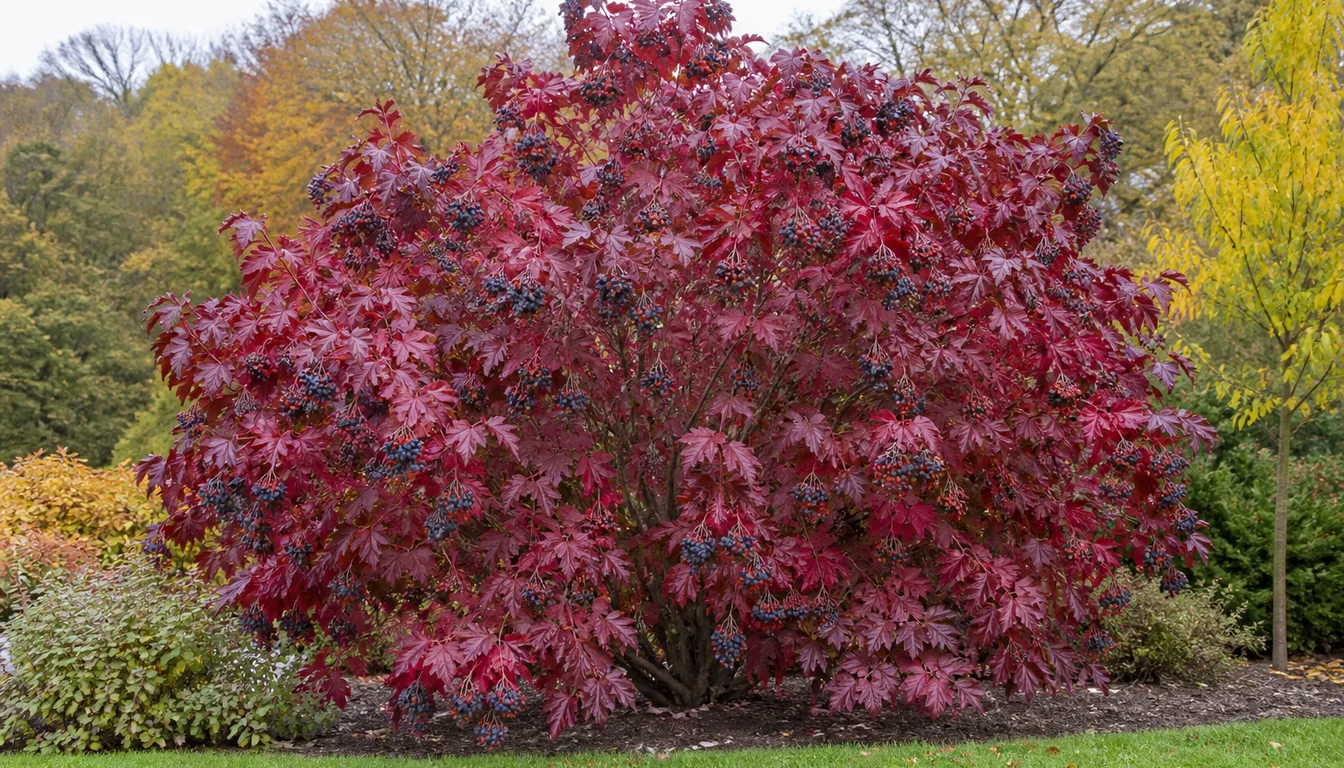
Viburnum berries usually ripen and darken through fall, and for many species the fruit only becomes palatable to birds after the first hard frosts soften it.
If the bed needs one late-summer flower accent instead, Rose of Sharon is a better fit than a berry-focused Viburnum.
For berry-heavy types, think about cleanup before you plant beside pavement. Birds will take plenty, but some fruit still drops, so a mulched bed is usually easier to live with than a narrow strip beside a clean walkway.
Frequently Asked Questions
Does Viburnum need another plant for berries?
Many Viburnum shrubs set more fruit with a compatible partner nearby. Check the species or cultivar before assuming one plant will make heavy berries.
When should I prune Viburnum?
Prune most flowering Viburnum shrubs right after bloom. That protects next year’s buds better than random late-season cutting.
What eats Viburnum leaves?
Viburnum leaf beetle can skeletonize leaves in affected regions. Check twigs and young leaves early because late action is less useful after defoliation.
Can Viburnum grow in shade?
Viburnum can grow in part shade, but bloom and berry set are usually stronger with more sun and steady root moisture.
Sources & References
- University of Minnesota Extension – Viburnums for Minnesota
- University of Minnesota Extension - Growing Shrubs in Minnesota
- North Carolina State Extension - Viburnum
- Missouri Botanical Garden Plant Finder – Viburnum species overview
- NC State Extension – Viburnum, Plant Toolbox
- Cornell Cooperative Extension - Viburnum Leaf Beetle Management
- Missouri Botanical Garden - Viburnum Species Profile
- Toxic and Non-toxic Plants: Black Haw | ASPCA
- Viburnum (Arrowwood) | North Carolina Extension Gardener Plant Toolbox
Related Plants
Spirea
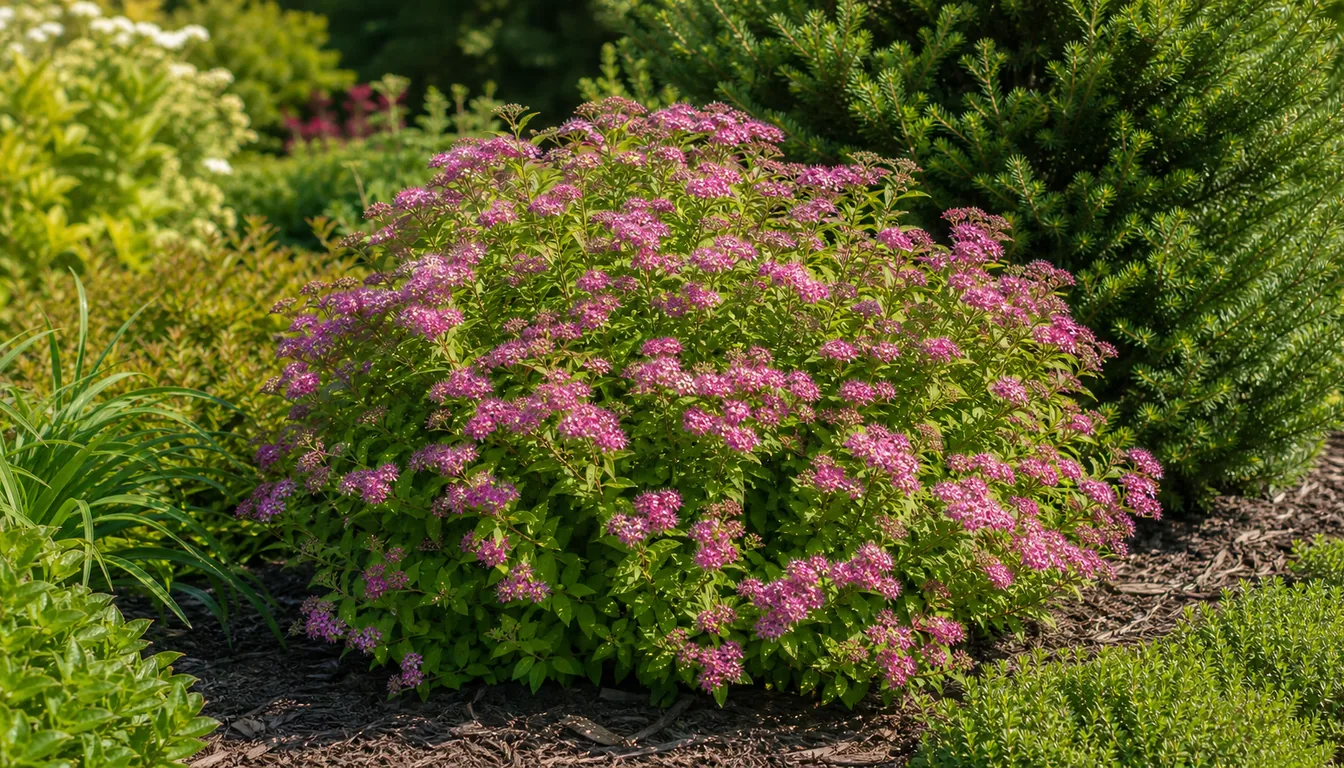
A smaller, faster-blooming shrub for tight beds where Viburnum's mature size does not fit.
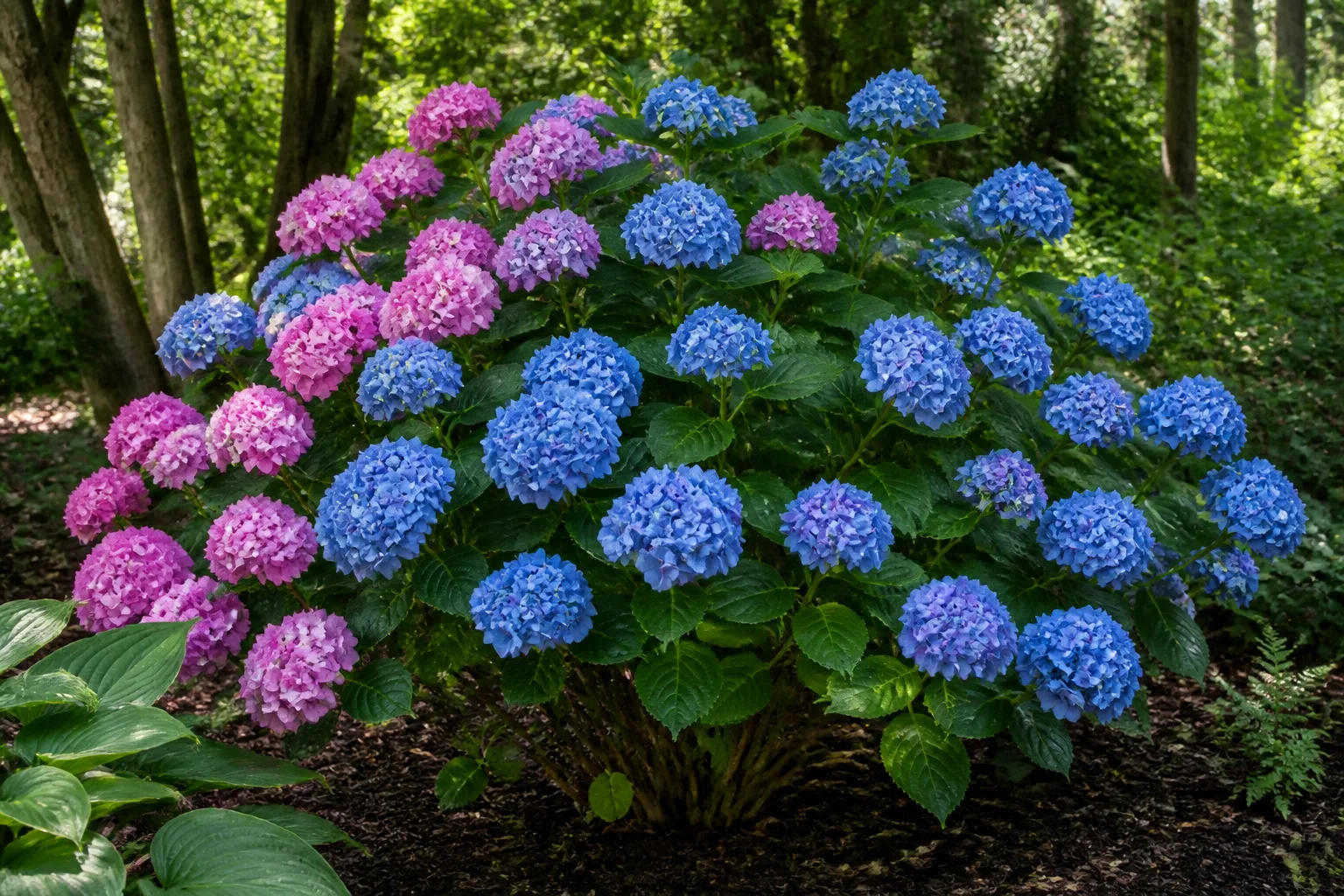
Bigleaf Hydrangea
A shade-tolerant flowering shrub with a very different pruning calendar than most Viburnum species.
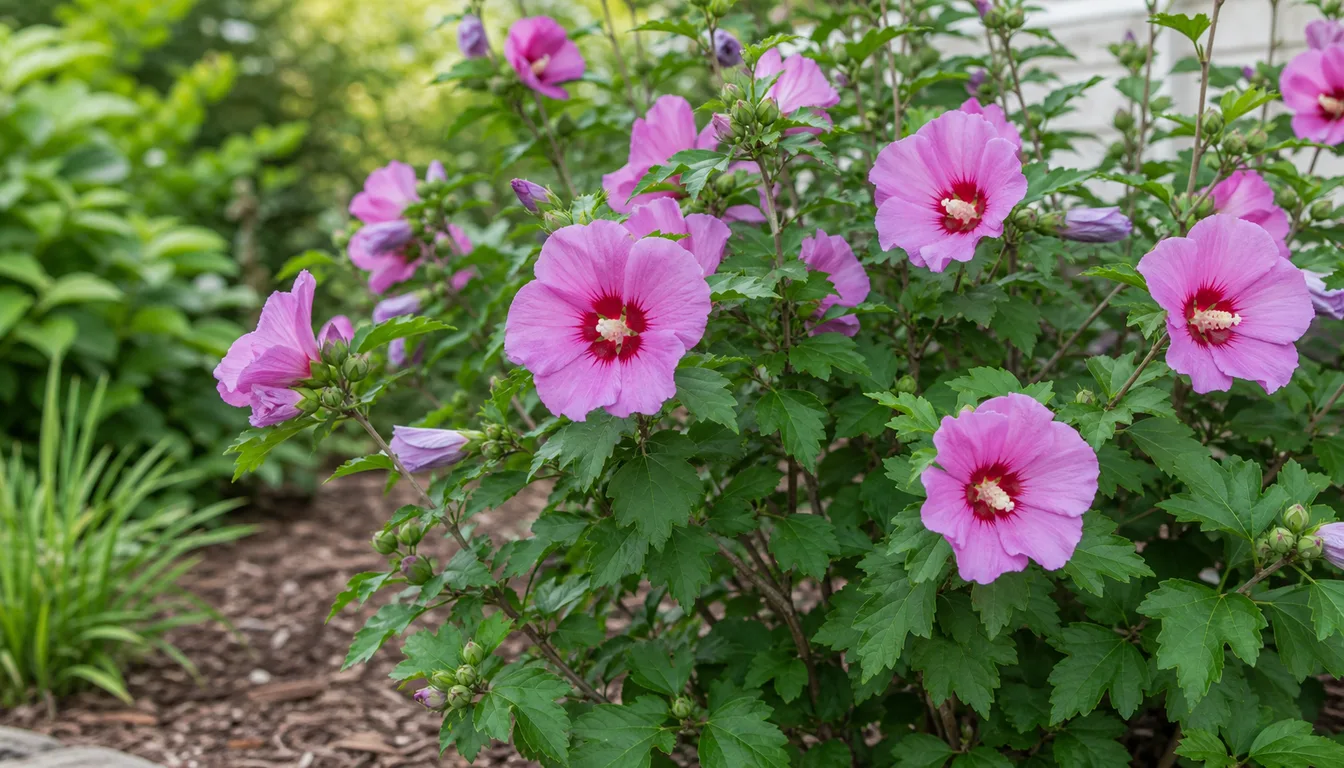
Rose of Sharon
A late-summer flowering shrub that fills the bloom gap after most Viburnum flowers have finished.
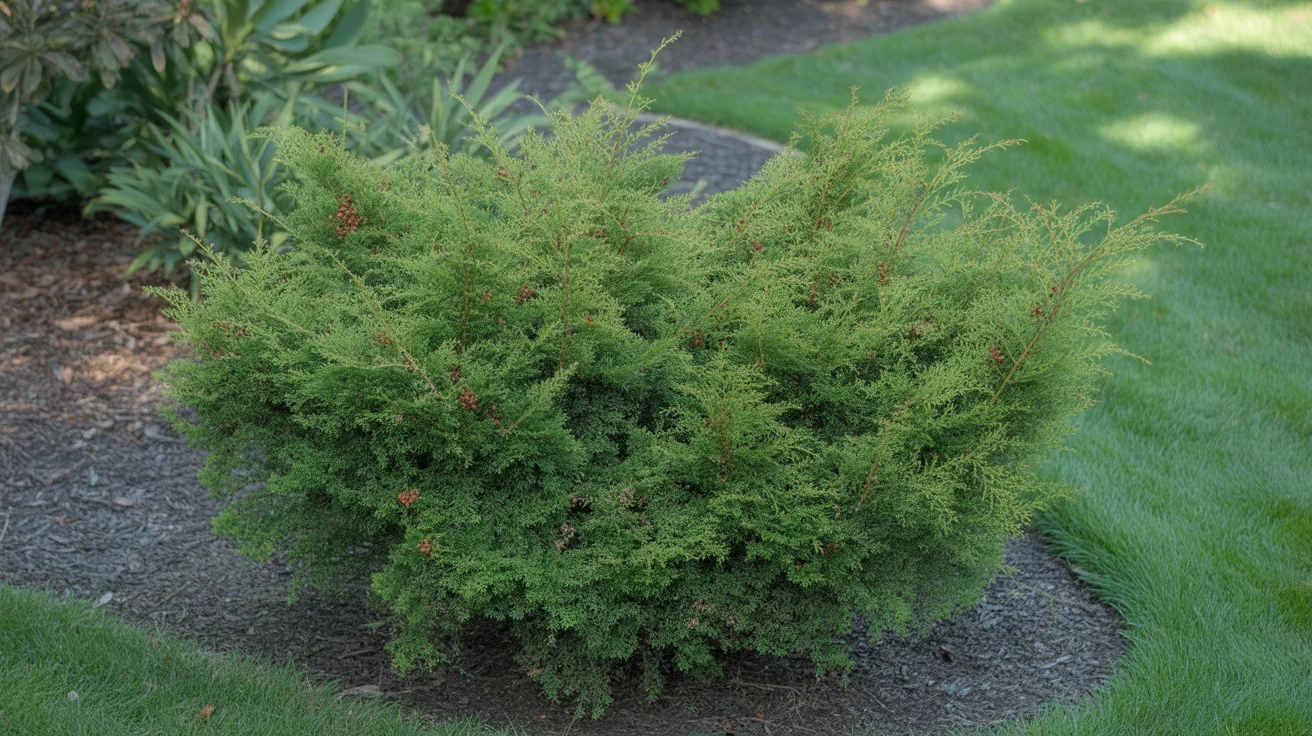
Arborvitae
Arborvitae can form a dense living screen where its mature width, exposure, and water needs fit the site.
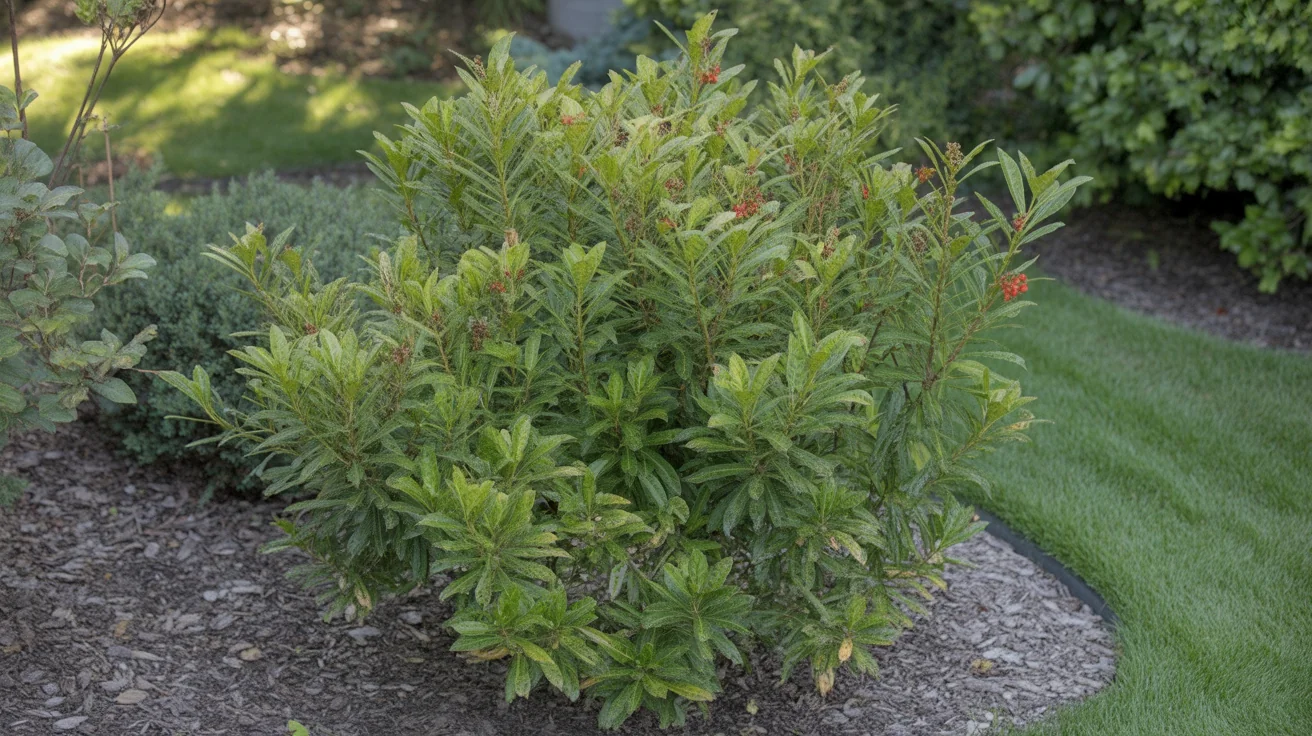
Aucuba
Aucuba is the shrub for bright shade with dry root competition. It keeps evergreen structure near north walls, porches…
Azalea
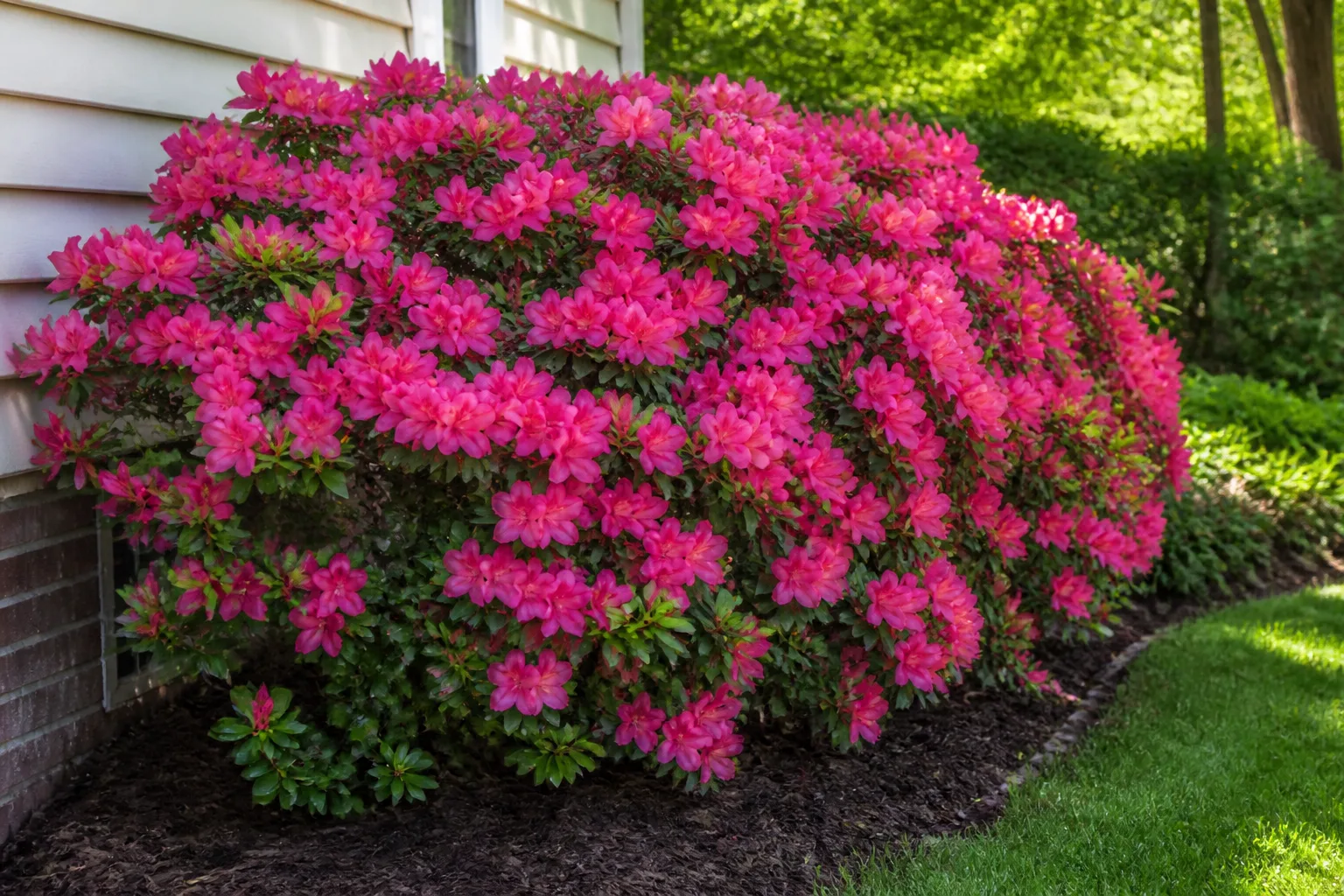
Azaleas bring spring flowers, and some cultivars bloom again later in the year.