
Which Garden Roses Fit Your Space and How Do You Grow Them?
Rosa spp. Rosaceae
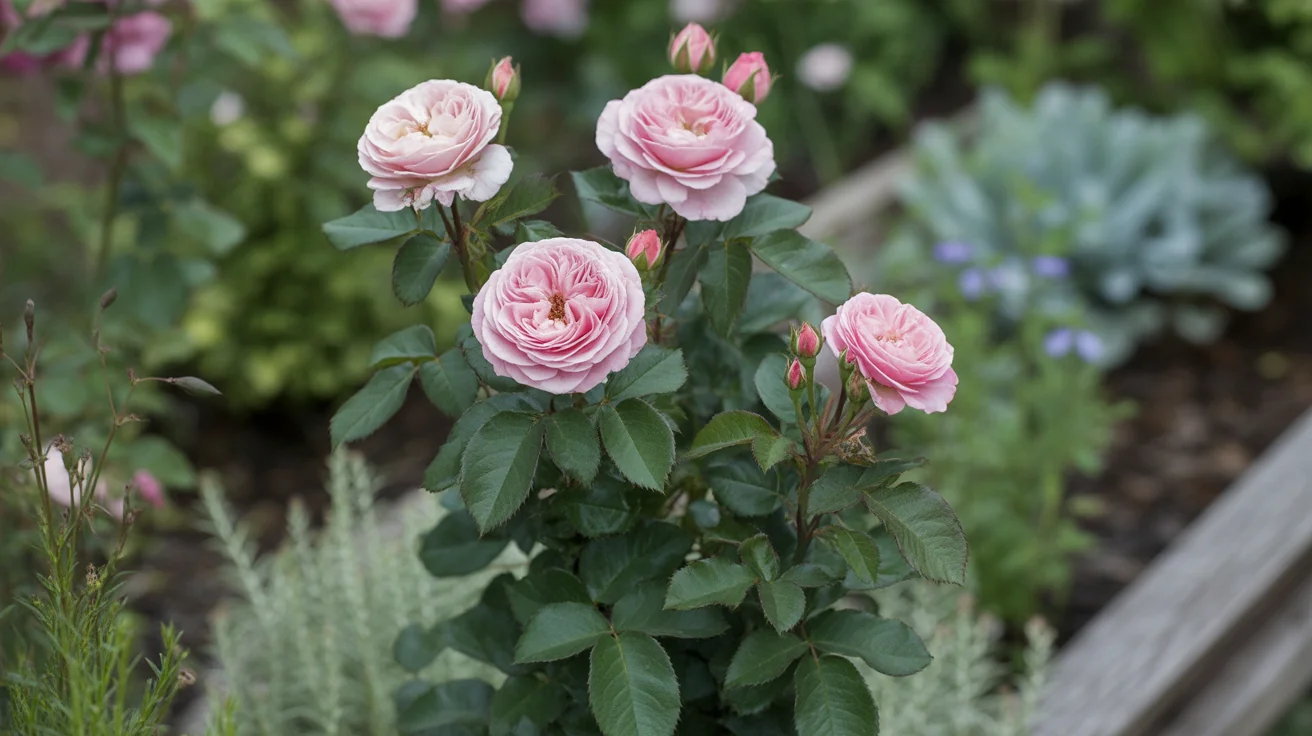
Garden roses range from compact landscape shrubs to climbers, hybrid teas, old garden roses, and container types. They grow best with full sun, air movement, deep watering, good drainage, correct pruning, and disease-resistant variety choices.
Care snapshot
Choose the Rose Class Before the Color
The first rose decision is not red, pink, or white, since it is really the class in the nursery pot, whether shrub, climber, hybrid tea, groundcover, or old garden rose. That class decides cane length, pruning timing, disease tolerance, and how much support the plant expects.
Sun, drainage, and deep watering still matter, but the class changes the workload. A landscape shrub can carry itself through summer with light shaping, while a hybrid tea may ask for sharper pruning, cleaner foliage management, and more attention after each bloom flush.
Modern shrub and landscape roses are usually the best entry point for busy gardeners. If low-fuss repeat color is the goal, compare the broader category with easy landscape series before buying older hybrid teas.
Old garden roses, sometimes called antique roses, were bred before 1867 and are prized for their heirloom fragrance and tough, disease-resistant constitutions.
A rose's mature spread is just as important as its height, since crowding several full-size shrubs into one bed often costs more pruning than it saves in year one.
Match Habit to the Job
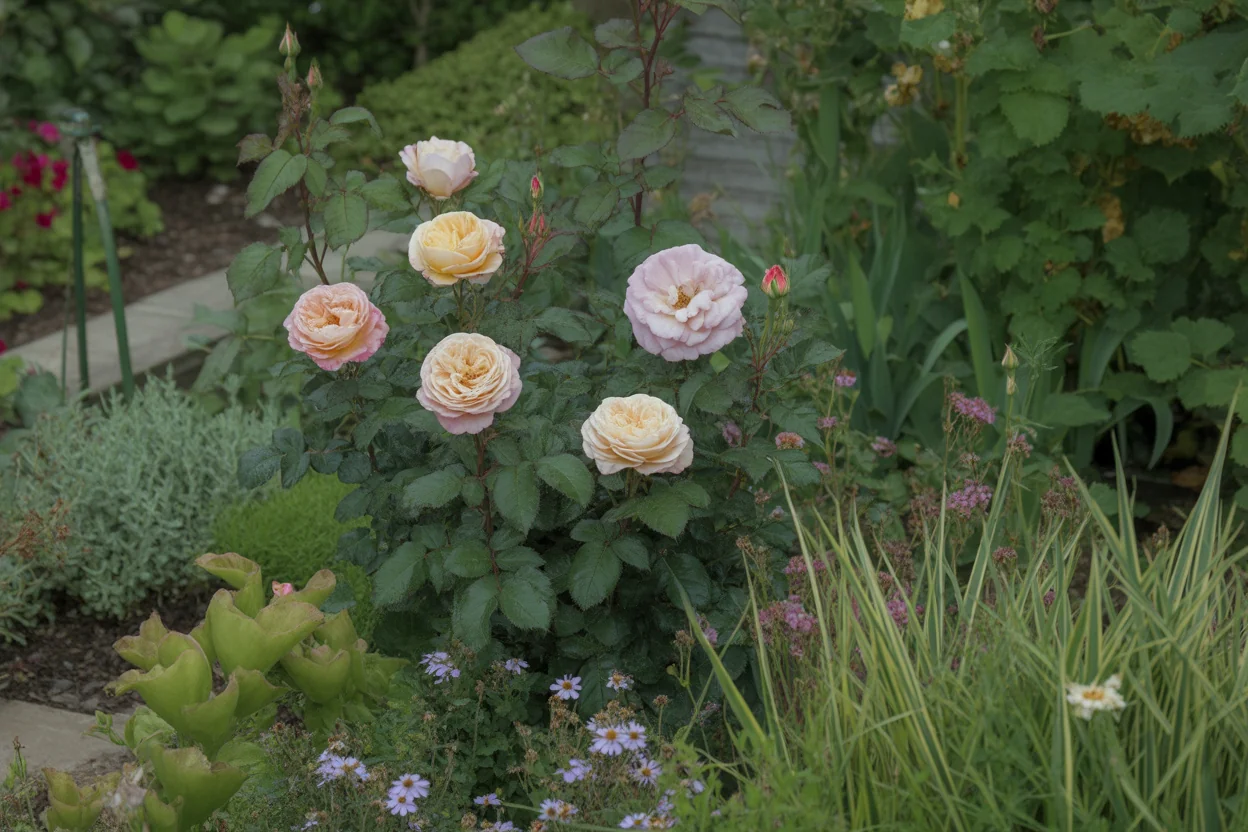
Choose roses by the job they must do in the yard, whether covering a fence, filling a mixed border, making cut flowers, edging a path, or anchoring a sunny bed. Flower color is the reward, while mature habit is the daily reality.
Hybrid teas still earn their place when long-stemmed flowers matter most, but they often need cleaner pruning and more disease watching. Shrub, landscape, and groundcover roses usually make better first choices when you want a flowering plant that behaves more like a durable garden shrub.
A rose choice should start with the job, whether shrub roses for landscapes, hybrid teas for cutting, climbers for vertical structure, or old garden roses for fragrance or history. Those groups do not ask for the same pruning or disease expectations.
Own-root and grafted Rose plants recover differently after winter injury. Own-root shrubs can regrow true from the crown, while grafted roses may send up rootstock shoots that look vigorous but are not the variety you bought.
- Shrub roses
- Best all-around choice for repeat bloom and easier care
- Hybrid teas
- Formal blooms for cutting, usually higher maintenance
- Climbing roses
- Need training on a trellis, fence, arbor, or wall support
- Groundcover roses
- Low spreading plants for slopes, edges, and massing
Floribunda roses cluster many smaller blooms per stem instead of one large flower, which makes them a strong pick for continuous garden color rather than cut-flower stems.
David Austin English roses were bred to combine old-garden-rose fragrance and form with the modern trait of repeat blooming through the season.
Use Sun as Disease Control
For roses, sun is not only a bloom trigger, since it is part of disease control. Give them 6-8 hours of direct sun so canes ripen, buds keep forming, and wet leaves dry before black spot gains momentum.
Morning sun is the most valuable light because it clears dew from crowded leaves. In hot regions, light afternoon shade can protect flowers from frying, but deep shade belongs to plants like hydrangeas, not most roses.
Airflow is part of the light decision. Do not squeeze roses into a narrow strip between a wall and a hedge where leaves stay damp after every rain.
- Best bloom: open sun and moving air.
- Hot climates: morning sun plus light afternoon shade is acceptable.
- Poor site clue: long bare stems, few flowers, and persistent leaf disease.
- Spacing rule: leave enough room to prune and inspect the whole plant.
Six hours of direct sun is generally treated as the practical minimum for reliable rose bloom, and fewer hours usually trades flower count for leafier growth.
Water the Roots and Keep Leaves Dry
Roses want a steady drink at the roots and a dry surface above. When sprinklers wet the canopy at dusk, the plant may look watered, but the leaves stay damp long enough for black spot and mildew to spread.
During dry spells, soak deeply enough to reach the root zone, then let the surface dry. The deep watering approach works better than shallow daily sprinkling because it builds lower roots and avoids leaf-wet disease cycles.
That container contrast is why timing matters less than root-zone observation, since the goal is deep moisture without keeping leaves wet.
Morning watering is safest when the foliage gets splashed. Evening overhead watering can keep rose leaves wet for hours, which gives black spot and mildew the damp window they need.
A layer of mulch over the root zone helps roses hold soil moisture between deep waterings, cutting down on how often containers and young shrubs need a refill.
Drip irrigation delivers water straight to rose roots without wetting the canopy, which is why many growers in humid climates switch to it over sprinklers.
Build a Bed Canes Can Regrow From
A rose bed has to support repeated cane growth, not just one spring flush. Fertile, well-drained soil with steady organic matter gives the plant enough root strength to replace old wood and keep flowering.
Improve a wide planting area instead of making a perfect little hole. Roots need to leave the nursery root ball and move into the surrounding soil, especially in beds where several roses will compete for the same moisture.
Feed when growth is active, then stop late enough for canes to harden before winter. The timing is closer to fertilizing shrubs than feeding annual flowers every week.
If the planting hole fills like a bowl after rain, raise the bed or improve a wider strip before planting. Compost helps structure and microbial life, but a wet clay pocket keeps rose roots stressed no matter how good the amendment is.
- Soil texture
- Fertile loam or improved clay with good drainage
- Mulch
- 2-3 inches, kept away from the crown and main canes
- Feeding
- Balanced rose or shrub fertilizer during active growth
- Avoid
- Late heavy nitrogen, soggy pockets, and bare dry soil
Roses are heavy feeders compared with many shrubs, since the repeated bloom cycle draws down soil nutrients faster than a plant that flowers only once a season.
A soil test before planting can catch a major pH problem early, since roses generally prefer a slightly acidic range close to pH 6.0-6.5.
Prune by Bloom Habit
Pruning starts with bloom habit. Repeat-blooming shrub roses can usually be shaped in late winter or early spring, while once-blooming old garden roses are often pruned after their spring flush so you do not remove the flowering wood.
Start with dead, damaged, crossing, and inward-growing canes. Then shape for air and structure instead of cutting every plant to the same height, since a climber needs long framework canes while a shrub rose needs a balanced mound.
Semi-hardwood cuttings can root from healthy, disease-free stems, but patented or trademarked cultivars may have propagation restrictions. For most gardeners, correct pruning matters more than making more plants.
Pruning is not the same as propagation, but both depend on knowing the rose type. Use shrub pruning timing as a timing check before cutting hard into old canes or climbers.
- Remove dead or diseased canes first.
- Cut crossing stems that rub and wound each other.
- Open the center enough for airflow.
- Deadhead repeat bloomers to a strong leaf set.
- Clean pruners when moving between diseased plants.
Bare-root roses are typically planted while dormant in late winter or early spring, giving the roots time to settle before top growth demands much water.
A clean, angled pruning cut just above an outward-facing bud directs new growth away from the center of the shrub, keeping the plant open.
Read the Leaf Pattern Before You Spray
On roses, the pattern of damage matters more than the urge to spray quickly. Soft insects gather on new tips, fungal diseases mark leaves, and cane problems often start where pruning cuts stayed wet or crowded.
Aphids cluster on new growth and buds. If that is the main symptom, use the specific aphid diagnosis guide rather than treating every leaf spot as an insect problem.
White powder on leaves and buds points toward powdery mildew, especially when air is still and humidity swings.
Spray decisions should follow diagnosis, not habit. A preventive program may make sense in humid black-spot regions, while a dry inland garden may only need resistant cultivars, base watering, and cleanup of diseased leaves.
Most rose problems are easier to manage when you separate cosmetic damage from plant-threatening disease. A few chewed leaves or aphids on new growth do not need the same response as black spot spreading during warm, wet weather.
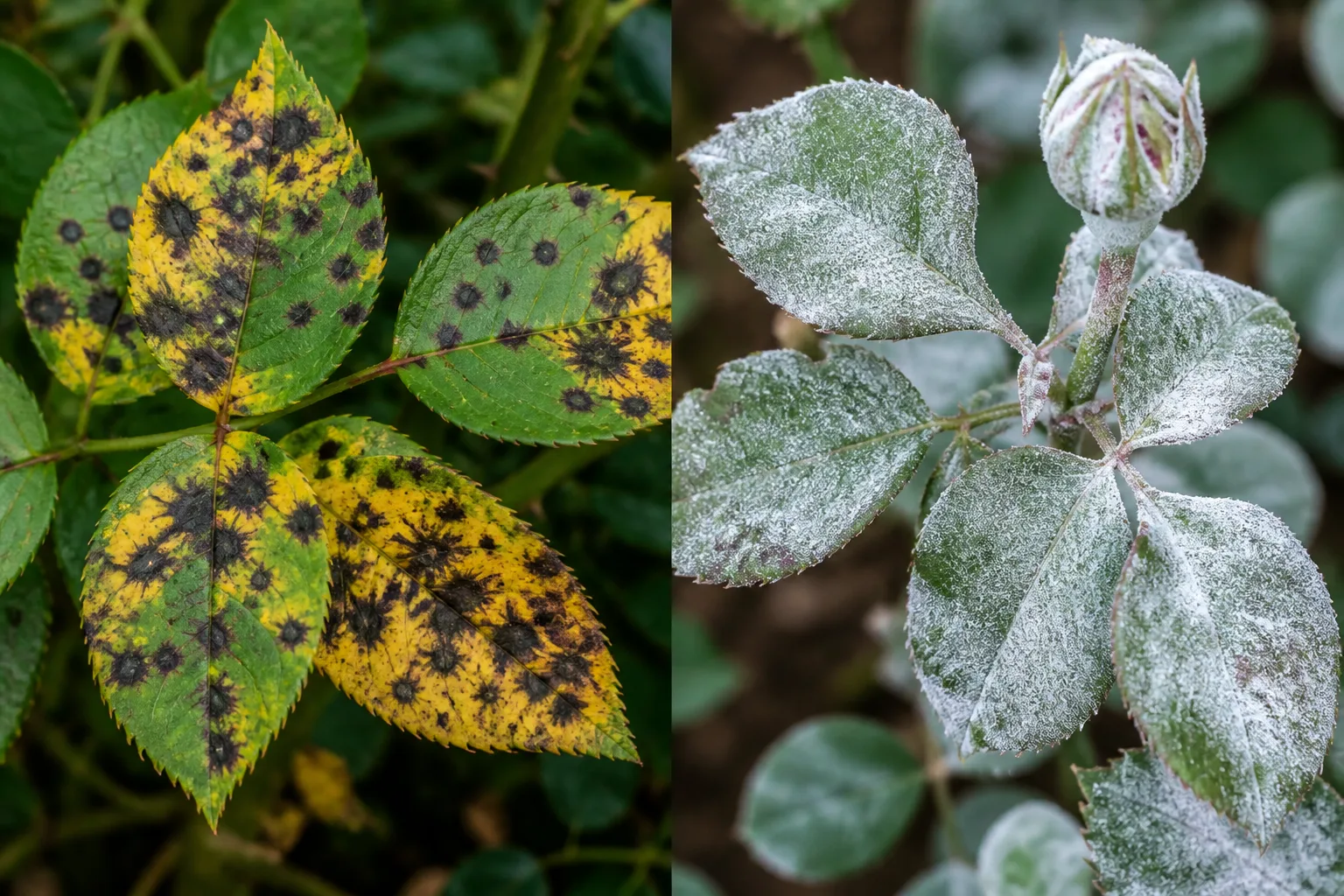
Soft clusters on new tips and buds. Rinse early or use insecticidal soap.
Chewed petals and skeletonized leaves. Hand-pick early in the morning.
Black leaf spots and yellowing, worse with wet foliage.
White powdery growth, often with still air and humidity swings.
Thrips can distort rose buds and streak petal edges with brown, a symptom gardeners sometimes mistake for simple bloom aging rather than an active pest.
Rose rosette disease causes tight, witches'-broom-like clusters of red growth and excessive thorniness, and infected canes should be removed and destroyed rather than composted.
Seasonal Care Follows the Bloom Cycle
Spring resets repeat-blooming roses. Prune after the worst cold has passed, feed as new growth starts, and refresh mulch after soil warms so the first flush has a clean base.
Summer care follows the bloom cycle, watering before drought stress, deadheading repeat bloomers, and inspecting the youngest shoots first. Those tender tips show aphids, mildew, and nutrient stress before older leaves do.
Pruning depends on rose class and climate. Shrub roses usually need renewal and shaping, and climbers need old canes preserved and laterals shortened, because treating every rose like a hybrid tea creates weak structure.
Prune, feed, mulch, and begin disease checks.
Water deeply, deadhead repeat bloomers, and watch pests.
Stop heavy feeding and clean up diseased leaves.
Protect crowns or graft unions in cold climates as needed by cultivar.
Winter protection needs vary sharply by rose class, since own-root shrub roses in cold climates often need far less mounding or wrapping than grafted hybrid teas.
Removing fallen leaves from around the base of the plant each fall reduces the fungal spores that overwinter and reinfect the same canes next spring.
Place Thorns Where They Make Sense
ASPCA lists Rosa species as non-toxic to dogs, cats, and horses. That classification does not remove the risk of thorn injuries or establish that pesticide-treated plants are suitable to eat.
Wear gloves, sleeves, and eye protection when pruning. Thorn scratches are common, and punctures should be washed promptly.
Use type and site together when choosing, since a rose can be beautiful and still be wrong for a narrow walkway or hands-off wildlife bed.
Rose hips can feed birds and add winter interest if you stop deadheading late. If repeat bloom is the goal, deadhead earlier flushes, then decide whether fall hips are worth leaving.
Thornless or nearly thornless rose cultivars exist and are worth seeking out for beds near walkways, patios, or anywhere young children play.
Frequently Asked Questions
Are roses hard to grow?
Roses are easiest when you choose disease-resistant shrub or landscape types, plant in full sun, water at the base, and prune for airflow. Hybrid teas usually need more attention.
How much sun do roses need?
Roses bloom best with 6-8 hours of direct sun. Morning sun is especially helpful because it dries leaves and lowers disease pressure.
How often should I water roses?
Water roses deeply during dry spells, then let the surface dry. Containers need more frequent checks than in-ground plants.
When should I prune roses?
Prune repeat-blooming shrub roses in late winter or early spring. Once-blooming old garden roses are usually pruned after they flower.
Why do my rose leaves get black spots?
Black spots on rose leaves usually point to black spot disease, especially when foliage stays wet. Improve airflow, water at the base, and remove diseased leaves.
Can roses grow in pots?
Yes. Compact roses can grow in large containers with drainage, good potting mix, regular water, and steady feeding during active growth.
Sources & References
Related Plants
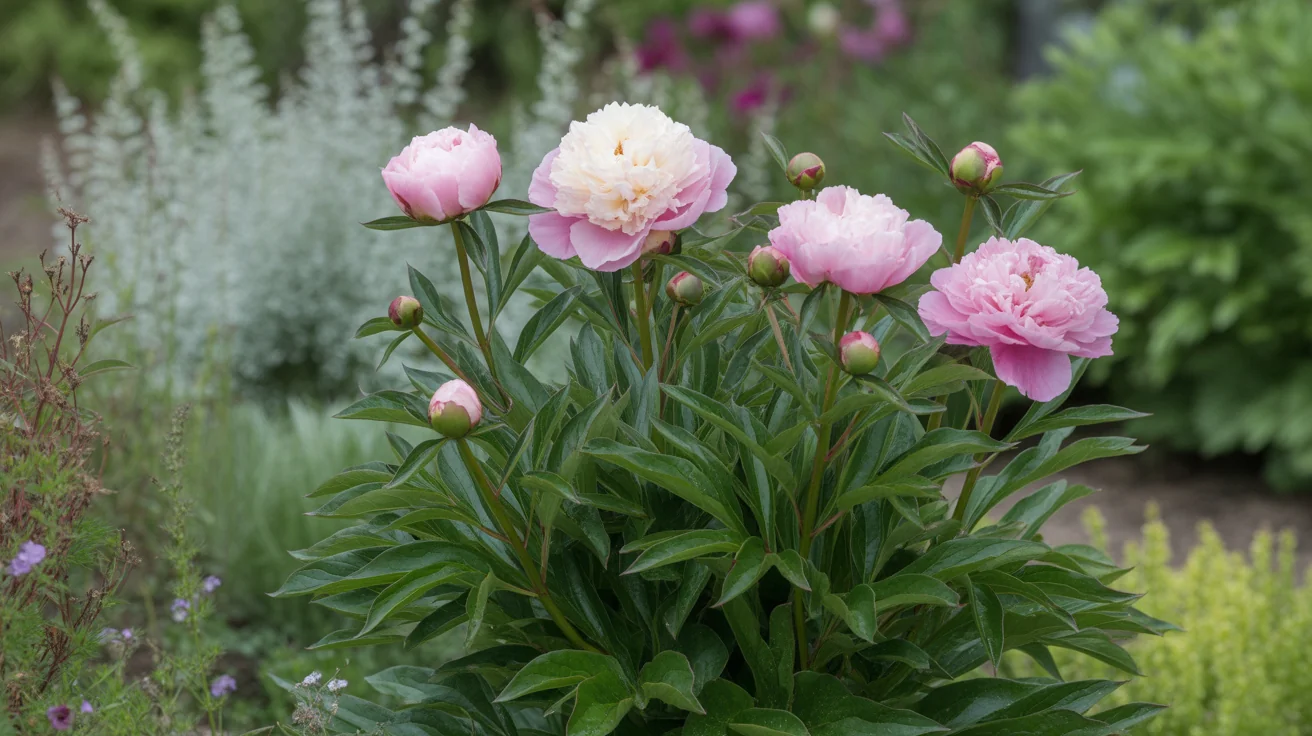
Peony
Long-lived spring perennial with huge flowers and no thorny canes.
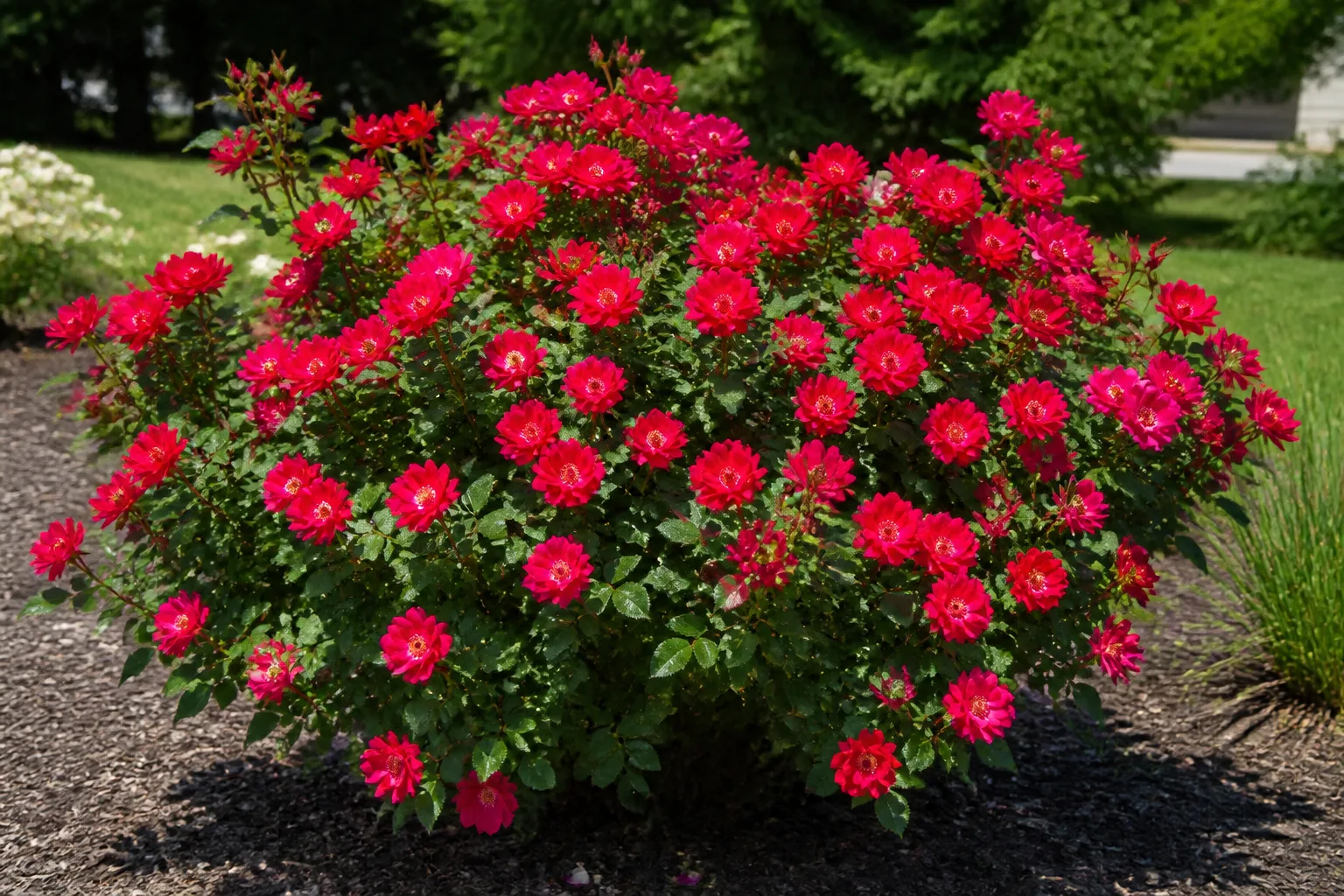
Knock Out Rose
Low-fuss landscape rose series bred for repeat bloom and disease resistance.
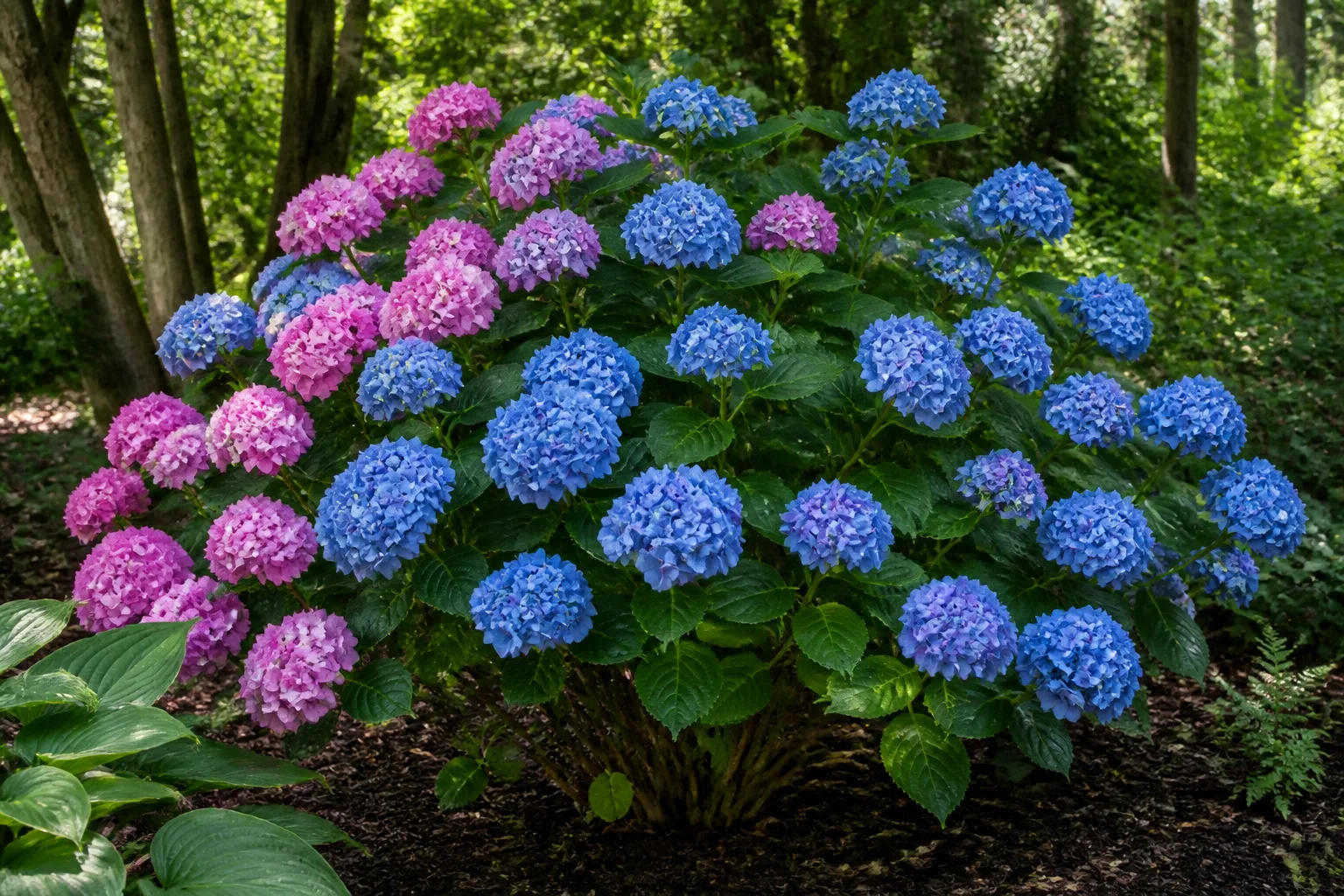
Bigleaf Hydrangea
Part-shade flowering shrub-like perennial for sites too dim for roses.
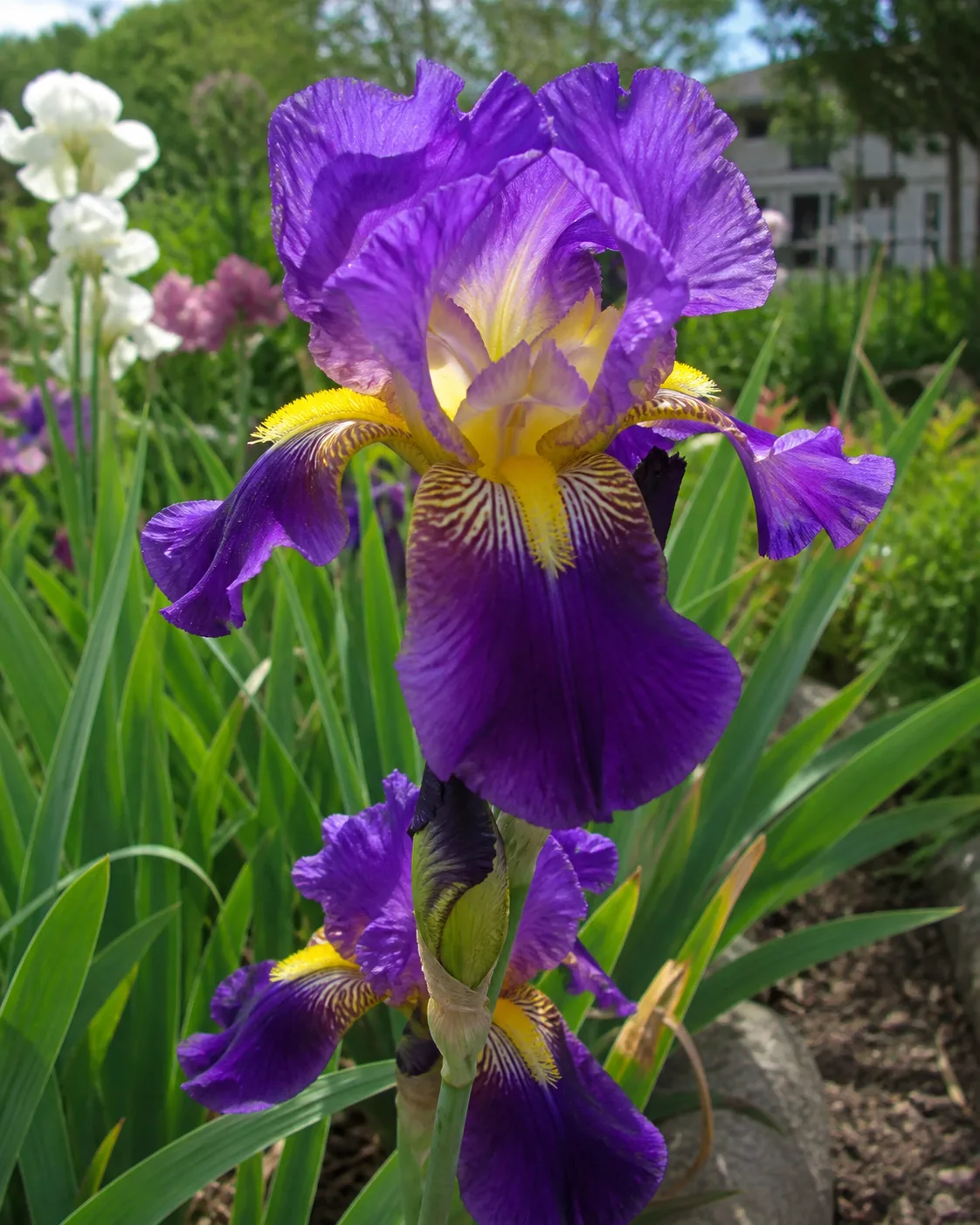
Bearded Iris
Bearded iris are tough, sun-loving perennials grown from shallow rhizomes, not deep bulbs.
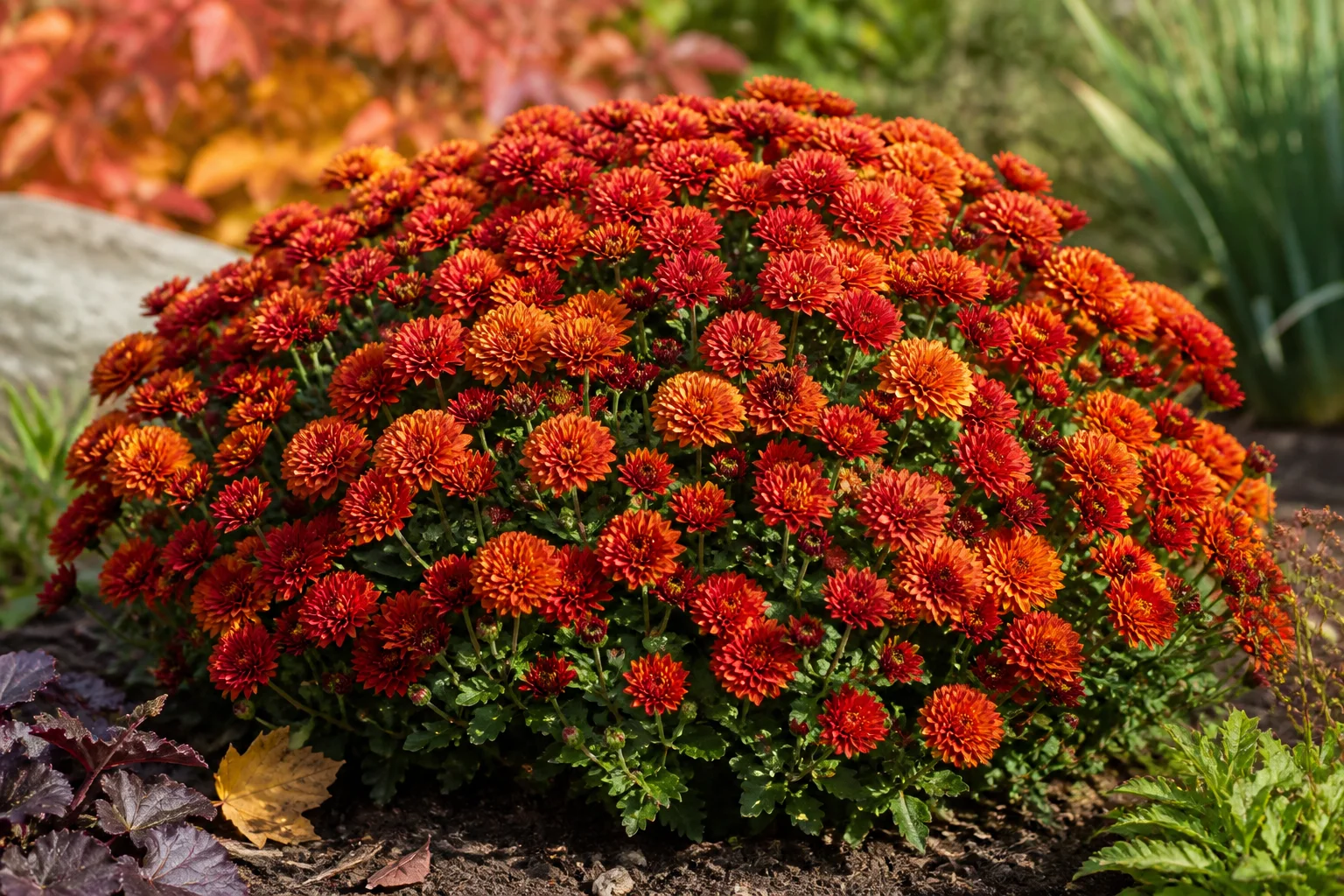
Chrysanthemum
Garden mums are the compact chrysanthemums most people buy for fall color.
Daffodil
Daffodils are hardy fall-planted bulbs grown for reliable spring flowers, deer resistance, and decades of return bloom…