
How to Grow True Lilies and Plan Around Their Cat Risk
Lilium spp. Liliaceae
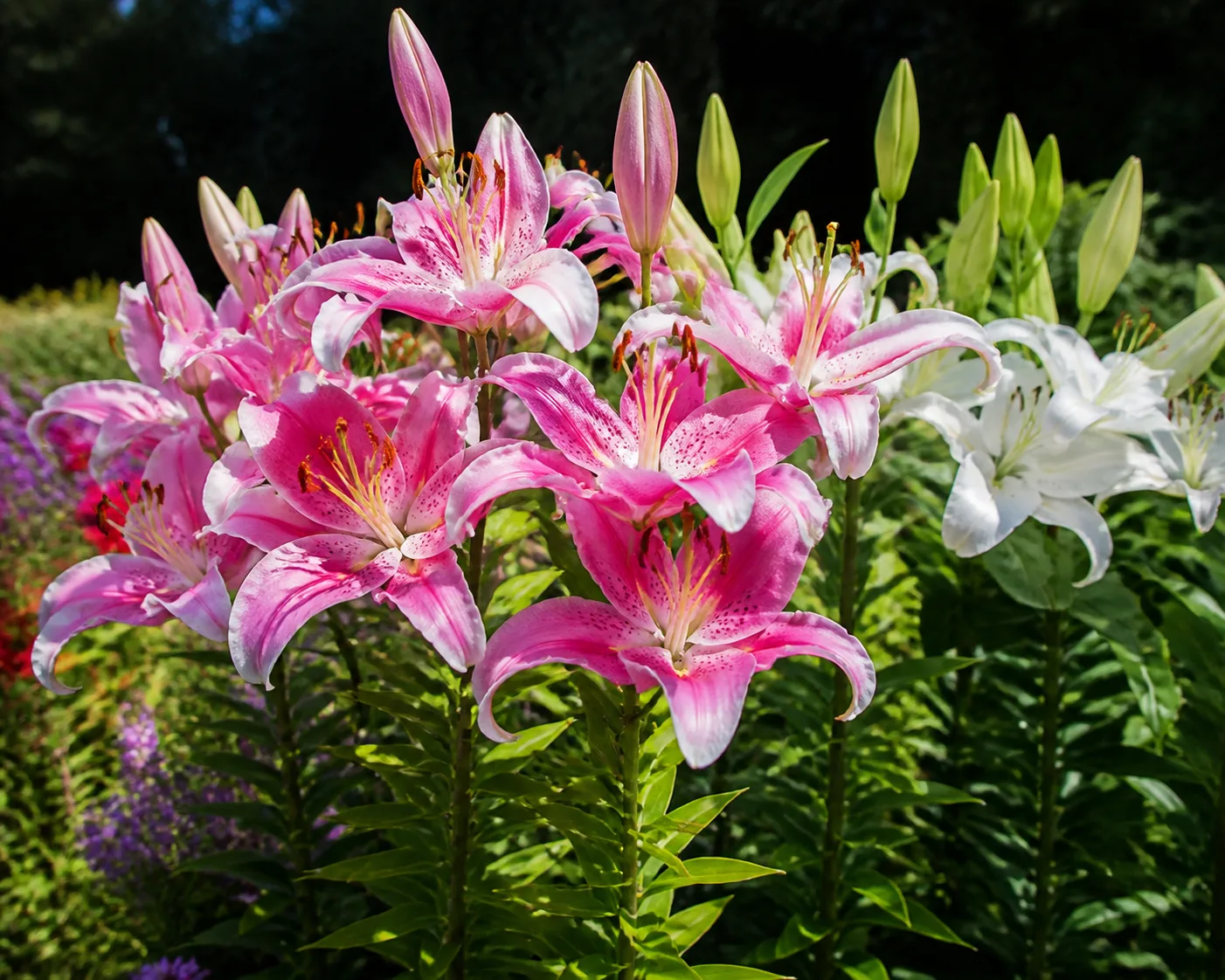
True lilies are Lilium bulbs grown for tall summer stems, dramatic flowers, fragrance, and cut-flower value. They need sun on their stems, cool well-drained soil around the bulbs, steady moisture during growth, and strict cat-safety precautions.
Care snapshot
True Lilies Are Not Daylilies
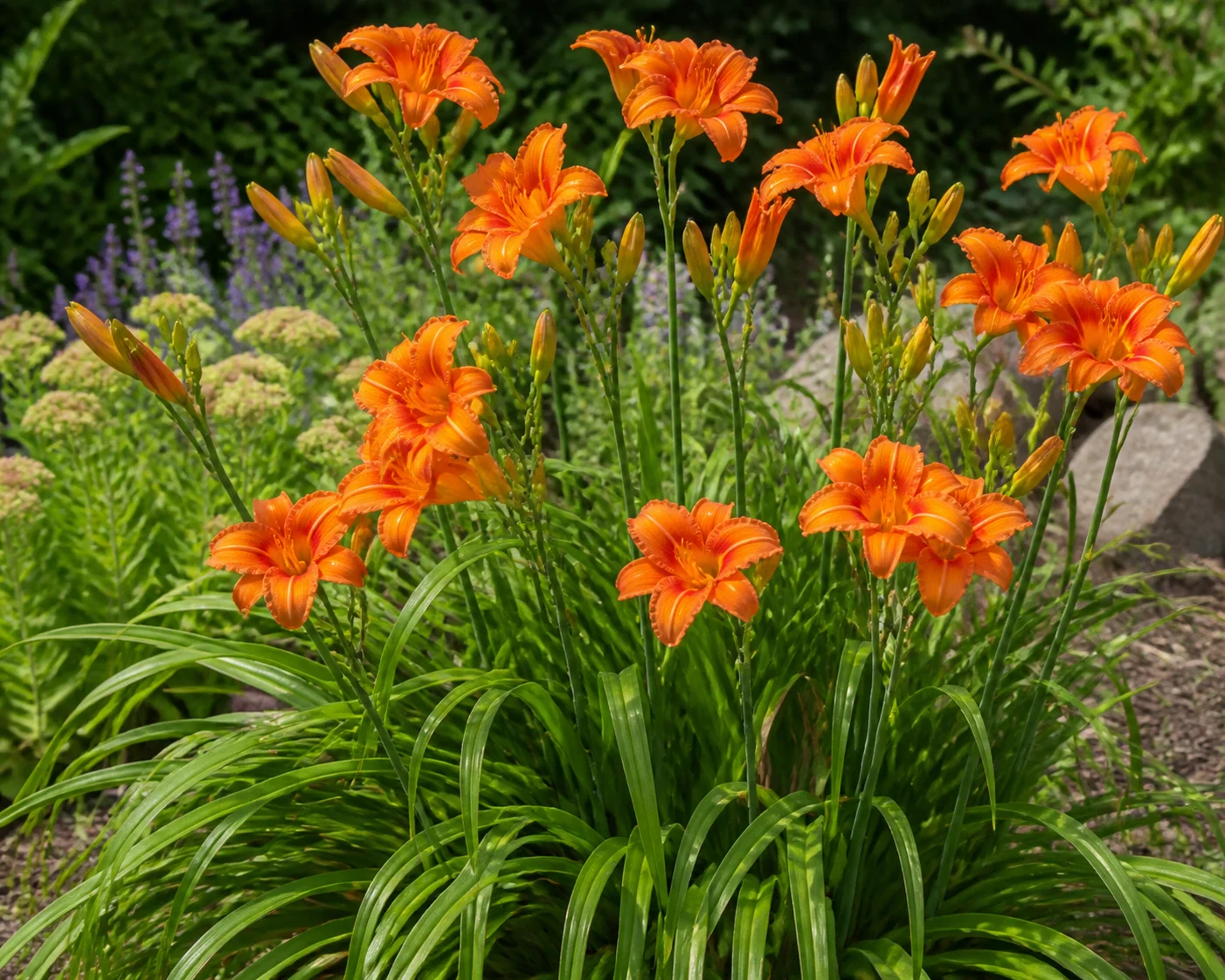
A true Lily is a Lilium bulb with one upright stem, narrow leaves, and flowers carried near the top. That separates it from Daylily, Calla Lily, Canna Lily, and other plants that borrow the name but grow differently.
True lilies grow from scaly bulbs that stay alive year-round. They do not have a protective papery tunic like many tulip bulbs, so they should not be left drying on a shelf for long.
Most garden lilies bloom in summer, after spring bulbs and many early perennials finish. That timing makes them useful behind peonies or among lower plants that hide the bare lower stems.
A lily bulb is made of overlapping fleshy scales rather than the smooth layered rings found in an onion or tulip, more like a small artichoke than a typical bulb. That loose scale structure is exactly why the bulbs bruise and dry out easily and should go into the ground soon after you bring them home.
Choosing Lily Groups
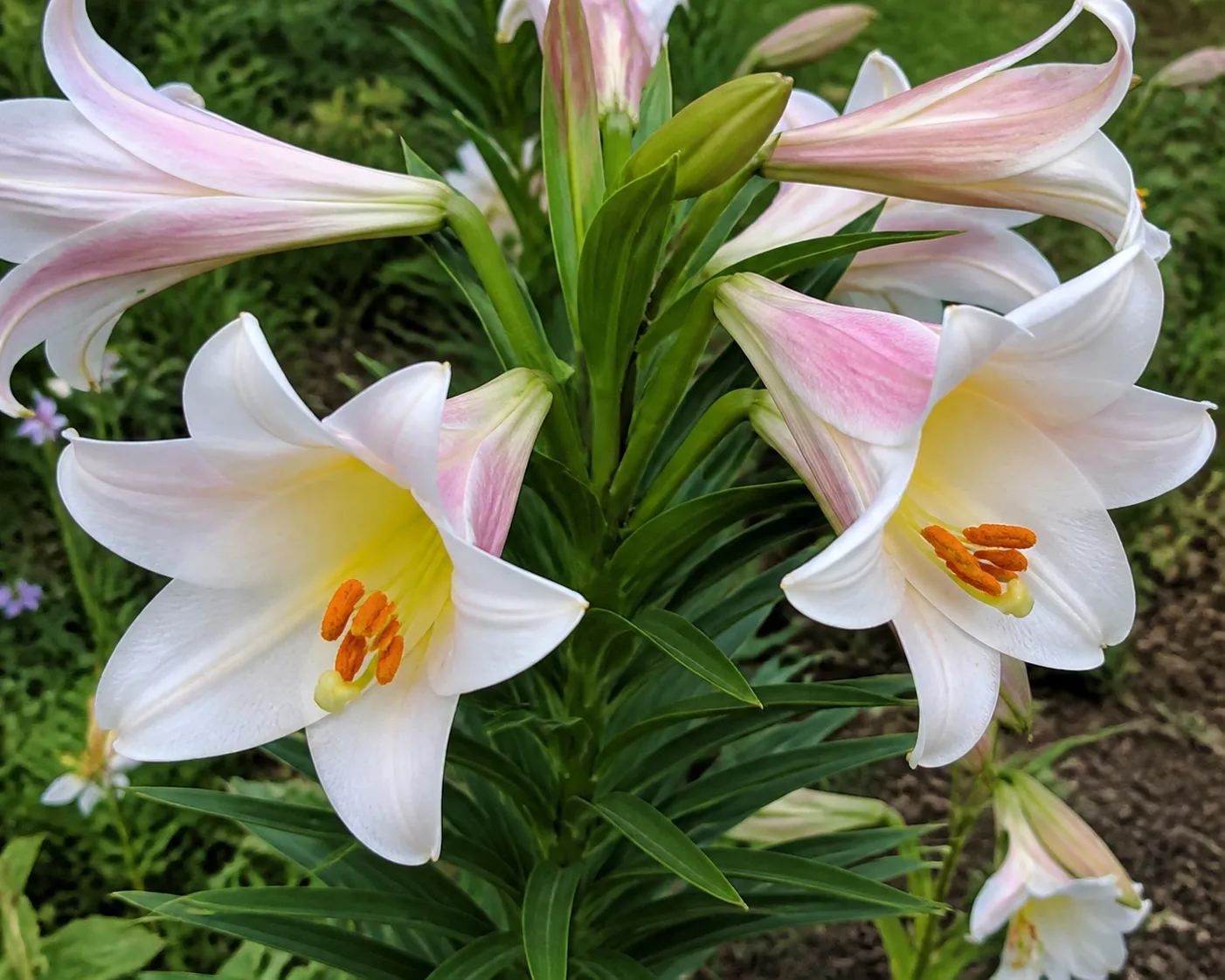
Choose lilies by hybrid group before color. Asiatic, Oriental, trumpet, martagon, and OT hybrids differ in height, fragrance, bloom window, and climate tolerance.
Asiatic lilies are usually the easiest beginner choice, with early summer bloom, strong colors, little fragrance, and good cold tolerance. Oriental and OT types bring larger flowers and heavy scent later in summer.
If you need something tougher for rough sites, compare with daylilies instead of forcing true lilies into poor drainage or heavy browsing pressure.
Asiatic, Oriental, trumpet, and LA hybrid lilies solve different garden jobs. Asiatic types bloom earlier and are usually easier, Oriental types bring fragrance later, and trumpet forms need stronger siting because tall stems catch wind.
- Asiatic lilies
- Early bloom, broad colors, little fragrance, often 2-4 feet
- Oriental lilies
- Large fragrant flowers, later bloom, need excellent drainage
- Trumpet lilies
- Tall stems, strong fragrance, good vertical accents
- Martagon lilies
- Graceful recurved flowers, more shade tolerant than many types
Popular named cultivars anchor each hybrid group, with 'Stargazer' the best-known upward-facing Oriental for heavy fragrance, 'Casa Blanca' a pure white Oriental prized for cutting, and 'Sunny Morning' a compact orange Asiatic suited to smaller borders. Reading the cultivar name, not just the hybrid group, tells you far more about the specific color, height, and bloom orientation you will actually get.
Hybrid groups also differ in how flowers face on the stem, with Asiatic types often held upward or outward and many Oriental and trumpet types nodding or facing outward at eye level. That orientation matters for cut-flower arranging and for how the blooms actually read in a border, not just for color or fragrance.
Light: Sun Above, Cool Roots Below
Start with the site, since Lilies bloom best with 6 or more hours of sun on the stems. In hot climates, light afternoon shade can protect petals, but deep shade gives weak stems and fewer buds.
The classic rule is sun on the flowers, coolness at the roots.
Low perennials, mulch, and neighboring foliage help shade the soil without blocking the stems.
For a sunny mixed border, plant true lilies behind lower companions such as salvia or catmint. They keep the bulb zone cooler while the flower stems rise above them.
Lilies flower best when stems get sun and roots stay cool. A low perennial groundcover or mulch layer can shade the soil without stealing the light the buds need.
- Best bloom: full morning sun and open sky for most of the day.
- Hot regions: light afternoon shade can reduce flower scorch.
- Poor-light clue: leaning stems, small buds, and few flowers.
- Design trick: underplant with low perennials that shade soil, not stems.
Morning sun that dries dew quickly and warms the plant early in the day tends to suit lilies better than harsh late-afternoon sun in hot climates, since intense afternoon heat can fade flower color and shorten how long each bloom lasts. Siting lilies where they catch full morning light but gain some relief by late afternoon often gives the best combination of strong stems and lasting color.
Watering Without Rotting Bulbs
True lilies want even moisture while stems are growing and buds are swelling. They do not want soggy soil around the bulb, especially in winter.
A slow soak during dry weather is better than shallow daily watering. Use the same deep watering approach you would use for perennials, reaching the root zone, then letting the surface dry.
When symptoms overlap, soil feel is the tie-breaker, since the same yellow leaf can point to drought or roots that have stayed wet too long.
Even moisture during stem growth and bud swell prevents short stems and aborted buds. After flowering, keep the plant healthy long enough for leaves to feed the bulb before dormancy.
If bulbs cannot go into the ground right away, storing them in barely damp peat or vermiculite in a cool, dark spot keeps the scales from drying out far better than leaving them exposed in a paper bag. Checking on stored bulbs periodically and planting them as soon as reasonably possible still beats even careful short-term storage.
Soil, Planting Depth, and Drainage
Drainage is the difference between a returning Lily clump and a mushy bulb.
Loamy soil with compost is ideal, but the bed must drain after rain.
Plant bulbs about 2-3 times as deep as the bulb is tall, often 4-8 inches depending on bulb size. Deeper planting helps tall stems anchor and protects bulbs from temperature swings.
Lilies want cool roots and a dry-enough bulb plate. Planting among lower perennials can shade the soil, but the bulb itself still needs drainage, since soggy winter soil is far more dangerous than summer heat on the flowers.
- Planting depth
- Usually 4-8 inches, based on bulb size
- Spacing
- 8-12 inches apart for most garden hybrids
- Soil texture
- Fertile loam with drainage; raised beds for clay
- Mulch
- Light organic mulch to cool roots, kept off stems
A light application of balanced, low-nitrogen fertilizer worked in at planting and again as shoots emerge in spring supports strong stems and flower size without pushing soft, floppy growth. Established clumps generally need less feeding than the first year or two after planting, when the bulb is still building its reserves.
Division, Scaling, and Staking
Divide lilies only when clumps become crowded or bloom weakens. Fall is usually the easiest time, after stems yellow and before the ground freezes.
Lift carefully with a fork, because Lilium bulbs are made of fleshy scales that bruise and dry easily. Replant firm bulbs right away at the same depth.
Handle support and division as separate jobs, since staking protects this year's stems, while division resets the bulb clump for later bloom.
- Wait until foliage yellows before lifting crowded clumps.
- Separate firm offsets from the main bulb by hand.
- Discard soft, moldy, or hollow bulbs.
- Replant immediately in drained soil.
- Stake tall types while stems are still short.
Lily Beetles, Browsing, and Disease
The red lily leaf beetle is the pest true lilies are known for.
Adults are bright red, while larvae hide under a messy dark coating and can strip leaves quickly.
Inspect stems weekly from spring through early summer. Hand-picking adults and wiping larvae early is far easier than rescuing shredded plants later.
Deer and rabbits also browse lily shoots and buds. If your yard already needs deer resistant planting strategies, do not assume true lilies will be left alone.
Lily leaf beetle can strip true lilies quickly where it is established. Handpicking adults and larvae early in the season matters because damage accelerates once buds and tender leaves are exposed.
Aphid feeding can spread lily mosaic virus between plants, which shows up as streaked or mottled leaves and a gradual decline in vigor and bloom size over several seasons rather than sudden collapse. There is no cure once a bulb is infected, so controlling aphids early and removing an obviously streaked, declining plant protects the rest of the bed more than trying to treat it.
Lily leaf beetle adults and larvae look nothing alike, which is exactly why larvae go unnoticed longer, since the shiny bright red adults are easy to spot, while larvae disguise themselves under a coating of their own dark, wet excrement that reads as slug slime or bird droppings rather than an insect.
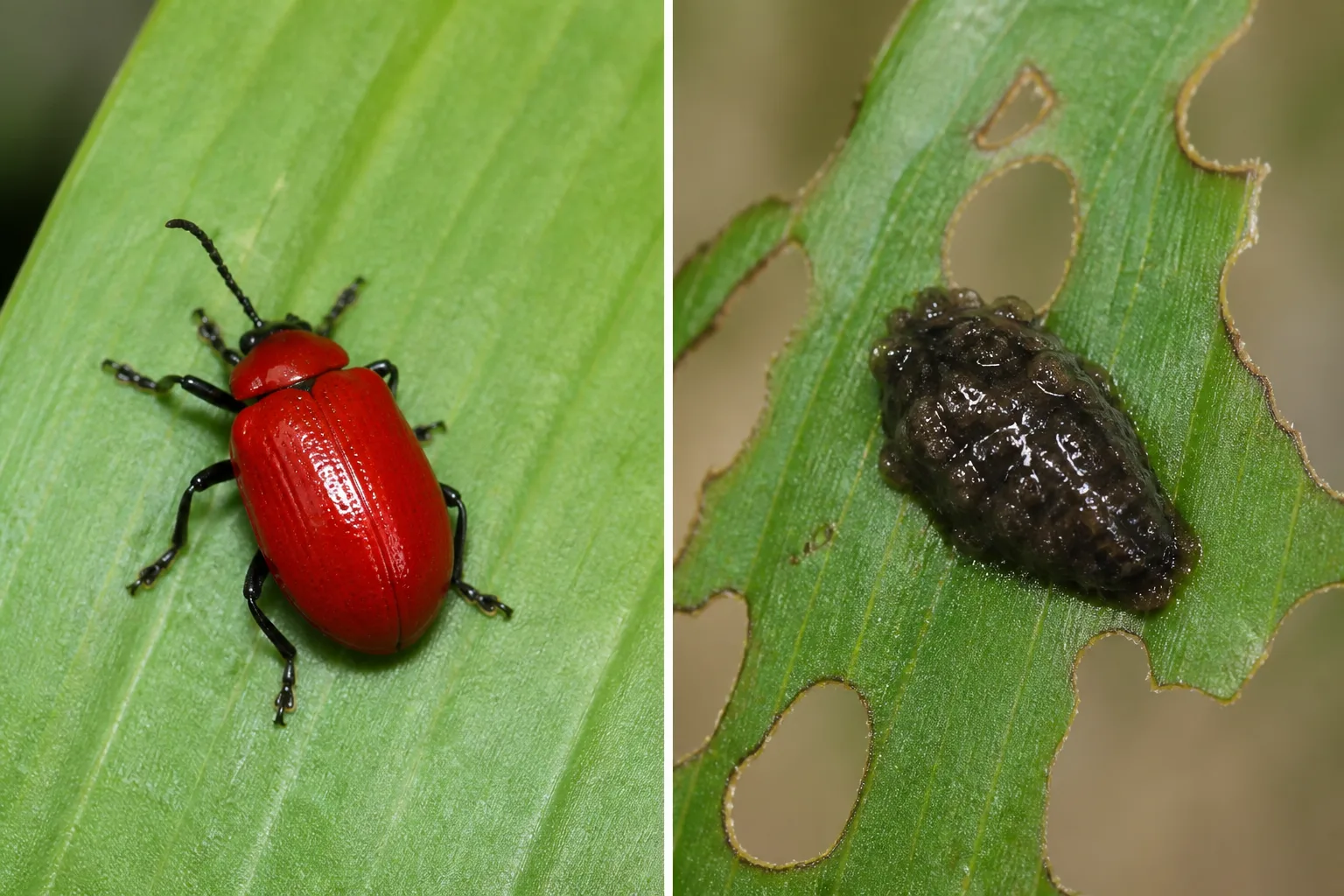
Bright red adults, dark messy larvae, and chewed leaves.
Clusters on buds and tender growth, sometimes spreading viruses.
Leaf spotting in wet, crowded plantings with poor airflow.
Deer and rabbits eat shoots, buds, and flowers.
Seasonal Care and Cut Flowers
Spring care is mostly protection. Mark clumps so you do not spear bulbs while weeding, and watch tender shoots for beetles, slugs, rabbits, or late frost.
In summer, water during dry spells and cut flowers when lower buds show color but have not fully opened. Leave at least one-third of the stem and leaves so the bulb can recharge.
That recharge period shapes the whole calendar, so cut flowers lightly, then let the remaining stems keep feeding the bulbs.
Protect new shoots, stake tall types early, and begin beetle checks.
Water during drought, cut flowers carefully, and deadhead spent blooms.
Divide crowded clumps after stems yellow.
Keep bulbs in drained soil with light mulch in cold exposed beds.
Some lily species and their close hybrids naturalize and slowly spread into larger colonies over the years, while many showy modern hybrids stay as a single clump that only grows through division.
Checking whether a specific type is described as naturalizing before planting sets realistic expectations for whether the patch will expand on its own or need active dividing to grow larger.
Cat Toxicity and Garden Safety
True lilies are among the most dangerous ornamental plants for cats. Chewing leaves, licking pollen, drinking vase water, or swallowing a petal can become an emergency.
If cats have access to your house, porch, or garden, skip Lilium and choose flowers the ASPCA lists as non-toxic to cats, such as Petunia or roses, instead.
For dogs and people, true lilies are still ornamental and should not be eaten, but the cat risk is the urgent one. Keep cut stems out of cat homes entirely.
Cut-flower safety needs the same standard as garden safety. Pollen brushed onto fur, a fallen petal, or vase water on a table can all matter for cats, so removing anthers is not enough if a cat can reach the arrangement.
Pet safety is not a small note with lilies. True lilies are highly dangerous to cats, including pollen and vase water, so indoor bouquets and outdoor beds both need placement decisions if cats can reach them.
Beyond the cat-toxicity risk, lily pollen carries a rust-colored dye that stains fabric, skin, and countertops on contact and is notoriously hard to remove once it sets. Snipping off the anthers just as flowers open keeps arrangements cleaner for the vase life of the bouquet, on top of the safety reason for doing it around cats.
Frequently Asked Questions
Are lilies and daylilies the same plant?
No, since true lilies are Lilium bulbs with upright stems, while daylilies grow from fleshy roots and form clumps of arching leaves. Their care and toxicity risks are different.
When should I plant lily bulbs?
Plant lily bulbs in fall or early spring, as soon as you can place them in cool, well-drained soil. Do not let true Lilium bulbs dry out for long before planting.
How deep should lily bulbs be planted?
Plant true lily bulbs about 2-3 times as deep as the bulb is tall, often 4-8 inches deep. Deeper planting helps anchor tall stems.
Can lilies grow in pots?
Yes, since lilies grow well in deep containers with drainage, a fertile potting mix, and steady moisture during growth. Protect pots from deep freezing in cold climates.
Are lilies poisonous to cats?
Yes, since true lilies in the genus Lilium are highly toxic to cats. Leaves, petals, pollen, and vase water can all be dangerous and require immediate veterinary advice.
Should I cut back lily stems after flowering?
Remove spent flowers, but leave green lily stems and leaves until they yellow. The foliage feeds the bulb for next year's bloom.
Sources & References
Related Plants
Daylily
Often confused with true lilies, but grown from fleshy roots and much more forgiving.
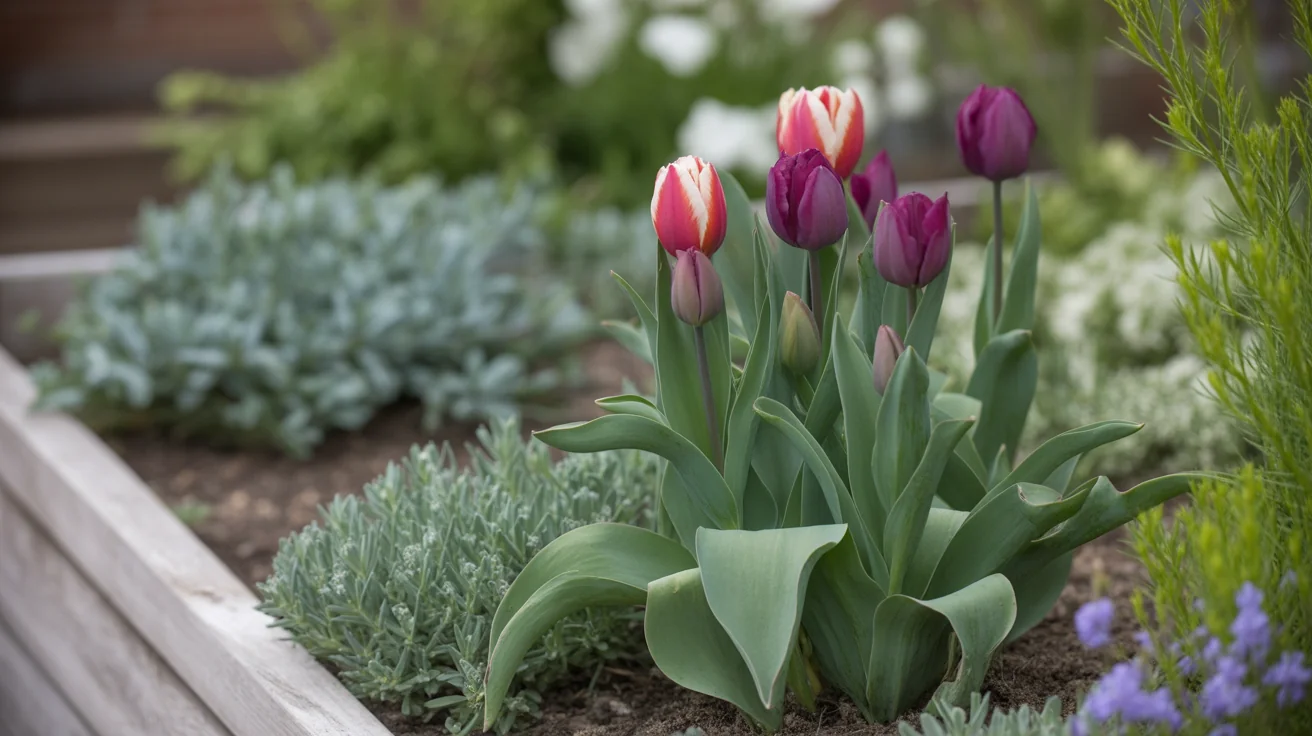
Tulip
Spring bulb that can lead into the later true-lily bloom season.
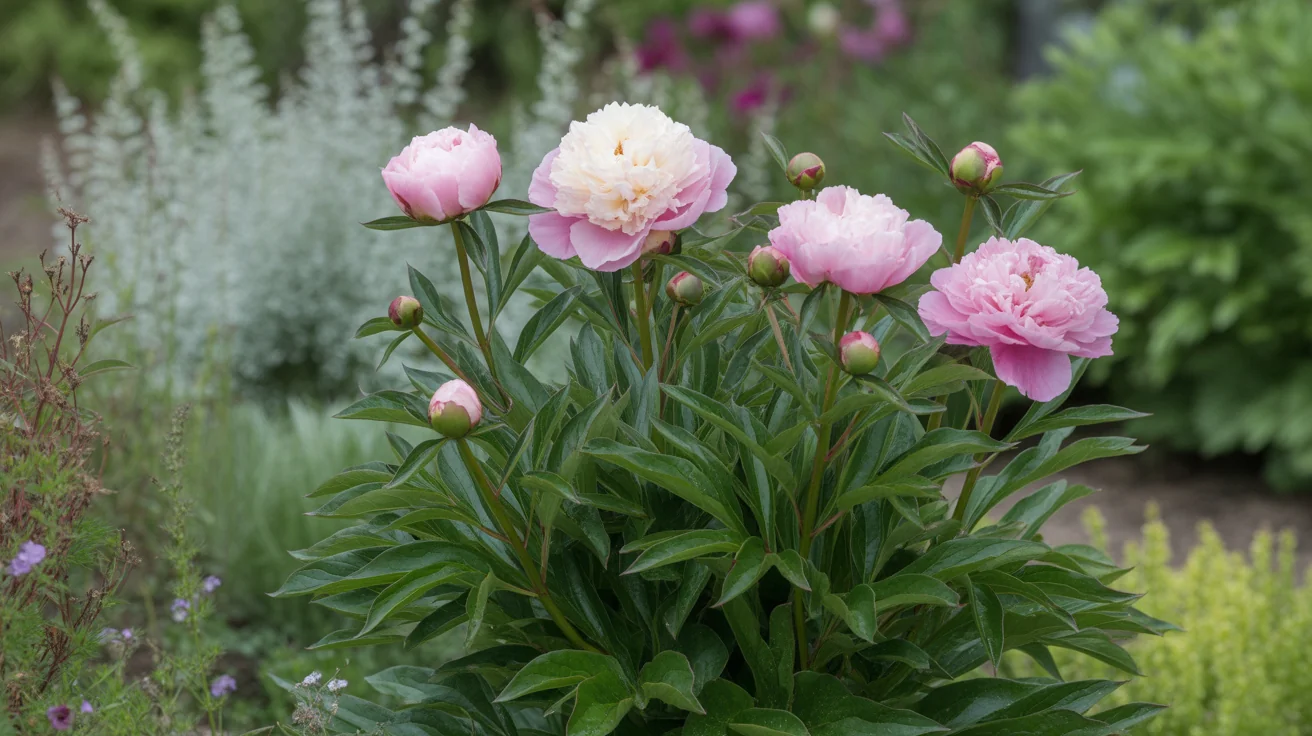
Peony
Earlier perennial that pairs well with lilies for a long sunny-border sequence.
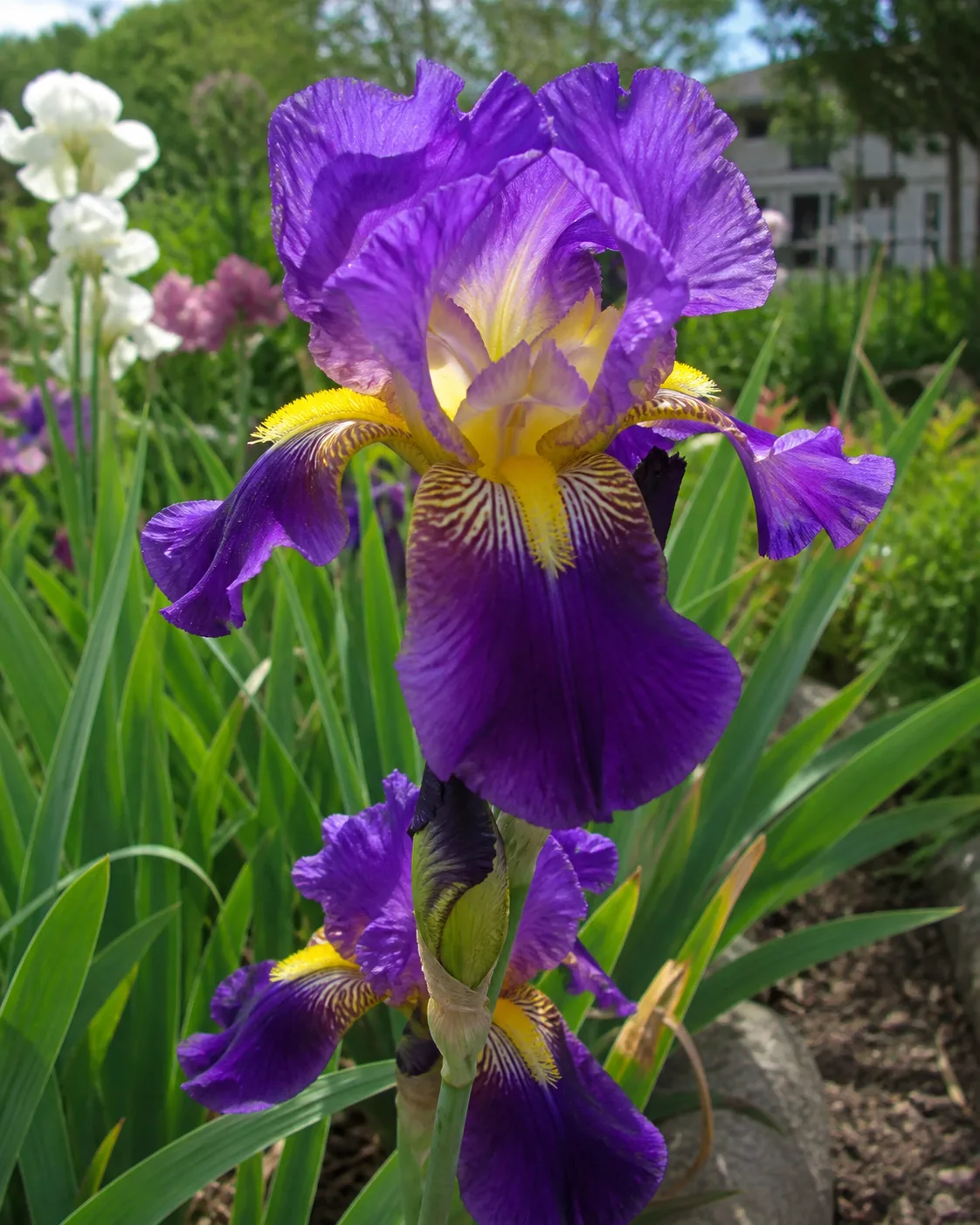
Bearded Iris
Bearded iris are tough, sun-loving perennials grown from shallow rhizomes, not deep bulbs.
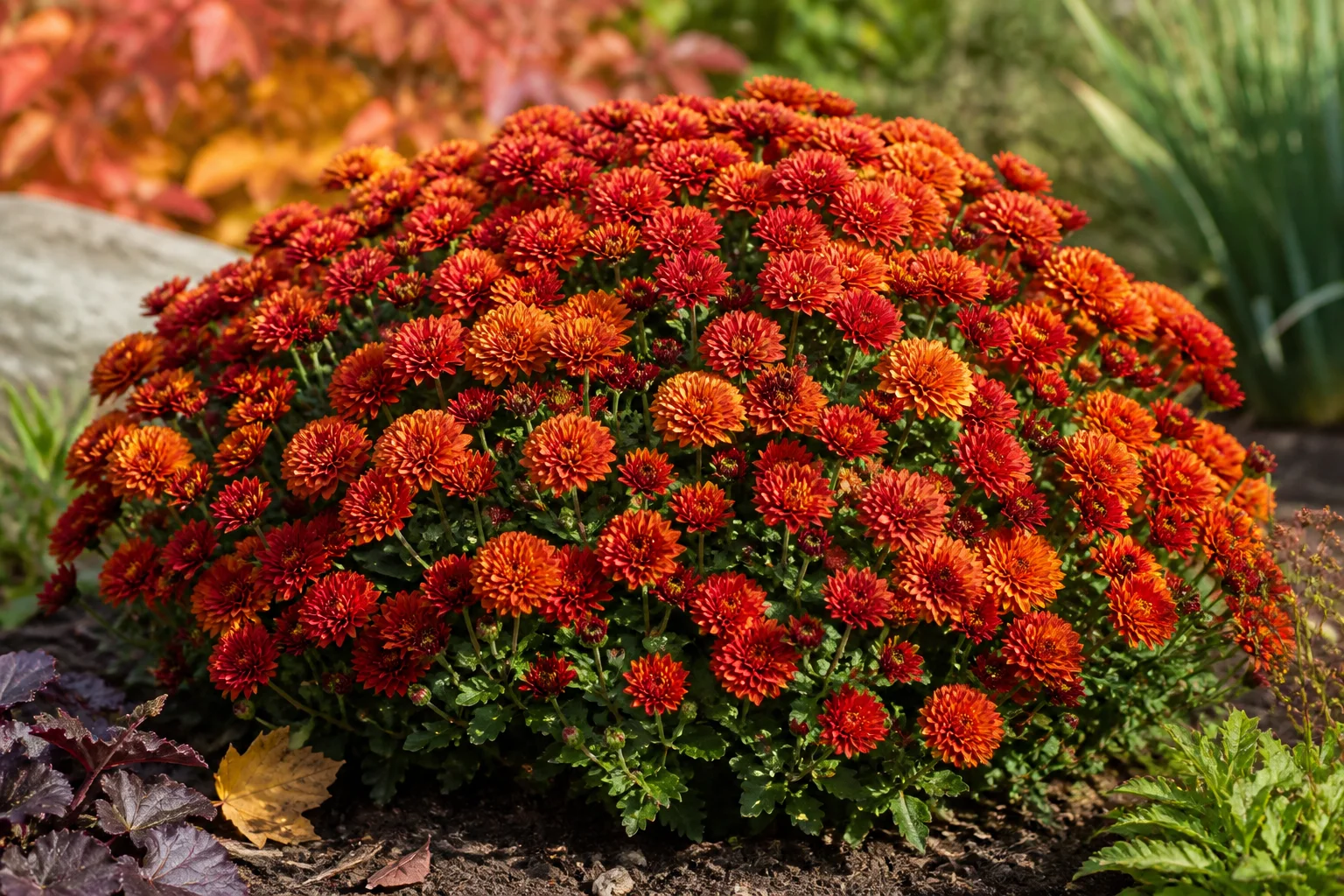
Chrysanthemum
Garden mums are the compact chrysanthemums most people buy for fall color.
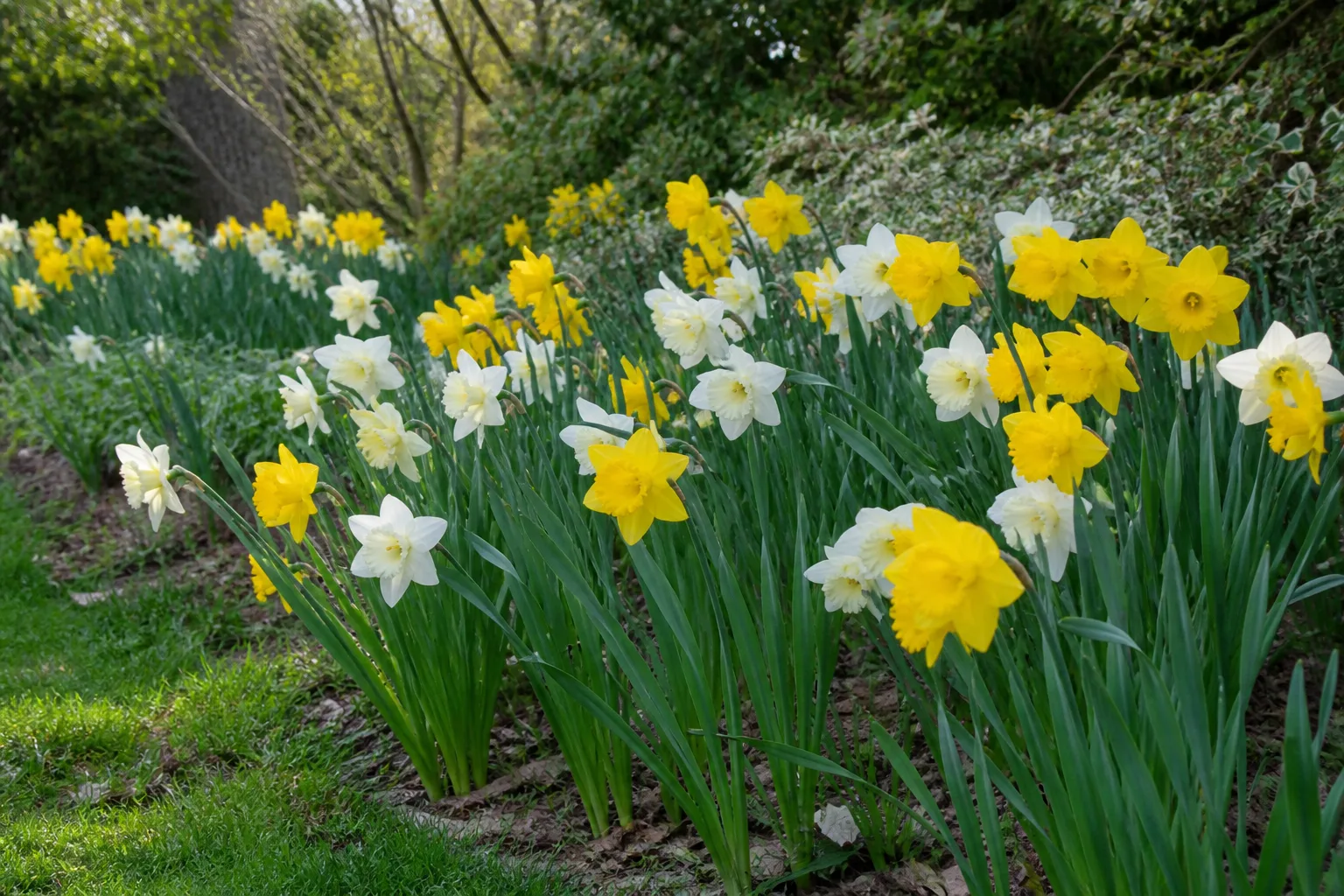
Daffodil
Daffodils are hardy fall-planted bulbs grown for reliable spring flowers, deer resistance, and decades of return bloom…