
What's Spirea? How to Prune for the Right Bloom Cycle
Spiraea spp. Rosaceae
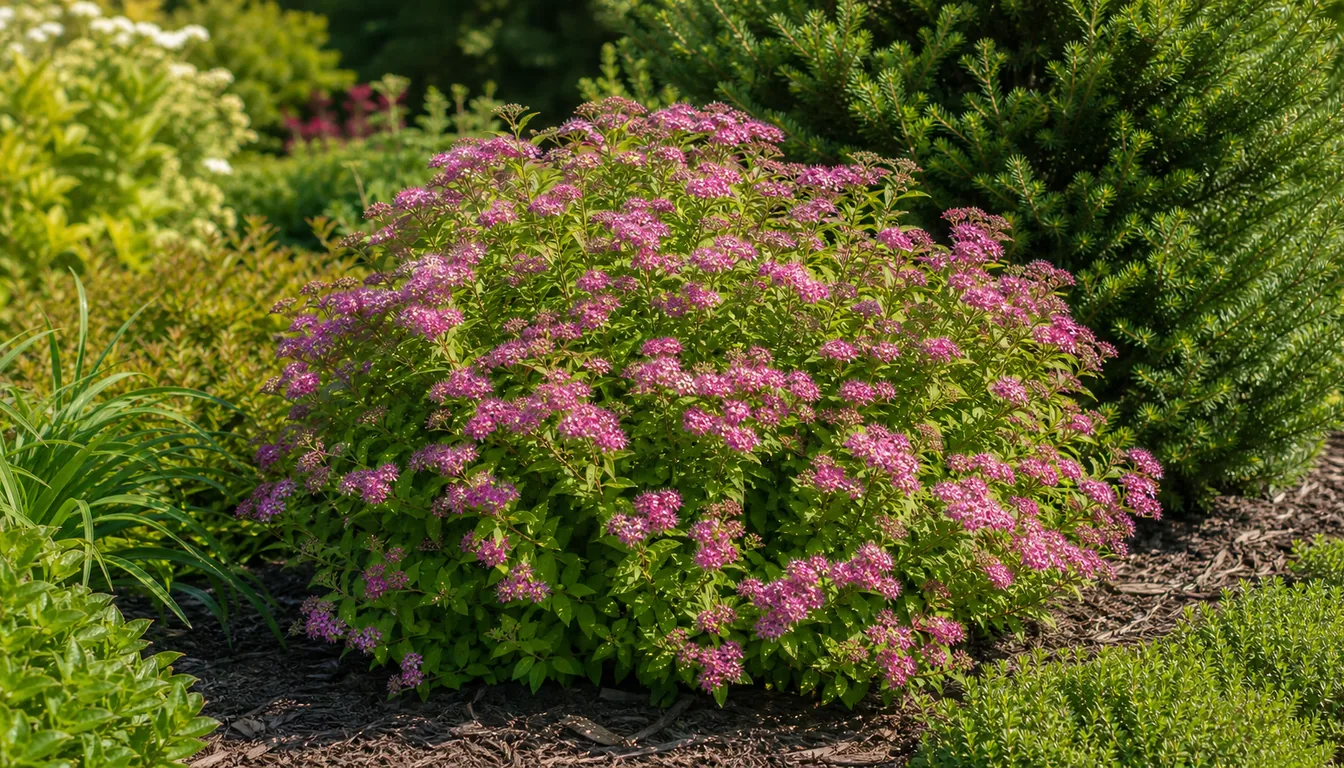
Spirea is a deciduous flowering shrub grown for spring or summer color, fine leaves, and easy border massing. It stays reliable when you know the bloom type, give it enough sun, and renew old canes instead of shearing every shrub into the same round green shell.
Care snapshot
What Is Spirea and Which Bloom Cycle Does It Use?
Spirea is a group of deciduous flowering shrubs in the rose family, with spring-blooming types that flower on older wood and summer types that bloom on new growth.
Spirea is a deciduous shrub in the rose family, but the name covers more than one garden habit.
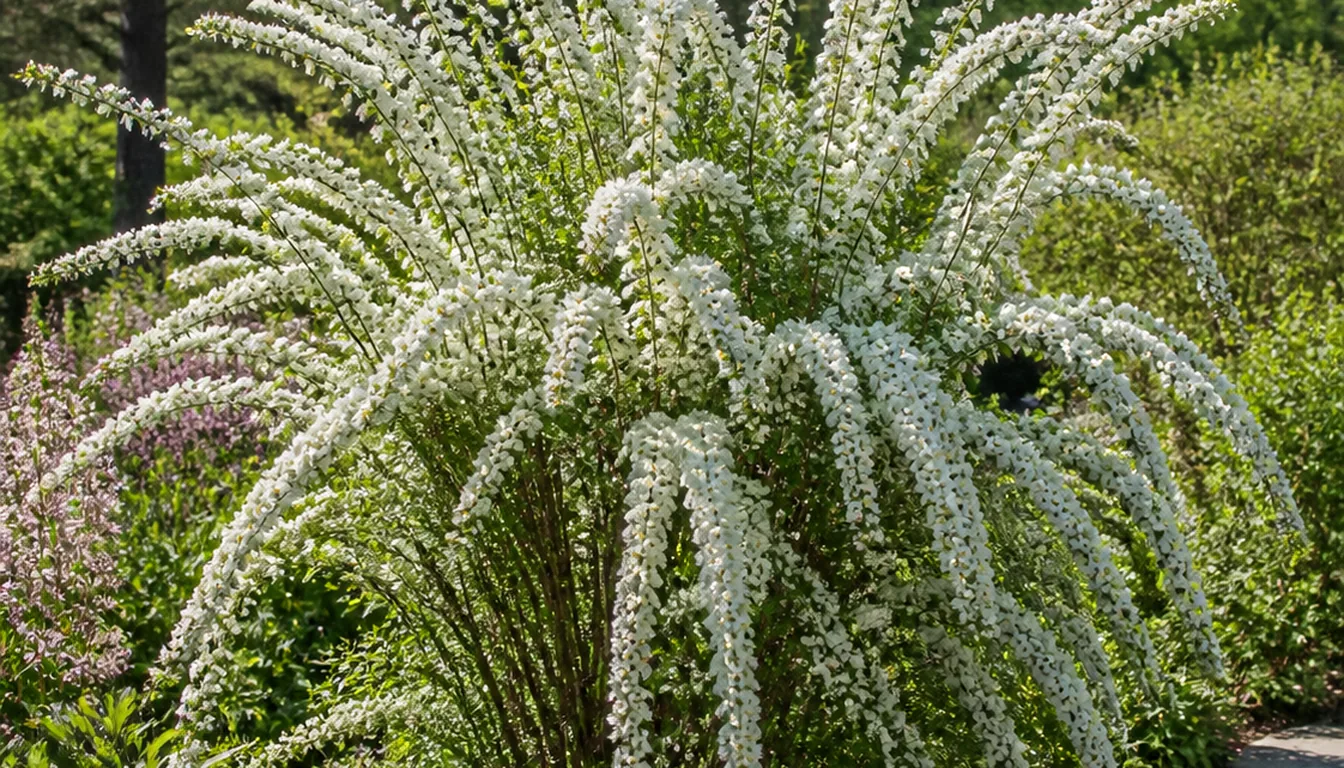
Bridal-wreath forms make arching spring branches, while many Japanese spireas form smaller summer-blooming mounds.
A good plant can look loose, fine-textured, and seasonal instead of clipped and evergreen.
That difference controls pruning. Spring bloomers need their flower show protected before you cut, while many summer bloomers can be reset more easily before new growth starts.
Look at the shrub during bloom and write down when it flowers. A shrub covered in white flowers on arching bare or newly leafed stems in spring should not be handled the same way as a compact mound that colors up through summer.
When the plant is unnamed, habit is often the clue. Long fountain-like canes usually mean you should protect the spring display, while tight mounded growth is more forgiving when it needs a late-winter reset.
Shearing every Spirea into a round ball solves the wrong problem. It hides old wood inside the plant and can erase the arching habit or the bloom cycle that made the shrub useful.
That is why the first useful question is not flower color, but whether the shrub blooms from old branches or fresh seasonal growth.
This also changes how much imperfection you should tolerate. A spring spirea may look loose after bloom and still be healthy, while a summer mound can be trimmed more often for a cleaner front-edge shape.
Unlike Weigela, Spirea often renews from multiple fine canes and stays lower in mixed borders. It differs from Boxwood because flowers and cane age matter more than a clipped evergreen outline.
- Botanical identity
- Spiraea species and hybrids, in the rose family Rosaceae
- Garden habit
- Deciduous mounding or arching shrub
- Bloom split
- Spring types flower on older wood; summer types generally flower on new growth
- Best light
- Full sun for dense growth, bloom, and strong foliage color
- Maintenance
- Renewal cuts at the base preserve form better than repeated surface shearing
- Selection rule
- Choose mature width and bloom season before flower color
Which Spirea Size and Foliage Color Fit Your Bed?
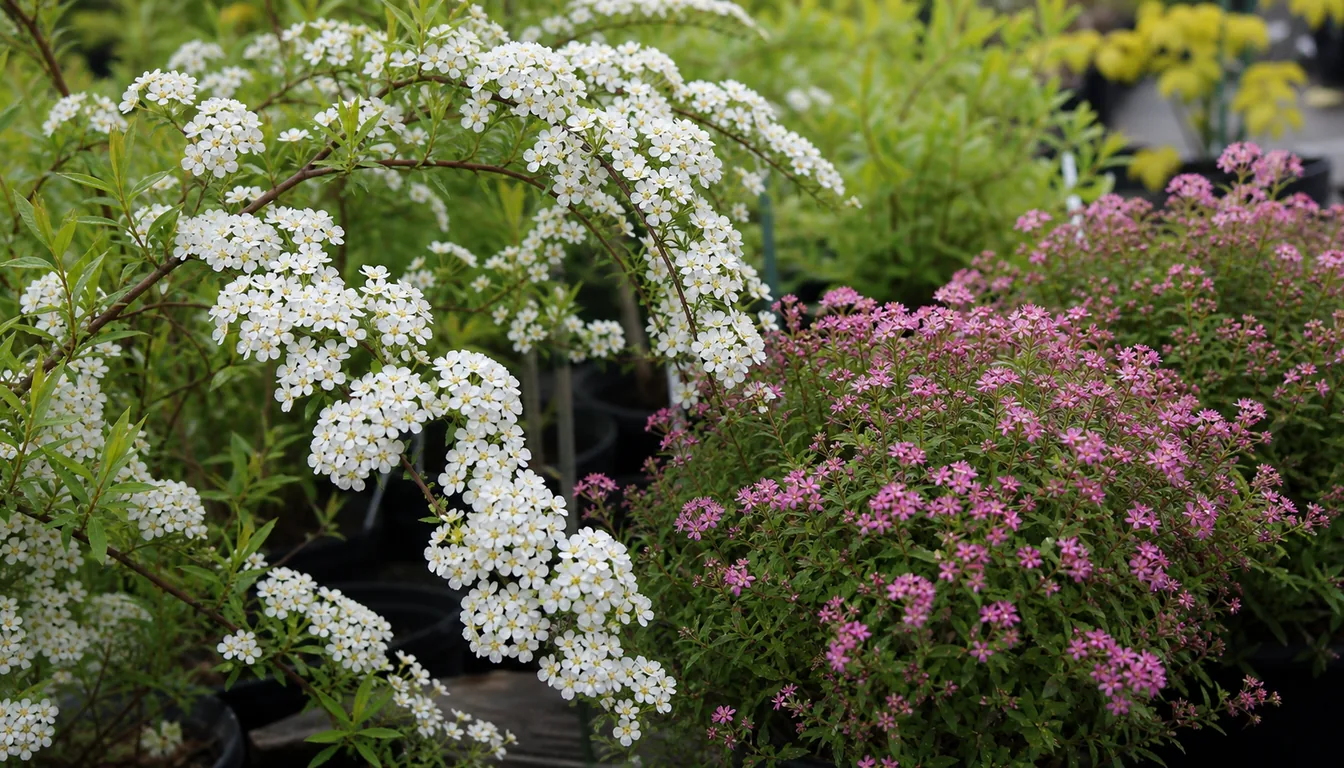
Flower color sells Spirea, but mature size decides whether you will enjoy it after bloom ends.
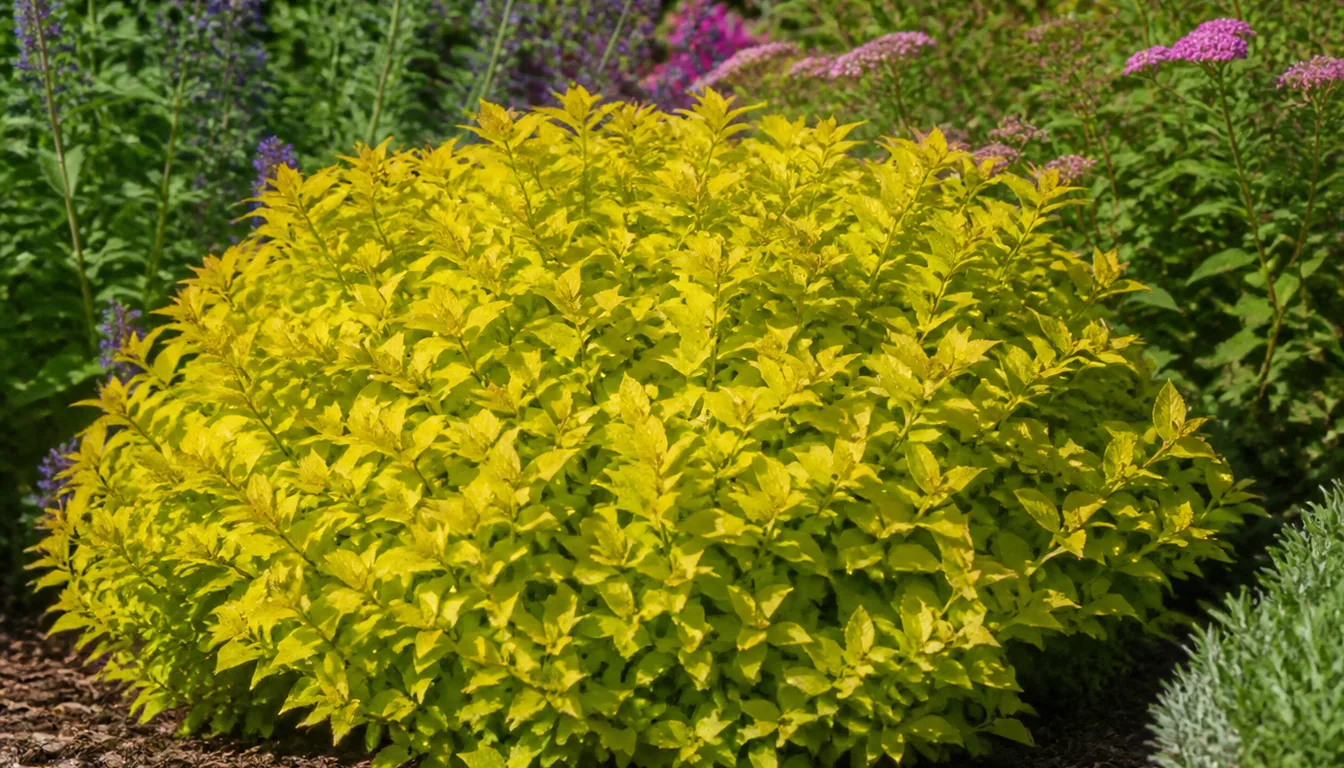
A compact gold-leaf mound and a tall bridal-wreath shrub solve different yard problems.
If the tag says 2 feet wide and the bed only gives 18 inches, pruning will become a permanent chore.
Gold and chartreuse foliage needs useful sun to stay bright. In too much shade, the color dulls and the stems stretch even when the plant survives, so a foliage cultivar can lose the exact trait you paid for.
Size names can be misleading because a compact cultivar still needs room for a rounded outline, mulch, and air around the base. If you plant it tight against edging, the front half gets cut every season and the shrub never shows its full habit.
Leaf color also changes the planting design. Bright gold foliage draws the eye even when flowers are gone, while green-leaf types rely more on bloom, shape, and neighboring plants after the main show.
For a low mixed border, Spirea can sit in front of larger shrubs such as Viburnum. For a formal evergreen edge, it is the wrong plant.
Choose taller arching types where they can spill slightly over mulch or low groundcovers. Choose compact mounds where a path, driveway bed, or foundation edge needs a lower plant that will not hide windows.
Buy from the mature size and habit first, then choose flower color inside that fit. That order prevents years of cutting a shrub that was too wide from the start.
It also keeps the plant's natural texture visible after the main bloom week ends.
- Bridal-wreath types
- Best for arching spring bloom and loose borders
- Japanese spirea
- Best for compact mounds, repeat color, and easier renewal
- Gold-leaf cultivars
- Best where sun is strong enough to hold foliage color
- Large old shrubs
- Best renewed by cane removal, not by shaving the outside
How Much Sun Does Spirea Need?
Spirea is forgiving, but bloom density is a sun report.
Strong light gives tighter growth, stronger flowers, and better color on gold foliage.
In a hot southern bed, a little afternoon shade can still be useful if morning sun is strong.
Heavy shade creates loose stems with fewer flowers. That is not a fertilizer problem.
Before feeding a weak bloomer, compare the sunny side and shaded side of the same plant. If the brighter side carries more buds, the shrub has already told you that light is the limiting factor.
Reflected heat can create the opposite problem for gold-leaf cultivars. Leaves may bleach, scorch, or look tired near pavement even when the same cultivar holds good color in a cooler sunny bed.
If the same bed is built for acid-shade shrubs such as Azalea, Spirea usually belongs on the brighter edge. It can share the border without sharing the deepest shade.
Light shade is most useful as relief from hot afternoon exposure, not as a full replacement for sun. Put spirea where it can receive enough direct or open bright light to build flower buds, then use neighboring shrubs for shelter.
Check shade and pruning timing before feeding.
Move toward brighter light unless heat scorch is visible.
Renew old canes instead of shearing the shell tighter.
How Should You Water a New Spirea?
Young Spirea needs regular water while roots spread into the bed.
Established plants handle short dry spells better than many flowering shrubs.
The first growing season sets the shape of later care. Deep soaking encourages roots to leave the nursery root ball, while shallow daily water keeps the plant dependent on the top inch of soil.
The mistake is pushing soft growth with too much water and fertilizer. Soft crowded stems bend, mildew, and need more cutting.
A plant that grows too fast can look full in June and tired by late summer.
If new shoots are long, pale, and floppy, reduce feeding before you blame the cultivar. Strong spirea growth should be flexible but not so lush that the mound opens after rain.
Average soil is fine if it drains. Improve compacted beds before planting, but do not create a wet compost pocket that stays soggy after rain.
A wide mulch ring helps young shrubs more than fertilizer because it protects shallow roots from heat and mower damage. Keep mulch off the crown so wet bark does not sit against the stems.
Use deep watering during establishment, then let the surface dry between soakings. The goal is a steady shrub, not constant lushness.
When and How Should You Prune Spirea?
Old Spirea often looks tired because every cut has been made on the outside.
The shrub keeps a woody interior and a thin green shell.
When flowers sit only on the outer tips, that is a pruning history you can see.
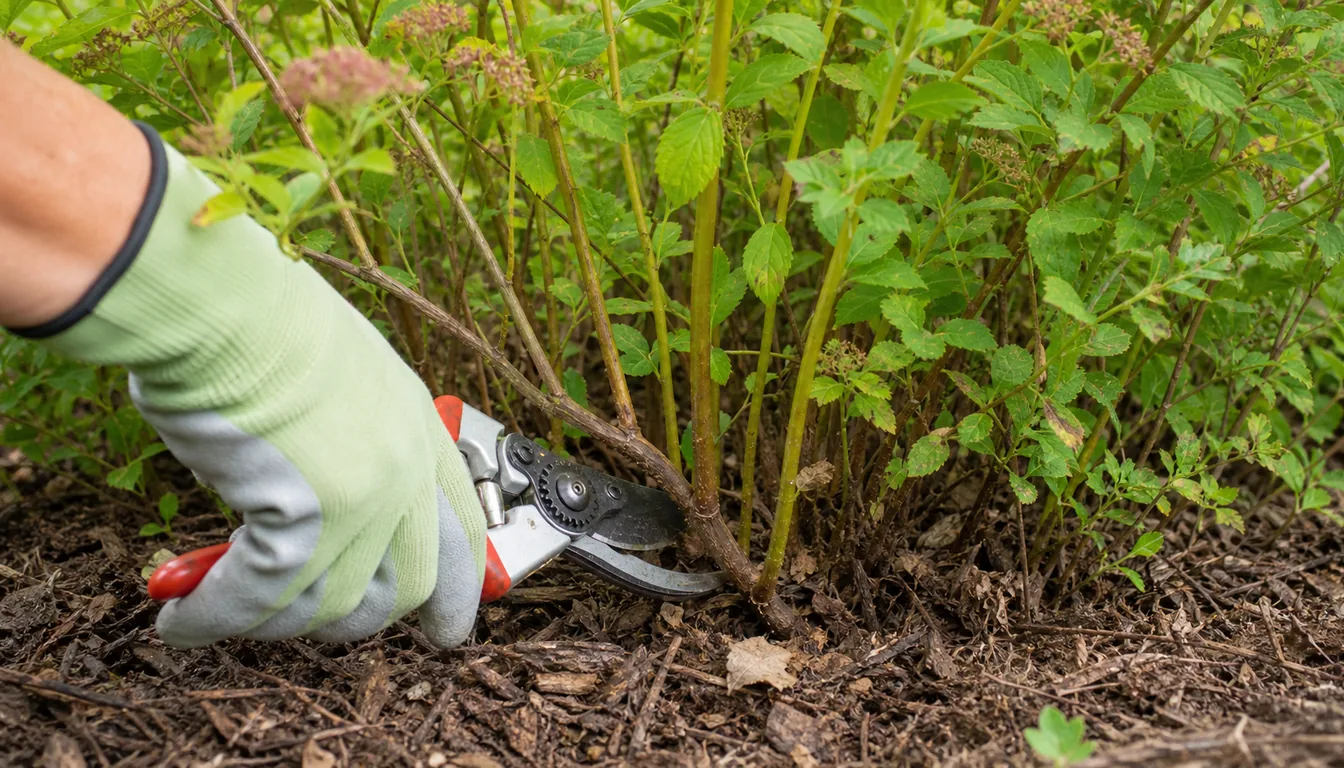
Open the plant with your hands before cutting and look for the oldest, darkest, least productive canes. Those are usually better removed at the base than shortened halfway, because a half-cut old cane still keeps the crowded center.
For spring bloomers, prune after bloom so next year's buds have time to form. For many summer bloomers, late-winter size cuts are safer because flowers come on new growth.
Deadheading spent summer flowers can tidy the plant, but it does not replace cane renewal.
Do not renovate every old shrub in one severe cut unless the plant is healthy enough to regrow and you are willing to lose a season of display. Removing a portion of old canes over several years is slower, but the bed stays presentable.
Remove a few oldest canes at the base when the plant gets crowded. That single choice does more for shape than another pass with hedge shears.
After renewal, leave enough young stems to make a natural mound. The goal is more light and air inside the plant, not a bare stump with all the texture removed.
This is why Spirea should not be managed like Privet. One is a flowering cane shrub, and the other is a clipped hedge with a different workload.
If you need a flat wall, plant a hedge shrub. If you want seasonal color, let Spirea keep some movement.
- Spring bloomers
- Prune after bloom so the next flower cycle can form
- Summer bloomers
- Use late-winter cuts when a clean reset is needed
- Woody center
- Remove old canes at the base over several seasons
- Rounded shell
- Stop shearing and rebuild from younger interior growth
Why Is Spirea Blooming Weakly or Turning Powdery?
Most Spirea problems start as site or pruning problems.
Weak bloom points to shade or wrong pruning timing before it points to fertilizer.
If last year's spring flowers were strong and this year's show vanished after a hard early haircut, the cut probably removed buds.
Powdery mildew shows more on crowded, soft, or poorly aired growth. Renewal pruning and sun often matter more than routine spraying, especially when the shrub is packed against a wall or taller neighbor.
Look at where the mildew starts. If it appears first in the tight center or on the shaded back side, pruning and spacing are giving you a clearer answer than the spray shelf.
Dead tips after winter can be cut back to live wood. Dead canes at the base are a renewal cue, not a reason to shave the whole shrub lower.
A few dead twigs after winter are normal on many deciduous shrubs. Whole dead sections, repeated dieback, or a loose root ball after frost heave deserve a closer root and crown inspection.
If beetle or aphid pressure appears, use natural pest control habits first. Inspect early, avoid overfeeding, and keep airflow open.
Check sun and whether you cut off buds.
Improve airflow and reduce soft crowded growth.
Remove old canes at the base over time.
Reduce fertilizer and avoid constant wet soil.
Where Does Spirea Work Best in a Landscape?
Spirea is strongest as a low flowering mass, a sunny border front, or a casual foundation shrub.
It is weaker as a formal hedge because it drops leaves and blooms in a seasonal wave, not as year-round green architecture.
Use it where the short bloom peak is allowed to be the point, then let foliage texture carry the quieter months. If the bed needs a show every week, mix spirea with perennials, bulbs, or evergreen shrubs instead of asking one shrub to do every job.
Pair it with evergreens if the bed needs winter shape. Yew or Boxwood can hold the quiet structure while Spirea handles seasonal color.
That pairing keeps the bed from looking empty after leaf drop.
Spacing matters in masses because each shrub needs enough room for light to reach the side branches. A solid line planted too close may bloom only on the outer surface and become woody in the center faster.
Repeat groups look better than one isolated shrub in many front beds because the bloom is brief. Three well-spaced plants can read as a deliberate seasonal band, while one clipped mound can look accidental after flowers fade.
No ASPCA or NC State pet toxicity record was found for spirea, so keep pets and children from eating the clippings. Keep cleanup simple after pruning.
For curb edges, keep mature width clear of parked cars and snow piles. A deciduous shrub that gets crushed every winter will need corrective pruning before it ever settles into the rounded shape you expected.
That space also makes spring cleanup and renewal cuts much easier.
Use Spirea where the flower mound is visible during its short peak.
Let evergreen shrubs hold winter shape behind it.
Avoid yearly shearing that hides old wood instead of renewing it.
Frequently Asked Questions
When should I prune spirea?
Prune spring-blooming spirea after flowers fade. Prune many summer-blooming types in late winter when a size reset is needed.
Why is my spirea not blooming?
Too much shade, old woody growth, or pruning at the wrong time usually explains weak bloom before fertilizer does.
Can spirea grow in shade?
Spirea can survive light shade, but full sun gives better flowers, denser growth, and stronger foliage color.
How do I fix old woody spirea?
Remove some oldest canes at the base and let younger canes replace them. Repeated shearing hides the woody center instead of fixing it.
Is spirea evergreen?
No. Spirea is deciduous, so pair it with evergreen shrubs if the bed needs winter structure.
Sources & References
Related Plants
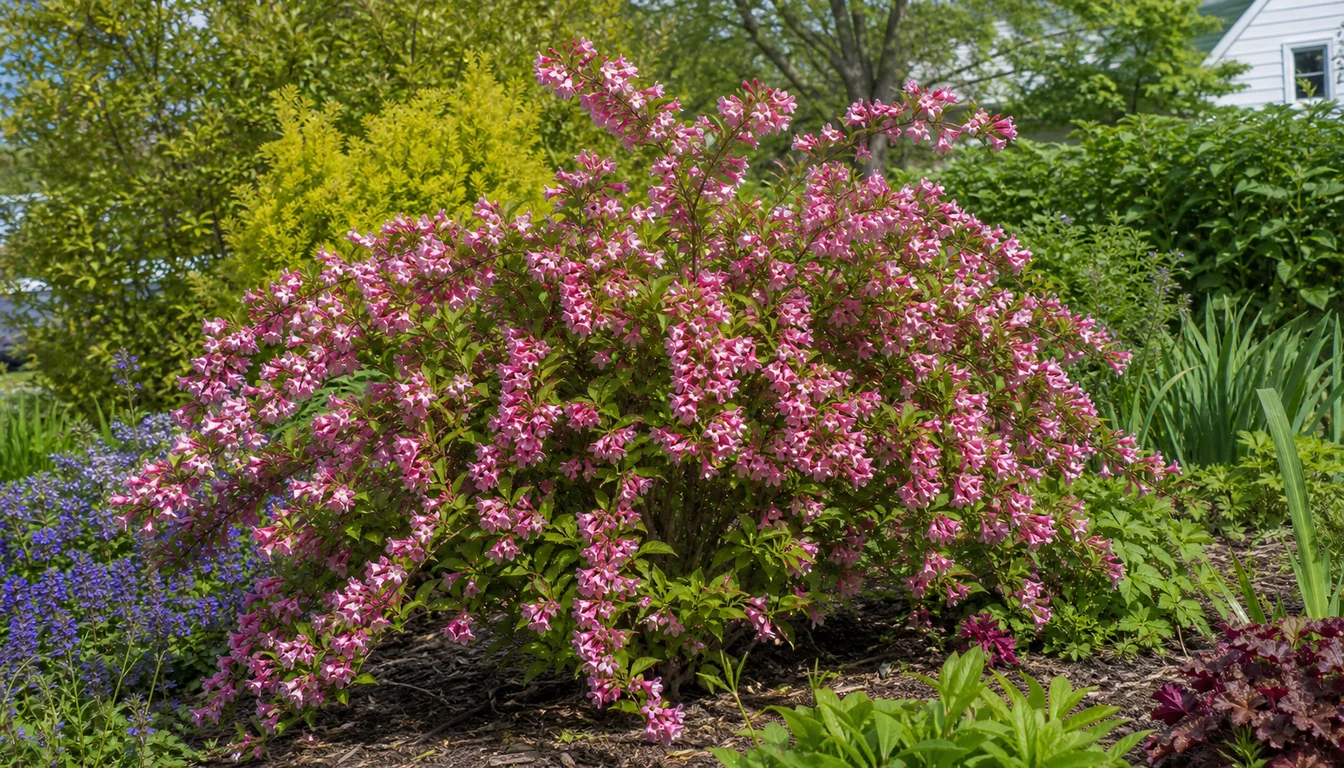
Weigela
Spring-flowering cane shrub with trumpet blooms and a different renewal rhythm.
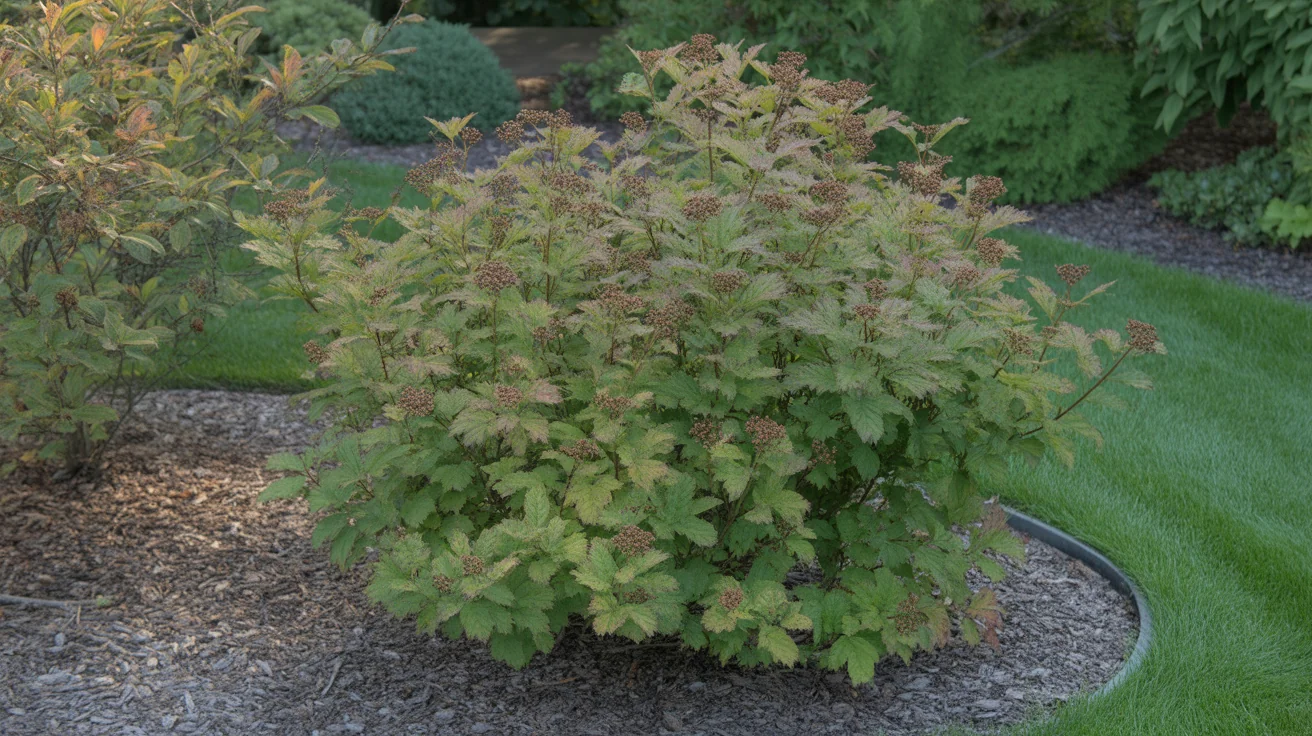
Viburnum
Larger flowering and berry shrub for mixed borders with more size variation.
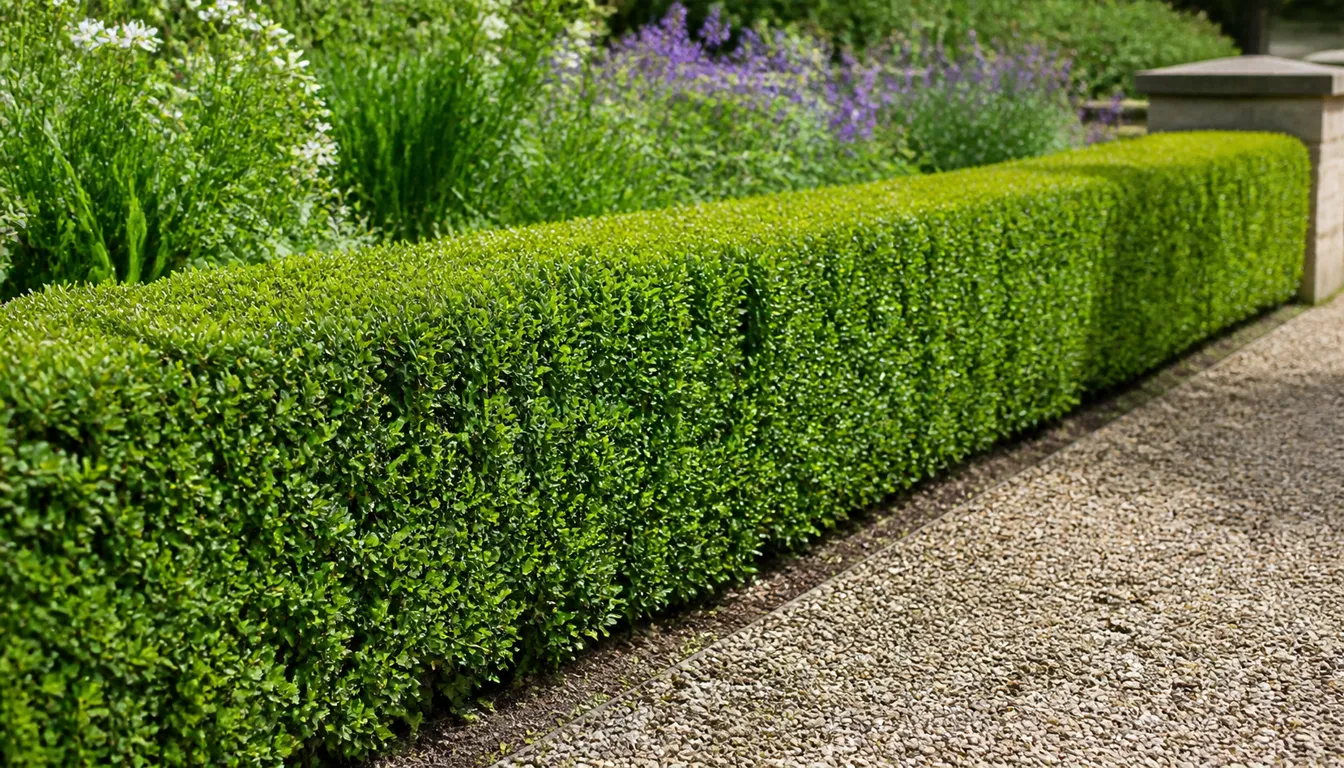
Boxwood
Evergreen structure shrub that fills winter shape where spirea drops its leaves.
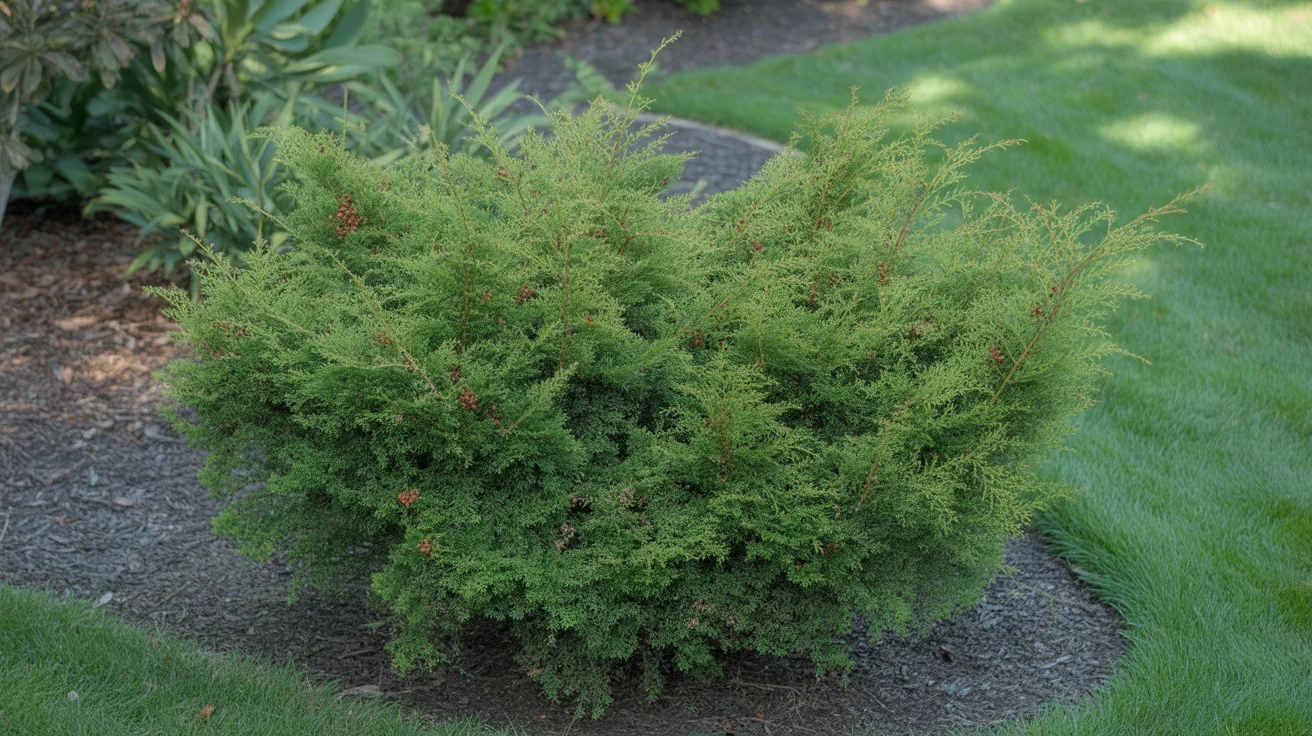
Arborvitae
Arborvitae can form a dense living screen where its mature width, exposure, and water needs fit the site.
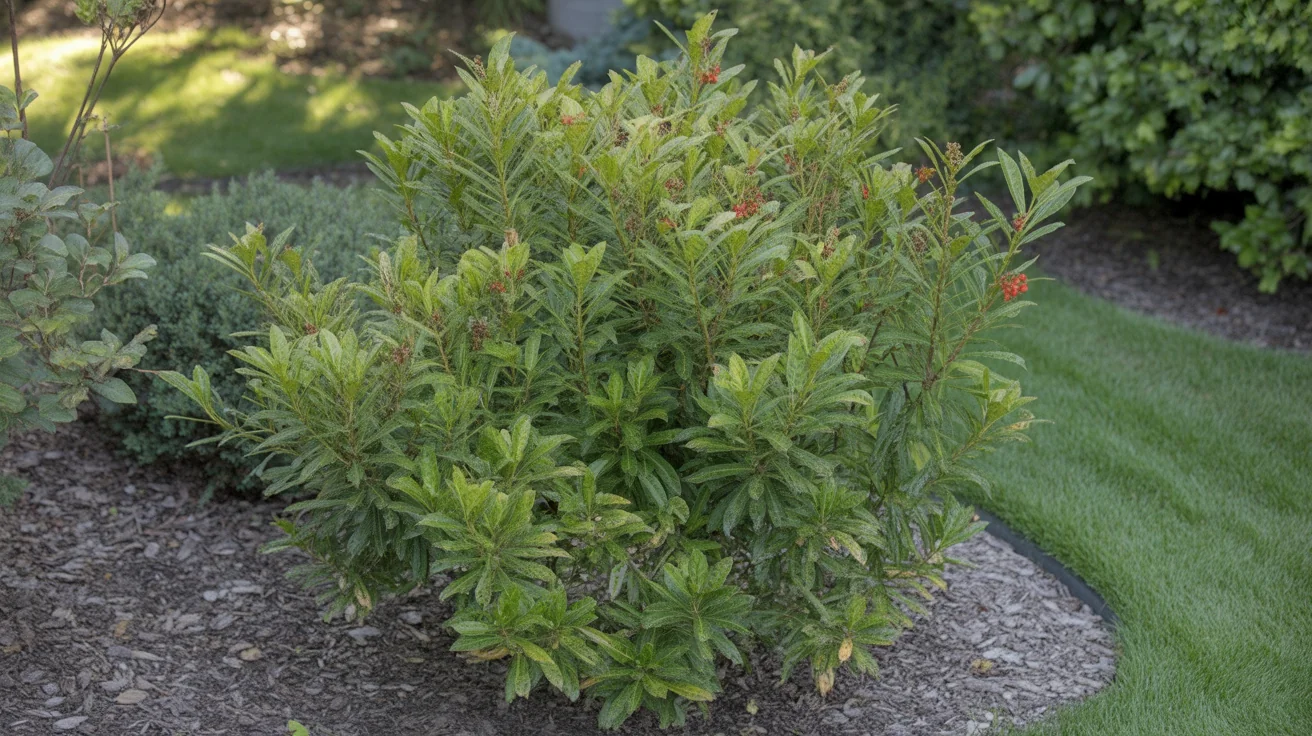
Aucuba
Aucuba is the shrub for bright shade with dry root competition. It keeps evergreen structure near north walls, porches…
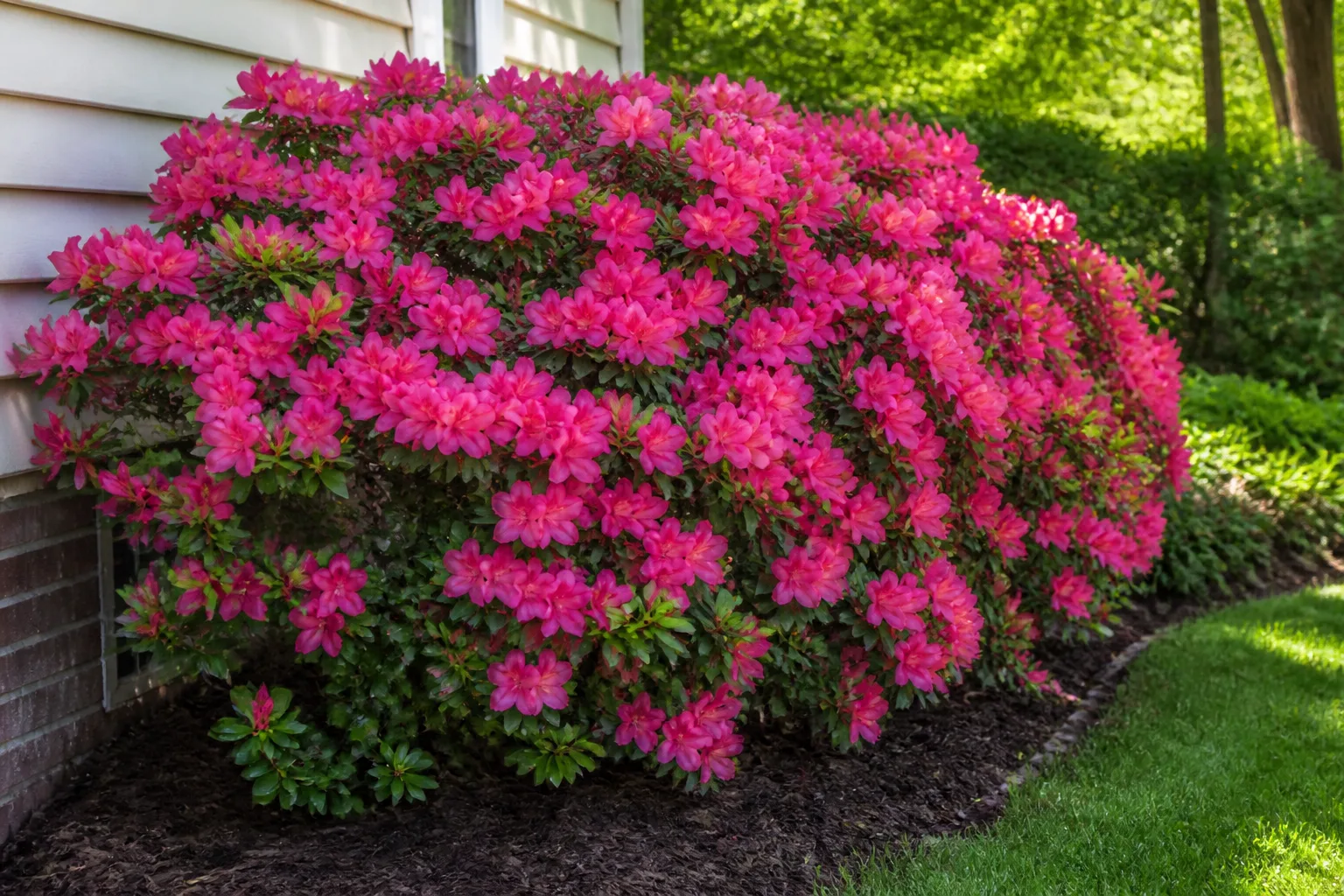
Azalea
Azaleas bring spring flowers, and some cultivars bloom again later in the year.