
How to Grow Beautyberry for a Full Display of Purple Berries
Callicarpa americana Lamiaceae
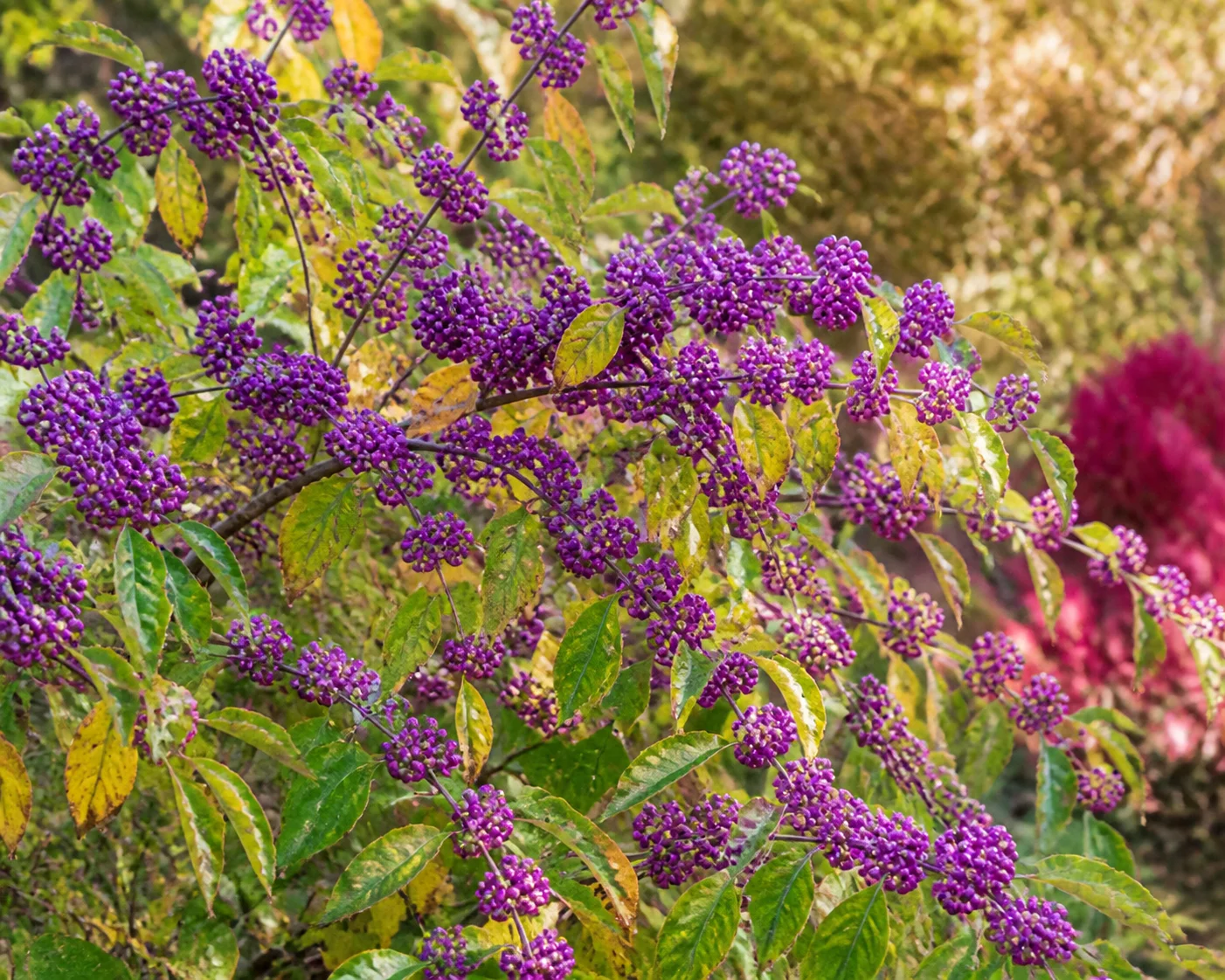
Beautyberry is a fall-berry shrub, not a formal hedge. Grow Beautyberry where loose arching stems can carry purple fruit in view, give it 6 hours of sun where possible, and prune for new flowering wood after the winter display has done its job.
Care snapshot
Grow Beautyberry for the Fall Show, Not a Clipped Shape
Beautyberry earns its space in late summer and fall when purple berries line the stems.
For a tight evergreen edge, choose boxwood instead, since holly can handle the winter-structure job better than a loose berry shrub.
The best placement puts the berries where people see them from a path, patio, or kitchen window. Tucking the shrub behind taller plants wastes the one moment it does better than almost anything else.
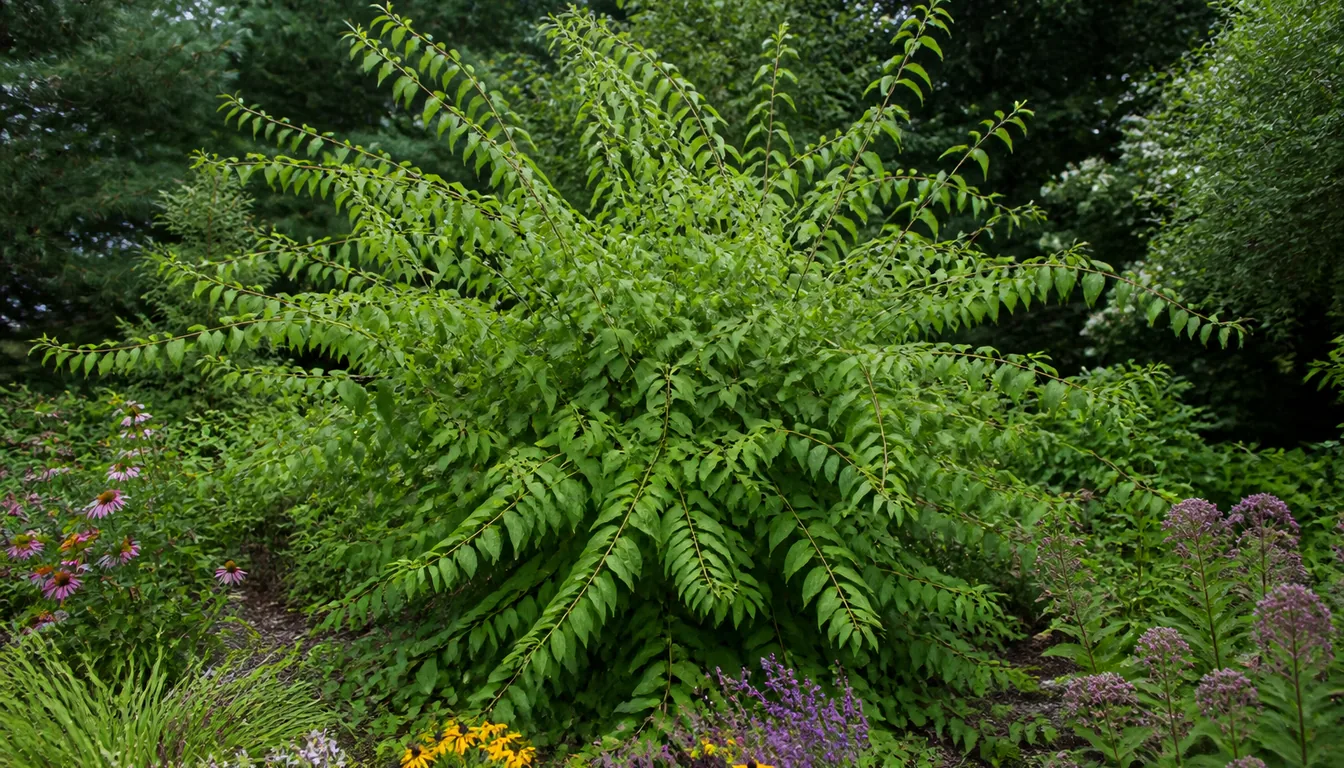
Let the stems arch. Repeated shearing cuts off the natural shape and can reduce the flowering wood that later carries fruit.
The shrub also changes how a bed reads by season. In spring it can sit quietly behind perennials or summer-blooming shrubs like hydrangea, while by fall it should move forward visually because the fruit is the feature.
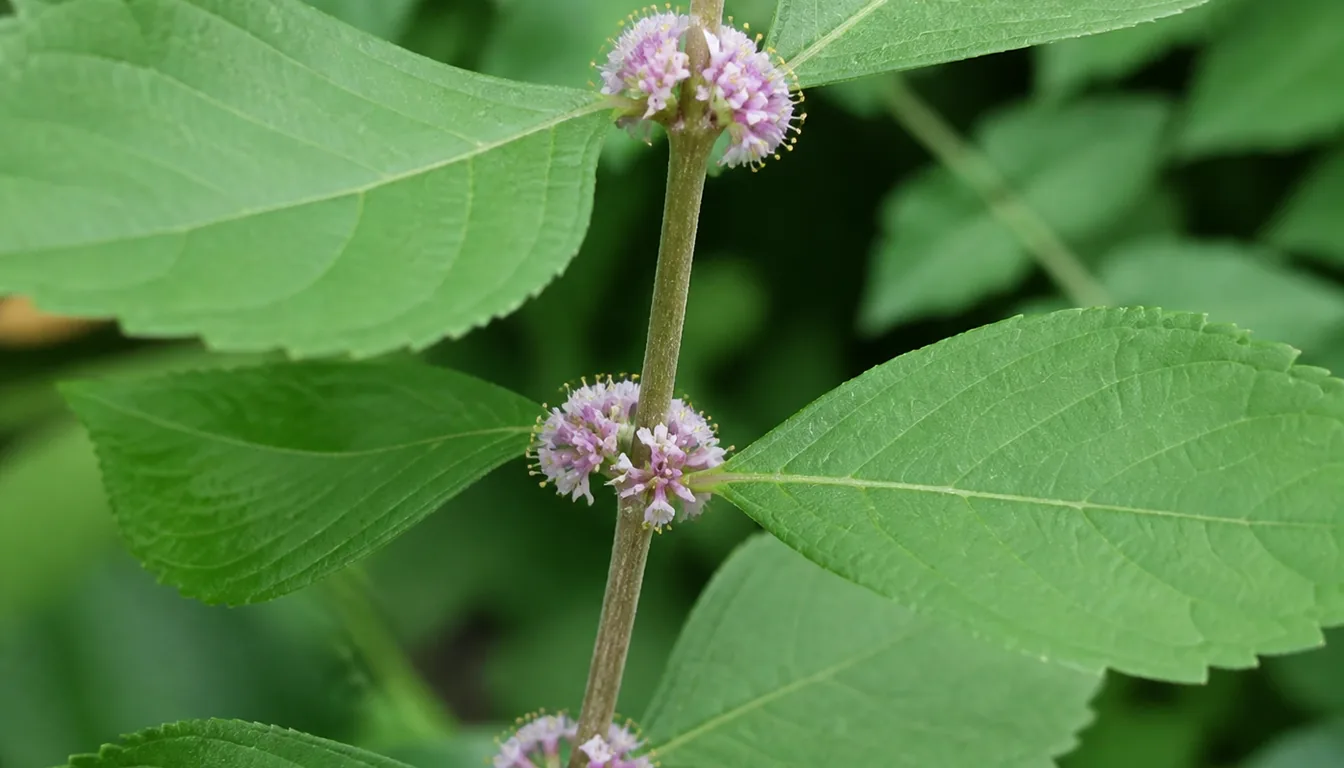
Small pink or lavender flower clusters appear in the leaf axils in early to midsummer, months before the berries color. They are easy to miss on a quick glance, but they are what the berries grow from, so a flower-free summer usually means a light or pruning problem worth fixing before fall.
Choose American Beautyberry When Wildlife and Scale Matter
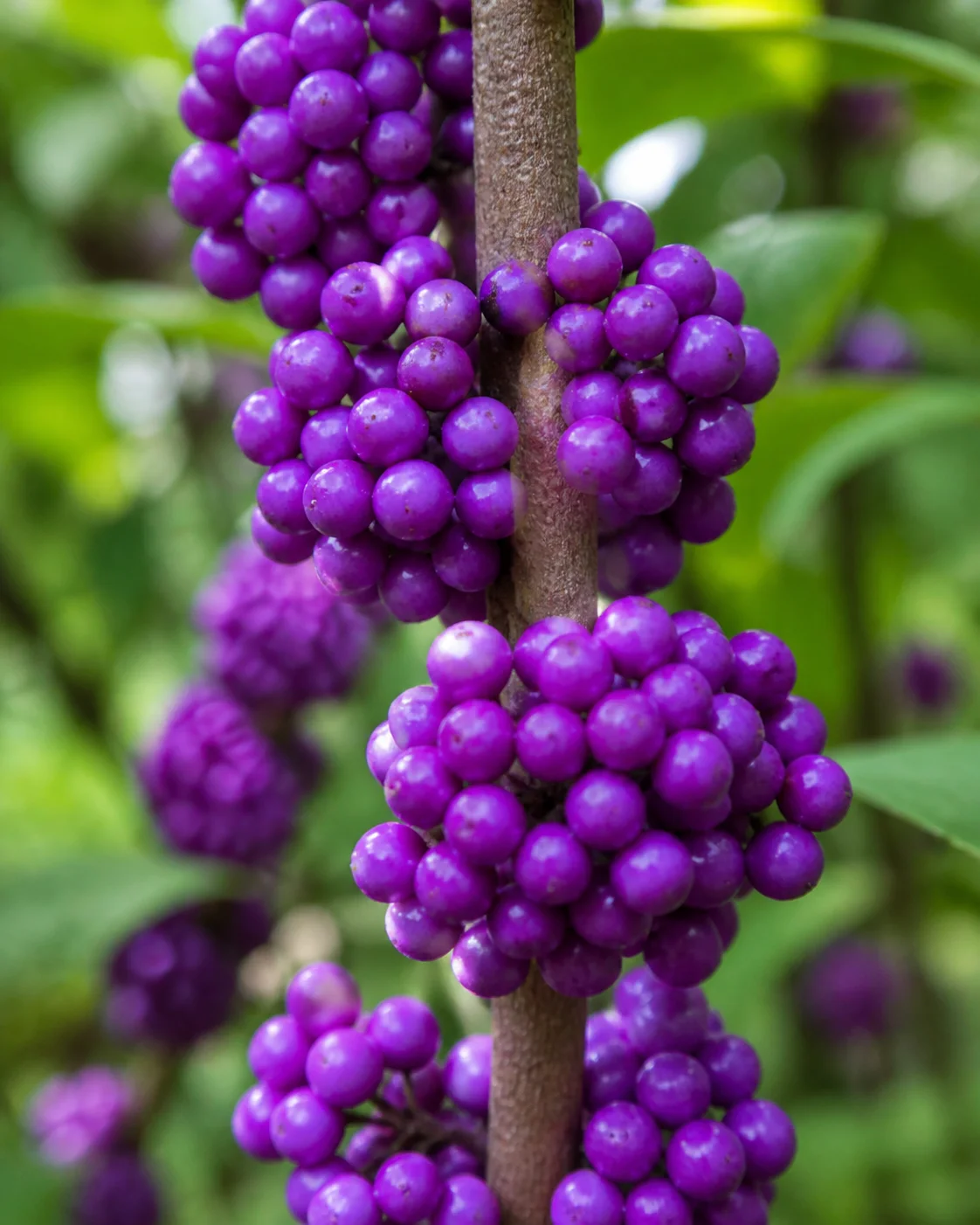
Callicarpa americana is the common native choice in much of the southeastern United States. It often grows 3-6 feet tall and wide, with berries held close to the stems in bright clusters.
Asian species and hybrids can be smaller, more compact, or different in berry shade. They may suit tight gardens, but check mature size and local hardiness before you buy.
Birds spread the seed after eating the fruit, so American beautyberry can pop up as volunteer seedlings in nearby beds and along fence lines over a few seasons. That is usually a welcome trait in a wildlife garden, but worth knowing before you plant it next to a tightly curated border.
- American beautyberry
- Loose, wildlife-friendly shrub; best where 4-6 feet of width is available.
- Compact forms
- Better near entries or small beds; still needs light for heavy fruiting.
- White-berried forms
- Quiet color; useful in pale planting schemes but less visible from distance.
- Asian species
- Often smaller; check zone rating and whether fruit display matches the tag.
Where the bed needs spring flowers before the berry show, place azalea or another early shrub nearby rather than expecting Beautyberry to carry that season.
A young plant usually needs its first two or three growing seasons to fill out to mature size and produce a really heavy berry set. Buying a bigger nursery specimen skips some of that wait, but even a small starter plant catches up faster than most people expect once its roots are established.
Give Enough Sun for Berries, Then Accept a Little Wildness
Berry set drops when beautyberry sits in too much shade. Aim for 6 hours of sun where summers are mild.
In hot southern yards, morning sun with light afternoon shade can still fruit well.
A plant in high shade may live for years and still disappoint you every fall. It will make leaves, stretch toward light, and carry sparse berry clusters.
That is not a fertilizer problem.
Use nearby plants to frame the show, not smother it. Fine-textured shrubs such as spirea or dark evergreens can make the purple fruit stand out without blocking light, since a plain green backdrop reads as a neutral stage instead of visual competition.
If the same bed already grows viburnum well in afternoon shade, test the brighter edge for Beautyberry instead of planting it in the deepest part.
Water Young Roots, Then Let the Shrub Toughen Up
New beautyberry plants need steady moisture while roots move into the surrounding soil. A deep weekly soak during dry spells in the first season is usually enough in average ground.
Most plants root in well enough to handle normal rainfall alone by their second summer in the ground. Containers and late-season plantings usually need that extra season of steady watering more than shrubs installed in early spring.
Established shrubs tolerate short dry periods, but berry quality can suffer if drought hits while fruit is forming. Water when leaves wilt in the morning or when soil is dry several inches down, since afternoon wilting alone is often just normal heat response that recovers by evening.
If berries shrivel before they color, look at late-summer moisture. The plant may survive the dry spell, but the fruit display can still suffer.
Soggy soil is the bigger long-term mistake. Raised planting or looser soil helps in clay.
A mulch ring keeps roots cooler without turning the crown into a wet pile.
- Water deeply during the first growing season.
- Do not keep the soil constantly wet.
- Mulch 2-3 inches wide around the root zone.
- Use deep watering habits during summer dry spells.
A mixed wildlife bed can share watering with butterfly bush during establishment, but Beautyberry should not stay constantly wet.
Beautyberry Tolerates Most Soils, but Drainage Still Matters
Beautyberry is not fussy about soil type and grows in sandy, loamy, or clay ground as long as water does not stand around the roots. A slightly acidic to neutral pH, roughly 5.5-7.0, suits it well, and most unamended garden soil already falls in that range.
Working a couple inches of compost into the planting hole helps young roots establish faster in poor or compacted ground, but established plants rarely need ongoing soil amendments the way heavier-feeding shrubs do.
Heavy clay is the one condition worth planning around, since standing water at the crown invites root rot faster than drought ever hurts this shrub. A slightly raised planting spot or a loosened backfill mix solves most clay-soil problems before they start.
Prune After Winter, Before New Growth Takes Over
Beautyberry flowers on new growth, so late winter pruning makes sense in many gardens. Cut back tired stems before spring growth starts, then let the shrub rebuild the canes that will flower and fruit.
Do not cut the plant down in fall right after berries appear. You lose the best display and remove food that birds may use later in the season.
Cold climates often do the pruning for you because stems can die back. Wait until you see what is alive in spring, then remove dead wood and shorten the rest to a strong bud.
Foliage often turns a soft yellow before it drops in fall, arriving around the same time as the berry color peaks. That leaf drop actually helps the display, since bare stems let the purple clusters show against the winter garden instead of hiding behind green leaves.
Fix Berry Failure by Checking Light, Pruning, and Plant Strength
Poor berries usually come from shade, bad pruning timing, drought during fruit set, or a young plant that has not built enough stems yet. Start with those before you blame pollination.
Too much nitrogen from a lawn feeding program that drifts into the bed is a common hidden cause of lush, berry-free growth. Skipping fertilizer near an established, poorly fruiting plant for a season is often the simplest fix before trying anything more complicated.
A single beautyberry can fruit, but groups often look better because more flowers attract more pollinator visits and the visual mass is stronger. Planting three shrubs in a loose drift can turn scattered fruit into a real fall feature.
- Lots of leaves, few berries
- Too much shade or too much nitrogen.
- No berries after hard fall cut
- Fruit wood removed before the display matured.
- Small dry berries
- Drought during fruit formation.
- Weak new stems
- Old wood not renewed or roots still establishing.
If the plant grows leafy and skips fruit after heavy feeding, stop fertilizing and let the soil settle. Rich feeding pushes foliage at the expense of the fall display.
Use Cuttings for Matching Plants, Seeds for Patience
Softwood cuttings in early summer are the fastest way to copy a good beautyberry. They keep the parent's berry color and form, which matters if you are building a repeated drift.
A rooting hormone dip on the cut end speeds up cuttings that come from a slightly older, semi-hardened shoot instead of the very softest new growth. That small step often makes the difference between a batch that roots reliably and one that mostly rots before it takes hold.
Seeds work, but they add waiting time and variation. Clean pulp from ripe berries, chill the seed if needed, and expect seedlings to take longer before they show their full berry habit.
Fresh seed sown outdoors in fall often germinates the following spring after winter cold breaks its dormancy, while seed started indoors usually needs a cold, moist stratification period of 60-90 days in the refrigerator to sprout reliably.
- Take flexible 4-6 inch cuttings from non-flowering shoots.
- Leave one or two top leaves and remove the lower leaves.
- Root in a light perlite and peat or coco mix.
- Keep bright shade and humidity until roots form.
- Grow young plants in pots before planting them into the display bed.
Expect Light Pest Pressure Unless the Plant Is Stressed
Beautyberry is usually easier than many ornamental shrubs. Aphids, mites, or leaf spots may show up, but they rarely define the plant unless shade, drought, or crowding already weakened it.
Inspect the newest growth first. Curled tips suggest aphids.
Fine stippling during hot dusty weather suggests mites, while leaf spots in crowded, wet foliage call for better spacing and cleanup.
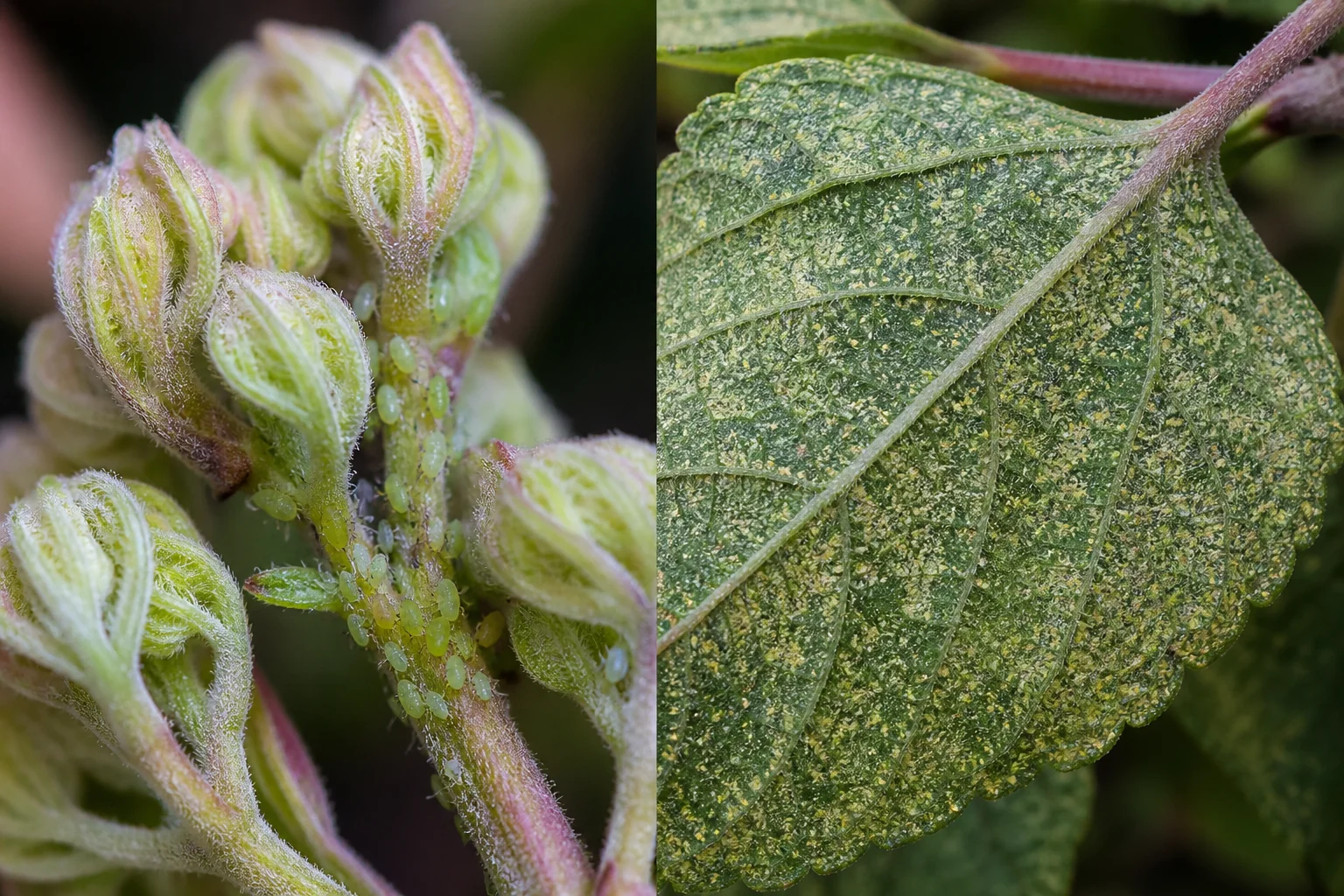
Curled soft tips; rinse first before reaching for soap.
Fine stippling during dusty heat; improve watering and hose leaves.
Usually worse in crowded damp growth; thin dead stems and avoid overhead watering.
Start with water spray, pruning out dead stems, and fixing the site. Save stronger treatments for clear pest populations, especially when nearby berries and flowers are feeding birds and pollinators.
Deer generally leave beautyberry alone compared with many other landscape shrubs, which makes it a workable choice in yards where deer browsing ruins more tender plantings. Occasional hard browsing still happens in a bad winter, so young plants may still need protection their first season or two.
Let Wildlife Use the Berries, But Keep the Plant in Bounds
Birds use Beautyberry fruit, and the small summer flowers support insects before the purple show appears. That makes it a stronger wildlife shrub than many color-only choices.
Bees and small butterflies visit the summer flowers for nectar, adding a second wildlife job to a shrub most people plant for the fall fruit alone.
That two-season wildlife value is a real argument for giving the shrub a permanent, undisturbed spot instead of treating it as a one-season accent to swap out once the berries fade.
People and pets should not treat the berries as snacks. No ASPCA or NC State pet toxicity record was found for American beautyberry, so its effect on a pet that eats the berries is unknown.
Because the plant is loose, give it enough bed depth. If you force it beside a narrow walkway, you will keep cutting off the stems that make the shrub worth growing.
Pair it with cleaner evergreen mass from yew if the bed needs winter structure.
In native-focused beds, Beautyberry pairs well with layered shrubs instead of standing alone. A flowering neighbor such as viburnum can carry spring interest while Beautyberry waits for fall.
Frequently Asked Questions
Does Beautyberry need full sun?
Beautyberry fruits best with about 6 hours of sun, though in hot southern climates, morning sun and light afternoon shade can still work. Deep shade gives leaves but fewer berries.
When should I prune Beautyberry?
Prune Beautyberry in late winter or early spring before new growth starts. Do not cut it down in fall if you want to enjoy the berry display.
Why does my Beautyberry have no berries?
Check light first, then pruning timing, drought during fruit set, and plant age. A young or shaded Beautyberry may need more time or a brighter site before it fruits heavily.
Is Beautyberry good for birds?
Yes, birds eat the berries, and the shrub gives loose cover. Beautyberry works best in a mixed wildlife bed where it has room to arch.
Sources & References
- North Carolina State Extension, Callicarpa americana (American Beautyberry)
- Callicarpa americana, Lady Bird Johnson Wildflower Center
- Pruning Shrubs in the Landscape, University of Georgia Extension
- University of Florida IFAS Extension, Callicarpa americana, American beautyberry
- Missouri Botanical Garden Plant Finder, Callicarpa americana
- American Beautyberry, University of Florida IFAS Extension
Related Plants
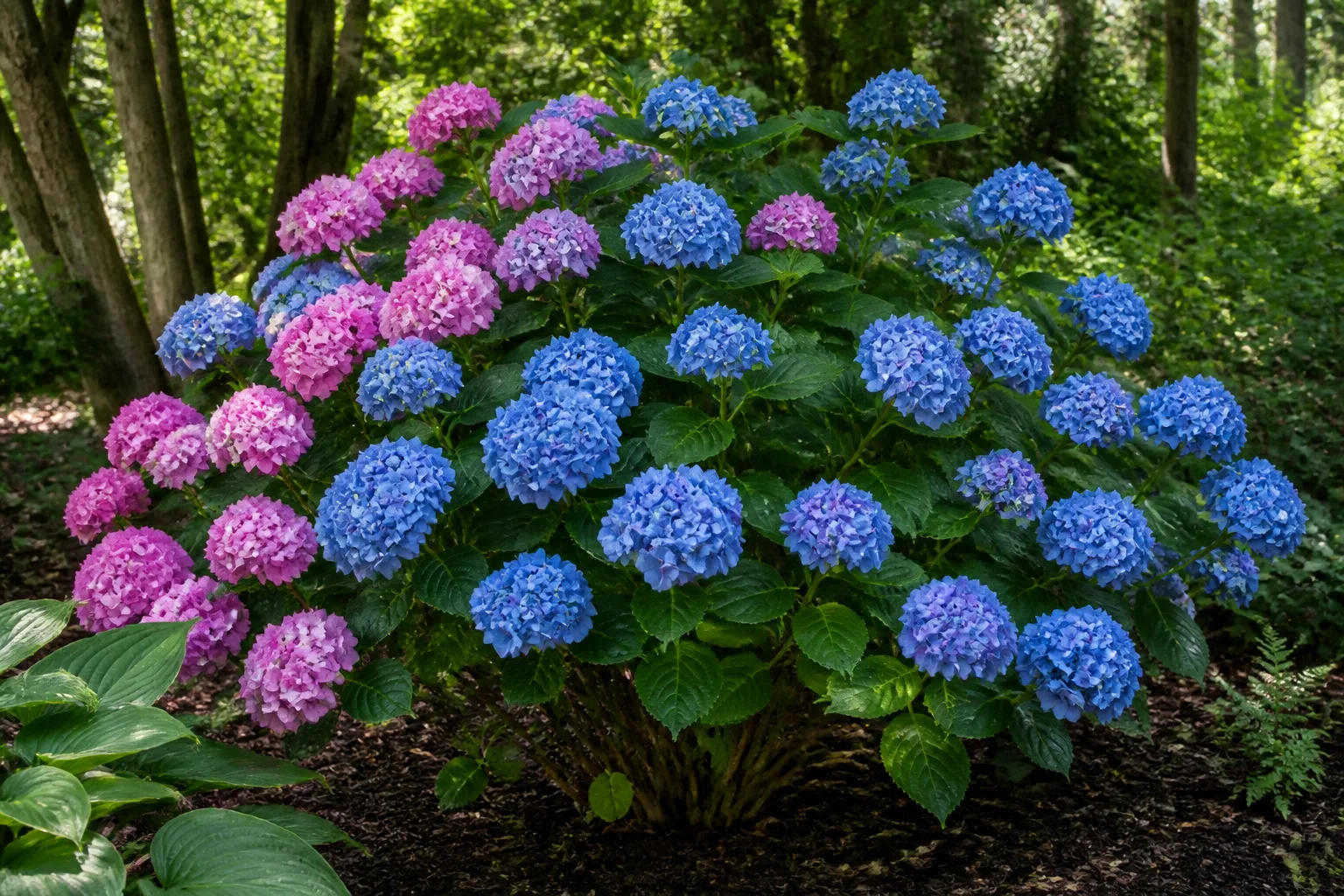
Bigleaf Hydrangea
Classic flowering shrub that pairs well with beautyberry for summer blooms and fall berries.
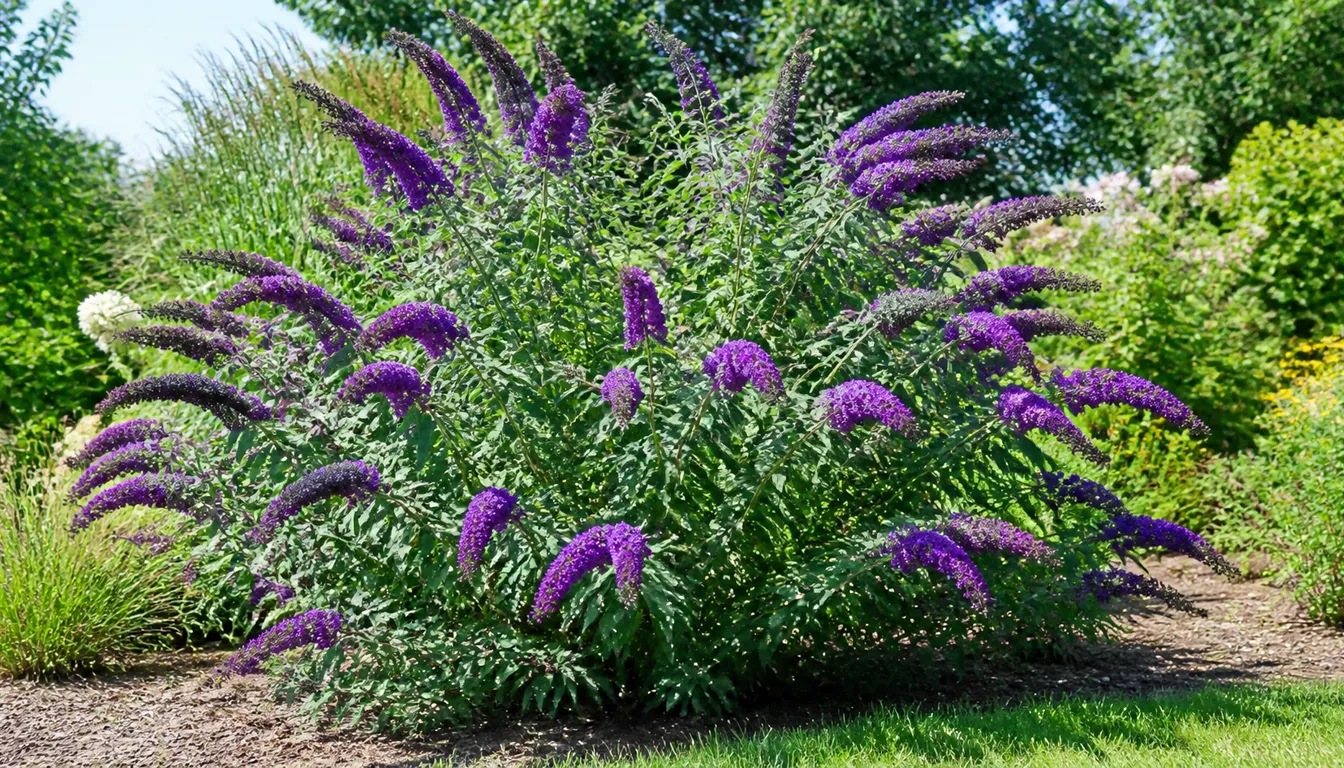
Butterfly Bush
Another pollinator-friendly shrub that can extend color through summer ahead of beautyberry fruit.
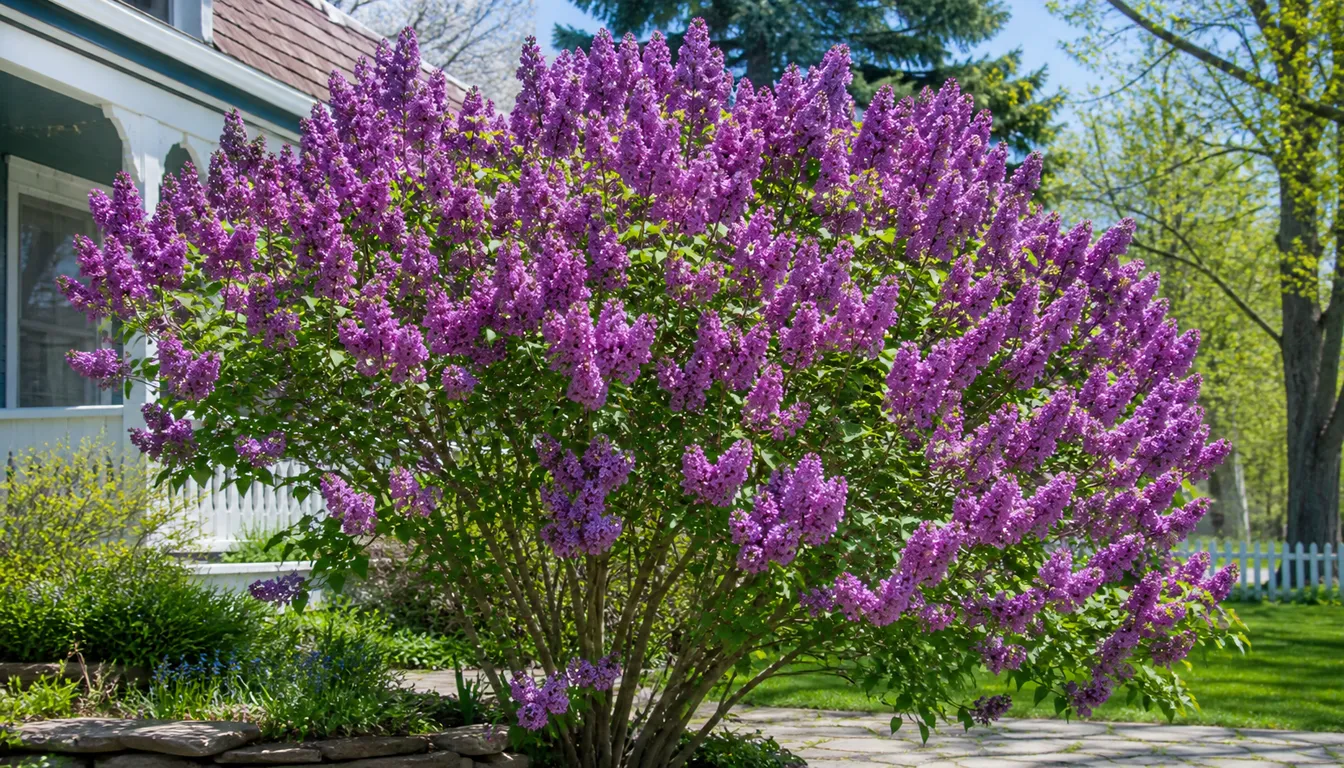
Lilac
Spring-blooming shrub; think of beautyberry as the fall counterpart to lilac in many yards.
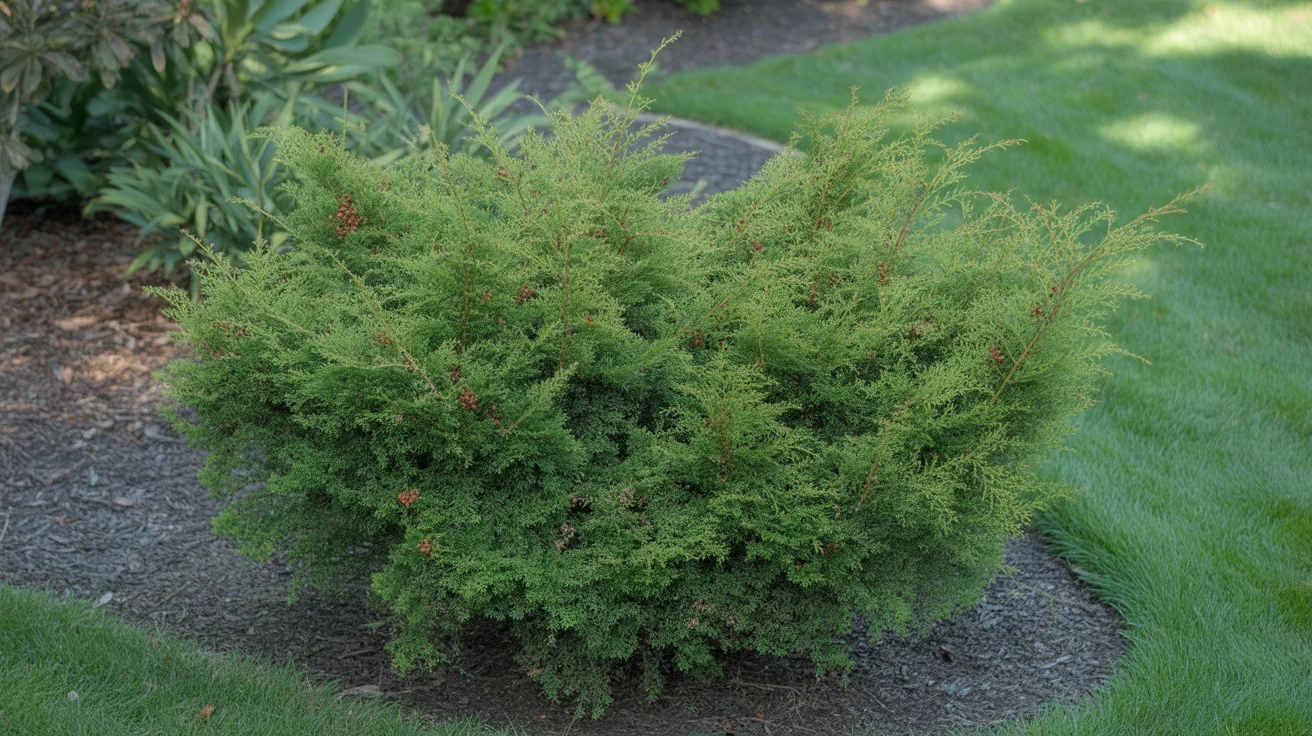
Arborvitae
Arborvitae can form a dense living screen where its mature width, exposure, and water needs fit the site.
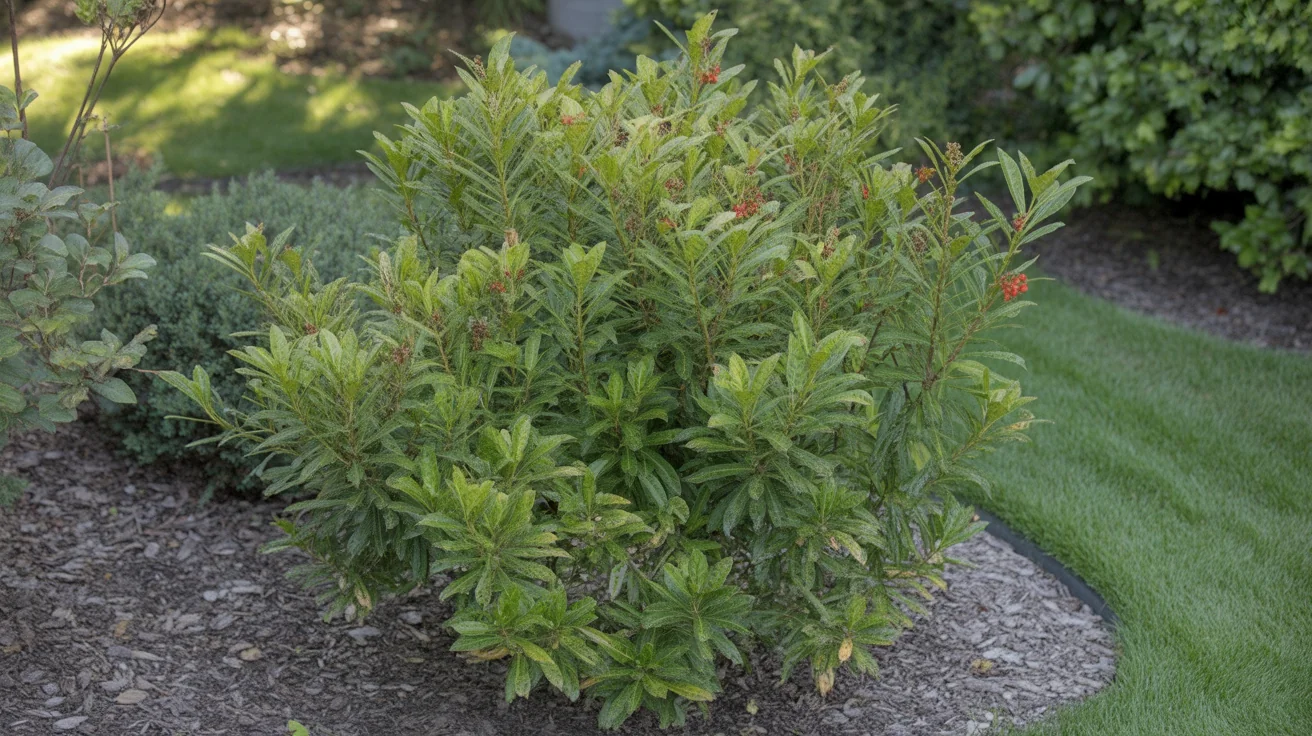
Aucuba
Aucuba is the shrub for bright shade with dry root competition. It keeps evergreen structure near north walls, porches…
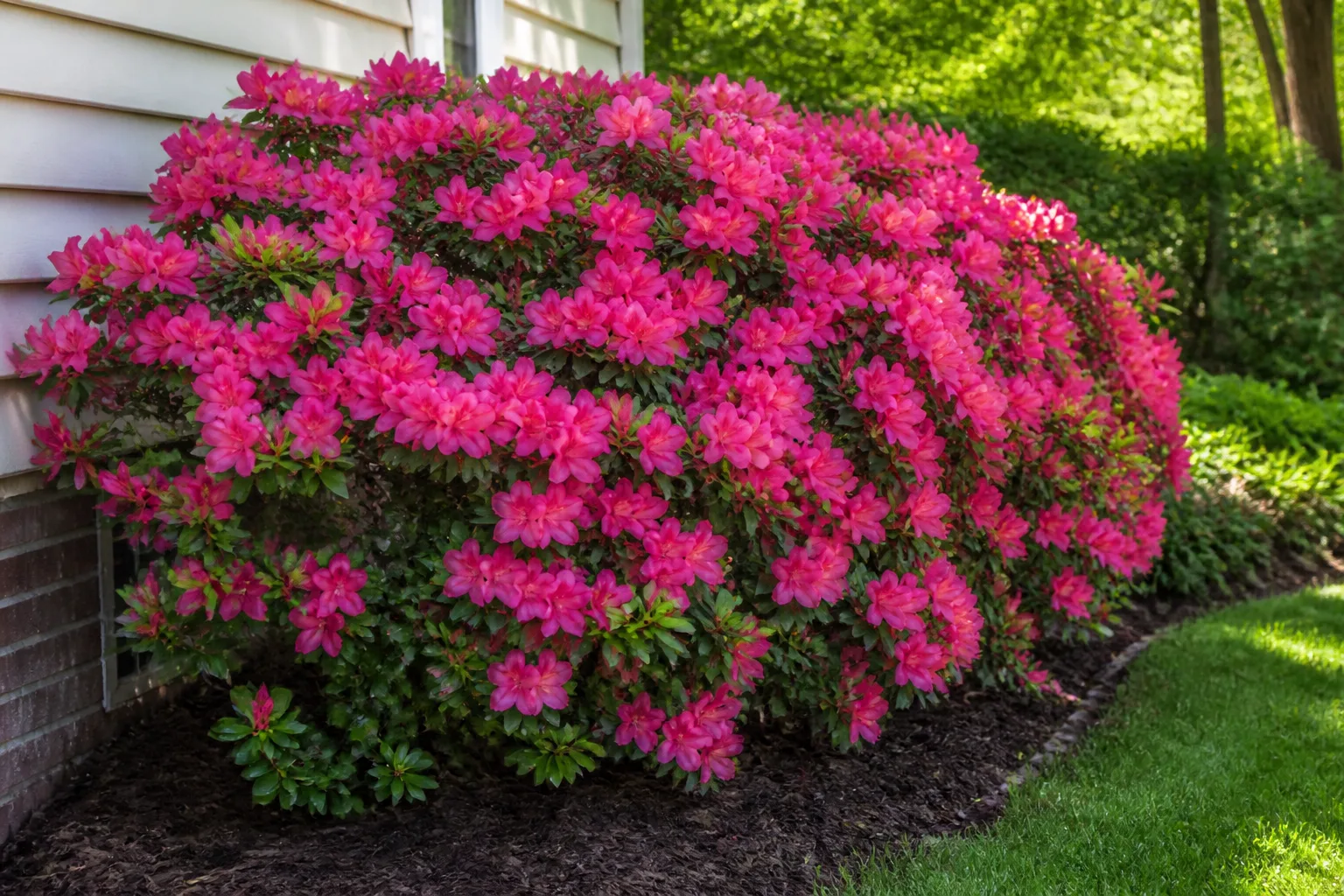
Azalea
Azaleas bring spring flowers, and some cultivars bloom again later in the year.