
Pruning Timing Is a Growth Decision, Not a Calendar
Most pruning advice arrives as a calendar, which works until you own a plant that is not on the list. The rules are all downstream of one fact about how plants answer a cut.
Pruning is an instruction rather than a removal, and the season decides which instruction it is.
At a glance
A Cut Is an Instruction, and the Season Decides Which One
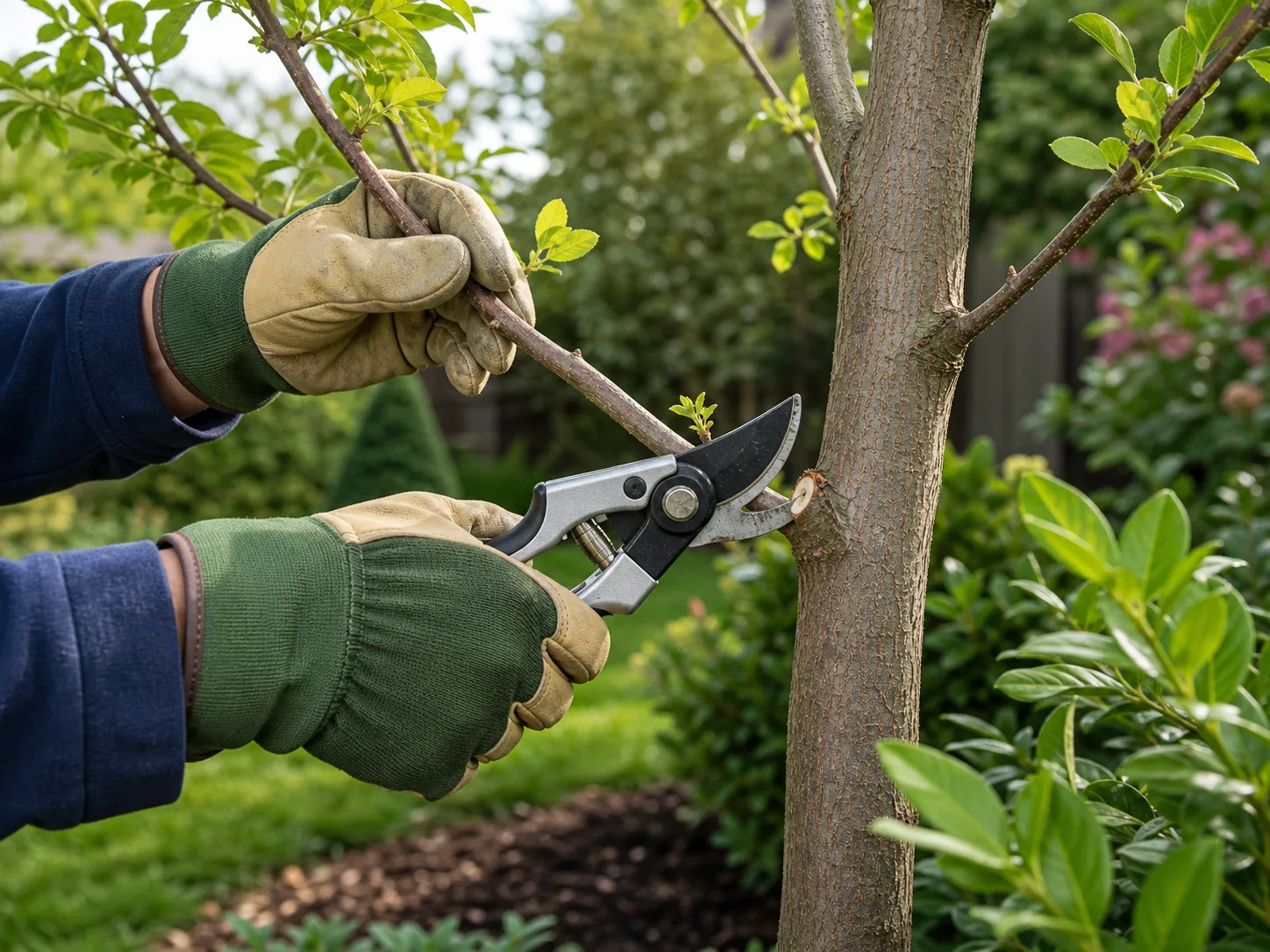
Pruning is not simply removal, because from the plant's side it is an instruction and the plant answers it.
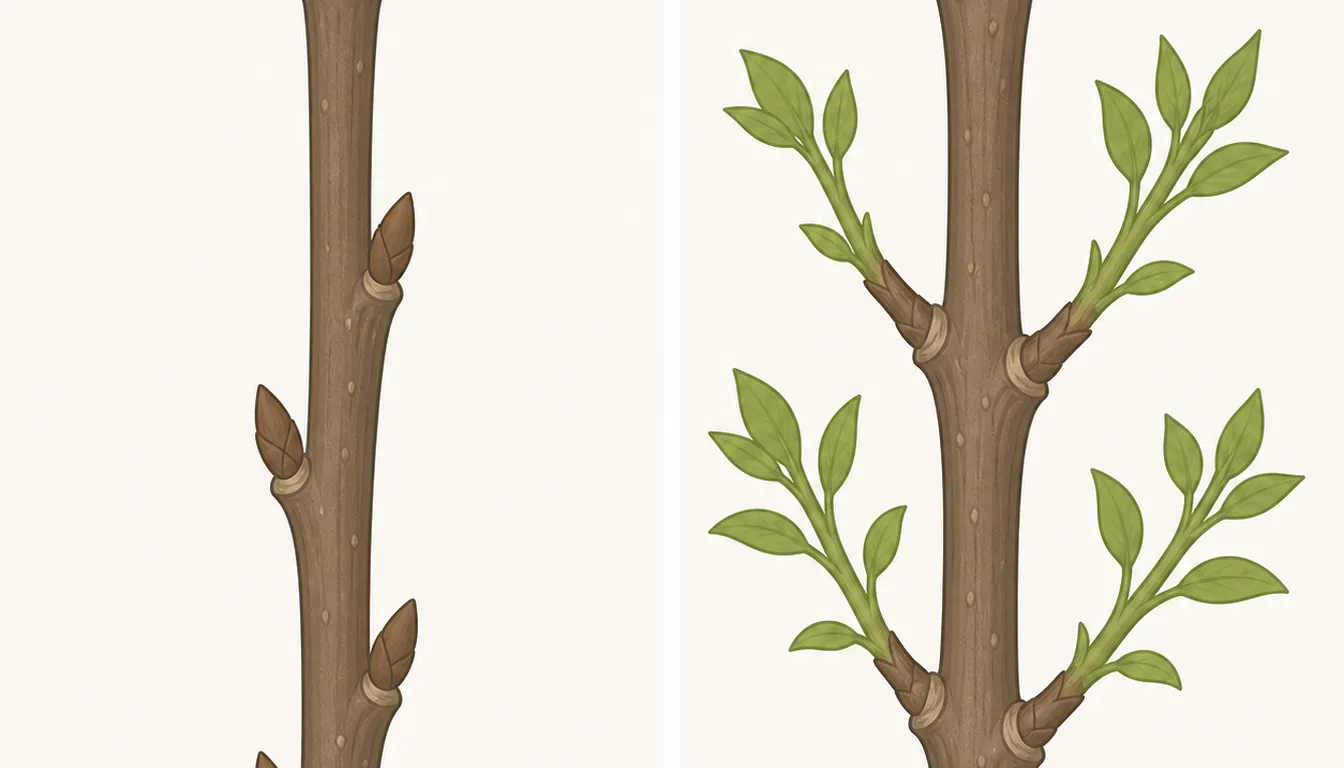
The tip of a shoot suppresses the buds below it, so cutting that tip off releases them and the plant branches from what it had been holding back.
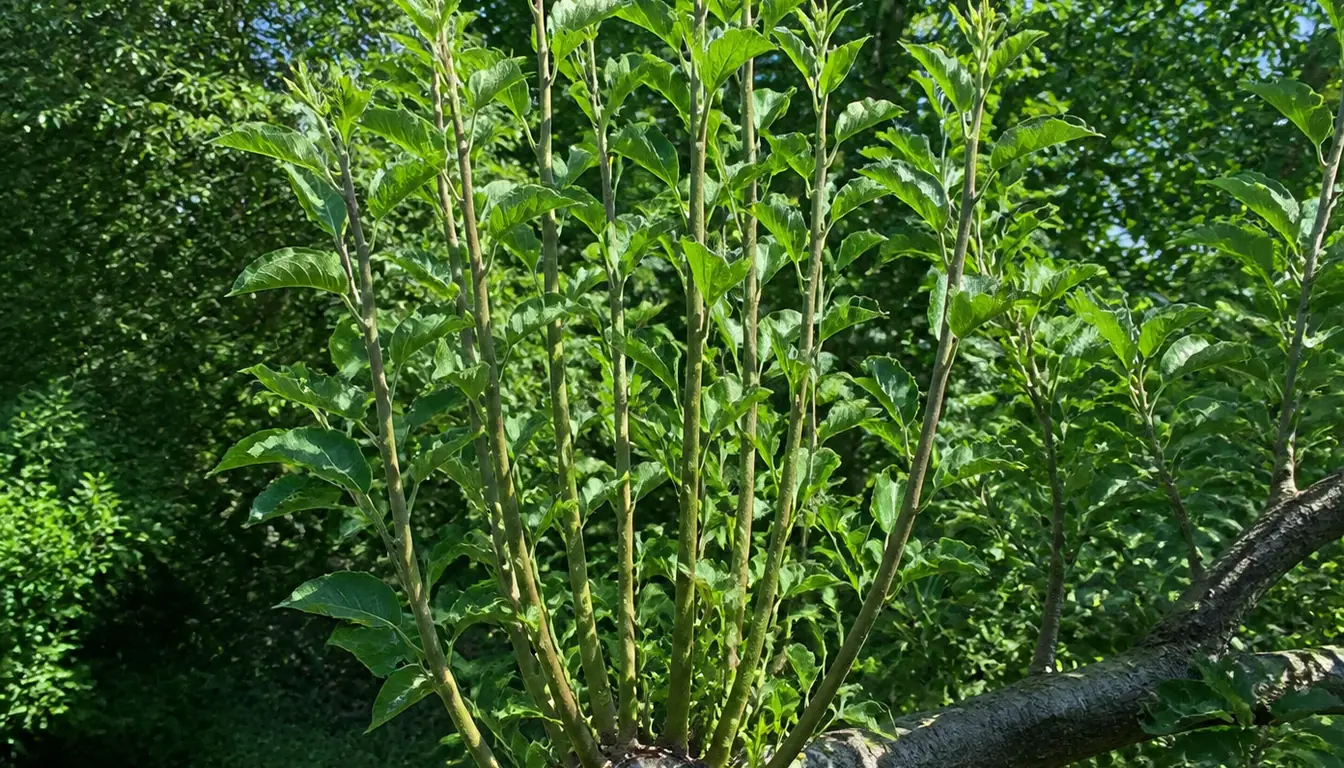
Cut in dormancy and the plant loses almost nothing it was storing, because in winter the reserves sit in the roots and stems rather than the leaves, so the whole reserve is still there in spring aimed at fewer growing points than before.
Cut in summer and the arithmetic reverses, because the leaves you removed were the means of refilling those reserves. The same cut on the same plant now restrains it.
That is why the two big pruning jobs sit in opposite seasons. Renovating a tired overgrown shrub is dormant-season work because you want the vigorous answer, while holding a plant to the space you have is growing-season work because you want the opposite.
That lever settles vigor and says nothing at all about flowers. A cut can be perfectly timed for growth and still take off every bloom the plant was going to open, which is the next question rather than this one.
Four Questions Pick the Window
No species list can answer this, because you will always own something that is not on it. Four questions in order will get you to a window for any plant, including one you cannot name.
Start by asking whether the wood is dead, damaged or diseased, because if it is then timing does not apply and the rest of this is irrelevant.
Then ask what you want to happen. Wanting a bigger, denser or rejuvenated plant points at a dormant cut, and wanting to hold something to its current size points at a summer one.
Third, ask where next year's flowers are sitting right now. A spring-flowering shrub formed those buds on last year's wood months ago so a winter cut removes them, a late-summer bloomer has not made them yet, and the old wood and new wood distinction is worth reading in full if the plant matters to you.
Two similar-looking shrubs can fall on opposite sides of that line, which is why crepe myrtle and lilac want opposite windows despite both being large flowering shrubs.
Fourth, ask whether the species carries a hard disease rule, which a handful do and which overrides everything above it. Getting this wrong on a mature specimen is how an over-pruned apple tree or a stressed ornamental tree ends up needing years to recover.
When two answers conflict, and they often will, take them in that order of authority. The disease rule wins, flowering comes next, and vigor is the one you compromise.
- Is it dead or damagedIf yes, cut it now. Timing does not apply to wood that will never grow.
- More growth or lessDormant cuts invigorate. Summer cuts restrain. Pick the season from the goal.
- Where are next year's flowersSpring bloomers hold them on old wood already. Late-summer bloomers have not made them yet.
- Does the species have a hard ruleOaks, elms and stone fruit do. Check before anything else decides it.
| Plant | When to prune | Why |
|---|---|---|
| Lilac | Right after flowering | Buds for next spring form on this year's wood |
| Hydrangea | Depends on type | Some flower on old wood, some on new |
| Rose | Late winter | Flowers on current-season growth |
| Crepe myrtle | Late winter | Flowers on new wood, and restoration is a winter job |
| Boxwood | Early summer, lightly | Shearing in growth keeps it tight |
| Arborvitae | Early summer, lightly | Will not regrow from bare old wood |
| Apple tree | Late winter | Structure and where the crop forms |
| Cherry, plum | Dry summer weather | Wet cuts invite silver leaf and canker |
| Oak, elm | Fully dormant only | Growing-season wounds attract disease-carrying beetles |
| Maple, birch | Late spring or summer | Winter cuts bleed sap heavily |
The Window That Is Usually Wrong
Late summer into early autumn is the window that catches most people out, usually while they are tidying up rather than pruning properly.
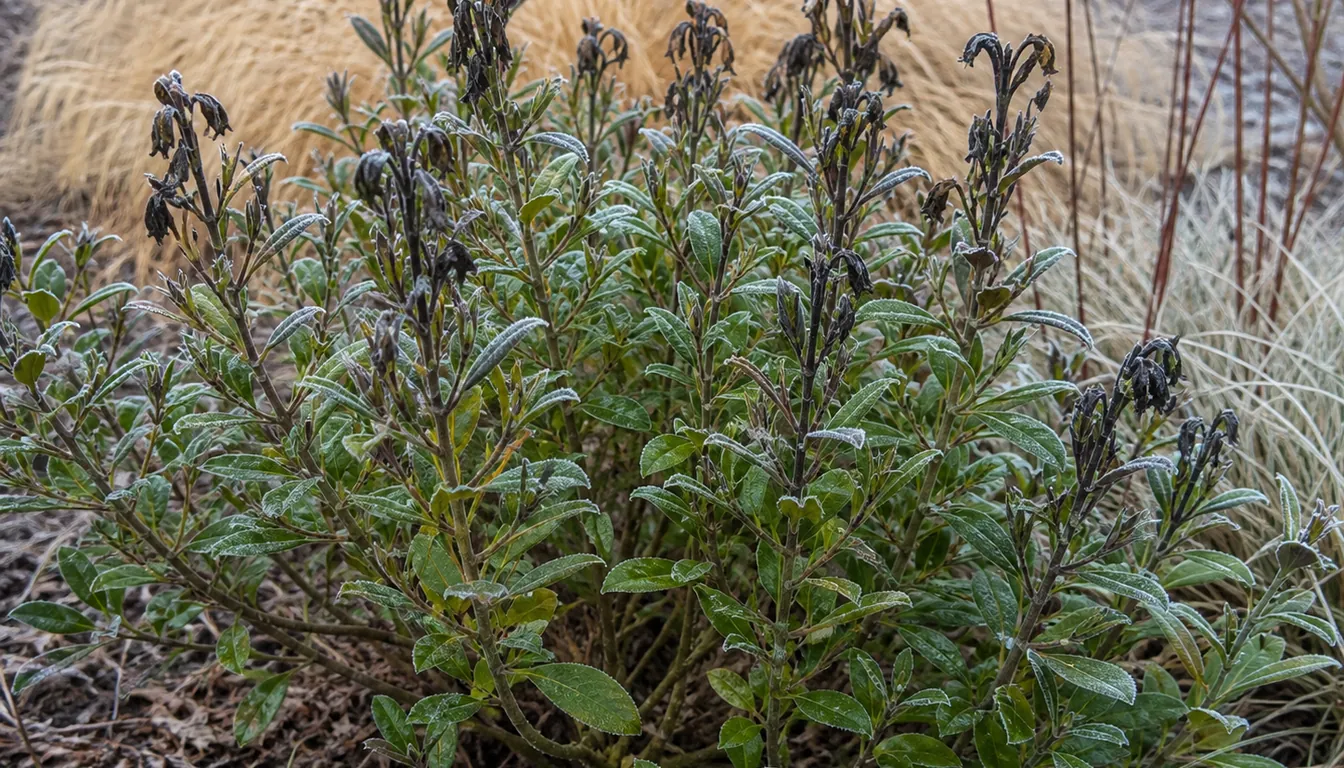
A cut then pushes a flush of soft new growth at exactly the moment the plant should be hardening off for winter. That growth has not turned woody by the time the first frosts arrive, so the tips are killed.
Keep the proportion, though. On an established healthy shrub this is cosmetic damage rather than a disaster, and what it really costs is a wasted round of the plant's reserves plus open wounds going into the cold.
The risk ends when the plant does, because once it is genuinely dormant with the leaves down a cut provokes nothing until spring.
Dead and broken wood stays fair game throughout, because removing it does not provoke any flush of growth at all.
The Species Where the Season Is Not Negotiable
A few species take the decision out of your hands entirely, and these are the only cases on this page where getting it wrong cannot be undone.
Oaks and elms are cut in full dormancy and at no other time, because fresh wounds in the growing season attract the beetles that carry oak wilt and Dutch elm disease, and both kill mature trees.
Stone fruit runs the opposite way to almost everything else. Cherries, plums and their relatives are pruned in dry summer weather, because the fungal spores behind silver leaf and bacterial canker travel in the cool wet conditions that a winter cut sits in for months.
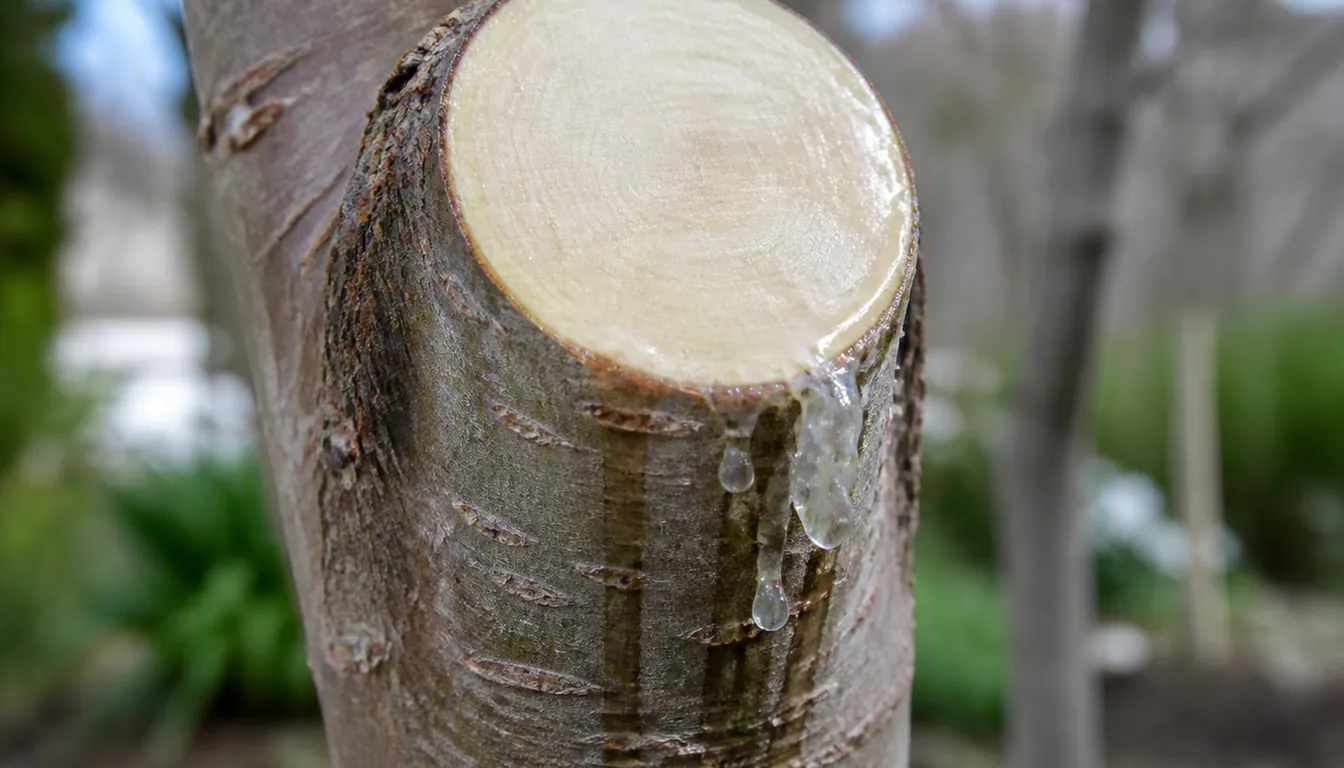
Maple, birch and walnut bleed clear sap heavily from late-winter cuts, which looks alarming and harms an established tree not at all. The flow stops once the tree is in full leaf.
- Oak and elm
- Fully dormant only, because of beetle-borne disease
- Cherry and plum
- Dry summer weather, never wet winter
- Maple, birch, walnut
- Late spring or summer, or accept the bleeding
- Bleeding sap
- Alarming to look at, harmless to the tree
- If in doubt on a mature tree
- Ask an arborist before cutting, not after
Dead Wood Ignores All of This
Dead, damaged, diseased and crossing wood comes out in any season, because none of it is going to grow and there is no response to time. That exemption is unconditional and it covers most of what a nervous gardener has been putting off.
If you are unsure whether a branch is genuinely dead, scratch a sliver of bark with a thumbnail and look at what is underneath. Green means living tissue and brown means the branch has already gone.
Pro Tips
- Decide what you want the cut to do before deciding when. Dormant cuts invigorate and summer cuts restrain.
- Check where next year's flowers already are. A spring-flowering shrub carries them on last year's wood, so a winter cut removes them.
- Prune spring bloomers straight after the flowers fade, which is the widest safe window they get.
- Avoid pruning from late summer into early autumn, when a cut forces soft growth the first frost will kill.
- Look up oaks, elms and stone fruit before cutting, since those are the cases where the wrong season carries a real disease risk.
- Cut dead, damaged and crossing wood whenever you notice it, because none of it is subject to timing.
Frequently Asked Questions
When is the best time to prune shrubs and trees?
It depends on what you want the cut to do rather than on the calendar, because a dormant cut makes a plant grow back harder while a summer cut holds it in check. Work through four questions in order, asking whether the wood is dead, whether you want more growth or less, where next year's flowers are sitting, and whether the species carries a disease rule.
Why does pruning in winter make plants grow more?
Because in dormancy the plant's reserves are stored in the roots and stems rather than in the leaves you removed, so the full reserve is still available in spring but aimed at fewer growing points. That is why a hard winter cut is often answered by a cluster of vigorous upright shoots.
Is it bad to prune in the fall?
Late summer into early autumn is the worst window, because the cut pushes soft growth just as the plant should be hardening for winter and the first frost kills the new tips. On a healthy established shrub the damage is cosmetic rather than fatal, but it wastes the plant's reserves and leaves open wounds going into the cold.
Which trees should never be pruned in summer?
Oaks and elms, because fresh growing-season wounds attract the beetles that spread oak wilt and Dutch elm disease, both of which kill mature trees. Those two are the clearest case on this subject where the wrong window cannot be undone.
Why is sap running out of my pruning cut?
Maple, birch and walnut bleed heavily from late-winter cuts, and although it looks alarming it does not harm an established tree. The flow stops once the tree comes into full leaf, so the way to avoid the appearance is to prune later in the season rather than earlier.
Can I cut off dead branches at any time of year?
Yes, and the timing rules on this page do not apply to them at all, because dead wood is not going to respond to anything. Scratch a sliver of bark if you are unsure, since green underneath means the branch is alive and brown means it has gone.
Sources & References
Related Guides
Cutting Back a Leggy Houseplant Does Not Fix It
Most people cut a houseplant back because it has gone long and bare.
11 min read
Deadheading Daffodils Matters Less Than the Six Weeks After
Almost every page about spent daffodils tells you to remove the seed pod so the bulb is not…
11 min read
French Lavender Pruning Depends on the Plant and Season
French lavender needs light trimming within its leafy growth, rather than a hard cut into bare…
6 min read
Fruit Tree Pruning Starts With Where the Crop Forms
A fruit tree that gives small, crowded, scabby fruit is usually not underfed.
11 min read
How Deep Can You Cut a Spent Lavender Spike?
Deadheading lavender is the lightest cut you will ever make on the plant, and the one place people…
7 min read
How Do You Prune Spanish Lavender for a Second Flush?
Spanish lavender is the one that flowers first and the one that keeps going.
7 min read