Pruningschedule10 min read
When to Prune Shrubs and Trees Without Losing Flowers or Forcing Weak Growth
Learn when to prune shrubs and trees, how timing changes for flowering shrubs, evergreens, and shade trees, and what seasons to avoid for heavy cuts.
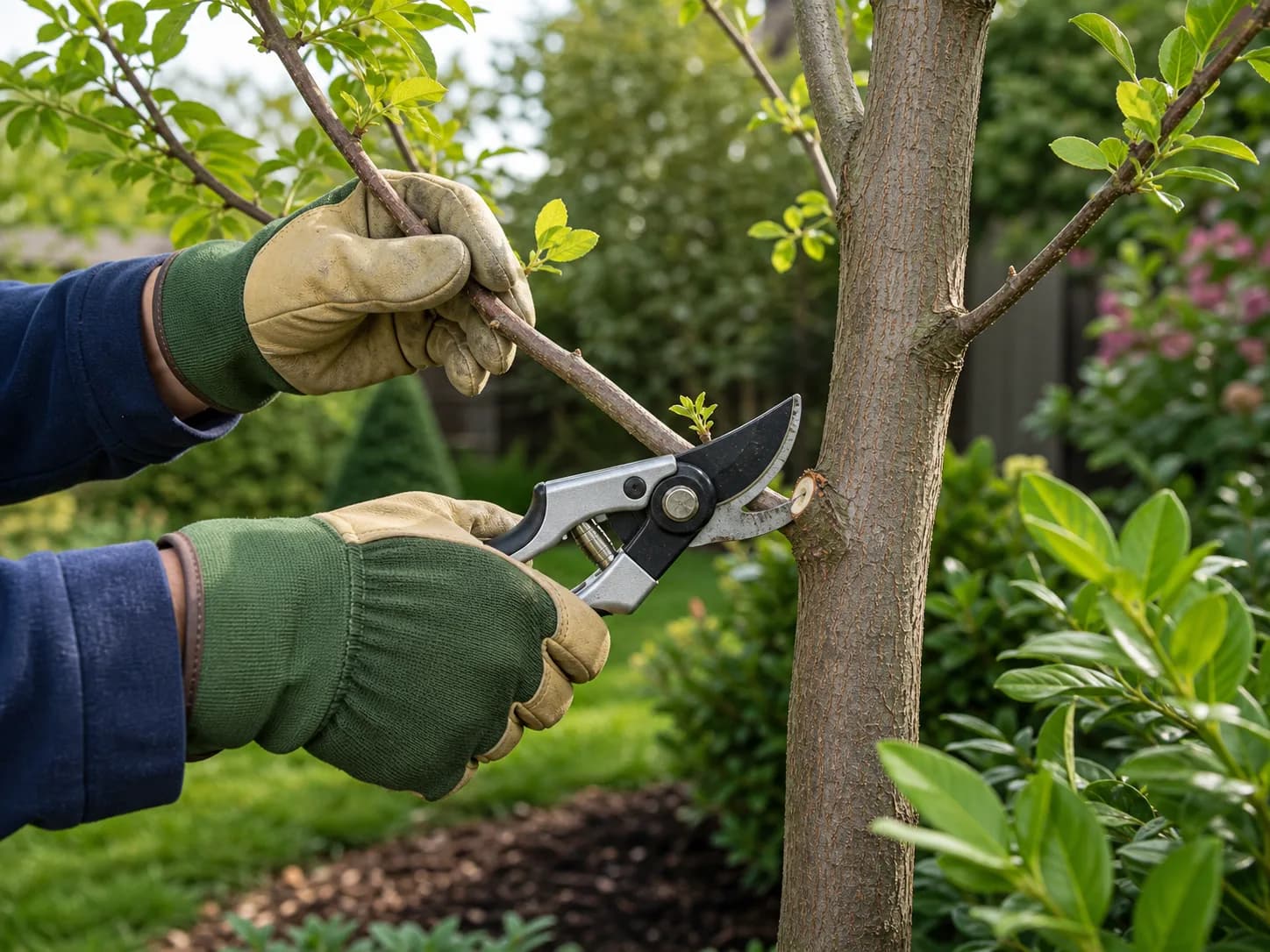
Pruning is mostly a timing problem. The same cut can help one shrub branch harder, strip the next shrub of flowers, and leave a tree pushing weak shoots if you do it in the wrong season.
The clean rule is to prune in sync with how the plant grows. Dormant-season structure work, post-bloom shaping, and light summer cleanup all have their place; random weekend cuts do not.
content_cutDormant season is the safest time for structural cuts
Late winter is the default window for big structural pruning on many trees and non-bloom-driven shrubs. Without full leaves in the way, you can see branch structure clearly and make cleaner decisions.
This is the season for crossing limbs, dead wood, and shape corrections on many shade trees and woody framework plants. Young Apple Tree structure work often fits here better than in midsummer. Cleanup on Weeping Willow or similar deciduous trees follows the same dormant-season logic.
Late winter is usually the safest window for major structural pruning. Growth resumes soon after, but the plant has not yet spent energy on a full canopy.
Use this as a default window, then check species-specific cautions.
- fiber_manual_recordBest use: Structure, dead wood, crossing branches
- fiber_manual_recordWhy it works: Clear visibility and lower immediate stress
- fiber_manual_recordWatch for: Species with disease-specific pruning cautions
local_floristSpring bloomers usually get pruned after flowers fade
If a shrub flowers on old wood, pruning too early often means cutting off the buds you wanted to enjoy. Many spring bloomers set those buds the previous season, then carry them through winter.
That is why post-bloom pruning works better for many flowering shrubs. Once flowers fade, you can shape the plant without sacrificing next spring's display. This matters on some Hydrangea types and on many classic landscape bloomers. Shrubs like lilac are the easy reminder: prune after bloom, not before.
If you are working specifically on bloom-heavy shrubs, go deeper with flowering shrub pruning so timing matches old-wood versus new-wood habits instead of guesswork.
- fiber_manual_recordPrune after bloom: For many old-wood spring bloomers
- fiber_manual_recordDo not shear blindly in late winter: You may remove flower buds
- fiber_manual_recordBest goal: Shape and thin without losing next season's show
Guide — See AlsoHow to Deadhead Daffodils for Stronger BulbsLearn exactly when and how to deadhead daffodils so bulbs store more energy, clumps stay tidy, and next spring’s flowers
chevron_rightparkEvergreens and hedges need restraint more than drama
Evergreens respond best to measured cuts. Many can handle shaping in late winter or very early spring, but they do not like being hacked hard into old, bare wood.
Formal hedge plants like Boxwood usually do best with lighter maintenance cuts timed before the biggest growth flush.
Screening plants like Arborvitae need the same restraint because bare old wood may not refill. If the plant is already stressed, combine pruning decisions with broader care issues from evergreen shrub care instead of assuming a haircut will fix it.
Late-summer heavy cuts are the usual mistake. They trigger soft regrowth that may not harden before cold weather, especially in cooler zones.
- fiber_manual_recordBest timing: Late winter or very early spring for most shaping
- fiber_manual_recordMain caution: Do not cut deep into bare old wood on many evergreens
- fiber_manual_recordLate-season risk: Tender regrowth before frost
Email Updates
Join the KnowTheYard update list
Zone-specific advice, seasonal reminders, and new plant guides — no filler.
ecoFruit trees and vigorous trees need timing plus discipline
Fruit trees are not just shrubs with bigger branches. Timing affects structure, crop load, and disease pressure. Most home fruit trees get their main pruning during dormancy, then only light in-season cleanup if needed.
If a tree was cut too hard, the recovery problem becomes different. It may fire back with water sprouts and weak vertical growth, which is exactly why over-pruned apple tree recovery needs a lighter hand afterward.
On vigorous ornamentals or fast growers, the goal is control without panic. A tree that naturally wants to run does not need repeated heavy cuts every time a branch annoys you. It needs a plan.
- fiber_manual_recordFruit tree base window: Dormant season for main shaping
- fiber_manual_recordAfter hard pruning: Expect water sprouts and slower recovery decisions
- fiber_manual_recordBest mindset: Planned structure, not reactive cutting
Guide — See AlsoWhen to Start Pruning Tomato Plants for Bigger HarvestsLearn exactly when to start pruning tomato plants, how timing differs for determinate vs indeterminate types, and what t
chevron_rightwb_sunnySummer and fall cuts are usually lighter and more selective
Summer pruning has a place, but it should be selective. Flowering trees such as crepe myrtle still need enough canopy to handle heat. Light cleanup, removing dead tips, or correcting obvious breakage is different from a full structural overhaul in heat.
Fall is where many timing mistakes happen. Heavy pruning near the end of the season can stimulate fresh shoots right when the plant should be hardening down. That is especially risky on shrubs and young trees in cooler climates.
If you need a model for light shaping on smaller woody or semi-woody plants, guides like cutting lavender show the difference between controlled seasonal cleanup and heavy late cuts.
- fiber_manual_recordSummer use: Light cleanup and selective correction
- fiber_manual_recordFall use: Minimal, mostly dead or damaged wood only
- fiber_manual_recordAvoid: Major reshaping just before cold weather
warningHow to avoid the three timing mistakes that ruin results
The first mistake is pruning spring bloomers before they flower, then wondering where the blooms went. The second is heavy fall pruning that forces new shoots too late. The third is treating every woody plant like it follows the same calendar.
Good pruning timing always asks two questions first: does this plant flower on old or new wood, and is this cut structural or cosmetic? If you answer those before you start, most of the big mistakes disappear. Repeat bloomers like shrub roses still need the same timing check before each cut.
When in doubt, do less and wait for the safer window. A missed pruning is usually easier to recover from than a badly timed heavy cut.
Those questions keep the timing decision simple.
- fiber_manual_recordQuestion 1: Is this for structure or just shape?
- fiber_manual_recordQuestion 2: Does the plant bloom on old wood or new wood?
- fiber_manual_recordBest fallback: Delay major cuts until the right seasonal window
Guide — See AlsoHow to Prune HerbsPractical, step-by-step guidance to prune common culinary herbs for bushier growth, longer harvests, and healthy plants
chevron_righttips_and_updates
Pro Tips
- check_circleUse late winter for structure, then use post-bloom windows for many spring-flowering shrubs.
- check_circleAvoid heavy fall pruning on shrubs and young trees in cold climates.
- check_circleTreat evergreen hedges with lighter, earlier cuts instead of dramatic late-season shearing.
- check_circleIf a plant flowers on old wood, assume early pruning risks your next bloom cycle.
- check_circleWhen unsure, make fewer cuts and wait for the safer season.
quiz
Frequently Asked Questions
Is late winter the best time to prune most trees?expand_more
For many structural cuts, yes. Late winter offers clear branch visibility and lets the plant move into spring recovery soon after pruning.
When should I prune spring-flowering shrubs?expand_more
Usually right after bloom. Many of them set flower buds on old wood, so early pruning can remove the next display.
Why is fall pruning risky?expand_more
Heavy fall cuts can trigger tender regrowth that may not harden before winter, especially in colder regions.
Can I prune damaged branches anytime?expand_more
Yes. Dead, broken, or hazardous wood can be removed when needed even if it is outside the ideal shaping window.
Related Guides

How to Deadhead Daffodils for Stronger Bulbs
Learn exactly when and how to deadhead daffodils so bulbs store more energy, clumps stay tidy, and next spring’s flowers are bigger and longer lasting.
11 min read
How to Deadhead Daisies for Nonstop Blooms
Step-by-step guide to deadheading daisies so they keep blooming longer. Learn when to cut, where to cut, and how to avoid common mistakes in beds and containers.
11 min read
How to Deadhead Geraniums for Nonstop Blooms
Step‑by‑step guide to deadheading geraniums so they keep blooming hard all season, with tool tips, timing, and tricks to avoid damaging new buds.
11 min read