
Plantingschedule12 min
Best Low-Light Plants
Choose and care for resilient, low-light houseplants for north-facing rooms, bathrooms, and shaded corners. Practical placement, watering, soil, troubleshooting, and pet-safety notes for reliable results in zones **3-10**.
This guide helps you pick low-light houseplants that thrive in dim rooms, shows you how to assess your home's light, and gives simple, repeatable care steps for species like Sansevieria (snake plant), Epipremnum aureum (pothos), ZZ plant, cast iron plant, and peace lily.
Read this and you'll know where to put a plant, how to water and pot it, which soils to use, how to troubleshoot yellow leaves or brown tips, and when to add a grow light.
wb_sunnyOverview of Best Low-Light Plants
Low light usually means indirect, filtered, or reflected light without direct sun for most of the day. Think north-facing rooms, hallways with borrowed light, bathrooms with a small window, or living rooms where sunlight never reaches the back wall.
Low light does not mean darkness. Most plants still need ambient light, or you will see leggy growth, pale leaves, and slower recovery after watering.
Reliable low-light performers for zones 3-10 include Sansevieria (snake plant), Epipremnum aureum (pothos), Zamioculcas zamiifolia (ZZ plant), Aspidistra elatior (cast iron plant), Spathiphyllum (peace lily), Chlorophytum comosum (spider plant), many philodendron cultivars, and several Dracaena species.
If you want more easy foliage options, look at Chinese evergreen for dim corners. For flowers in brighter low-light spots, anthurium gives you a better test case.
Tip: A room with no windows at all is a separate case. Most low-light plants can tolerate it briefly, but they usually need a grow light to stay healthy long term.
Use that rule of thumb before you choose the shortlist.
- check_circleWhy choose low-light plants?: They tolerate slower growth, inconsistent care, and corners where brighter plants quickly struggle.
- check_circleWhat to expect: slower growth, fewer blooms on flowering species, and better foliage performance than fast size gain.
wb_sunnySpace, Light, and Potting Setup
Start by assessing the room rather than assuming every dim space is the same. Stand where the plant will live at different times of day and look for direct sun, bright indirect light, or reflected light only.
A simple phone-camera check helps. If the spot shows crisp shadows on a sunny day, it is brighter than typical low light. If shadows are soft or missing, you are likely working with true low-light conditions.
- fiber_manual_recordPlacement checklist:
- fiber_manual_recordNorth-facing windows: usually true low light and a good fit for snake plant, cast iron plant, ZZ, and pothos.
- fiber_manual_recordBack of the room or hallways: best for cast iron plant and ZZ; rotate the pot occasionally so growth stays even.
- fiber_manual_recordBathrooms with a window: a good match for peace lily and spider plant because humidity stays higher.
- fiber_manual_recordWindows with sheer curtains: ideal for philodendron and pothos that want bright indirect light without direct afternoon sun.
For the dimmest corner, compare cast iron plant placement before you risk fussier foliage.
Pick containers with drainage. Low-light plants stay wetter for longer, so use a pot with a drain hole and a loose houseplant mix. A simple blend of 1 part potting soil : 1 part coarse perlite : 1 part bark or coco coir works well, especially if you pair it with a light feeding schedule once spring growth returns.
Warning: Avoid heavy garden soil or waterlogged peat-heavy mixes. In dim rooms they dry too slowly and raise the risk of root rot.
Guide — See AlsoHow to Grow Parsley From Seed Without GuessworkStep‑by‑step instructions for how to grow parsley from seed, including soil mix, light, watering, timing by zone, and wh
chevron_rightwb_sunnyCore Care Steps for Low-Light Plants
Watering is the biggest care pivot for low-light plants. Because they use water more slowly in dim rooms, they do better with a soak-and-dry rhythm than with frequent light watering.
Check the root zone before watering. Snake plant and ZZ can often wait until the top half of the mix is dry, while pothos, philodendron, and spider plant usually want water when the top inch dries out. Peace lily prefers evenly moist soil but still should not sit in standing water.
- fiber_manual_recordWatering ranges:
- fiber_manual_recordSnake plant and ZZ: often every 3-6 weeks indoors, depending on season, pot size, and air flow.
- fiber_manual_recordPothos, philodendron, and spider plant: usually every 1-2 weeks once the top inch dries.
- fiber_manual_recordPeace lily: often about weekly in low light, with small adjustments for pot size and humidity.
Use a balanced fertilizer at half strength every 6-8 weeks during active growth, then cut back in fall and winter. If you are trying to correct watering problems, compare your routine with this pothos yellow-leaf diagnosis so you can separate thirst from overwatering.
Tip: A cheap moisture meter is useful in low-light rooms because it helps you avoid watering on habit.
Email Updates
Join the KnowTheYard update list
Zone-specific advice, seasonal reminders, and new plant guides — no filler.
tips_and_updatesCommon Mistakes to Avoid
Overwatering is the most common mistake. In dim rooms, soil dries slowly and roots sit in moisture longer, which encourages rot. The other major mistake is putting a moderate-light plant in a space that is simply too dark for it to maintain healthy growth.
- fiber_manual_recordFrequent mistakes and fixes:
- fiber_manual_recordOverwatering: yellowing leaves, soft stems, or sour soil. Let the mix dry, inspect roots, and repot if necessary.
- fiber_manual_recordToo little light for the species: stretched stems and pale older leaves. Move the plant closer to a window or add a grow light.
- fiber_manual_recordWrong containers: decorative pots without drainage trap water. Keep the plant in a nursery pot inside the cachepot instead.
- fiber_manual_recordIgnoring humidity needs: peace lilies and spider plants may develop brown tips in dry air; increase humidity or group plants together.
If a tropical plant develops a mushy base, stop watering and inspect the root ball immediately. Plants such as alocasia often show overwatering stress quickly, so early action matters.
Guide — See AlsoButterfly Garden Plants for Continuous BloomsLearn how to choose and place butterfly garden plants so you have nectar and host options from spring through fall in zo
chevron_rightpest_controlTroubleshooting and Diagnostics
Diagnose low-light plant problems by combining symptoms with recent care history. Ask when the plant was last watered, whether it was moved recently, and whether the pot still drains freely.
- fiber_manual_recordSymptom checklist:
- fiber_manual_recordYellow lower leaves: often natural aging or slight overwatering; reduce watering and inspect roots.
- fiber_manual_recordBrown leaf tips: low humidity, salt buildup, or underwatering; flush the pot and adjust humidity if needed.
- fiber_manual_recordLeggy growth: a sign the plant wants more light or a supplemental grow light.
- fiber_manual_recordDrooping peace lily leaves: often a reliable cue that it is time to water.
- fiber_manual_recordPests: isolate the plant, clean the leaves, and repeat treatment weekly until activity stops.
For root-rot suspicion, remove the plant, trim dark mushy roots, and repot into fresh mix. For leaf-spot cases, use a symptom-by-symptom process like this monstera brown-spots guide rather than spraying blindly.
Tip: Always check pot weight and root-zone moisture before deciding the problem is a fertilizer issue.
calendar_monthSeasonal Care and Adjustments
Indoor seasons still matter. In winter, shorter days and heating reduce water use and humidity. In summer, even a dim room can brighten enough to speed growth and increase watering needs.
- fiber_manual_recordSeasonal action list:
- fiber_manual_recordWinter: cut watering for slow growers such as ZZ and snake plant, and pause fertilizer if growth stalls.
- fiber_manual_recordSpring: inspect roots, repot if needed, and restart feeding at half strength.
- fiber_manual_recordSummer: water a little more often if the mix dries faster and consider light pruning.
- fiber_manual_recordYear-round humidity support: group plants, use pebble trays, or run a humidifier near species that brown easily at the edges.
If you use grow lights in winter, keep them on a consistent timer for 10-12 hours per day. That steady rhythm helps the plant respond more predictably, much like seasonal timing matters in outdoor lawn care.
Guide — See AlsoOverwatering vs Underwatering: How to Tell the Difference FastLearn the fastest signs that separate overwatering from underwatering so you stop guessing and start fixing the right pr
chevron_rightwater_dropNext Actions for Confident Results
Start with one or two plants that match your actual light and your care habits. If you travel often or forget to water, choose ZZ plant or snake plant. If you want faster visual growth, start with pothos vines or a forgiving philodendron.
- fiber_manual_recordStarter plan:
- fiber_manual_recordObserve the room for a few days so you know how much light it actually gets.
- fiber_manual_recordChoose one plant to set up now and another as a backup option if the first spot proves too dark.
- fiber_manual_recordPot it in a draining container with a loose mix.
- fiber_manual_recordSet a 4-6 week reminder to check growth, watering rhythm, and leaf color.
If the plant becomes pale or leggy after that first check-in, move it closer to light or add a small grow light for 8-12 hours per day.
Tip: Pothos is often the easiest first test plant because it shows stress early but usually recovers quickly.
water_dropMaterials and Tools You'll Need
A short tool list prevents the most common low-light mistakes.
- fiber_manual_recordEssentials checklist:
- fiber_manual_recordLoose houseplant mix: use potting soil, perlite, and bark or coco coir for drainage and aeration.
- fiber_manual_recordPots with drainage holes: terracotta or plastic both work as long as water can exit the pot.
- fiber_manual_recordMoisture meter: helpful if you tend to water on schedule instead of checking the root zone.
- fiber_manual_recordSmall pruning shears: useful for brown tips and cleanup.
- fiber_manual_recordSaucer or cachepot: catch runoff, then empty standing water after about 30 minutes.
Once those basics are set, optional gear can solve light or humidity gaps.
- fiber_manual_recordOptional tools:
- fiber_manual_recordLED grow light: worth adding if the room is consistently too dark.
- fiber_manual_recordHumidifier or pebble tray: helpful for peace lily, spider plant, and other humidity-sensitive species.
A moisture meter also helps readers compare care rhythms across dry-loving plants such as succulents, where the tolerance for wet soil is much lower.
Guide — See AlsoLow Maintenance Plants for Hands-Off GardensChoose genuinely low-maintenance plants for beds, containers, and tricky spots so your yard looks well tended, even when
chevron_rightcalendar_monthTiming and Scheduling
Low-light plants reward steady observation more than constant tinkering. Build a simple calendar that reminds you to check water, roots, and light at sensible intervals.
- fiber_manual_recordWhen to act:
- fiber_manual_recordRepotting: every 2-3 years for most plants, usually in spring.
- fiber_manual_recordFertilizing: every 6-8 weeks in spring and summer at half strength.
- fiber_manual_recordWater checks: quick weekly checks for most plants, with deeper moisture testing when a pot stays heavy for too long.
- fiber_manual_recordLight review: every 4-6 weeks after setup so you can catch weak growth before it becomes severe.
If your regional timing affects when plants move outdoors or back inside, compare that seasonal rhythm with zone-specific timing guidance so you are not making changes too early.
Tip: A simple phone reminder is enough. Consistency matters more than complicated tracking tools.
tips_and_updates
Pro Tips
- check_circleIf you use a decorative cachepot, keep the plant in a nursery pot and remove it for watering so the roots never sit in trapped runoff.
- check_circleRotate plants 45-90 degrees every few weeks when light comes mostly from one side.
- check_circleUse filtered water for sensitive plants if your tap water leaves heavy mineral residue on the soil surface.
- check_circleLabel pots with the plant name and the month you last repotted or fertilized.
- check_circleWhen buying, choose plants with firm stems, healthy crowns, and no soft or sour-smelling root balls.
quiz
Frequently Asked Questions
What exactly counts as 'low light' in a home?expand_more
Low light means there is no direct sun on the plant for most of the day and most illumination comes from indirect or reflected light. North-facing rooms, interior hallways, and corners several feet from a window are common examples.
Can low-light plants survive in north-facing rooms or rooms with very little natural light?expand_more
Yes. Snake plant, ZZ plant, pothos, cast iron plant, and several philodendrons can tolerate north-facing rooms and dim corners. For windowless rooms, add a grow light because even low-light plants need usable light to stay healthy long term.
How often should I water low-light plants?expand_more
That depends on the species, pot, and season. Snake plant and ZZ may need water only every 3-6 weeks, while pothos and philodendron often need water every 1-2 weeks. Always check the root zone before watering.
What soil mix should I use for low-light plants?expand_more
Use a fast-draining houseplant mix such as 1 part potting soil : 1 part perlite : 1 part bark or coco coir. The goal is to keep oxygen around the roots because low-light rooms dry out slowly.
Are low-light plants safe for pets and children?expand_more
Some are not. Pothos, philodendrons, and peace lilies can be irritating or toxic if chewed. Check species-specific toxicity guidance before bringing a plant into a home with pets or small children.
Related Guides

Air Purifying Plants for Cleaner Indoor Air
Learn how to pick, place, and care for air purifying plants so they help your indoor air instead of just looking pretty.
11 min read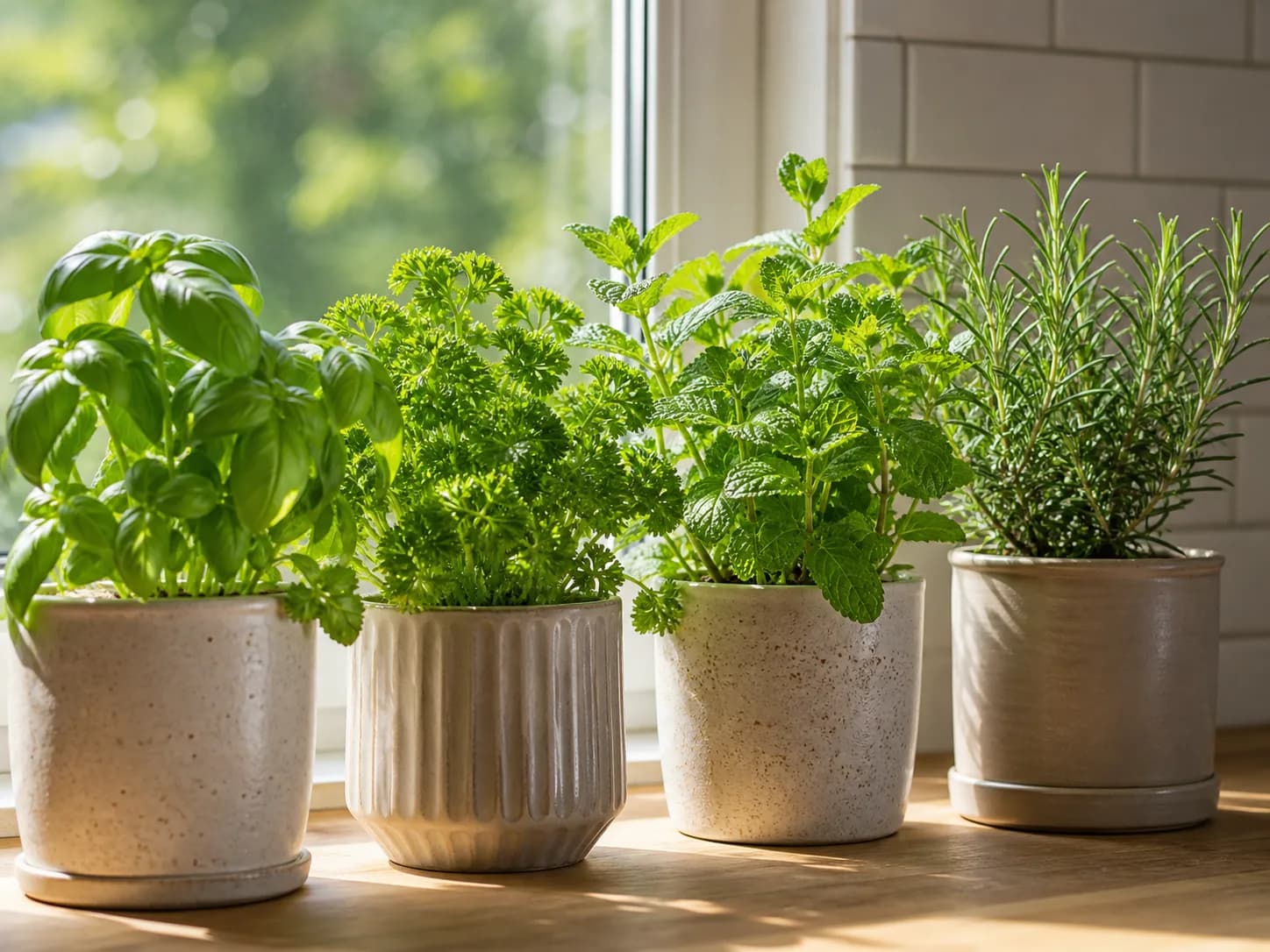
Best Herbs to Grow Indoors for Real Harvests, Not Spindly Pots
Choose indoor herbs that can actually produce in your light, temperature, and container setup, then match each one to the right harvest rhythm and watering style.
10 min read
Best Indoor Plants for Every Room and Light Level
A practical guide to choosing the best indoor plants for your home, covering beginner-friendly picks, low light champions, bright light lovers, watering basics, and how to avoid the most common mistakes.
13 min read