
Plantingschedule14 min read
Ground Cover Plants for Low‑Work, High‑Impact Beds
Learn how to pick, plant, and maintain ground cover plants that fill in, control weeds, and match your light and zone without taking over your yard.
Bare soil always finds something to grow, and it is usually weeds. Ground cover plants let you choose what fills that space, so you get color and erosion control instead of crabgrass.
We will walk through how to pick the right low growers for your light, zone, and foot traffic, how many to buy, and the best planting techniques so they knit together instead of sulking in little islands. We will also hit watering and maintenance tricks that keep them dense without turning into a waist‑high jungle.
If you already grow edging plants like mini hosta clumps, this is the same idea stretched across whole beds or slopes.
yardMatch Ground Covers to Your Site Conditions
Site conditions make or break ground cover success before you even pick a plant. Start with light, moisture, and how much you need to walk through the area.
Full sun slopes in zone 7–9 can handle heat and dry spells, so tough spreaders work well. Shady north sides in zone 3–5 stay cooler and hold moisture, so you need plants that tolerate cold, damp soil.
Foot traffic matters as much as climate. Step‑able covers belong between pavers or beside a driveway, while taller blooming carpets fit better on unused slopes or shrub borders.
Think about nearby plants too. Shallow‑rooted shrubs like azaleas around foundations dislike aggressive, thirsty ground covers stealing their topsoil moisture.
Treat ground covers like any other planting, and match the plant to the stress, not just the color on the tag.
Use the short list below as a site filter first; color and bloom season come after the stress match is right.
- fiber_manual_recordFull sun beds: Look for drought‑tolerant choices similar to low sedum mats.
- fiber_manual_recordPartial shade strips: Use woodland‑type perennials near hydrangea borders.
- fiber_manual_recordDeep shade corners: Pair with shrubs such as boxwood hedges that already handle low light.
- fiber_manual_recordHigh‑traffic paths: Choose labeled "walkable" or "stepable" plants only.
heightPlan Coverage, Spacing, and Plant Counts
Most people underplant ground covers, then wonder why weeds sneak between the gaps. A quick bit of math keeps you from guessing.
Start by measuring the area in square feet. Decide how fast you want full coverage. Closer spacing, like 8–10 inches, fills in 1–2 years. Wider spacing, around 12–18 inches, might take 3–4 years to knit together.
Smaller plugs can be spaced a bit closer than big quart pots. On steep slopes, closer spacing also helps lock soil in place sooner.
Err on the side of a few extra plants, not a half‑empty bed that invites weeds.
A spacing plan only works if you leave breathing room around shrubs and existing roots.
- fiber_manual_record8" spacing: About 2.25 plants per square foot, good for fast coverage and erosion control.
- fiber_manual_record12" spacing: Roughly 1 plant per square foot, a common middle‑ground choice.
- fiber_manual_record18" spacing: Around 0.44 plants per square foot, slower but cheaper.
- fiber_manual_recordBetween shrubs: Keep ground covers 6–12 inches away from trunks of plants like hydrangea shrubs and boxwood balls to avoid root competition.
If you are replacing a small patch of failing cool‑season fescue lawn with ground cover, calculate plant counts the same way, just using the lawn square footage instead of bed size.
Guide — See AlsoFull Sun Perennials for All-Day Hot SpotsPractical planting guide for full sun perennials, from choosing tough varieties to soil prep, spacing, and watering so y
chevron_rightcompostPrepare Soil So Ground Covers Actually Spread
Ground covers are often sold as tough, but they still fail in hardpan clay or pure sand. A couple of hours of prep saves years of weak growth.
Clear existing weeds and grass, including roots. On old lawn, slice under the sod and remove it, or smother with cardboard for a few months before planting.
Loosen soil 6–8 inches deep across the whole area, not just in individual holes. Add 2–3 inches of compost and mix it into the top 4–6 inches to improve drainage and moisture holding.
On slopes or under trees, go easier with digging so you do not cut too many roots or destabilize the bank. In those spots, work compost into narrow bands where each plant will sit.
Skip the fertilizer at planting for ground covers. Rich, fast‑release food encourages floppy top growth before roots anchor.
If you plan to tuck ground covers under shrubs such as juniper screens, keep soil level slightly below existing root flares so you do not bury woody stems.
This part is less glamorous than picking plants, but it is what gives you a carpet that spreads instead of a patchwork of stalled plugs.
Use mulch as a short‑term helper. After planting, add a 1–2 inch layer of fine mulch between plants, stopping a couple of inches away from each crown. This slows weeds until the plants meet.
Email Updates
Join the KnowTheYard update list
Zone-specific advice, seasonal reminders, and new plant guides — no filler.
local_floristPlanting Technique for Fast Knit and Fewer Weeds
How you plant each little plug matters as much as spacing. Aim for firm roots, level crowns, and immediate watering.
Dig holes just as deep as the pot and a bit wider. Set each plant so the soil level matches the surrounding ground, not sunk in a bowl where water collects.
Gently tease circling roots on pot‑bound plants, especially vigorous spreaders. This encourages new roots to move into the improved soil instead of choking themselves.
Water each hole before backfilling, then again after planting. For big areas, water in sections so the first plants do not dry out while you finish the rest.
The first 4–6 weeks are critical. Letting new ground covers dry to wilting even once slows spreading for the whole season.
That early watering discipline is what turns a row of plugs into one continuous carpet once the season settles in.
On slopes, stagger plants in a zigzag pattern rather than straight rows. That layout stops water from cutting channels and helps foliage overlap faster.
Around trees and shrubs, tuck ground covers in pockets where surface roots are not exposed, similar to how you would nestle low lavender clumps along a hydrangea hedge without burying their bases.
Guide — See AlsoHow to Thin Seedlings Without Wasting PlantsLearn exactly when and how to thin seedlings in trays, pots, and garden rows so you end up with stronger, healthier plan
chevron_rightwater_dropWatering and Feeding After Planting
Right after planting, moisture makes or breaks ground covers. You want soil that is evenly damp through the root zone, not soggy at the surface and dry underneath.
In the first two weeks, check new plantings every day in warm weather. Stick a finger two inches deep; if it feels dry, water slowly until the area is moist to that depth.
Once plants show fresh growth, shift to deeper, less frequent watering. In most soils, that means a thorough soak every 3 to 7 days, adjusted for rain and heat.
Established ground covers that handle dryness, like many sedum types, can switch to the same deep, occasional watering you would use on tough succulent plantings.
Overhead sprinklers keep foliage damp, which invites disease. Soaker hoses or drip lines are safer for dense ground covers.
Most ground covers are light feeders. Mix a slow release, balanced fertilizer into the top few inches of soil before planting instead of dumping high nitrogen on top later.
On poor soils, a light feeding each spring helps carpets stay thick. Follow label rates, staying closer to what you would use on well fed vegetable beds than on a high demand lawn.
If growth looks weak but foliage is dark green, skip fertilizer and focus on water management. More fertilizer will not fix drought stress and can burn shallow roots.
compostWeed Control and Mulching Around Ground Covers
Weeds are the main thing that keep ground covers from knitting into a clean carpet. The first two seasons are when you need to stay on top of them.
Hand pull or slice weeds off at the soil line every week at first. Shallow tools, like a stirrup hoe, are better than deep digging that rips up new ground cover roots.
Organic mulch helps a lot in wide, newly planted beds. Use a thin layer, about 1 to 2 inches, tucked around but not over the crowns of your plants.
Fine textured mulches work best under low growers. Coarse chips can smother small spreaders like creeping thyme faster than they suppress weeds.
Never bury plant crowns with mulch. Covered stems often rot, especially in damp climates.
As plants spread, pull mulch back to give stems contact with bare soil. That direct contact is what lets creeping plants root as they go.
If you like tidy edges, use a flat spade to cut a clean border between beds and paths. That edge slows turf grasses like cool season fescue lawns from creeping into your ground cover area.
In zones where wind dries the soil, a blend of mulch and living cover works well. The mulch blocks initial weeds, then the plants take over and shade the soil themselves.
Guide — See AlsoButterfly Garden Plants for Continuous BloomsLearn how to choose and place butterfly garden plants so you have nectar and host options from spring through fall in zo
chevron_rightcalendar_monthSeasonal Timing by Zone and Climate
Planting time for ground covers follows the same general pattern as hardy perennials, but small plants are less forgiving of heat and deep cold.
In zones 3–5, spring and early fall are safest. Aim to plant after soil has thawed and drained but before hot weather arrives.
Cool climate gardeners can treat ground covers much like shade perennials such as hosta, giving them a full growing season to bulk up before winter.
In zones 6–7, spring planting still works well, but fall can be even better for many hardy species. Warm soil and cooler air let roots grow without heat stress.
Hot summer regions, especially zones 8–11, reward fall planting for most ground covers. Late September through early November gives roots time to grow before peak heat.
Where winters are mild, many evergreen spreaders behave like low shrubs. Treat them more like woody shrubs such as azalea for timing, avoiding the very hottest and coldest stretches.
Warm season ground covers, including some sedum and low ornamental grasses, prefer soil that has fully warmed. Plant them on a similar schedule to heat loving tomatoes, after nights stay reliably above 50°F.
Any time you are unsure, check soil temperature with a cheap probe thermometer. Planting when soil is at least 50–55°F for cool species and 60°F for heat lovers gives the best start.
content_cutPruning, Dividing, and Long-Term Maintenance
Once ground covers settle in, a little yearly maintenance keeps them thick instead of patchy or overgrown. Think of it like giving a haircut, not a full renovation.
Evergreen mats that collect leaves, such as creeping junipers, benefit from a light cleanup each spring. Use a leaf blower on low or gloved hands to lift out debris without ripping stems.
Flowering ground covers, especially those grown for spring color, often look tired afterward. Shear or mow them high right after bloom to encourage fresh foliage.
You can run a mower on its highest setting over plants like creeping thyme if the area is free of stones. The quick trim acts like pruning indoor plants for fullness, pushing dense new growth.
Spreading types slowly thin in the center over several years. When you notice bare patches, dig healthy edges in chunks and replant them into the thin spots.
Division is easiest in cool weather, similar to how you would divide hardy perennials like clump forming daylilies. Water well afterward and shade if sun is strong.
Some aggressive spreaders will climb into nearby beds or over paths. Use a flat edging spade once or twice a year to cut and peel away the creeping rim.
If a section is overrun with weeds or has disease, it is often faster to strip that patch, improve the soil, and replant from healthy sections than to spot treat for years.
Guide — See AlsoDrainage Holes in Pots: Simple Rules That Prevent RotLearn how many drainage holes your pots need, how big they should be, and what to do if a container has none so you can
chevron_rightwarningTroubleshooting Bare Spots, Rot, and Poor Spread
Bare patches, mushy stems, or ground covers that just sit there without spreading usually point to a short list of problems. The fix often starts with water and light.
Thin or stalled growth in shade usually means light is too low. Even shade lovers need brightness similar to where you might grow other shade tolerant plantings.
In full sun, poor spread with yellowed foliage usually ties back to heat and drought. Soil may be drying out between waterings faster than small root systems can handle.
Rotting crowns or blackened stems almost always come from soggy soil. Check drainage by digging a small test hole and filling it with water; standing water after an hour is a red flag.
If water pools on the surface during a normal hose watering, roots below are likely suffocating.
Fungal leaf spots and dieback in dense plantings often follow overhead irrigation or long stretches of wet foliage. Switch to morning watering and improve airflow.
If pests show up, such as aphids or spider mites on taller, shrubby ground covers, treat them like you would similar issues on border perennials and shrubs. Target the pest, not the whole bed.
For long term success, note which specific area keeps failing. Sometimes the honest answer is that spot wants a different job, like a gravel path or a small grouping of more rugged plants such as tough edging perennials.
tips_and_updates
Pro Tips
- check_circleGroup ground covers by light and moisture needs instead of mixing shade lovers and sun lovers in the same patch.
- check_circleChoose at least one evergreen type so beds still look covered when deciduous perennials die back in winter.
- check_circleUse tighter spacing on slopes and near downspouts where erosion is worst, even if it means buying fewer plants elsewhere.
- check_circleWater new plantings deeply two or three times a week for the first month, then taper once roots grab.
- check_circleHand‑pull or spot‑spray perennial weeds before planting, because they are much harder to remove through a new carpet.
- check_circleAvoid fast, invasive spreaders near borders and property lines so they do not creep into neighbors’ lawns or beds.
- check_circleEdge beds with stone, metal, or a mow strip to keep vigorous ground covers from swallowing nearby paths or driveways.
quiz
Frequently Asked Questions
How long does it take ground cover plants to fill in?expand_more
Most ground covers need 2–3 growing seasons to form a solid carpet, depending on spacing and variety. Faster spreaders may knit in one season, while slower types behave more like small perennials and need patience.
Can ground covers replace my lawn completely?expand_more
You can replace lawn in low traffic areas with tough spreaders, but they rarely handle heavy play like turf grasses such as cool season bluegrass lawns. Use stepping stones or paths where feet will land often.
Do I still need mulch once ground covers fill in?expand_more
Once plants touch and shade the soil, you can stop adding mulch. At that point the foliage acts as living mulch, much like a dense planting of closely spaced hostas under trees, blocking most weeds and sun.
How far apart should I plant ground cover plugs?expand_more
Spacing depends on spread rate and your patience. Many gardeners use 8–12 inches between plants for a good balance of cost and speed, similar to how they would space small perennials like border coneflowers.
Do ground covers need fertilizer every year?expand_more
Most do fine with a light feeding in spring on poor soils and no fertilizer where soil is already rich. Think closer to perennial beds than to high demand crops like heavily fed tomatoes when planning your schedule.
Related Guides

Air Purifying Plants for Cleaner Indoor Air
Learn how to pick, place, and care for air purifying plants so they help your indoor air instead of just looking pretty.
11 min read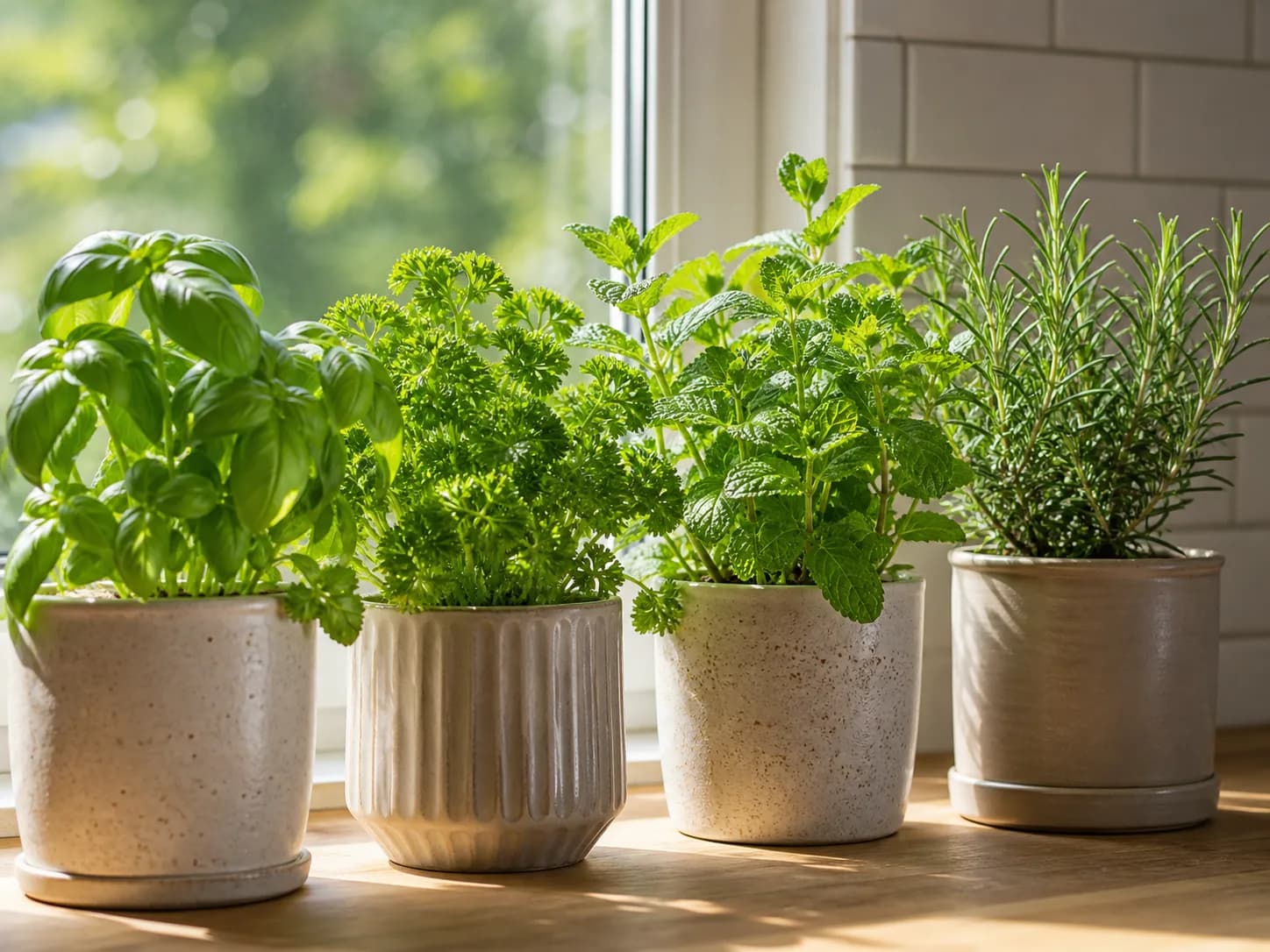
Best Herbs to Grow Indoors for Real Harvests, Not Spindly Pots
Choose indoor herbs that can actually produce in your light, temperature, and container setup, then match each one to the right harvest rhythm and watering style.
10 min read
Best Indoor Plants for Every Room and Light Level
A practical guide to choosing the best indoor plants for your home, covering beginner-friendly picks, low light champions, bright light lovers, watering basics, and how to avoid the most common mistakes.
13 min read