
Companion Planting Pest Control for Any Garden
Most gardens rely on sprays once bugs show up. Companion planting flips that around so the plants themselves do the pest control for you.
By pairing crops, herbs, and flowers with the right neighbors, you can confuse pests, attract good insects, and protect tender plants like fresh tomato vines before trouble starts.
You do not need a perfect plan or a complex chart taped to the fridge; you just need a few proven plant pairings, some spacing awareness, and a simple sketch of your beds. Start here: the why, the how, and the specific combos that work.
How Companion Planting Actually Reduces Pests
Wispy carrot tops next to bold onion leaves do more than look pretty. They change how pests smell and navigate your beds.
Many insects key in on a single scent, like cabbage odor or the smell of stressed pepper foliage. Strongly scented herbs and flowers scramble that signal so insects give up or move on.
Some companion plants work by attracting the bugs you want. Umbel flowers like dill and flat-leaf parsley pull in hoverflies and tiny wasps that eat aphids and caterpillars.
Other companions act as trap crops. Nasturtiums lure aphids off bean plants, and sacrificial radishes can take flea beetle damage instead of your young brassicas.
The most effective pairings either hide your main crop, feed its bodyguards, or sacrifice themselves first. If a plant does none of those, it is decoration, not pest control.
Dense monoculture beds are easy for pests to mow through row by row. Mixed beds force them to cross barriers of smell, texture, and taste, and every barrier drops your damage a little more.
Do not expect zero bug damage. Aim for plants that keep growing and producing while pests stay at background levels.
Planning Beds Around Pest Pressure, Not Just Aesthetics
The pests you fight every year should decide where companion plants go. Sketch your beds and mark spots where aphids, cabbage worms, or squash bugs usually attack.
Cluster the most vulnerable crops, like heading cabbage and spring broccoli, near space reserved for strong-smelling herbs and flowers.
Leave strips or pockets between big blocks of a single crop. These are your companion lanes. They break up scent trails and give pollinators and predators a path through the bed.
In a 4-by-8-foot raised bed, plan at least three companion lanes running across the short side. They might hold marigolds, dill, or low lavender clumps near the corners.
Try to repeat key helpers in several beds instead of building one complicated guild. Repeating simple patterns is easier to maintain when the season gets busy.
Overcrowding is the fastest way to turn companion planting into disease problems. Always protect airflow first, clever pairings second.
Use the sketch to make those tradeoffs visible before seedlings are already crowded.
- Start with pests: List top three insects that bug you every year.
- Map hot spots: Mark where each pest usually hits on last year’s layout.
- Reserve lanes: Block out strips for herbs and flowers before adding vegetables.
- Keep paths open: Leave at least 18 inches between dense plantings for access.
- Rotate roles: Swap which bed gets the most pest-prone crops each season.
Best Companion Herbs and Flowers for Common Garden Pests
A few workhorse herbs and flowers handle most of the pest work for home gardens. You do not need twenty species scattered everywhere.
Think in jobs instead, like aphid control, cabbage worm deterrent, or general predator support around your indeterminate tomatoes.
Marigolds are the classic pick for nematodes and general confusion, but strongly scented foliage from woody rosemary, shrubby sage, and spreading mint patches does just as much around bed edges.
Umbel flowers such as mature dill, cilantro in bloom, and bolting parsley clumps are magnets for lady beetles, lacewings, and parasitic wasps.
Open-centered flowers like purple coneflower or perennial salvia extend nectar into late summer so your predators stick around after the first aphid flush.
Avoid planting invasive or thuggish species as companions, even if they repel pests. They cause more headaches than they solve.
Start with one pest job per planting pocket so the mix stays useful, not random.
- For aphids: Nasturtium, calendula, and blooming dill near susceptible crops.
- For brassica caterpillars: Strong creeping thyme and sage around brassica rows.
- For squash bugs: Radish and catnip on the bed edges as a mild deterrent.
- For beetles: Chives and garlic scattered among greens and potatoes.
- For pollinators: Single-flowered zinnias, cosmos, and dwarf sunflowers in any spare corner.
Classic Companion Combos That Actually Help With Pests
Garden folklore is full of plant pairings that sound nice but do almost nothing. Focus on combos with a clear pest-control job.
Each of these has a simple role, like masking scent, luring pests away, or feeding beneficial insects through the whole season.
- Tomato + Basil + Marigold: Plant sweet basil mounds at the corners of a tomato cage and tuck marigolds along the front edge. Basil masks scent and attracts pollinators; marigolds distract root-knot nematodes and some beetles.
- Cabbage + Dill + Onions: Space dill seedlings every few feet in a brassica row, with onion or garlic bulbs between cabbages. The smell discourages moths, and dill flowers feed predators that hunt caterpillars.
- Carrots + Onions: Alternate short bands of carrot rows and onions. Each confuses the specialist flies that target the other crop, so both get less damage.
Use the next pairings where you have trellis room or a dedicated cucurbit block.
- Beans + Marigold + Nasturtium: Train pole beans up a trellis and plant marigolds at the base. Let nasturtiums sprawl in front as a trap for aphids and leaf miners.
- Squash + Radish + Flower Strip: Direct-sow zucchini hills, ring them with quick radishes, and keep a narrow strip of cosmos or zinnias nearby. Radishes take early flea beetle hits, flowers bring in predators.
If a combo crowds plants or blocks sun, the pest benefits vanish, even if the pairing looks perfect on paper. Thin hard and keep main crops happy first.
Seasonal Timing: When Companion Planting Works Best
The calendar matters as much as plant choice. If your marigolds are still tiny when cucumber beetles show up, they will not help much. Aim to have companion plants at least 2–3 weeks ahead of your main crop.
Cool season beds like broccoli rows and spring brassicas need protection early. Sow trap crops and repellent herbs indoors with those seedlings, then transplant them together once the soil is workable.
Warm season beds with tomato varieties, peppers, and eggplant seedlings benefit from a two-stage plan. Start long-lived companions such as perennial chive clumps and small lavender the year before or very early.
If you only adjust one thing, align bloom time of companion flowers with peak pest season in your area. Track when aphids, beetles, and moths showed up last year to time your sowing.
- Cool-season timing: Sow companions indoors 2–4 weeks before veggie seedlings
- Warm-season timing: Direct sow quick bloomers at transplanting time
- Perennial herbs: Plant the year before for full-size pest repellents
- Succession sowing: Repeat small plantings every 3–4 weeks for steady coverage
Maintaining Companion Plantings All Season
The work does not stop once everything is tucked into the bed. Companion plants that are perfect in May can smother crops by July if you never thin or cut them. Plan on a quick walkthrough every week.
Fast growers like spreading mint, volunteer dill, and vigorous pole beans need the firmest hand. Let them do their pest-control job, then cut them back hard or pull extras before they shade out smaller crops.
Deadheading is not just cosmetic. Snipping spent blooms on nasturtiums, nectar-heavy coneflowers, and salvia borders keeps nectar and scent production high, which holds beneficial insects in your garden.
Overcrowded companion beds trap humidity and become fungus and slug magnets instead of pest buffers.
Cut or thin the helpers before the bed turns humid and tangled.
- Weekly walkthrough: Remove plants touching crop stems or blocking sun
- Deadhead flowers: Cut spent blooms to keep nectar flowing
- Thin volunteers: Rogue out extra self-sown dill, calendula, or cilantro
- Water strategy: Use drip lines so foliage stays drier and disease pressure stays lower
Troubleshooting When Pests Ignore Your Companions
Sometimes you do everything "right" and the aphids or beetles still party in your beds. That does not mean companion planting failed. It means you need to tweak placement, density, or combine it with other controls.
If aphids coat your rose canes despite nearby herbs, check for ant trails. Ants farm aphids and will protect them from ladybugs and lacewings. Breaking the ant highway with sticky barriers or diatomaceous earth often restores balance fast.
For leaf miners on beets or spring spinach, companions alone rarely solve the problem. Pair strong scented herbs with floating row cover, and pull infested leaves early so larvae do not complete their life cycle in your bed.
For chewing pests like cabbage worms on kale leaves, treat companions as part of a stack. Row cover, hand-picking, and targeted sprays from a natural pest control plan close the gaps around flea beetles and eggplant too.
- Check basics: Confirm crop spacing, soil health, and watering are not stressing plants
- Adjust layout: Move or add companions closer to the worst-hit crops
- Stack methods: Combine companions with covers, traps, and hand removal
- Reset infestations: Remove and destroy heavily infested plants to protect the rest
Mixing Companion Planting With Other Pest Controls
Companion planting works best as the quiet background player in a full pest strategy, not the only actor. You will get better results combining it with physical barriers, crop rotation, and smart fertilizing choices.
Row covers over new transplants, especially broccoli seedlings and tender cabbage, block egg-laying even if a few pests slip past your flowers. Remove covers once plants are larger and companions are flowering strongly.
Good nutrition helps plants shrug off minor feeding. Pair your companion layout with a soil test and a simple feeding plan based on the vegetable garden fertilizing guide so crops can repair minor damage quickly.
Companion plants also fit well with organic sprays highlighted in a natural garden control guide. Use sprays sparingly in the evening so you do not harm the very beneficial insects your flowers attracted.
- Physical barriers: Combine companions with row cover, collars, and netting
- Crop rotation: Move nightshades, brassicas, and cucurbits yearly to confuse pests
- Thoughtful fertilizing: Avoid heavy nitrogen that encourages soft, pest-prone foliage
- Spot treatments: Reserve sprays for hot spots instead of entire beds
Common Companion Planting Mistakes To Avoid
Most disappointment with companion planting comes from a few repeat mistakes. The good news is they are easy to fix once you spot them in your own beds.
Planting too few companions is the big one. A single marigold at the end of a long tomato row will not change much. Think in terms of a pattern of herbs and flowers woven through the bed instead of one or two tokens.
Another trap is using bully plants. Sprawling pumpkin vines can crowd out crops if you do not contain them in pots or prune often. Aggressive mint patches and tall sunflower-style companions need the same containment.
Some gardeners also forget that companions must match their zone and sun conditions. Heat lovers like lantana borders will sulk in cool, shady beds.
Pick sturdier flowers from the flower category when the bed is cooler, shadier, or outside the plant's comfort range.
- Too few helpers: Aim for at least one companion for every 2–3 crop plants
- Bullies in charge: Keep aggressive herbs in buried pots or trim often
- Wrong plant for zone: Cross-check companions with your zone hardiness and sun exposure
- No patience: Give your system a full season before judging results
Pro Tips
- Start with two or three companion combos your first year, then add more once you see what helps in your beds.
- Use tall companions like dill or sunflower screens on the north side of beds so they do not shade shorter crops.
- Allow a few herbs such as cilantro or overwintered parsley to bolt and bloom, since the flowers are predator magnets.
- Stagger sowing dates so not every companion plant flowers or fades at the same time, which keeps food available for beneficial insects.
- Avoid planting aggressive mint directly in beds, and keep it in containers near your main vegetable plots instead.
- Leave some minor pest damage alone so predators and parasites always have a food source and reason to stick around.
- Rotate your most pest-prone crops between beds each season, even with companions, to avoid building up soil-borne problems.
Frequently Asked Questions
Can companion planting replace all sprays and pesticides?
Companion planting can cut pest pressure a lot, but it rarely replaces every other control. You still need basics like row cover, hand-picking, crop rotation, and healthy soil. Think of companions as one layer in your pest-control stack.
How close do companion plants need to be to work for pest control?
Place companions within 12–18 inches of the crop you want to protect, or interplant them in the same row. The scent and structure need to blend with the crop foliage for insects to get confused or attracted to the trap plants.
Will companion planting help in raised beds and containers?
Yes, raised beds and big containers are perfect for companion planting. Tuck herbs like low thyme mounds and flowers like cheerful calendula at the edges to draw beneficials and distract pests from the main crop.
How long before I see fewer pests after adding companion plants?
You usually see some change within 4–6 weeks, once companions are blooming and scented. Bigger shifts show up after a full season or two, as beneficial insects build stable populations around your regular patterns of flowers and herbs.
Do companion plants attract more pests to my garden?
Trap crops like nasturtiums or sacrificial border radishes can pull more pests into that one spot. The tradeoff is your main crop stays cleaner. Remove or destroy heavily infested trap plants so pests do not spread back into the bed.
Sources & References
Related Guides
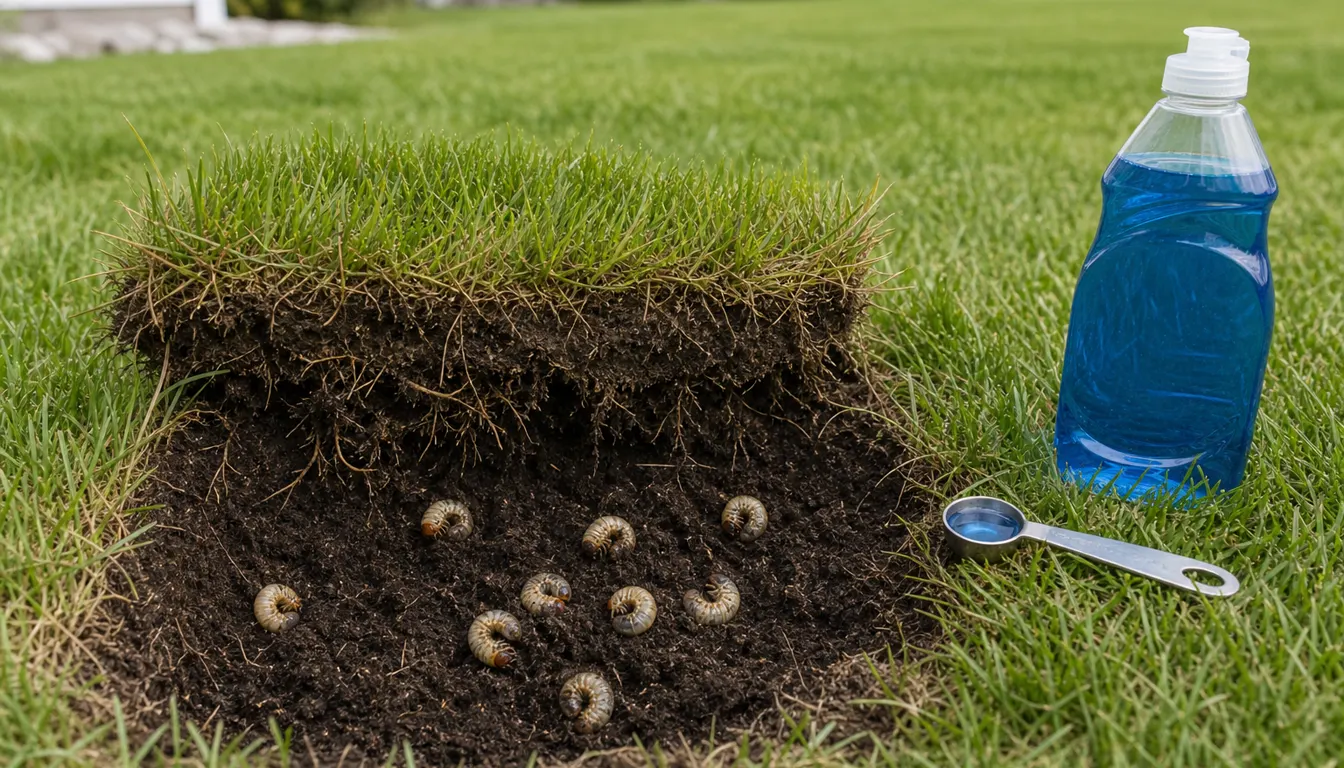
Dawn Dish Soap for Grubs: What Actually Works
Soap solutions can help you spot-check for grubs and knock back a few pests, but they are not…
10 min readDo Marigolds Keep Squirrels Away From Your Garden?
Squirrels can strip a bed of seedlings or freshly planted bulbs in a single morning. Plenty of…
11 min readDo Squash Bugs Bite? What Gardeners Should Know
The sight of a cluster of brownish squash bugs on your vines is bad enough. When they start…
11 min read