
What's English Lavender? How to Keep Its Crown Dry and Its Mound Tight
Lavandula angustifolia Lamiaceae
English Lavender is a woody Mediterranean subshrub grown for fragrant purple flower spikes, silvery foliage, pollinators, and dried stems. It thrives in full sun, lean soil, and sharp drainage.
Most failures come from shade, humidity, rich soil, or wet winter crowns.
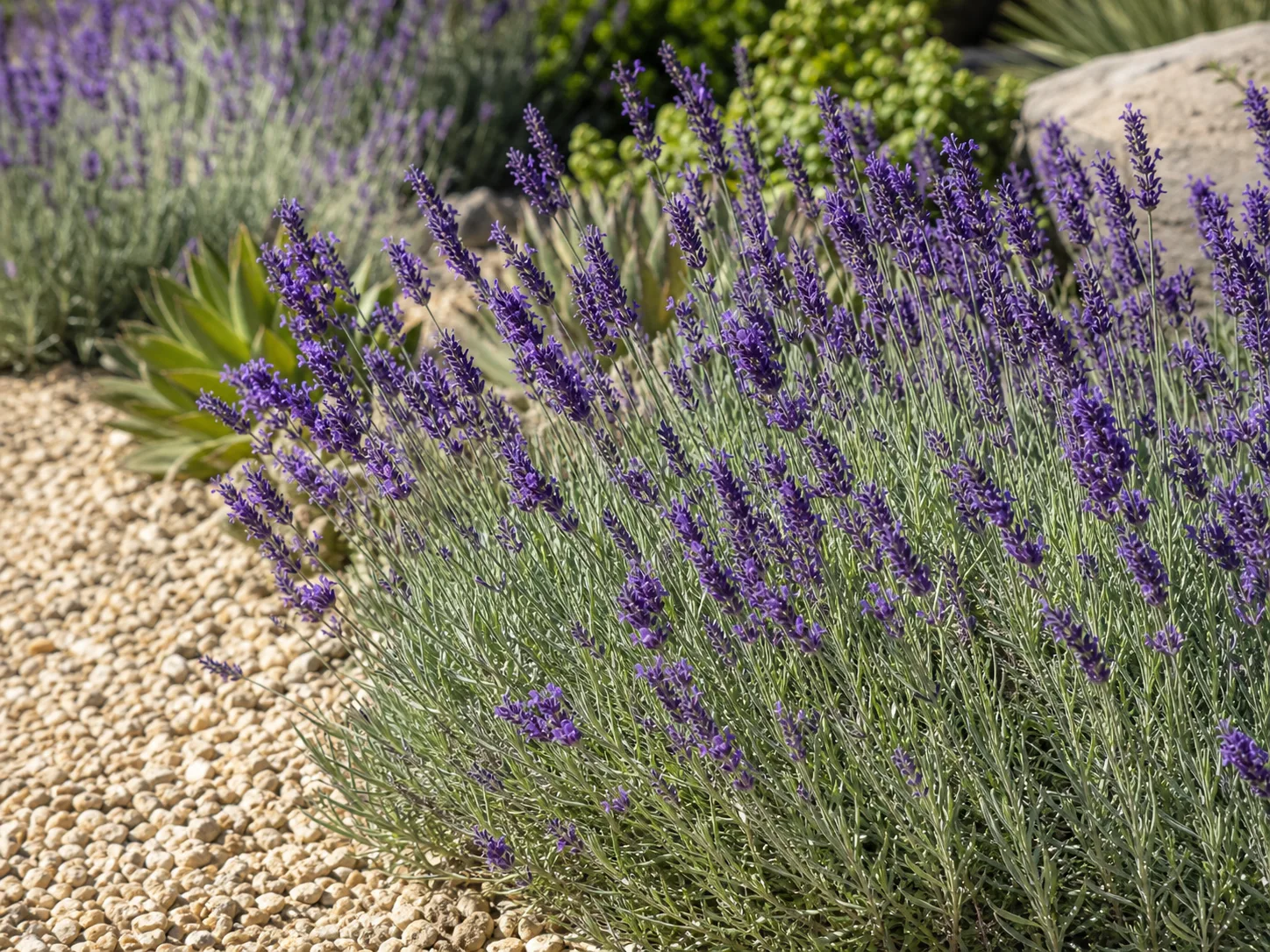
Care snapshot
Keep the Crown Dry First
English Lavender succeeds when the crown stays bright, airy, and dry.
Treat it like a woody dryland subshrub, not a thirsty bedding flower, and most care choices become simpler.
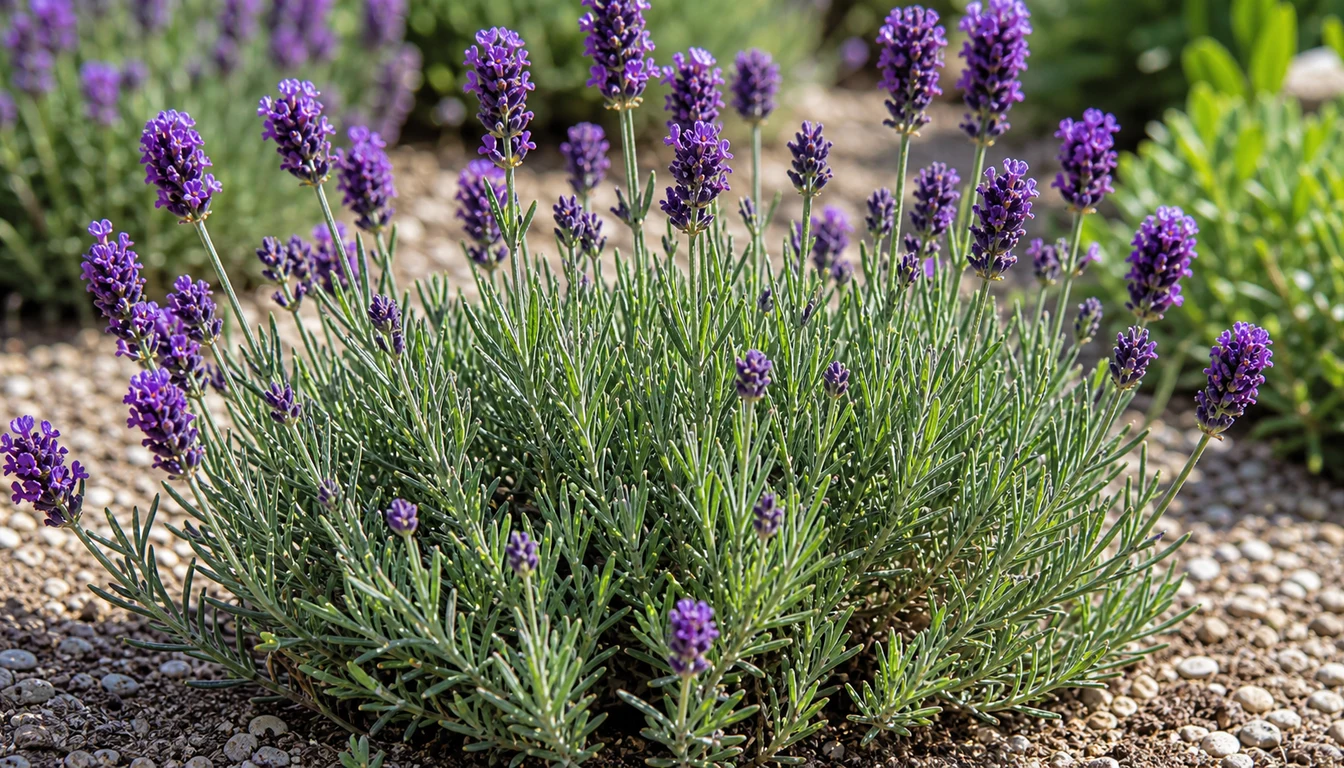
Lavandula angustifolia usually stays around 12-30 inches tall, depending on cultivar and pruning. It can make a tidy hedge, a path-edge plant, a pollinator strip, or a harvest plant for dried flowers, but only if water drains away from the woody base.
The care is closer to rosemary than to thirsty border flowers. Strong sun, lean soil, and airflow matter more than compost, frequent water, or heavy fertilizer.
That woody crown is the part to protect. Once it stays wet, buried, or shaded, the top can look silver for a while even as the base starts failing.
Lavender's fragrance comes from oil stored in tiny glandular hairs covering the leaves and flower spikes rather than inside the plant tissue itself, which is why brushing against the foliage releases scent instantly.
Choose by Winter and Harvest Use
Choose English Lavender by winter survival and harvest use before bloom color. Compact cultivars work near paths and pots, while taller ones give longer stems for drying, bunching, or a fuller low hedge.
Do not assume every plant labeled lavender has the same hardiness. French, Spanish, lavandin, and English types differ in cold tolerance, fragrance, flower shape, and how well they recover after pruning.
English Lavender is usually the best bet for cold gardens, while Spanish and French types suit milder climates and containers. Choosing by winter survival matters more than choosing by flower shape alone.
For harvest, choose a cultivar with stems long enough to cut cleanly above the leaves. For edging, choose the compact plant even if its flower spikes are shorter, because flopping over a path creates more cleanup than fragrance.
- Hidcote
- Compact, deep violet flowers, often around 18 inches, good for edging
- Munstead
- Classic, reliable, slightly looser habit, good cold performance
- Royal Velvet
- Long, darker flower stems for cutting and drying
- Thumbelina Leigh
- Very compact choice for pots and narrow borders
The name English Lavender is a naming quirk more than a botanical fact, since Lavandula angustifolia is native to the Mediterranean and only earned the label after centuries of English gardens growing it especially well.
Full Sun Keeps the Mound Tight
English Lavender needs 6-8 hours of direct sun because light keeps the mound tight and the crown dry. Shade opens the plant, weakens fragrance, and traps moisture where stems turn woody.
A hot south or west exposure is often better than a protected damp corner. Gravel paths, stone edges, and raised beds suit lavender because they reflect heat and dry quickly after rain.
If your site is only bright shade, choose another plant instead of forcing English Lavender to adapt. Sunny, drought-tolerant companions such as salvia or coneflower are better comparisons than shade plants.
- Best site: open sun with airflow from morning through afternoon.
- Good microclimate: raised gravelly bed, slope, or path edge.
- Poor site: under shrubs, beside lawn sprinklers, or against a damp wall.
- Container note: rotate pots so one side does not become woody and shaded.
Strong sun does more than keep the mound tight, since heat and UV exposure directly boost oil concentration in the glandular hairs, which is part of why lavender grown in a marginal, shadier spot often smells noticeably weaker.
Water New Roots, Then Step Away
New English Lavender needs help while roots settle, while established plants need restraint. The handoff from regular watering to long dry pauses is where many healthy plants are accidentally pushed into rot.
During the first few weeks, water deeply when the top couple of inches dry. After the plant is established, use deep watering only when the root zone is truly dry, soaking once, then letting air return around the roots.
Containers dry faster, but they also rot faster if the mix is dense. Water potted lavender only when the top 2 inches are dry, and never let the pot sit in saucer water.
After establishment, the right miss is usually waiting one extra day, not watering one day early. Constant sips keep the surface damp and train roots to stay where rot pressure is highest.
The plant's silvery leaf color comes from a dense coat of fine hairs that reflect sunlight and slow moisture loss, the same drought adaptation that lets established lavender shrug off long dry spells.
Drainage Beats Fertility
The best English Lavender soil is lean, gritty, and fast-draining. Rich, damp soil creates soft growth that flops in summer and dies back in winter because the crown never gets a dry pause.
In clay, plant high rather than deep.
A raised strip, gravelly mound, or container is safer than a deep amended hole that collects water around the roots.
Skip heavy compost and high-nitrogen fertilizer. Save that richer treatment for vegetables and follow separate guidance when you fertilize vegetable beds, since lavender wants the leaner side.
In humid regions, build the whole planting area up rather than only amending the hole. A raised strip with mineral grit around the crown dries faster after summer rain, and that open, lean setup does more for survival than rich compost, which can push soft growth that collapses in damp weather.
- Texture
- Gritty loam, sandy loam, or raised amended clay
- Drainage
- Water should move away quickly after rain
- Mulch
- Gravel is safer than bark around the crown
- Feeding
- Little to none once established; avoid lush nitrogen growth
Unlike many garden perennials that want acidic soil, lavender actually prefers neutral to slightly alkaline conditions, roughly pH 6.5 to 8, so gardeners in naturally alkaline soil rarely need to adjust pH at all.
Cut Green Growth, Not Bare Wood
Pruning keeps English Lavender from turning into a hollow woody shell. Cut green, leafy growth, but do not cut hard into bare brown wood where no leaves remain, because those stems often refuse to resprout.
After the main bloom, shear back spent flower stems and a small amount of leafy growth to keep the mound tight. For step-by-step timing, the dedicated deadheading spent spikes guide is useful when blooms fade unevenly.
Harvest stems when several lower florets have opened but the spike is not fully spent. The flower-stem cutting timing matters if you want strong scent and good dried stems.
For new plants, take softwood or semi-ripe cuttings from non-flowering tips. Seed-grown lavender is slower and less predictable than cuttings from a cultivar you already like.
- Cut 3-4 inch non-flowering shoots.
- Remove lower leaves and keep the stem clean below the soil line.
- Root in a gritty, barely moist mix.
- Keep bright, warm, and airy until roots form.
- Pot up gradually so young plants do not sit in wet mix.
Taking cuttings early in the morning, while stems are still fully hydrated from overnight, noticeably improves rooting success compared with cutting the same stems later on a hot afternoon.
Rot Is the First Suspect
When English Lavender declines, suspect wet roots and humid crowns before insects. Aphids, spittlebugs, and mites can appear, but drainage and air movement usually decide whether the plant recovers.
Root rot shows as wilting, blackened stems, or a plant that collapses even though the soil is damp. That pattern is more serious than cosmetic spittlebug foam on stems.
When lavender looks weak, pests are rarely the first suspect. Check drainage, humidity, shade, and overfeeding before treating, because stressed lavender often declines from the root zone upward.
Root rot and winter dieback both leave lavender stems blackened and lifeless, which is exactly why gardeners often blame the wrong season for a plant that is actually failing for the opposite reason.
Root rot blackens stems at the base first and often smells sour or feels mushy at the crown, while winter dieback kills stem tips downward from freeze damage and leaves a firm, dry crown that can still push new growth in spring.
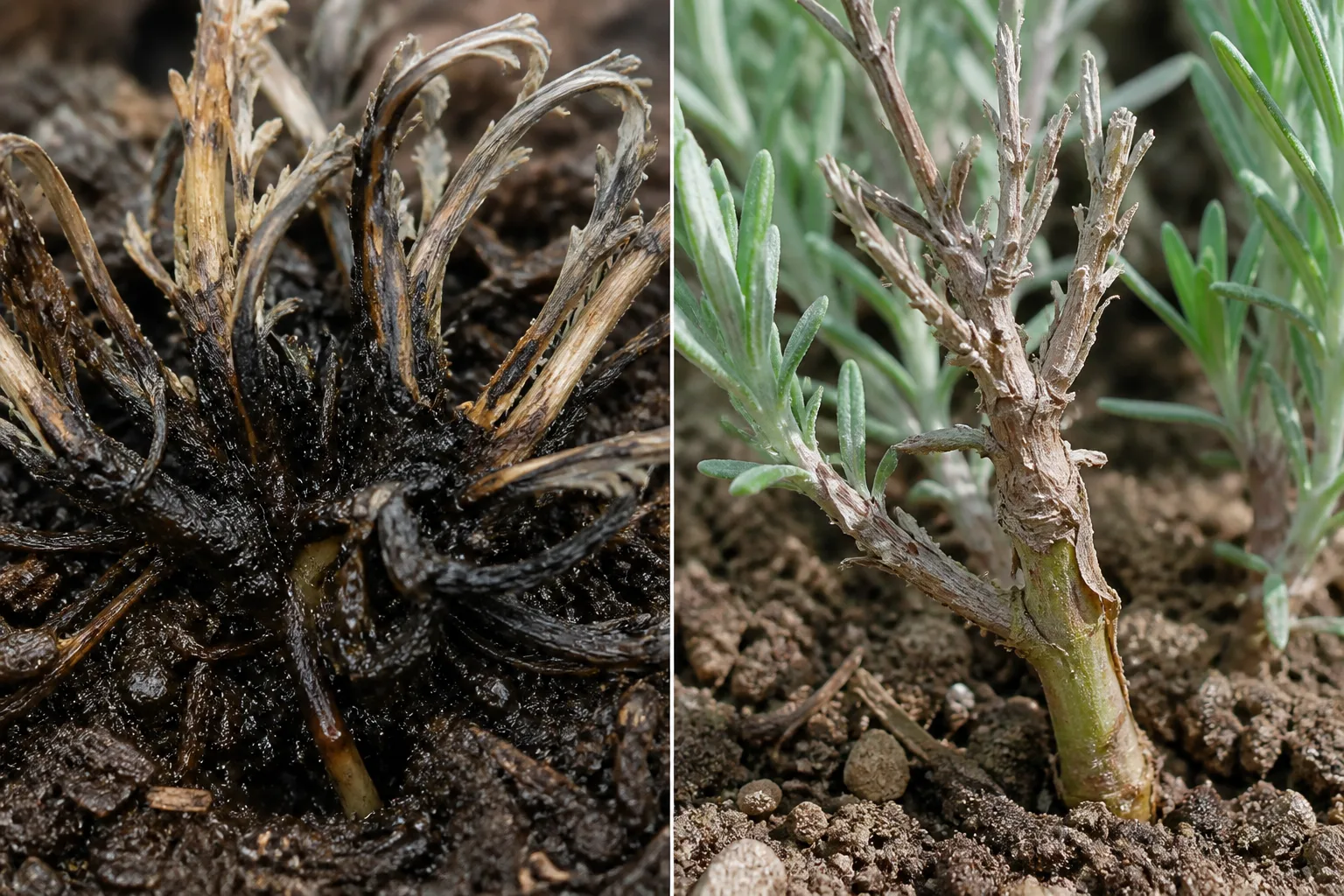
Wet soil, blackened crown, sour smell, and wilt that does not improve.
White foam on stems. Usually cosmetic and easy to rinse off.
Soft clusters on tender tips, usually managed with water or insecticidal soap.
Often linked to wet crowns, freeze-thaw heaving, or pruning too late.
The fungus most often behind lavender root rot is in the Phytophthora genus, a water-mold pathogen that thrives specifically in saturated soil and rarely gets a foothold once drainage is fixed.
Seasonal Care Changes With Rain
Spring care starts after you can see living green growth. Remove winter-killed tips, shape lightly, and resist cutting into old woody stems just to make the plant smaller.
Summer is harvest and light-pruning season in dry climates, but it is drainage season in humid ones. Cut flowers, deadhead after the first flush, and keep the crown open enough to dry after rain.
Pruning is a timing decision. Trim after the first flush or in early spring when new growth shows, but avoid cutting into old bare wood that has no green shoots, since lavender rarely rebounds from hard cuts below active buds.
Trim dead tips after new growth appears and check that crowns are not buried.
Harvest stems, deadhead, and water only after the root zone dries.
Avoid hard pruning and keep foliage dry going into winter.
Protect young plants from wind and heaving, while keeping crowns dry.
Use the Plant, Respect the Oil
English Lavender is a strong pollinator plant, especially for bees. Plant it near paths where you can enjoy the scent, but not directly beside seating if regular bee traffic will bother people.
ASPCA lists English lavender as toxic to dogs, cats, and horses, with nausea, vomiting, and loss of appetite among the possible signs. A culinary use for people does not establish safety for a pet that chews the plant.
For a sunny herb bed accessible to pets, rosemary and lavender have different safety listings. Rosemary’s non-toxic listing does not make its essential oil or pesticide-treated foliage safe to ingest.
Frequently Asked Questions
Is English lavender a perennial?
Yes, English Lavender is a perennial subshrub in suitable climates, especially where winters are cold but soil drains well. Wet winter crowns are a bigger problem than cold alone.
Why does my lavender keep dying?
Lavender usually dies from wet soil, shade, humidity, rich soil, or pruning into old bare wood. Check drainage and sun before adding fertilizer or more water.
How often should I water lavender?
Water new lavender until roots establish, then let the soil dry between deep soakings. Potted plants need closer checks, but they still should not sit wet.
When should I prune English lavender?
Prune English Lavender lightly after bloom and again in spring only after new growth shows. Keep cuts in leafy growth and avoid cutting into old bare wood.
Can lavender grow in pots?
Yes, since Lavender grows well in pots if the container has drainage, the mix is gritty, and the plant gets full sun. Terracotta pots often help by drying faster.
Is lavender safe for pets?
Lavender can upset pets if eaten, and concentrated essential oil is much stronger than the garden plant. Keep oils away from cats and dogs, and keep plant chewing to a minimum.
Sources & References
- NC State Extension Plant Toolbox: Lavandula angustifolia (English Lavender)
- NC State Extension Plant Toolbox: Lavandula stoechas (French Lavender)
- Royal Horticultural Society - Lavender Growing Guide
- Missouri Botanical Garden Plant Finder - Lavandula angustifolia
- University of Vermont Extension - Growing Lavender Successfully
- University of Vermont Extension - Growing Lavender in Cold Climates
- ASPCA — Lavender
Related Plants
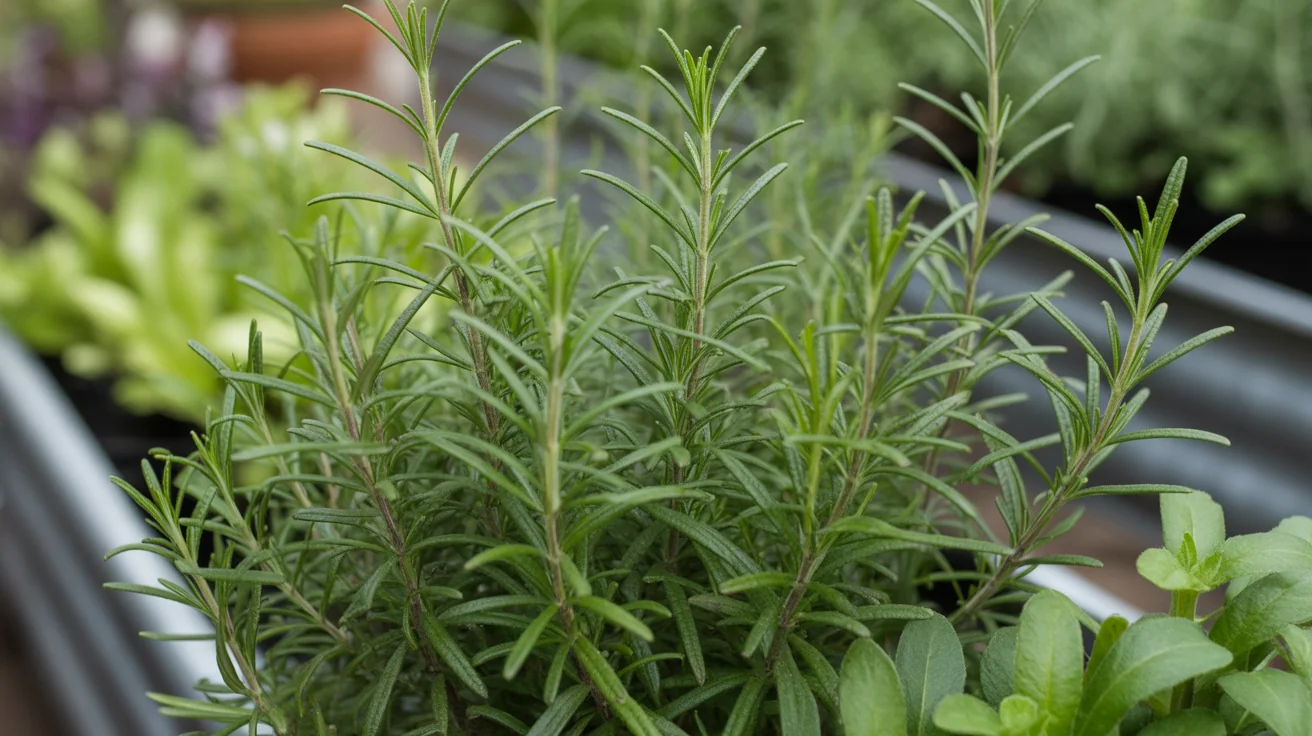
Rosemary
A Mediterranean herb with nearly identical sun, drainage, and pruning needs.
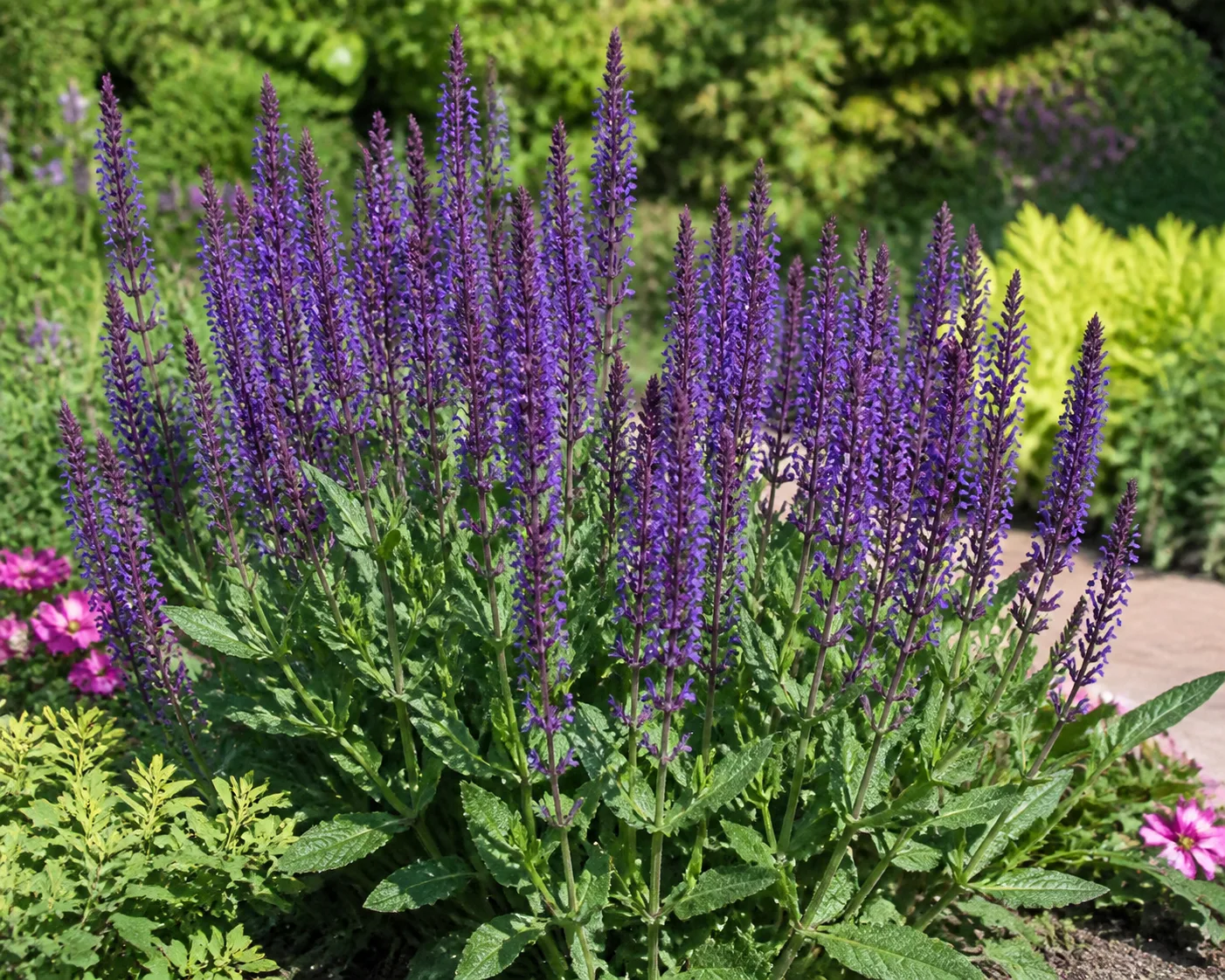
Salvia
Another drought-tolerant, full-sun bloomer that suits the same lean beds.
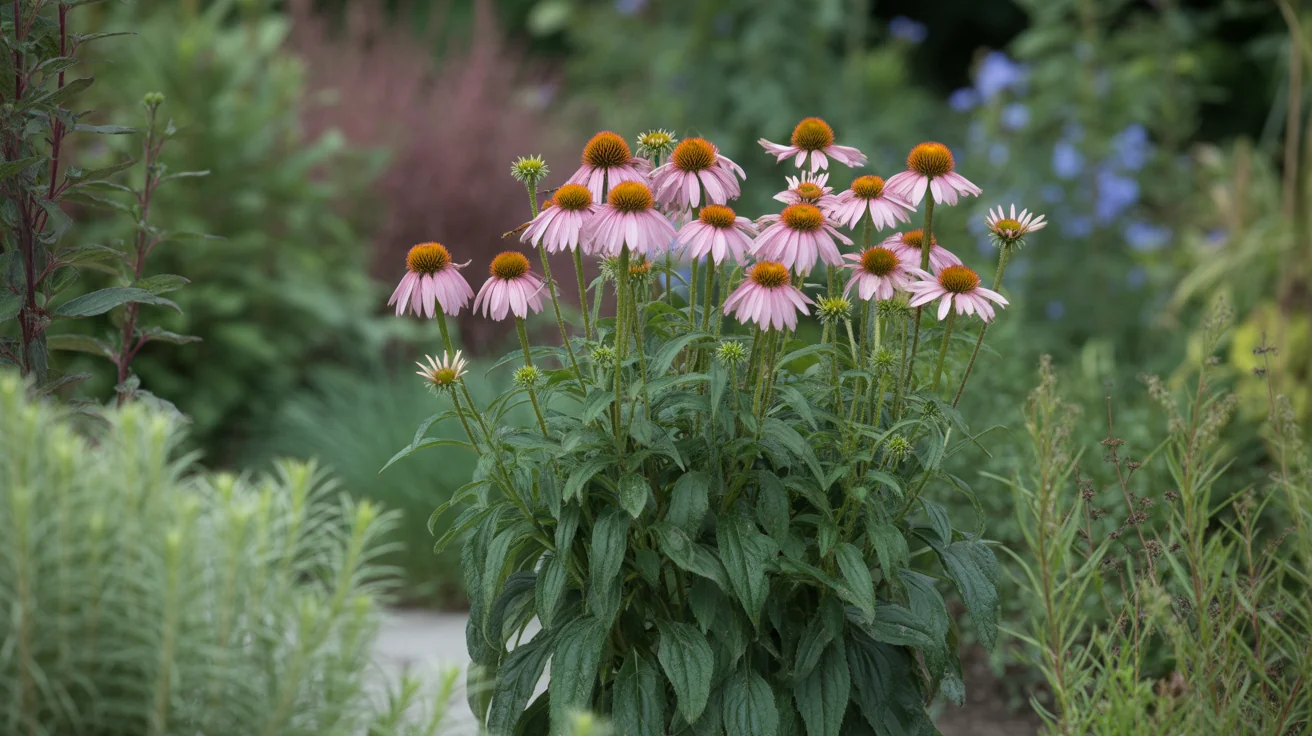
Coneflower
A tough prairie perennial that shares lavender's dislike of rich, soggy soil.
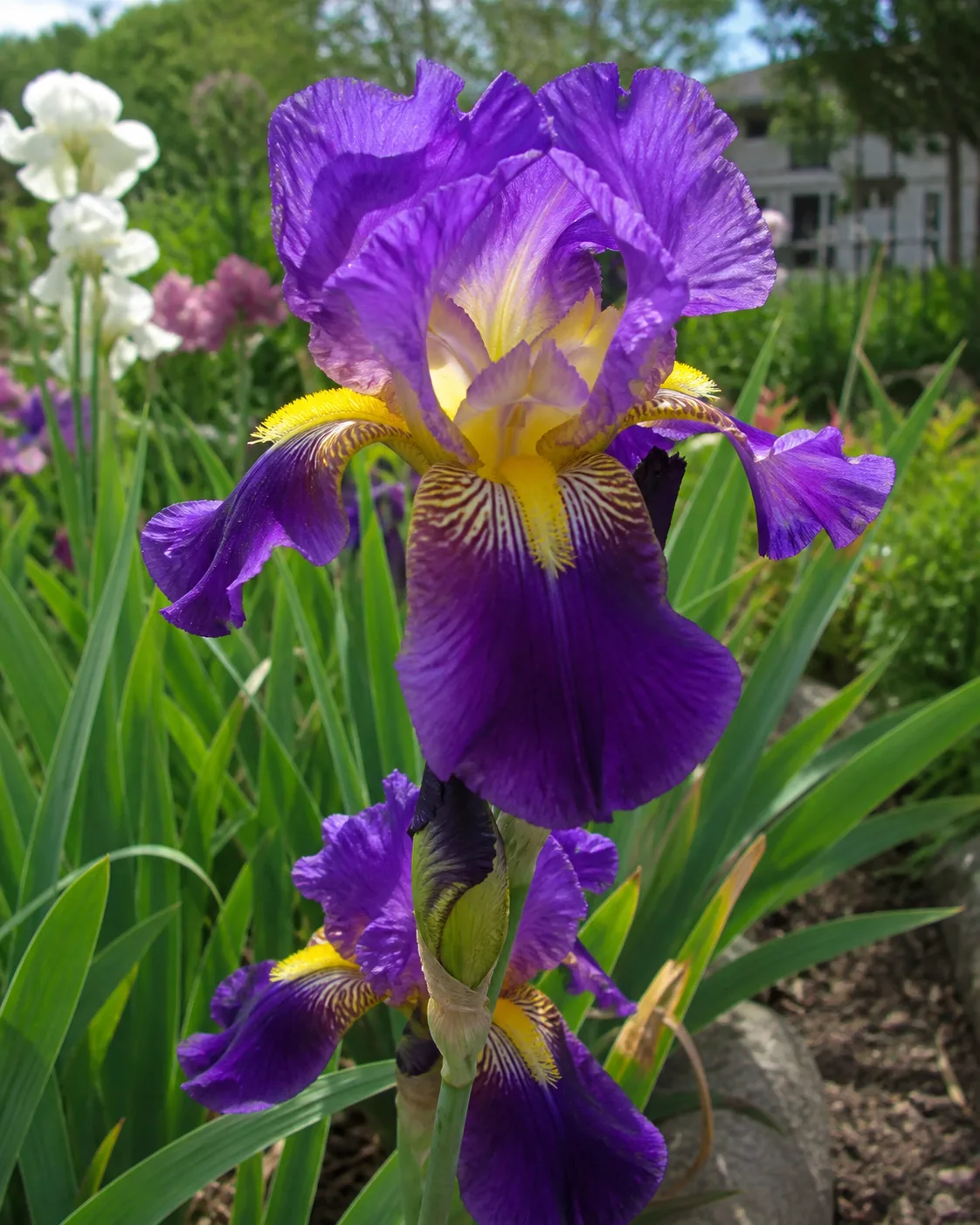
Bearded Iris
Bearded iris are tough, sun-loving perennials grown from shallow rhizomes, not deep bulbs.
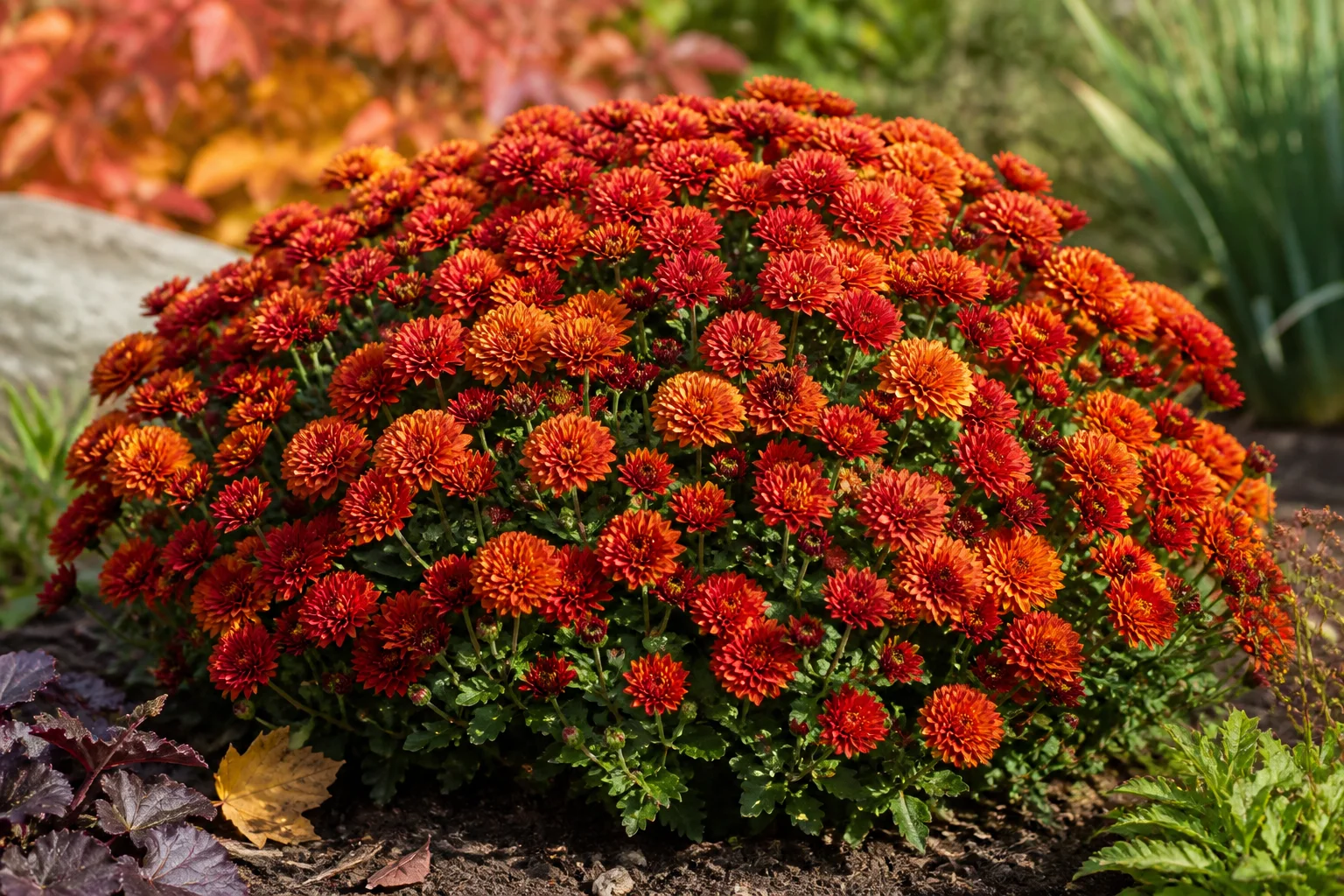
Chrysanthemum
Garden mums are the compact chrysanthemums most people buy for fall color.
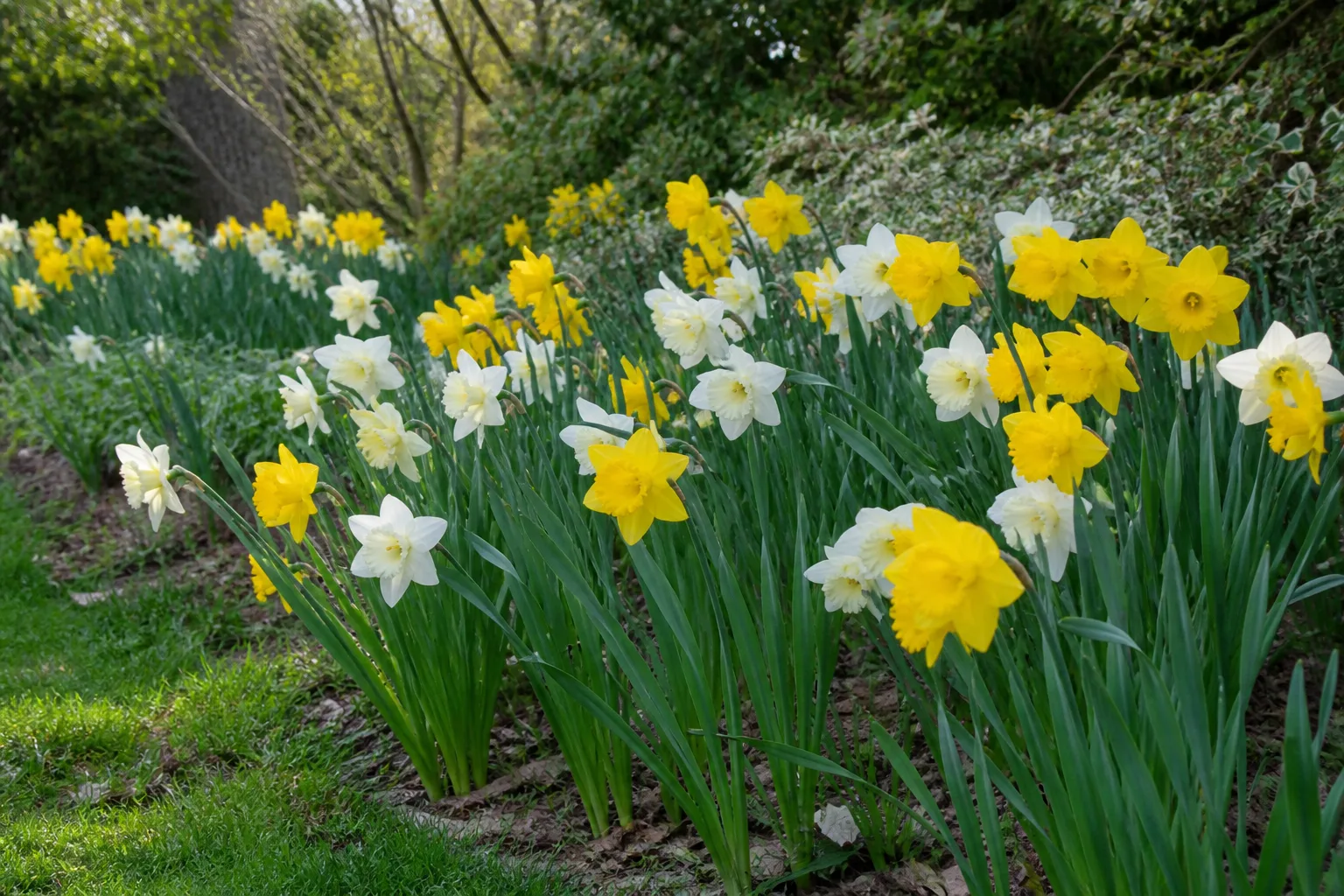
Daffodil
Daffodils are hardy fall-planted bulbs grown for reliable spring flowers, deer resistance, and decades of return bloom…