
Should You Grow Lantana? Flowers, Toxicity, and Spread
Lantana camara Verbenaceae
Lantana supplies clusters of flowers in sunny summer beds and containers. Cultivar choice affects its size, winter survival, and potential to spread, while toxicity remains a concern even with sterile selections.
Care snapshot
Why Lantana Handles Heat So Well
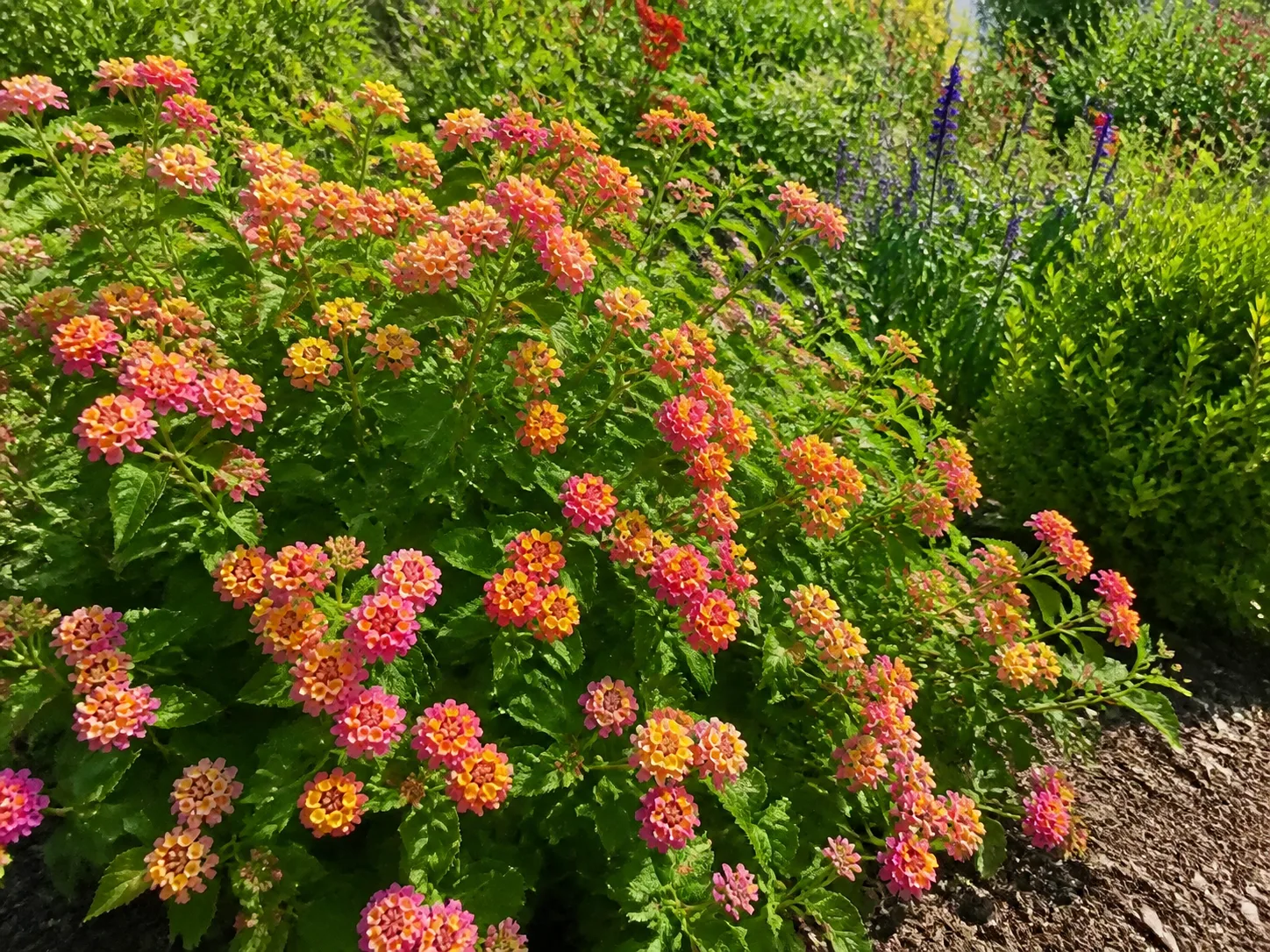
As a starting point on plant habit, Lantana camara behaves like a heat-loving flowering shrub in warm climates and a rugged annual in colder ones.
Once nights stay warm, it can bloom for months while softer bedding plants slow down.
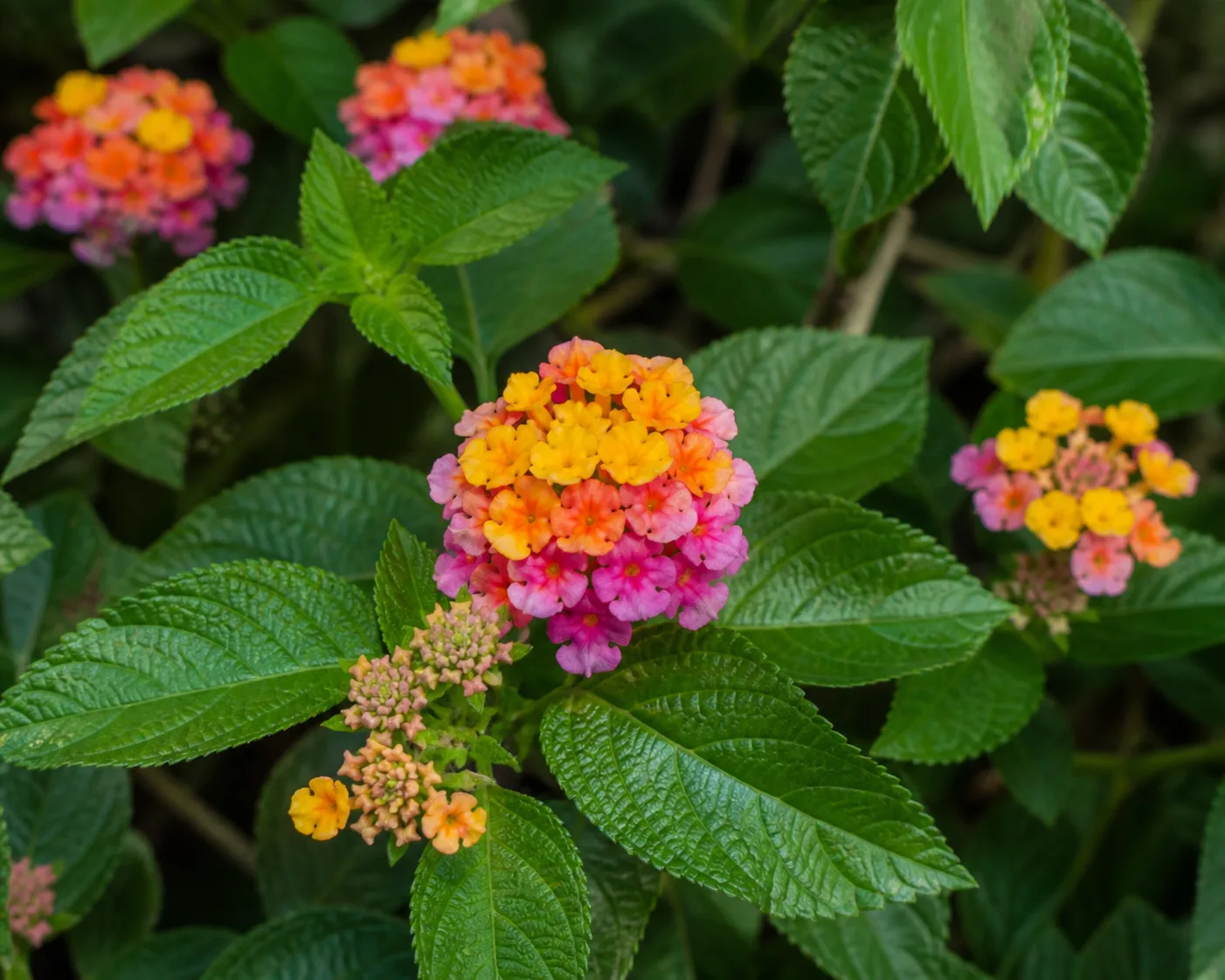
The flowers are clusters of tiny florets that often shift color as they age, which is why one head can show yellow, orange, pink, or red at the same time.
Butterflies notice those clusters quickly.
Beyond honeybees, lantana clusters are a genuine draw for larger butterflies like swallowtails and monarchs, since the flat-topped florets give them a stable landing platform that deep, tubular blooms do not.
Fertile lantana can escape cultivation in warm regions. Near natural areas, the choice depends on regional guidance and the exact cultivar, including whether its sterility has been assessed.
Choosing the Right Lantana Habit
Choose lantana by habit before color. A trailing cultivar spills from baskets and walls, a compact mound edges a sidewalk, and a shrubby form can become a small flowering hedge in frost-free gardens.
Size tags matter because warm climates stretch the plant. A cultivar that behaves politely in a northern summer can become a woody shrub in a long Zone 9 or Zone 10 season.
Flower color can shift as lantana clusters age. A plant sold as orange, pink, or bicolor may show several tones at once, so choose by mature habit and climate performance as much as the first bloom you see.
- Compact bedding types
- About 10-18 inches, good for edging, small pots, and annual color
- Trailing types
- Spill over baskets, walls, and slopes; useful where soil dries quickly
- Shrubby forms
- Can reach several feet in warm zones; best with space and pruning access
- Assessed sterile cultivars
- May address seed spread where locally recommended; they do not remove toxicity.
Light: Full Sun Keeps the Flowers Coming
Sun exposure decides the result, since Lantana wants 6 or more hours of direct sun. Less light usually means longer stems, fewer flowers, and more pest pressure inside the plant.
Hot reflected light near patios, driveways, and stone edges is often where lantana performs best. That is the opposite of part-shade shrubs such as hydrangeas, which scorch in the same exposure.
Lantana earns its drought-tolerant reputation only in full sun. In part shade it can stay alive, but stems stretch, flowering thins, and the plant becomes more foliage than nectar source, especially in humid summers.
- Best bloom: full sun from late morning through afternoon.
- Good container site: hot steps, rails, and patio edges with steady watering.
- Poor-light clue: stretched stems with flowers only at the tips.
- Avoid: deep shade under shrubs, fences, and tree canopies.
Container plants often bloom unevenly if left facing one direction all season, since the side toward the strongest light pulls ahead of the shaded side. Turning the pot every couple of weeks keeps growth and flowering balanced on all sides.
Watering: Let It Dry, Then Soak
New lantana needs regular water until roots move into the surrounding soil. Once established, it prefers a dry-down cycle, soaking the root zone, then letting the top soil dry before watering again.
That rhythm is why lantana works beside drought-tough plants. The same deep watering approach used for shrubs and perennials is better than daily sprinkles.
Containers are the exception because pots heat up and dry fast.
A trailing lantana in a basket may need water whenever the top inch dries during a hot, windy week.
Do not use drought tolerance as a reason to let new plants wilt repeatedly. Establishment water builds the root system that later makes lantana look easy in summer heat.
Once established in the ground, lantana prefers deep, occasional watering instead of constant damp soil. Containers are different, since a pot on hot paving can dry out daily, so drainage and pot volume matter more than a fixed watering schedule.
Soil and Drainage
Drainage sets the limit, since Lantana is not a rich-soil diva.
It flowers well in average sandy or loamy soil as long as water drains away from the crown.
Heavy clay can work if you plant on a slight mound or in a raised edge. What fails is a cold wet pocket that holds water after rain, especially before the plant is growing strongly.
Do not overfeed. Too much nitrogen pushes soft leafy growth and fewer flowers, the same kind of imbalance gardeners see when tomatoes get fertilized at the wrong time.
Lean soil keeps lantana tougher and bloomier.
Heavy feeding can push soft green growth that looks lush for a short time but flowers less and wilts faster when heat arrives.
- Best texture
- Sandy loam, loam, or improved clay that drains after rain
- Potting mix
- Fast-draining outdoor container mix, not a moisture-heavy indoor blend
- Fertilizer
- Light feeding only; heavy nitrogen reduces bloom quality
- Mulch
- Thin mulch layer in beds, kept away from woody stems
Lantana tolerates a fairly wide pH range, from mildly acidic to slightly alkaline, without much fuss. Extremely alkaline soil can eventually cause yellowing between leaf veins, a nutrient-lockout symptom worth checking before assuming a watering or light problem.
Pruning, Pinching, and Propagation
Pinch young lantana once or twice early if you want a fuller plant. After that, light shearing or tip pruning can refresh bloom without turning the plant into a tight green ball.
In warm zones, cut back woody plants in spring after frost danger has passed and new growth shows what survived. In cold zones, annual plantings are usually replaced, while favorite container plants can be overwintered indoors.
Keep the cutting small and non-flowering so stored energy goes into roots instead of trying to finish a bloom cycle.
- Cut a healthy 3-5 inch non-flowering tip.
- Remove lower leaves and any flower buds.
- Place in damp perlite or a light seed-starting mix.
- Keep warm and bright, out of harsh direct sun, until roots form.
- Pot up gradually once the cutting resists a gentle tug.
Grooming for Shape, Not Just Deadheading
Most modern lantana cultivars are self-cleaning, dropping spent flower heads without help, but a light grooming pass still keeps plants tidy and can reduce berry formation in seedier types.
Snip spent clusters back to a healthy set of leaves rather than shearing the whole plant flat. That targeted approach keeps the natural mounded or trailing shape instead of leaving a stubbly, uneven surface.
A midsummer slump in flowering often responds better to a light all-over trim than to more fertilizer.
Cutting back by about a third opens the center, removes tired growth, and usually triggers a fresh flush of blooms within a couple of weeks in warm weather. Skip this hard reset in the coolest part of the season, when regrowth is slow.
- Snip spent clusters to a leaf node instead of shearing flat.
- Reach for a light trim before reaching for more fertilizer during a bloom slump.
- Cut back by about a third in warm weather to trigger fresh flowers.
- Skip hard grooming cuts during the coolest part of the season.
Pests and Common Stress Signals
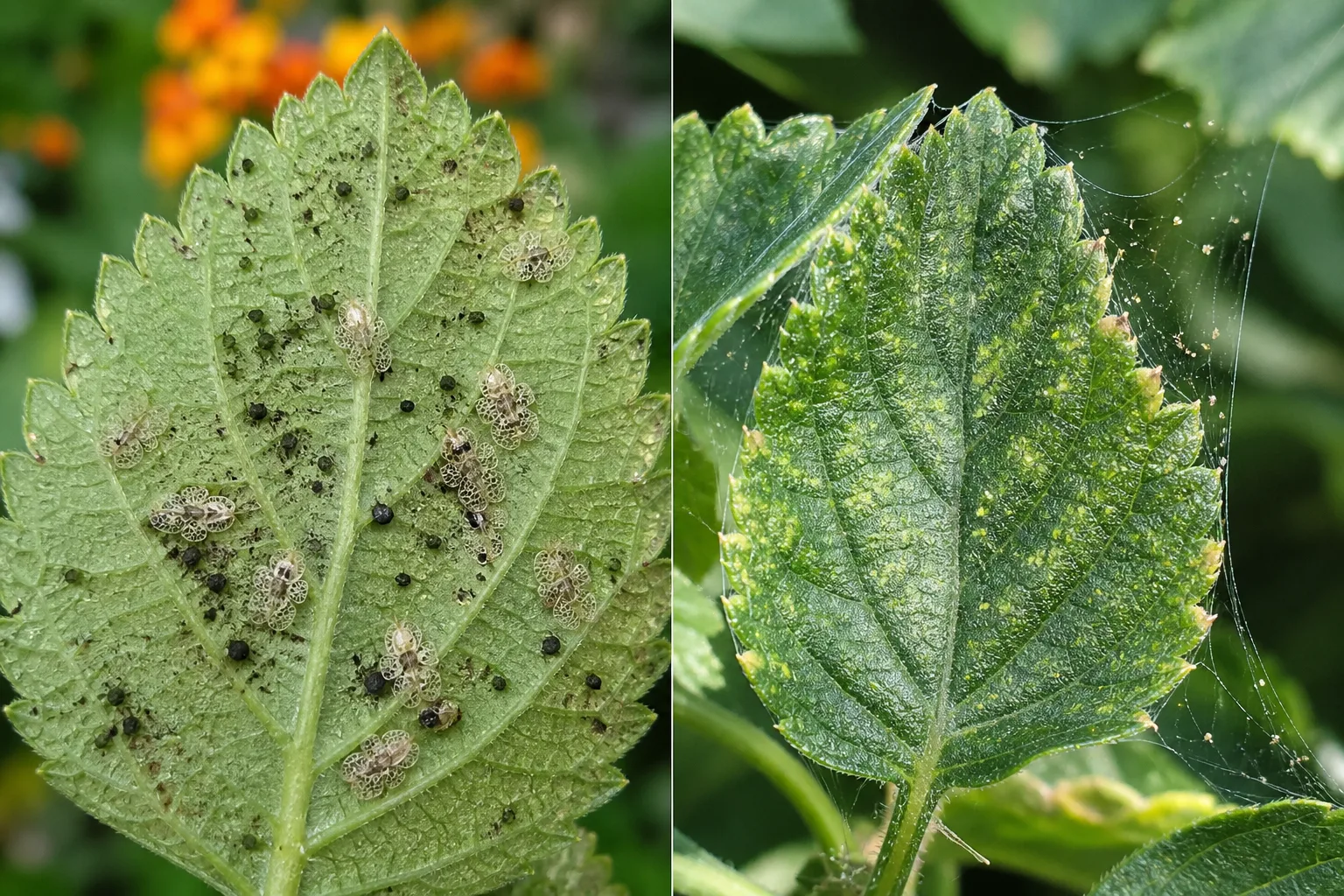
Healthy lantana is usually resilient, but stressed plants in hot still air can attract whiteflies, spider mites, aphids, and lace bugs.
Spider mites show up as pale speckling and fine webbing, especially on dry container plants. If you know the signs from spider mites on houseplants, use the same leaf-underside inspection outdoors.
Whiteflies puff up when you brush the foliage, while aphids gather on soft new tips. Both problems are easier to manage with early rinsing, airflow, and targeted soap sprays than with late broad spraying.
Whiteflies and lace bugs are more likely on stressed lantana in hot, still air. Pruning lightly to open the plant and avoiding excess nitrogen often helps as much as a spray.
Lace bugs feed on the undersides of leaves and leave a stippled, bleached look on top that can be mistaken for spider mite damage at a glance. Checking the leaf underside for the actual insects, rather than just the discoloration, tells the two apart.
Stippled leaves, webbing, and decline during hot dry weather.
Tiny white insects that fly when foliage is disturbed.
Soft insects on new growth, sometimes with sticky honeydew.
Yellow leaves in cool wet soil, especially in pots without drainage.
Seasonal Care by Climate
Plant lantana outside only after frost danger has passed and nights are consistently mild. It may sit still in chilly spring soil, then suddenly take off when true summer heat arrives.
In colder zones, treat lantana as a heat-season annual or overwinter a favorite container indoors, much like tropical hibiscus in a bright room. Move pots inside before frost, cut back lightly, and keep them cool and barely moist.
In warm climates, spring pruning can remove winter-damaged stems after surviving growth is apparent. Where fertile lantana poses an invasive risk, repeated berry clipping is not a substitute for a locally appropriate planting.
Plant after frost, pinch young tips, and water regularly while roots establish.
Water deeply during dry spells, trim lightly if plants get leggy, and watch pests.
Take cuttings, move pots indoors, or let annual plantings finish with frost.
Keep overwintered pots cool, bright, and just barely moist until spring.
A sudden heat wave after a mild stretch can stress even an established plant, showing up as temporary wilting during the hottest part of the afternoon. That daytime droop often recovers on its own by evening and does not always mean the plant needs more water.
Toxicity, Pollinators, and Invasive Risk
ASPCA lists Lantana camara as toxic to dogs, cats, and horses. UF/IFAS also warns that sterile lantana retains toxic leaves and poisonous unripe berries, so preventing seed production does not make a plant safe for animals to eat.
The spread risk is a separate planting decision. UF/IFAS identifies common ornamental lantana as invasive in Florida, using the name Lantana strigocamara for plants often sold as L. camara. Its guidance distinguishes assessed sterile cultivars from fertile plants that can spread or cross with native lantana.
For Florida gardens, UF/IFAS names Bloomify Red, Bloomify Rose, and Luscious Royale Red Zone as sterile selections. Low seed production is not the same as sterility, and a container does not stop birds from carrying fruit away. Local recommendations and the exact cultivar matter more than a general promise of fewer berries.
Lantana flowers attract pollinators, but that benefit does not remove the ingestion or escape risks. Where an appropriate cultivar cannot be established, a regionally suitable alternative avoids relying on repeated berry removal to contain the plant.
Frequently Asked Questions
Is lantana an annual or perennial?
Lantana is perennial in warm frost-free or nearly frost-free climates, but most cold-climate gardeners grow it as an annual or overwinter a container plant indoors.
Does lantana need full sun?
Yes, Lantana blooms best with at least 6 hours of direct sun. In shade it often gets leggy, flowers less, and becomes more prone to pests.
How often should I water lantana?
Water new lantana regularly until roots establish, then soak deeply when the top soil dries. Containers need more frequent checks than in-ground plants.
Is lantana toxic to dogs?
Yes. ASPCA lists Lantana camara as toxic to dogs, cats, and horses. Sterile cultivars are not established as non-toxic. Suspected ingestion warrants prompt advice from a veterinarian or animal poison-control service.
Is lantana invasive?
It can be, depending on the region and cultivar. UF/IFAS treats common ornamental lantana as invasive in Florida and distinguishes assessed sterile selections from fertile plants. A low-seed label, container, or berry-removal routine does not establish that a plant is appropriate locally.
Should I deadhead lantana?
Grooming can remove spent flowers and improve shape. It does not reliably resolve invasive risk, so cultivar selection and local planting guidance remain separate from routine pruning.
Sources & References
Related Plants
Verbena
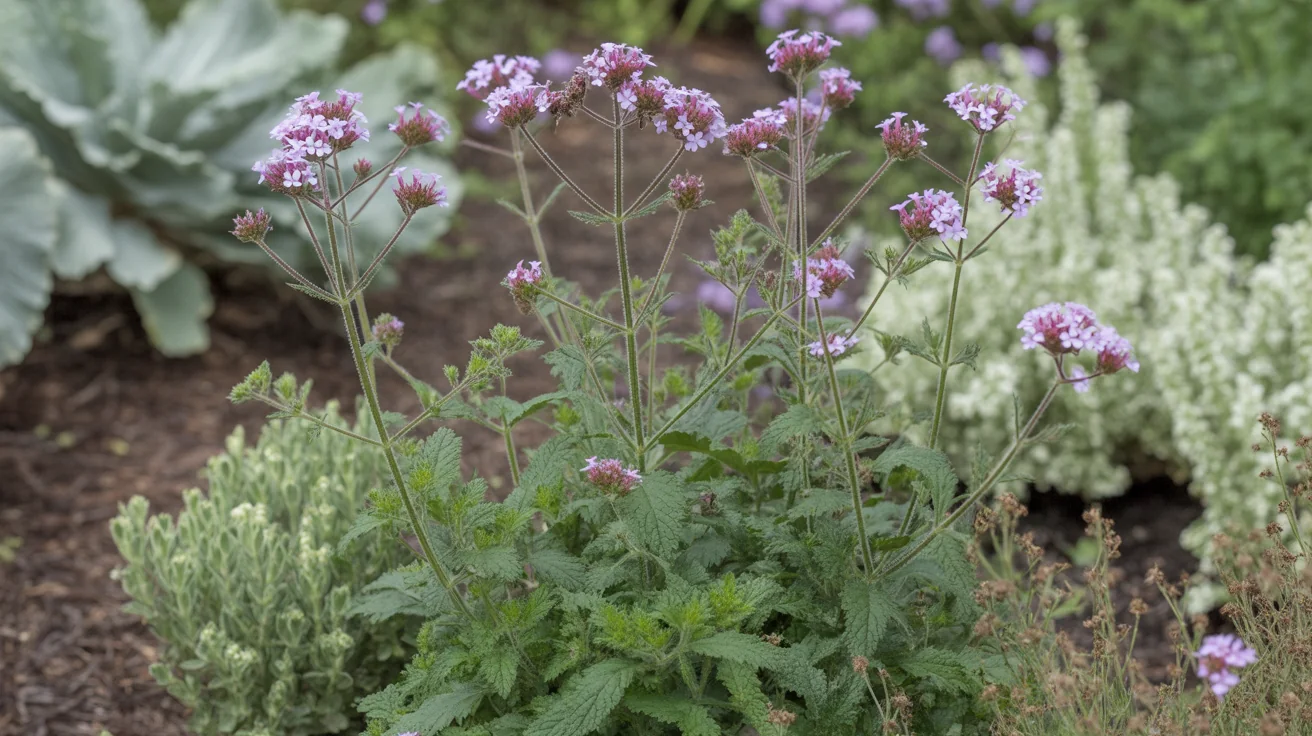
Lower, finer-textured flowers for sunny dry edges and baskets.
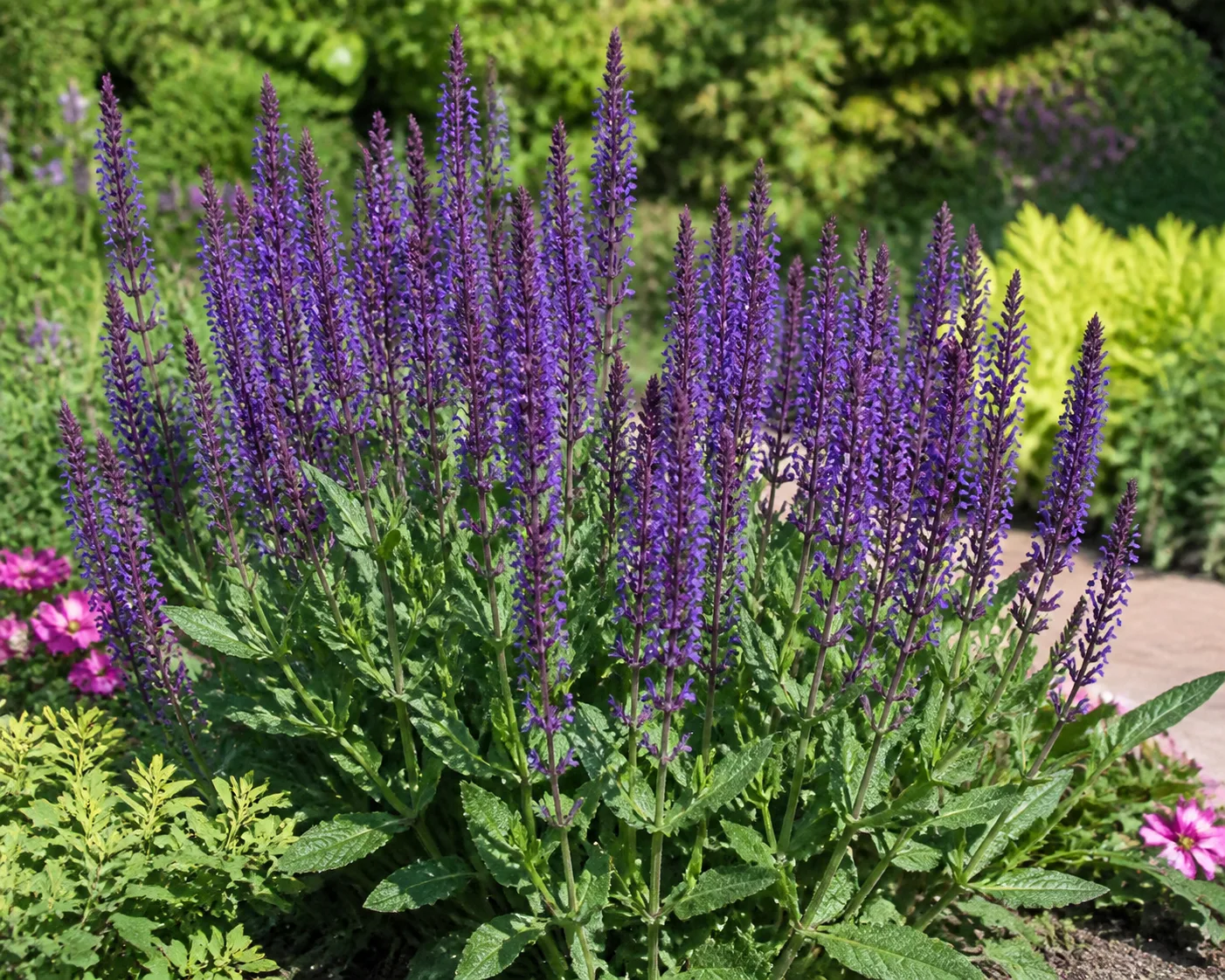
Salvia
Upright pollinator flower that pairs well with lantana in hot sunny borders.
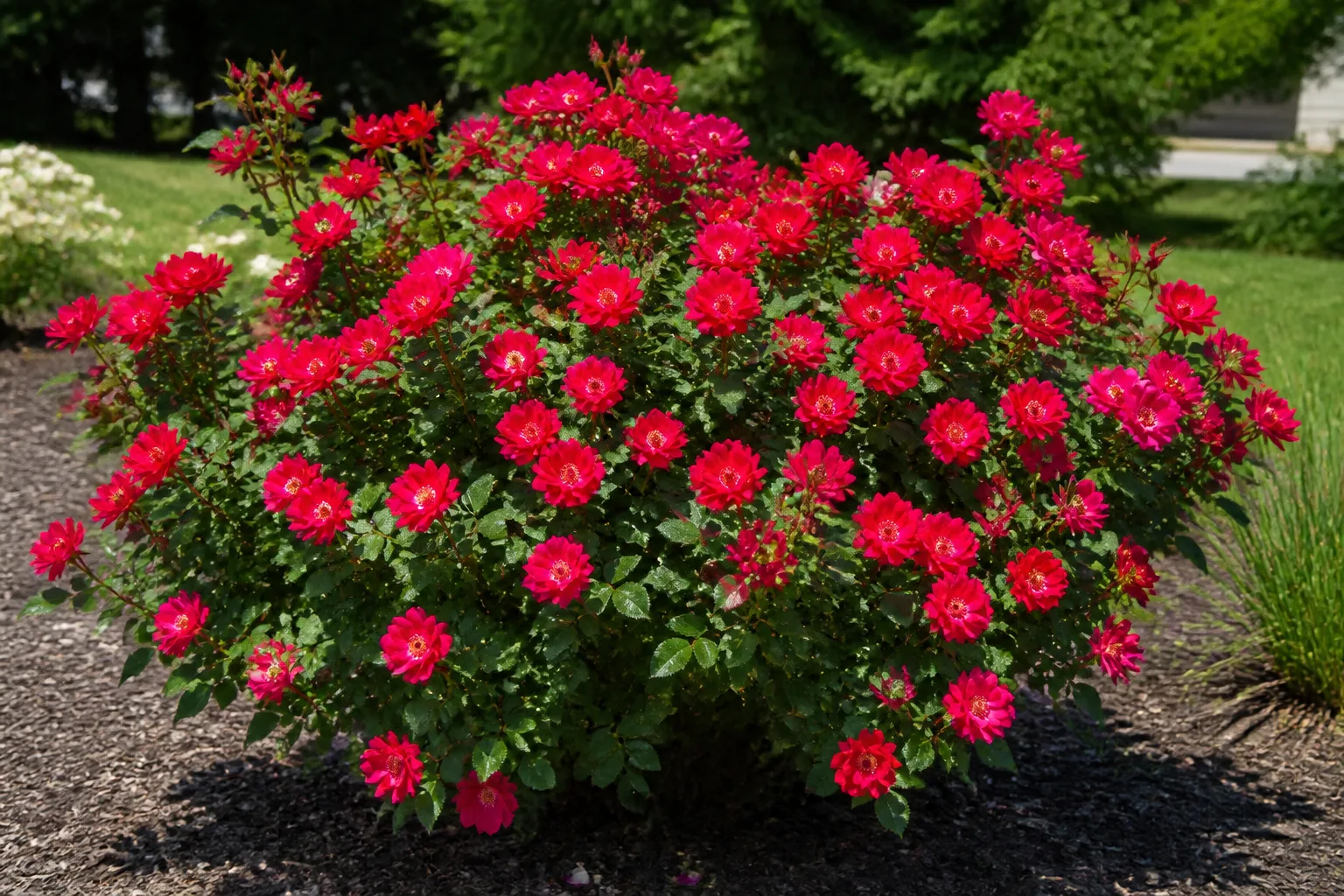
Knock Out Rose
Repeat-blooming shrub rose for sunny beds where you want more structure.
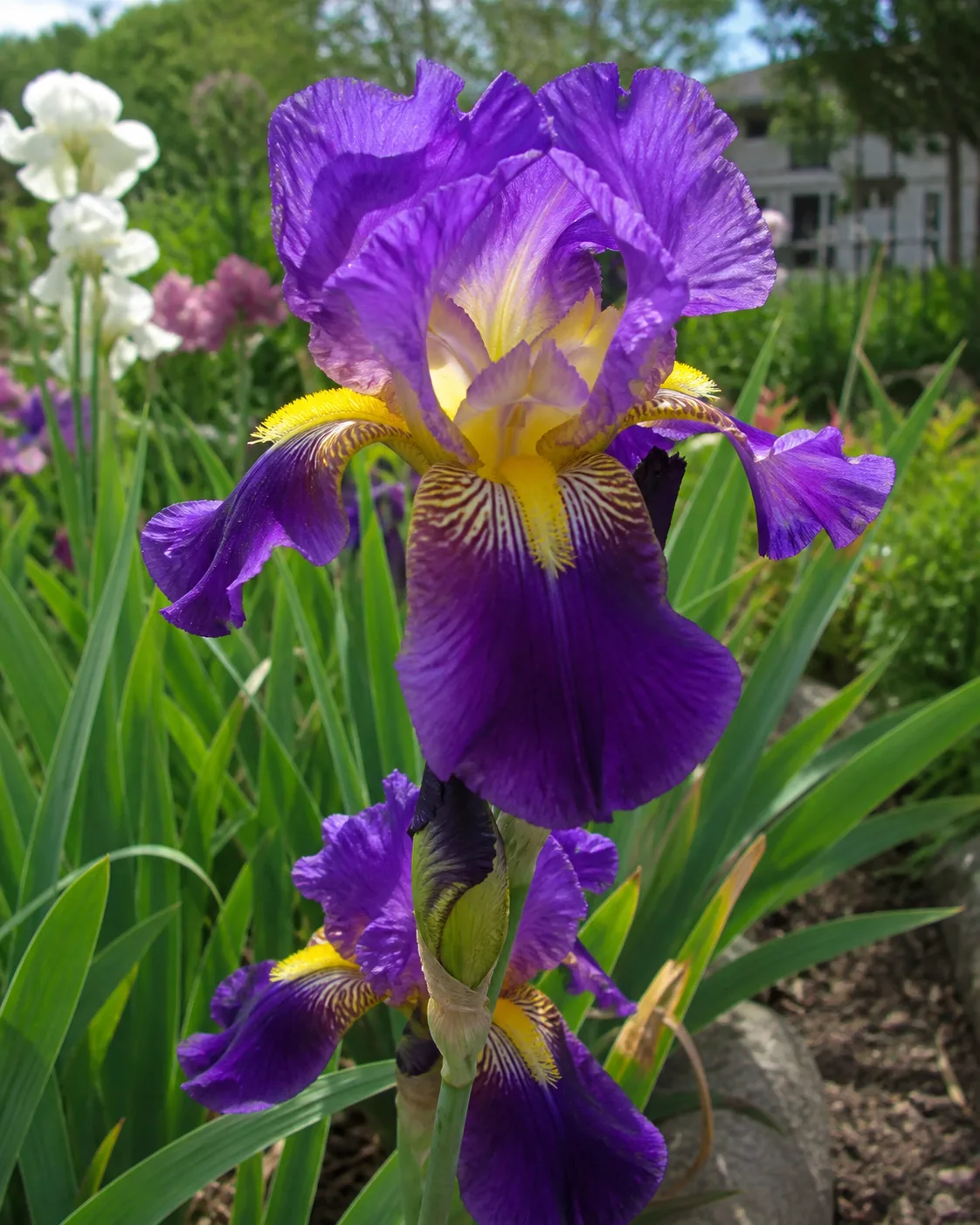
Bearded Iris
Bearded iris are tough, sun-loving perennials grown from shallow rhizomes, not deep bulbs.
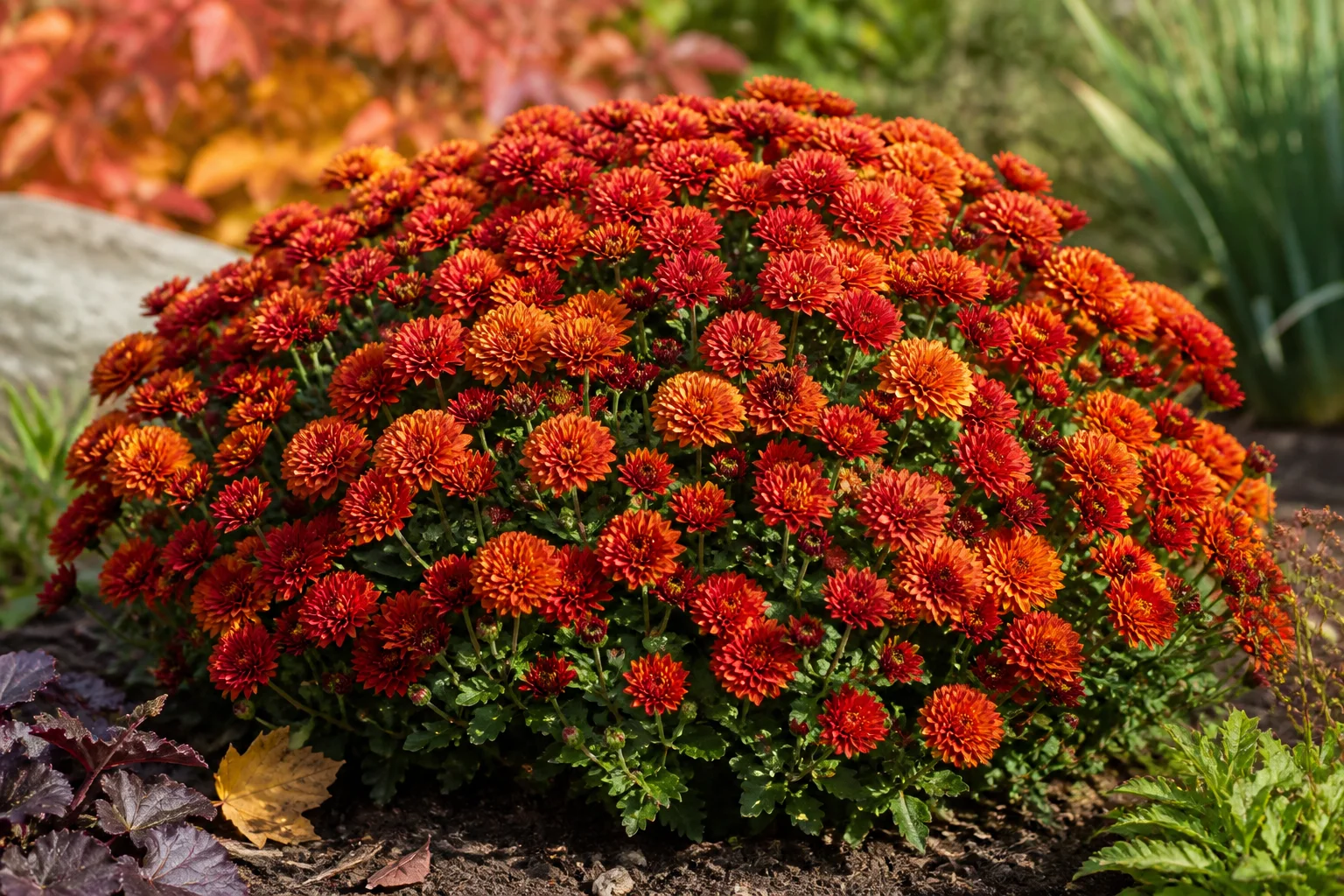
Chrysanthemum
Garden mums are the compact chrysanthemums most people buy for fall color.
Daffodil
Daffodils are hardy fall-planted bulbs grown for reliable spring flowers, deer resistance, and decades of return bloom…