
What's Eggplant? How to Grow Glossy Fruit in Summer Heat
Solanum melongena Solanaceae
Eggplant succeeds when you treat it as one of the hottest-slot crops in the whole yard.
Warm soil, steady fruit support, and harvest by skin gloss matter far more than generic vegetable-care routines.
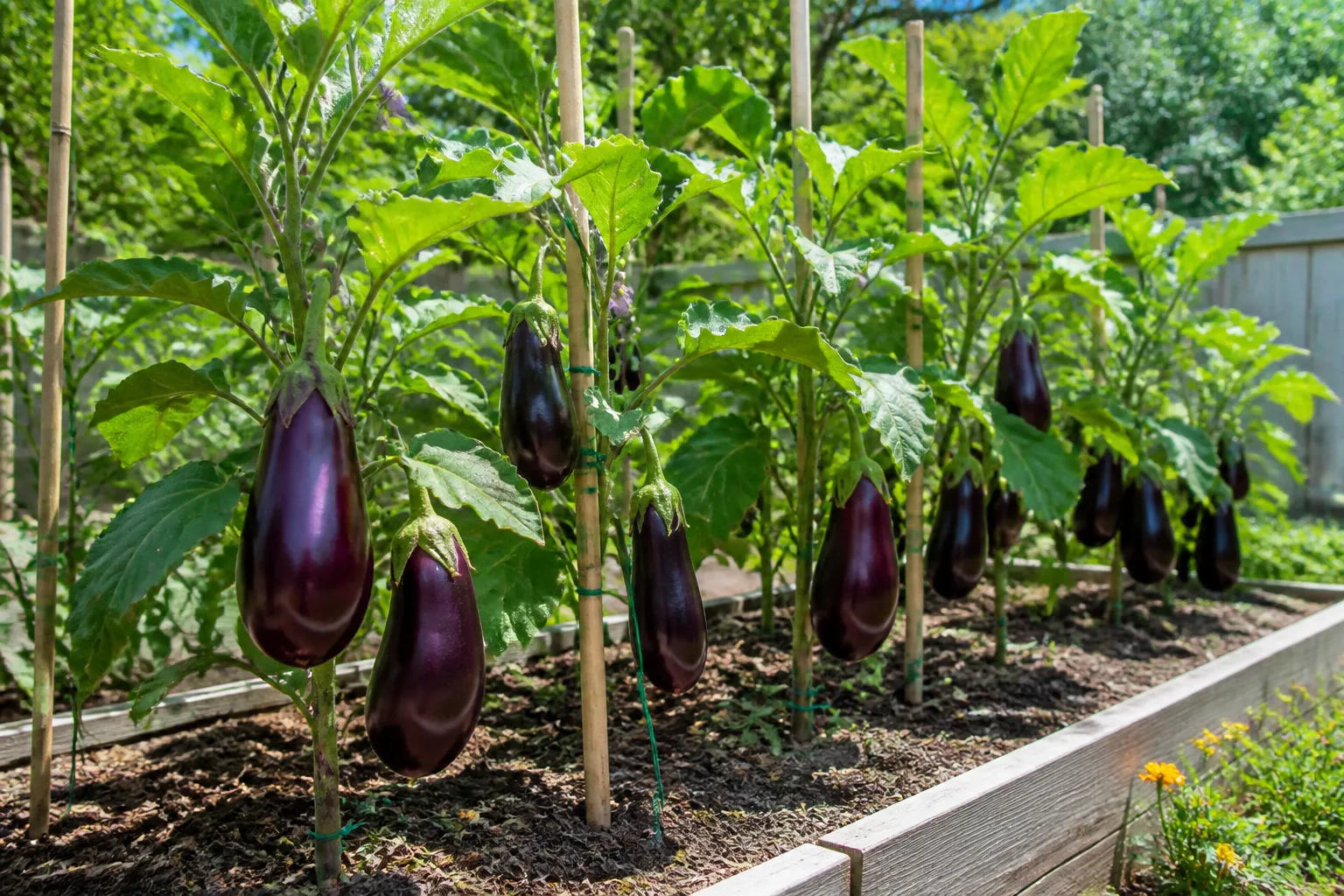
Care snapshot
When Should You Start Eggplant and Move It Outside?
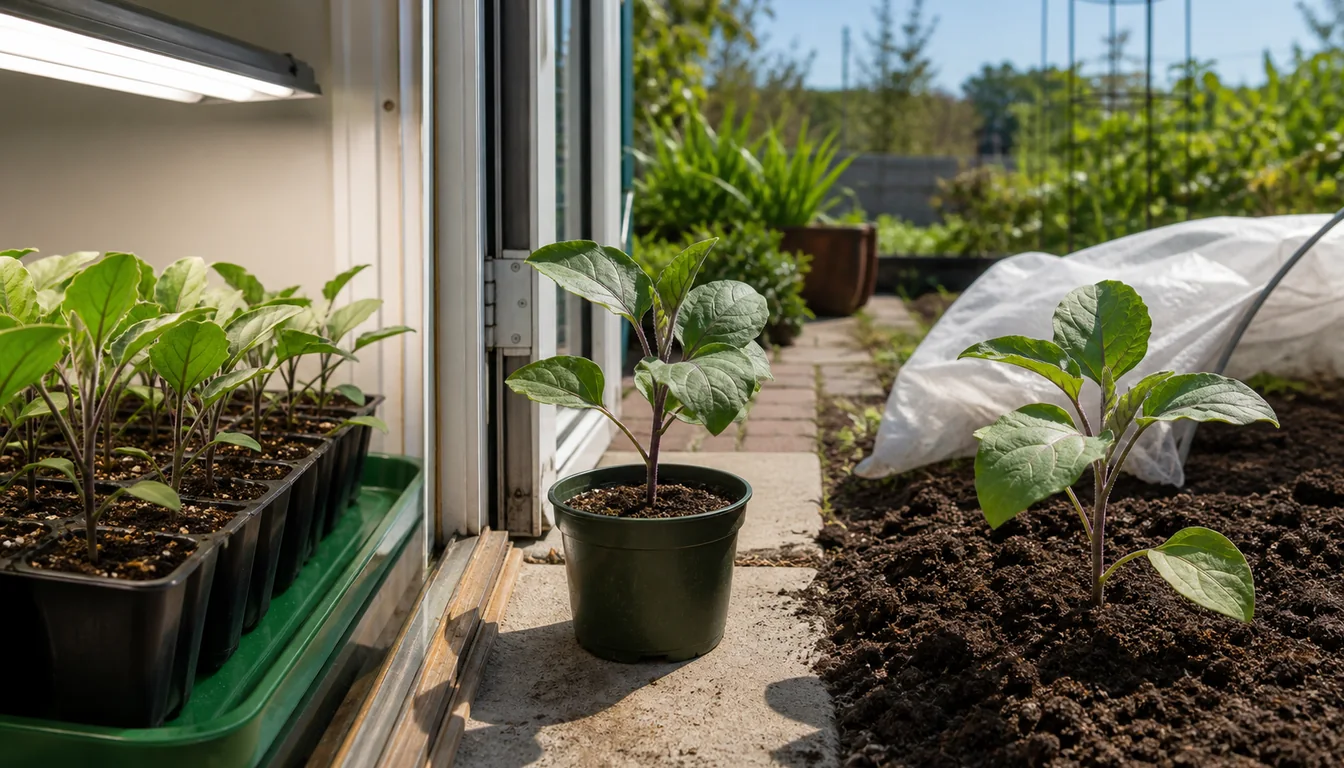
Start seeds indoors 8-10 weeks before your last expected frost, since outdoor direct-sowing rarely gives the plant enough season in most climates. Bottom heat around 80-85°F speeds germination noticeably.
Damping-off is the main early risk indoors, where seedlings collapse at the soil line in cool, overly wet trays. Good airflow and a mix that drains fast between waterings prevent most of that loss before it starts.
Pot up into larger containers once true leaves appear, since eggplant resents having its roots disturbed late. Harden plants off over about a week, giving them a little more outdoor time each day before they go in the ground for good.
Eggplant acts more like a heat crop than a generic summer vegetable. If the soil is still cool and nights still dip hard, the plant stalls in place instead of growing through the discomfort.
Eggplant is Solanum melongena, a tender perennial in the Solanaceae family that most gardeners grow as a warm-season annual for its fruit.
Eggplant often needs a warmer start than tomatoes. A bed that is merely acceptable for tomatoes can still leave eggplant slow and unproductive.
Wait until nights hold above 55°F and the top of the bed warms quickly after sunrise. In cool zones, black mulch, row cover, or a south-facing wall can turn a marginal site into one the plant will actually use.
A dark mulch or low tunnel can warm the root zone before transplanting, but remove or vent any cover once daytime heat builds so the same tool does not cook tender leaves or trap flea beetles beside the plant.
- Wait until the bed feels warm by midmorning, not icy at sunrise.
- Use black mulch or row cover if spring warmth keeps stalling out.
- Set only sturdy transplants; root-bound, chilled plants lose time twice.
Which Eggplant Type Fits How You Cook?
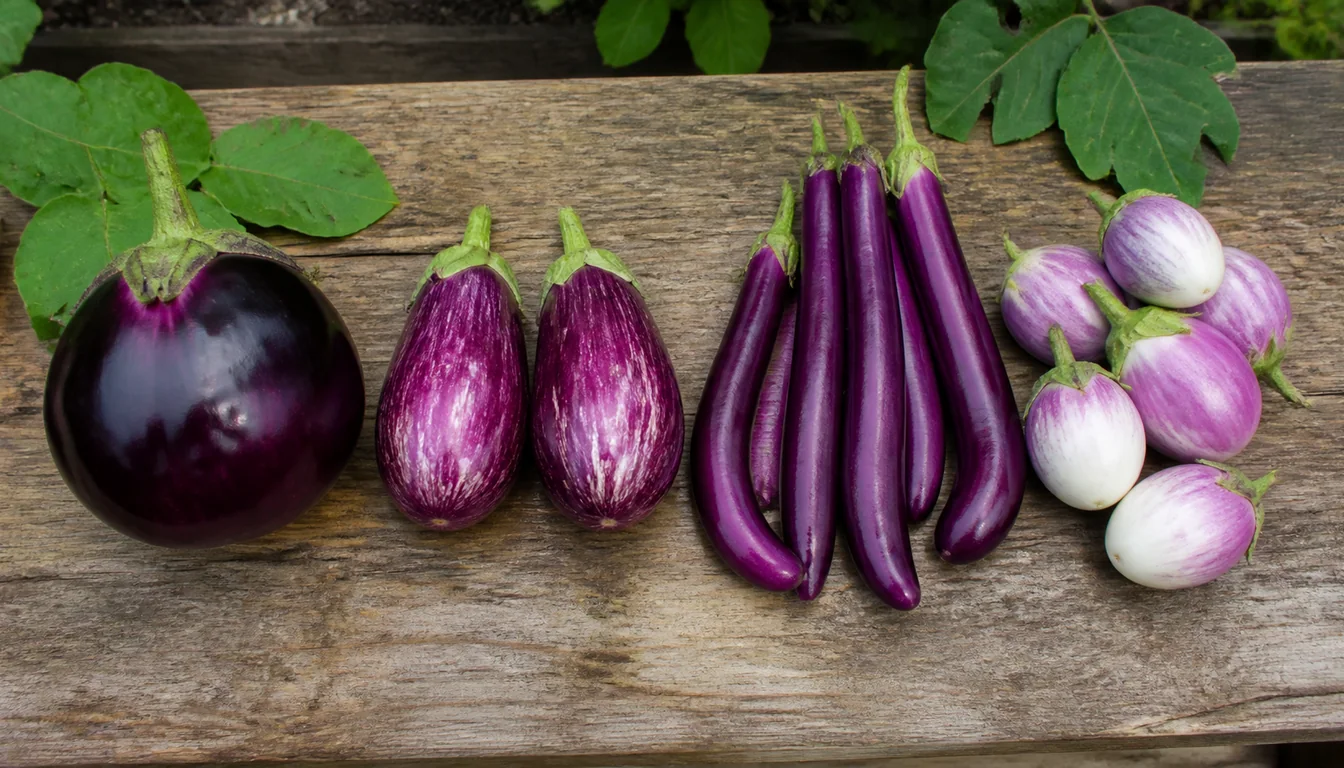
Variety choice changes the whole care rhythm because eggplant is really several crops hiding under one name. Big globe types ask for more time and stronger staking, while slender Asian forms ripen faster and keep the plant moving.
Short-season gardens often do better with long, narrow fruit because they mature sooner and can be harvested younger. Container growers should lean toward compact plants the same way patio gardeners choose smaller pepper cultivars for pots.
Days to maturity spreads widely across types, with fast Asian varieties often ready 10-15 days before big globe types planted the same week. That gap matters most in short-season gardens, where a slow globe type may barely finish before frost.
Small-fruited cultivars also spread risk across several quick harvests, while one large globe fruit concentrates more of the plant's time and branch strength in a single crop that can be lost to an early cold snap.
- Globe types
- Best for slicing and roasting; slower and heavier, so they need strong support.
- Italian types
- Medium fruit with good balance between size and speed.
- Asian types
- Longer, slimmer fruit that ripens fast and is easy to pick at a tender stage.
- Compact patio types
- Useful in containers or tight beds where a big plant would be all leaf and no management room.
How Do You Support Eggplant Before Fruit Gets Heavy?
The main season job with eggplant is building a sturdy frame before the first serious fruit load arrives. Once stems bend and branches split, the plant spends the rest of summer recovering instead of producing.
Pruning the earliest side shoots below the first flower cluster channels energy into the main framework while the plant is still small. Once fruit is setting well, heavy pruning usually costs more yield than it saves in tidiness.
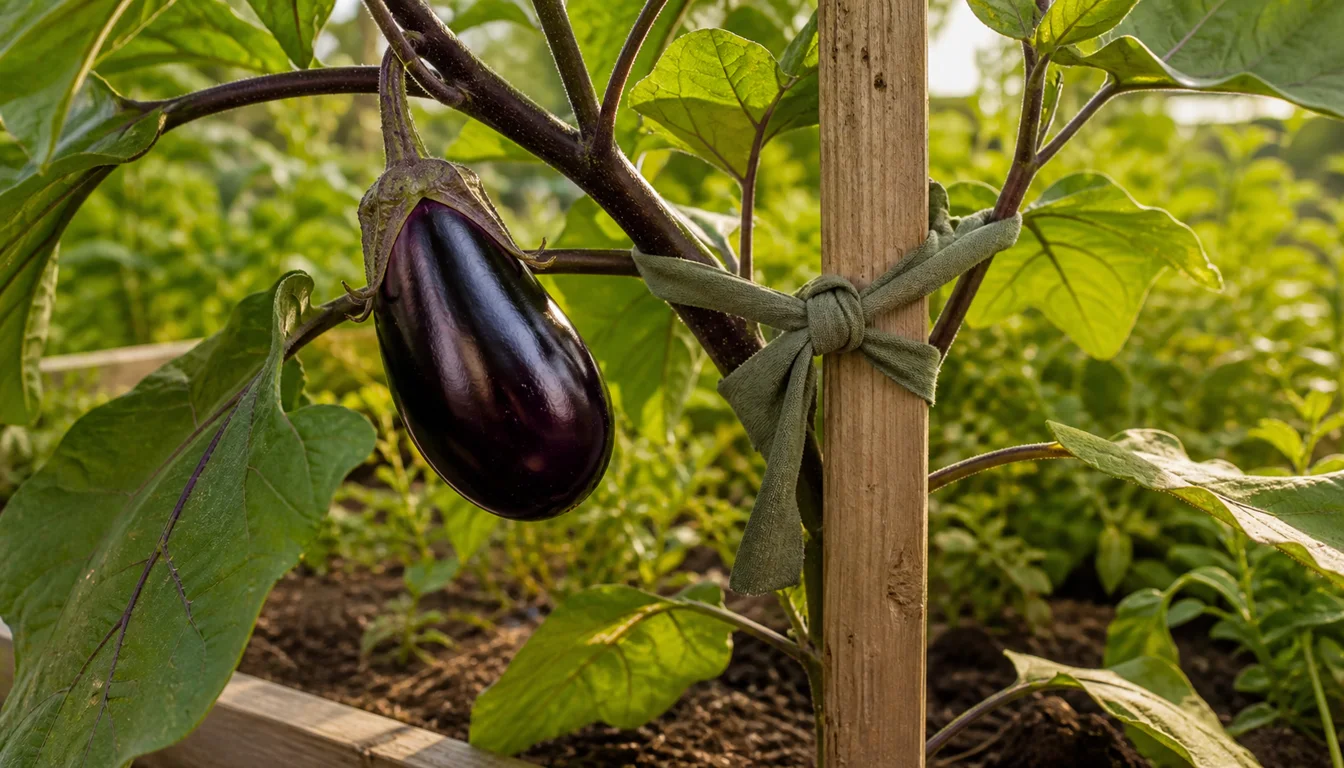
Set stakes or cages at planting time so roots are not damaged later. This matters more than it does on airy herbs like basil, because eggplant fruit puts real weight on each branch.
Give plants about 18-24 inches of space and keep the bed open enough to walk through without snapping stems.
Crowding eggplant under sprawling cucumber vines wastes the warm, bright slot it needs most.
Support choice depends on fruit weight, not just plant height. A compact plant with heavy fruit can still topple faster than a taller, lighter-fruited one.
Check ties every two weeks as stems thicken, and move any loop that begins pressing into the bark because a girdled branch can snap under a fruit load even when the stake itself remains upright.
- Stake at planting, not after the first fruit hangs.
- Keep the bed weed-free so warm soil stays exposed early.
- Feed for steady growth, not giant soft leaves.
- Single stake
- Good for compact or lighter-fruited plants with regular tying.
- Tomato cage
- Helpful for medium plants that branch early and need support from several sides.
- Heavy globe varieties
- Need the strongest support because a few large fruit can torque the whole plant.
How Should You Feed Eggplant Without Growing Only Leaves?
Eggplant does best in loose, well-drained soil with a pH between 6.0 and 6.8, amended with a few inches of compost before transplanting. Heavy clay that stays wet after rain causes more trouble here than soil that is merely average.
Raised beds and large containers warm up faster in spring than open ground, which pairs well with eggplant's heat-first growth. Light sandy soil also benefits from compost because it loses both moisture and nutrients quickly between waterings.
A balanced fertilizer at planting gets young plants moving without pushing the soft, leafy growth that comes from too much nitrogen.
Side-dress with a light feeding once the first fruit sets, then again a few weeks later if the plant is still carrying a heavy load. Skip repeated heavy feeding once plants are fruiting well, since it usually trades size for flavor and slows ripening.
Containers need more frequent light feeding than in-ground beds, because nutrients wash out with every watering.
- Test or estimate pH before planting if the bed has never grown nightshades before.
- Work compost in a few weeks ahead of transplanting, not the same day.
- Feed lightly and often instead of heavily and rarely once fruit is setting.
- Watch for pale, yellowing lower leaves as a sign of a genuine feeding gap.
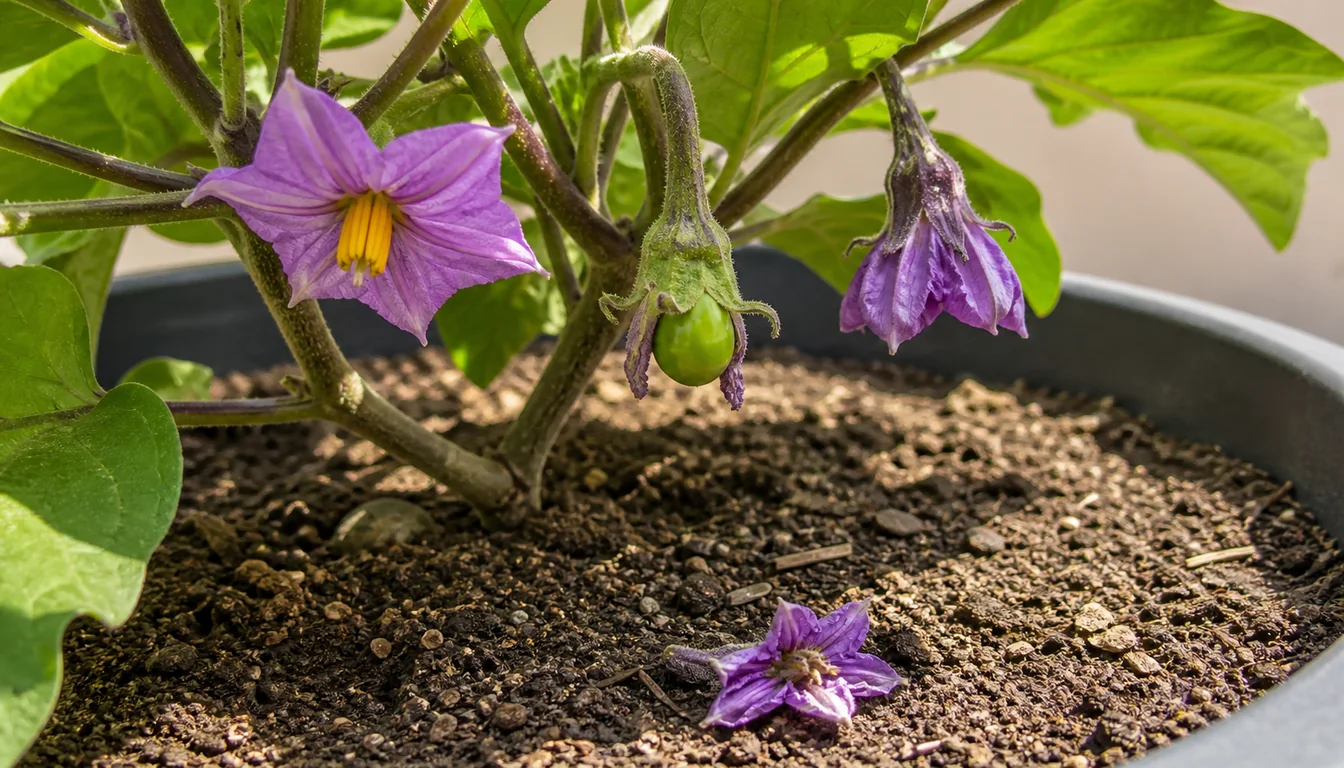
Why Do Eggplant Flowers Fall Off?
Blossom drop, hard seeds, and dull skin often start with uneven water.
Eggplant does not want a swamp, but it also does not forgive a repeating drought-soak pattern once flowers and young fruit are on the plant.
Mulch helps the root zone stay calmer during hot spells, especially after early crops like lettuce leave a bed open and exposed. A cooler, less erratic surface gives the plant a steadier week.
A consistent watering routine matters more once fruit is sizing than it did during early leafy growth, since that is when swings do the most visible damage. Aim for roughly 1-1.5 inches of water a week between rain and irrigation, adjusting up during hot, windy stretches.
Container plants are the quickest to swing into stress. They may need daily checks in midsummer even when in-ground plants nearby still feel moist.
Usually a weather or moisture swing before it is a pruning issue.
Often the first sign that the root zone is cycling too hard between dry and wet.
A normal warning that pot volume is too small or watering is too shallow for the heat.
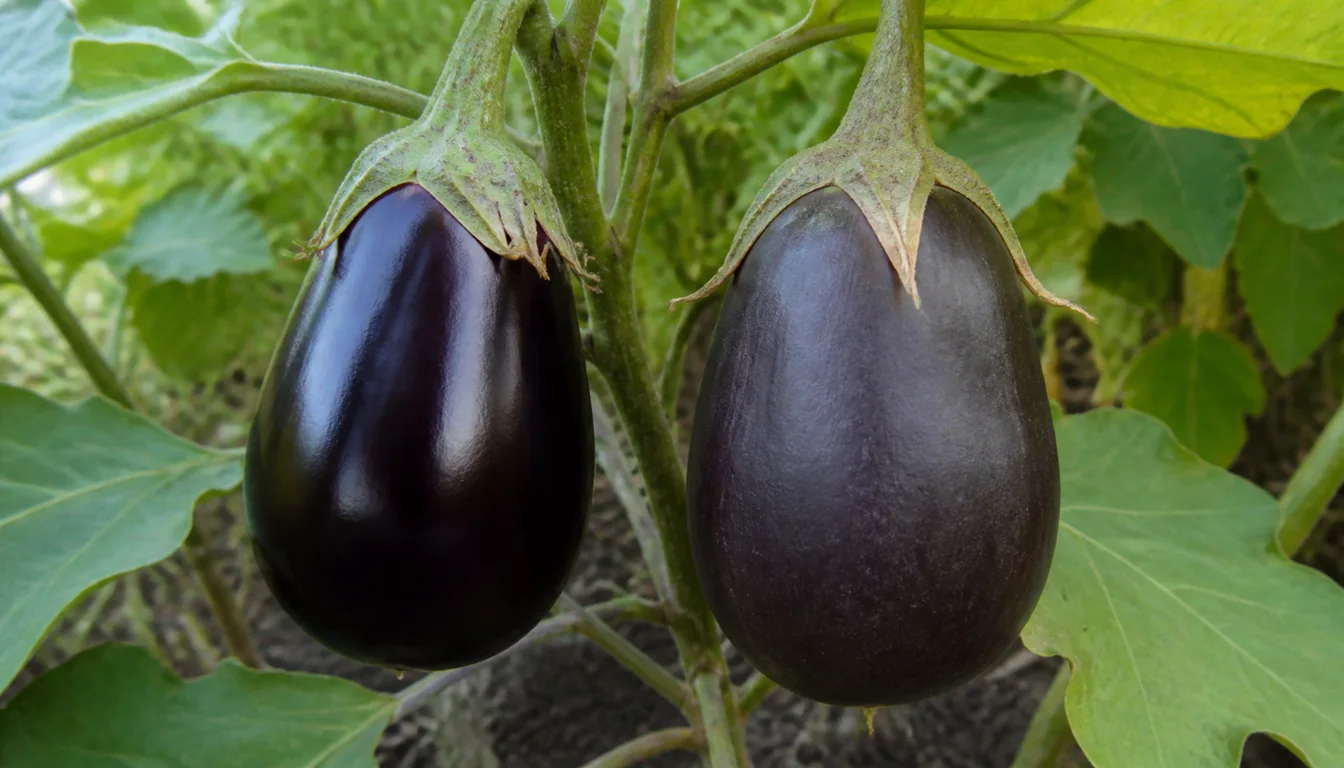
When Is Eggplant Ready to Harvest?
Backyard eggplant tastes best before gardeners start second-guessing the size. The skin should still look glossy, the fruit should feel firm but not rock hard, and the stem should cut cleanly with pruners.
Once the shine goes dull, the seeds toughen and the flesh gets more bitter. Large fruits can still look impressive on the plant, but they often cost you the next flush because the plant thinks it has already finished its job.
Frequent harvest keeps new flowers coming, which is one reason slender types often out-produce giant varieties in home gardens. The rhythm feels closer to zucchini than to a one-and-done storage crop.
Wear gloves if your variety has prickly calyxes or rough stems. Small scratches are common when you wait until the plant is dense and loaded.
Late-season fruit near the first frost warning deserves an early cut even if it has not fully sized up, since a lost plant loses everything still on it. A slightly smaller eggplant harvested on time beats a larger one caught by cold damage.
Press the skin lightly with a thumb before cutting, since fruit at its best stage feels firm and springs back, while an indentation that lingers usually accompanies dull skin and seeds that have started hardening.
- Check for skin gloss before you check fruit size.
- Press lightly; the flesh should feel full, not seedy and loose.
- Cut with pruners so you do not twist branches that are still carrying new flowers.
What Causes Holes, Mites, or Wilt on Eggplant?
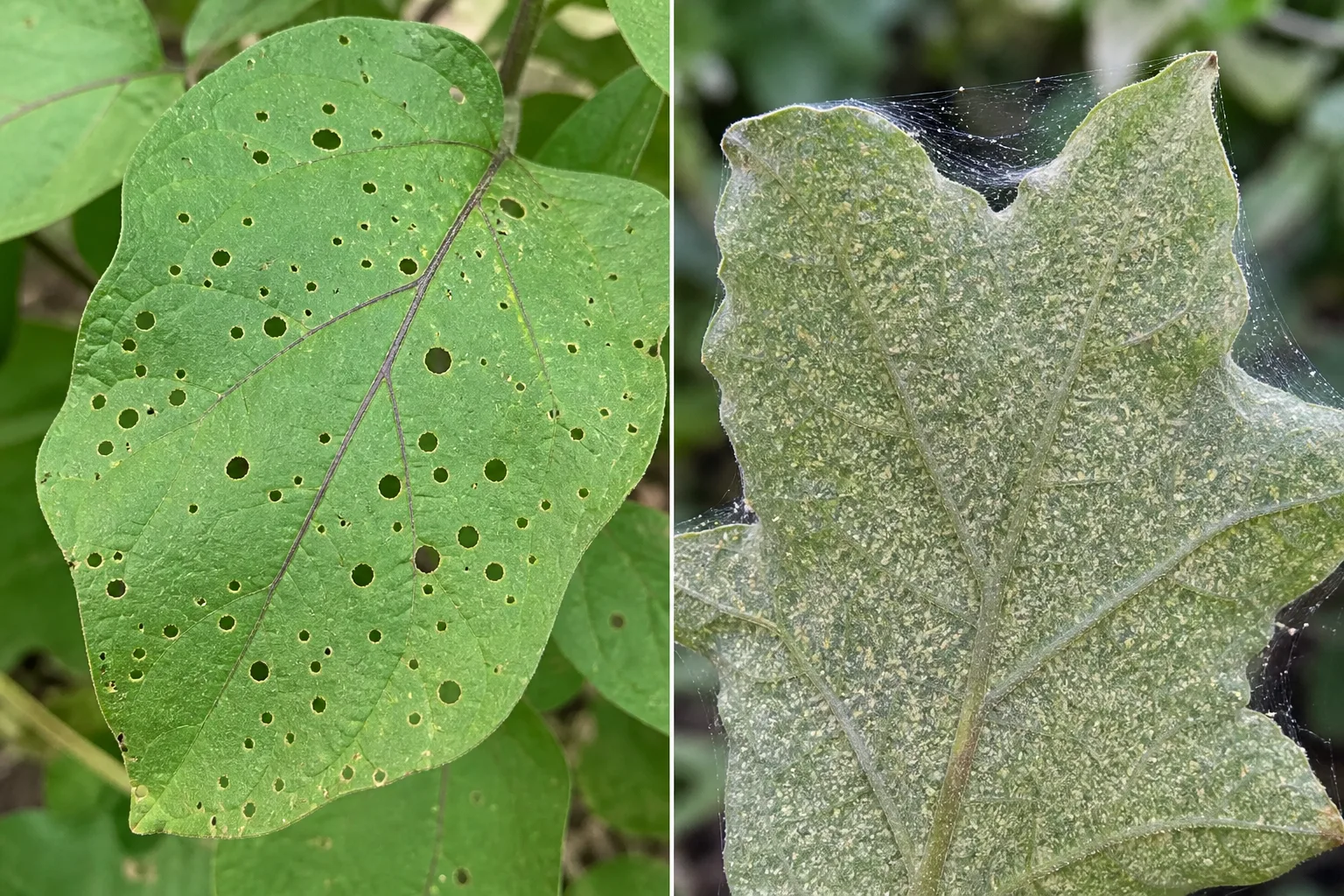
Young eggplant transplants usually lose the most ground to flea beetles. Tiny shot holes across soft leaves matter because this crop already starts slowly, and early chewing takes away the leaf area it needs to build momentum.
Later in the season, hot dry stress can bring mites and general leaf fatigue. At that stage the plant is telling you as much about the weather and watering pattern as it is about pests.
Blossom drop belongs in a different mental bucket from chewing damage. Cool nights, very high heat, or sharp moisture swings often knock flowers off even when the leaves look mostly fine.
Sunscald is the quiet fourth problem. Fruit that suddenly sits exposed after heavy leaf loss can bleach and harden on one side.
Verticillium wilt is the disease worth watching for in beds that have grown eggplant, tomatoes, or peppers in the same spot for several years. Yellowing that starts low and one-sided wilting on an otherwise well-watered plant are signs to rotate away from that bed next season.
Inspect leaf undersides before treating any pale canopy, because fine webbing and stippling point to mites while clean round shot holes across the upper surface point to flea beetles and call for a different response.
Usually flea beetles on young plants.
Often hot, dry stress with mite pressure.
Usually environment first, not an insect chewing them off.
Often sunscald after leaf loss exposed the fruit too suddenly.
Can You Eat Eggplant Leaves or Stems?
The edible part of eggplant is the mature fruit, not the leaves or stems. Treat the rest of the plant with the same caution you would use around onion trimmings or any crop waste that does not belong in a pet bowl.
If your household already notices sensitivity to other nightshades, keep that history in mind. Reactions around eggplant are not universal, but the same people who limit tomatoes and potatoes sometimes choose to introduce it carefully.
Frequently Asked Questions
Does eggplant really need more heat than tomatoes?
Usually, yes. Eggplant can survive conditions that are only slightly warm, but it produces much better once the soil and nights feel fully settled into summer.
Can I grow eggplant in a container?
Yes, especially compact varieties. Use a large pot, keep moisture steady, and stake the plant early because fruit weight can tip a container crop faster than people expect.
Why are my eggplant flowers dropping without fruit?
Temperature swings and moisture stress are the usual causes. Repeated blossom drop is more often a weather-and-water problem than a sign that the plant needs more pruning.
When should I harvest eggplant?
Cut fruit while the skin still looks glossy and the flesh is still young. Waiting for a giant harvest size usually gives you more seeds and less tenderness.
Are flea beetles a big deal on eggplant?
They are most serious when plants are young and still trying to build their first real canopy. Early protection matters more than chasing every hole later in summer.
How many eggplant plants does one family need?
A couple of productive plants can supply a lot of summer meals, especially with smaller-fruited varieties. Heavy users who grill, roast, or preserve it often plant more because harvests can come in waves.
Sources & References
- Eggplant in the Garden, University of Minnesota Extension
- Growing Eggplant in the Home Garden, Clemson Cooperative Extension
- Illinois Extension: Eggplant
- University of Minnesota Extension: Growing Tomatoes, Peppers, and Eggplant
- Eggplant, University of Illinois Extension Vegetable Garden
- Cornell University: Growing Eggplant in Home Gardens
- Missouri Botanical Garden Plant Finder: Solanum melongena
- Penn State Extension: Flea Beetles in the Home Garden
- Solanum melongena (Aubergine, Brinjal, Eggplant, Mad Apple, Raging Apple) | North Carolina Extension Gardener Plant Toolbox
Related Plants
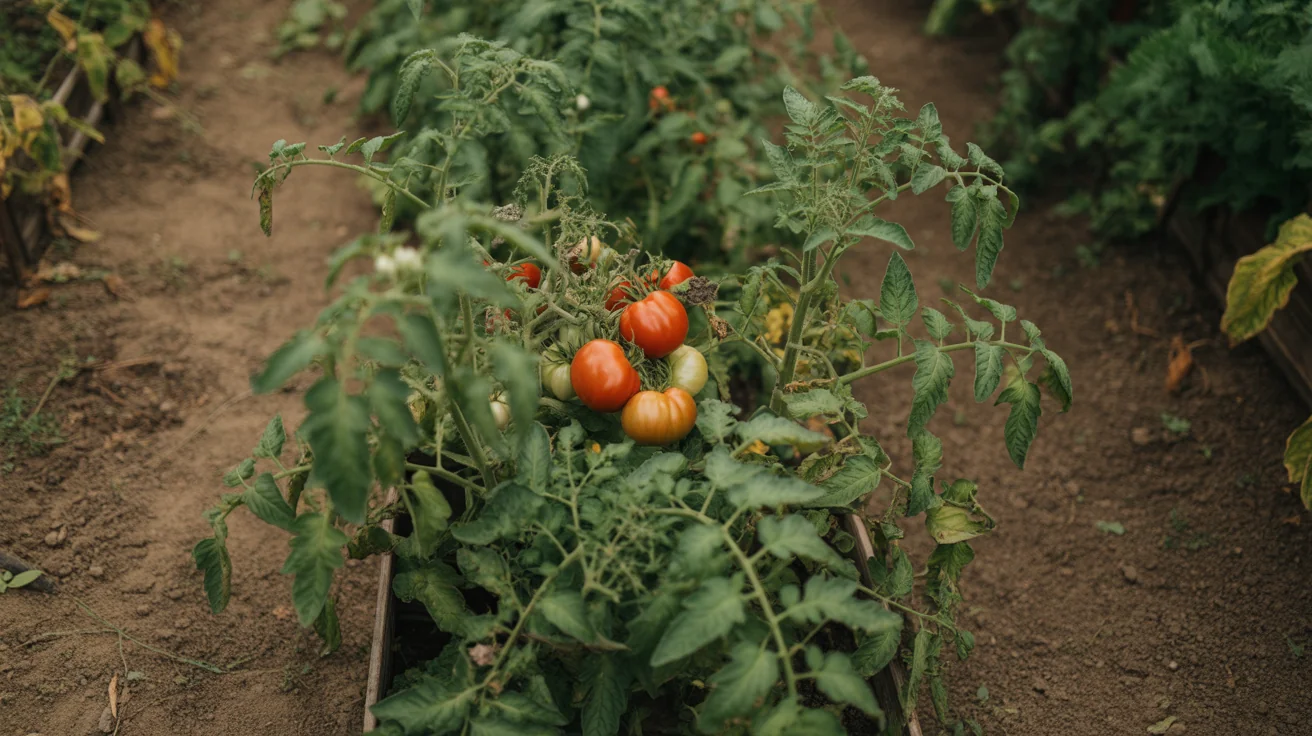
Tomato
Another warm-season nightshade that pairs well in the same bed if rotated yearly.
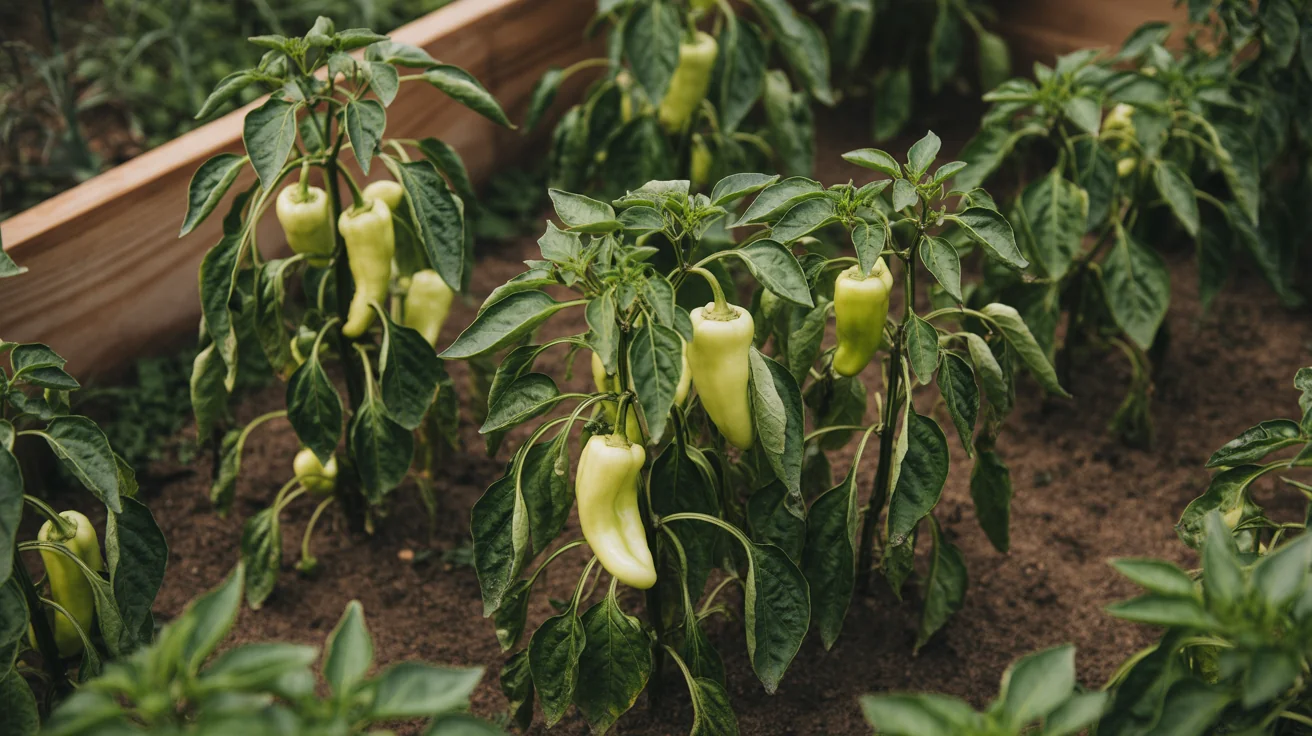
Pepper
Similar spacing and heat needs, often grown beside eggplant in Zone 7-9 gardens.
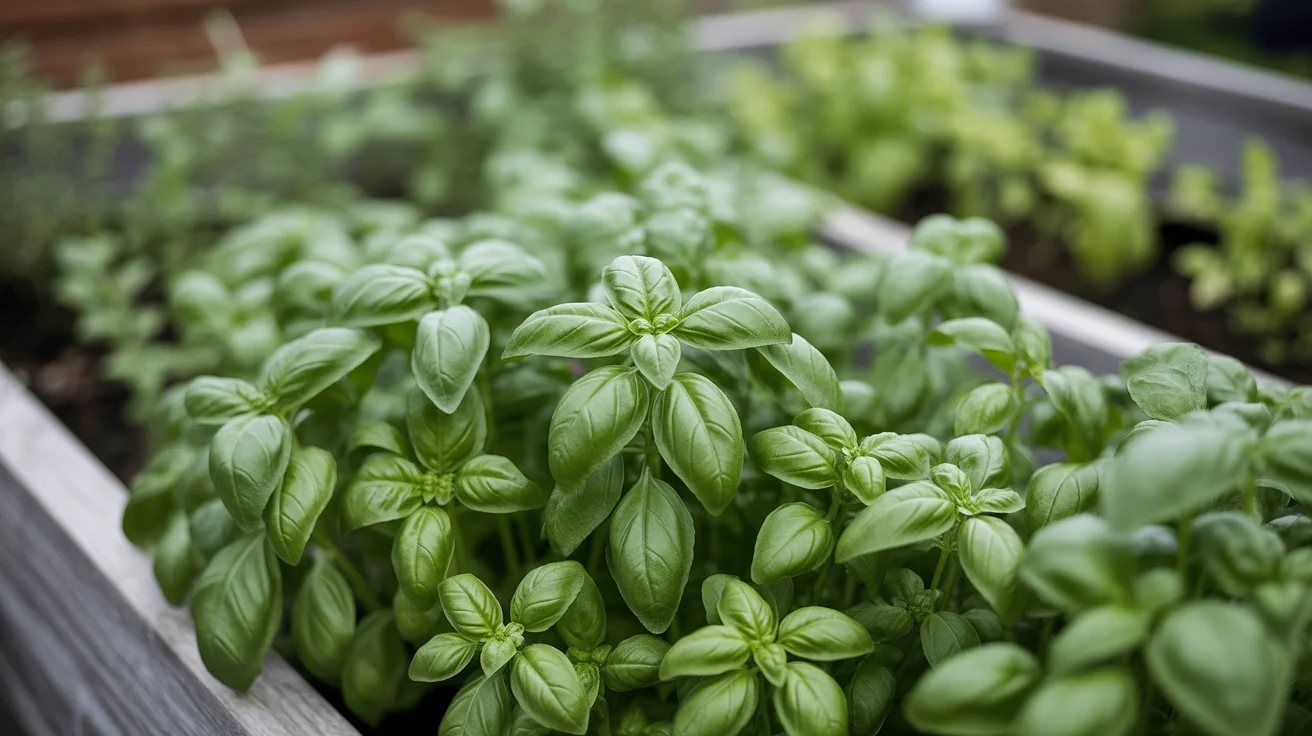
Basil
Fragrant herb that can help shade soil and attract pollinators around warm-season veggies.
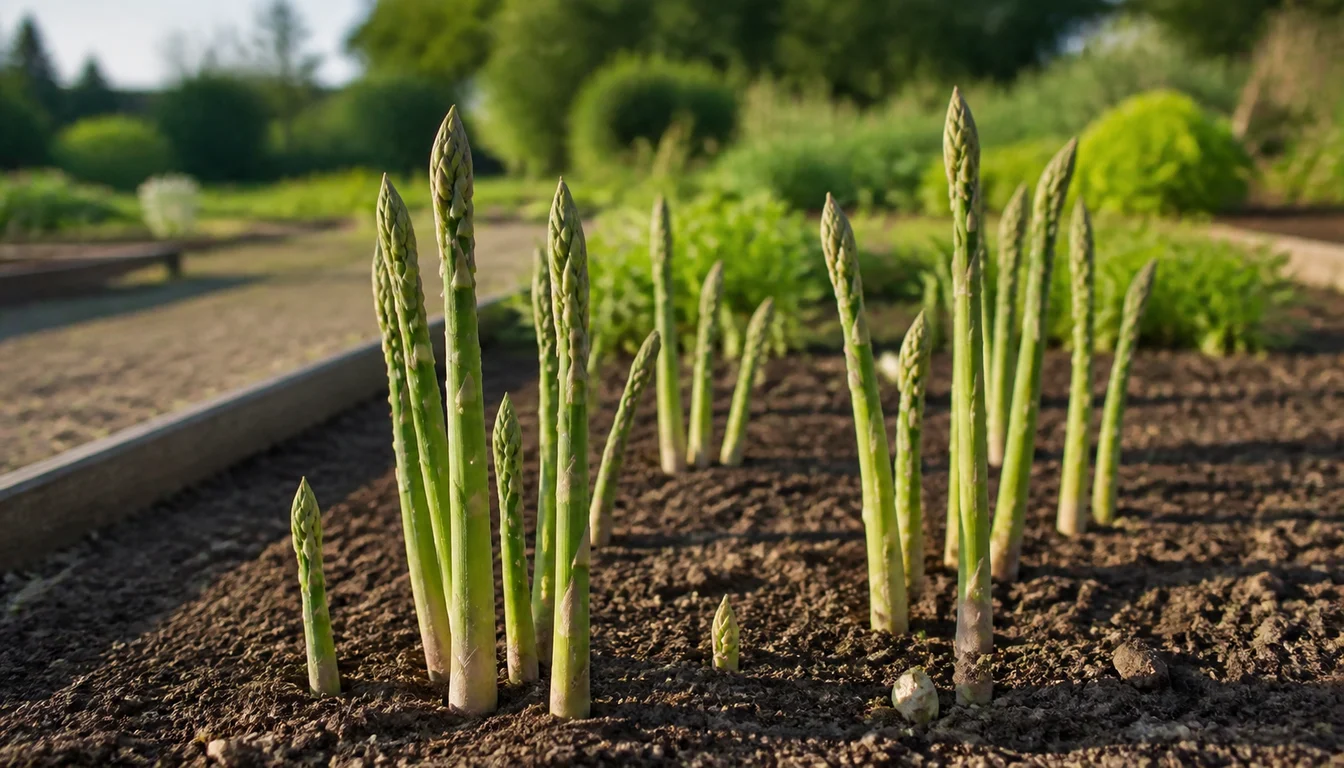
Asparagus
Asparagus rewards careful establishment with spring harvests for many years.
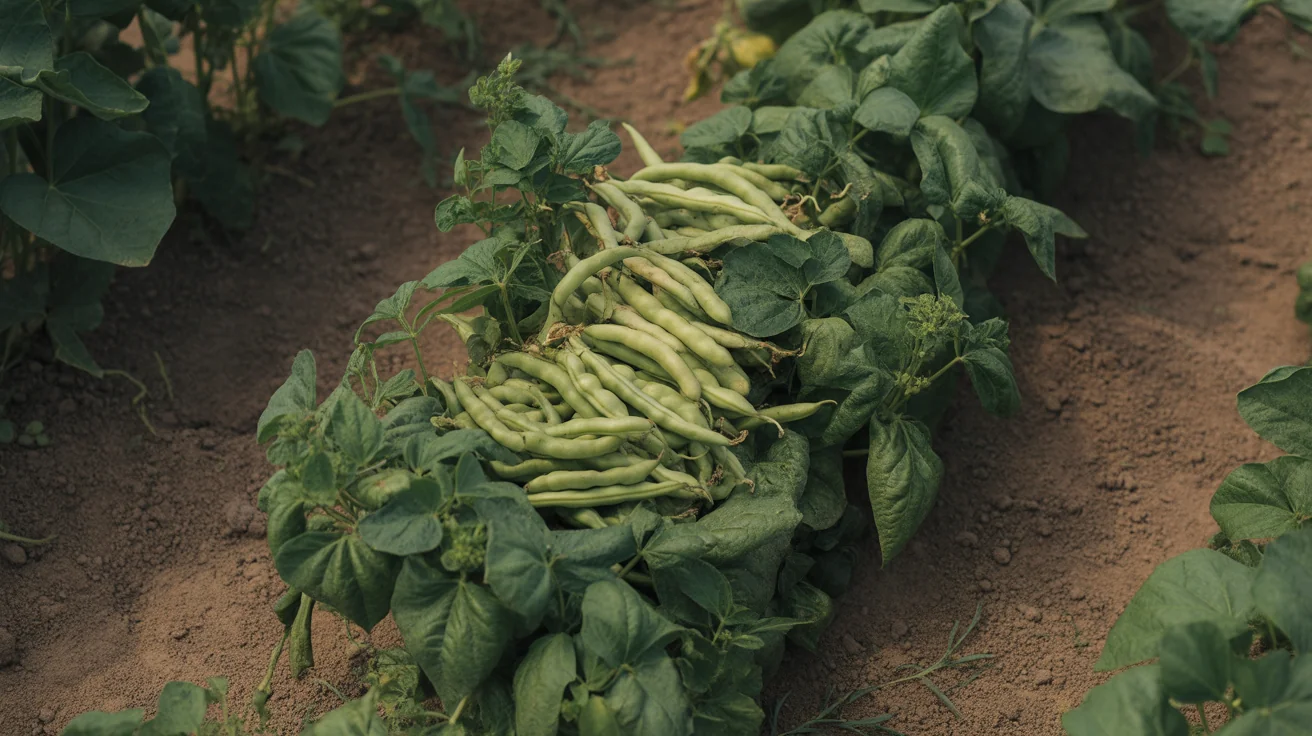
Beans
Two different plants share the name bean, one that stays knee-high and gives most of its crop inside two or three…
Beet
Beet care starts with one unusual fact. Each seed ball can make several seedlings, so the crop needs early thinning…