
What's a Cabbage? How to Grow a Head That Doesn't Split
Brassica oleracea var. capitata Brassicaceae
Cabbage works best when you decide what kind of head you want before you even set out the transplant. The crop is less about dramatic tricks and more about steady pressure: the right season, broad wrapper leaves, even water, and a clean harvest before the head splits or heat takes over.
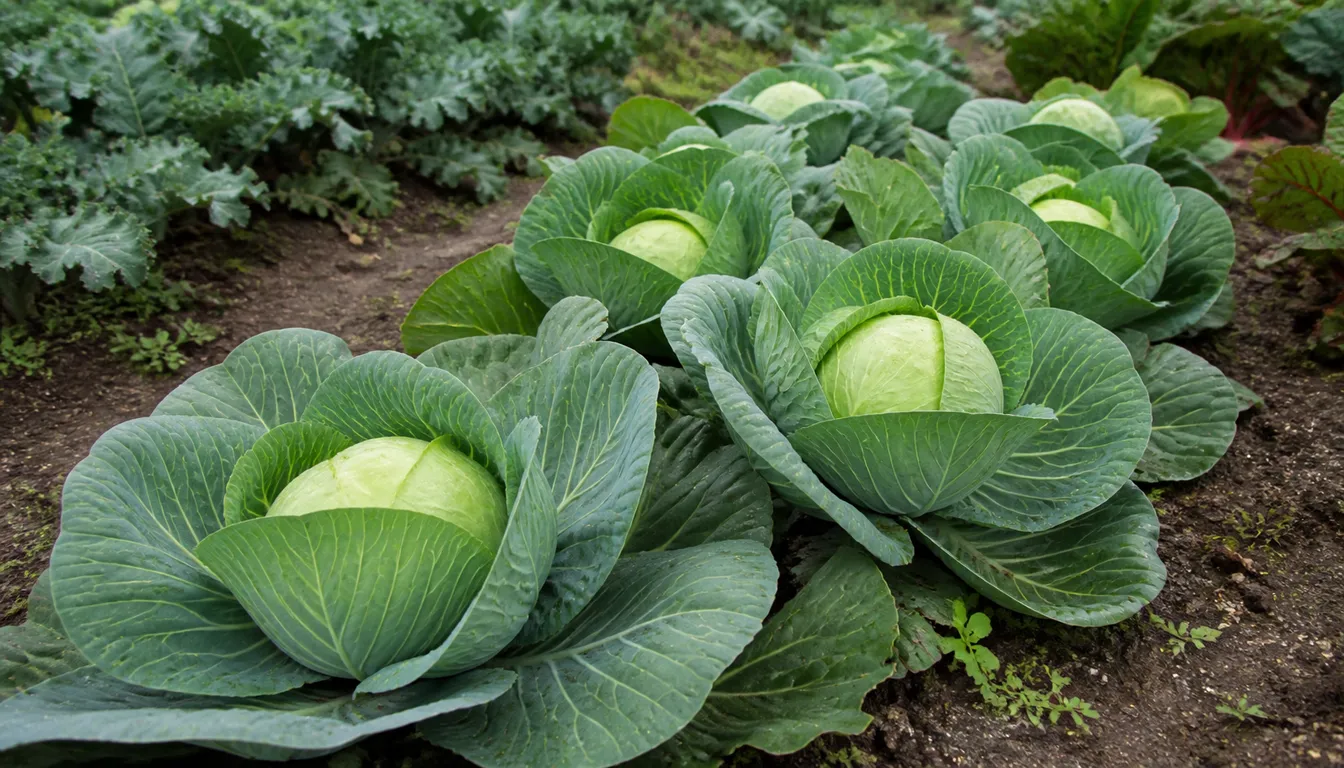
Care snapshot
Which Cabbage Type Should You Grow, and When Will It Be Ready?
The first Cabbage decision is not spacing or fertilizer. It is what the head needs to do for you.
A tender spring slaw type, a wrinkled savoy for quick cooking, and a dense storage head do not ask for the same season length or the same patience.
That matters because many so-called Cabbage problems are really variety-and-calendar problems wearing a care disguise. A long storage type planted into a short warm spring often disappoints not because the gardener failed, but because the crop never had the cool runway it needed.
Fresh early types are ready in about 60 to 75 days from transplant, midseason types take around 90, and storage types run 100 days or longer before the head is worth cutting, so check the days-to-maturity number on the seed packet against how much cool season your calendar actually offers.
Color is a separate axis from head type. Red cabbage follows the same wrapper-leaf logic but grows slower and denser, which rewards the same patience a green storage head does.
This choice also separates Cabbage from Brussels sprouts.
Brussels sprouts are a long stalk crop that finally pays late, while Cabbage is a one-head decision you time to close under the right weather, then cut cleanly.
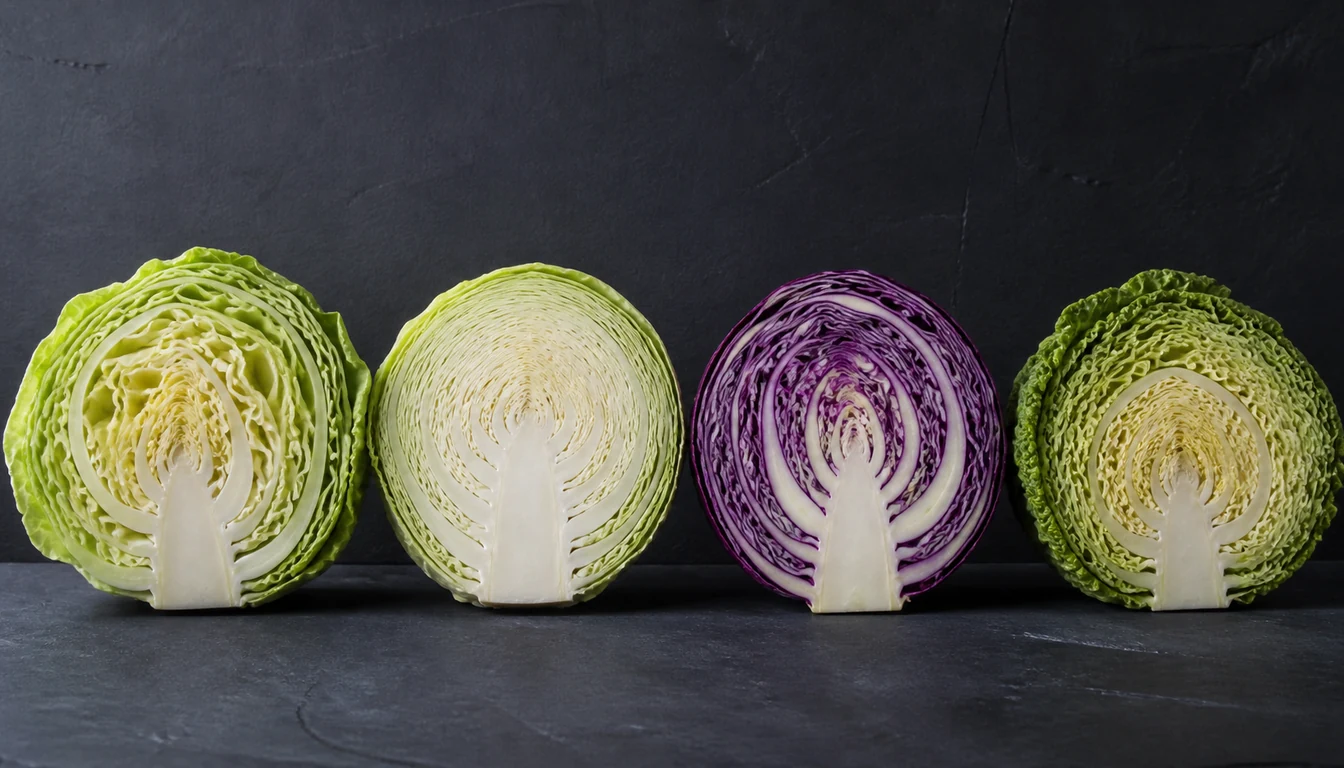
- Fresh early heads
- Faster, smaller, and best when you want tender leaves for slaw or quick meals
- Savoy types
- Crinkled leaves with softer texture and less emphasis on long storage
- Storage types
- Slower, denser, and better when you want a solid head that keeps longer after cutting
How Do You Grow Big Wrapper Leaves Before the Head Packs?
A Cabbage head is just leaves folding inward under steady pressure.
If the outer plant stays small, hungry, or crowded, the center has no material to build a dense head with. By the time the head looks disappointing, the real problem usually happened weeks earlier.
Use fertile soil, steady growth, and enough space for broad outer leaves to spread without overlapping every neighbor.
A sound plan based on fertilizing vegetable beds does more good than brand swapping after the row is already struggling.
Side-dress with a nitrogen fertilizer about 4 weeks after transplanting to push that outer-leaf growth. Stop feeding nitrogen once the head actually starts forming, since extra nitrogen after that point is a common hidden cause of both loose heads and split heads.
Compared with kale, which keeps paying as a leaf crop, Cabbage asks the leaves to do one concentrated job and then disappear into the head. That makes early vegetative strength more important than people often realize.
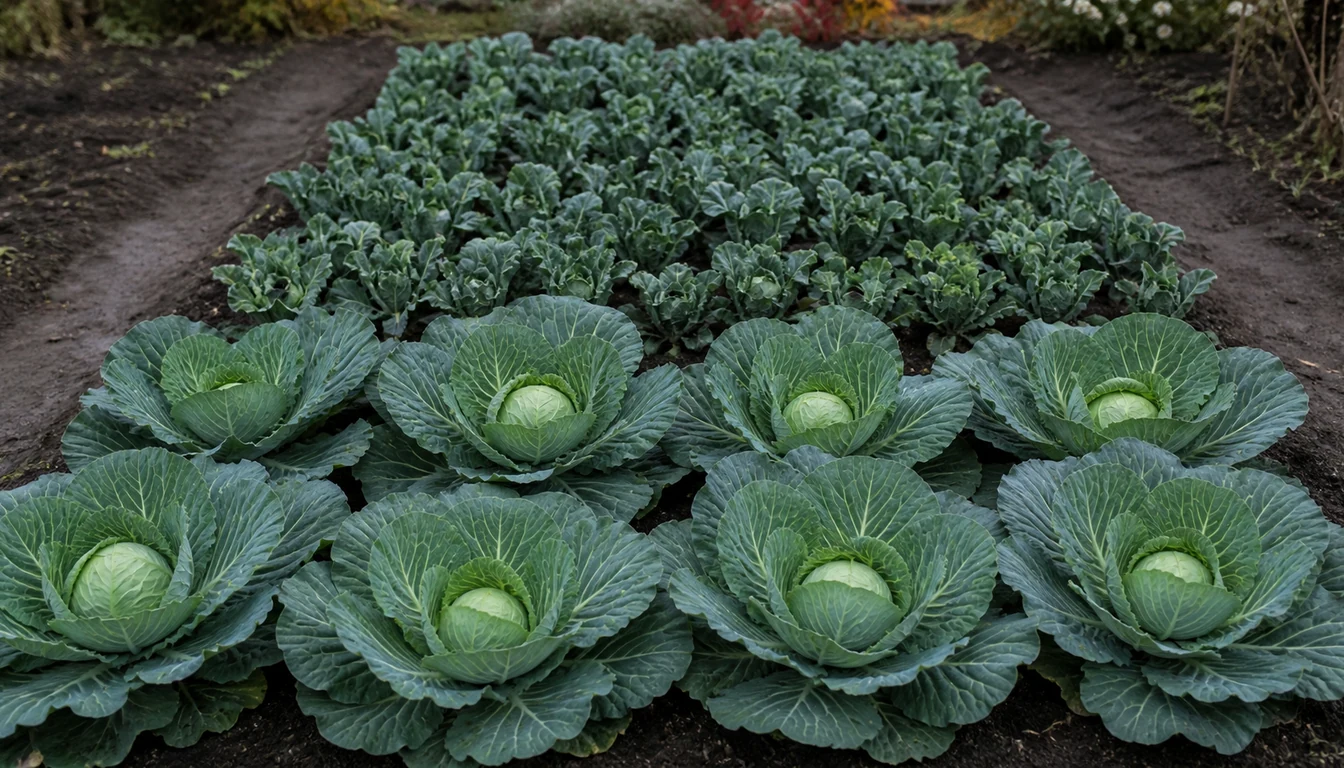
- Give standard heads full spacing so the outer leaves can become the engine.
- Use tighter spacing only when you intentionally want mini heads.
- Mulch after the transplants root in so weeds and moisture swings stay lower.
- Keep the bed in full sun so leaf area builds quickly before heat arrives.
When Should You Sow and Transplant Cabbage?
Start seed indoors 6 to 8 weeks before you plan to transplant, germinating around 77°F under a grow light, then growing the seedlings cooler near 60-65°F so they stay stocky instead of leggy and pale. Move transplants out once they carry 4 to 6 true leaves and daytime soil temperatures hold near 50°F, firming each one gently into the row by hand so the roots make full contact with the soil.
Set spring transplants out 2 to 4 weeks before the last frost, since Cabbage tolerates a light freeze better than the heat that follows a late start.
For a fall crop, count back 12 to 16 weeks from your first fall frost so the head closes as temperatures cool, not while summer heat still lingers.
A mature head shrugs off temperatures down to about 20°F, and savoy types with the bumpiest, most crinkled leaves handle cold the best of all.
A light frost right before harvest is a bonus, not a threat, since the cold converts stored starches into sugar and sweetens the flavor.
How Do You Stop Cabbage Heads From Splitting?
Split heads usually come from pressure swings, not mystery bad luck.
A nearly finished Cabbage head that sits dry and then gets a soaking rain can crack because the inner leaves keep expanding faster than the outside can stretch, which is why even moisture during heading matters so much.
That makes even watering one of the most valuable skills on the page. Use the same whole-root-zone logic behind deep watering.
Shallow daily splashes create a reactive plant, while deeper steady moisture builds a steadier head. Check soil moisture 2 inches down with a finger before watering on a schedule, since a hot windy week can dry a bed faster than the calendar suggests.
A 2 to 3 inch layer of straw or shredded leaf mulch matters here because it softens the jump between a hot dry stretch and the next storm.
You are not trying to keep the bed wet all the time, since soggy soil invites its own root problems. You are trying to avoid abrupt growth surges after the head is already tight and has little room left to expand.
- Steady moisture
- Denser heads, cleaner texture, and less split risk
- Dry then drenched
- Split heads and forced early harvest
- Constant shallow surface watering
- Weak roots and more stress when hot weather hits
When Is a Cabbage Head Ready to Cut?
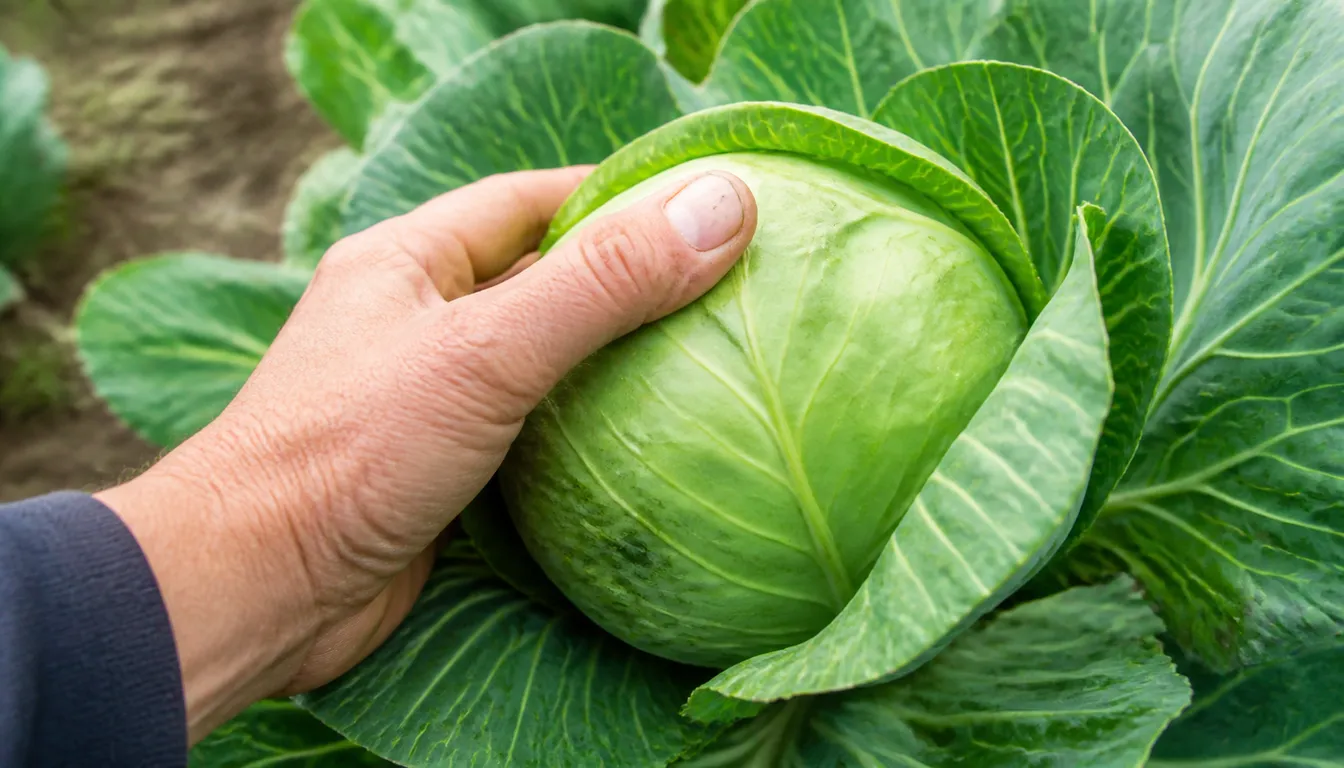
A ready Cabbage head feels solid in the hand. Size can fool you because one loose oversized head may weigh less and store worse than a smaller head that packed firmly under good weather.
Use the calendar as a warning, not as the final judge.
If the head is still puffy, give it more time if the weather allows. If the head is already firm and a big rain is on the way, cut now and protect the quality you already earned.
Storage types deserve a little more patience, but not blind patience.
Rush them and you lose storage life, since an early-cut head never finishes developing the dense layers that keep it firm in the cellar. Wait too long after the head is already dense, and one weather swing can force a split harvest.
Once cut, a storage-type head keeps 2 to 4 months at 32-40°F and 90-95% humidity, the same cold, damp range a root cellar or an unheated garage refrigerator can approximate. A kitchen fridge without that humidity control is more realistic for 3 to 4 weeks before quality drops.
This is another place where Cabbage behaves unlike broccoli.
Broccoli can reward a cut with side shoots, while Cabbage usually gives one main decision point that needs to be timed well.
Why Is My Cabbage Splitting, Loose, or Bolting?
Not every bad head means the same thing.
Split heads usually point to water swings after firmness. Loose heads often point to heat or weak wrapper-leaf growth.
Bolting happens when a young transplant spends 10 to 12 consecutive days below 50°F before it has at least four true leaves, which primes the plant to flower once warm weather returns. That early cold exposure is the real trigger, not simply the plant finishing its cycle, so protecting small transplants from a late cold snap matters more than anything you do once the head is already forming.
That distinction matters because the fix has to move upstream.
Splits need steadier finish conditions. Loose heads need better timing and leaf growth.
Bolting needs a calmer start or a better seasonal window. Changing all three with the same response usually wastes a season.
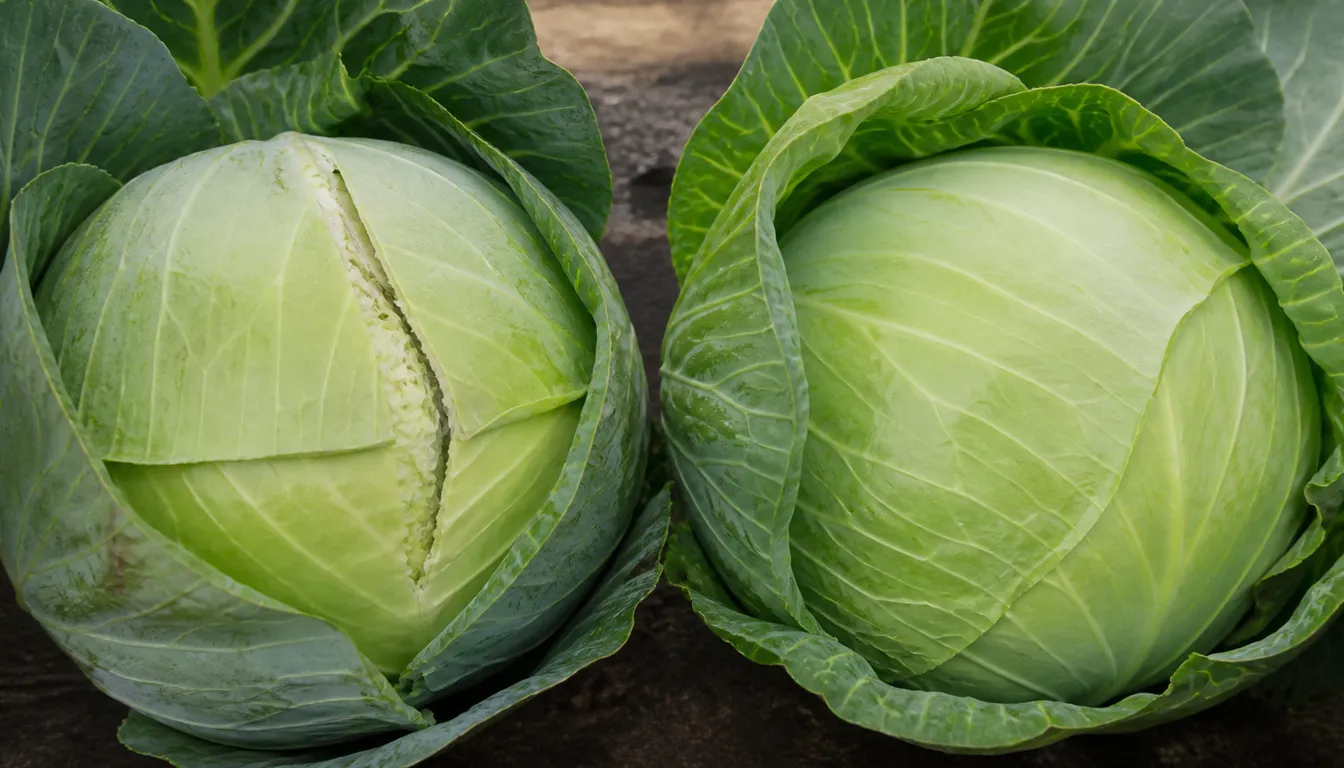
Split Head
- Head was already firm
- Water or rain changed fast
- Needs earlier harvest or steadier moisture next round
Loose or Puffy Head
- Too much heat during heading
- Weak early growth or too much crowding
- Often a timing or wrapper-leaf problem
Bolting
- Plant moved toward flowering
- Often triggered by stress plus temperature shifts
- Head quality rarely recovers once the process starts
What Pests Damage Cabbage Wrapper Leaves?
The outer leaves are not decoration.
They shade, feed, and protect the head. If worms, slugs, or aphids wreck those wrapper leaves early, the final head suffers even before you notice marks near the center.
Worms, loopers, aphids, and slugs make up the usual brassica pest group here. If the same insects are already active on cauliflower, assume the Cabbage bed needs immediate attention as well.
Kale damage nearby should make you just as alert.
Early row cover, clean scouting, and simple natural pest control habits do far more than late panic sprays. Mixed beds and companion planting for pest control can help reduce pressure, but they do not replace checking the row.
Cabbage never needs pollinating for the head itself, so a lightweight floating row cover can stay on the entire season without costing you a harvest, unlike a squash or cucumber crop that depends on visiting bees. Lift it briefly during the hottest stretch of summer instead, since covered plants can trap heat and overheat before they ever bolt from temperature alone.
Nasturtiums planted 10 to 12 inches from the row along the bed edge work as a trap crop, luring cabbage moths and aphids to lay eggs on their leaves instead of yours.
Check those trap plants regularly and remove infested leaves, or the trap crop just becomes a nearby pest nursery.
After harvest, clear stumps, roots, and leaf debris instead of letting the bed hold on to pest shelter. The next brassica crop planted in that ground should not inherit the same pressure for free.
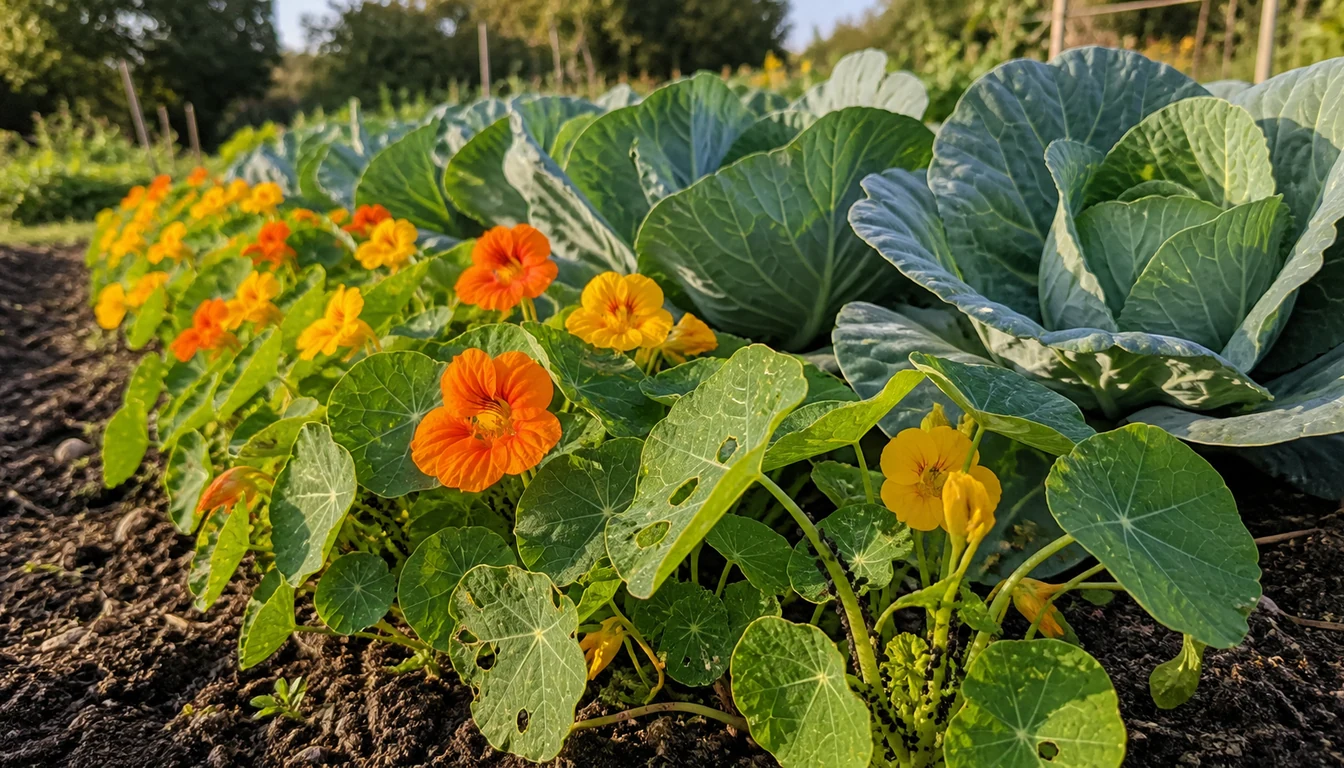
They chew wrapper leaves and foul the head with frass if they reach the center.
They collect in folds, especially on stressed plants, and leave sticky residue behind.
They work damp lower leaves and can scar heads in beds that stay wet near the soil line.
What Is Clubroot, and How Do You Keep It Out of the Bed?
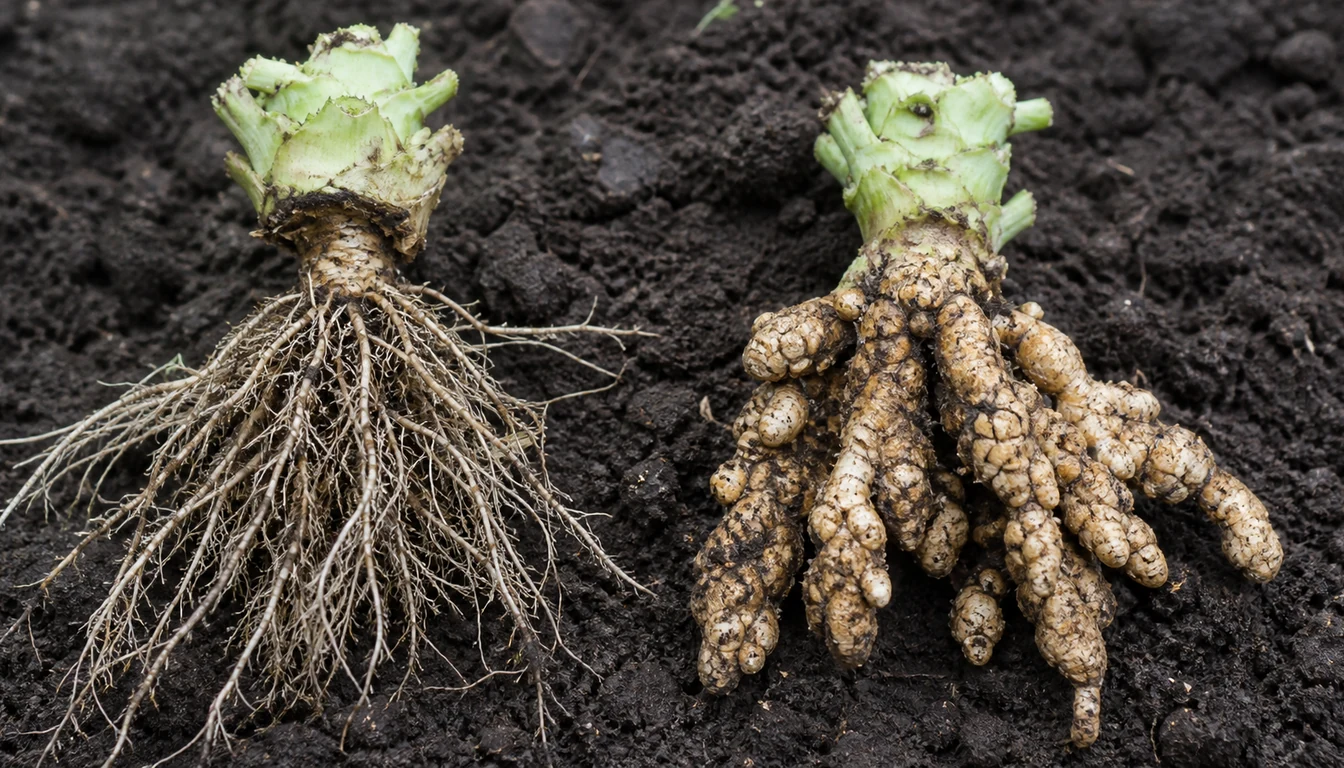
Clubroot is the bigger long-term threat, a soilborne disease that swells and distorts roots until the plant wilts in full sun even with wet soil underneath.
Its spores can survive in soil for 15 to 20 years, so the real defense is rotation rather than a spray. Keep brassicas including broccoli, kale, and cauliflower off infected ground for 5 to 7 years while other crop families use that space.
Clean tools, boots, and pots after working infected ground too, since the pathogen travels in soil clinging to equipment just as easily as it spreads through roots.
Clubroot also thrives in acidic soil below about pH 6.5. Liming the bed to a pH of 7.1 or higher, applied at least six weeks before planting so it has time to react, is one of the most effective non-chemical defenses available.
Field trials have cut disease severity by roughly 90 percent with a proper lime application, which is a bigger lever than most gardeners realize.
Frequently Asked Questions
Can I grow cabbage in containers?
Yes, but use a container big enough for one plant to build a real head and keep the mix evenly moist. Small pots dry too fast and make split risk worse.
How close should I plant cabbage?
Standard heading Cabbage usually needs about 18-24 inches so wrapper leaves can spread and the head can size properly. Tight spacing only makes sense when you want smaller heads.
Why are my cabbage heads splitting?
Split heads usually come from uneven moisture after the head is already firm. Dry soil followed by heavy rain or a deep soak is the usual trigger.
Why is my cabbage making a loose head?
Loose heads often mean the crop headed up in too much heat or never built enough outer leaf strength first. It is usually a timing or early-growth problem, not a harvesting problem.
Is fall better than spring for cabbage?
In many gardens, yes. Fall often gives sweeter flavor and fewer split heads because the crop is finishing in cooling weather instead of racing against rising heat.
Sources & References
- University of Minnesota Extension: Growing cabbage
- Oregon State University Extension: Broccoli, Brussels sprouts, cabbage and cauliflower
- University of Wisconsin Extension: Growing broccoli, cabbage and cauliflower in home gardens
- Cornell Cooperative Extension: Growing cabbage in home gardens
- University of Maine Cooperative Extension: Cole crops
- Brassica oleracea (Bresych Gwyllt, Wild Cabbage, Wild Mustard) | North Carolina Extension Gardener Plant Toolbox
Related Plants
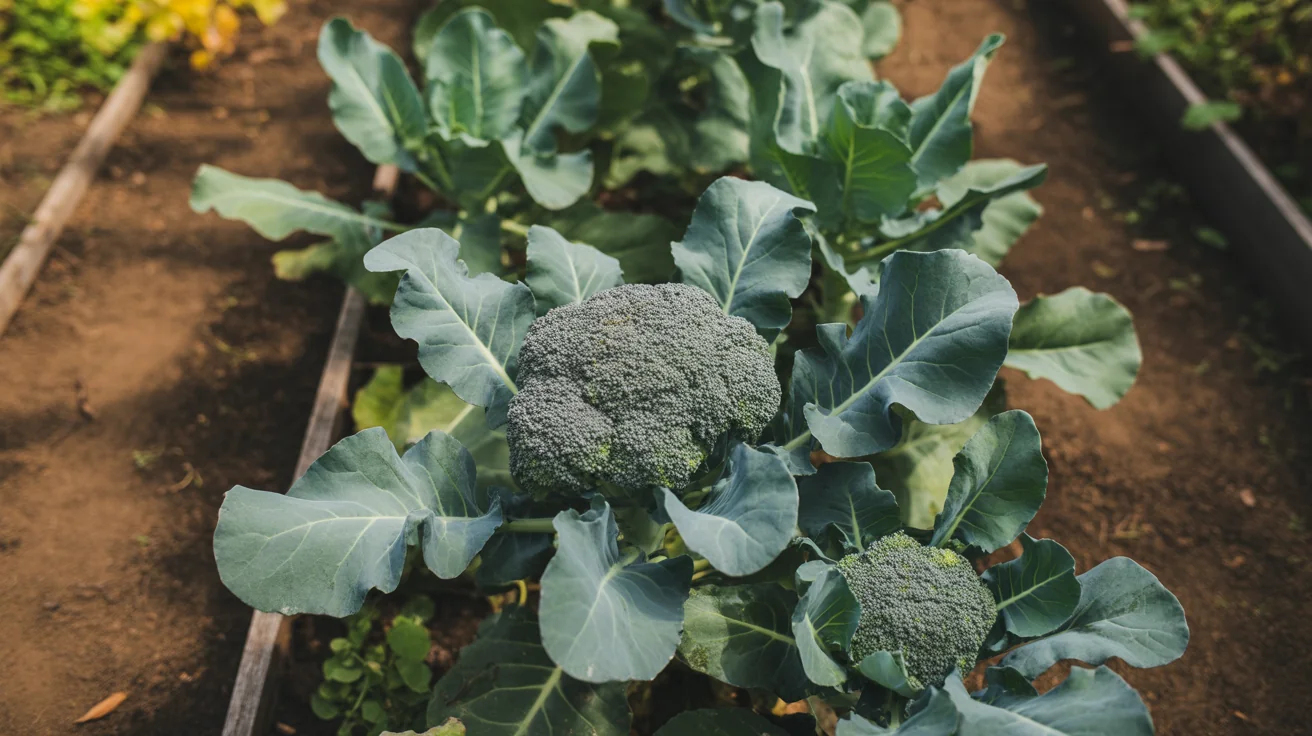
Broccoli
Another brassica for cool weather, but it is grown for flower buds instead of a dense wrapped head.
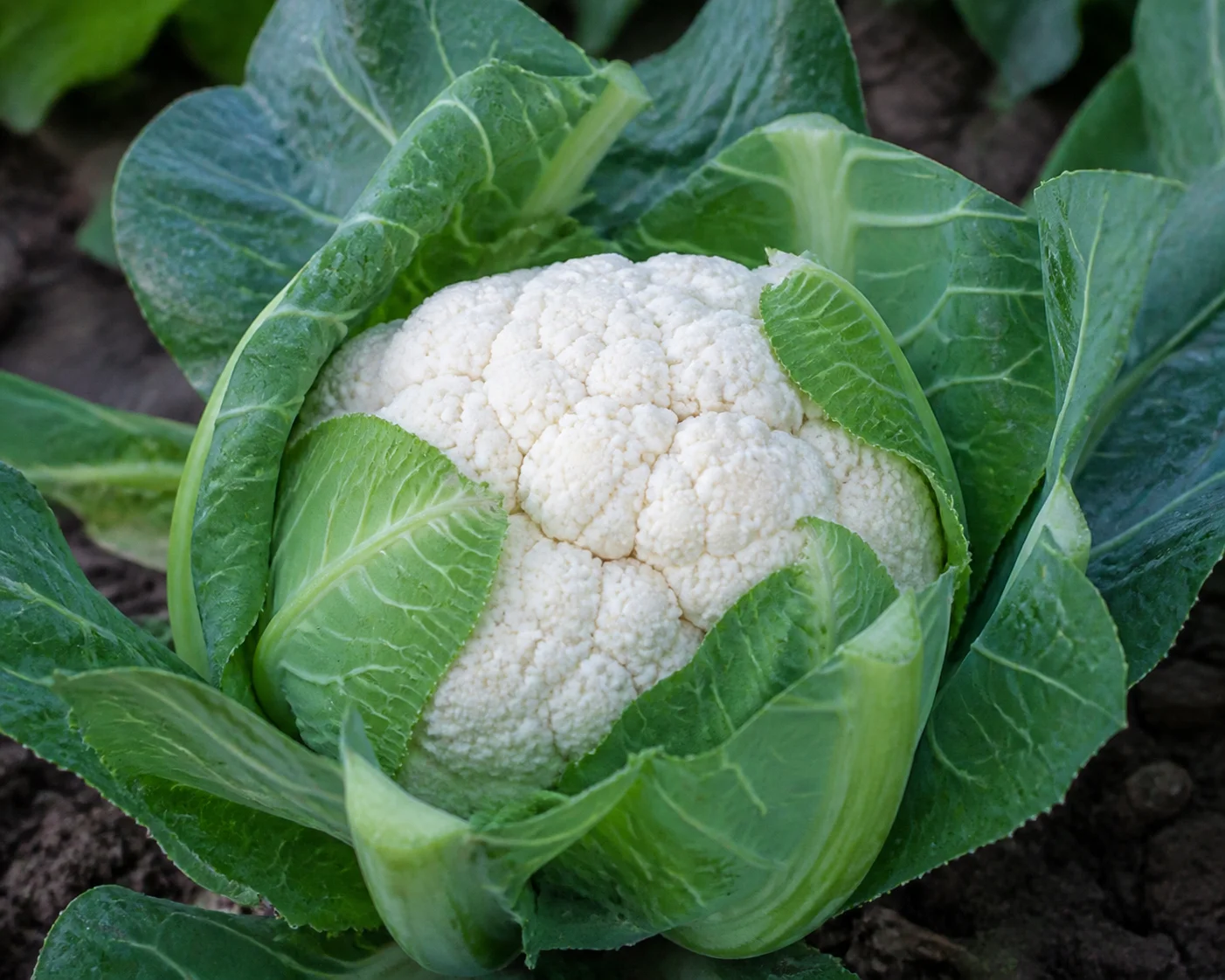
Cauliflower
Shares the same family and timing pressure, but its edible head is a curd that needs tighter weather control.
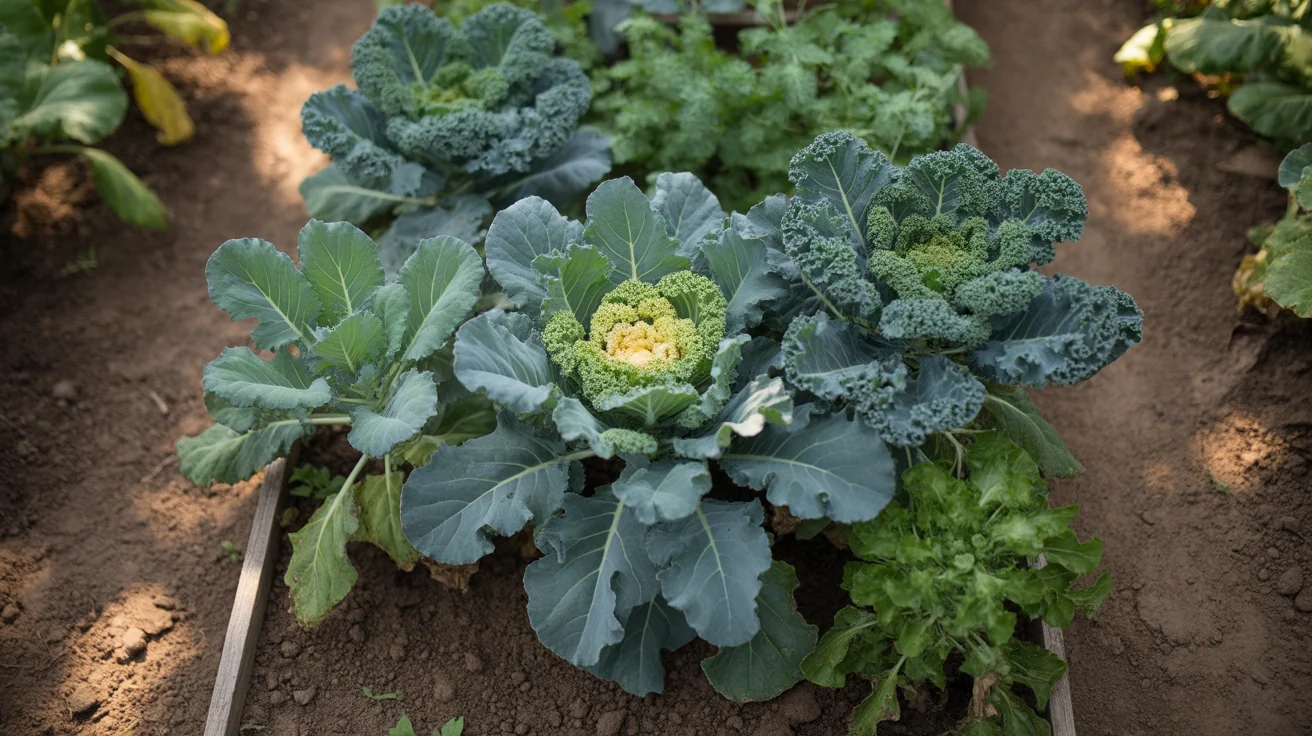
Kale
Uses the same soil and pest awareness, yet keeps paying with leaves instead of one main harvest head.
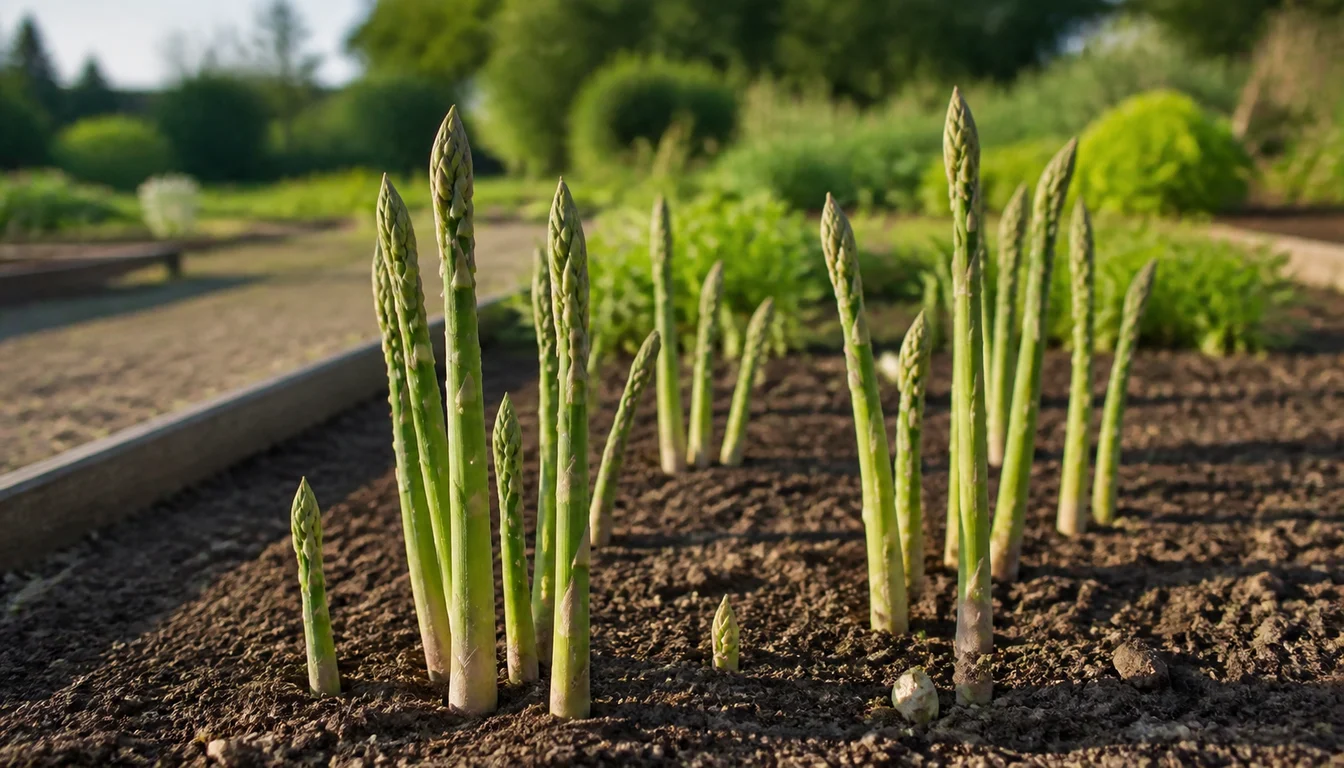
Asparagus
Asparagus rewards careful establishment with spring harvests for many years.
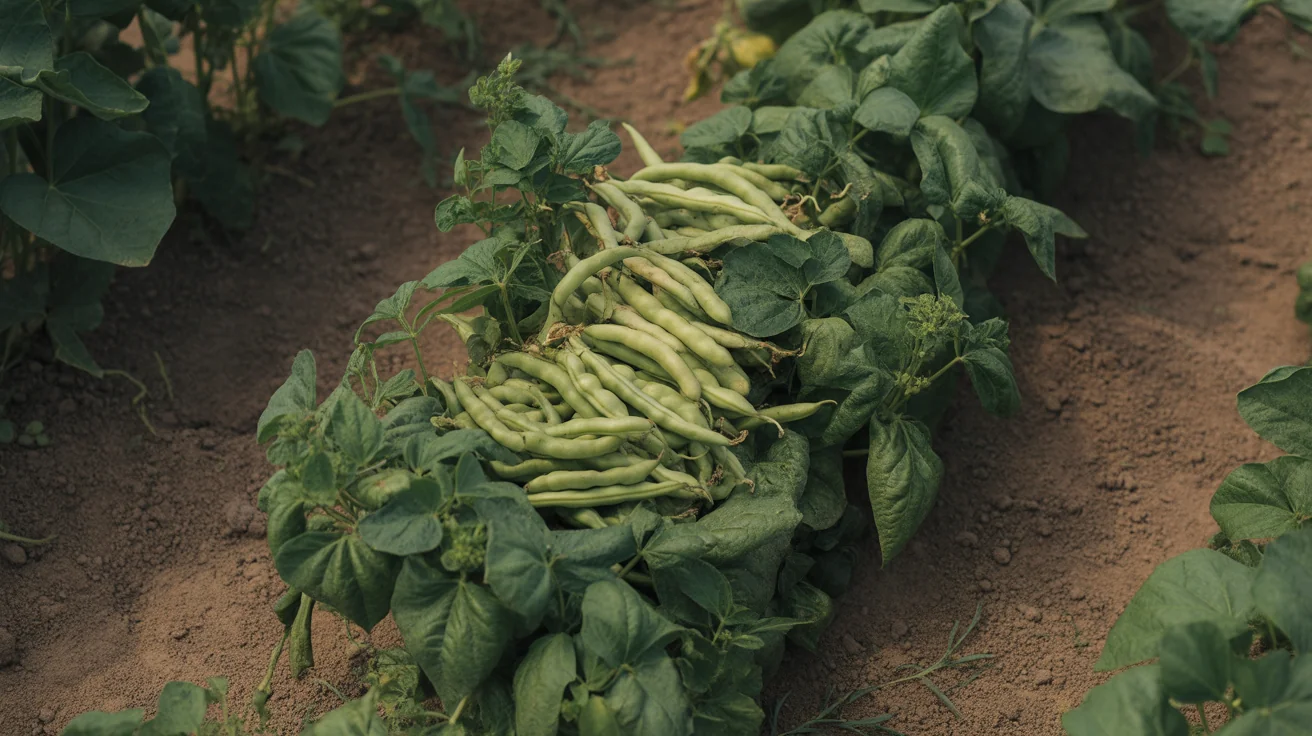
Beans
Two different plants share the name bean, one that stays knee-high and gives most of its crop inside two or three…
Beet
Beet care starts with one unusual fact. Each seed ball can make several seedlings, so the crop needs early thinning…