
What's a Bean Plant? How to Grow Bush or Pole All Summer
Phaseolus vulgaris Fabaceae
Two different plants share the name bean, one that stays knee-high and gives most of its crop inside two or three weeks, and one that climbs to 10 feet and keeps producing until frost.
You choose between them before you buy seed, because that one decision sets your bed layout, your trellis budget, and how you eat all summer.
Care snapshot
What Kind of Plant Is a Bean?
Pick a bean pod at three different moments and you get three different foods.
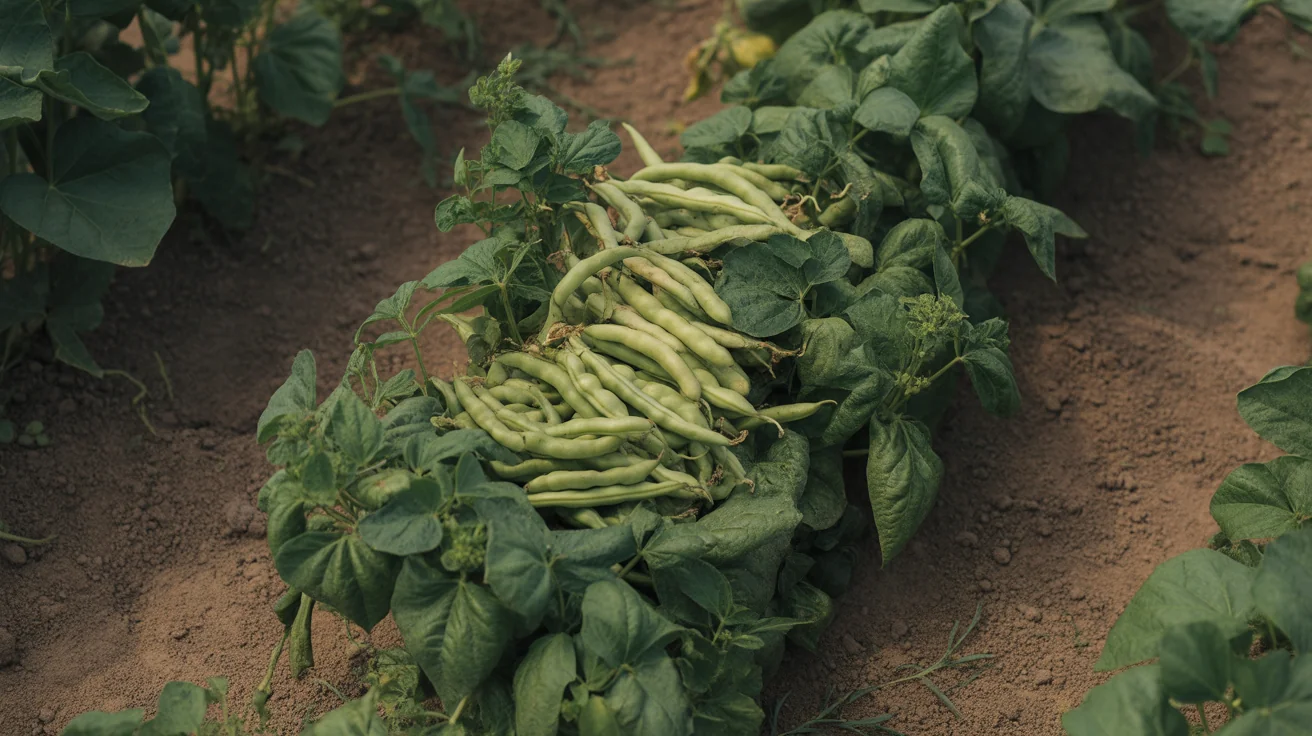
Young and whole, it is a snap bean. Left until the seeds swell inside, it becomes a fresh shell bean.
Left longer still, until the pod turns papery and the seeds rattle, it is a dry storage bean.
Same plant, same row, three crops. The only thing separating them is when you decide to pick, which is why we treat harvest timing as part of choosing a variety rather than something you work out later.
The plant itself is Phaseolus vulgaris, a warm-season annual in Fabaceae, the legume family that also holds Peas, lentils, and clover.
Two things about that membership show up in your bed. The roots partner with soil bacteria and fix a share of their own nitrogen, which changes how you feed the row and why you rotate it.
The second is cold, and it is the one we would not compromise on. Peas shrug off a frosty spring morning and Beans rot in it, so the two crops never share a planting date however tempting it is to sow them the same afternoon.
One warning about the seed rack. Runner beans and lima beans sit alongside these and are separate species with their own timing, so everything below is written for common bean.
Plant profile
- Botanical name
- Phaseolus vulgaris
- Family
- Fabaceae, the legume family
- Plant type
- Warm-season annual, bush or climbing
- Grown for
- Immature pods, fresh shell seeds, or dry storage seeds
- Native range
- Central and South America
- Close relatives
- Peas, lentils, runner and lima beans
Should You Grow Bush Beans or Pole Beans?
Seed catalogs sort Beans by color and by name, and neither one tells you how your season will go. The fork we would have you decide first is habit.
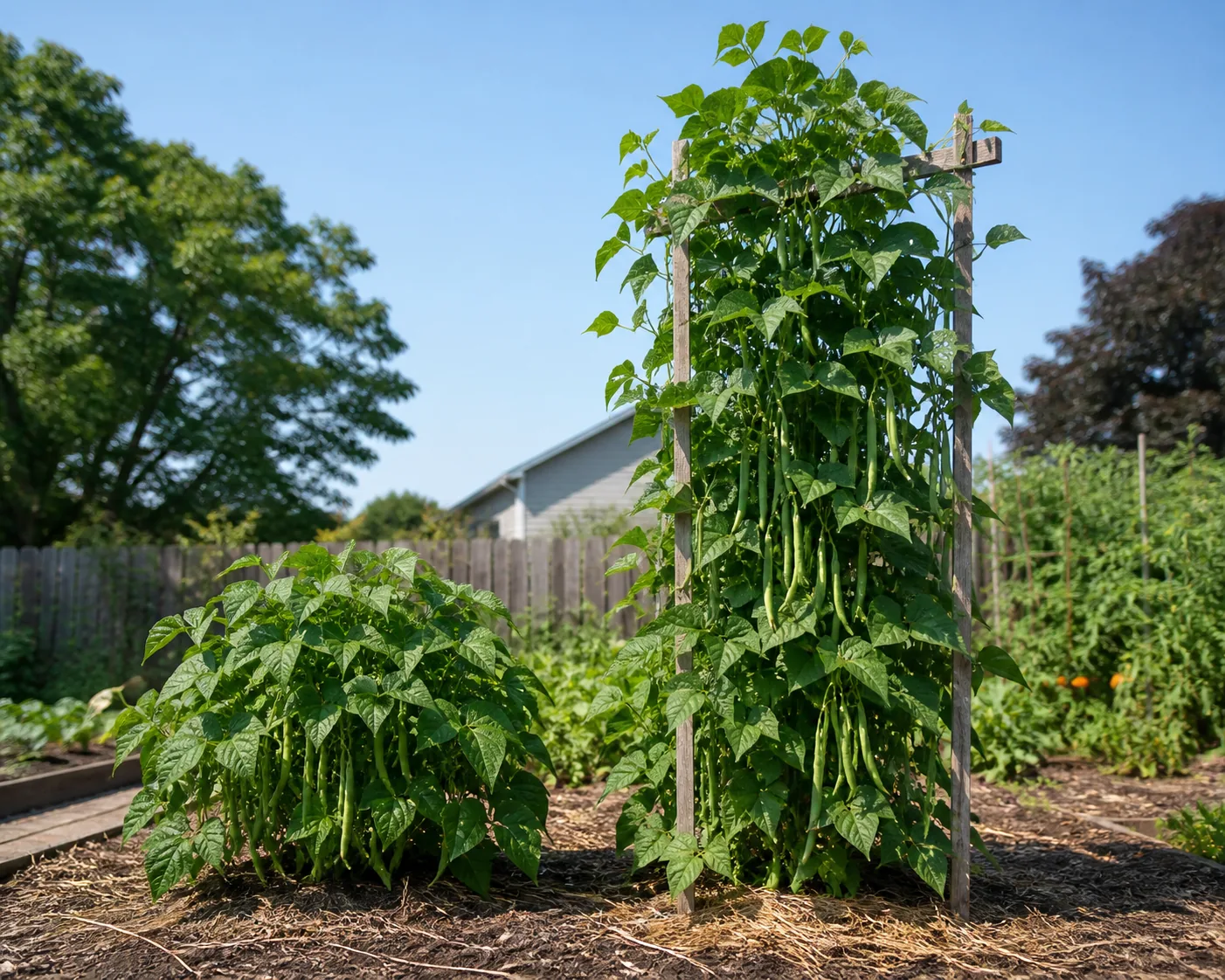
A bush bean stays knee-high and holds itself up, while a pole bean climbs until frost stops it and will not do that without something to climb.
Bush types reach first pick around 50 to 60 days, then concentrate most of the crop into roughly two to three weeks. That is the right shape if you want one heavy harvest to freeze and then want the ground back for something else.
Sown by early July across most of the country, a bush row still has time to finish before frost, so that cleared-bed advantage is real rather than theoretical.
Pole types start later, often 60 to 70 days, and keep setting new flowers until frost takes them. Yield per square foot usually runs higher because the plant never stops working.
The constraint people forget is vertical. Pole vines run 6 to 10 feet up, and that wall of foliage drags a moving shadow across whatever sits north of it all summer.
Half-runner types turn up on some packets at 3 to 5 feet and still want a short support, which places them between the two habits rather than replacing either.
We would decide this by how your household actually eats Beans, not by variety descriptions.
A handful for dinner twice a week points to pole. A weekend of blanching and freezing points to bush.
Provider and Contender are dependable bush varieties for short seasons and cool springs. Kentucky Wonder and Blue Lake are the pole standards, grown for flavor and for how long they keep bearing.
If you are still stuck, settle it on one question. Do you want the row cleared for a second crop, or do you want to keep picking from the same plants into September?
- Bush Beans
- Knee-high plants, first pick near 50 to 60 days, most of the crop inside two to three weeks
- Pole Beans
- Vines 6 to 10 ft, first pick near 60 to 70 days, then bearing steadily until frost
- Pick this when
- Bush for one preserving harvest, pole for dinner-sized picking across the summer
- The costly mistake
- Choosing by seed color, then finding out the bed had no vertical room to spare
How Much Sun and What Soil Do Beans Need?
Six to eight hours of direct sun, and the shortfall never announces itself. Under six hours your plants still put out healthy green leaves, so the row looks fine right up until you notice how little is hanging on it.
If a bed disappointed you last year and you never worked out why, we would count its hours of sun before you blame the seed.
Drainage matters more than richness. Bean seed and young roots live in the top few inches of soil, which is exactly the layer that stays cold and airless in compacted ground.
Heavy wet ground fails them in a particular way. Seed rots before it emerges, and the seedlings that do come up sit stunted with yellowing lower leaves while their roots suffocate.
A pH between 6.0 and 6.8 suits them, which is where most vegetable beds already sit. We would leave it alone unless a soil test tells you otherwise.
If the only sunny spot you have holds water, raise the row rather than trying to amend the ground under it, because six inches of height over the native soil gets the seed zone draining without touching what is underneath.
Give the row a three-year gap from the last bean or pea crop in that spot. Root rot fungi and white mold persist in soil, and replanting the same ground every year is how a garden builds a problem no spray reaches.
When Is Soil Warm Enough to Plant Beans?
Soil temperature decides this for us, not the frost date. Bean seed germinates poorly below 60F and moves fastest between 70F and 85F.
Below that range your seed does not wait politely in the ground. It sits and rots, and one cold wet week turns a full row into a scattered one.
A soil thermometer settles this in a way no calendar can. Push it about four inches down and read it in the morning before you commit seed, because a frost-date chart cannot tell you what a shaded or clay-heavy bed is actually doing.
If the first sowing comes up patchy, resow the gaps straight away instead of nursing them. Beans move fast enough that a row sown into warm June soil routinely catches and passes one that struggled through a cold May.
Bush types also make a good succession crop. A second sowing three weeks behind the first stretches the picking window without adding any structure to build.
Soil temperature at sowing
| Soil temperature | What the seed does |
|---|---|
| Below 60F | Slow, patchy germination and a real risk of seed rot |
| 60F to 70F | Seedlings emerge, but slowly enough that soil pests find them first |
| 70F to 85F | Fastest and most even emergence, usually inside a week |
How Deep and How Far Apart Do You Sow Beans?
Sow bean seed about 1 inch deep, going a little deeper in sandy soil that dries from the top down and a little shallower in heavy clay that crusts over the seedling.
Bush seed goes 2 to 4 inches apart along the row. Pole hills want 4 to 6 inches between seeds, so your strongest two or three seedlings can share a pole without shading each other out before the vines have started climbing.
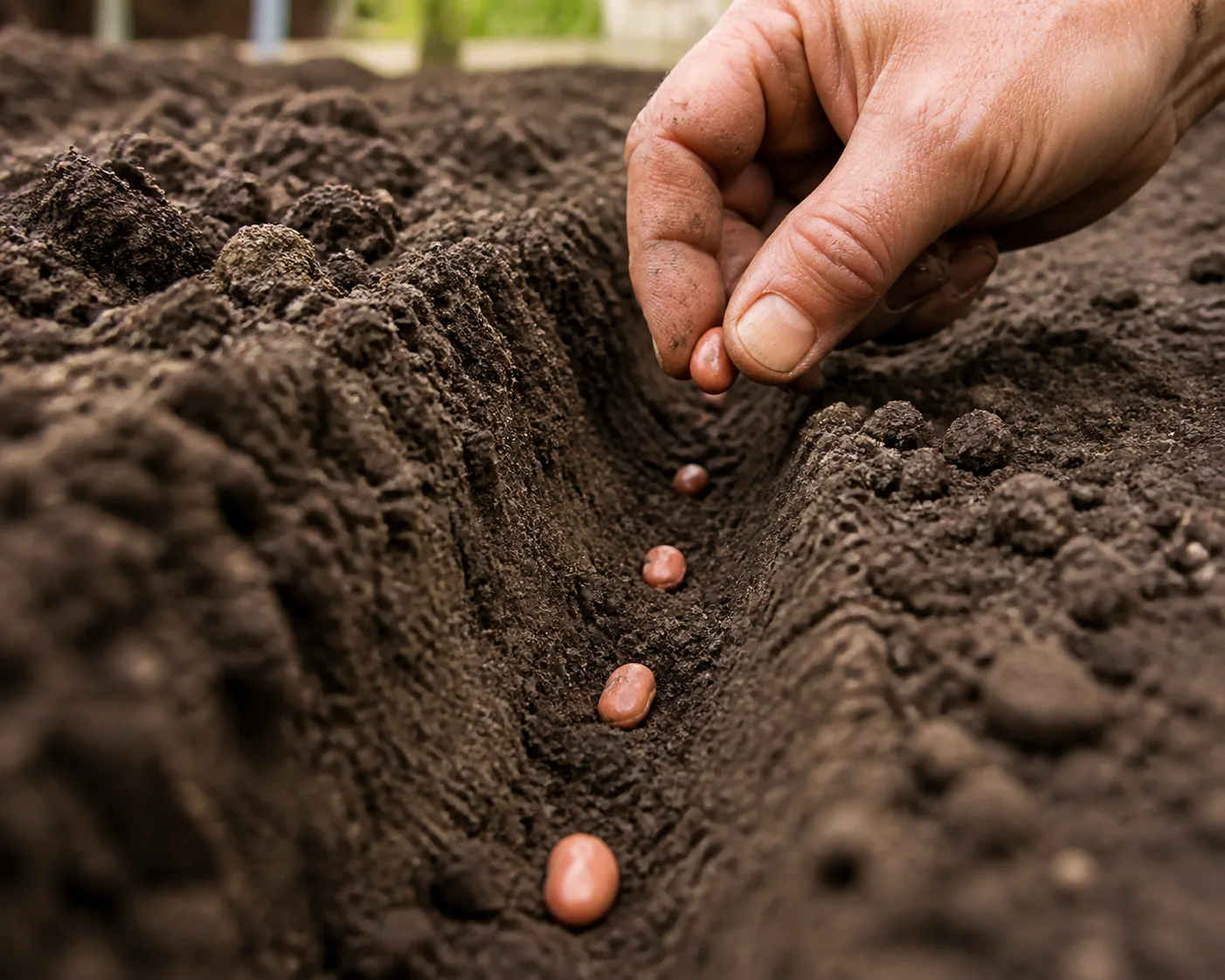
- Sow about 1 inch deep, adjusting for how your soil holds water.
- Space bush seed 2 to 4 inches apart in the row.
- Space pole hills 4 to 6 inches apart, then thin to the strongest two or three.
Do Beans Really Add Nitrogen to Your Soil?
Partly, and less than the gardening shorthand suggests. Common bean covers a good share of its own nitrogen need, but it is a weaker fixer than Peas or soybeans and rarely leaves much of a surplus behind for the next crop.
We would not plan a following crop around it.
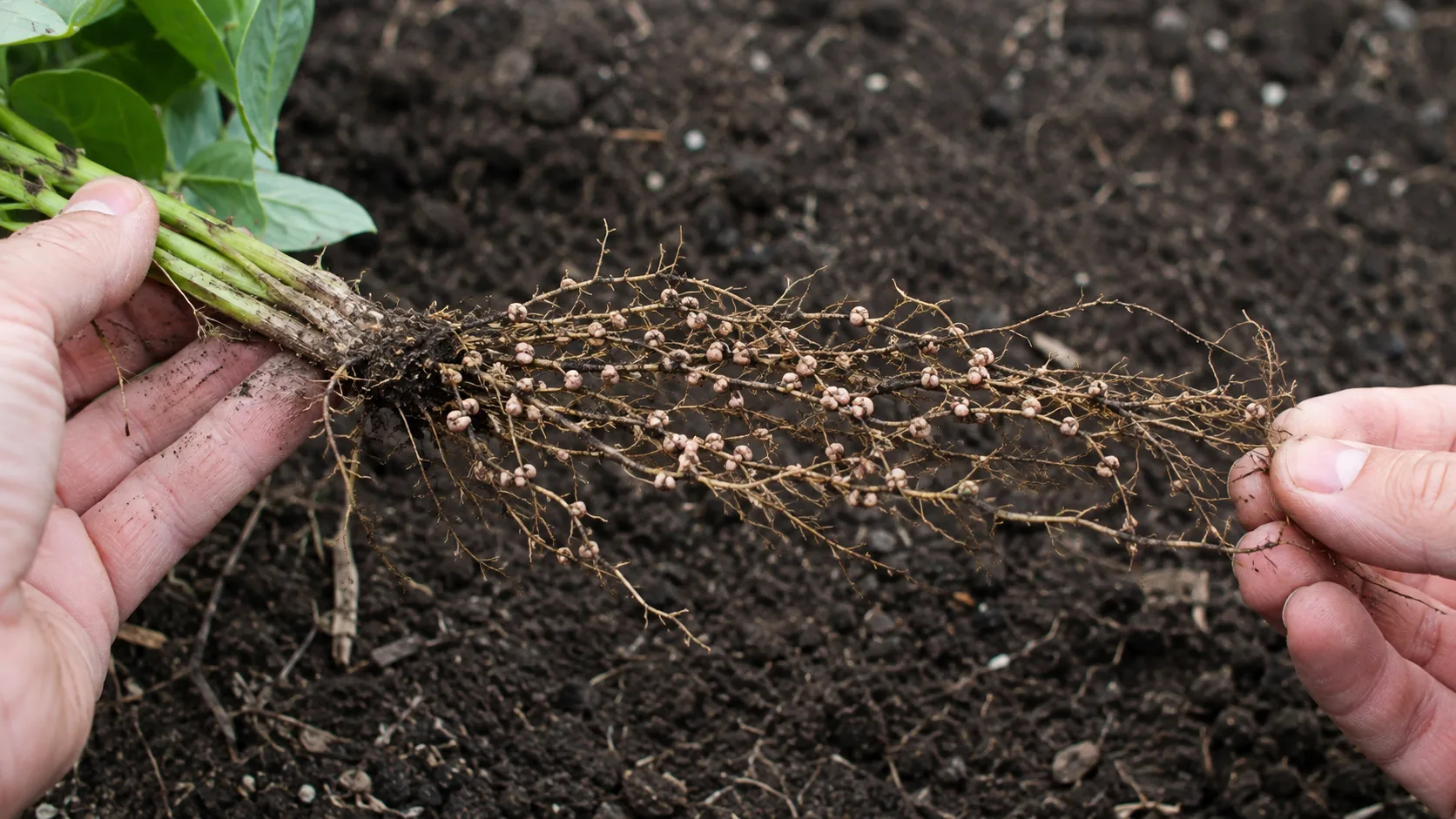
The work happens in nodules on the roots, where Rhizobium bacteria convert nitrogen from the air into a form the plant can use. The plant supplies sugar, and the bacteria pay in nitrogen.
You can check whether the arrangement is working. Lift a plant, find a nodule, and cut it open.
A pink or reddish interior means active fixation. A white or green one means the bacteria are along for the ride.
An inoculant dusted on the seed therefore pays off in ground that has not carried Beans or peas for a few years, and does very little in a bed that grows legumes regularly and already holds the right bacteria.
Nitrogen fertilizer works directly against all of this. Available soil nitrogen suppresses nodule formation, so a fed row builds fewer nodules and spends the season making leaves.
Phosphorus and potassium are a separate question, and a bed genuinely low in either will hold back pod set. That is one of the few situations where we would feed a bean row at all.
At the end of the season, cut the plants off at the soil line and leave the roots where they are. The nodules break down in place, and that is the part of the nitrogen story the next crop genuinely gets.
What Support Do Pole Beans Need, and When Do You Build It?
We would build the structure before you sow, and we would not treat that as optional.
Pole Beans start reaching for something to climb within days of their first true leaves, and a stem you bend onto a late pole keeps that kink all season.
A teepee gathers all its shade into one column, which is fine at the edge of a bed and a nuisance in the middle of one. A single-row trellis along the north side moves that shadow off everything planted behind it.
Whichever you build, you have to be able to see the pods. A tidy net or arch shows hanging Beans at a glance, while a collapsed tangle hides them until they have gone tough and the plant has quietly stopped flowering.
Size the frame for August rather than May. Vines in full pod after rain weigh several times what the seedlings suggested, and a support that felt solid in spring leans into the path by then.
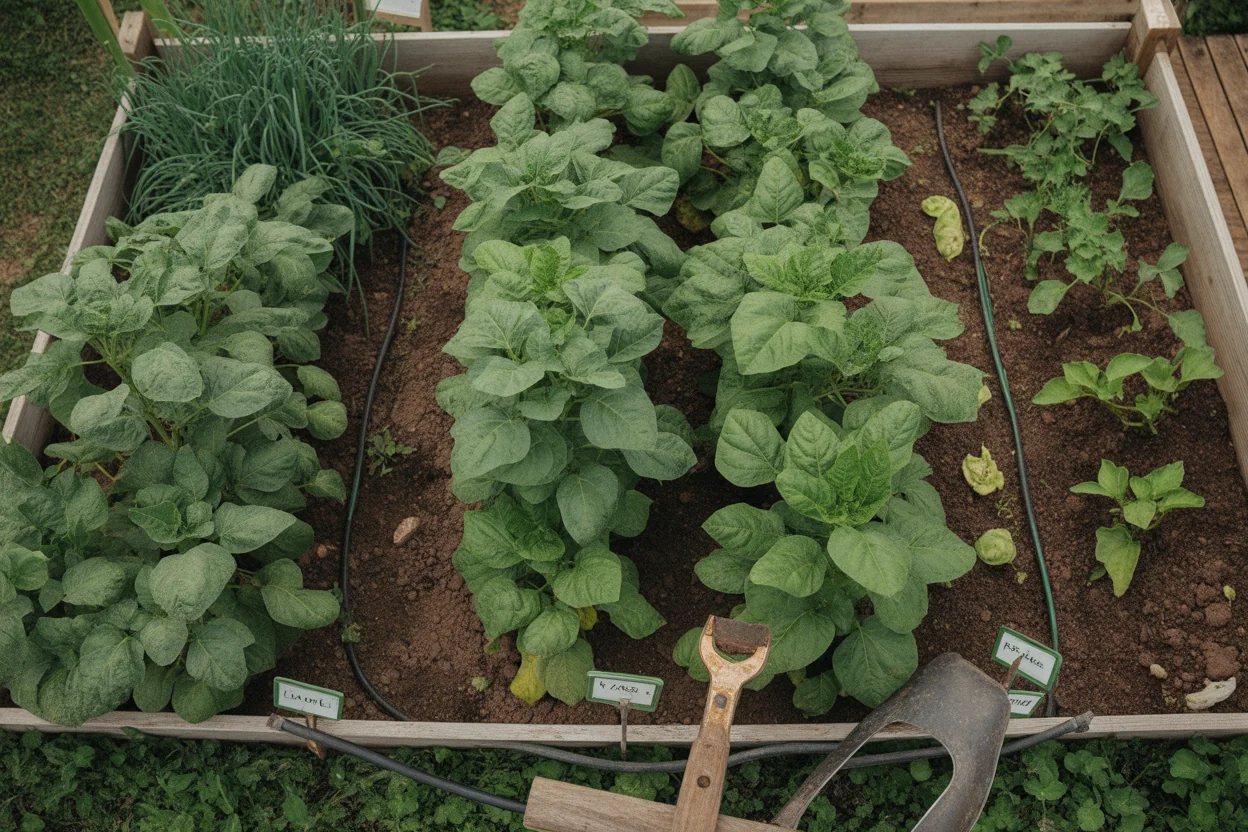
Bush rows need air rather than height, because plants that knit into one solid wall trap humidity against the leaves, and that is where midsummer leaf disease starts.
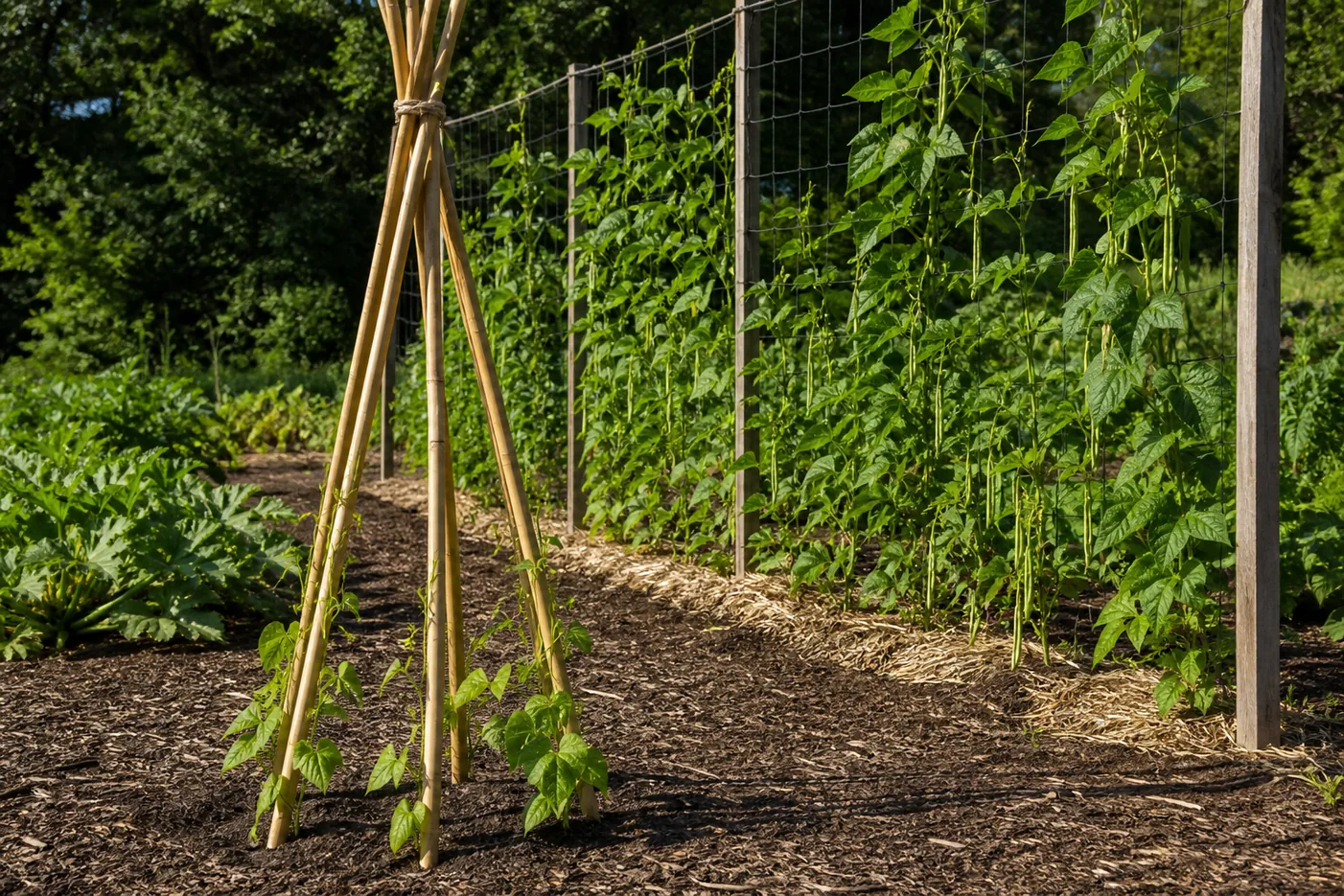
- Set poles, netting, or arches in place before the seed goes in.
- Leave an aisle wide enough to pick from both sides after rain.
- Thin crowded seedlings before the row closes into one wall.
Why Are My Beans Flowering but Not Making Pods?
Let us rule out the explanation most people reach for first. Beans are self-pollinating, so a shortage of bees is almost never why your flowers arrived and the pods did not.
Heat is the usual answer. Once days push past about 85F and nights stay warm, blossoms abort before a pod ever forms.
Uneven moisture is the second. A row that swings between soaked and bone dry through bloom sheds flowers, and the few pods that set come out short and curved.
Read your row in the morning, before the sun has had a chance to mislead you. A plant that wilts at three in the afternoon and recovers by breakfast is simply handling heat.
One that is still limp at seven has a root-zone problem you can actually do something about, and that is the reading we would act on.
Steady does not mean frequent. One deep soak that wets the top 6 inches beats three light sprinklings, which only train the roots up into the crusted surface layer where they dry out first.
Mulch does more work at bloom than at any other point in the season, and two inches of straw over the root zone flattens exactly the swings that knock flowers off. Timing helps too, and getting flowers open before the worst of the heat arrives is one more argument for sowing as soon as the soil reaches 70F instead of waiting for a perfect forecast.
Then change one thing and wait. Steady the watering, leave the fertilizer alone, and give it time, because heat-stalled plants usually resume setting on their own once the weather breaks.
Flowers but no pods
| What you see | What is usually behind it |
|---|---|
| Flowers open, then drop | Heat during bloom, or a swing between wet and dry |
| Pods set but come out curved | Moisture stress while the pod was still filling |
| Dark leafy plants, few pods | Too much available nitrogen for this stage of the crop |
How Often Should You Pick Green Beans?
Every two to three days once your row is in full flush. That is not tidiness, and we would put it above almost every other job in the bed, because picking is what keeps the plant flowering.
A snap bean is ready while the pod is still smooth and flexible and the seeds have not started to bulge against the wall, because past that point the pod turns fibrous and the flavor flattens out.
Shell Beans come off later, when the seeds inside are full and soft but the pod has not gone papery. Dry Beans are left alone entirely, on the plant, until the pods rattle.
The reason the interval matters is not cosmetic. A pod carrying mature seed signals the plant that its work is finished, and flowering slows across the whole row within days.
Pick with two hands. A one-handed yank tears the stem and takes next week's flower buds off with the pod, so hold the vine steady and snap or clip the pod free.
One more habit that costs nothing, and we would treat it as a rule rather than a preference. Do not pick or work among wet Beans, because bacterial blight and rust travel a row on wet foliage and your sleeves carry them down it.
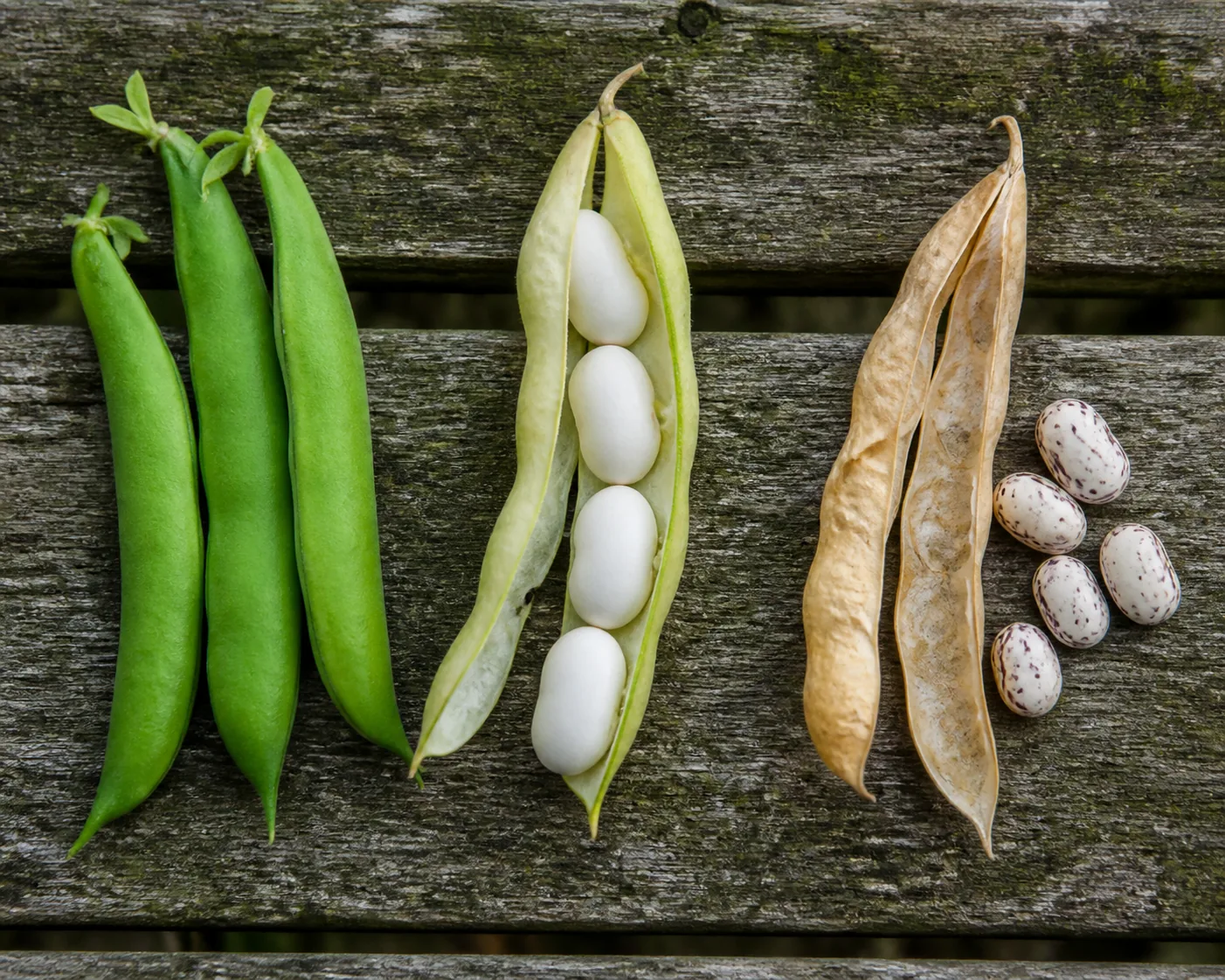
- Pick snap Beans while the pod is smooth and the seeds have not swelled.
- Pick shell Beans when the seeds are full and the pod is still pliable.
- Leave dry Beans on the plant until the pods are papery and rattle.
How Do You Store Beans, and Can You Eat Them Raw?
Snap Beans lose their snap quickly. Loosely bagged in the refrigerator they hold about a week, and the first two days are noticeably better than the last two.
For anything longer, blanch them about three minutes in boiling water, cool them fast, and freeze them. Skipping the blanch leaves enzymes running, and the beans go dull and limp in the freezer.
On eating them raw, the answer depends entirely on which bean you mean. A few raw snap beans grazed off the plant are ordinary garden eating.
Dry Beans are a different matter, and this is the one place on this page where we would not leave the decision to preference. Raw and undercooked ones carry phytohaemagglutinin, and kidney Beans carry the most of it.
Soak them, pour off the soaking water, then boil them hard before they go anywhere near a lower heat.
Only store dry Beans once they resist a fingernail dent. Anything softer still holds moisture, and a sealed jar of it will mold.
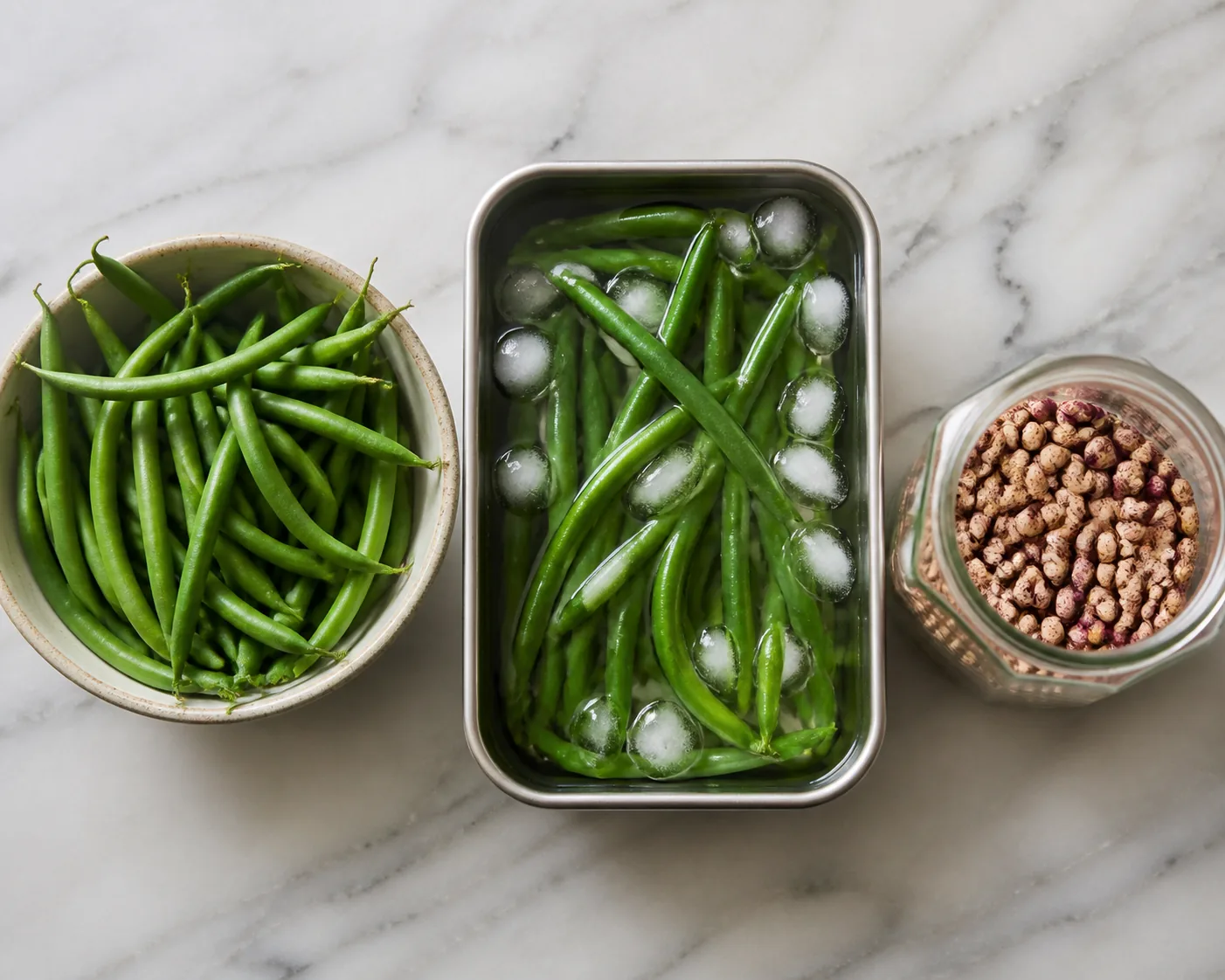
- Refrigerate snap Beans loosely bagged and use them inside a week.
- Blanch snap Beans about three minutes before freezing.
- Boil soaked dry Beans hard before any long, slow cooking.
What Is Eating Your Bean Plants?
Start with the part that is damaged rather than with the pest. Chewed leaves, scarred pods, and collapsing stems are three separate problems that happen to share a plant, and we would not reach for a treatment until you know which one you have.
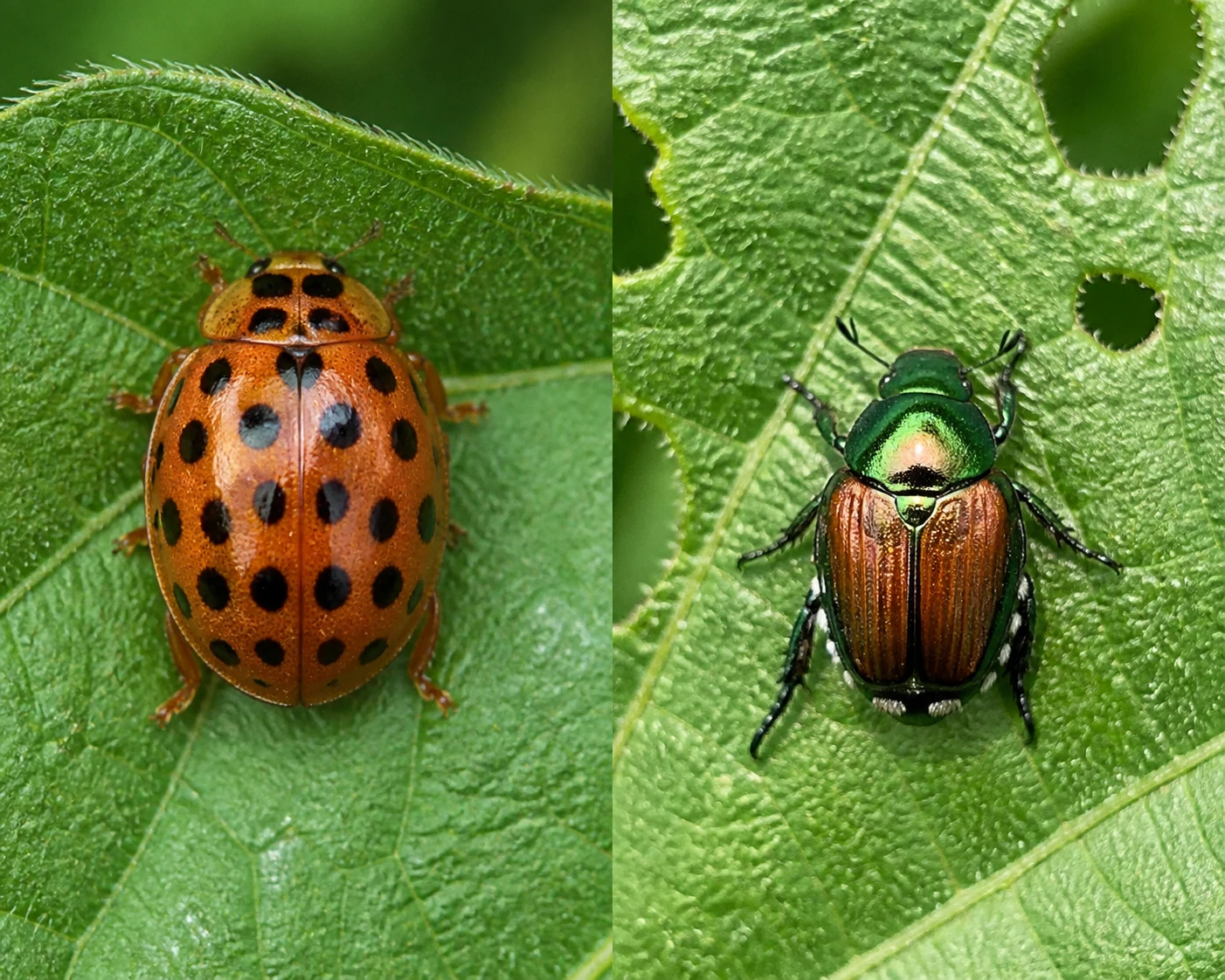
Two beetles cause most of the leaf damage and get mistaken for each other constantly. The Mexican bean beetle is coppery tan with 16 black spots in three rows, and the Japanese beetle is smaller, metallic green, with bronze wing covers.
Both skeletonize leaves between the veins, so the damage pattern by itself settles nothing.
Turn a chewed leaf over instead. Spiny yellow larvae on the underside are Mexican bean beetle, and finding them means the population is breeding in your row rather than drifting in from somewhere else.
Leaf damage also explains less than it appears to. A row can lose a surprising amount of leaf area and still crop normally, so light edge feeding is rarely why a harvest failed.
Scarred and pitted pods are a different culprit, usually stink bugs or thrips feeding while the pod was still forming, and that is cosmetic on a snap bean you eat young while it matters more on shell beans left to fill.
Hand-picking is genuinely effective against Mexican bean beetle, and we would exhaust it before considering a spray. The adults are slow, the yellow egg masses are easy to spot and crush on the leaf underside, and ten minutes twice a week usually settles it.
Stem collapse is the one to take seriously. Rot starts at the soil line where foliage hides it, and the first visible sign is usually a plant that wilts and never recovers overnight.
When that shows up, clearing the vines at season end and moving the row next year does more than any spray you could have reached for.
Chewed leaves
- Flip leaves and look for spiny yellow larvae before spraying.
- Light edge damage rarely explains a failed crop.
Scarred pods
- Check harvest timing and insect feeding on young pods.
- Pull damaged pods so the plant keeps flowering.
Collapsing stems
- Inspect the soil line for rot under the foliage.
- Remove plants that wilt and never recover overnight.
Can You Grow Beans in Containers?
Bush types, yes. Pole types technically work, but they need a deep pot and a structure anchored to something other than the pot itself, and we would not recommend it unless you have nowhere else to grow them.
Use a container at least 8 to 10 inches deep and plan on two or three plants for every gallon of potting mix.
Water is the catch. A pot dries fastest during exactly the hot spell when the plant is setting pods, which is the moment a moisture swing costs the most, so container Beans want checking every day through bloom.
Frequently Asked Questions
Do beans need to be soaked before planting?
No, and soaking usually hurts. Bean seed takes up water fast in warm soil, and presoaked seed splits its coat and rots more readily than dry seed does.
How many bean plants do I need per person?
Roughly 10 to 15 bush plants per person for fresh eating, and about double that if you are freezing a supply. Pole Beans need fewer plants because each one bears for months instead of weeks.
Why are my bean leaves turning yellow from the bottom up?
Lower-leaf yellowing on Beans usually means the roots are short on air rather than short on food. Check whether the bed stays wet for a day after rain before you reach for fertilizer.
Will beans start producing again after a heat wave?
Usually yes, as long as the plants themselves stayed healthy. A hot spell ends that round of flowers, and the row typically sets a fresh round once nights cool.
Can I save seed from my own beans?
Yes, if the variety is open-pollinated rather than a hybrid. Leave a few plants unpicked until the pods are papery, then dry the seed fully before storing it.
Sources & References
- Growing beans in home gardens, University of Minnesota Extension
- Inoculating garden legumes, University of Minnesota Extension
- Mexican Bean Beetle, University of Maryland Extension
- Mexican Bean Beetle, Epilachna varivestis, Cornell Vegetable IPM
- Bad Bug Book, Second Edition, Phytohaemagglutinin, U.S. Food and Drug Administration
- Freezing Snap, Green, or Wax Beans, National Center for Home Food Preservation
- Vegetable Gardening, Penn State Extension
- Phaseolus vulgaris (Bean, Beans, Bush Bean, Green Bean, Green Beans, Pole Bean, Snap Bean, String Bean) | North Carolina Extension Gardener Plant Toolbox
Related Plants
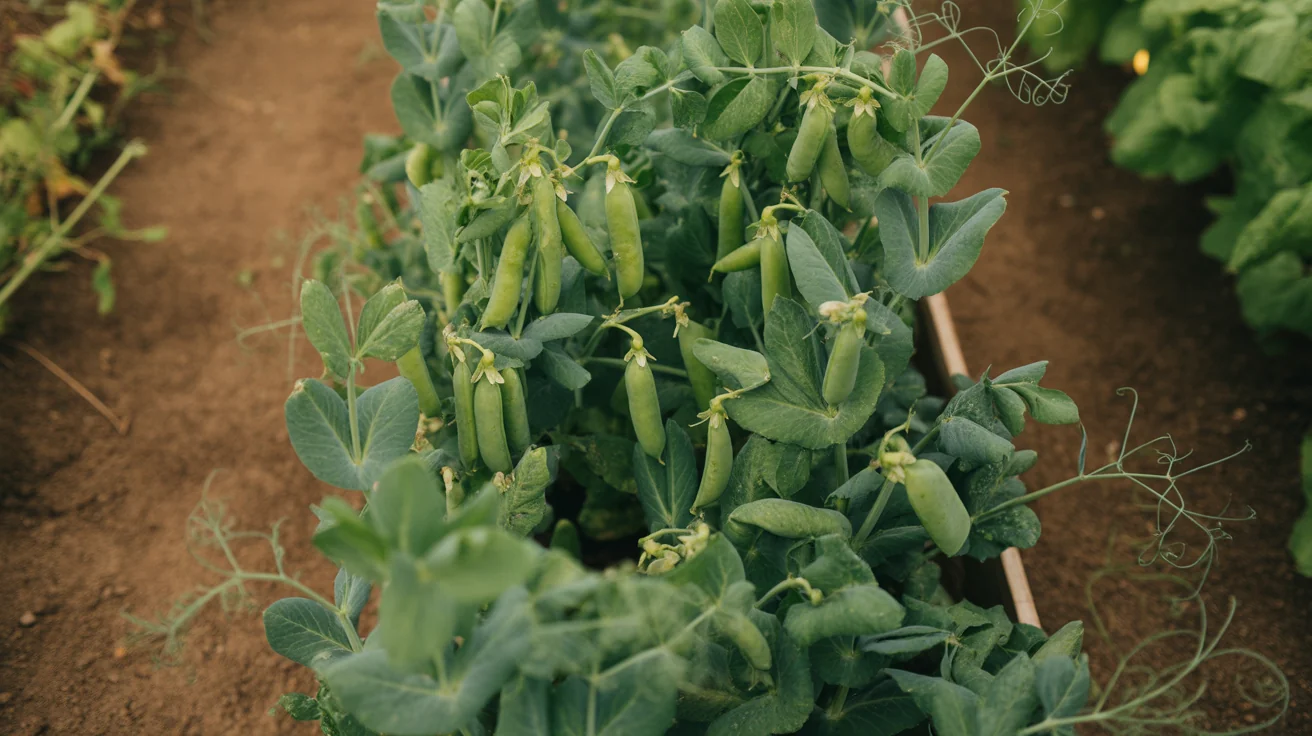
Peas
Cool-season legume that fills the same trellis earlier in spring and fixes nitrogen more strongly.
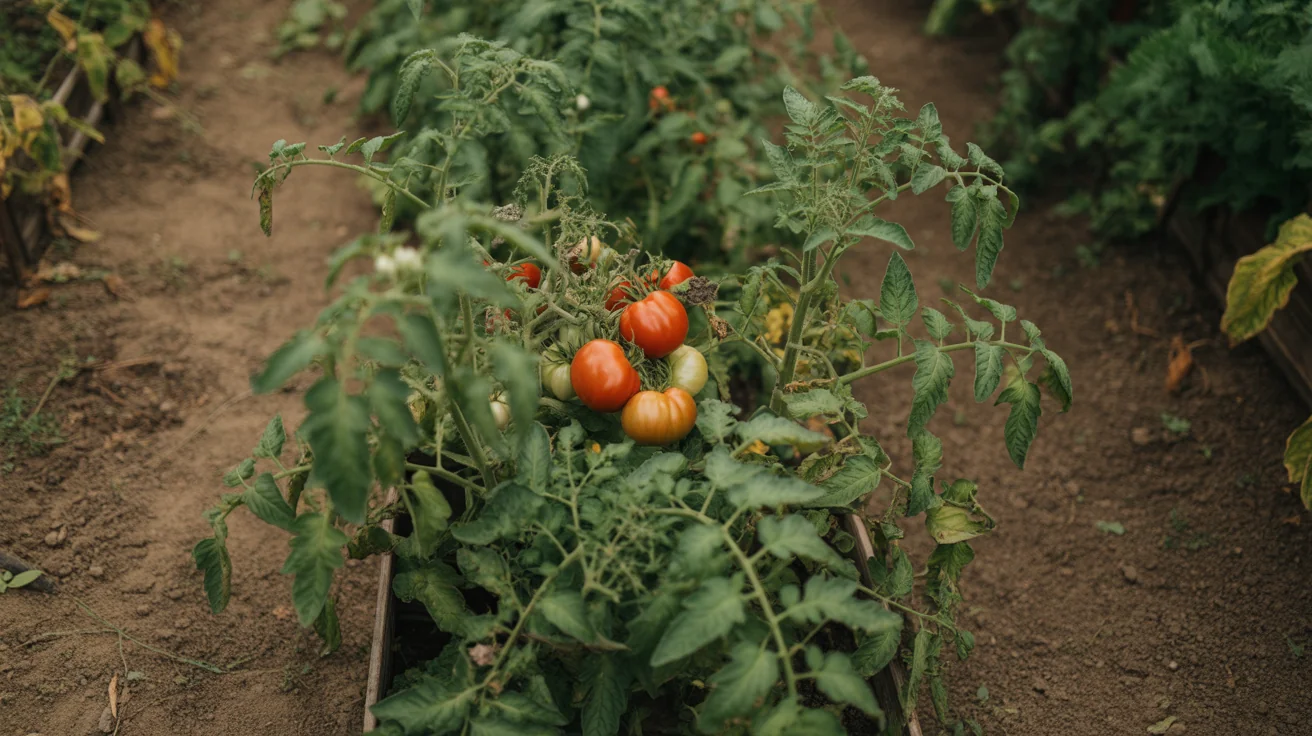
Tomato
Warm-season crop that wants the nitrogen feeding beans specifically do not.
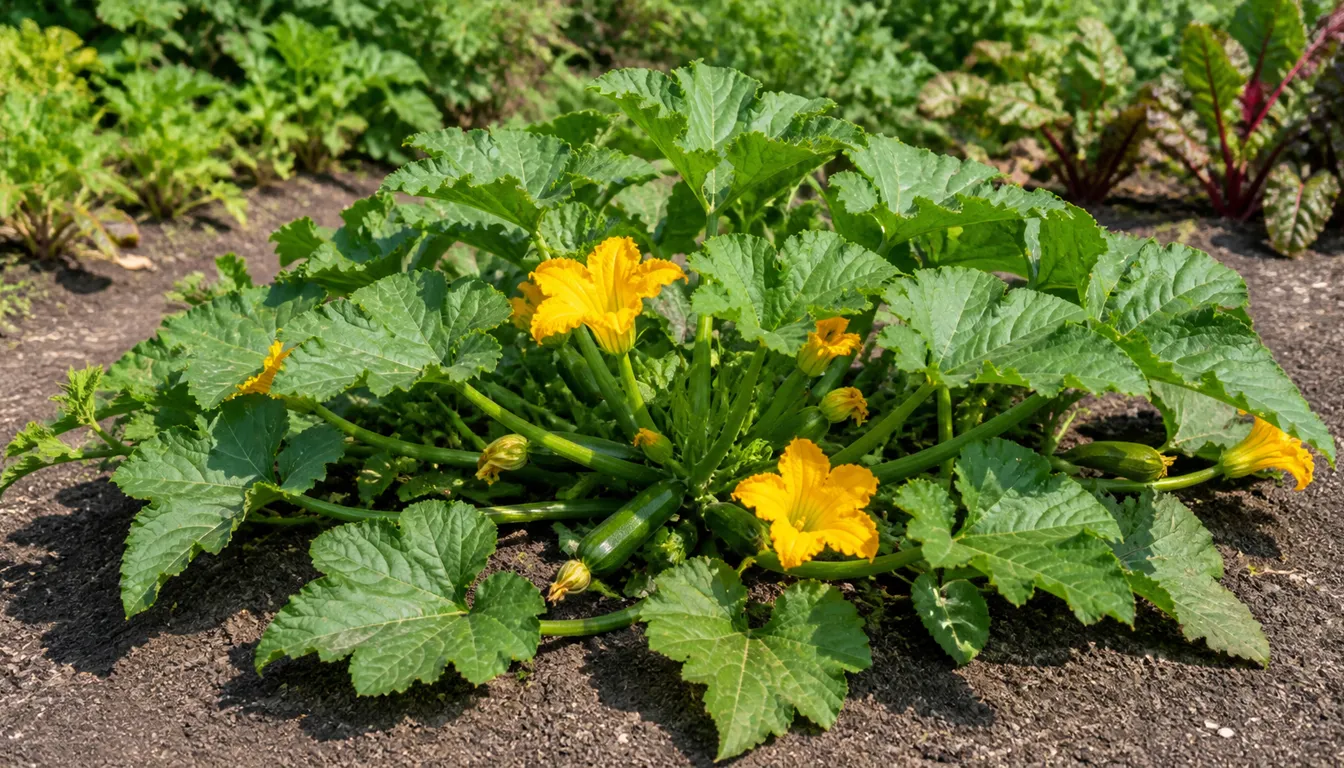
Squash
Sprawling ground cover traditionally paired with beans and corn in three-sisters plantings.
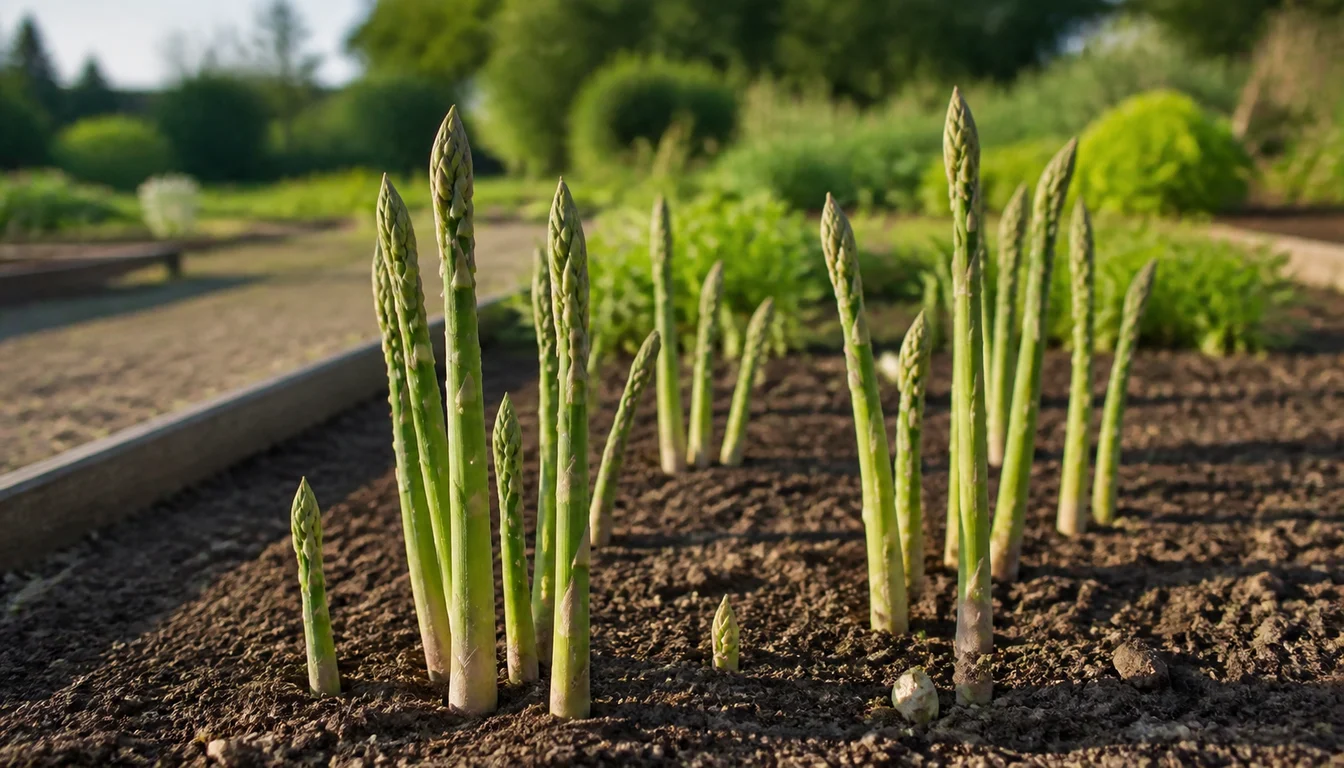
Asparagus
Asparagus rewards careful establishment with spring harvests for many years.
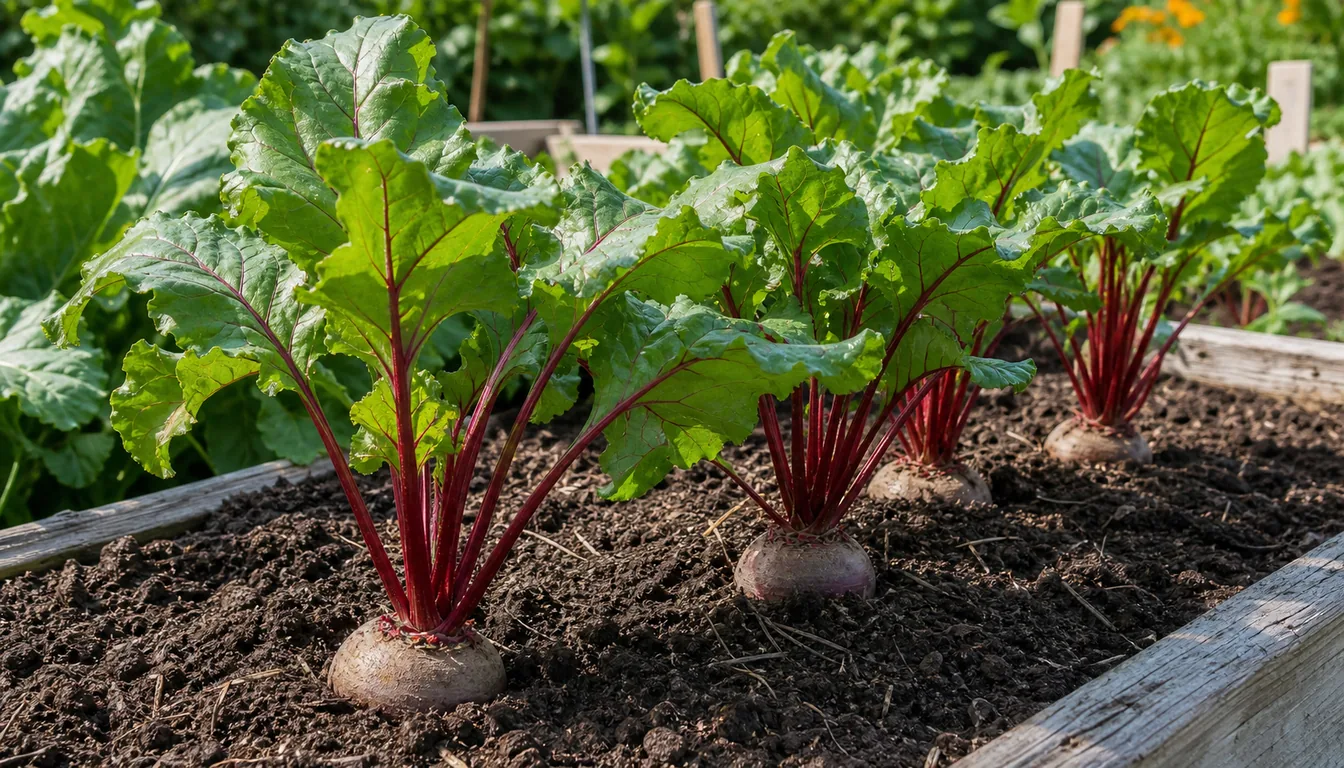
Beet
Beet care starts with one unusual fact. Each seed ball can make several seedlings, so the crop needs early thinning…
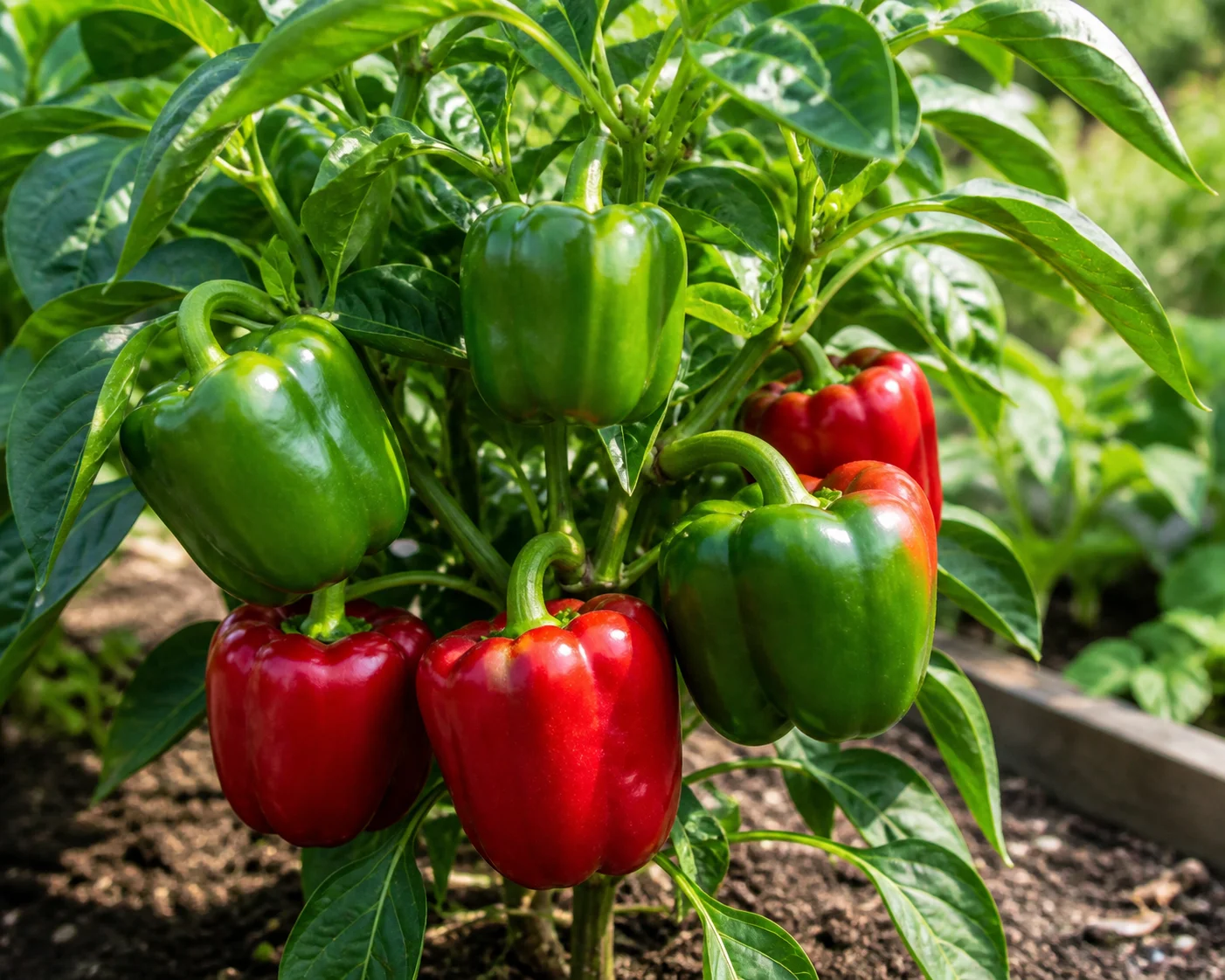
Bell Pepper
Bell Pepper rewards growers who manage flowers, roots, and heat together.