What's Kale? How to Harvest Sweet Leaves for Months
Brassica oleracea var. sabellica Brassicaceae
Kale works best when you treat it like a long-running leaf crop, not a one-time harvest. Give it a cool slot, pick outer leaves often, and the plant can feed you from spring through frost while other greens fade out.
Care snapshot
What Is Kale and Why Does It Keep Growing After Harvest?
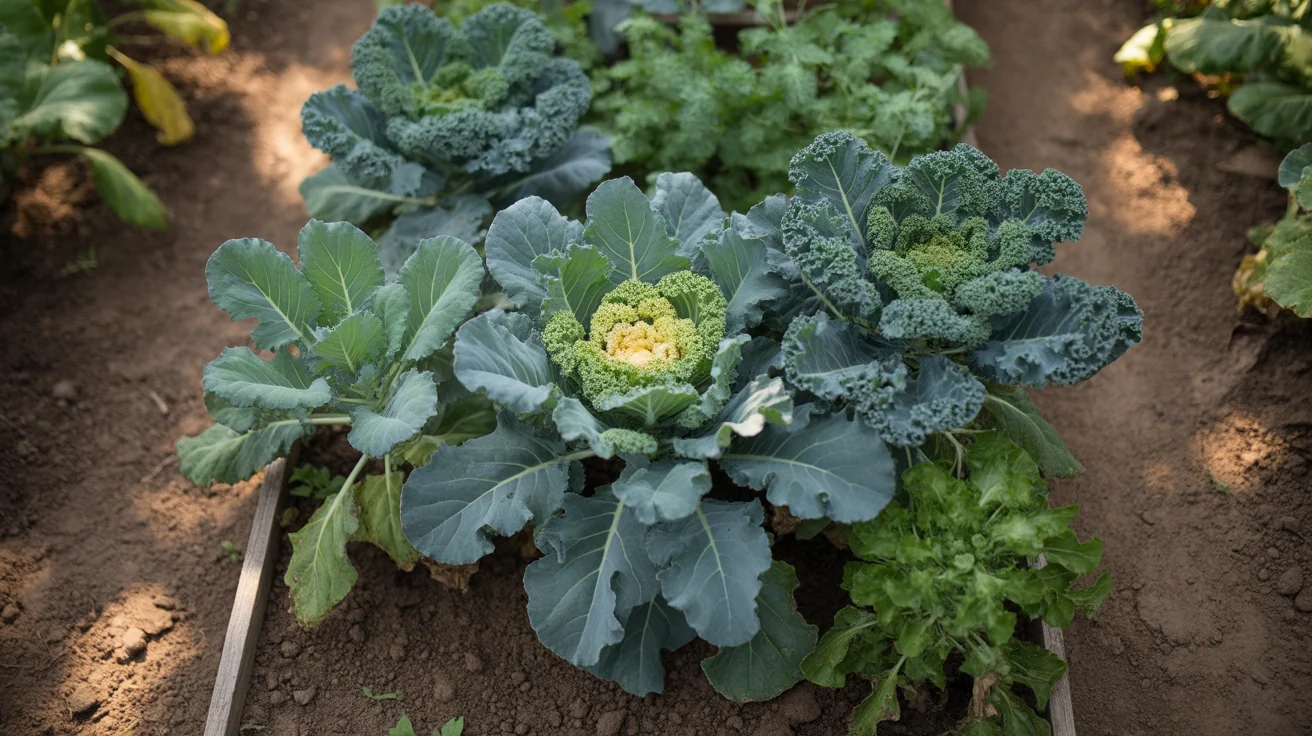
Kale, or Brassica oleracea var. sabellica, is a non-heading member of the mustard family whose open center keeps producing edible leaves while mature ones are removed from below.
The first thing to get right is the job. Outer leaves first is the rule.
Kale is not trying to make one tight head like cabbage. It pays you back by making new leaves from the center while you keep taking the older ones from the outside.
That repeat-harvest habit is why Kale earns bed space deep into cool weather. A light frost usually improves flavor instead of ending the crop, which is the opposite of what happens to tender greens like lettuce.
Gardeners get into trouble when they wait for giant leaves, strip too much at once, or let weeds crowd the crown early. The plant slows down, quality gets coarse, and the whole row starts acting older than it really is.
When you think of the plant as a leaf machine instead of a finish-line crop, almost every later care decision gets easier.
That long leaf-crop habit is why one solid planting can cover sautés, soups, and quick harvests for weeks without asking for a whole new bed every time the weather shifts.
The reason Kale never tries to close into a head traces back to breeding history. It keeps the loose, open leaf habit of wild cabbage, while cabbage itself was bred later specifically for the tight-head trait that Kale simply never inherited.
That repeat-cut habit pairs well with what the leaves actually offer nutritionally. Kale carries unusually high vitamin K, vitamin C, and calcium for a leafy green, so a steady trickle of small harvests keeps delivering real nutrition instead of one big cut that gets used up fast.
- Best use of the plant
- Pick outer leaves often and keep the center growing
- What ruins the habit
- Scalping the plant, letting it bolt, or leaving it dry between deep growth spurts
- Why it differs from related crops
- Kale stays useful as a leaf crop long after broccoli and heading brassicas are done
Which Kale Type Grows Best in Your Weather?
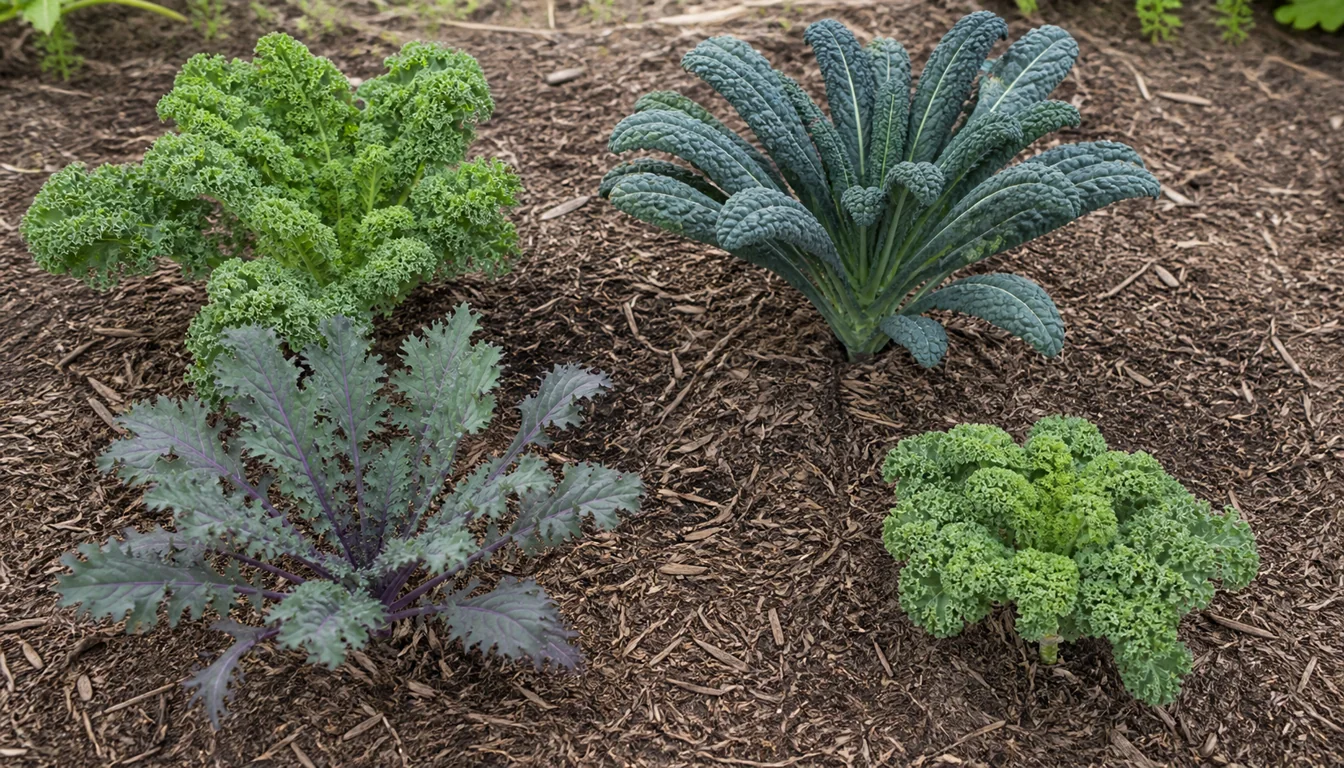
Curly, lacinato, and Russian types all count as Kale, but they do not behave exactly the same in the kitchen or in rough weather. Choose the leaf style first, then the variety name.
Curly types usually take the cold best and look the fullest in a winter bed. Lacinato types wash more easily and bunch neatly for cooking.
Russian types are often quicker and more tender, but they can look tired sooner when weather swings hard.
Curly and lacinato types share a species with cabbage and broccoli. Red Russian and Siberian types are actually a different species entirely, which is part of why they grow and behave a little differently in the same bed.
Ornamental or "flowering" Kale is technically edible too, but breeders selected it for color and rosette shape, not flavor. It usually tastes tougher and more bitter than a variety bred for the kitchen.
Lacinato is also sold as dinosaur kale, Tuscan kale, or cavolo nero. All four names describe the same bumpy, deep blue-green Italian heirloom leaf, so a shopper does not need to memorize a fourth variety.
Raw kale eats better after a short massage. Working oil or an acid like lemon juice into torn leaves for a minute or two breaks down the tough cell structure, turning a stiff, bitter leaf into something much closer to a genuinely tender salad green.
- Curly types
- Best for cold weather, chips, and sturdy garden display
- Lacinato types
- Best for bunch cooking, easier washing, and flatter leaves
- Russian types
- Best for tender young harvests and quick spring growth
- Compact types
- Best for tubs and tight beds, closer in size to spinach than full-size field Kale
When Should You Plant Kale for the Sweetest Leaves?
Most gardeners should think of Kale as two crops, not one. Spring planting gives you the biggest total harvest.
Late-summer planting gives you the sweetest leaves because the plant finishes in cool weather.
For a spring crop, direct sow as soon as the soil can be worked or move out hardened seedlings after using a hardening-off routine. The plant likes cold starts better than warm ones.
For a fall crop, sow or transplant early enough that the plants build size before hard cold arrives. In many places that means starting again while summer vegetables are still running, much like the restart window for cauliflower.
That fresh restart matters because young fall plants use cool weather far better than tired summer survivors ever do.
Kale is truly biennial by nature, and an extended stretch of cold is the actual trigger behind that eventual flower stalk. A plant that survives a full winter reads the cold as a signal to switch from making leaves to making seed the following spring.
- Start the first sowing in the cool spring window.
- Harvest steadily instead of waiting for one big cut.
- Sow the fall crop while warm-season beds are still occupied.
- Protect small fall plants from pest pressure early so cool weather can finish the job.
How Do You Harvest Kale So It Keeps Growing?
The center of the plant is the engine. As long as you leave that growing point alone, Kale keeps replacing the older leaves you cut.
Start with the lowest usable leaves and work upward over time. If a leaf is old, bug-chewed, or dragging in mulch, it should leave first.
Baby-leaf beds are different. There you can shear the patch once or twice at a few inches tall, then re-sow when quality drops.
Full-size plants should be picked leaf by leaf instead of buzz-cut like salad lettuce.
A big outer-leaf harvest is also the natural moment to make kale chips. Tear leaves from the tough center rib, toss lightly with oil, and bake low and slow so the edges crisp before they scorch.
Low and slow matters more than it sounds. A hot oven turns thin leaf edges bitter and ash-dry before the center even finishes crisping, so a lower temperature with a longer bake gives a far more even, snackable result.
- Leave the center untouched on full-size plants.
- Take the oldest outer leaves first.
- Harvest often enough that leaves stay tender.
- Stop expecting good regrowth once the plant sends a flower stalk.
How Much Water and Fertilizer Does Kale Need?
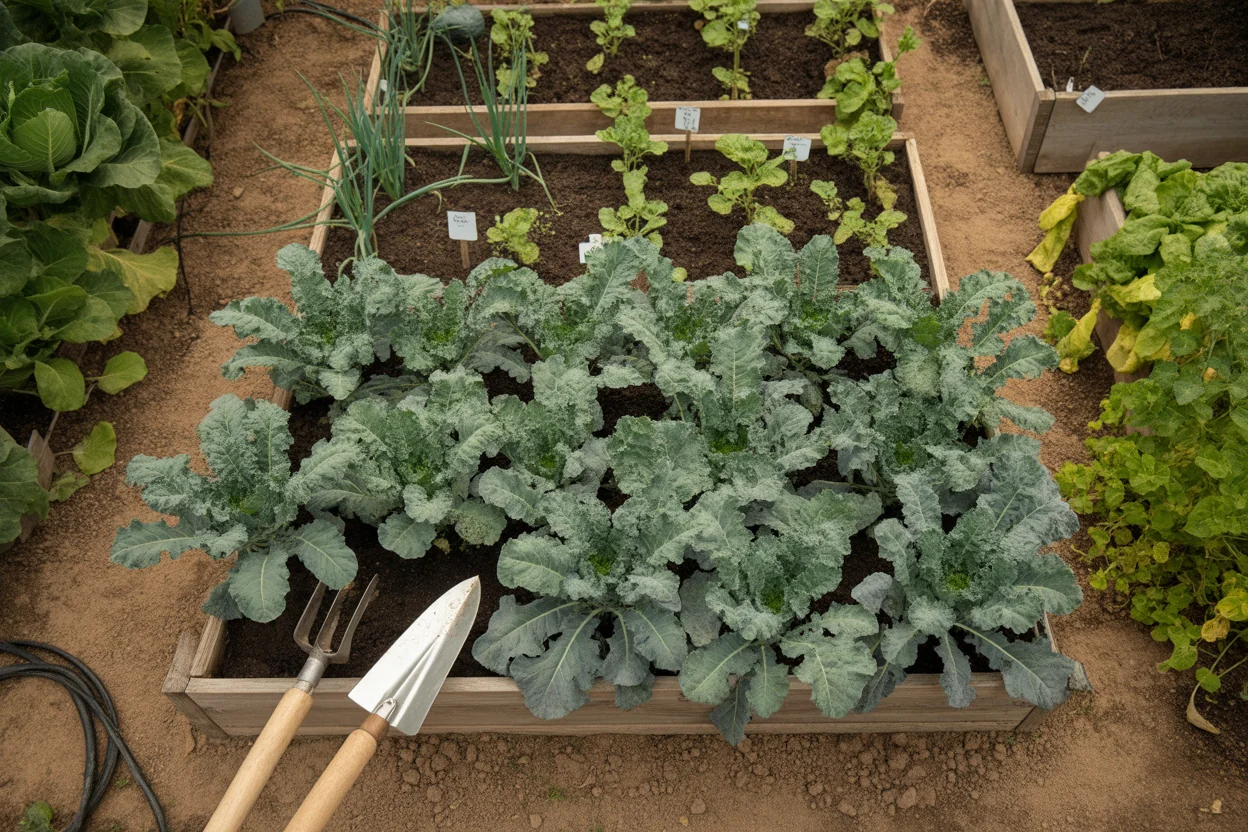
Kale grows best in rich soil, full sun, and even moisture. Even is the key word.
A row that dries hard, then gets flooded, gives tougher leaves and more bitter flavor than a row that stays gently active.
Because the crop sits shallow, you do not want the surface to turn powder-dry between waterings. Follow the logic from deep watering habits, but keep the top few inches from becoming a crust.
Side-dress with compost or a modest nitrogen source after hard harvests, not every time you walk by the bed. Too much feeding makes lush leaves that invite the same soft-growth problems seen on Brussels sprouts and other hungry brassicas.
Inconsistent moisture does more than toughen leaves. It can also interrupt calcium movement into new growth, which shows up as puckered or browned leaf tips even when overall fertility looks fine.
- Soil target
- Loose, fertile ground with compost worked into the top layer
- Water target
- Even moisture with no long dry gap before rewatering
- Shade use
- Helpful only in hot spells; not a substitute for sun in cool seasons
- Feeding rhythm
- Front-load fertility, then top up lightly after repeated picking
What Causes Holes, Yellow Leaves, or Bolting in Kale?
Small holes on young leaves usually mean flea beetles or tiny caterpillars arrived before you did. Big ragged holes and green droppings usually point to cabbage worms instead.
Sticky inner leaves and curling tips usually mean aphids packed themselves into the center. Start with the simple tools from natural pest control for gardens before turning the bed into a spray schedule.
Yellow bottom leaves are not always a crisis. Old outer leaves age out naturally.
Yellowing across the whole plant is more often a water or feeding problem than a mysterious disease.
A tall central stalk is the clearest signal of all. The crop is bolting.
Once that starts, quality falls fast, just like it does in spinach, and you are better off restarting the bed than feeding harder.
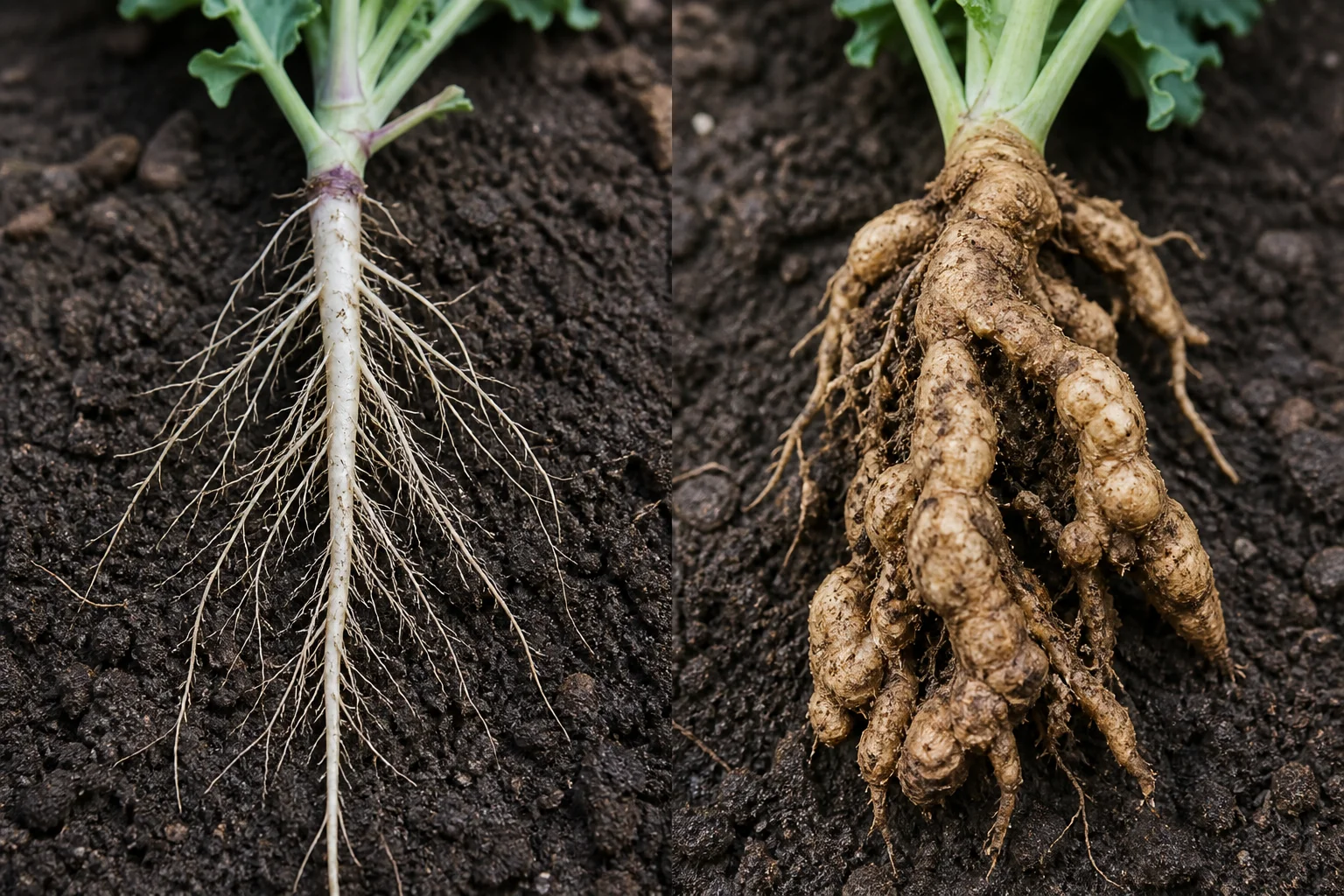
Swollen, distorted roots on a stunted plant point to clubroot, a soil-borne disease rather than an insect or nutrient problem. Its spores can persist in soil for years, so a confirmed case calls for a long rotation break, not just a different fertilizer.
Clubroot also thrives in acidic, poorly drained soil, so raising soil pH toward neutral and improving overall drainage can help slow it down even while the long rotation clock quietly runs, though neither step alone actually clears an already infected bed.
For caterpillar damage that keeps coming back, Bacillus thuringiensis, commonly sold as Bt, targets caterpillars specifically and spares most beneficial insects working the same bed.
Bt works by disrupting the caterpillar's own gut once it eats a treated leaf, so it does essentially nothing to the beetles, aphids, or beneficial predators sharing the same row, which is the main reason gardeners reach for it well before a broader-spectrum spray.
Usually flea beetles; row cover helps most when used early.
Usually cabbage worms; inspect leaf undersides and hand-pick fast.
Usually uneven moisture or a bed that ran out of easy nitrogen.
Bolting; harvest what still tastes good and re-sow for the next cool window.
Can Kale Survive Frost and Keep Producing?
Once plants are established, cool weather is an ally. Light frost often sweetens Kale because the leaves shift sugars as temperatures drop.
That sweetening is a survival response, not a coincidence. Converting stored starch into sugar lowers the freezing point inside the leaf cells, working much like a natural antifreeze, and the extra sugar is exactly what makes cold-finished leaves taste noticeably milder.
The same underlying mechanism explains why parsnips and Brussels sprouts share that same frost-sweetened reputation, so a gardener who already knows that trick with one crop can confidently trust it here too.
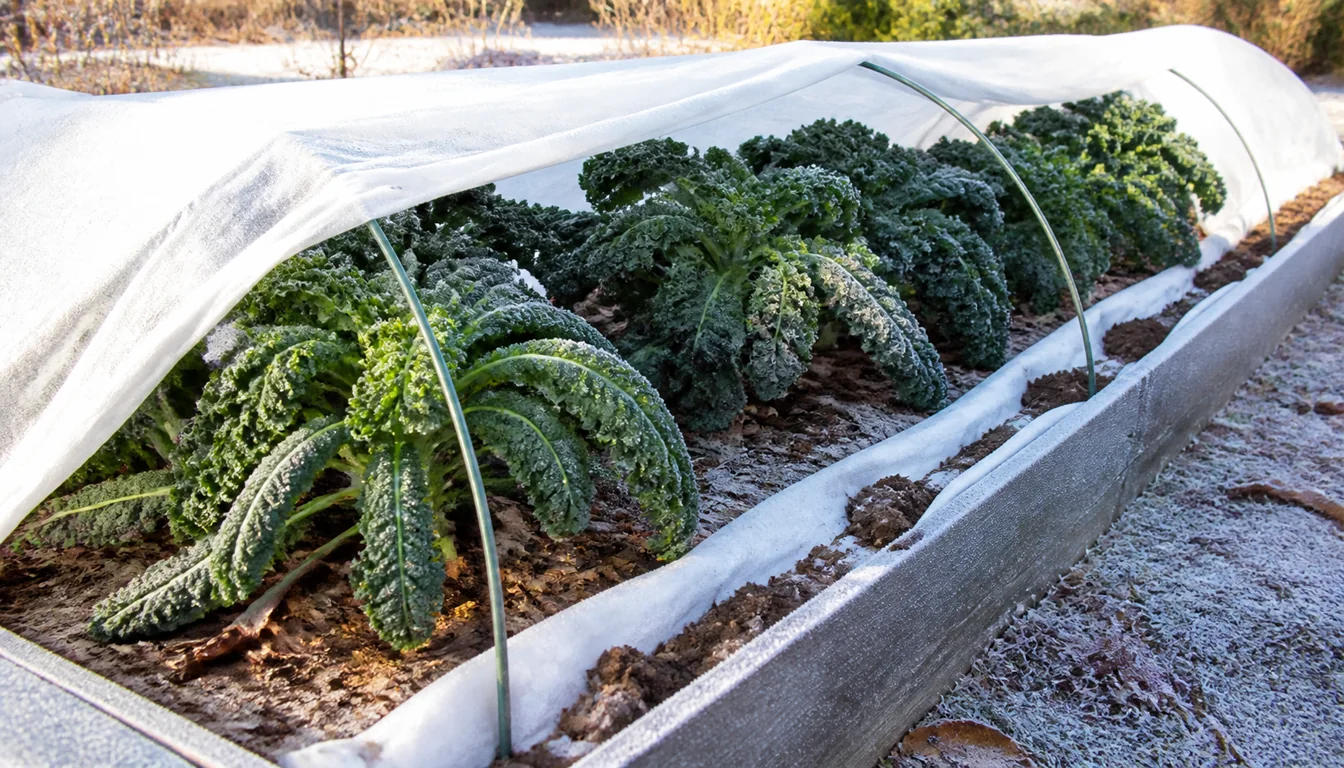
A low tunnel, row cover, or even a quick hoop with fabric can keep leaves usable longer in cold zones. In mild winters, the same protection mainly keeps rain, mud, and wind from beating up the crop, so the crown stays alive long enough for the next round of cool growth.
When the bed finally comes out, rotate away from brassicas for a few years and follow with a warm-season crop such as beans. That keeps soil-borne problems from building up around the same family year after year.
This kind of cold-season staying power is not a modern trick at all. Scottish kitchen gardens were historically called kailyards, a name that stuck precisely because Kale was the one vegetable reliable enough to keep feeding a household through a long, harsh northern winter.
Frequently Asked Questions
Is Kale annual or perennial in a home garden?
Kale is usually grown as an annual, even though the plant is technically biennial. Most gardeners harvest for one cool season or two cool windows, then restart before second-year flowering ruins leaf quality.
When does Kale taste the best?
The best flavor usually comes once cool weather settles in and the plant grows without heat stress. A light frost often improves sweetness, especially on well-established fall plants.
How do I keep Kale producing instead of turning into one big cut?
Harvest the older outer leaves first and leave the center growing point alone. Frequent smaller harvests keep the crown active much longer than waiting and cutting the whole plant hard.
Can Kale grow in containers?
Yes, use a pot at least 12 inches wide, give it rich potting mix, and water before the root ball dries out hard. Compact varieties are easier in containers than full-size field types.
What does bolting look like on Kale?
Bolting shows up as a fast-rising central stem that pushes upward instead of making broad new leaves. Once that starts, the flavor gets stronger and the texture turns rougher.
Do I need to cover Kale before every frost?
No, established plants handle light frost well. Cover matters more when you are trying to protect the bed from repeated hard freezes, wind burn, or heavy wet snow.
Sources & References
Related Plants
Spinach
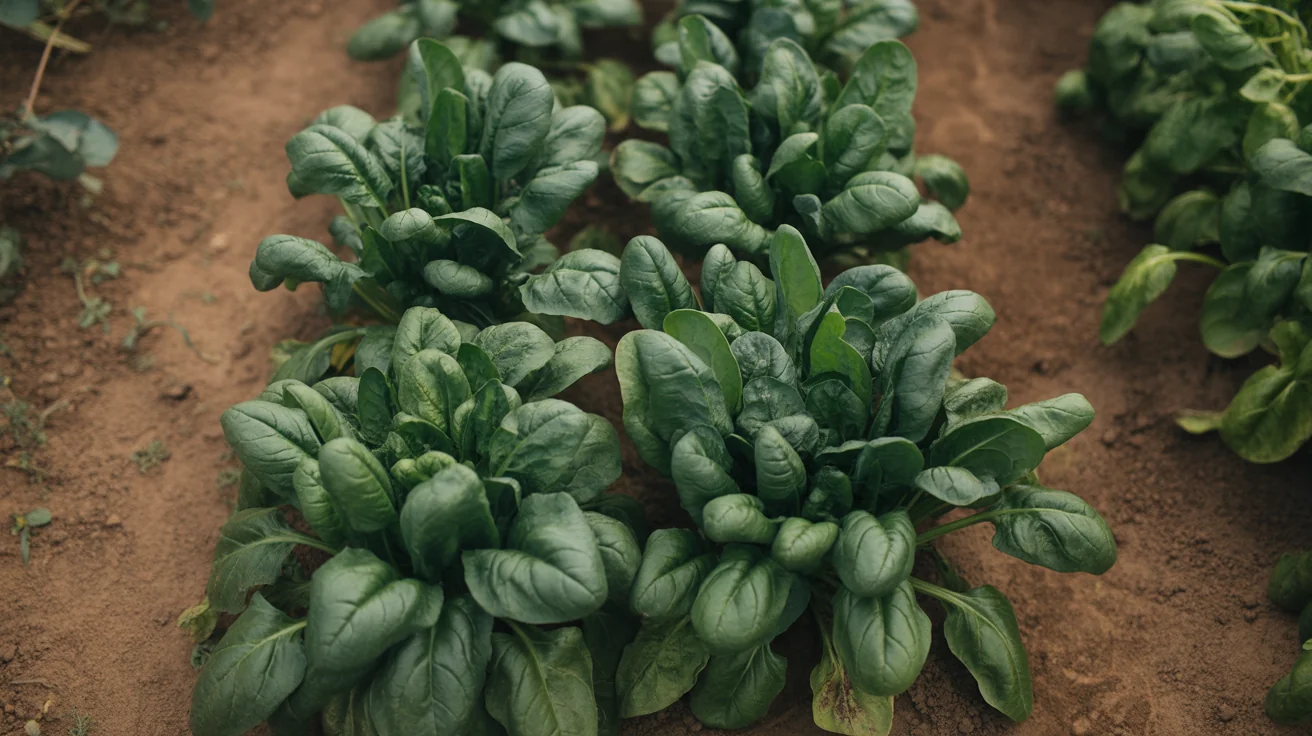
Another cool-season green, faster to mature but less heat tolerant than Kale.
Broccoli
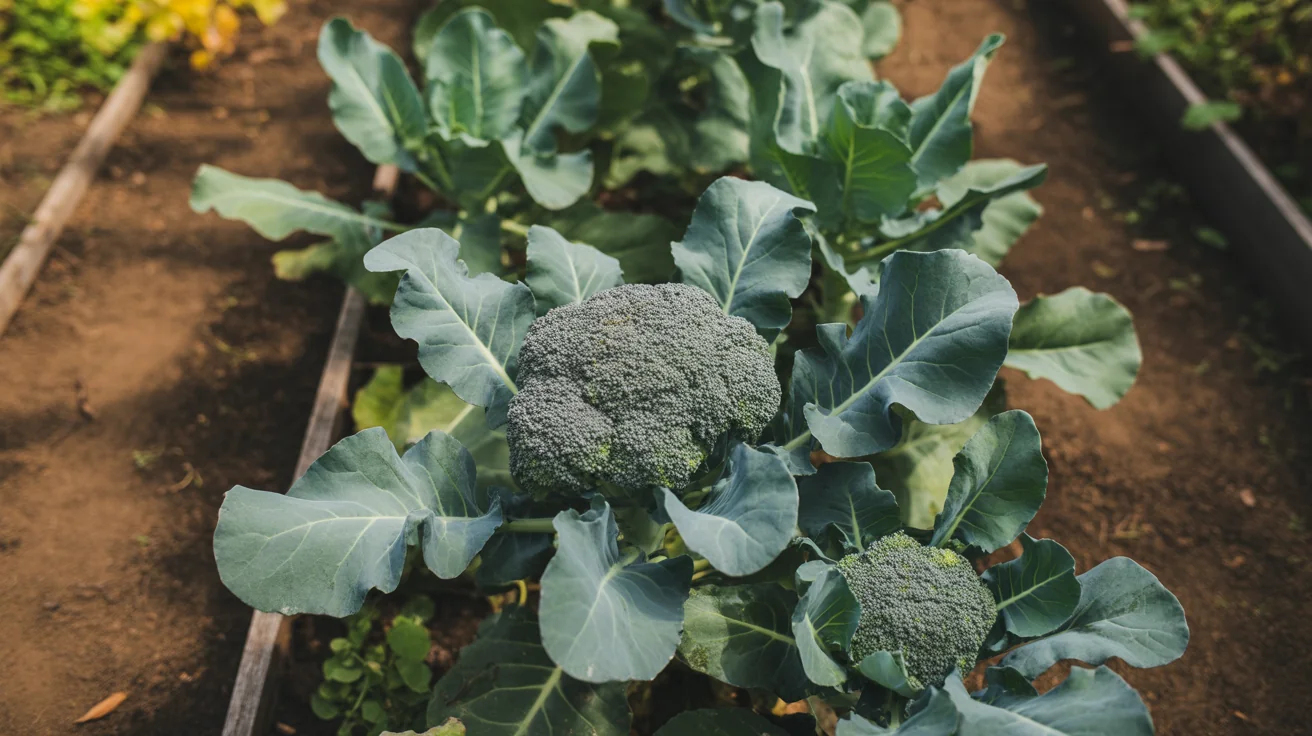
A fellow Brassica that shares similar soil and feeding needs with Kale.
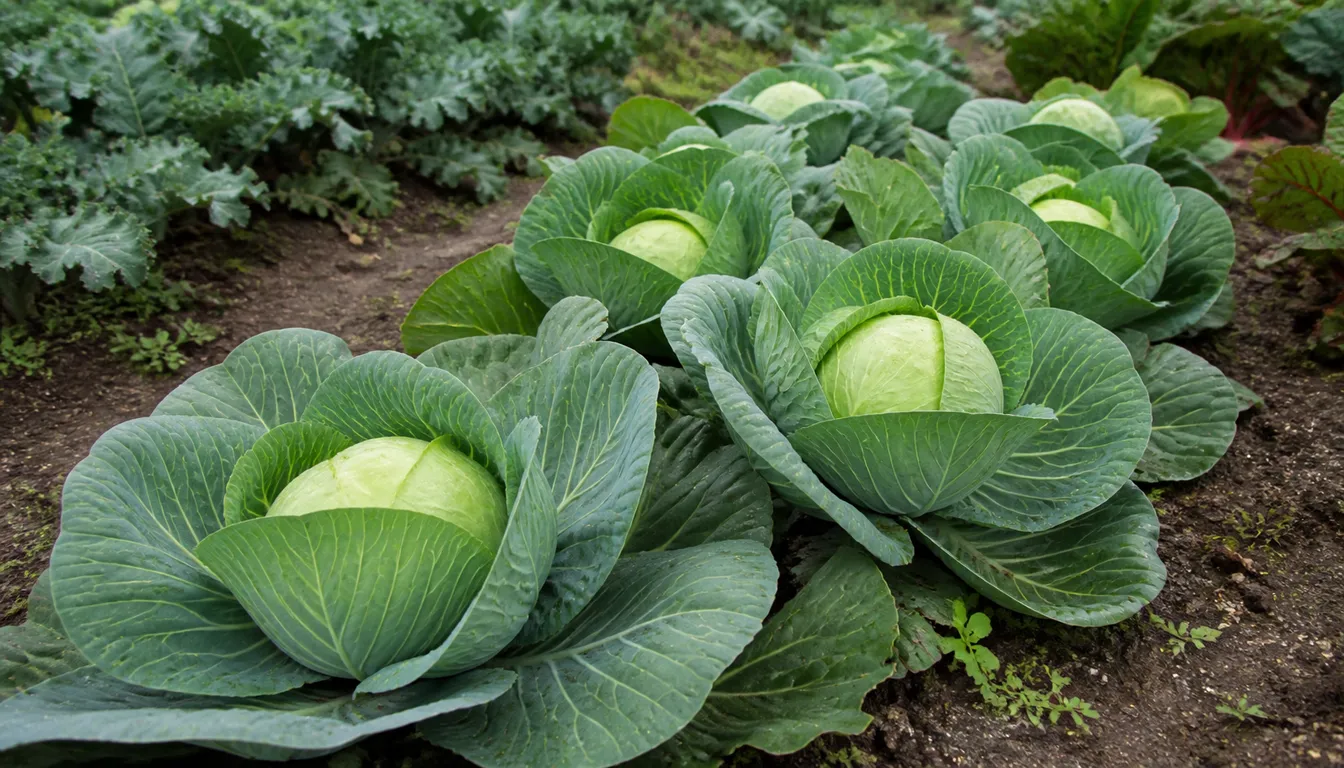
Cabbage
Heading relative that prefers the same cool weather and fertile soil.
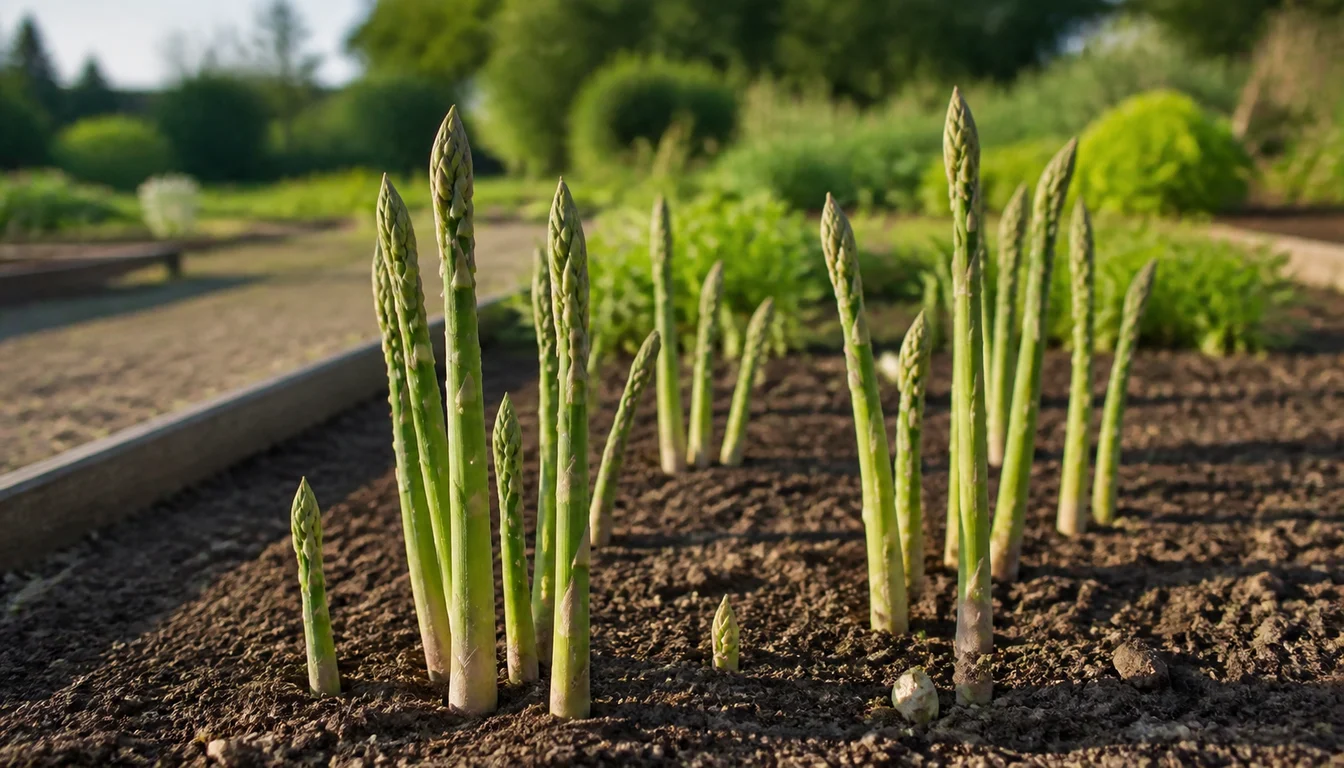
Asparagus
Asparagus rewards careful establishment with spring harvests for many years.
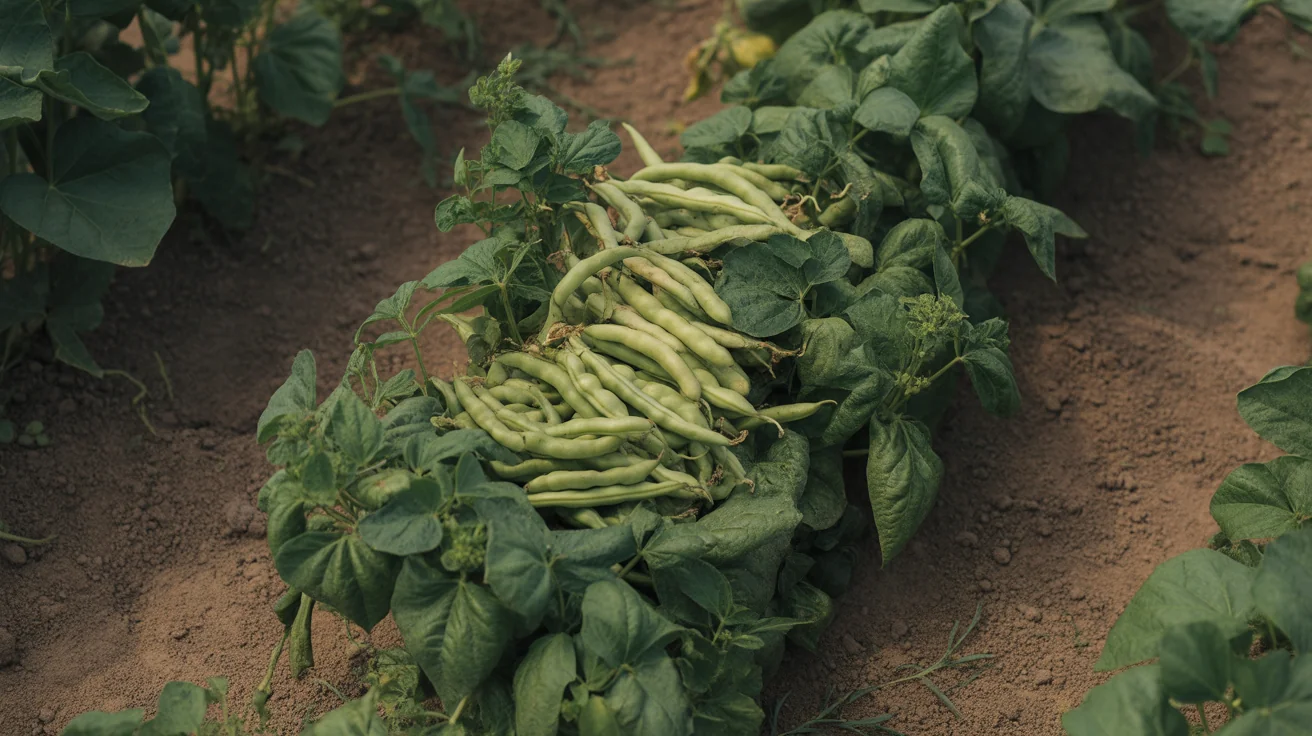
Beans
Two different plants share the name bean, one that stays knee-high and gives most of its crop inside two or three…
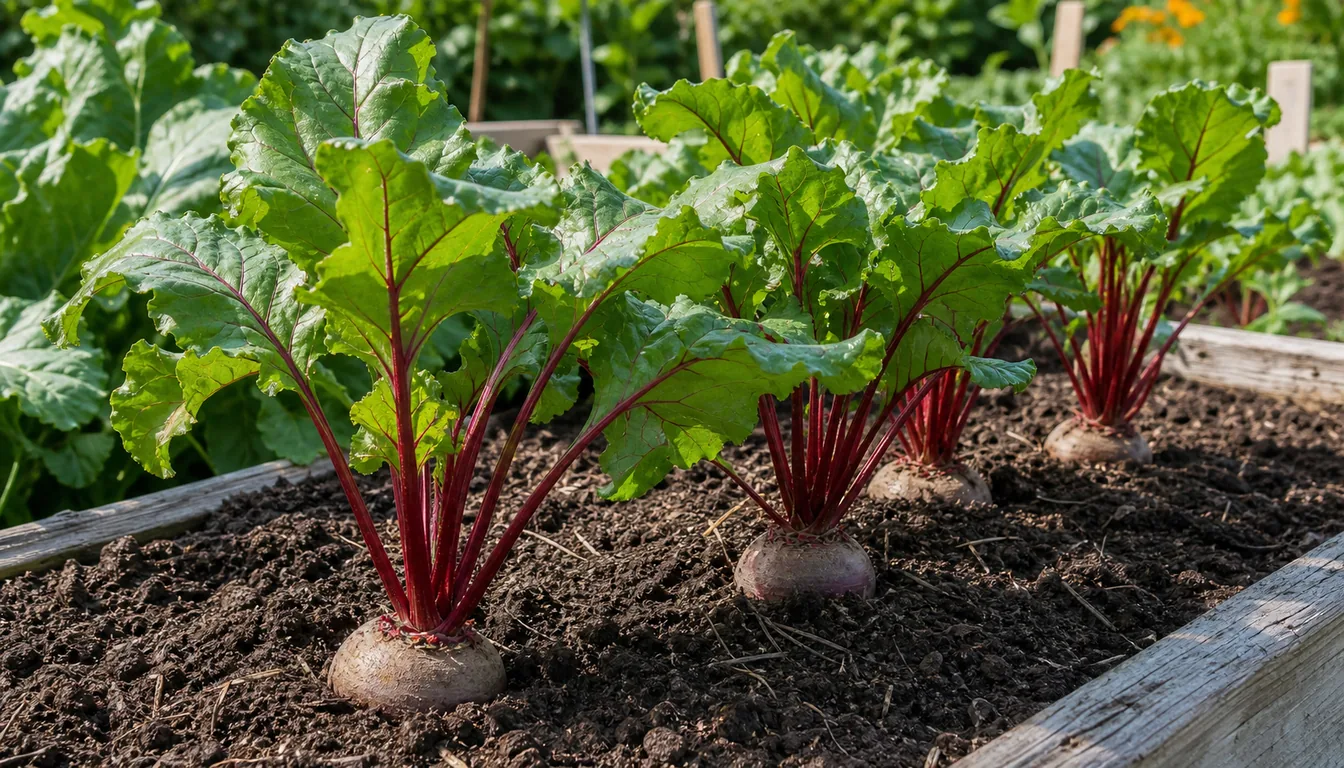
Beet
Beet care starts with one unusual fact. Each seed ball can make several seedlings, so the crop needs early thinning…