
What's a Pepper Plant? How to Get Fruit, Not Just Leaves
Capsicum annuum Solanaceae
Pepper plants are not just smaller tomatoes. They pause in cold soil, drop flowers when stress hits fruit set, and ask you to choose between early green yield and slower full-color flavor.
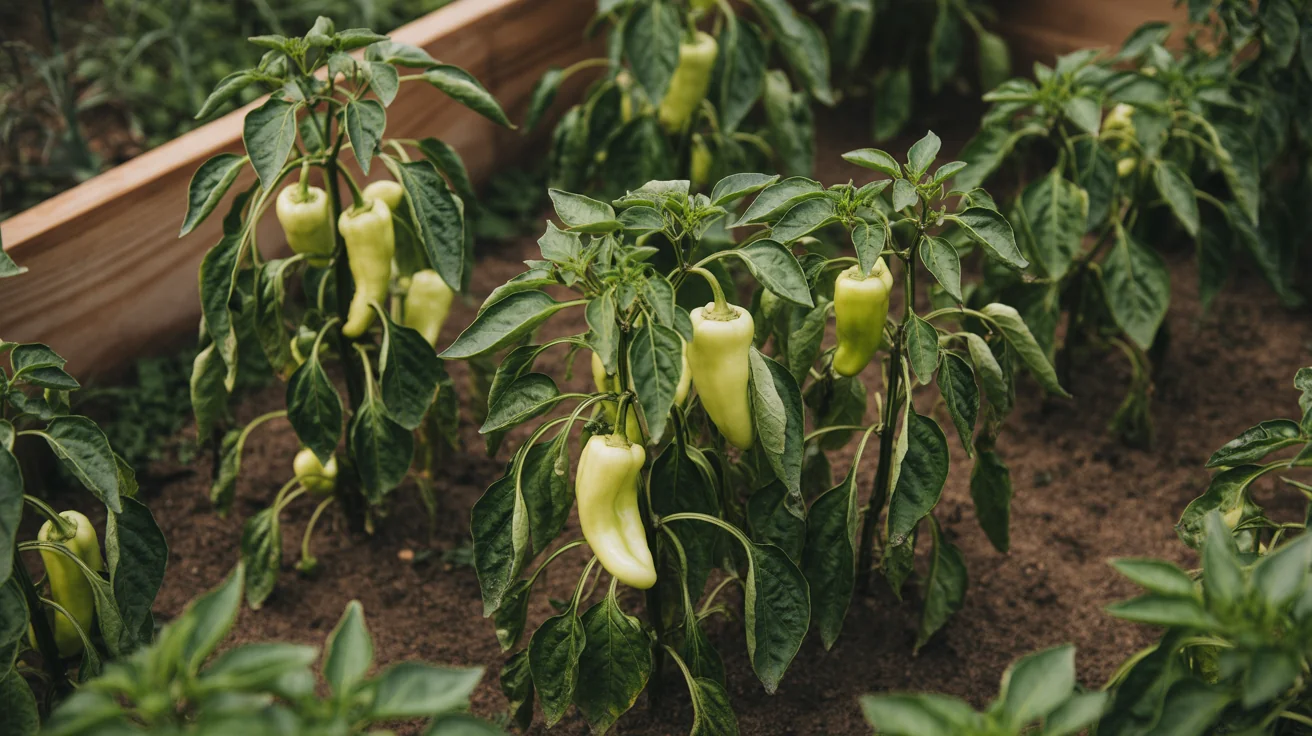
Care snapshot
Is a Pepper a Fruit, and Why Does That Matter?
Botanically yes, and it changes how you feed the plant. Pepper is Capsicum annuum, a tender perennial grown as an annual in Solanaceae, the nightshade family.
The part you eat is a fruit that develops from a pollinated flower, so anything that interrupts flowering interrupts the crop directly.
That is why heavy nitrogen backfires here. It buys a large dark plant that flowers poorly, and the fruit is the only thing you were growing it for.
The nightshade family is the other half of the identity. Pepper shares verticillium and fusarium wilt with Tomato, Eggplant, and potato, so those four rotate together as a single group rather than independently.
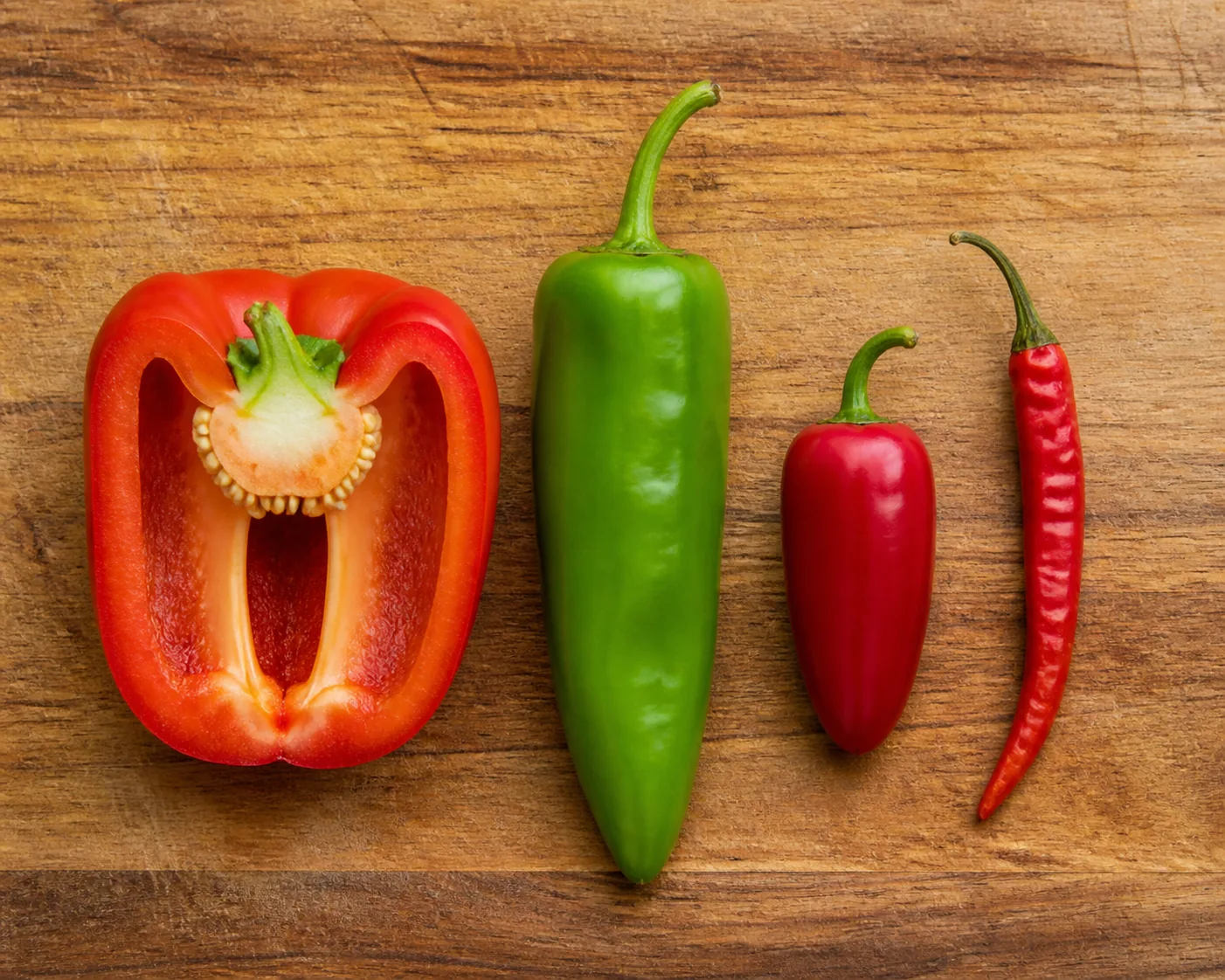
Heat is a species trait rather than a variety quirk. Capsaicin sits in the pale placental tissue holding the seeds, not in the seeds themselves, which is why removing the ribs does more than removing seeds.
Nearly every sweet and hot type in a garden center, from bell to jalapeno to cayenne, belongs to this one species.
Plant profile
- Botanical name
- Capsicum annuum
- Family
- Solanaceae, the nightshade family
- Plant type
- Tender perennial grown as a warm-season annual
- Grown for
- The fruit, harvested green or at full color
- Heat lives in
- The pale placental ribs, not the seeds
- Rotates with
- Tomato, Eggplant, and potato
When Is It Warm Enough to Plant Peppers Out?
A Pepper transplant can look perfect above the soil and still fail below it. Wait until the root zone is truly warm and nights stay near 50 F or warmer.
One sunny afternoon is not enough if cold soil returns after planting.
Peppers are more stubborn about cold starts than tomatoes.
A tomato may sulk and then surge.
A chilled Pepper often stays small, drops early flowers, and spends the best part of summer catching up.
Use hardened, sturdy plants with pencil-thick stems when you can.
If nights are still near the danger line, keep the plant in bright protection instead of gambling the whole fruit season on an early transplant.
Soil temperature matters more than the calendar date.
Root growth on Pepper plants slows sharply below about 65 F, so a transplant set into cold ground can sit stalled for weeks even while the air feels warm enough during the day.
In its native tropical range, Pepper actually grows as a short-lived perennial that can flower and fruit year after year.
Gardeners in frost-free zones sometimes overwinter a favorite plant indoors, but everywhere else it gets grown as a warm-season annual because the first hard freeze ends it.
Which Pepper Should You Grow for Your Summer?
A Pepper fruit is a load the plant has to finish.
Large bells, thick walls, and full red color all ask for more time than small frying types or many hot Peppers.
Short-season gardeners should not fill the whole bed with giant bells and hope.
Grow one bell if you want it, then use faster types for dependable harvest.
Long-season gardeners can let more fruit color fully because the plant has enough heat left for the next wave.
A container plant needs at least a 5-gallon pot to reach full size.
An undersized pot stunts the roots the same way cold soil does, producing a plant that flowers early but never fills out its fruit load before the season ends.
This is where Pepper care should not copy eggplant. Both like heat, but Peppers force a more exact decision about wall thickness, color stage, and heat level before you ever plant the row.
Heat is measured in Scoville Heat Units, a scale that ranks how much capsaicin a fruit carries.
A bell pepper sits at zero, a jalapeno lands in the low thousands, and superhot types can climb past a million, so "hot Pepper" covers an enormous range rather than one fixed level of heat.
Most of that capsaicin lives in the white pith and membrane that holds the seeds, not in the seeds themselves.
Removing the pith, and not just the seeds, is the real way to tame a hot Pepper before cooking with it.
Peppers actually have nothing to do with black pepper, the unrelated vine spice known as Piper nigrum. Columbus called the fruit "pepper" in the 1490s simply because it shared the same fiery sensation, and the mismatched name stuck across European languages even after botanists later sorted the two plants into completely different families.
Days-to-maturity on a seed packet usually counts from transplant to the first green harvest, not to full color. A bell Pepper might reach picking size in 60 to 75 days but need another three to four weeks on the vine after that to ripen fully red, yellow, or orange.
What Soil and Fertilizer Do Peppers Need?
Pepper roots want warmth and air at the same time.
Dense wet soil gives them neither.
If the plant sits in cold mud, more fertilizer only feeds a problem the roots cannot use well.
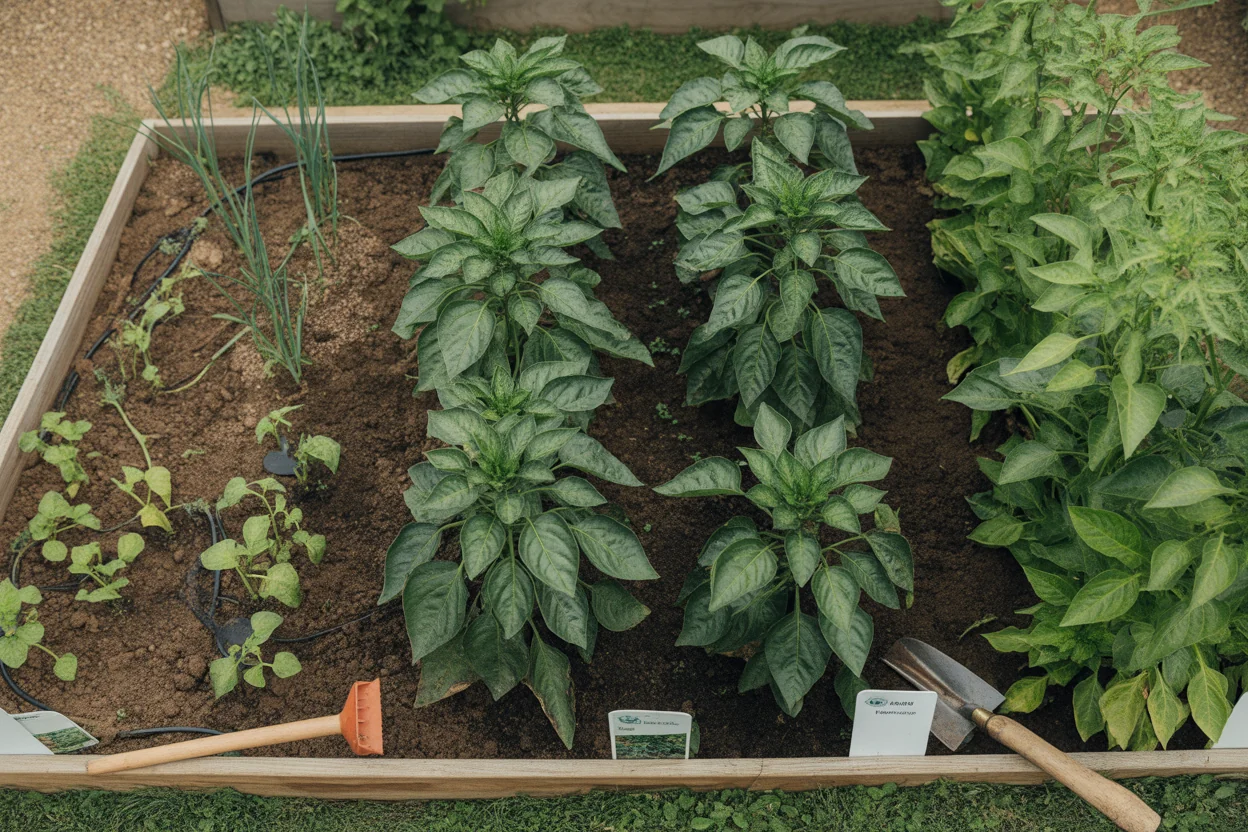
Raised beds, dark mulch in cool regions, and containers can all help the root zone warm faster. If your garden soil stays heavy, compare raised beds and in-ground planting before you blame the variety.
Compost helps the soil hold water without sealing up.
Heavy nitrogen does the opposite of what many gardeners want. It can build a leafy plant that hides flowers and delays fruit.
Aim for soil pH between about 6.0 and 6.8. Outside that range, the roots struggle to pull in calcium even when the soil actually contains enough, and a calcium shortfall at the root is one of the hidden causes behind blossom end rot later in the season.
A good root zone turns the rest of the season from rescue work into fruit management.
- Cold climate fix
- Warm the bed, use black mulch, and transplant after nights settle
- Heavy soil fix
- Raise the root zone and improve drainage before feeding harder
- Container fix
- Use a large pot, sharp drainage, and steadier watering than in-ground plants need
Why Are My Pepper Flowers Dropping Without Fruit?
The fragile stage on Pepper plants is not the leafy seedling stage. It is the handoff from flower to young fruit.
Cold nights, high heat, dry swings, and soggy roots can all make flowers drop before the plant sets a crop.
Pepper flowers are mostly self-pollinating, since each one carries both male and female parts, but pollen still needs the right temperature to work. Above roughly 90 F in the day or below about 55 F at night, pollen can turn sterile even though the flower looks completely normal.
Even though a Pepper flower does not need an insect visit to set fruit, bee activity nearby still tends to improve fruit set and shape, since cross-visits move extra pollen around and can trigger fuller seed development inside the developing fruit.
Water deeply enough to wet the root zone, then let air return. The practical rhythm from deep watering habits works here because fruit set hates panic watering as much as drought.
Mulch after the soil is warm, not while you are still trying to heat it. In hot regions, mulch buffers the root zone and reduces flower-drop swings.
In cool regions, mulch too early can slow the crop.
Feed lightly once the plant is established and flowering. A restrained vegetable fertilizing plan supports fruit without turning the plant into a soft green bush.
Do Pepper Plants Need Staking?
Pepper plants often look sturdy until fruit weight pulls one side down. A small stake, cage, or twine loop keeps loaded branches from splitting after rain or wind.
Support also protects the leaf cover that shades fruit. Hard pruning or broken branches can expose peppers to sunscald, especially in beds with reflected heat.
The stems are also brittle right where a side branch meets the main stalk, so a plant can look sturdy and still snap cleanly at that joint under a sudden gust or a heavy, wet fruit load.
Some gardeners pinch out the very first flower bud, sometimes called topping or the Missouri pruning method, to push the young plant toward more side branches before it commits energy to fruit. That trades a slightly later start for a bushier plant with more branches to eventually carry fruit.
Companions should not make harvest harder. A low herb such as basil can share the warm edge, but avoid crowding the stem where airflow and picking access matter.
- Stake or cage before branches carry heavy fruit.
- Tie loosely so stems can thicken without girdling.
- Keep leaf cover over fruit in extreme sun.
- Leave room to pick without snapping side branches.
Should You Pick Peppers Green or Wait for Color?
A green Pepper is not a failed fruit. It is an earlier harvest stage.
Picking green fruit usually gives you more total Peppers because the plant can move energy to the next set sooner.
Full color takes longer and often tastes sweeter or hotter, depending on the type. That wait can be worth it for flavor, but it slows the plant and uses more of your season.
Nutrition changes along with color. A fully red bell Pepper carries roughly twice the vitamin C of a green one from the same plant, plus far more beta-carotene, because those compounds keep building as the fruit ripens on the vine.
Ripe color is not limited to red. Some cultivars finish yellow, orange, purple, or a deep near-black chocolate brown, and a few shift through two or three colors on the same plant as fruit ages, so color alone is not always a reliable ripeness clue without knowing the variety.
Different Pepper varieties can cross-pollinate when insects carry pollen between nearby plants. Gardeners saving seed to keep a variety true typically separate different types by at least 150 to 500 feet, or hand-pollinate and bag the flowers, since letting types cross changes what grows from the saved seed next year.
At the end of the season, use a frost date guide to decide which fruit should color outside and which should come in green before a hard freeze.
- Pick green
- Best for early yield, more total fruit, and short summers
- Wait for color
- Best for sweetness, full heat, and seed-saving from mature fruit
- Mix both
- Best when you want production now and a few peak-flavor fruits later
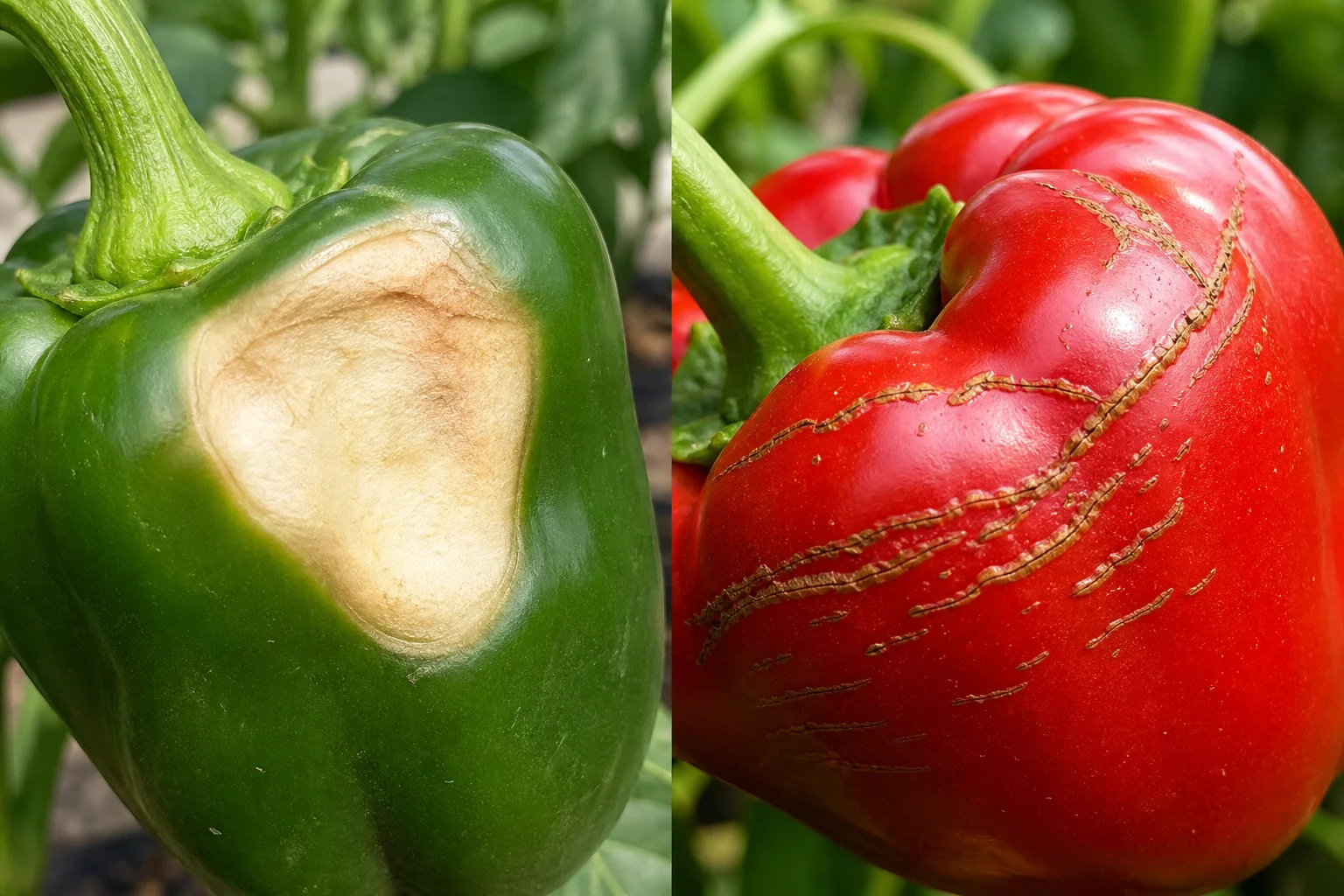
What Causes Pepper Sunscald, Corking, and Stunted Fruit?
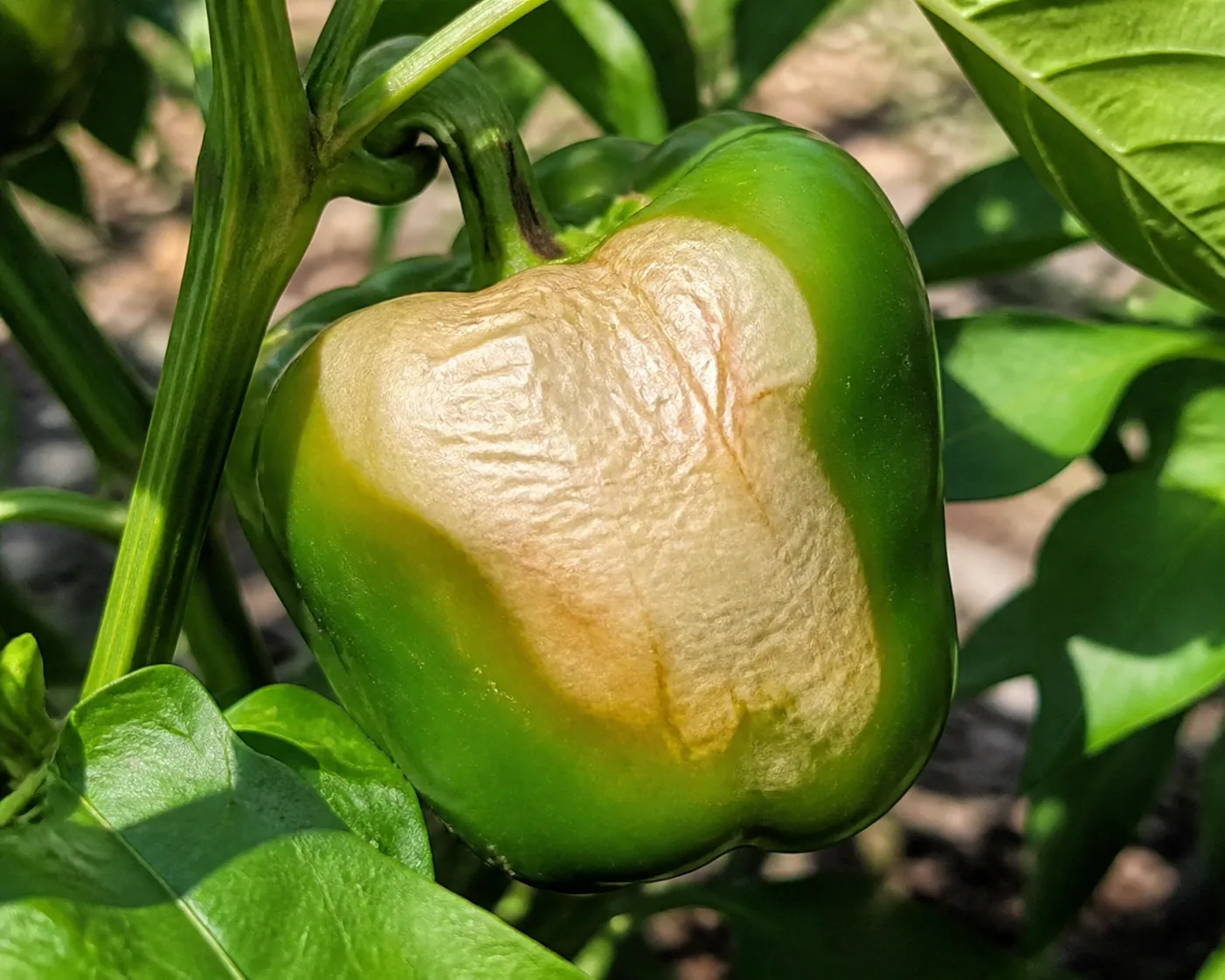
Pepper problems often show up on the fruit before the whole plant looks sick. That is why diagnosis should start with the symptom, not with a spray.
Aphids cluster on tender tips. Mites leave pale stippling in hot dry weather.
Pepper weevils are more specific to this crop than most other garden pests. The adult lays eggs inside young fruit, and the larva feeds from the inside out, so a fruit can drop early or show a tiny dark puncture scar with no visible damage underneath until it is cut open.
Mottled, curled leaves with stunted new growth usually point to a virus such as tobacco mosaic or curly top rather than a pest, and those viruses spread through aphids, careless handling, or contaminated tools rather than through the soil itself.
Use natural pest control for gardens when pests are present, but do not let pest control distract from the stress that damaged fruit set.
How Do You Handle Hot Peppers Safely?
Hot Peppers need one extra harvest rule. Capsaicin moves from fingers to eyes fast.
Gloves are not fussy when you are picking, slicing, or seeding a large hot crop.
Keep hot fruit away from children and pets, wash tools after cutting, and do not rub your face while working. The plant is a vegetable crop, but the fruit can still irritate skin and eyes.
Capsaicin does not actually burn tissue. It binds to the same heat-sensing receptor that reacts to real heat, which is why plain water barely helps and something fatty or dairy-based, like milk, clears the sensation faster by pulling the compound off that receptor.
This safety job belongs on the Pepper page because it changes harvest behavior. It does not belong on a general tomato or eggplant page, even though those crops share the nightshade family.
Frequently Asked Questions
When should I transplant Pepper plants outside?
Transplant after frost risk has passed and nights are reliably warm, often above about 50 F. The soil should feel settled and warm, not just warm for one afternoon.
Why are my Pepper flowers falling off?
Flower drop usually means stress during fruit set. Check cold nights, high heat, uneven watering, soggy roots, and heavy nitrogen before blaming pollination.
Should I pick Peppers green or wait for color?
Pick green for earlier yield and more total fruit. Wait for full color when sweetness, richer flavor, or full heat matters more than count.
Can Pepper plants grow in containers?
Yes. Use a large pot with drainage, keep watering steady, and choose a plant size and fruit load that the container can support.
Do Pepper plants need cages?
Many do, especially heavy bell or productive frying types. A small cage or stake keeps side branches from splitting under fruit weight.
How do I handle hot Peppers safely?
Wear gloves for large hot-pepper harvests, wash knives and boards after cutting, and keep your hands away from your eyes. Capsaicin can irritate skin and eyes.
Sources & References
- University of Minnesota Extension: Growing peppers in home gardens
- Penn State Extension: Growing peppers
- Clemson Cooperative Extension: Peppers
- University of Georgia Extension: Growing peppers in the home vegetable garden
- Penn State Extension: Growing hot peppers
- Capsicum annuum (Cayenne Pepper, Cayenne Peppers, Chili Pepper, Chili Peppers, Christmas Pepper, Christmas Peppers, Ornamental Pepper, Ornamental Peppers, Red Pepper, Red Peppers, Sweet Pepper, Sweet Peppers) | North Carolina Extension Gardener Plant Toolbox
Related Plants
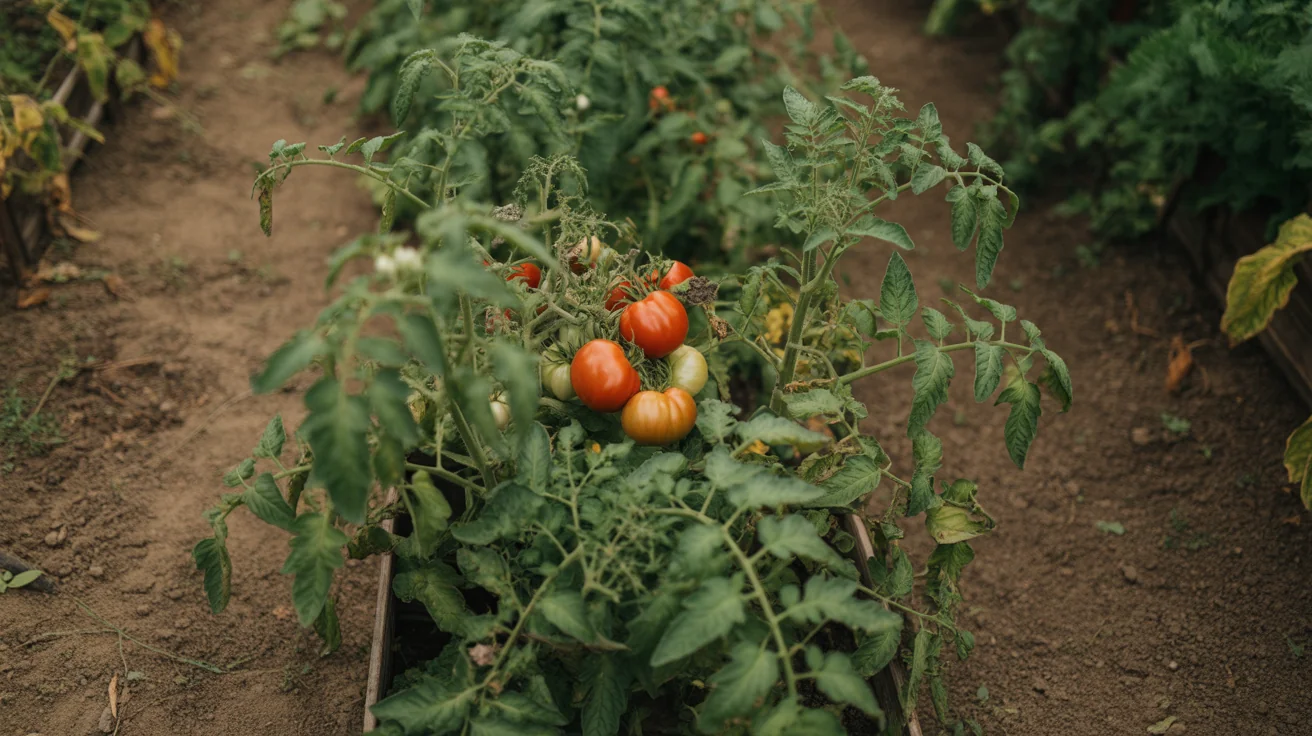
Tomato
Another nightshade, but tomatoes forgive cool starts better and ripen with a different pruning and support rhythm.
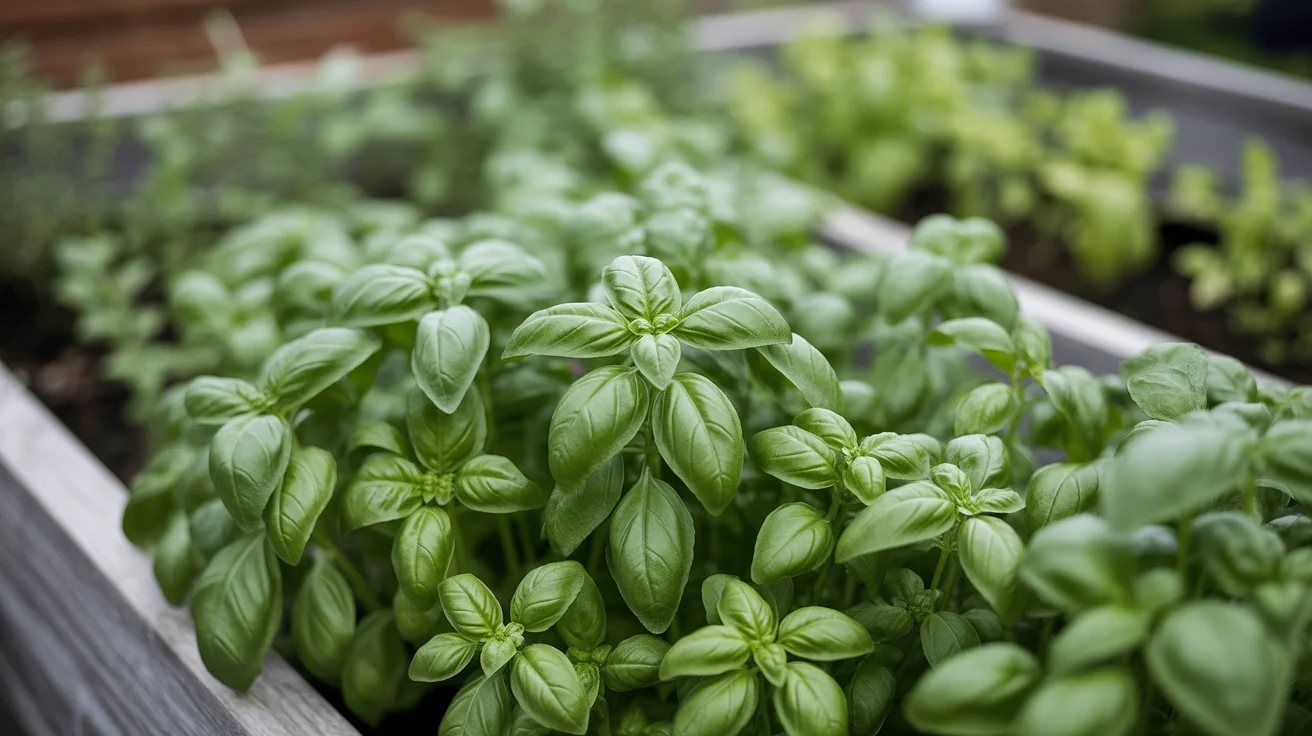
Basil
A heat-loving herb that fits the same warm bed edge without competing for heavy fruit support.
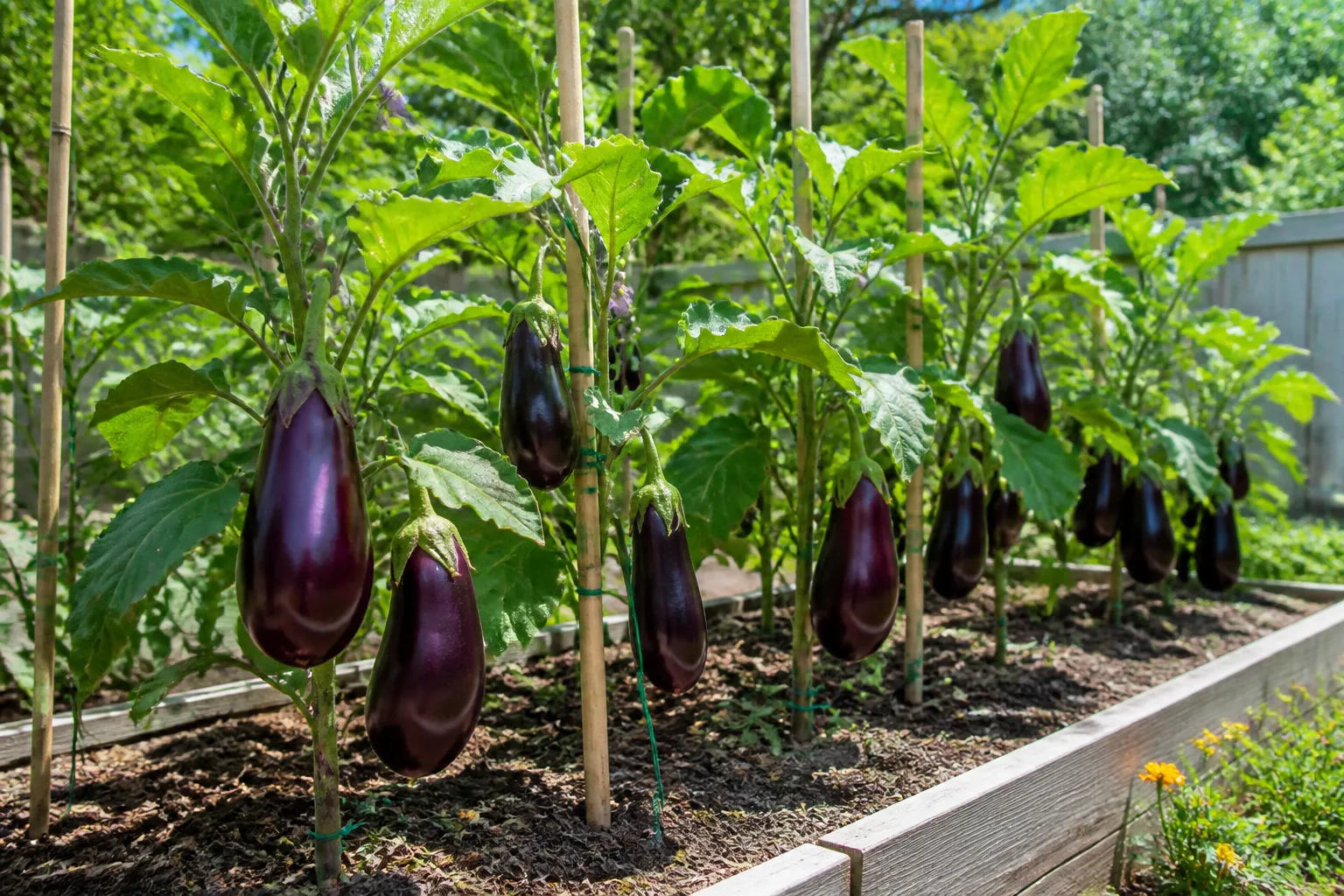
Eggplant
A close warm-season relative with similar heat needs and heavy side-branch fruit.
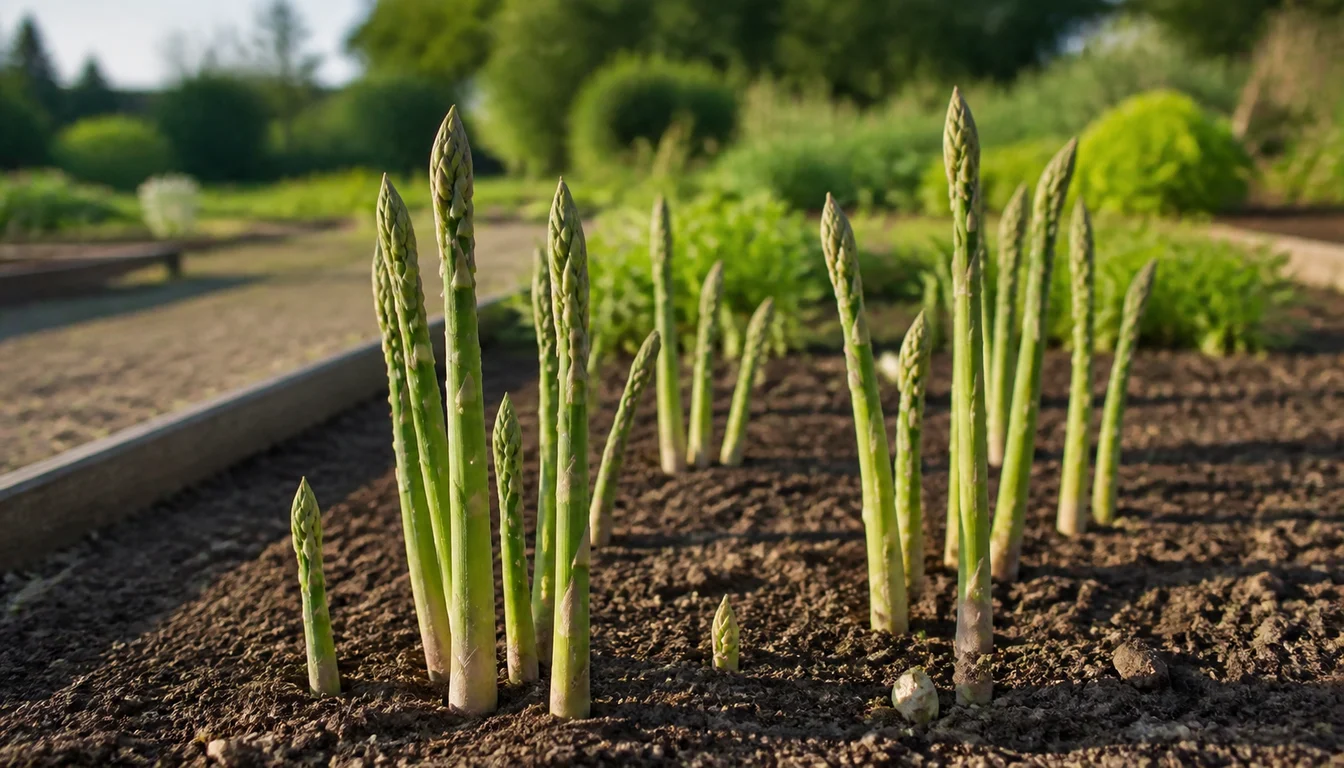
Asparagus
Asparagus rewards careful establishment with spring harvests for many years.
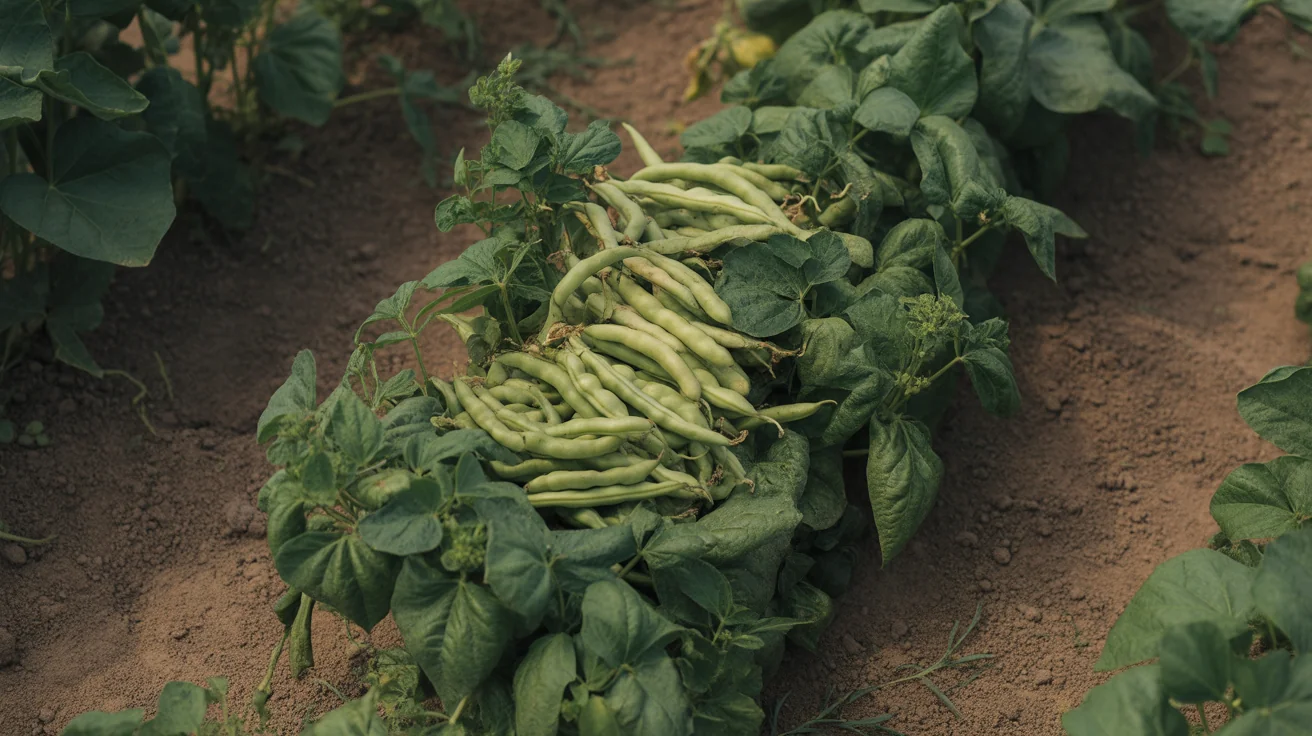
Beans
Two different plants share the name bean, one that stays knee-high and gives most of its crop inside two or three…
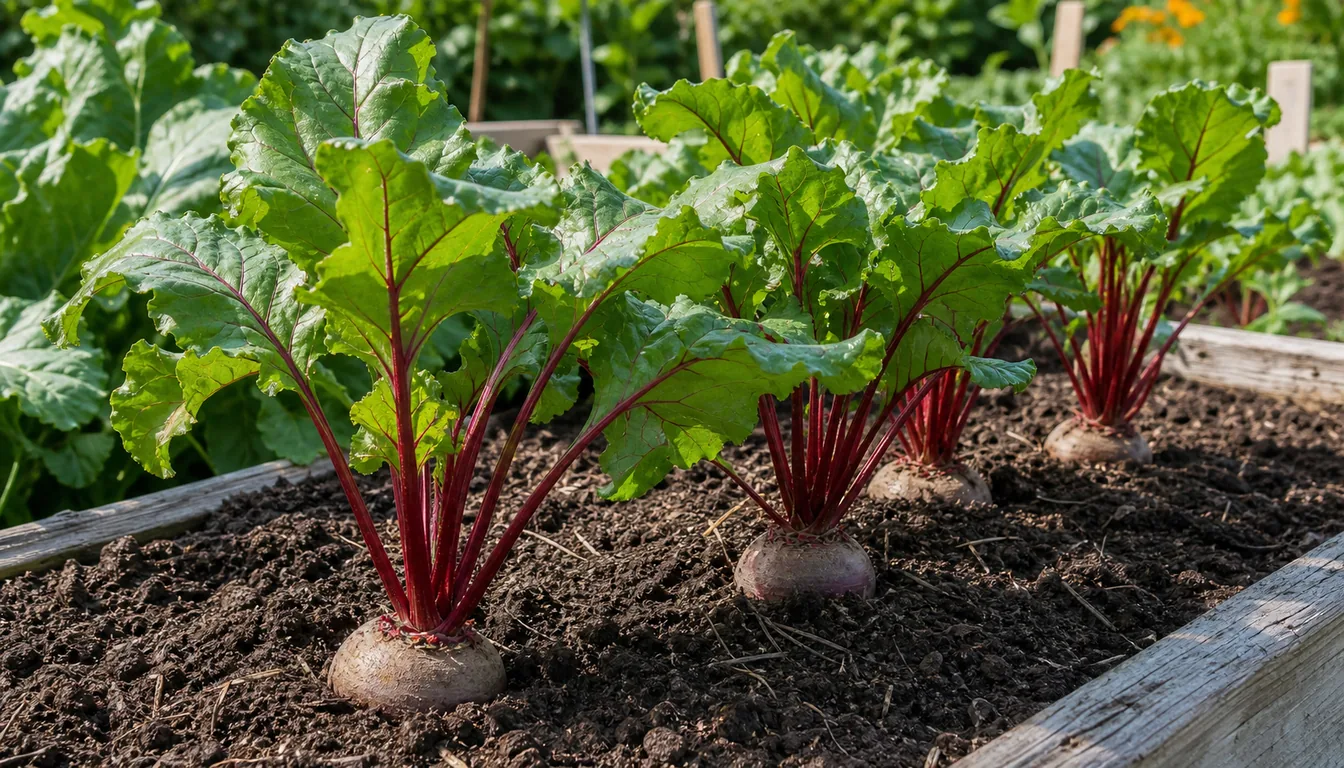
Beet
Beet care starts with one unusual fact. Each seed ball can make several seedlings, so the crop needs early thinning…