
Best Pollinator Friendly Flowers for Bees and Butterflies
A named list of pollinator flowers with what each feeds and when, how to spot a flower insects cannot use, and the one question to ask before you buy.
At a glance
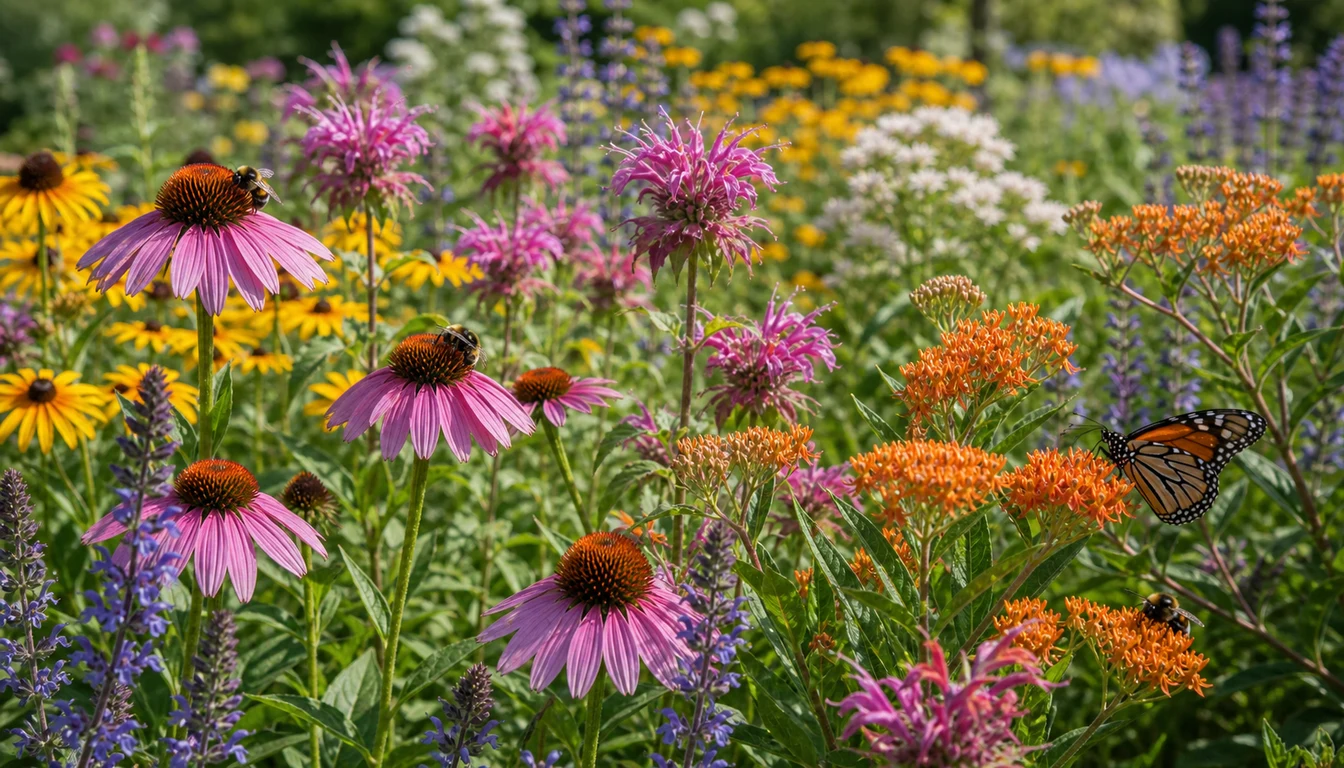
A pollinator bed is judged by what insects can eat, not by how much of it is in flower.
Plant choice comes first. If you want the bed design, watering and cleanup side of the job, the pollinator planting guide covers it in full, and everything below is about which flowers to actually buy and why.
What Makes a Flower Usable Rather Than Just Colorful
An insect needs two physical things from a flower, which are somewhere to land and a center it can reach. Color is only the advertisement, and plenty of heavily advertised flowers have nothing behind the sign.
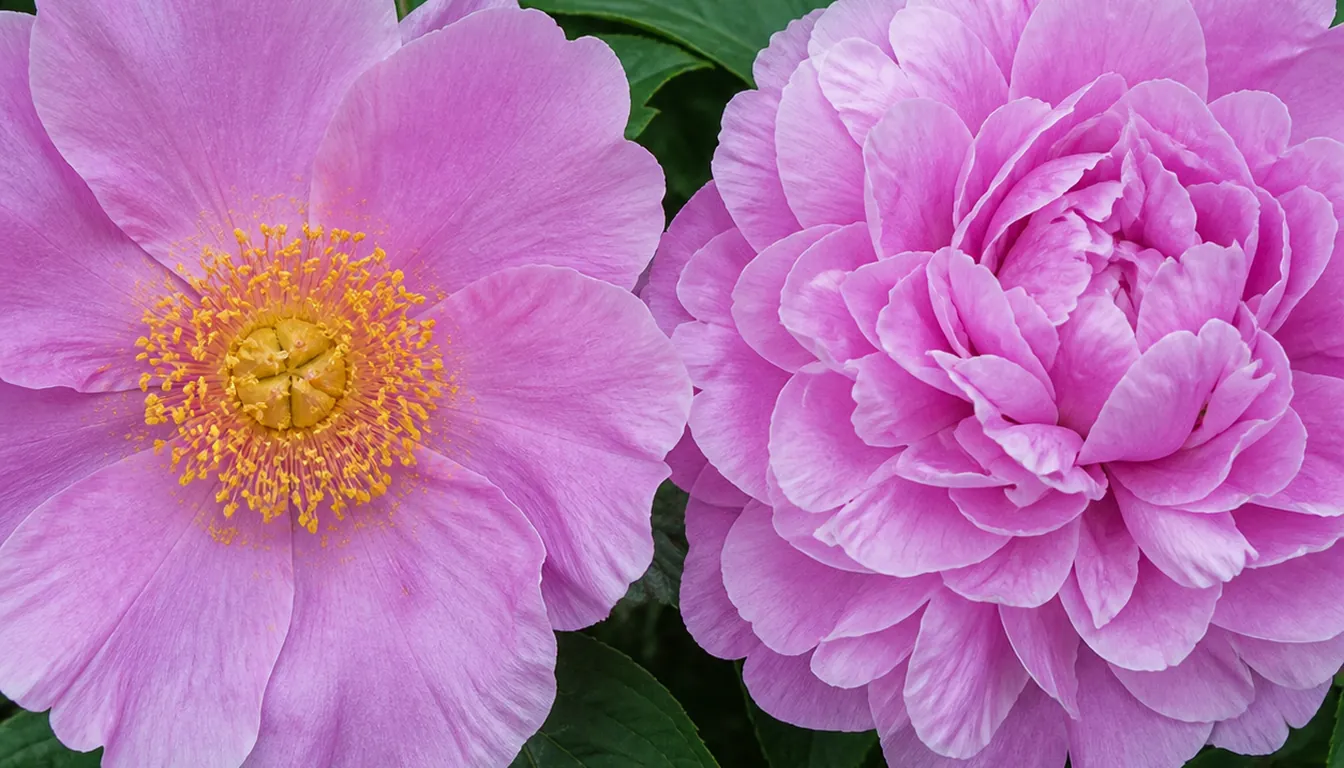
Doubling is what removes the food. Breeding double flowers converts the stamens and nectaries into extra petals, so a bloom that looks twice as generous is often the one carrying no nectar and no reachable pollen, while single flowers with an open center keep both.
Four words on a plant tag predict this, and they are double, fully double, pom-pom, and sterile.
Look into the middle of the flower. If you can see stamens and loose pollen, an insect can feed there, and if the center is packed with petals, it cannot.
The Flowers Worth Planting, and What Each One Feeds
The list below is sorted by when each plant feeds rather than by how it looks, because the months with nothing open are what decide whether a bed supports anything. A garden that peaks spectacularly in July can still leave insects with nothing in April and nothing in October.
Early spring is the gap almost every planting has.
Nothing on this list opens before late spring, so that stretch has to be covered by bulbs and woody plants instead, and crocus, willow catkins, serviceberry and the dandelions in an unsprayed lawn are what emerging queen bumblebees are living on.
Two entries also earn their place for pollen rather than nectar, since sunflower is a pollen and seed plant more than a nectar one, and yarrow matters because its tiny clustered florets suit small beneficial insects that cannot use a large bloom.
| Plant | When it feeds | What it provides | What it needs |
|---|---|---|---|
| Catmint | Late spring, again after shearing | Nectar | Full sun, dry soil |
| Thyme | Early summer | Nectar for very small bees | Full sun, sharp drainage |
| Salvia | Early summer onward | Nectar for bees and hummingbirds | Full sun, drainage |
| Yarrow | Early to midsummer | Nectar for tiny beneficial insects | Full sun, poor soil is fine |
| Lavender | Midsummer | Heavy nectar | Full sun, dry and sharp drainage |
| Coneflower | Midsummer into early autumn | Nectar, a landing platform, then seed | Full sun |
| Black-eyed Susan | Mid to late summer | Nectar, a landing platform, then seed | Full sun |
| Liatris | Mid to late summer | Nectar up a tall spike | Full sun, drainage |
| Garden phlox | Midsummer, 6 to 8 weeks | Nectar for butterflies and moths | Sun, air movement |
| Sunflower | Late summer | Pollen, then seed for birds | Full sun |
| Aster | Autumn | Late nectar when little else is open | Sun to light shade |
| Sedum | Autumn | Late nectar on flat landing heads | Full sun, dry soil |
Nectar Feeds Adults, Host Plants Make More Butterflies
A butterfly planting has two separate jobs and most gardens only do one of them. Adults drink nectar from open flowers, but caterpillars eat leaves, and they eat the leaves of particular plants rather than whatever is nearby.
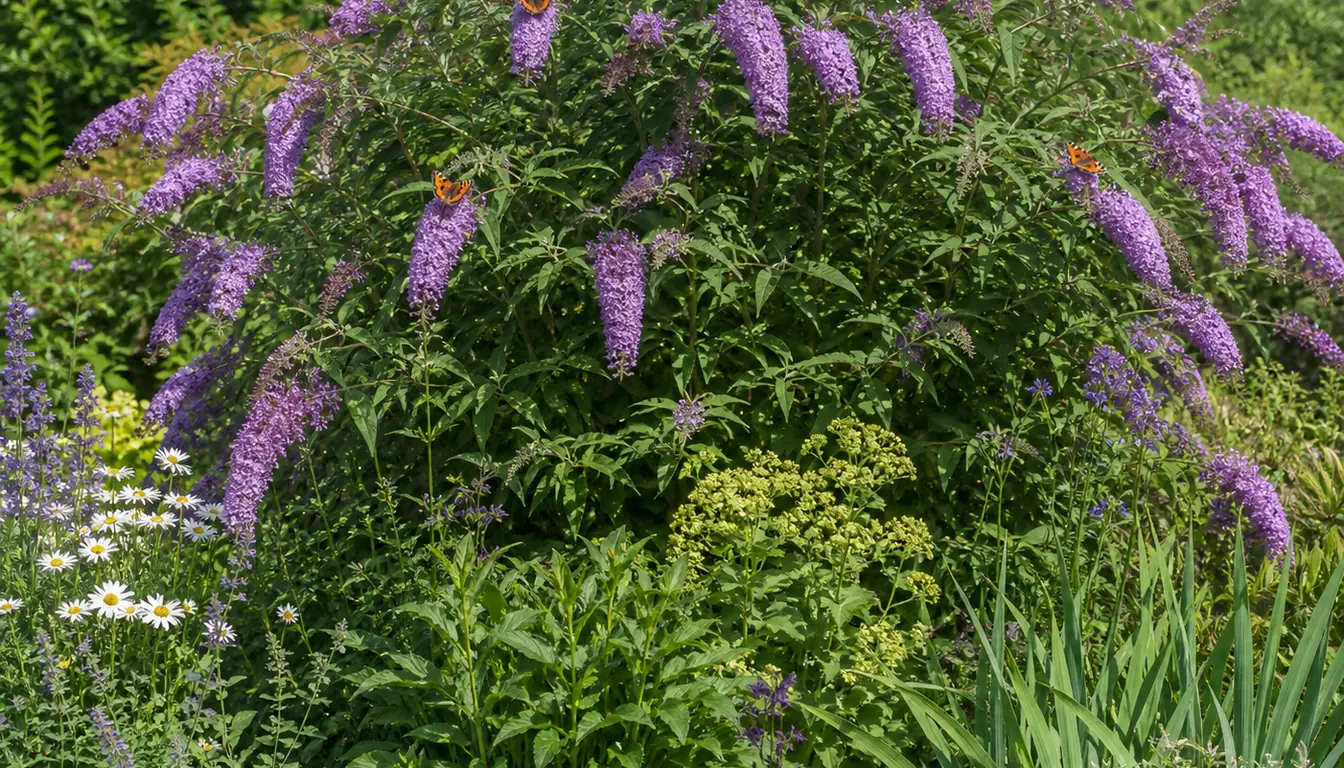
This is why a garden can be full of butterflies and still produce none of its own. A butterfly bush is the plant most often bought as the whole answer, and it is an excellent nectar shrub that offers no host value whatsoever, so monarchs feeding on it still need milkweed somewhere to lay eggs on.
Host planting gets chewed, and a chewed host plant is the plant working rather than failing.
Butterfly bush carries a regulatory catch in some states. This site's butterfly bush profile records Washington listing Buddleja davidii as a Class B noxious weed and quarantining it except for approved sterile cultivars under two percent viable seed, with Oregon running a similar rule and selling its approved cultivars as summer lilac instead.
Ask One Question Before You Buy
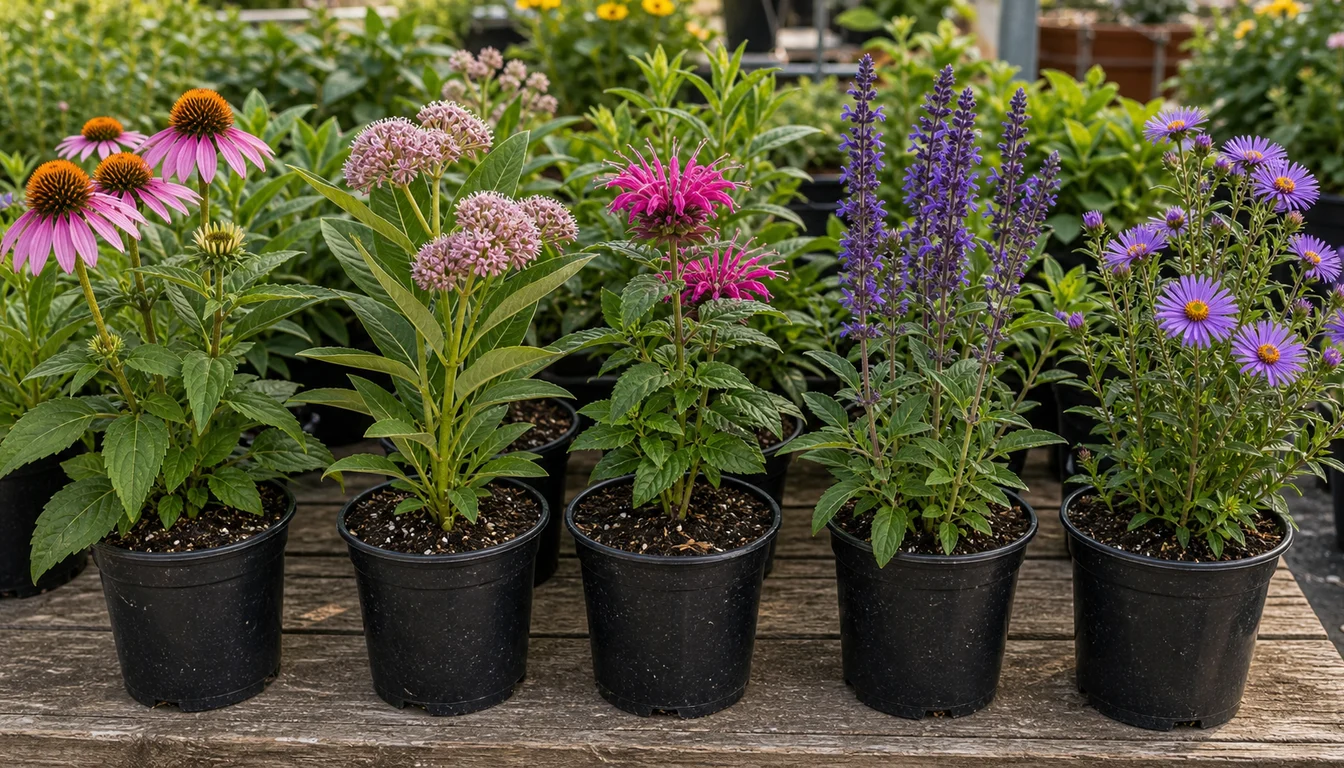
Neonicotinoids are a class of insecticide, and they are systemic, which means the plant takes the pesticide up and moves it into its own nectar and pollen. A treated plant does not stop being treated when you get it home, and nothing washes off, so it can advertise to insects and poison them for the rest of the season.
A pollinator-friendly label on the pot says nothing about this. Ask the question directly instead, and if pest pressure is what worries you, the natural pest control options belong in that conversation rather than a systemic treatment.
- A clear no: the answer you want, and growers who avoid them will usually say so without hesitating
- They do not know: treat it as a yes, or ask them to check with the grower before you buy
- It is safe once planted: not correct for a systemic product, so buy the plant elsewhere
Repeat Each Flower in a Clump Insects Can Find
A flower has to be findable before it can be useful.
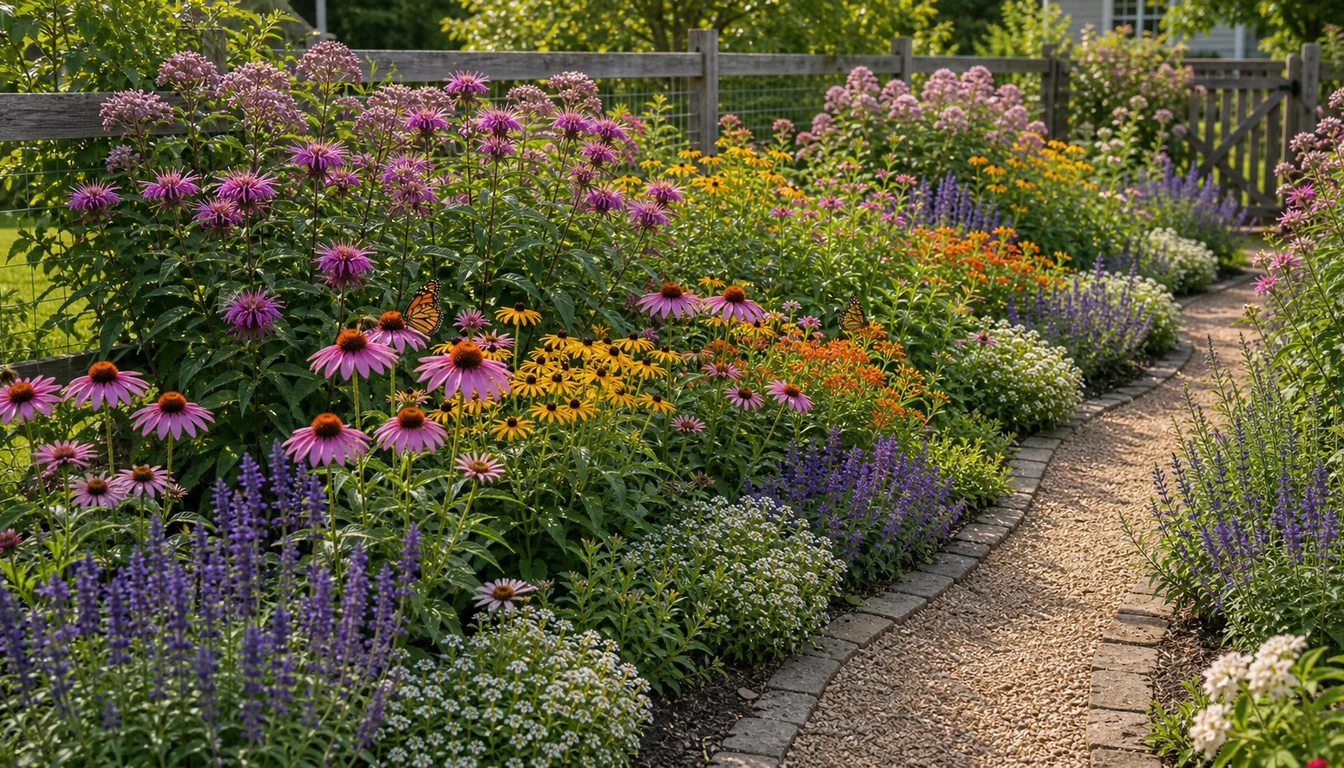
The usual working target is a clump roughly three feet across of one species, because a block that size registers to an insect flying over while a single plant does not. That is a shopping decision more than a design one, since it changes what goes in the trolley before it changes the bed.
For most perennials, three feet across means three to five plants of the same species bought together. Buying one each of ten pretty things is the single most common way a pollinator bed underperforms.
Most Native Bees Nest in the Ground, Not in a Bee Hotel
Roughly seventy percent of native bee species nest underground. That single figure is why the most useful habitat decision in a pollinator bed is about soil rather than about structures.
Those bees need bare, undisturbed, sunlit ground to dig into. Continuous deep mulch and landscape fabric remove exactly that, which is awkward, because tidying a bed properly is usually described as covering every inch of it.
A purchased bee hotel is not useless, it is just serving the minority.
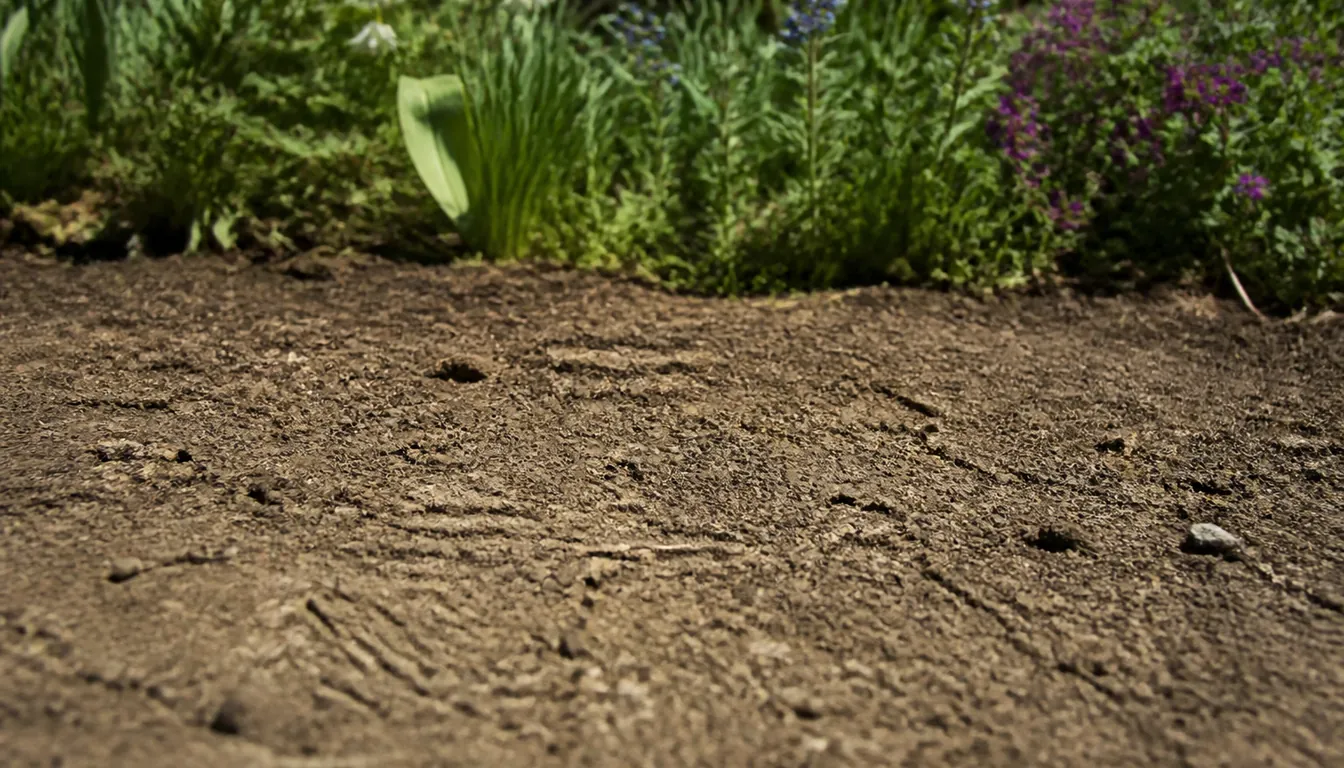
- Leave a sunny patch unmulched: serves the ground-nesting majority, and it can be a bed edge nobody looks at
- Leave standing stems over winter: serves cavity nesters, and the planting guide gives the stem heights and the spring timing
- Add a bee hotel last: serves the same cavity nesters, and it needs cleaning between seasons or it spreads disease
Let the Insects Tell You What to Repeat
Use is never spread evenly across a bed, and it moves through the day. A plant that looks ignored at noon can be the busiest thing in the garden at nine in the morning, and a late bloomer only matters once everything else has finished.
Four notes are enough to decide next year's order.
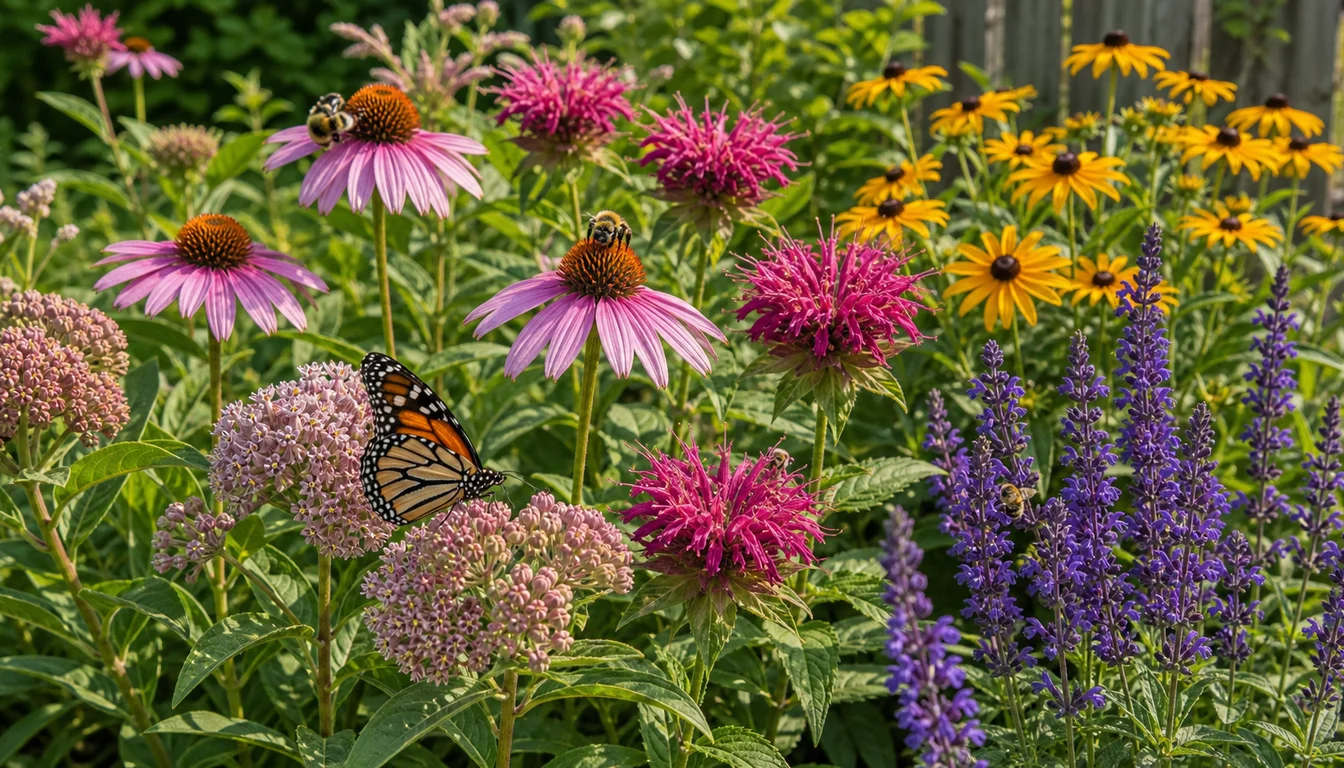
- Which plant: the only way to know what to buy more of
- What was on it: bees, butterflies and hoverflies do not use the same flowers
- Time of day: stops you culling a plant that works before you are outside
- Month: shows which weeks of the season are still empty
Two full bloom cycles with no visitors is a fair point to replace a plant. Swap it for another flower covering the same weeks rather than leaving the slot empty.
Quick Tips
- Check the center of a flower for visible stamens and pollen before buying it.
- Skip anything tagged double, fully double, pom-pom, or sterile.
- Buy three to five of one plant rather than one each of ten.
- Cover early spring with crocus, willow, or serviceberry, since perennials start too late.
- Ask whether the plant was treated with neonicotinoids, and treat a shrug as a yes.
- Leave one sunny patch of soil unmulched for the ground-nesting bees.
- Plant milkweed if you want monarchs to breed rather than just visit.
Recommended Plants
8 flowers worth considering.
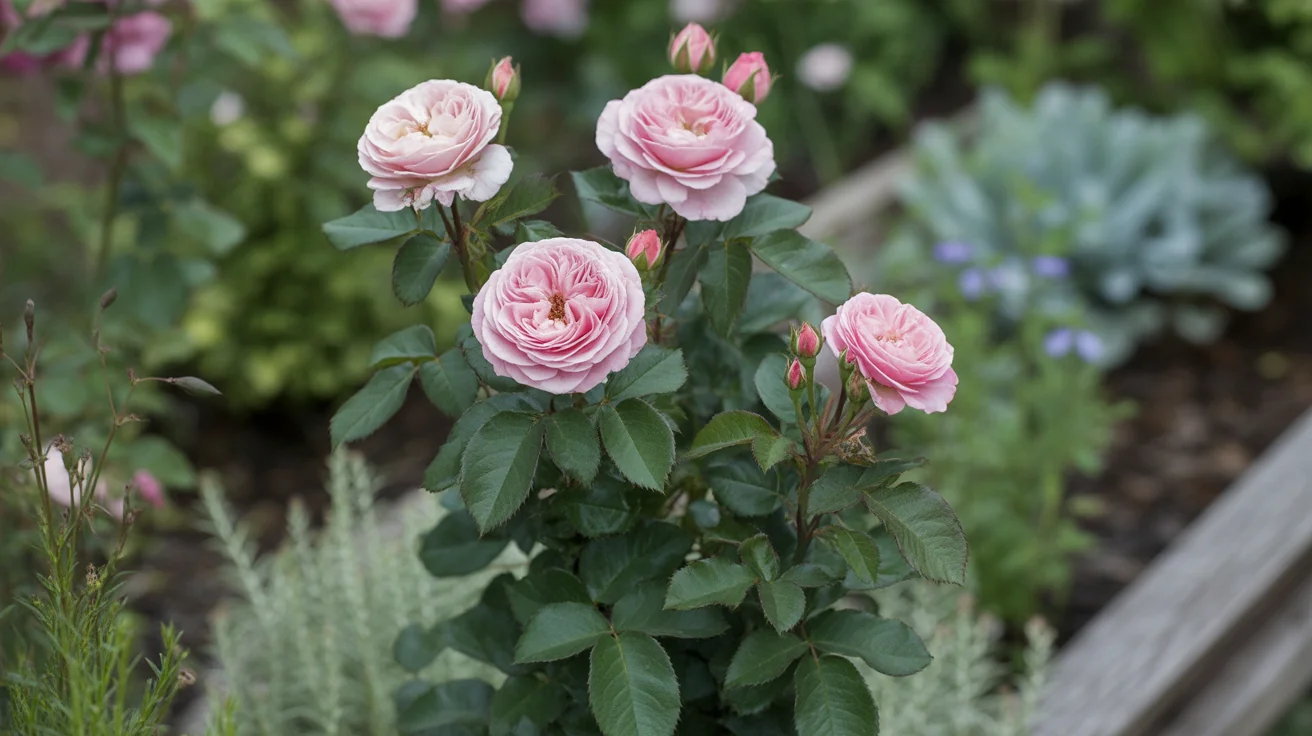
Rose
Garden roses range from compact landscape shrubs to climbers, hybrid teas, old garden roses, and container types.
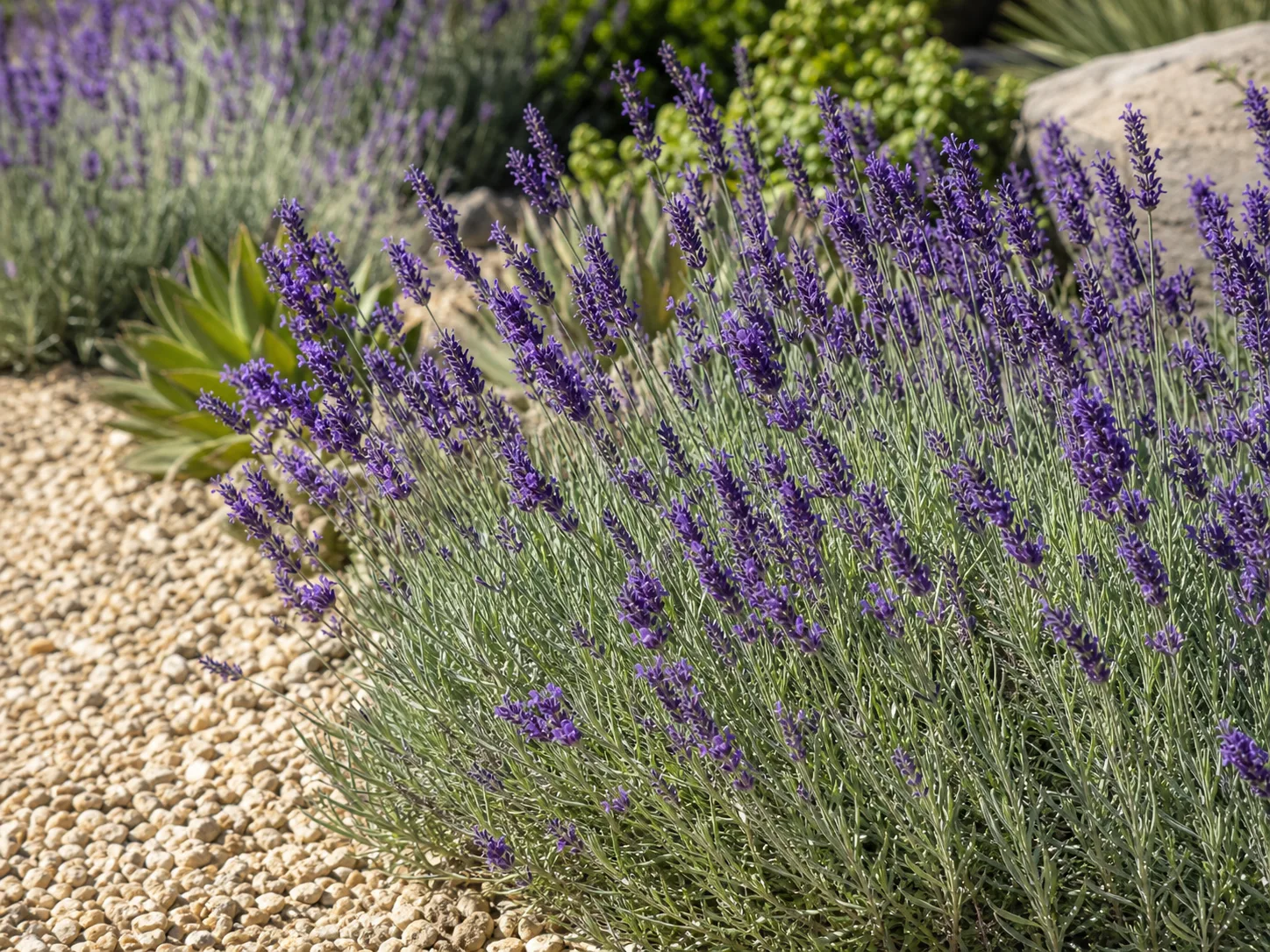
English Lavender
English Lavender is a woody Mediterranean subshrub grown for fragrant purple flower spikes, silvery foliage…
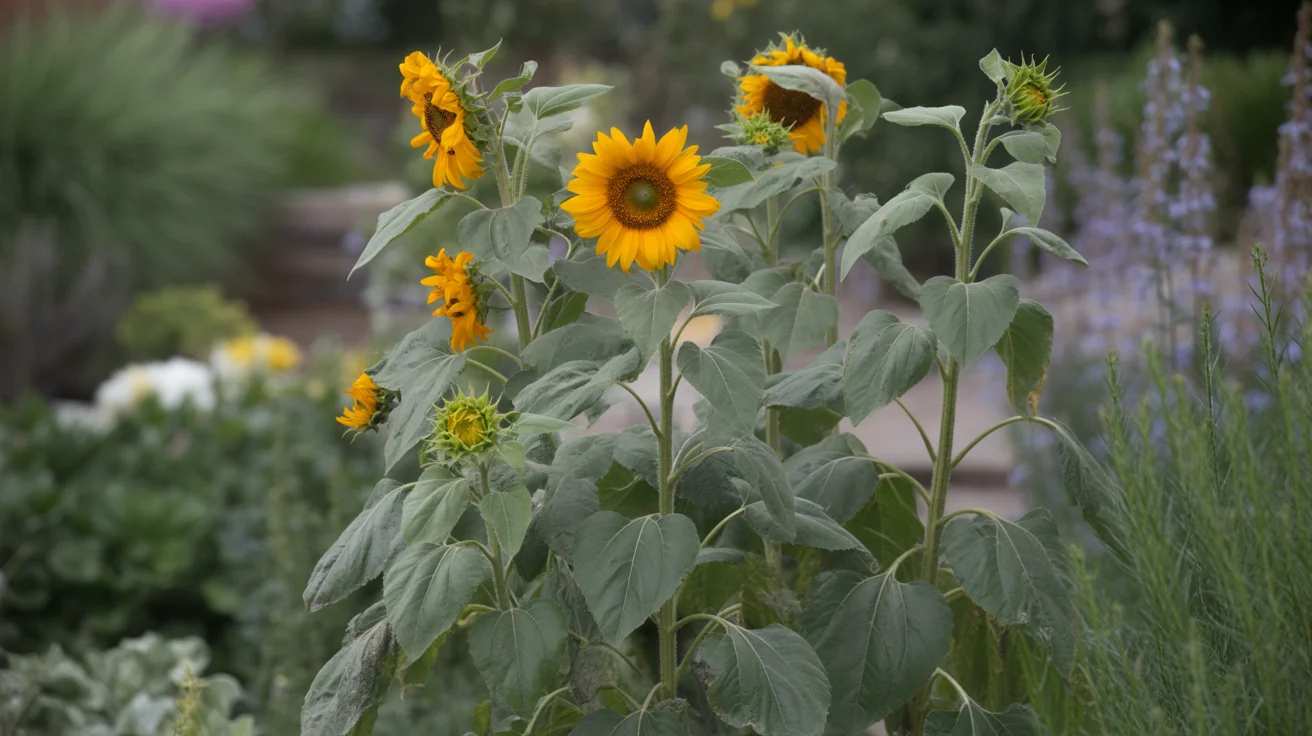
Sunflower
Sunflower is a fast annual that turns warm soil and full sun into tall stems, bright flower heads, seed for birds, and…
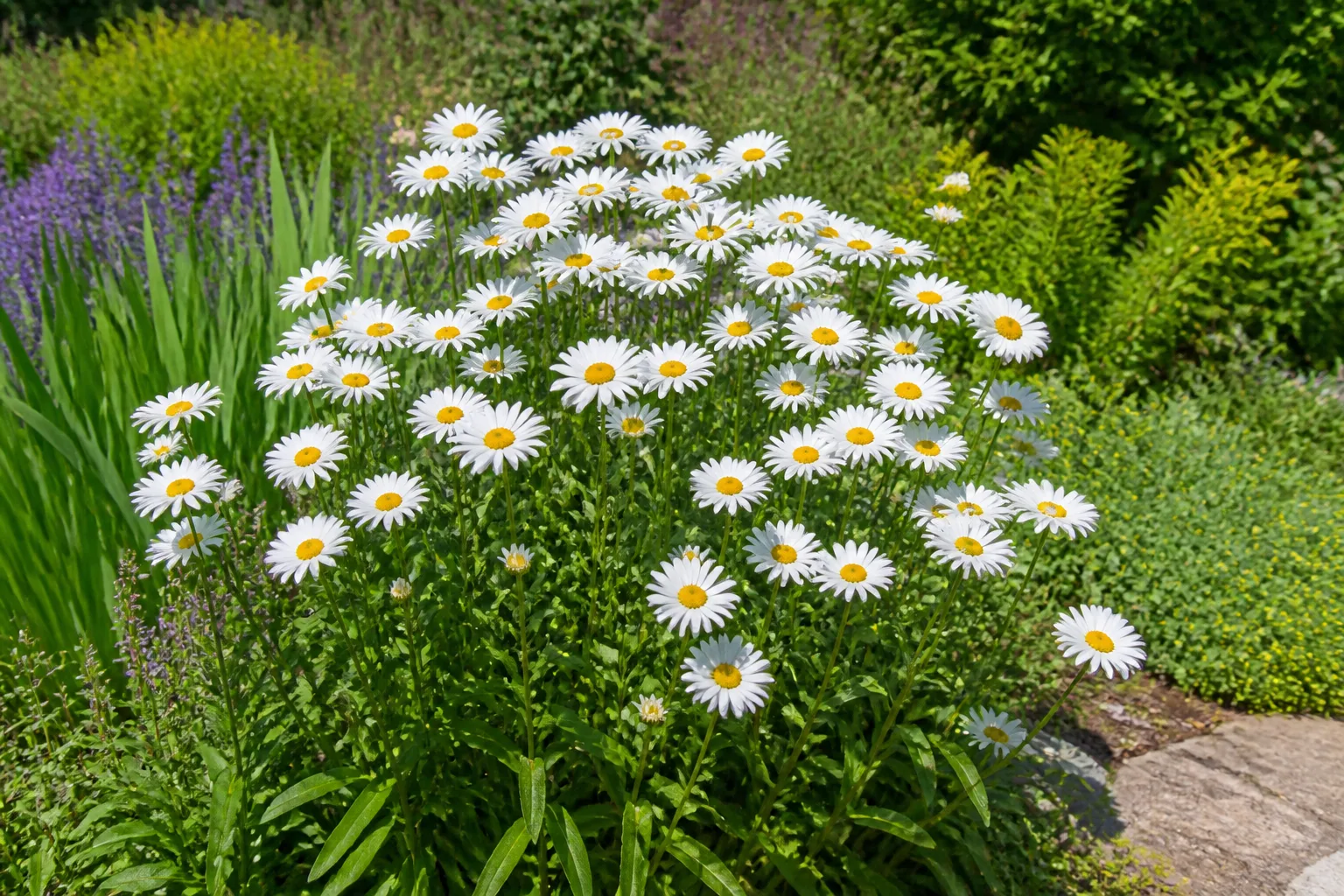
Shasta Daisy
Shasta daisy is a clump-forming perennial grown for clean white petals, yellow centers, and reliable summer bloom in…
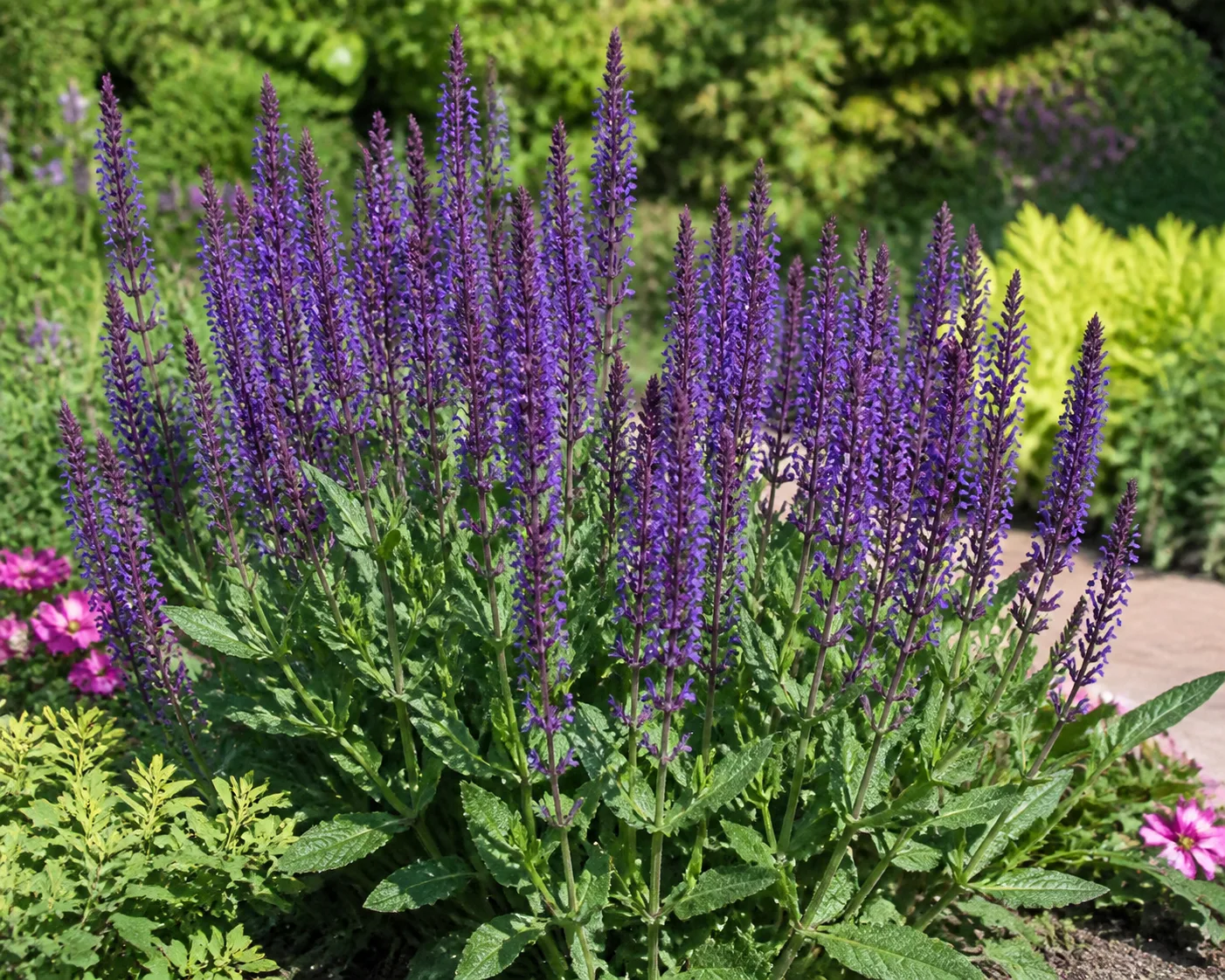
Salvia
This large sage genus includes annuals, tender perennials, and hardy perennial sages grown for upright flower spikes…
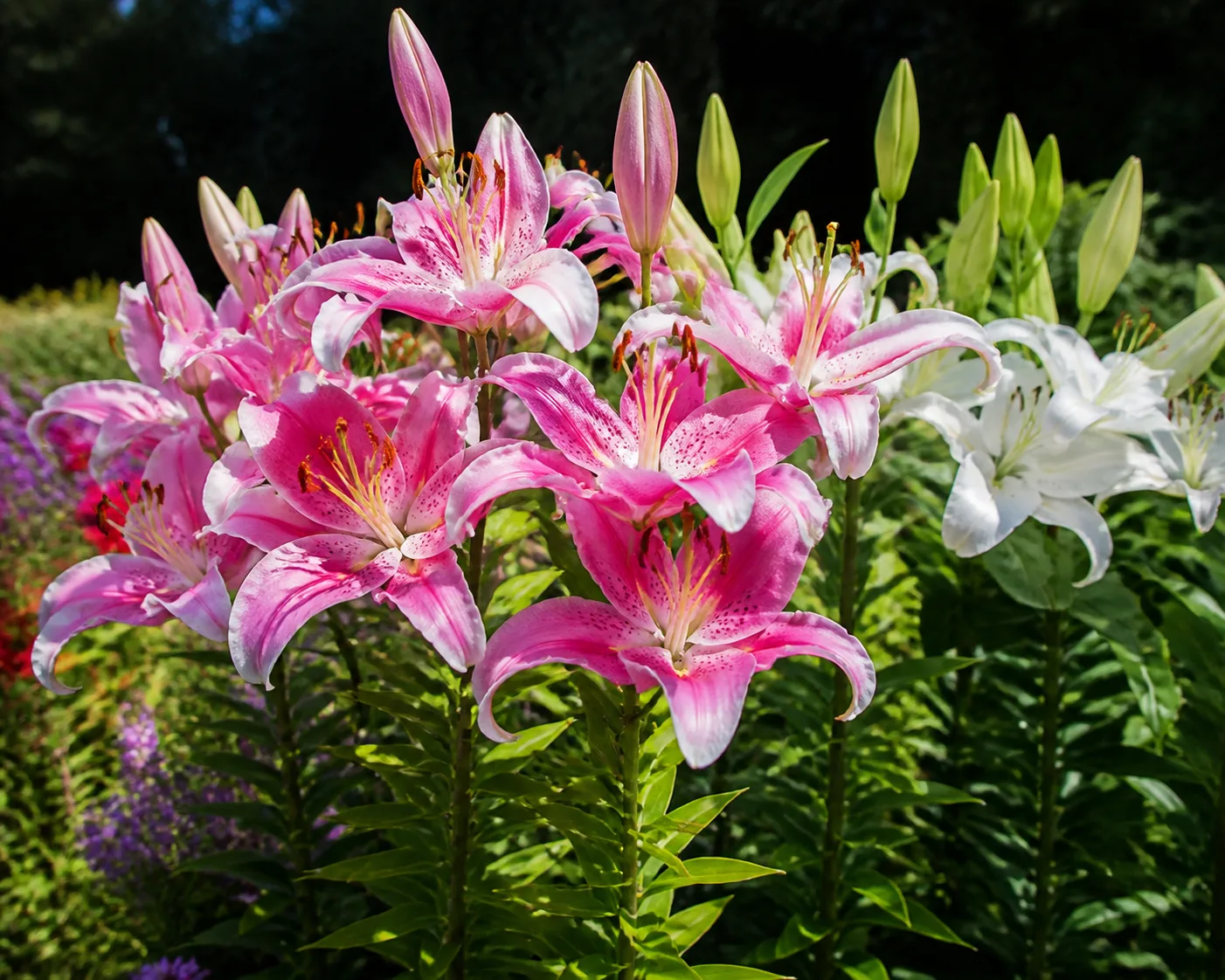
Lily
True lilies are Lilium bulbs grown for tall summer stems, dramatic flowers, fragrance, and cut-flower value.
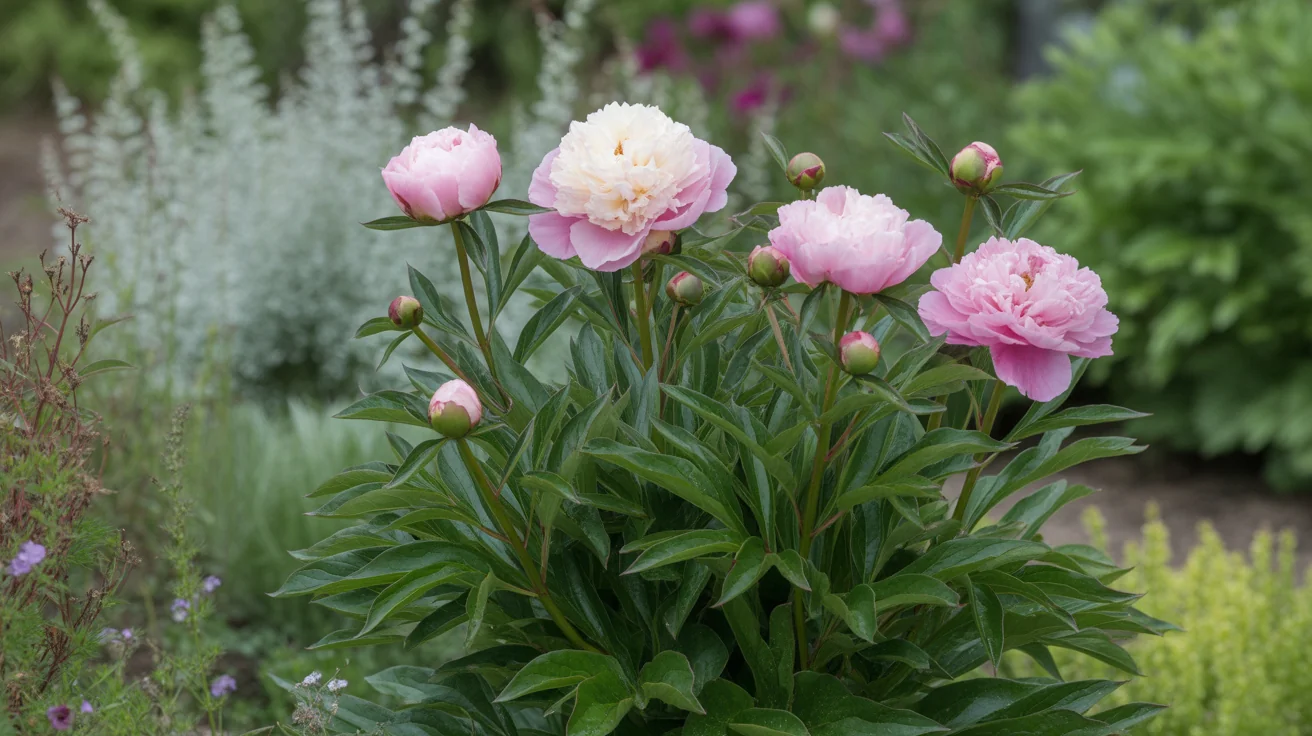
Peony
Peonies are long-lived spring perennials grown for huge flowers, fragrance, and dependable clumps that can bloom for…
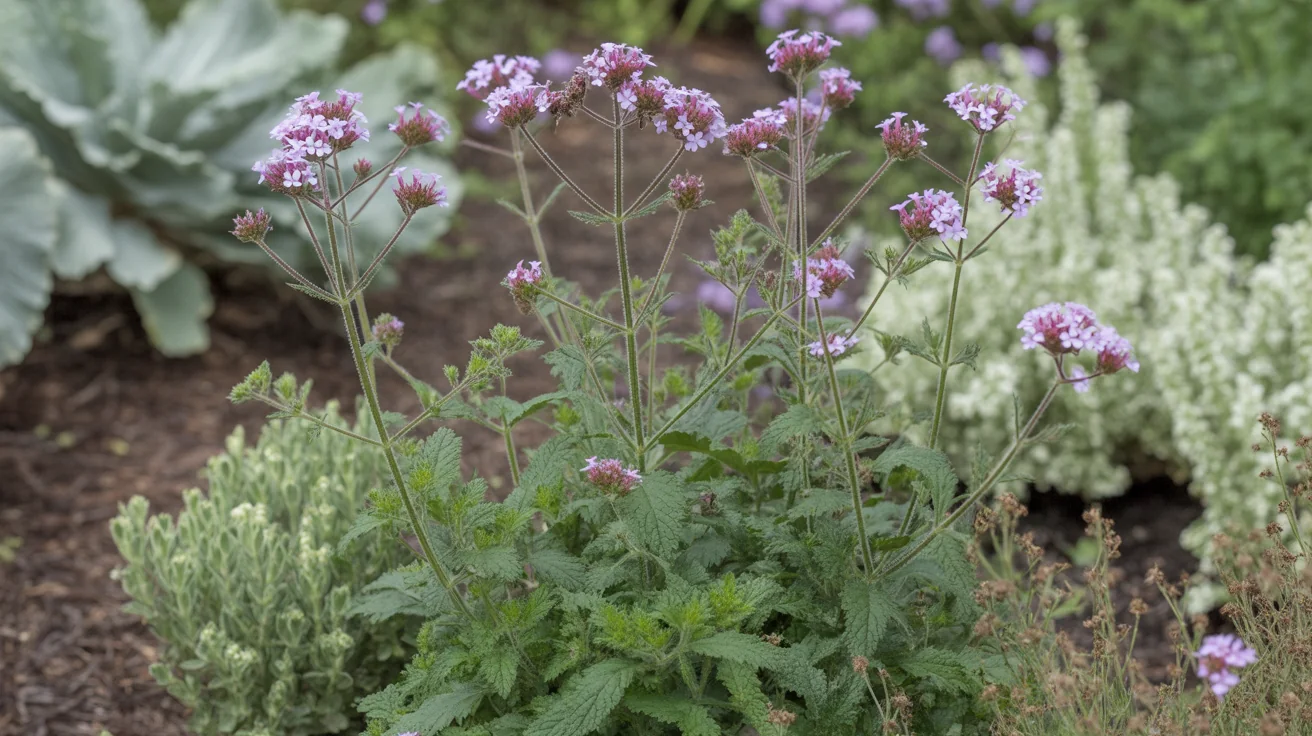
Verbena
Verbena is a sun-loving flower grown for long bloom, heat tolerance, and trailing or mounding color in containers…
Frequently Asked Questions
What makes a flower pollinator friendly?
An insect has to be able to land on it and reach the middle, so open single flowers with visible stamens and loose pollen work while densely petaled doubles usually do not. Bloom timing matters just as much, because a flower is only useful during the weeks it is actually open.
Are double flowers bad for pollinators?
Usually, because doubling converts the stamens and nectaries into extra petals, so the food is not hidden so much as absent. Look into the center before buying, and skip anything tagged double, fully double, pom-pom or sterile.
How many pollinator plants should I buy of each kind?
Aim for a clump roughly three feet across of one species, which for most perennials means three to five plants bought together. A block that size registers to an insect flying over, and a single plant tucked among nine others does not.
Is a butterfly bush enough for a butterfly garden?
No, because it feeds adult butterflies nectar and offers nothing for caterpillars, so the butterflies visiting it were bred somewhere else. Pair it with regional host plants, and check your state's rules first since Washington and Oregon restrict Buddleja davidii to approved sterile cultivars.
Do I need a bee hotel?
It is the smaller half of the job, since roughly seventy percent of native bee species nest in the ground rather than in cavities. Leaving a sunny unmulched patch of undisturbed soil helps more bees than any structure you can buy, and a hotel needs cleaning between seasons or it spreads disease.
Sources & References
- Xerces Society, Pollinator Conservation Resource Center
- USDA Natural Resources Conservation Service, Pollinator Habitat Planting
- Washington State Noxious Weed Control Board, Buddleja davidii
- Penn State Extension, Pollinator-Friendly Gardening
- Oregon State University Extension, Protecting Bees From Pesticides