
How to Grow Liatris for Upright Summer Flower Spikes
Liatris spicata Asteraceae
Liatris, also called blazing star or gayfeather, is a hardy native perennial grown from corms for upright purple flower spikes, strong pollinator value, and easy summer structure. It thrives in full sun and well-drained soil, but it dislikes wet winter ground.
Care snapshot
Why Liatris Looks Different in a Border
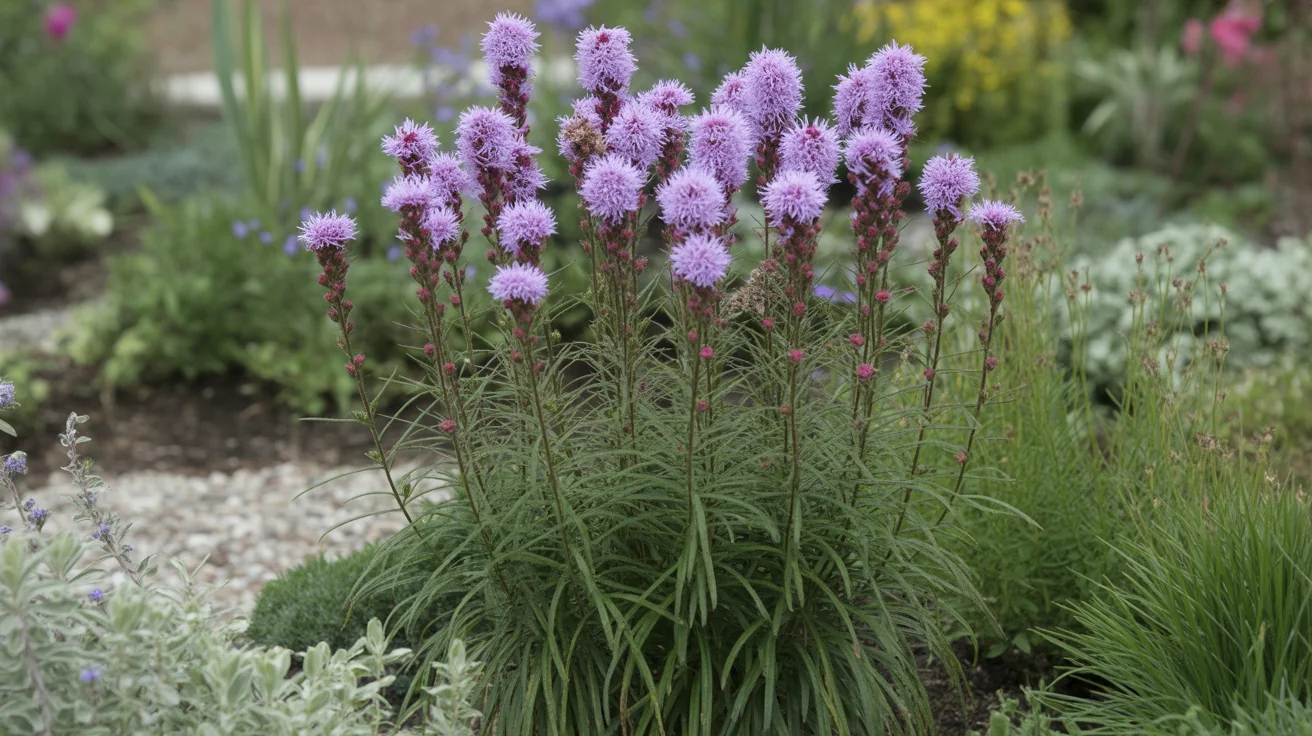
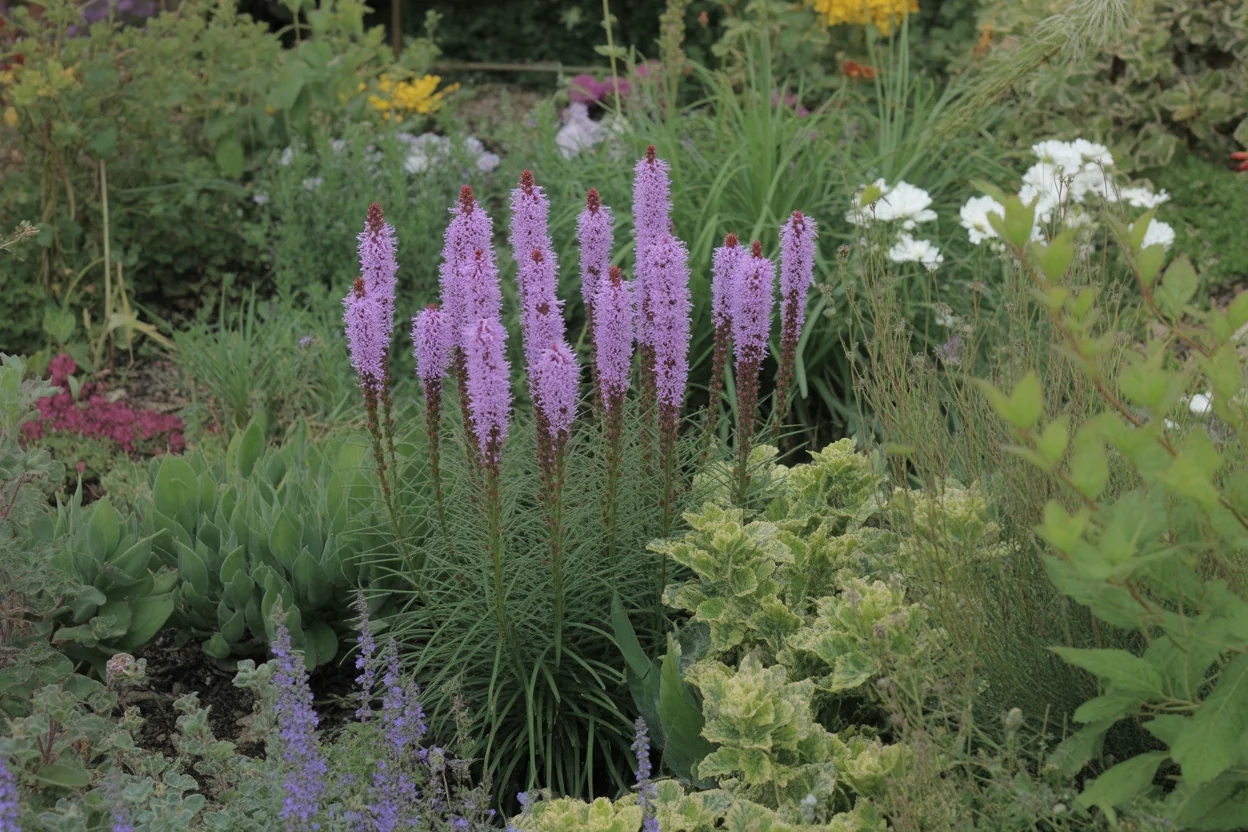
Liatris spicata sends up narrow grassy leaves and tall bottlebrush flower spikes that bloom from the top down. That top-down bloom is one of the easiest ways to recognize blazing star in a summer border.
The plant grows from underground corms, not creeping runners. Those corms slowly make a clump, so Liatris gives strong vertical shape without taking over the bed.
The common name gayfeather refers to the feathery texture of the tiny open florets packed along each spike, a detail easy to miss from a distance but obvious up close.
In design terms, Liatris is the exclamation point among rounder flowers. It cuts through drifts of coneflower, Black Eyed Susan, and grasses without needing a large footprint.
Liatris belongs to the aster family, Asteraceae, the same family as coneflower and black-eyed Susan, even though its narrow spike looks nothing like a typical daisy flower.
Liatris sends up vertical flower spikes from corm-like storage organs, which is why it handles dry prairie-style beds better than many lush perennials. The spike blooms from the top down, making it useful when you want height without a floppy plant.
Choosing Liatris for Beds, Meadows, or Cutting
Most garden Liatris stays close to the wild plant, but height matters. Tall strains make better cut flowers and meadow accents, while compact selections fit smaller borders and windier sites.
Purple is the classic color, with white forms available for softer plantings. White Liatris works well in evening gardens, especially with white flowering plants that show up after sunset.
'Kobold' is one of the most widely sold compact cultivars in nurseries, prized for staying shorter and sturdier than the straight species.
For a naturalistic planting, mix several clumps instead of scattering one plant at a time. Pollinators find the flowers faster, and the vertical rhythm looks intentional.
Odd-numbered groupings, threes, fives, or sevens, generally read as more natural in a border than even numbers, which tend to look deliberately paired.
Dense blazing star, prairie blazing star, and meadow blazing star differ in height and moisture tolerance. Match the species to the site instead of assuming every liatris wants the same dry border.
- Standard purple forms
- 3-4 feet, strong for meadows, cutting beds, and back borders
- Compact selections
- Often 18-30 inches, better for small gardens and windy sites
- White forms
- Cream to white spikes for moon gardens and cooler color schemes
- Cut-flower strains
- Selected for straight stems, useful in summer bouquets
Light: Full Sun Keeps Spikes Upright
Liatris needs 6 or more hours of direct sun for sturdy stems and dense flower spikes. In too much shade, the spikes lean, stretch, and open with gaps.
Cool-climate gardens should give it the sunniest bed available. In hotter regions, a little late-day shade is tolerable, but the plant still needs open sky for most of the day.
Reflected heat from pavement or a south-facing wall is usually well tolerated, since the plant's prairie origins mean it is already adapted to open, sun-baked ground.
Because the plant is vertical and narrow, light and air have to reach the base as well as the flower spikes.
Pairing liatris with low groundcovers rather than other tall plants keeps its base from being shaded out, since a crowded neighbor at the same height blocks light where the plant needs it most.
- Best site: full sun in a bed with moving air.
- Okay compromise: light afternoon shade in very hot climates.
- Poor-light clue: leaning stems and loose flower spikes.
- Design tip: plant in groups so the vertical line reads from a distance.
Watering While Corms Establish
New Liatris needs steady moisture while roots grow from the corms. After that first season, it becomes much more drought tolerant than many lush border perennials.
Water deeply during dry spells, then let the upper soil dry. The same deep watering habit keeps roots moving downward instead of hanging near the surface.
Container-grown liatris needs much closer moisture monitoring than an in-ground planting, since pots dry out and heat up far faster during summer stretches.
That is why drainage is part of winter care, not just planting prep. Healthy corms tolerate cold better when water can leave.
Liatris needs moisture while new roots settle in, then becomes much more drought-tolerant. The transition matters, since neglecting first-year plants can leave thin spikes even though mature clumps handle dry summers well.
A finger test at about 2 inches deep is enough to judge first-year moisture, since liatris roots stay fairly shallow while they are still establishing.
Soil and Planting Corms
Liatris likes average garden soil with good drainage. It does not need rich, heavily amended ground, and too much fertility can make tall stems softer.
Plant corms in spring with the growing point facing up, usually about 2 inches deep. In heavy soil, plant a little higher in a raised bed or berm rather than pushing corms into a wet layer.
Corms are sometimes sold already showing a small pink or green growing tip, which makes correct orientation obvious at planting time instead of a guessing game.
Space single corms far enough that each spike can stand in light. Tight planting gives quick impact for a season, but 12-18 inches between clumps is easier to keep airy and reduces winter rot in wet soil.
Good drainage is the real dividing line. In lean soil, liatris usually stands upright and returns reliably, while in rich, wet soil, stems can lean and the underground crowns are more likely to rot over winter.
If you garden in heavy clay, plant corms a little high and use grit or compost to open the top layer instead of burying them deeper. The crown should dry after rain quickly enough that new shoots do not sit in a cold wet pocket.
A simple squeeze test, whether damp soil stays in a tight ball or crumbles apart, is a quick way to judge whether a site drains adequately before committing corms to it.
Working a couple of inches of coarse grit into the top layer of an average bed, even one that already drains reasonably well, gives corms extra insurance against a wetter-than-usual winter.
Raised beds warm up and dry out earlier in spring than ground-level soil, which can nudge liatris into growth a little sooner in cold climates.
- Planting depth
- Usually about 2 inches deep, with growing point up
- Spacing
- 12-18 inches apart for clumps; closer in meadow drifts
- Soil texture
- Loam or sandy loam; raised planting for clay
- Fertility
- Average soil is enough; avoid heavy nitrogen
Division and Seed
Division is the fastest way to make more Liatris from a strong clump. Lift and divide in early spring as shoots begin to show, before tall stems are easy to break.
Each division should have firm corms, roots, and visible buds. Replant at the same shallow depth, water once to settle soil, then avoid keeping the area wet.
Divisions typically need a full growing season to reestablish before they bloom at anything close to full size again, so patience matters more than fast results.
Seed works well when you want a naturalized pollinator strip, but it is slower. Seed-grown plants often need more than one season before they bloom strongly.
Liatris seed often germinates more reliably after a period of cold stratification, mimicking the winter chill it would naturally experience before sprouting in spring.
Division is easiest when the clump is still easy to see but not actively stretching flower spikes. In a mixed bed of summer-blooming flowers, mark the corm location before nearby plants hide the crown.
- Lift the clump with a fork in early spring.
- Separate firm corm clusters with healthy buds.
- Discard soft, hollow, or rotted pieces.
- Replant shallowly in full sun and drained soil.
- Mark seedling patches so you do not weed out first-year plants.
Pests and Problems
Liatris is usually low trouble. Aphids, mites, and occasional caterpillars may appear, but the plant rarely needs routine spraying.
Aphids gather on tender tips and unopened flower spikes. Rinse small colonies early in the morning, then let foliage dry, since that simple response often handles the issue.
Ladybugs and lacewings are common natural predators that often show up on their own to clean up a small aphid colony before any spraying is ever needed.
Start with the growing conditions before reaching for pest control. Most serious decline shows up at the crown or corm first.
Deer and rabbits generally leave liatris alone, which makes it a dependable choice for yards dealing with heavy browse pressure from either animal.
Slugs occasionally chew young spring shoots in damp, shaded corners, though this is far less common than the crown rot that shows up in the same wet conditions.
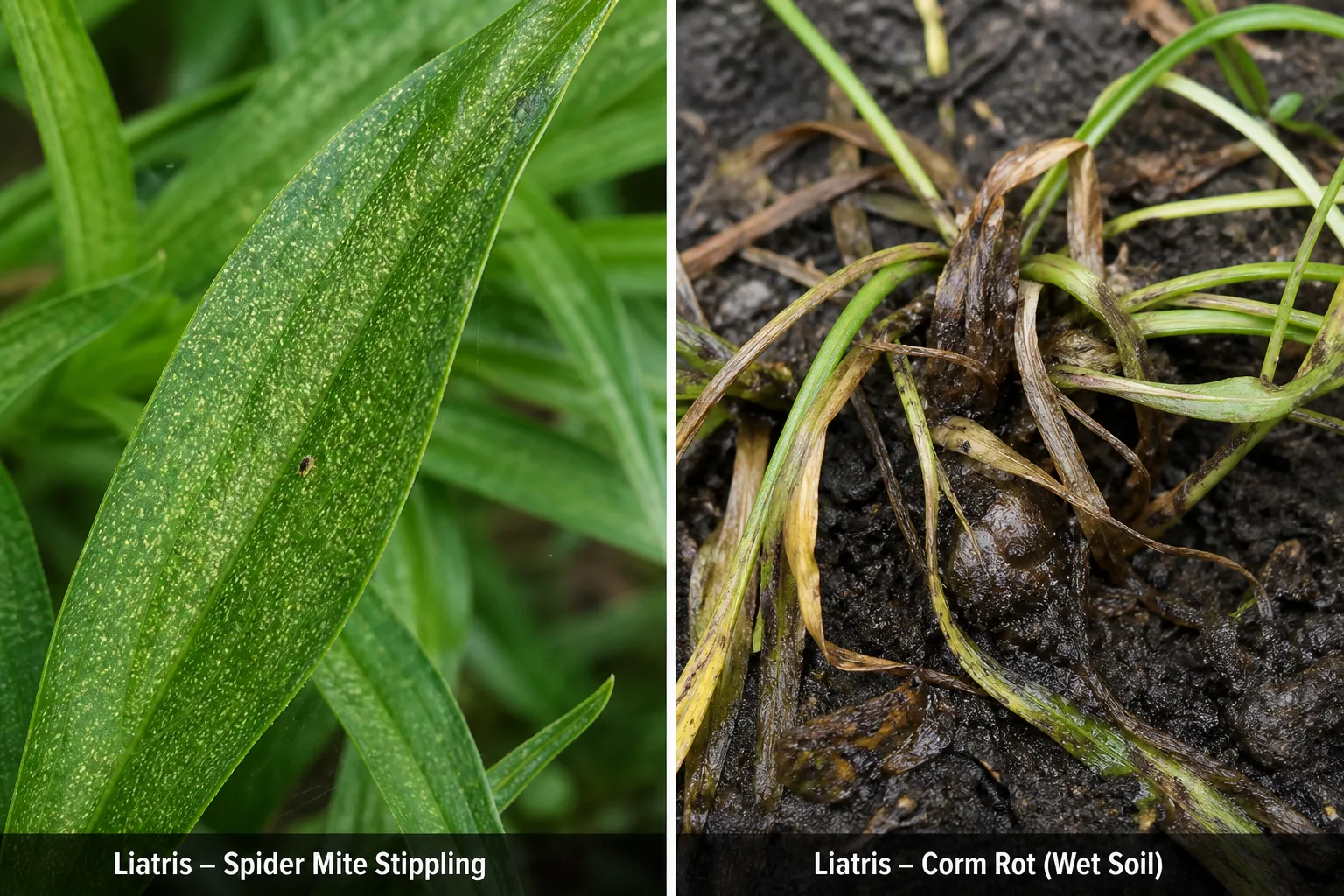
Clusters on tips or buds, sometimes with sticky residue.
Fine stippling during hot dry spells, especially in stressed plants.
Soft corms, wilting, and decline in soil that stays wet.
Usually from shade, rich soil, or crowding rather than a pest.
Seasonal Care for Blazing Star
In spring, clear old stems before new shoots stretch and divide crowded clumps if needed. Add only a light compost top-dress if the soil is poor.
New shoots often emerge surprisingly late in spring compared with many other perennials, so patience matters before assuming a quiet clump died over winter.
Summer care means watering during real drought, cutting stems for bouquets when lower buds are still tight, and leaving some flowers for pollinators.
After bloom, you can deadhead for tidiness or leave seed heads for birds. In meadow-style beds, leaving some standing stems also keeps winter structure beside Black Eyed Susan and grasses.
Goldfinches in particular favor liatris seed heads late in the season, which makes leaving some spikes standing a reliable way to feed them once bloom fades.
Because liatris blooms vertically, spent spikes are obvious. Cut them for a tidier border, or leave some standing if seed heads and winter texture matter more than a clean edge.
Cutting spent spikes back to a low rosette of foliage, rather than all the way to the ground, keeps some green structure in the bed through early fall.
Plant corms, divide clumps, and remove last year's stems.
Water only during dry spells and harvest stems for cutting.
Leave seed heads for birds or cut stems down after they brown.
Keep crowns from staying wet. Use only light mulch in cold exposed beds.
Pollinator Value and Garden Safety
Liatris is one of the easier perennials for a pollinator bed because bees and butterflies use the spikes heavily while the plant stays narrow and tidy.
Plant it in clusters with other long-blooming pollinator plants so something is open before, during, and after the blazing star bloom window.
Liatris is a documented nectar source specifically valuable to migrating monarch butterflies in late summer, when its bloom window overlaps with their southbound flight to overwintering grounds.
For cutting, harvest when the upper buds are opening but lower buds still have color. The top-down bloom habit means stems can look good in a vase before the whole spike is open outdoors.
Neither the ASPCA nor NC State gives a pet toxicity rating for liatris, so its safety for pets is not established. Keep pets from digging up corms or chewing any large amount of plant material.
Leave some spent spikes if you want ecological value after bloom. Goldfinches and other seed-eating birds use the seed heads, while the summer flowers support butterflies and bees without needing constant deadheading.
Frequently Asked Questions
Is Liatris a perennial?
Yes, Liatris is a hardy perennial that returns from underground corms. It is most reliable in full sun and soil that drains well through winter.
When should I plant Liatris corms?
Plant Liatris corms in spring after the soil is workable. Set them about 2 inches deep with the growing point up and space them roughly 12-18 inches apart.
Does Liatris attract butterflies?
Yes. Liatris is a strong butterfly and bee plant, especially in mid to late summer when its upright spikes open with many tiny florets.
Why is my Liatris flopping?
Liatris usually flops from too much shade, rich soil, crowding, or a very windy site. Move clumps to stronger sun, avoid heavy nitrogen, and use compact cultivars in exposed beds.
Can Liatris grow in containers?
Yes, compact Liatris can grow in containers with sharp drainage and full sun. Protect pots from freezing solid in very cold climates because container corms are less insulated than in-ground plants.
Should I cut back Liatris after blooming?
You can cut spent Liatris spikes for tidiness, but leaving some seed heads feeds birds and adds winter structure. Cut old stems down before new shoots grow in spring.
Sources & References
Related Plants
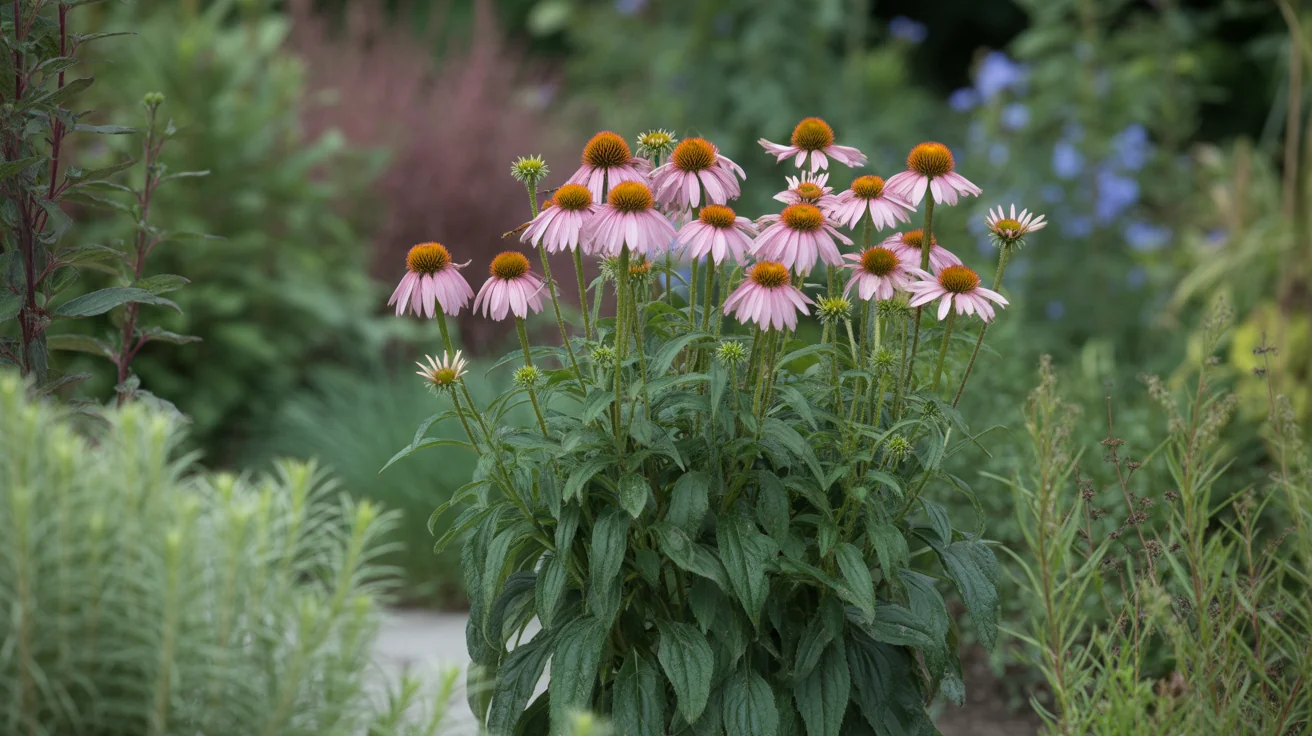
Coneflower
Prairie-style pollinator perennial that blooms beside liatris in sunny beds.
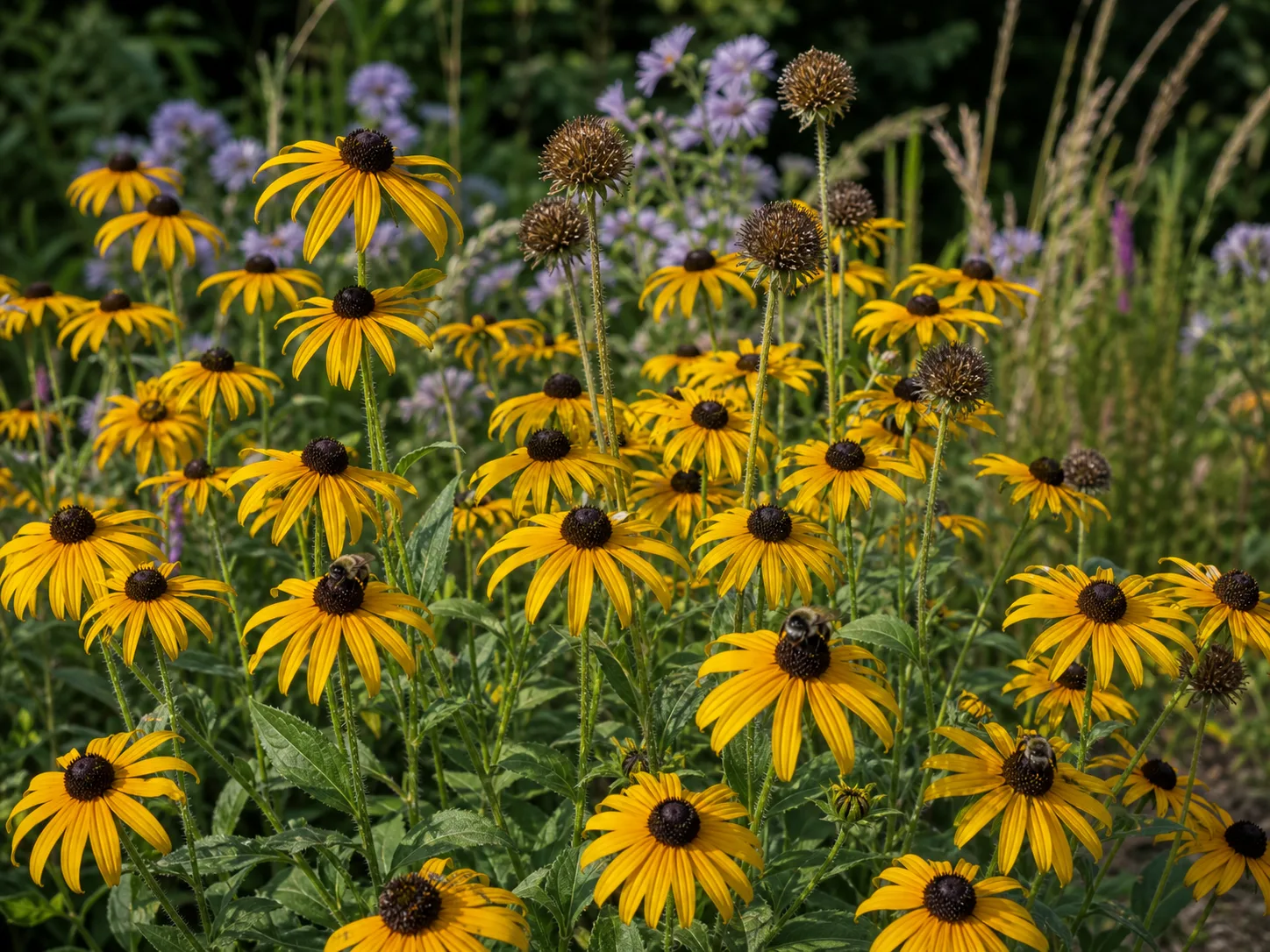
Black-Eyed Susan
Golden daisy-style perennial that balances liatris spikes with warm color.
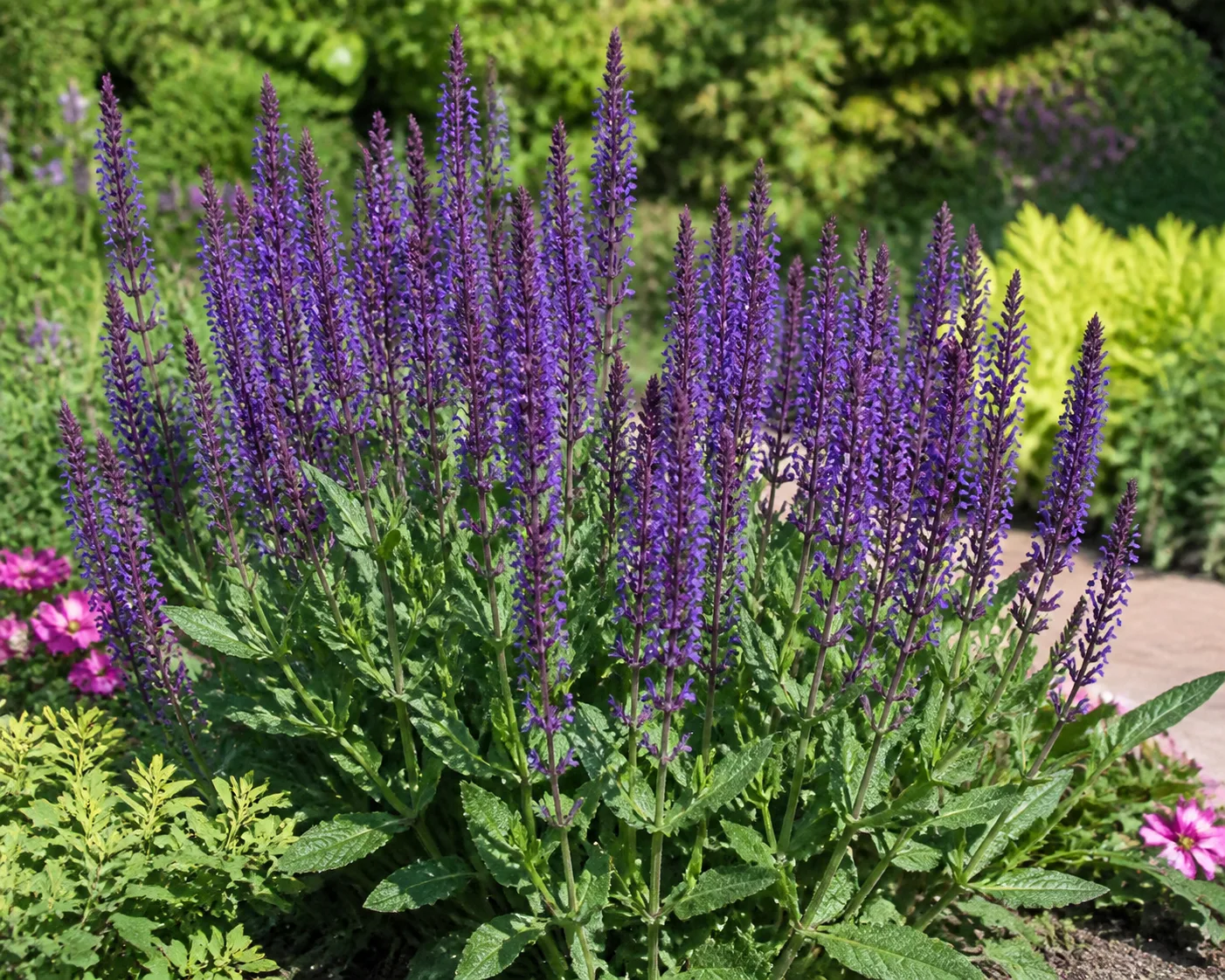
Salvia
Earlier purple-blue spikes that pair well with blazing star in dry sunny beds.
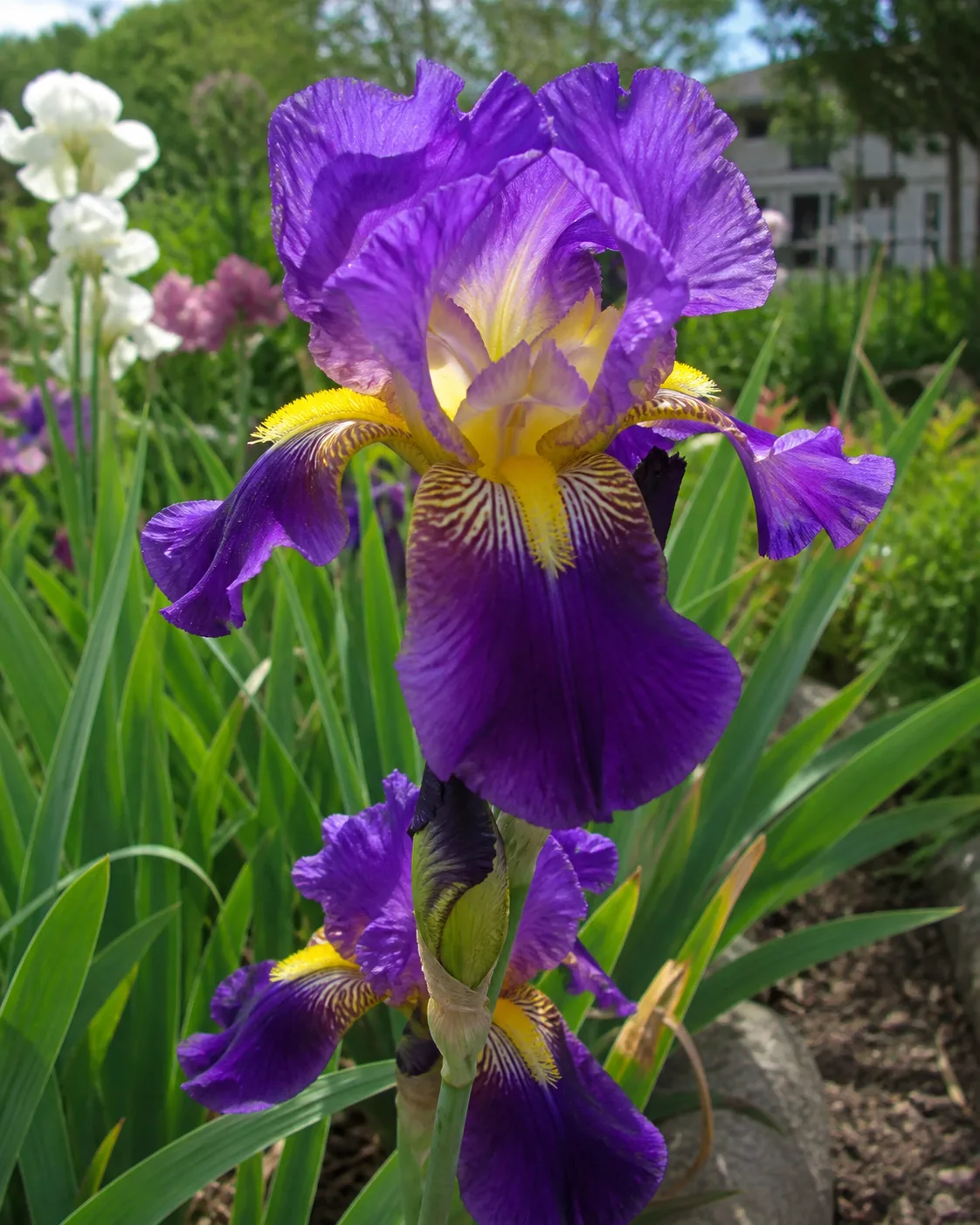
Bearded Iris
Bearded iris are tough, sun-loving perennials grown from shallow rhizomes, not deep bulbs.
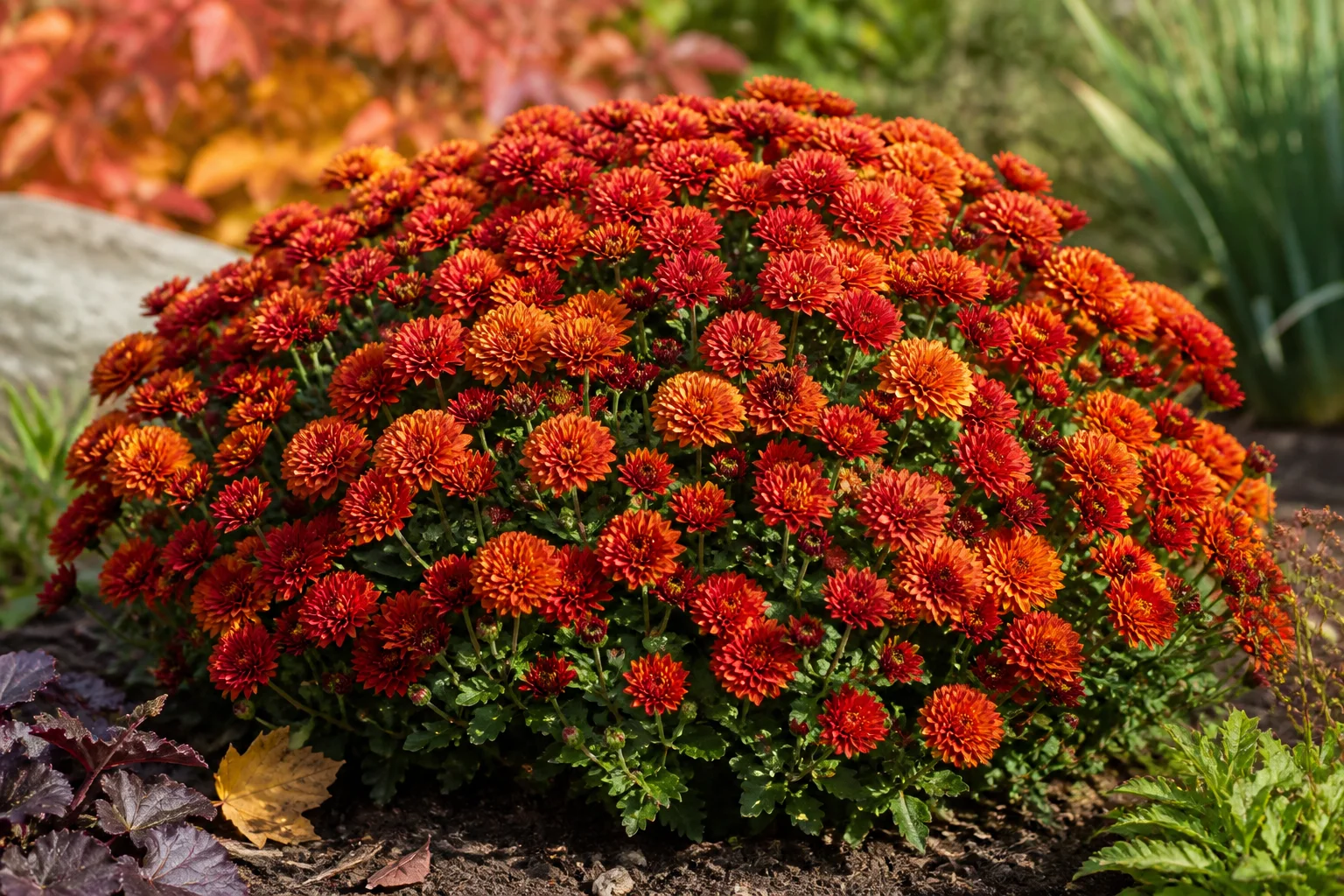
Chrysanthemum
Garden mums are the compact chrysanthemums most people buy for fall color.
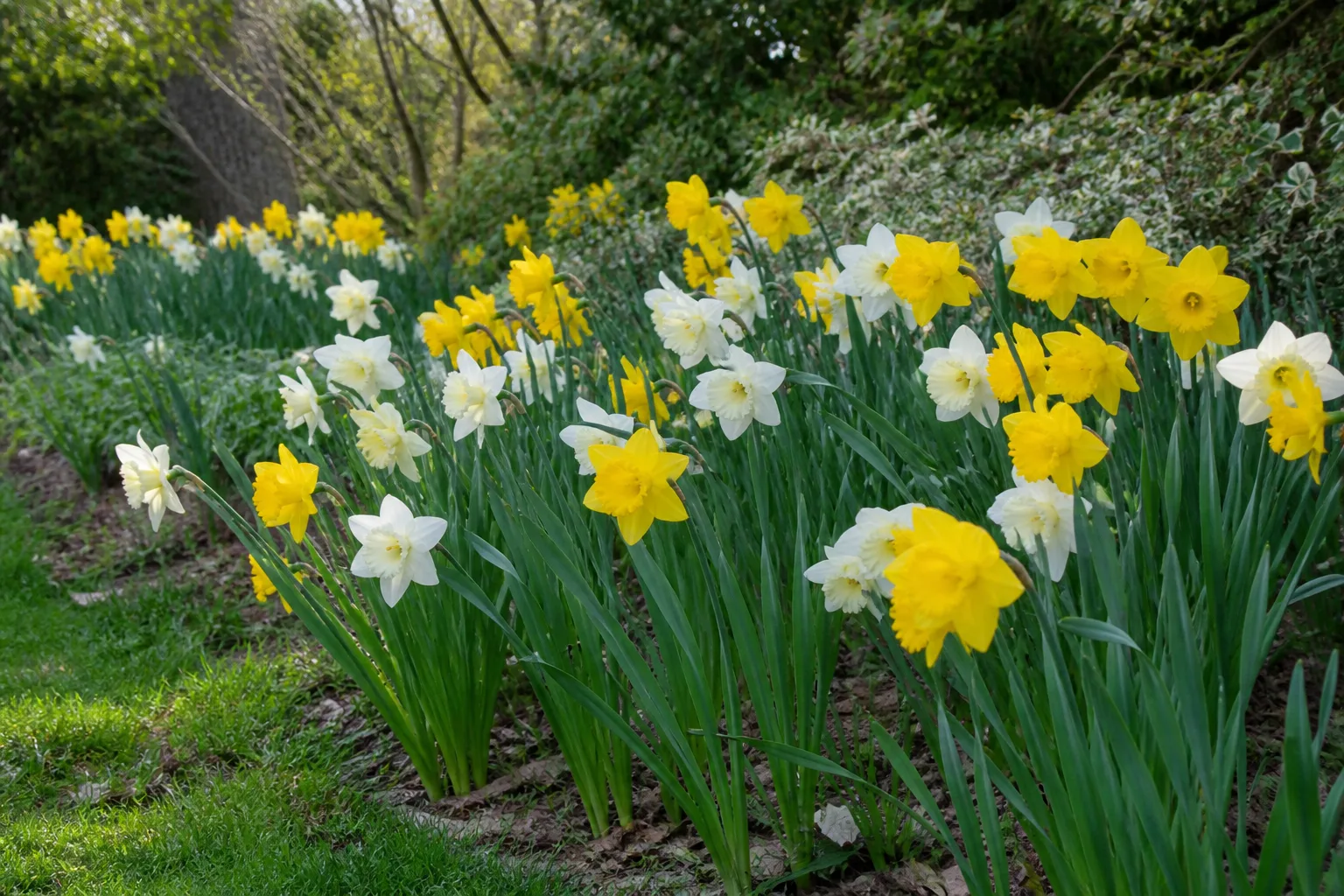
Daffodil
Daffodils are hardy fall-planted bulbs grown for reliable spring flowers, deer resistance, and decades of return bloom…