
What Natural Pest Control Actually Works in a Garden?
Natural pest control works when you match a control to a correctly identified pest and use it at the vulnerable stage. Start with inspection and exclusion, then use hand removal, habitat changes, natural enemies, or a labeled low-risk pesticide only where the remaining damage justifies it.
This is integrated pest management, usually shortened to IPM. It does not promise a pest-free garden, and it does not assume that a plant-based product is harmless.
A few holes in an established kale leaf may need only monitoring. A cabbageworm feeding inside a young transplant, fresh squash-vine frass, or a rabbit reaching a row of seedlings calls for prompt action because the plant has less tissue or time to spare.
The useful question is therefore not "What natural spray kills bugs?" It is which pest is present, whether it is still causing important damage, and which least-disruptive effective intervention can stop it.
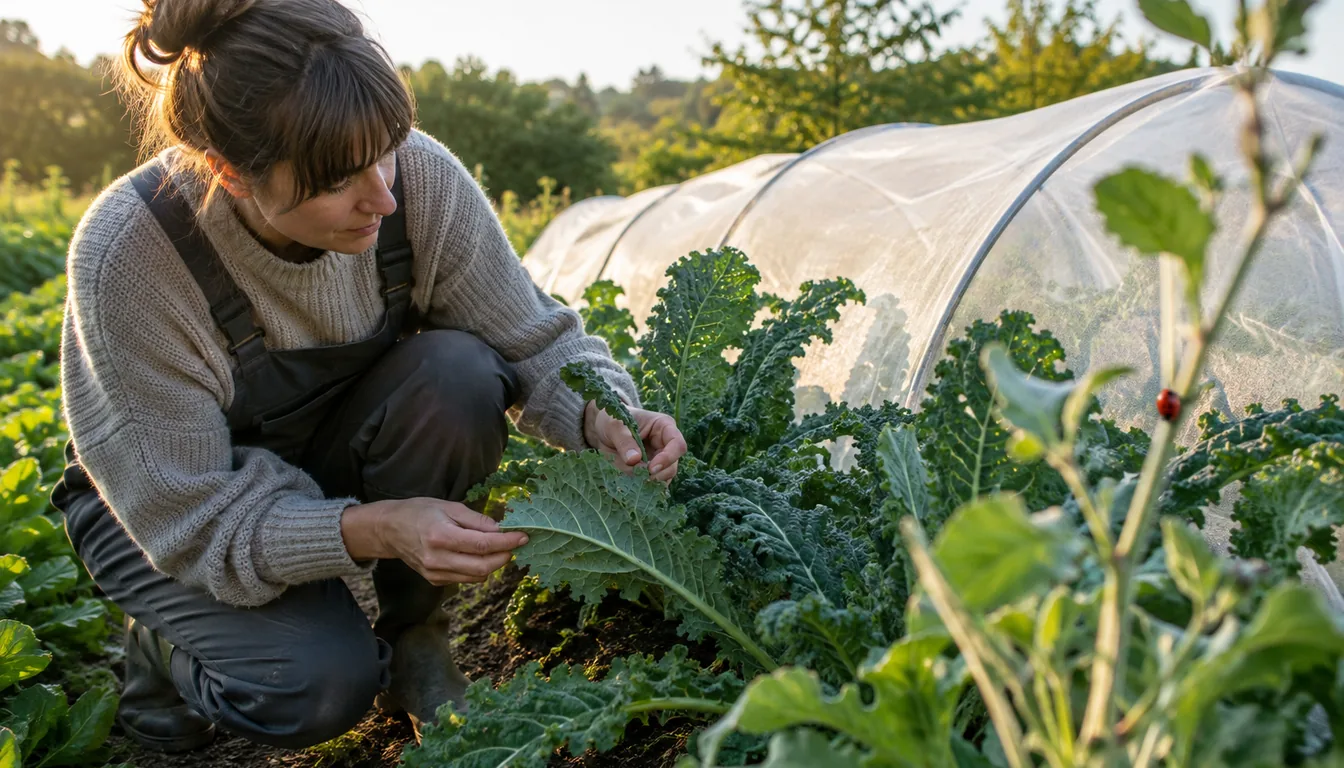
At a glance
What Natural Pest Control Means in Practice
The word natural describes where an ingredient came from, not how safe or selective it is. A pesticide made from a plant, mineral, or microbe can still injure leaves, harm pollinators, irritate people, or kill organisms beyond its target.
Organic is a separate regulatory idea. Some pesticide products qualify for organic production, while many useful nonchemical actions such as netting, pruning, crop rotation, handpicking, and a forceful stream of water need no product at all.
- Goal
- Keep pest damage below an unacceptable level rather than erase every insect
- First decision
- Confirm the plant, pest, life stage, and whether the damage is active
- First controls
- Prevention, sanitation, exclusion, hand removal, water, traps, and habitat changes
- Product backup
- The least-disruptive labeled pesticide that controls the identified target
- Proof it worked
- New damage slows and the next inspection finds fewer active pests
IPM connects those choices in order. You prevent predictable problems, inspect regularly, decide whether the observed damage needs action, combine compatible controls, and record the result.
This approach also protects your time. It keeps you from spraying a fungal leaf spot as though it were insect feeding or treating old damage after the pest has already left.
Identify the Pest From Fresh Damage and Physical Evidence
Begin with the newest injured tissue and inspect the plant in good light. Look above and below leaves, along stems, around the crown, and at the soil surface before deciding that an insect caused the problem.
Abiotic problems can look similar. Drought, saturated roots, fertilizer burn, herbicide drift, hail, and sunscald can discolor or deform leaves without leaving an insect, egg, cast skin, web, trail, frass pellet, or entry hole.
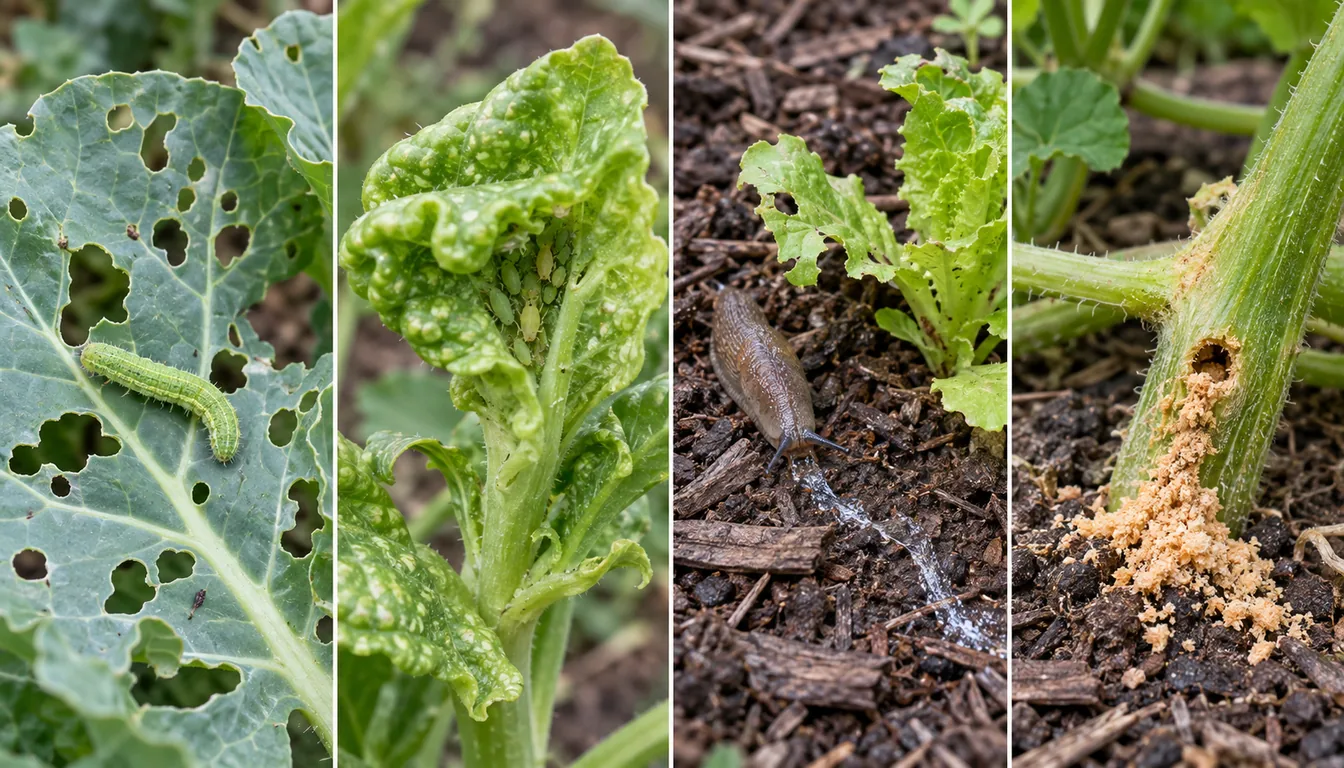
| Evidence you find | Likely pest group | First place to inspect | Useful first response |
|---|---|---|---|
| Fresh holes plus pellets of frass | Caterpillars or beetles | Leaf undersides, folded leaves, and growing tips | Handpick when practical or exclude the egg-laying adult |
| Sticky honeydew, curled growth, or cast skins | Aphids, whiteflies, scale, or mealybugs | Tender shoots, veins, and stem joints | Use water or wiping, then protect predators and reassess |
| Fine stippling with webbing | Spider mites | Leaf undersides in hot, dry parts of the planting | Rinse sturdy foliage and avoid broad-spectrum insecticides |
| Ragged holes with a shiny trail | Slugs or snails | Under boards, mulch, pots, and foliage after dark | Handpick, reduce shelter, or use a labeled bait if damage continues |
| A stem hole with fresh sawdust-like frass | A borer inside the plant | Crown, vine base, trunk, or cane | Remove or open the infested tissue only when the crop-specific method allows it |
| Cleanly clipped shoots or missing seedlings | Rabbits, deer, birds, or rodents | Tracks, droppings, fence gaps, and feeding height | Exclude the animal with netting, cages, or suitable fencing |
Use a hand lens for tiny pests and place white paper beneath a suspect leaf before tapping it. Moving specks are useful evidence, while debris that stays still may be soil, pollen, or cast skins.
Photograph the pest and damage together if you need help from a local Extension office. A picture of one yellow leaf without the whole plant, growing conditions, and visible organism rarely supports a sound diagnosis.
Decide Whether the Damage Needs Treatment
Finding a pest does not automatically justify treatment.
Established plants often tolerate modest feeding, and predators may already be reducing aphids or caterpillars faster than a spray would.
The action threshold changes with the crop and season. One beetle can matter on a new cucumber transplant that is vulnerable to bacterial wilt, while several beetles on the flowers of a mature squash may cause little yield loss.
- Fresh damage increases between inspections
- Seedlings, growing tips, flowers, or developing fruit are being destroyed
- The pest can transmit a serious crop disease
- The plant is losing vigor rather than showing cosmetic injury
- Exclusion or hand removal cannot keep up with the population
- A valuable tree or perennial has an internal pest that will not resolve on its own
Young plants deserve closer attention because a small amount of lost tissue is a large share of their canopy.
Late-season ornamental damage often deserves less intervention because the plant has already stored energy and the injury may disappear with normal leaf drop.
Avoid a universal percentage rule for leaf loss. Crop, growth stage, pest biology, weather, and the plant part under attack change what the same amount of visible damage means.
Prevent the Conditions That Let Pests Build Up
Prevention works best when it addresses a known route into the garden. Choose plants suited to the available sun, soil drainage, and climate, because chronically stressed plants recover slowly from feeding and often produce the tender growth favored by sap-sucking insects.
Resistant cultivars can prevent specific disease or insect problems, but general claims about a "pest-resistant plant" are too broad. Read the resistance code or cultivar description and confirm which organism it covers.
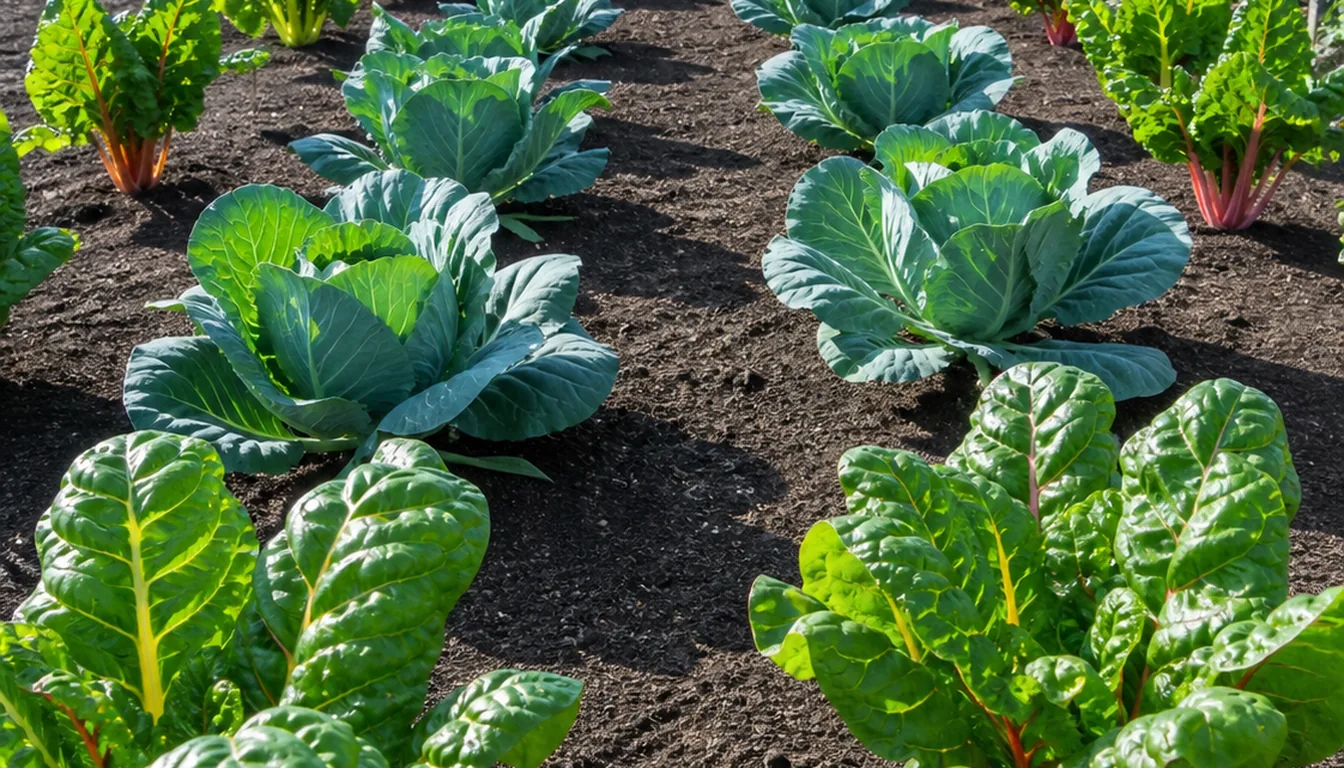
Plant choice
Match the species and cultivar to the site, planting season, and locally important pests.
Water and fertility
Water the root zone as the crop needs it and avoid excess nitrogen that drives unusually soft growth.
Sanitation
Remove badly infested annual plants, dropped fruit, and crop residue when it shelters the pest you are trying to interrupt.
Rotation
Move annual crop families when a pest or pathogen survives in residue or soil and has a limited host range.
Spacing and support
Give leaves enough light and access for inspection, and keep fruit or vines off wet soil where useful.
Exclusion timing
Install row cover, collars, bags, cages, or netting before the vulnerable pest arrives.
More diversity can make a crop harder for some insects to locate and can feed adult parasitoids and predators. It is a habitat strategy, not proof that any named pair of plants repels every pest.
Inspect transplants before they enter the bed and quarantine new container plants when possible. The easiest infestation to manage is the one that never crosses from a nursery pot into the rest of the garden.
Use Barriers, Water, Traps, and Hand Removal First
Physical controls act immediately and leave no pesticide residue, but each one has a narrow job.
A row cover stops an adult insect from reaching a crop, while a fence stops an animal and a water jet removes exposed soft-bodied insects from sturdy foliage.
| Control | Works best for | How to use it well | Important limit |
|---|---|---|---|
| Floating row cover or insect mesh | Cabbageworms, flea beetles, cucumber beetles, and other pests arriving from outside the bed | Install over hoops before adults arrive and seal every edge | Remove or manage access when insect-pollinated crops need pollination |
| Handpicking or pruning | Visible caterpillars, beetles, egg masses, localized scale, and a few infested shoots | Inspect at the pest's active time and remove the organism or contained plant part | It cannot reach hidden root feeders or a widespread population |
| Forceful water spray | Aphids and whiteflies on sturdy leaves and stems | Aim at the colonies, including leaf undersides, and inspect again after the plant dries | Tender seedlings, blooms, and fragile foliage can be damaged |
| Boards and damp newspaper traps | Slugs and snails | Place shelters near damage, check beneath them each morning, and remove the captured pests | A trap is useful only when it is checked repeatedly |
| Copper barrier | Slugs around containers or small raised areas | Use a continuous band wide enough that the slug cannot bridge it | Dirt, leaves, gaps, and narrow tape create crossings |
| Netting, cages, or fencing | Birds, rabbits, deer, and rodents | Match opening size and height to the animal and secure the bottom | Loose netting can entangle wildlife and must be kept taut |
Beer or yeast traps can catch slugs, but one cup does not protect a whole bed. Several traps must be maintained, and reducing damp shelter or handpicking after dark may remove more slugs with less setup.
Diatomaceous earth loses much of its effect after it absorbs moisture and is generally unreliable as a slug barrier in garden conditions.
Crushed eggshells also should not be treated as a dependable defense.
Exclusion is most valuable before damage begins. Once caterpillars are already under a row cover or borers are inside a stem, the same barrier can protect the pest from predators without solving the infestation.
Keep Predators and Parasitoids Working in the Garden
Lady beetles, lacewing larvae, hoverfly larvae, predatory bugs, spiders, birds, and parasitoid wasps can hold many pests below damaging levels.
Their presence is easiest to notice when you learn their immature stages and recognize evidence such as aphid mummies.
Adult parasitoids and hoverflies often use nectar or pollen even though their larvae attack pests. A succession of small, accessible flowers can support them, while varied vegetation and some undisturbed shelter give predators places to hunt and overwinter.
Buying predators is less reliable in an open garden than conserving the organisms already arriving.
Released lady beetles may disperse, and a beneficial species will not stay where it lacks suitable prey, food, moisture, or shelter.
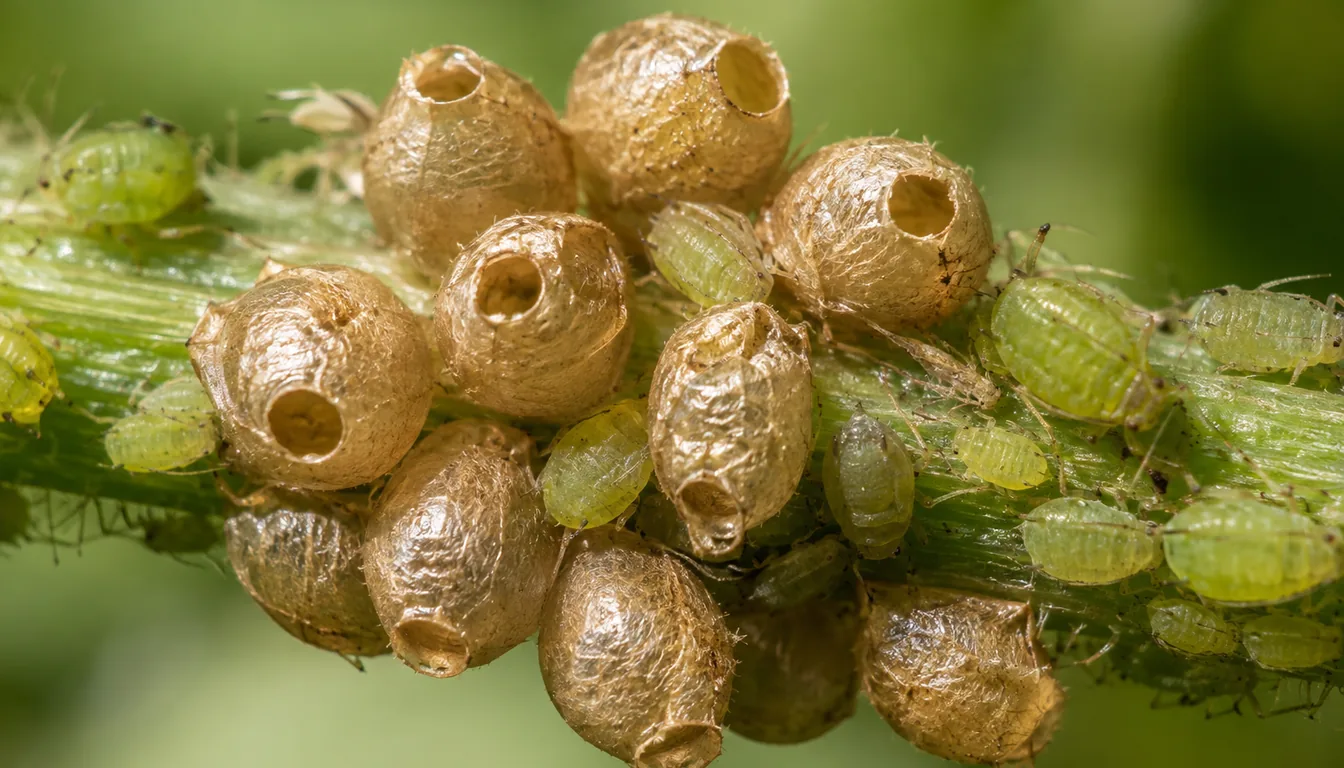
- Confirm that an insect is a pest before killing it
- Leave a tolerable prey population instead of demanding zero insects
- Avoid broad-spectrum and long-residual insecticides when a narrower control can work
- Do not spray open flowers or blooming weeds visited by pollinators
- Treat the smallest necessary area and prevent drift into flowering borders
- Provide bloom across the season rather than relying on one short flowering period
Ants sometimes protect honeydew-producing aphids or scale from predators. If a colony persists despite abundant natural enemies, check whether ants are tending it and manage the ant access rather than repeatedly killing every visible aphid.
A few pests are part of the food web that supports these helpers. The practical goal is a garden where predators prevent unacceptable loss, not a garden in which inspection finds no arthropods.
Choose a Lower-Risk Pesticide Only for a Known Target
A product can fit natural pest control when it is the least-disruptive effective option left in an IPM plan.
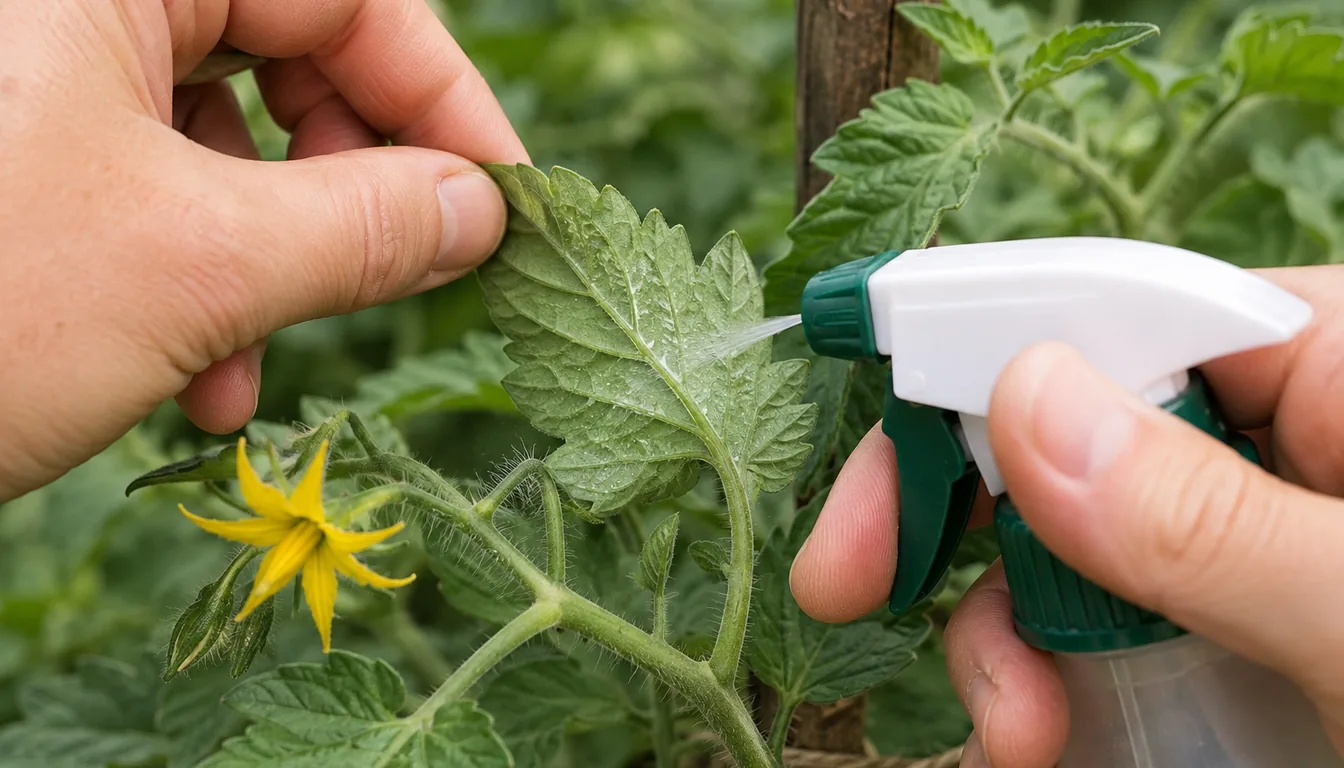
The label must name the site or crop and the target pest, and its directions decide the rate, interval, protective equipment, reentry time, and preharvest interval.
| Product type | Useful targets | How it works | Main limitation |
|---|---|---|---|
| Insecticidal soap | Exposed aphids, whiteflies, young scale crawlers, mealybugs, and mites | Contact disrupts susceptible soft-bodied pests when they are thoroughly wetted | Little or no residual control, possible leaf injury, and poor effect on beetles or larger caterpillars |
| Horticultural or labeled neem oil | Exposed soft-bodied insects, mites, and some eggs | Contact oil coats the target, so leaf-underside coverage matters | Heat, drought stress, sensitive plants, flowers, or incompatible products can raise injury risk |
| Bacillus thuringiensis kurstaki, or Btk | Young caterpillars that eat treated foliage | A susceptible larva must ingest the appropriate Bt strain | It does not control aphids, mites, beetle adults, or a caterpillar already protected deep inside fruit or stems |
| Spinosad | Certain caterpillars, thrips, leafminers, and beetles when the label lists them | Ingestion and contact affect susceptible insects | It can harm bees while wet and may affect some natural enemies, so never assume its natural origin makes it harmless |
| Iron phosphate bait | Slugs and snails | Feeding on labeled bait stops the mollusk from feeding and eventually kills it | Placement, weather, competing shelter, and label directions affect results |
Use commercial insecticidal soap rather than household dish detergent. Cleaning products vary in ingredients and concentration, and some damage plant cuticles even when a homemade recipe appears mild.
Contact soaps and oils do not become more effective because the entire garden is wet.
Direct the spray to the pest, test a small part of a sensitive plant when the label advises it, and inspect again at the stated interval before repeating.
Avoid rotating products merely to create a schedule. Change tactics when monitoring shows that the first treatment missed the pest, could not reach its life stage, or failed despite correct application.
Match the Plan to Five Common Garden Pest Problems
The same control should not be carried from one pest to another.
These short plans show how identification changes the order of action.
- Aphids on sturdy new growthLook for live colonies, honeydew, cast skins, and curled tips. Wash exposed colonies off, prune only heavily infested shoots, protect predators, and use labeled soap or oil only if fresh damage continues.
- Caterpillars on brassicasCheck leaf undersides for eggs and larvae. Handpick small infestations, install insect mesh before the next egg-laying period, or use labeled Btk while larvae are young and feeding on exposed foliage.
- Slugs around seedlingsConfirm slime trails and inspect after dark. Remove damp hiding places that are not needed, collect slugs under boards, protect the seedlings, and consider labeled iron phosphate bait if losses continue.
- Cucumber beetles on young cucurbitsInspect from emergence because early feeding and disease transmission matter more than flower feeding later. Use row cover before beetles arrive, secure the edges, and arrange pollination access as flowering begins.
- Rabbits or deer clipping plantsIdentify the animal from feeding height, tracks, droppings, and cleanly cut or torn stems. Use a cage or fence designed for that animal instead of spraying leaves with an unproven kitchen repellent.
A stem borer needs a crop-specific plan because the larva is protected inside plant tissue. A surface soap that works on aphids cannot reach it, and a general "bug spray" may kill exposed predators while leaving the borer untouched.
Disease, nutrient stress, and watering problems also need their own diagnosis. If inspection finds no pest or fresh feeding evidence, pause the insect-control plan and investigate roots, moisture, weather injury, and disease signs.
Monitor the Result and Change Only What Failed
Write down the date, plant, pest or evidence, plant stage, weather, control used, and what changed at the next inspection. A short record separates an annual pattern from a one-time outbreak and helps you place barriers before the vulnerable period next season.
- No fresh damage and fewer active pests: stop treating and keep monitoring
- Fresh damage but fewer pests: confirm that the plant can tolerate the remaining injury
- The same number of pests after a contact treatment: check coverage, life stage, and label interval
- More damage with no pest present: reopen the diagnosis rather than applying a stronger insecticide
- Predators or parasitoid evidence increasing: delay another disruptive treatment when the plant can tolerate it
- A recurring outbreak in the same place: correct the entry route, host choice, timing, or growing condition before next season
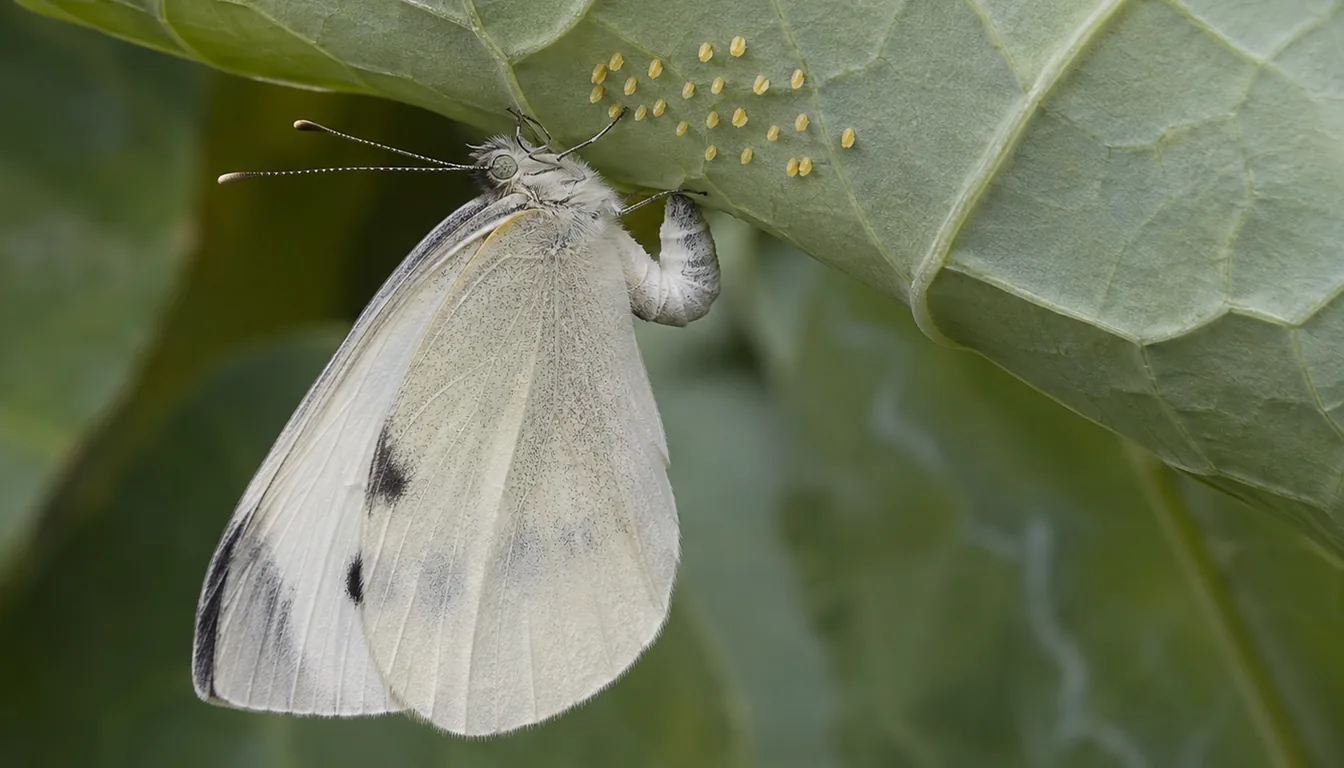
Phenology can improve timing.
The first flight of a butterfly, bloom of a familiar landscape plant, or accumulation of local growing degree days may predict a pest stage more reliably than a fixed calendar date.
Your local Extension service can connect that timing to regional pest alerts and crop-specific thresholds. This matters because climate and pest generations vary enough that a universal monthly spray calendar wastes treatments and often misses the vulnerable stage.
Stop when new damage has stopped and the remaining pest level is tolerable. More applications after the job is finished add exposure without adding control.
Pro Tips
- Inspect the newest damage and find the pest or physical evidence before choosing a control.
- Install barriers before the pest arrives and seal every edge that can become an entry point.
- Treat a hot spot instead of the whole garden when the pest remains localized.
- Use commercial pesticide products only on plants and pests named by the label.
- Keep open flowers dry and avoid applications while pollinators are active.
- Record what changed after treatment so old damage does not trigger unnecessary repeats.
Frequently Asked Questions
Can a garden be completely pest-free without pesticides?
A healthy outdoor garden still contains insects, mites, mollusks, birds, and mammals. Natural pest control aims to prevent unacceptable plant or harvest loss while keeping useful organisms and tolerable pests in the food web.
Trying to remove every insect usually creates more work and can eliminate predators that were keeping a real pest under control.
Does companion planting repel garden pests?
Diverse planting can make some host plants harder for insects to find and can provide nectar, pollen, or shelter for natural enemies. A particular pairing should be judged by evidence for that crop and pest rather than treated as a universal repellent recipe.
Use companion plants as one habitat or crop-arrangement tool, not as a replacement for identification, monitoring, or exclusion.
Are vinegar and dish soap safe natural garden sprays?
Vinegar can injure desirable foliage, and household detergents vary enough to burn plant tissue. Neither is automatically safe because it comes from a kitchen.
For soft-bodied insects, use a commercial insecticidal soap labeled for the plant and pest. Follow its rate, test instructions, precautions, and repeat interval.
Should I buy lady beetles or other beneficial insects?
Purchased natural enemies can work in protected or carefully managed settings, but released insects may leave an open yard when food and shelter are poor. First protect local predators by avoiding broad-spectrum sprays and providing season-long habitat.
If you buy a beneficial organism, identify the target pest and confirm that the species, release timing, temperature, and supplier instructions fit your garden.
What is the fastest natural pest control method?
For a visible, localized pest, hand removal, pruning one contained shoot, a forceful water spray, or immediate exclusion often changes the population fastest. The right choice depends on whether the pest is exposed and whether the plant can tolerate that action.
A pesticide is not automatically faster. Contact products miss insects inside stems, soil, folded leaves, or protective wax unless the chosen product and application can reach that life stage.
Sources & References
- Rutgers Cooperative Extension: Principles of Integrated Pest Management for Home Gardens and Landscapes
- UC Statewide IPM Program: What Is Integrated Pest Management?
- UC Statewide IPM Program: Less Toxic Insecticides
- University of Minnesota Extension: Slugs in Home Gardens
- National Pesticide Information Center: Pollinator Protection
- National Pesticide Information Center: Natural or Green?
- Colorado State University Extension: Insect Control Using Insecticidal Soap
- National Pesticide Information Center: Bacillus thuringiensis Fact Sheet
Related Guides
Dawn Dish Soap for Grubs: What Actually Works
Soap solutions can help you spot-check for grubs and knock back a few pests, but they are not…
10 min read
Do Marigolds Keep Squirrels Away From Your Garden?
Squirrels can strip a bed of seedlings or freshly planted bulbs in a single morning.
11 min read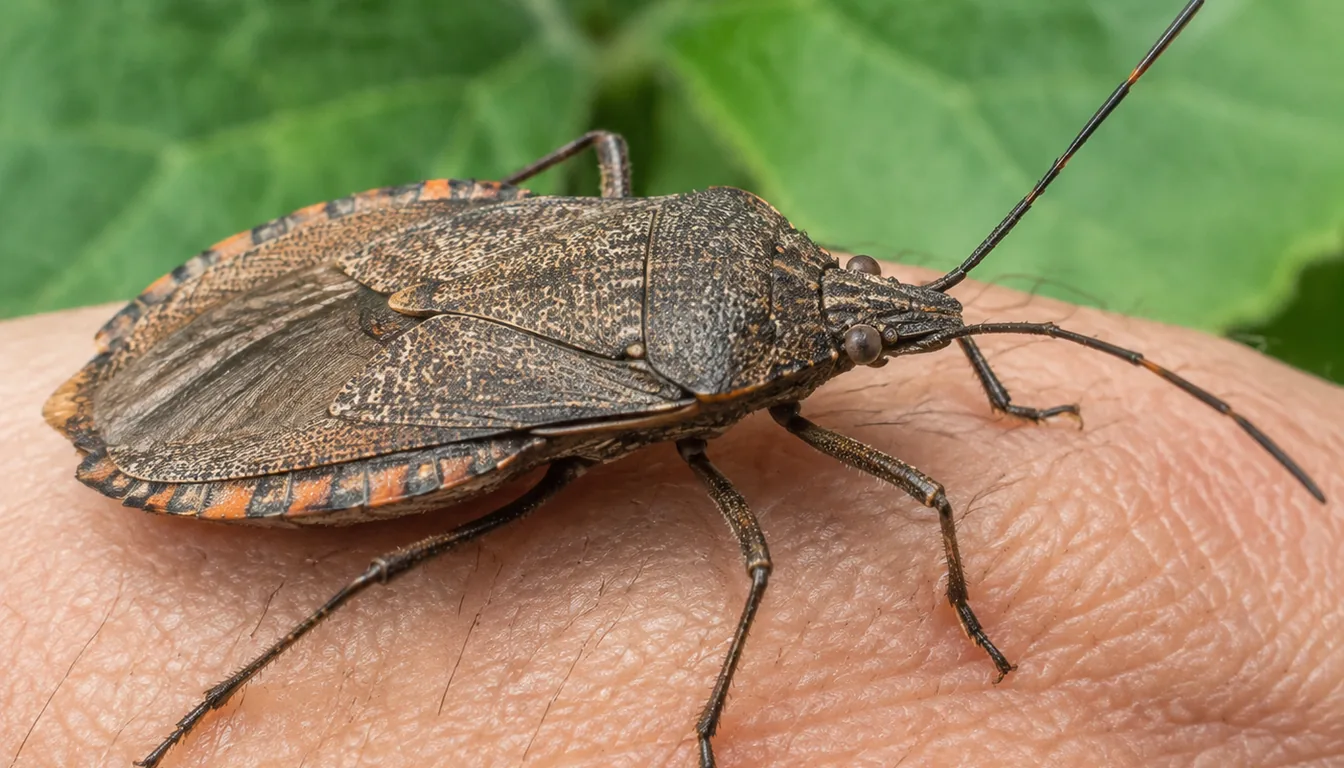
Do Squash Bugs Bite People?
No. A squash bug cannot bite you. Its mouthparts are a slender stylet built to pierce plant tissue…
9 min read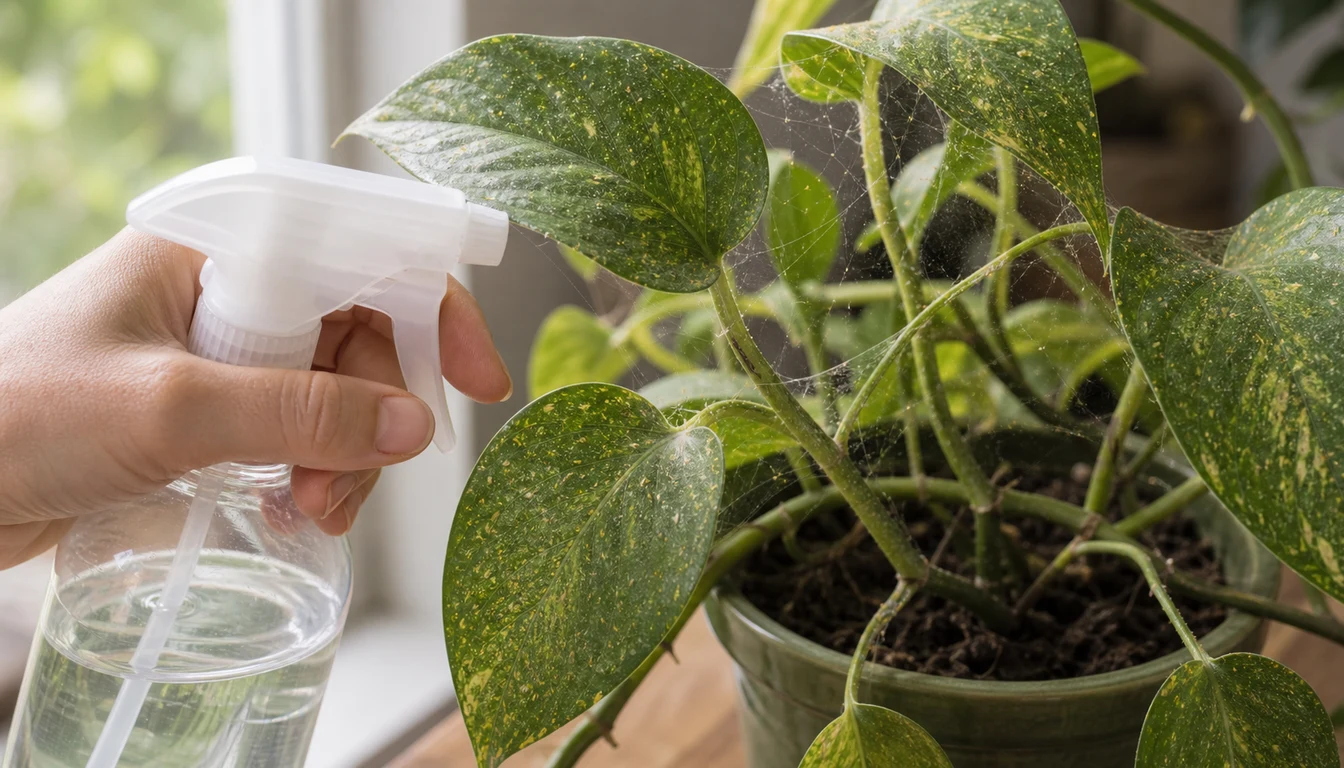
How Do You Get Rid of Spider Mites on Houseplants?
Spider mites on houseplants often can be reduced by repeatedly washing the leaf undersides.
11 min read
How Much Neem Oil Per Gallon? Read and Scale the Label Rate
There is no universal amount of neem oil per gallon. The rate belongs to the exact product and its…
11 min read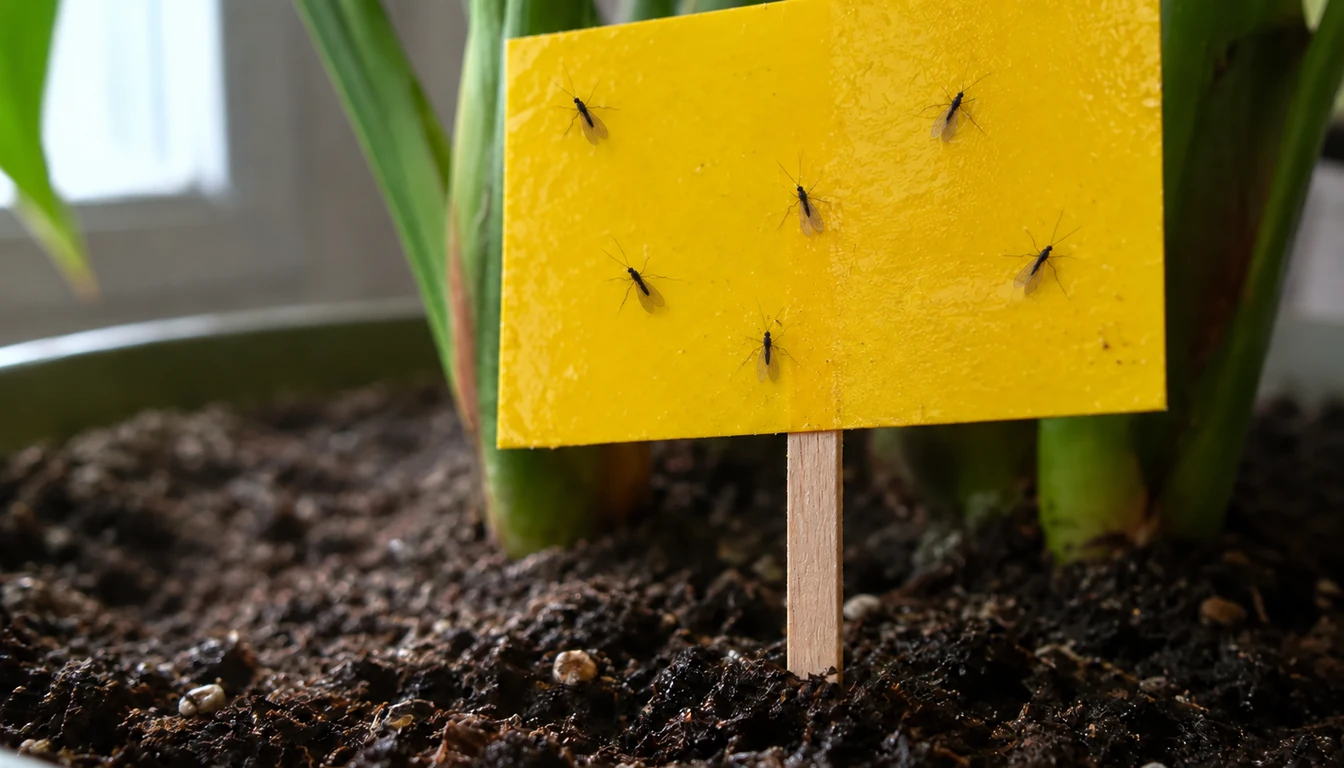
How to Control Fungus Gnats in Houseplant Soil
Fungus gnat control works best when it addresses the larvae in potting mix as well as the adults…
15 min read