
Which Salvia Should You Grow for Long-Lasting Flowers?
Salvia spp. Lamiaceae
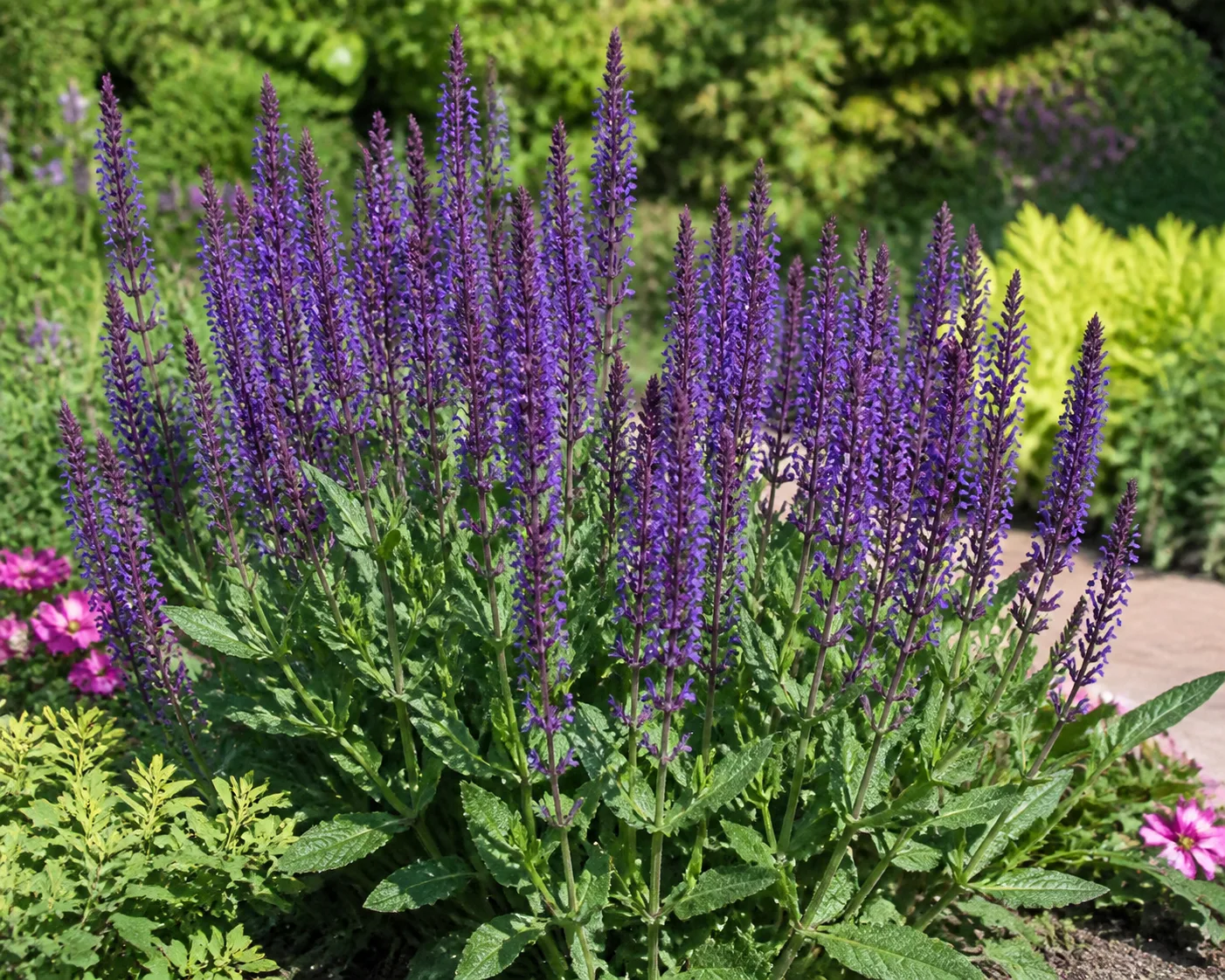
This large sage genus includes annuals, tender perennials, and hardy perennial sages grown for upright flower spikes, aromatic foliage, drought tolerance, and pollinator value.
The key is choosing the right type for your zone, then giving it full sun, drainage, and regular deadheading.
Care snapshot
Salvia Is a Genus, Not One Plant
The useful starting point is that Salvia includes hardy meadow sages, tender bedding sages, shrubby autumn sages, culinary sages, and tall blue tropical types. That is why one tag can say perennial while another behaves like an annual.
Most garden salvias share square stems, aromatic foliage, and tubular flowers that bees and hummingbirds notice fast. The difference is how much winter cold each species can handle.
In a sunny border, salvia gives vertical rhythm the same way Liatris does, but often with a longer bloom season and easier rebloom after deadheading.
Salvia is the largest genus in the mint family, with more than 900 recognized species ranging from low mounding perennials to shrubs over six feet tall. That scale is exactly why a single nursery tag reading just 'salvia' tells you almost nothing about mature size, hardiness, or bloom season without the species name attached.
Light for Strong Spikes
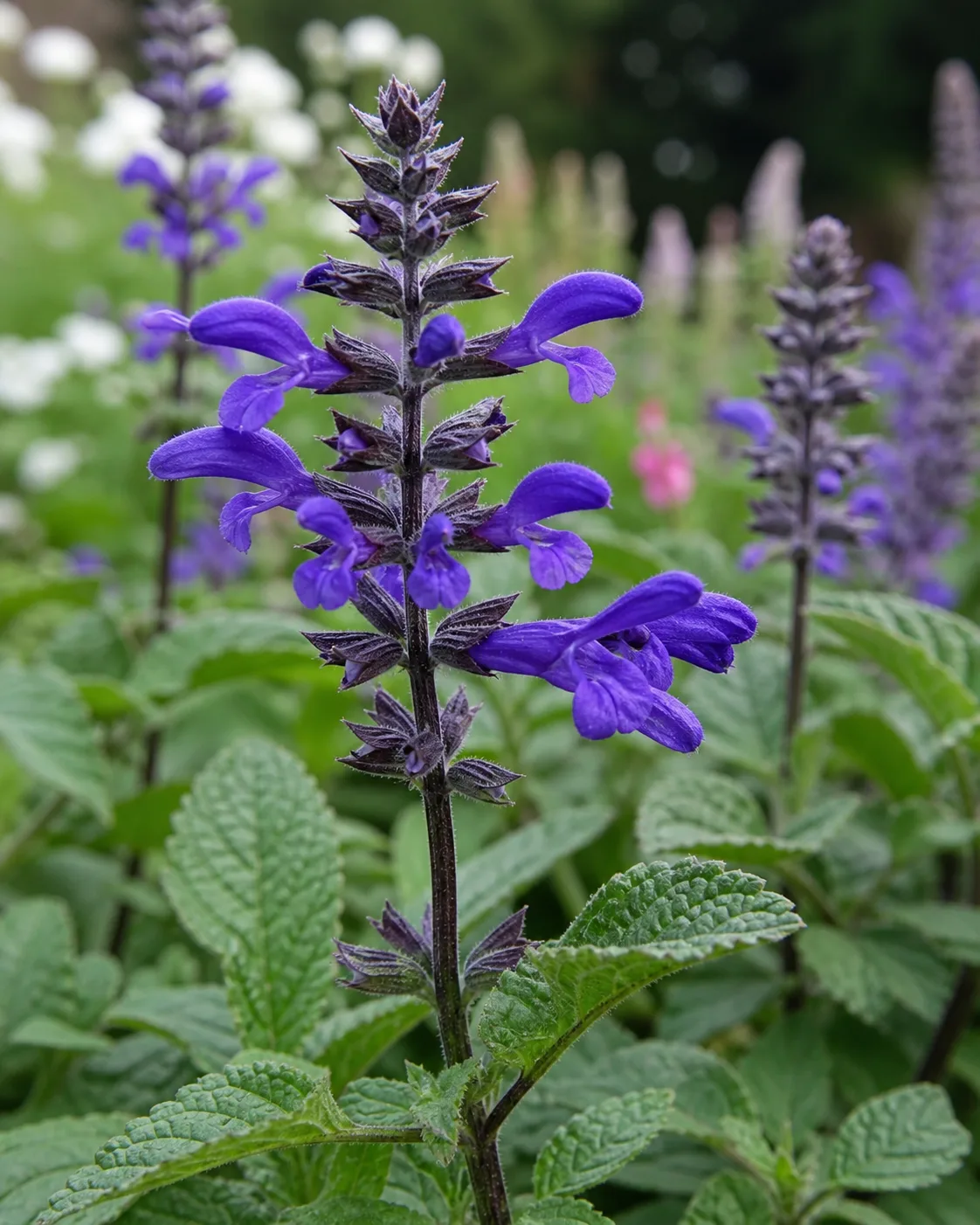
The light target is practical, since Salvia blooms best with 6 or more hours of direct sun. Shade gives you taller, softer stems and fewer flower spikes.
In hot climates, light afternoon shade can help tender types, but hardy meadow salvias still need strong morning and midday sun to rebloom well. For broader bed planning, place them with full-sun perennials rather than moisture-loving shade plants.
Strong sun keeps salvia upright and flower-heavy. In shade, even perennial types can lean open, bloom sparsely, and lose the dense spike structure that makes them useful in borders.
- Best bloom: open sun with moving air.
- Hot climates: light afternoon shade is acceptable for tender types.
- Poor-light clue: floppy stems and sparse spikes.
- Container tip: rotate pots so all sides get sun.
Species vary in exactly how much shade they tolerate, with some woodland-adapted salvias handling several hours of shade while classic sun-border types decline quickly without it.
Reading the specific species name rather than assuming all salvia shares the same light tolerance avoids planting a shade-tolerant type in blazing sun or a sun-lover in a dim corner.
Choosing Annual, Perennial, or Shrubby Salvia
Hardy meadow salvias are the best choice for cold perennial borders. They return from the crown and rebloom well when old spikes are cut back.
Shrubby and tropical types need a different expectation. S. greggii may behave like a woody subshrub in mild climates, while S. guaranitica and bedding S. splendens often need winter protection or seasonal replacement.
Tender bedding salvias are grown like annuals for saturated red, purple, blue, or white color. Shrubby types such as autumn sage suit warmer gardens where winter is not severe.
If you want a similar dry-garden look with more airy texture, compare salvia with Russian sage. If you want a fragrant low hedge, English Lavender may be the better fit.
Annual bedding salvias, perennial meadow salvias, and culinary sage relatives are often sold near each other but behave differently. Check whether the plant is grown for color, pollinators, edible leaves, or winter return before you plan around it.
For pollinator gardens, flower form matters as much as color. Tubular Salvia blooms are especially useful for bees and hummingbirds, while highly compact bedding types may trade some wildlife value for tidy mass color.
- Meadow sage
- Hardy perennial types, often 18-24 inches, strong rebloom after cutting back
- Autumn sage
- Shrubby warm-climate types, good heat tolerance and hummingbird value
- Blue anise sage
- Taller blue-flowered types, often tender in cold regions
- Annual bedding sage
- Seasonal color for beds and containers after frost danger passes
Some annual bedding salvias, especially red S. splendens types, will self-seed lightly in warm climates even though they are grown as annuals elsewhere. Volunteer seedlings rarely match the parent's exact color or habit, so gardeners chasing a specific named cultivar still need to replant it each year.
Soil, Drainage, and Feeding
The soil decision comes first, since Salvia prefers well-drained soil with moderate fertility.
Rich, wet soil makes stems soft and can shorten the life of perennial clumps.
In clay, raise the planting area or add coarse material so water leaves the crown. The same drainage-first rule applies to Mediterranean-style border plants that resent wet crowns.
Most ornamental salvias prefer drainage over rich soil. A leaner bed often gives better winter survival and stronger stems than a heavily amended bed that stays damp.
- Soil texture
- Average loam or sandy loam with drainage
- Clay fix
- Raised mound or amended bed, not a wet planting hole
- Fertilizer
- Light spring feeding only when needed
- Mulch
- Thin layer, kept away from crowns in wet climates
Most garden salvias tolerate a fairly wide pH range but perform best in soil that is neutral to slightly alkaline, unlike acid-loving plants such as blueberries or azaleas. A soil test is rarely necessary unless nearby acid-loving plants are already struggling, in which case the salvia bed's pH is probably fine on its own.
Watering From Establishment to Drought Tolerance
New salvia needs regular water while roots establish. After that, many perennial and shrubby types prefer a soak-and-dry rhythm rather than constant moisture.
Water deeply during dry spells, then let the top soil dry. The deep watering habit builds stronger roots than shallow daily sprinkling.
Once plants are established, drainage becomes the winter test, so do not trade summer drought tolerance for a soggy crown in cold weather.
Established salvia usually wants less water than nearby annuals. Too much irrigation produces floppy stems and fewer flowers, while a slightly lean, sunny bed keeps the plant compact enough for bees to work the spikes easily.
Salvia grown in fast-draining containers dries out much faster than the same species in the ground, so a container plant that looks droopy in afternoon heat may simply need water rather than more shade or less sun. Checking soil moisture before moving a wilting container plant avoids solving a watering problem with a light change.
Deadheading, Division, and Cuttings
Deadheading is the easiest way to get more from salvia. Cut spent spikes back to a strong leaf set, and many perennial types will send up a second flush.
Divide hardy clumps in spring when growth begins or in early fall where winters are mild. Division refreshes crowded plants and gives you more of a cultivar you already know performs.
Tender and shrubby salvias often root well from softwood cuttings. Take non-flowering tips, remove lower leaves, and root them in a bright, airy mix.
Before saving seed or cuttings, decide whether the plant is annual, tender perennial, or hardy perennial in your climate. The same annual vs perennial distinction changes whether propagation is a fun backup or the only way to keep a favorite selection.
- Cut spent spikes after the first flush fades.
- Trim to a strong set of leaves, not bare wood.
- Divide crowded hardy clumps every few years.
- Take cuttings from non-flowering shoots in warm weather.
- Keep new plants bright and barely moist while roots form.
Pinching young salvia stems back by a couple of inches early in the season, before the first flower spikes form, encourages a bushier plant with more branches and ultimately more spikes than one left to grow tall and single-stemmed. This matters most for tender bedding types and young perennials still filling out their first season.
Seasonal Care by Type
Spring care starts with knowing whether your salvia is hardy or tender.
Hardy clumps can be cut back as new growth appears, while annual types go out only after frost danger passes.
Summer is deadheading season. Cut back faded spikes, water during drought, and shear lightly if a clump opens up after the first bloom.
Fall cleanup depends on climate. In cold areas, leave a little stem and light cover to protect crowns, while in wet mild areas, avoid heavy mulch that traps moisture.
Deadheading is a bloom-management tool, not busywork. Shearing spent spikes after the first flush often triggers a cleaner second round, but leaving late-season stems can feed birds and protect the crown in colder gardens.
In cold gardens, wait to clean up perennial Salvia until you can see new basal growth. Cutting too early is rarely fatal, but old stems can mark the crown and protect it through late freeze-thaw swings.
Clean old stems, divide clumps, and plant annual types after frost.
Deadhead, water during drought, and trim lightly for rebloom.
Reduce watering and clean up diseased or collapsed stems.
Protect hardy crowns lightly, but keep drainage open.
A well-deadheaded meadow salvia can push a second, sometimes third flush of spikes in a single growing season, with each round usually smaller than the last as the plant's energy divides across more stems. Expecting diminishing returns rather than an identical repeat bloom keeps deadheading effort in proportion to the reward.
Pests and Stress Problems
The first scan is simple, since Salvia is usually low trouble, but stressed plants can draw aphids, spider mites, whiteflies, and slugs.
Mites show up in hot dry conditions as pale stippling and fine webbing. If you already know the signs from spider mites on houseplants, the inspection habit transfers outdoors.
Salvia pest issues are usually secondary to stress. If leaves yellow or stems collapse, check drainage, crown health, and watering before assuming insects are the main problem.
Salvia that suddenly collapses at the crown is more likely dealing with wet soil or root stress than a chewing insect. Pull back mulch, check the crown, and correct drainage before replanting in the same spot.
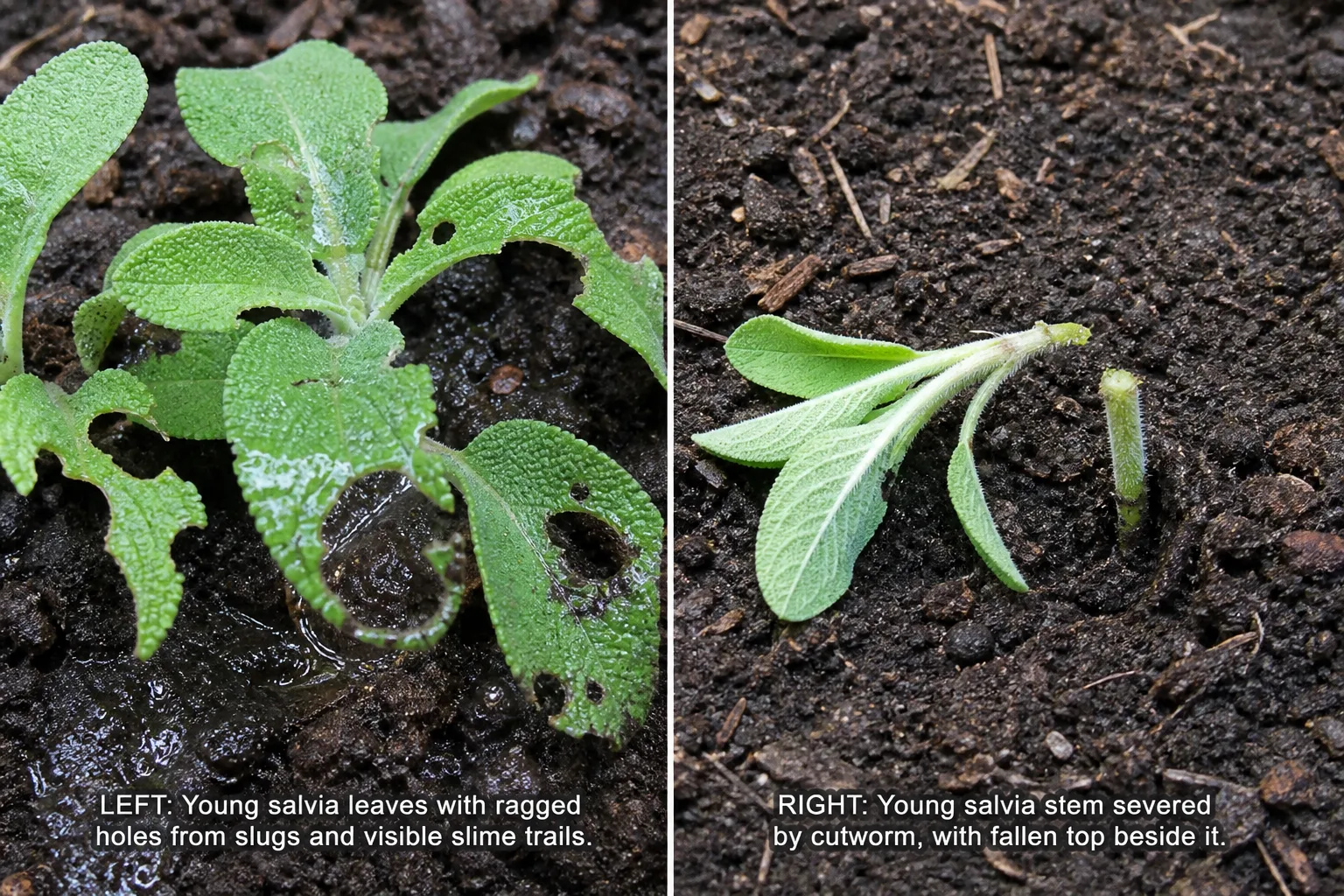
Slug damage and cutworm damage get confused at a glance on young spring salvia growth, since both show up overnight as chewed or missing tissue. Slugs leave ragged holes and a telltale slime trail across leaves left otherwise intact, while cutworms sever whole young stems near the soil line, dropping the top growth entirely.
Soft clusters on new tips and spikes. Rinse or use insecticidal soap.
Stippled foliage and fine webbing during hot dry spells.
Tiny white insects lifting from leaf undersides when disturbed.
Chew young spring growth in damp mulch.
Pollinators, Deer, and Safety
Handle this part plainly, since Salvia is one of the easiest ways to add nectar for bees, butterflies, and hummingbirds. Tubular flowers are especially useful in sunny beds near vegetables and fruit.
It is also often left alone by deer and rabbits because of its aromatic foliage, though no plant is completely browsing-proof.
For a stronger wildlife sequence, mix salvia with pollinator plants that bloom before and after its main flush.
If you are planting for hummingbirds, leave enough open flight space around taller Salvia stems. Crowding them behind dense shrubs can hide the flowers from the very wildlife you are trying to attract.
The same aromatic oils in salvia foliage that make it pleasant for people to brush past are what make deer and rabbits pass it over, since browsing animals generally avoid strongly scented leaves. That natural resistance is a side effect of the plant's chemistry, not a guarantee, so a hungry enough animal in a bad year can still take a bite.
Frequently Asked Questions
Is salvia a perennial or annual?
Salvia can be either. Hardy meadow types are perennial in many climates, while bedding and tropical types are often grown as annuals outside frost-free regions.
How much sun does salvia need?
Salvia blooms best with at least 6 hours of direct sun. Light afternoon shade can help tender types in very hot climates.
Should I deadhead salvia?
Yes. Deadheading salvia after the first flush often triggers rebloom and keeps the plant from looking tired.
Does salvia attract hummingbirds?
Yes. Many salvia flowers are tubular and nectar-rich, which makes them attractive to hummingbirds, bees, and butterflies.
Why is my salvia flopping?
Salvia usually flops from too much shade, excess nitrogen, wet soil, or delayed deadheading. Move it to stronger sun and avoid overfeeding.
Can salvia grow in containers?
Yes. Salvia grows well in containers with drainage, full sun, and a potting mix that does not stay soggy.
Sources & References
- University of Minnesota Extension - Salvia
- Clemson Cooperative Extension - Salvia
- UC Davis Arboretum - Salvia for Pollinator Gardens
- Royal Horticultural Society - Salvia Growing Guide
- Missouri Botanical Garden Plant Finder - Salvia
- Toxic and Non-toxic Plants: Sage | ASPCA
- Toxic and Non-toxic Plants: Scarlet Sage | ASPCA
- North Carolina Extension Gardener Plant Toolbox - Salvia
Related Plants
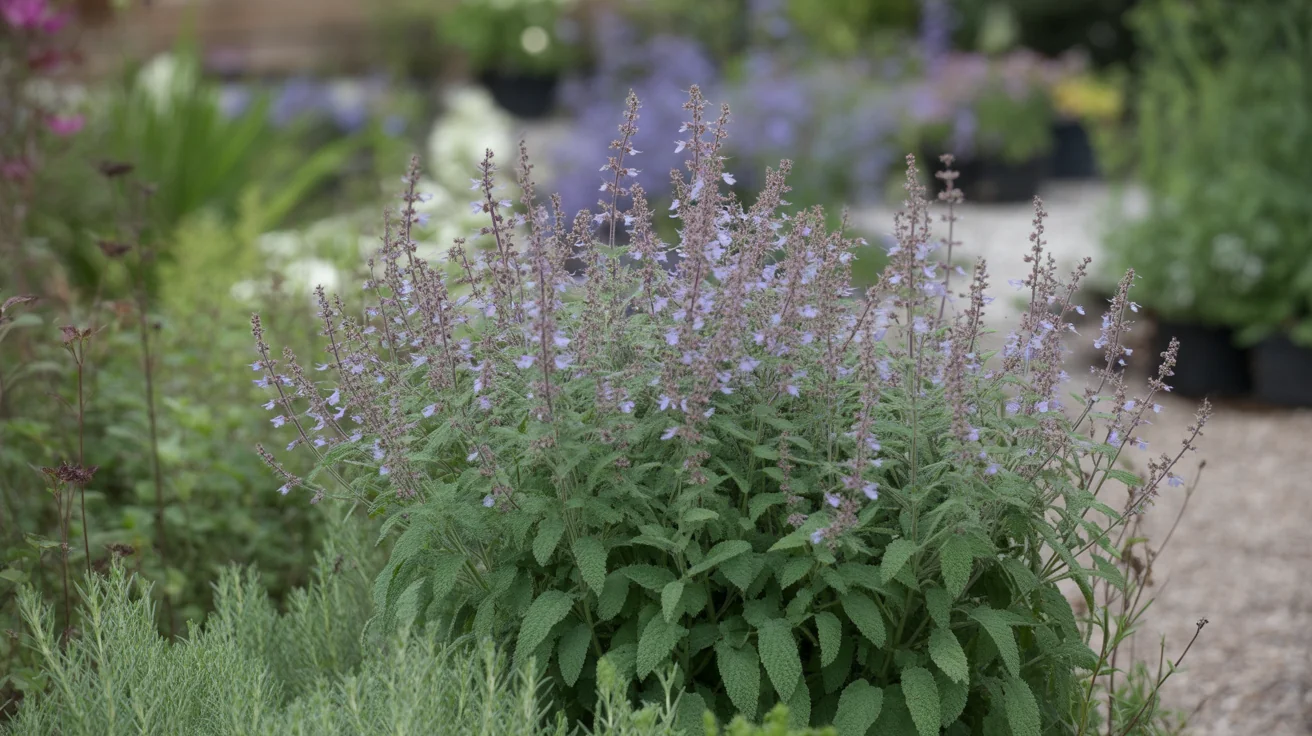
Russian Sage
Airy blue-purple flower spikes with a similar dry-garden look.
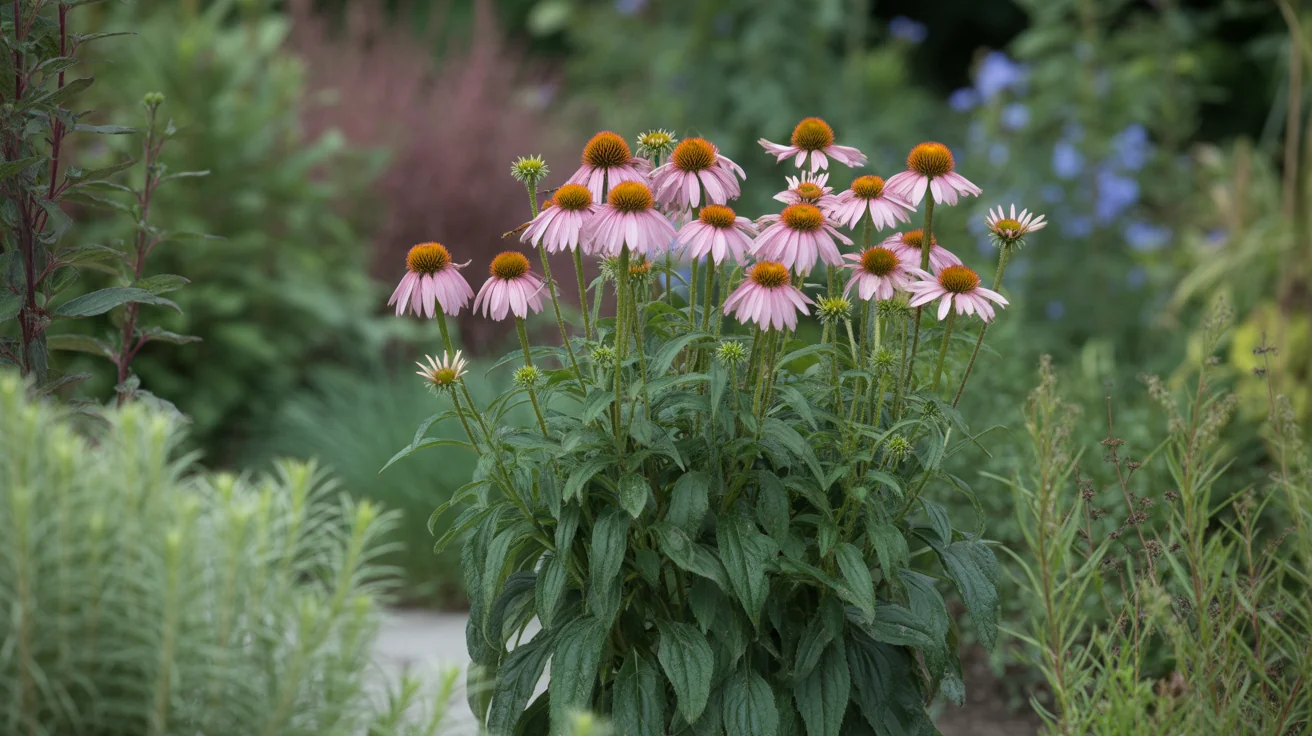
Coneflower
Long-blooming pollinator perennial that pairs well with meadow sages.
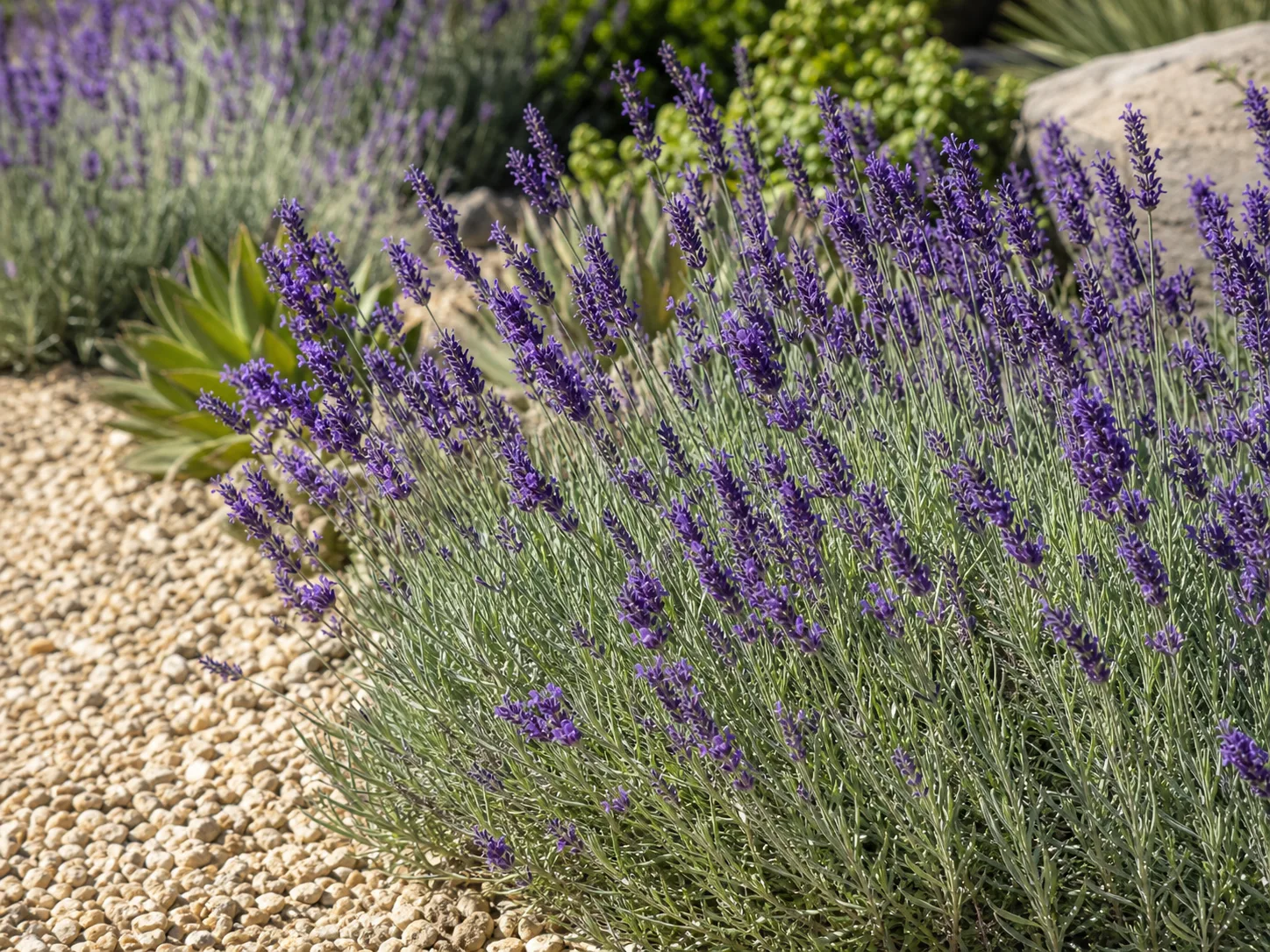
English Lavender
Fragrant dryland subshrub with similar sun and drainage needs.
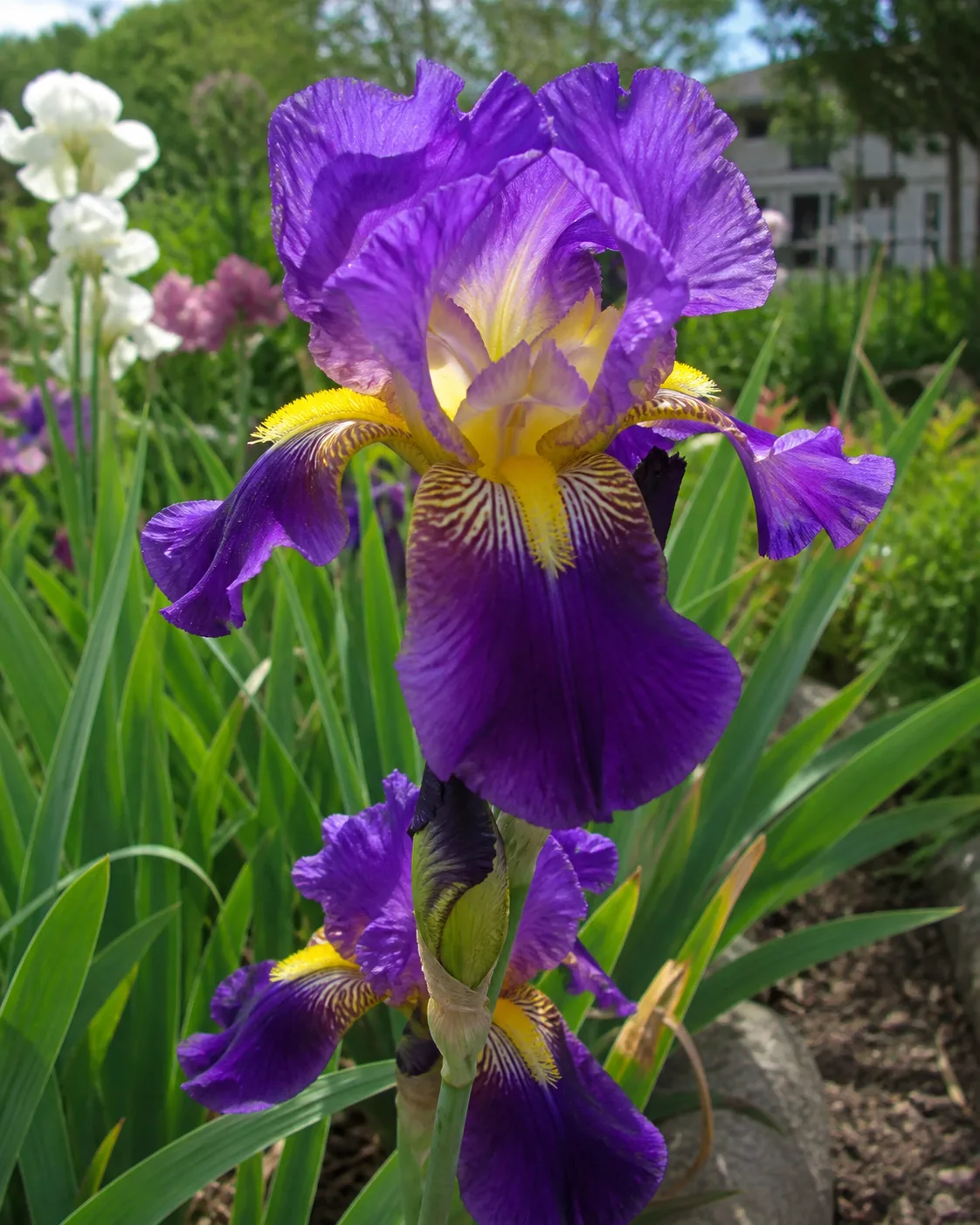
Bearded Iris
Bearded iris are tough, sun-loving perennials grown from shallow rhizomes, not deep bulbs.
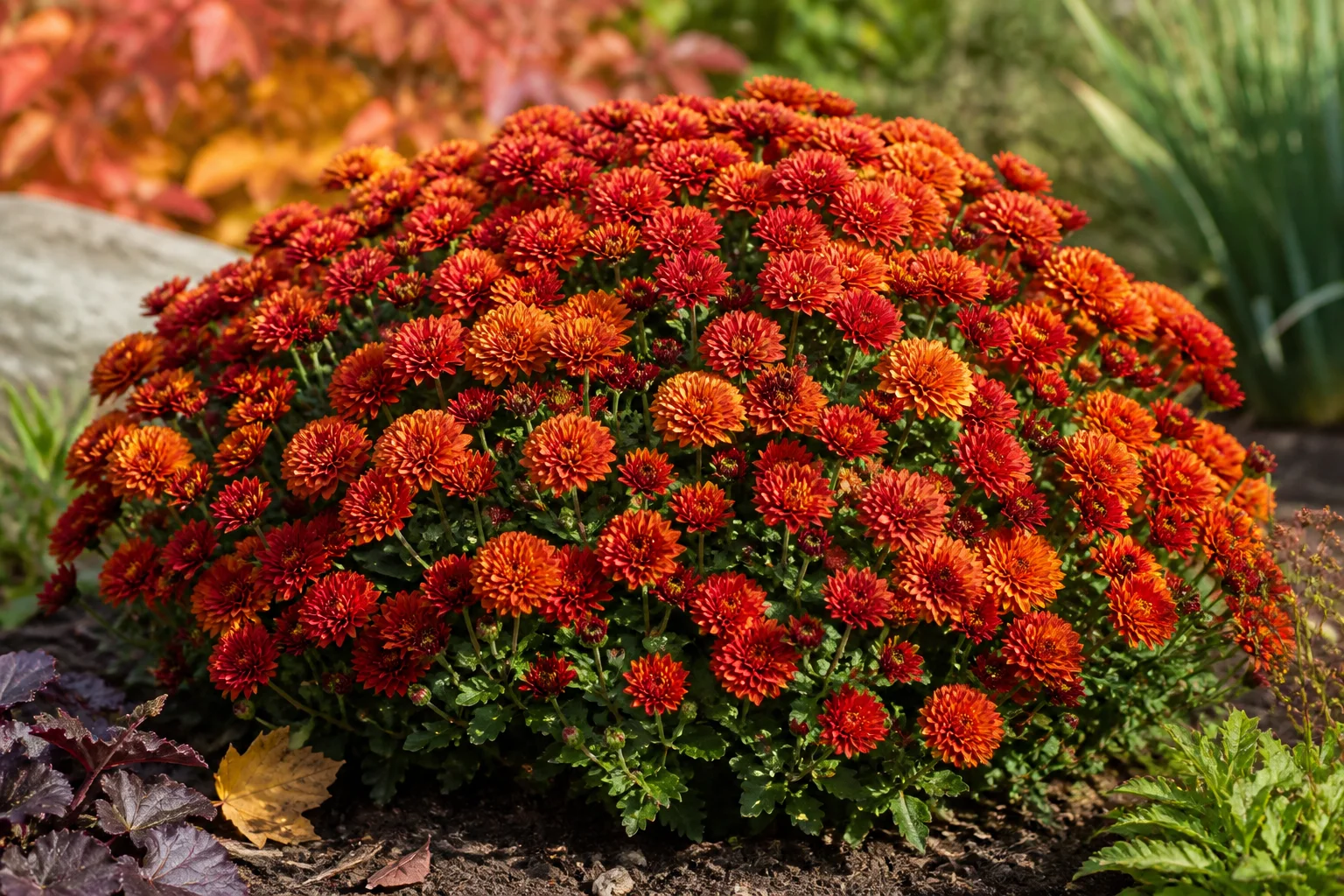
Chrysanthemum
Garden mums are the compact chrysanthemums most people buy for fall color.
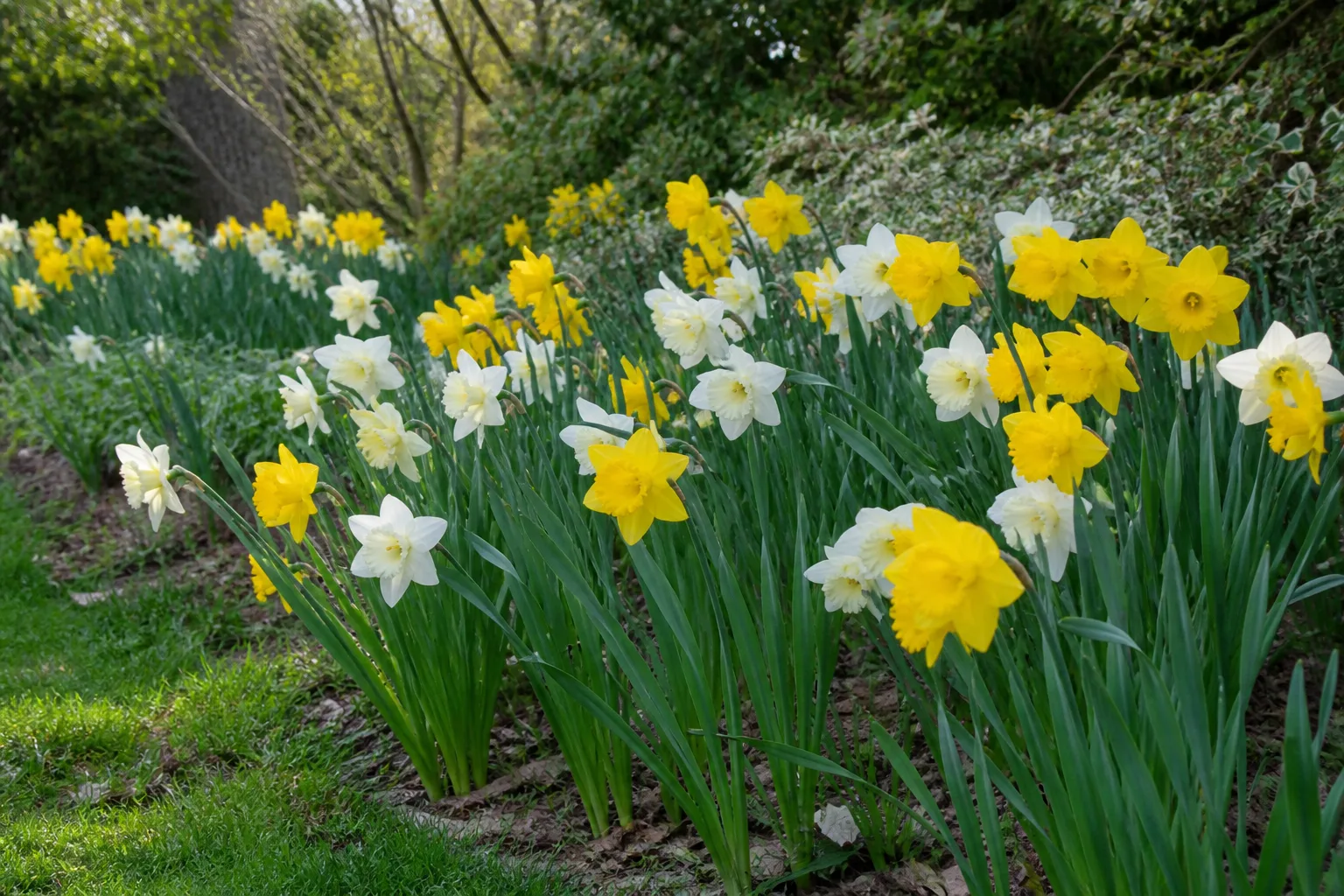
Daffodil
Daffodils are hardy fall-planted bulbs grown for reliable spring flowers, deer resistance, and decades of return bloom…