
Fragrant Plants Only Work Where the Air Stands Still
Learn where floral scent carries, which plants release fragrance by day or after dusk, and why some modern cultivars have little perfume.
At a glance
A scented garden that does not smell of anything is almost always a placement problem rather than a plant problem. Perfume is a volatile compound drifting off a petal, and moving air carries it away faster than the flower can produce it.
Four things decide whether a scented planting works. The first is whether the air in that spot is still enough for perfume to collect. The others are whether the plant broadcasts its scent or waits to be brushed, what hour its flowers release, and whether the cultivar on the label still carries the perfume its species is known for. Several of the most fragrant plants are also poisonous to pets or people, so that check belongs in the plan too.
Scent Travels on Warm Still Air or It Does Not Travel
Flower scent is a set of volatile compounds evaporating off the petal into the air around it. Everything else about placing a scented garden follows from that one fact.
Warmth speeds the evaporation, which is why the same border smells faint at breakfast and strong in late afternoon, and why perfume rises off a bed after warm rain or a well-timed watering.
Moving air undoes it. Wind disperses those compounds faster than the flower can release them, so a heavily scented shrub in an open exposed corner will genuinely smell of almost nothing.
Enclosure is what holds perfume. The Royal Horticultural Society advises growing scented plants in sheltered areas where the scent can be contained, and names enclosed courtyards and walled gardens as the places that keep fragrance longest. Corners between walls, doorways and sheltered seats work for the same reason, while the middle of a windy lawn does not.
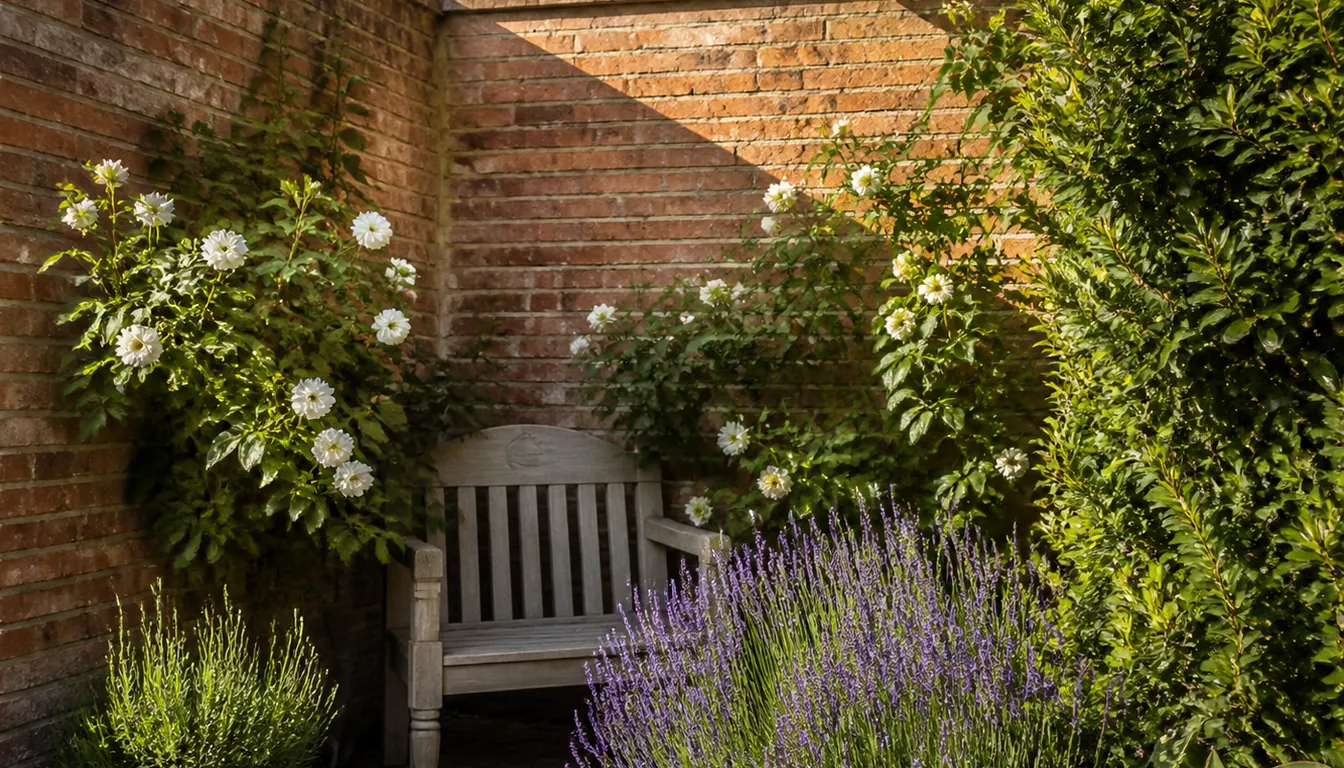
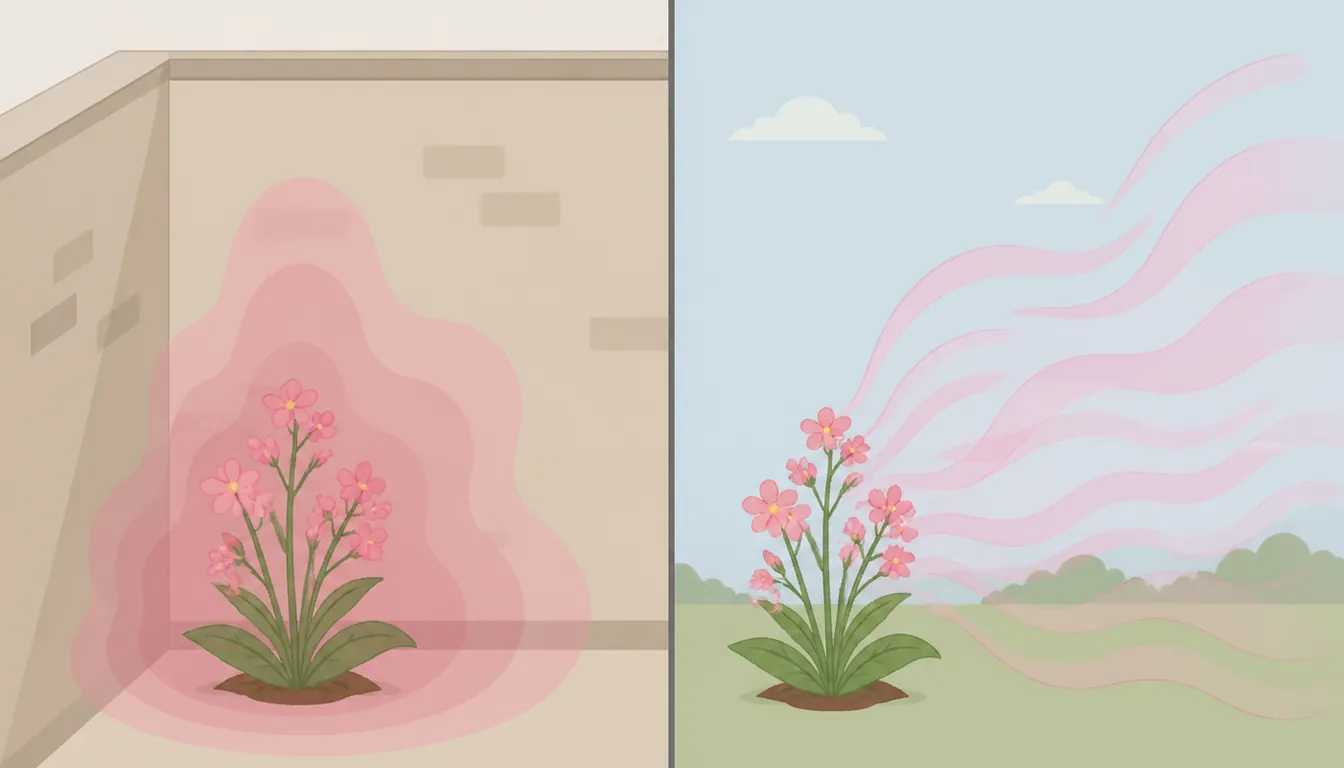
Choose the position first and the plant second. A modest scent in a sheltered corner usually reaches you more often than a famous one in a wind tunnel.
Some Plants Broadcast and Some Wait to Be Touched
Plants deliver scent in two different ways, and the two want opposite positions.
The broadcasters release perfume continuously into the air from the flower itself. Rose, phlox, lily and peony all work at a distance, provided the air around them is still enough to keep it.
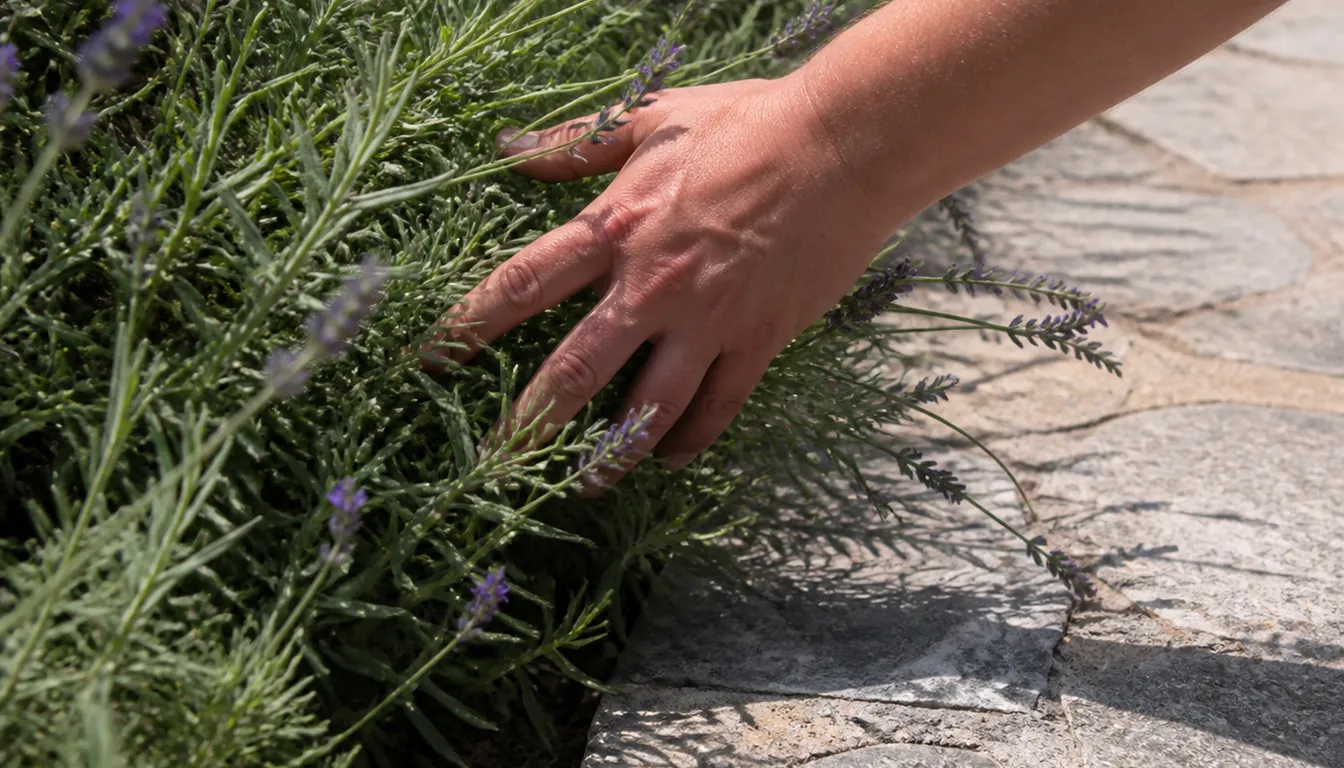
The touch-release plants keep their scent in the leaf, where it stays until something crushes or brushes the foliage. Lavender, rosemary and scented geranium all belong here, and NC State Extension describes both lavender and rosemary leaves as aromatic when bruised.
That difference decides the layout entirely. A broadcaster can sit in the middle of a bed and still reach a seat, while a touch-release plant in the same position will never be smelled at all however strong it is.
Put the touch-release plants where people actually make contact, which means narrow paths, steps, doorways and the edges of seating rather than the back of a border.
Lavender does both jobs, perfuming the air while it flowers and releasing far more when brushed, which is why it earns a path edge more than almost anything else. Keeping it compact enough to spill over that edge is a matter of cutting the spent spikes at the right depth.
The Plants Worth Growing, and When Each One Releases
The hour a flower releases its scent is set by the pollinator it evolved for, and that makes release time the most useful way to sort this list.
The day group is aimed at bees and butterflies, which is why rose, lavender, dianthus, peony and phlox carry their perfume through daylight and fade back at night.
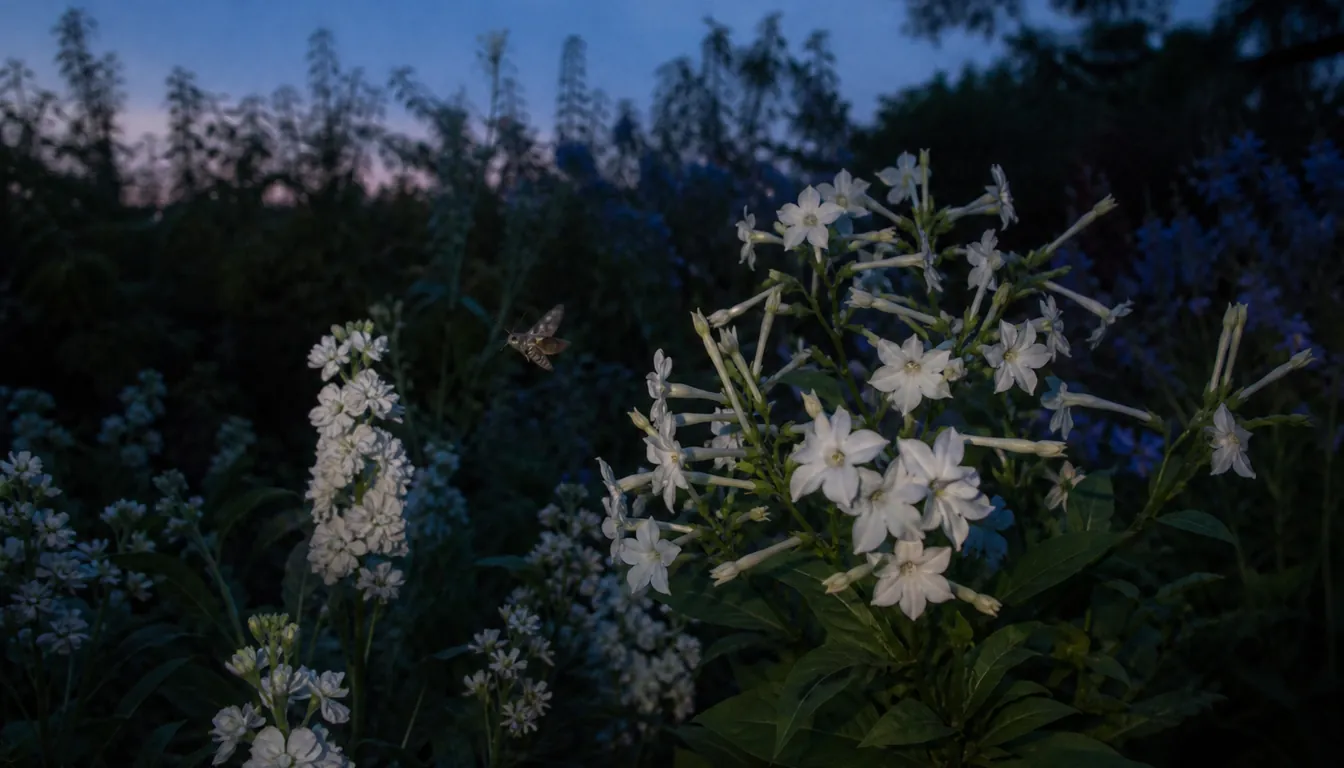
The evening group is aimed at moths. NC State Extension describes jasmine tobacco (Nicotiana alata) as having fragrant flowers that open only at night and draw moths, and moonflower as a vine with fragrant white flowers that open at night for moth pollinators. Night-scented stock works the same way, and all three release after dusk.
Those night flowers are very often white or pale, which helps them show up in low light, and the pattern is consistent enough to shop by once you know it.
A third group covers the months when nothing else does. The RHS points to winter-flowering shrubs such as Daphne bholua, Mahonia japonica and winter honeysuckle (Lonicera fragrantissima) for scent in the darkest season, and NC State lists fragrant daphne (Daphne odora) as flowering in mid to late winter.
The foliage plants sit outside all of this, since lavender, rosemary and scented geranium supply scent from leaves rather than flowers and are not limited to a bloom window at all. Salvia and verbena sit in between, carrying some scent in the leaves alongside a long flowering season.
Plant for the hours you are actually outside, since most gardens are stocked entirely for daylight and then used mainly in the evening. A wider list of fragrant flowers worth growing and the rest of the flower directory fill in around the plants below.
| Plant | When it releases | Scent comes from | Light |
|---|---|---|---|
| Rose | Daylight, peaks late afternoon | Flower | Full sun |
| Lavender | Daylight, plus on contact | Flower and leaf | Full sun |
| Dianthus | Daylight | Flower | Full sun |
| Peony | Daylight | Flower | Full sun |
| Garden phlox | Daylight into evening | Flower | Sun to part shade |
| Lily | Daylight into evening | Flower | Sun to part shade |
| Nicotiana | After dusk | Flower | Sun to part shade |
| Night-scented stock | After dusk | Flower | Full sun |
| Moonflower | After dusk | Flower | Full sun |
| Winter honeysuckle | Winter | Flower | Sun to part shade |
| Daphne | Mid to late winter | Flower | Sun to part shade |
| Rosemary | On contact only | Leaf | Full sun |
Which Scented Plants Are Toxic to Pets or People?
Several of the strongest scents on this list come from poisonous plants, so the pet and child question belongs in the plan before anything is planted beside a seat or a doorway.
Lily is the serious one for cat owners. The ASPCA lists Lilium species as toxic to cats, with kidney failure as the clinical sign, while listing them as non-toxic to dogs and horses. A household with a cat is safer leaving lilies out of the scented border and out of cut-flower vases indoors.
Daphne is poisonous to people. NC State Extension rates its poison severity as high, lists the bark, flowers and fruits as the poisonous parts, and notes that it can cause contact dermatitis, so gloves make sense when pruning it and it does not belong where small children pick berries. The ASPCA has no daphne record, so its effect on pets is unknown.
Moonflower is a morning glory, Ipomoea alba. NC State lists the seeds as the poisonous part, with vomiting and, in large amounts, hallucinations, and the ASPCA lists morning glories (Ipomoea species) as toxic to dogs, cats and horses.
Nicotiana is flowering tobacco. The ASPCA lists tree tobacco (Nicotiana glauca) as toxic to dogs, cats and horses because of the nicotine it contains. It has no separate record for jasmine tobacco, so that species is unknown rather than safe, and the genus record is the closer guide.
| Plant | ASPCA listing for dogs, cats and horses |
|---|---|
| Rose | Non-toxic |
| Rosemary | Non-toxic |
| Lavender | Toxic to all three, with nausea, and vomiting in dogs and cats |
| Peony | Toxic to all three, with vomiting and diarrhea |
| Dianthus (carnation, pinks) | Toxic to all three, with mild stomach upset and mild dermatitis |
| Lily | Toxic to cats, with kidney failure. Non-toxic to dogs and horses |
| Moonflower and other morning glories | Toxic to all three |
| Tree tobacco (Nicotiana glauca) | Toxic to all three |
If a pet eats part of one of these plants, call a veterinarian or the ASPCA Animal Poison Control Center at (888) 426-4435. If a child eats part of daphne, moonflower seed or nicotiana, call Poison Control at 1-800-222-1222.
Breeding Has Taken the Scent Out of Many Cultivars
The species name on a label no longer tells you whether a plant will smell of anything. Two cultivars of the same species can be heavily perfumed and completely scentless.
Scent has often been traded away in breeding, because selecting hard for flower form, color range and vase life leaves nothing to select with for perfume. Flowering tobacco shows it plainly. NC State Extension notes that many nursery plants are compact hybrids such as Nicotiana x sanderae, whose flowers are unscented and open during the day, while the true species Nicotiana alata is the one with night-opening, fragrant flowers. Modern florist roses are the other familiar case, since many carry little scent while old garden roses are known for it.
The only check that works is your own nose on the actual plant, done in warm conditions and in the afternoon rather than first thing when little has evaporated yet.
When nothing is in flower and there is nothing to smell, buy a named cultivar with a documented reputation for scent rather than trusting the species, and expect the choice between a peony and a rose to come down to cultivar more than to species.
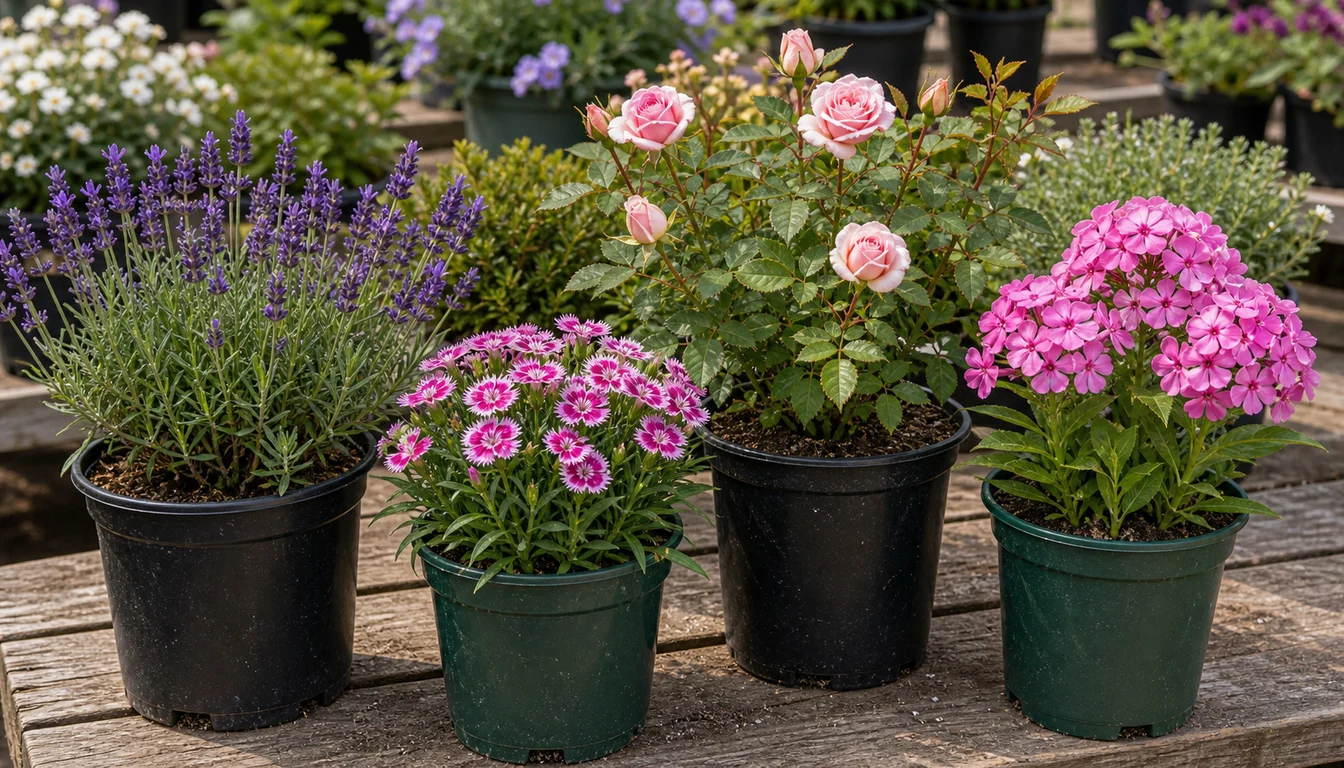
- What to trust
- The plant in front of you, not the label
- When to smell it
- Warm afternoon, not early morning
- Worst case for scent
- Modern cultivars bred for form and vase life
- Best odds
- Old garden roses and heritage cultivars
- Out of flower
- Buy a named cultivar known for scent
Why a Scented Garden Stops Smelling, and How Pockets Fix It
The nose adapts to a smell that does not change. A review of olfactory adaptation research by Pamela Dalton of the Monell Chemical Senses Center describes how repeated or prolonged exposure to an odor lowers sensitivity to that specific odor, and how sensitivity recovers once the exposure stops. It is the same reason you cannot smell your own house when you walk in.
That finding has two practical consequences. Because the loss is specific to one odor, a second, different scent still registers at full strength after the first has faded. And because sensitivity recovers away from the source, a scent met again later, on another part of the path, registers again.
Separate the garden into pockets rather than filling it with one perfume. A rose by the gate, lavender along the path and nicotiana by the evening seat each register on arrival, while a single dominant fragrance everywhere fades into the background the longer you stand in it.
Quick Tips
- Choose the position before the plant, since a modest scent in a sheltered corner beats a famous one in an exposed spot.
- Use the candle test on a spot. Air still enough to keep a flame lit is still enough to hold perfume.
- Put lavender and rosemary where people brush past them, because their scent lives in the leaves and needs contact.
- Plant for the hours you are actually outside, since most gardens are stocked for daylight and used in the evening.
- Smell the individual plant before buying, on a warm afternoon rather than first thing in the morning.
- Separate scents into pockets along a route, since the nose adapts to one unchanging perfume but still notices a different one.
- Check the toxicity listings before planting lily, daphne, moonflower or nicotiana where pets or children spend time.
Recommended Plants
6 flowers worth considering.
Rose
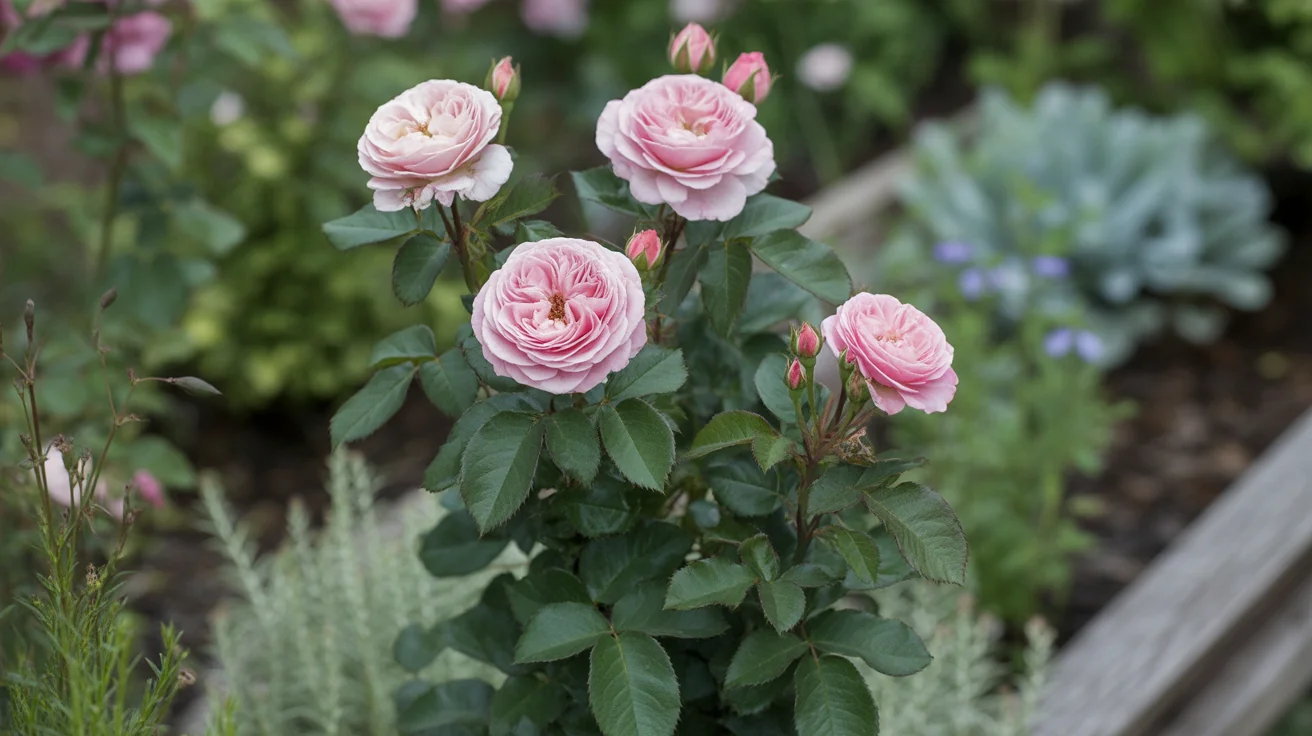
Garden roses range from compact landscape shrubs to climbers, hybrid teas, old garden roses, and container types.
English Lavender
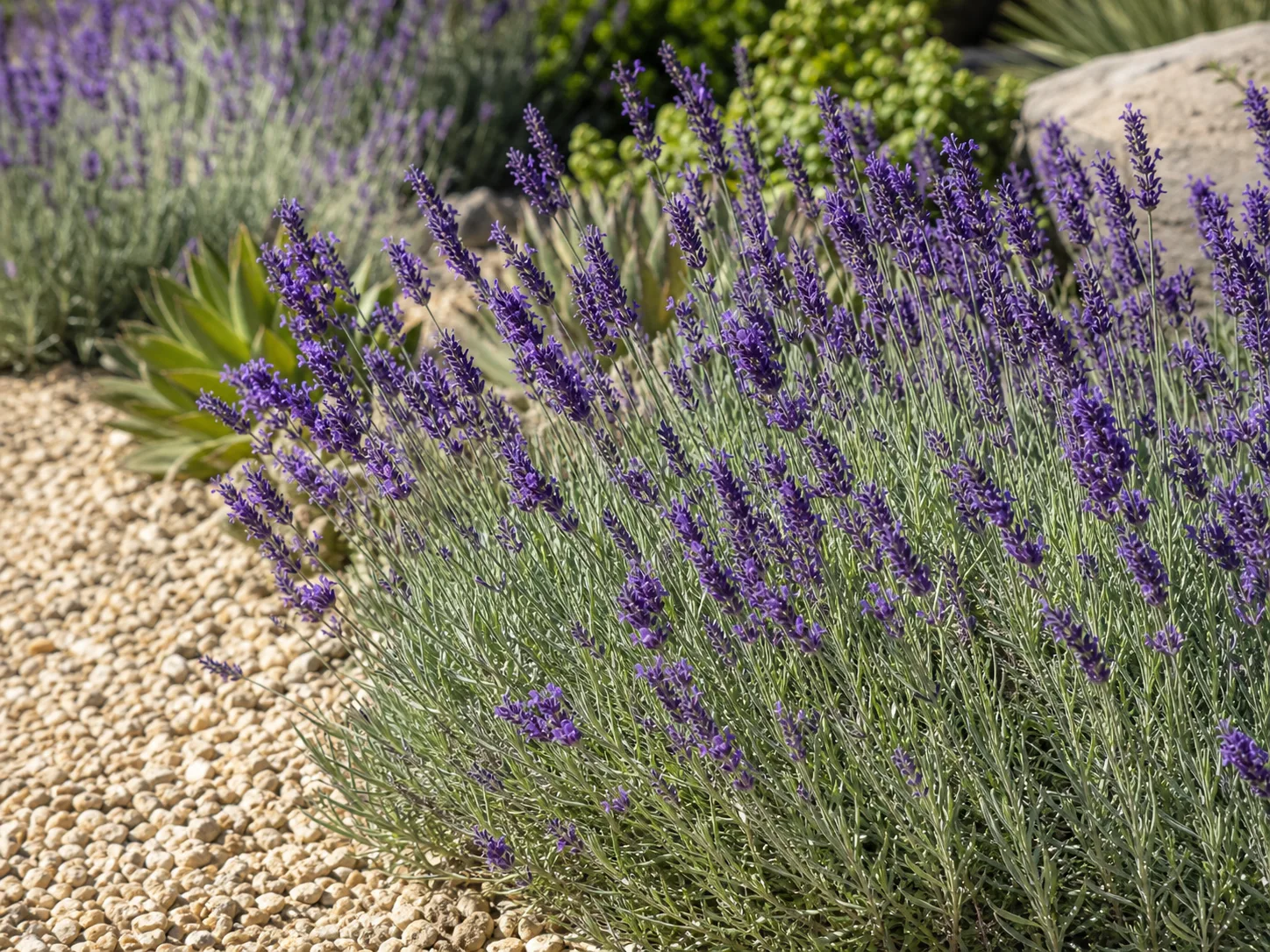
English Lavender is a woody Mediterranean subshrub grown for fragrant purple flower spikes, silvery foliage…
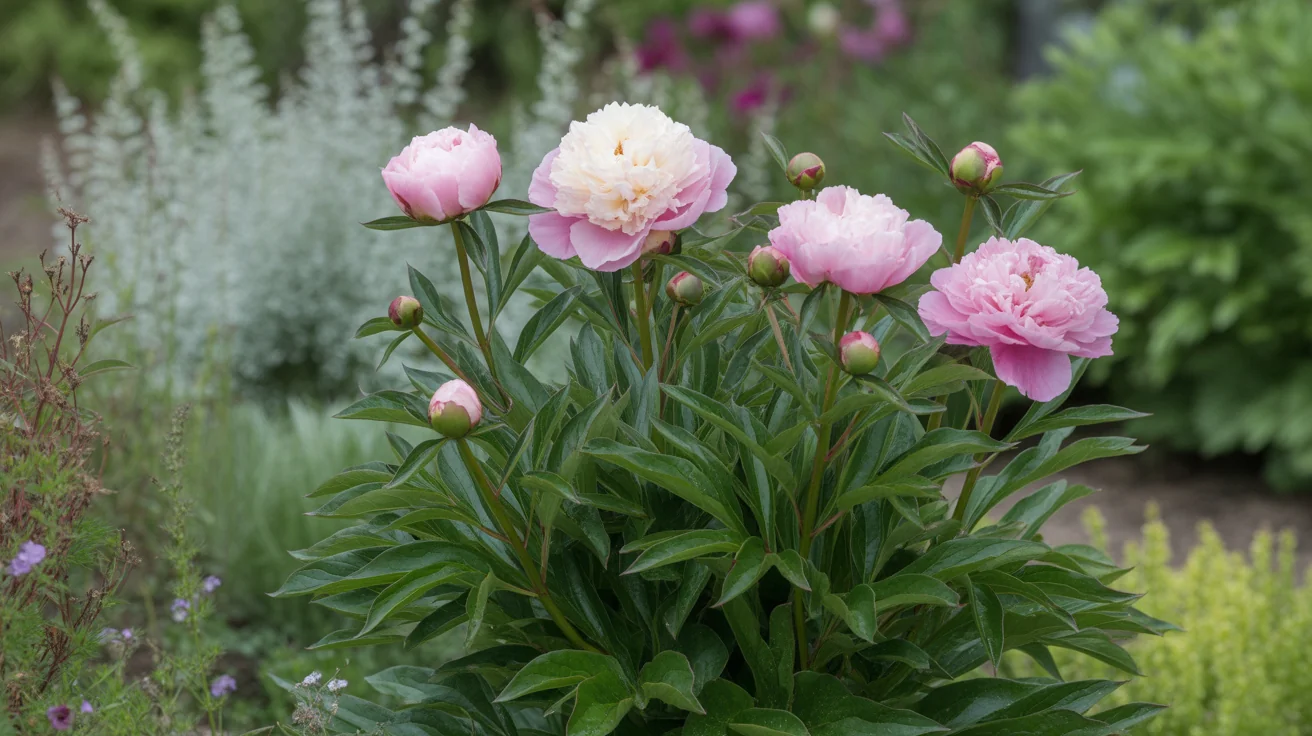
Peony
Peonies are long-lived spring perennials grown for huge flowers, fragrance, and dependable clumps that can bloom for…
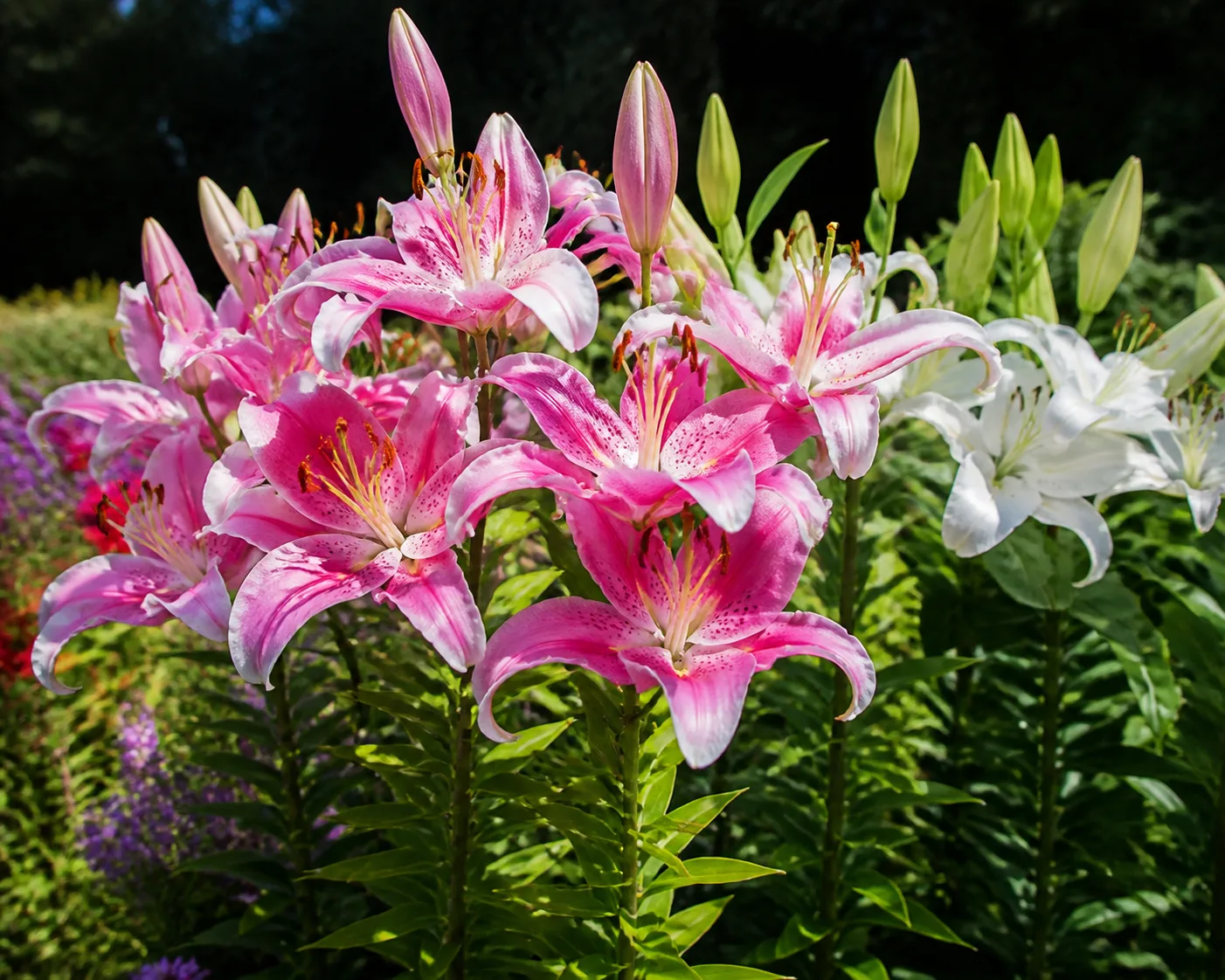
Lily
True lilies are Lilium bulbs grown for tall summer stems, dramatic flowers, fragrance, and cut-flower value.
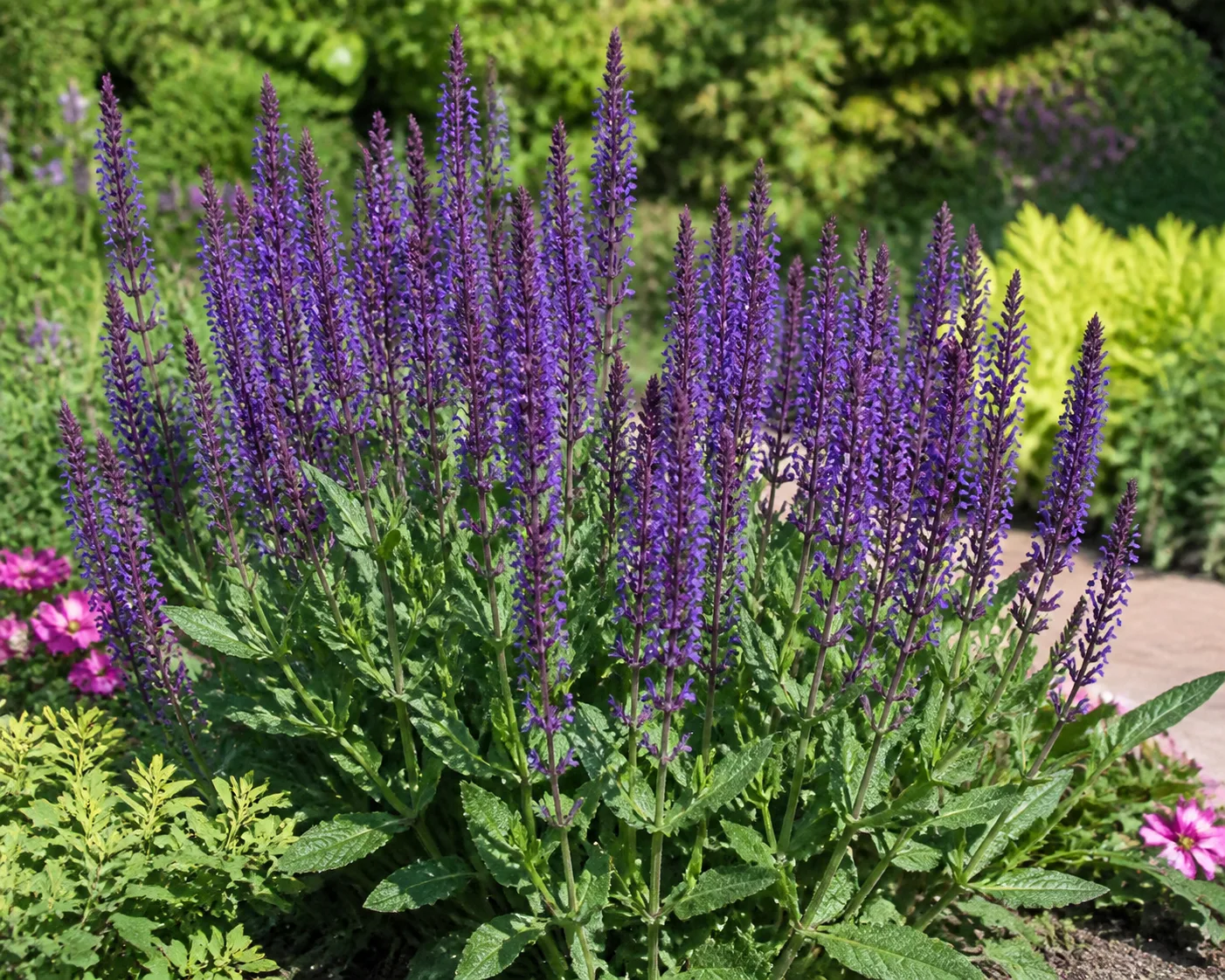
Salvia
This large sage genus includes annuals, tender perennials, and hardy perennial sages grown for upright flower spikes…
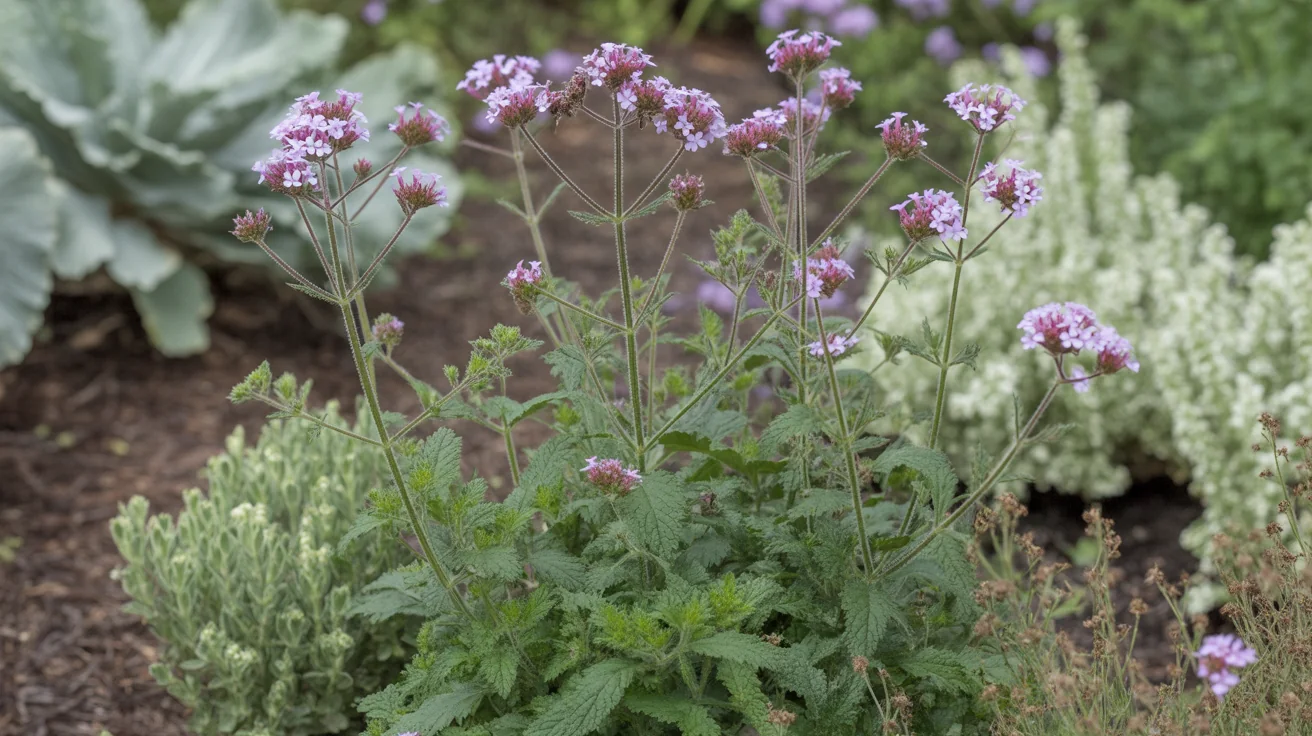
Verbena
Verbena is a sun-loving flower grown for long bloom, heat tolerance, and trailing or mounding color in containers…
Frequently Asked Questions
Why can I not smell my scented plants?
Usually because the position is too exposed, since flower scent is a volatile compound that wind disperses faster than the plant can release it. Move the planting to a sheltered corner, a courtyard or beside a doorway where the air sits still, and the same plants will smell far stronger.
What time of day do flowers smell strongest?
Most day-scented flowers peak in warm late afternoon, because warmth speeds the evaporation that carries scent into the air. Night-scented plants such as nicotiana and moonflower work the opposite way and release only after dusk, since they are aimed at moths rather than bees.
Which flowers are the most fragrant?
For daylight, old garden roses, lavender, dianthus, peony and garden phlox are the reliable performers. For evening, nicotiana, night-scented stock and moonflower release after dusk, and daphne or winter honeysuckle cover the winter months. Lily, daphne, moonflower, nicotiana, lavender, peony and dianthus all carry ASPCA or NC State toxicity listings, so check the safety table before planting them where pets or children play.
Why does my rose have no scent?
Because scent is often traded away in breeding for flower form, color and vase life, so two cultivars of the same species can differ completely. Old garden roses are the safest choice if perfume is the point, and the only reliable check is to smell the actual plant on a warm afternoon.
Where should I plant lavender and rosemary for scent?
Along a narrow path, beside steps, at a doorway or at the edge of seating, because their scent sits in the leaves and is only released when the foliage is brushed or crushed. Planted in the middle of a bed where nobody touches them, they will never be smelled however strongly scented they are.
Why does a heavily scented garden stop smelling of anything?
Your nose adapts to a smell that does not change, and research on olfactory adaptation shows the loss is specific to that one odor and recovers once you move away. One perfume filling the whole garden therefore fades into the background, while separate pockets of different scent along a route each register again on arrival.
Which fragrant plants are toxic to cats and dogs?
The ASPCA lists lilies as toxic to cats, with kidney failure as the sign, and lists lavender, peony, dianthus and morning glories, which include moonflower, as toxic to dogs, cats and horses. Rose and rosemary are on its non-toxic list. Daphne is rated highly poisonous by NC State Extension.
Sources & References
- Fragrant plants, Royal Horticultural Society
- Nicotiana alata, North Carolina State Extension Gardener Plant Toolbox
- Ipomoea alba, North Carolina State Extension Gardener Plant Toolbox
- Daphne odora, North Carolina State Extension Gardener Plant Toolbox
- Lavandula angustifolia, North Carolina State Extension Gardener Plant Toolbox
- Salvia rosmarinus, North Carolina State Extension Gardener Plant Toolbox
- Lily, ASPCA Toxic and Non-Toxic Plants
- Morning Glory, ASPCA Toxic and Non-Toxic Plants
- Nicotiana, ASPCA Toxic and Non-Toxic Plants
- Lavender, ASPCA Toxic and Non-Toxic Plants
- Peony, ASPCA Toxic and Non-Toxic Plants
- Carnation, ASPCA Toxic and Non-Toxic Plants
- Rose, ASPCA Toxic and Non-Toxic Plants
- Rosemary, ASPCA Toxic and Non-Toxic Plants
- Psychophysical and Behavioral Characteristics of Olfactory Adaptation, Chemical Senses
- Poison Control, National Capital Poison Center